


Introduction to Morel Mushroom Cultivation
Morel mushrooms (Morchella species) are among the most prized edible fungi in the culinary world, commanding premium prices and inspiring passionate devotion from chefs and food enthusiasts alike. Their distinctive honeycomb-patterned caps, rich earthy flavor, and limited seasonal availability in the wild have created significant interest in cultivation methods. However, unlike more common mushroom varieties such as button, oyster, or shiitake, morels have historically presented unique challenges to cultivators.
For decades, successful commercial cultivation of morels remained elusive, making these delicious fungi available primarily through wild foraging during their brief spring growing season. The good news is that recent advances in cultivation techniques, particularly developments from China and research in Europe and North America, have begun to change this landscape, making morel cultivation increasingly feasible for both commercial producers and dedicated hobbyists.
This comprehensive guide explores the world of morel mushroom cultivation, covering everything from understanding their complex biology to implementing various cultivation methods, addressing common challenges, and ultimately harvesting these prized mushrooms. Whether you're a curious hobbyist, a small-scale grower, or someone considering commercial production, this information will help you navigate the fascinating and challenging journey of morel cultivation.

Understanding Morel Mushroom Biology
The Morel Life Cycle
One of the key challenges in morel cultivation is their complex life cycle:
- Spore stage: Microscopic spores are released from mature morel caps
- Primary mycelium: Spores germinate to form initial thread-like growth
- Mycelial mating: Different mycelial strains must combine to form reproductive mycelium
- Secondary mycelium: Fully reproductive fungal network develops
- Sclerotia formation: Hardened mycelial masses form to store nutrients
- Dormancy period: Often requires specific environmental triggers
- Fruiting body development: Under specific conditions, sclerotia produce the mushrooms we recognize as morels
This multi-stage process explains why morels cannot simply be "planted" like conventional crops or even cultivated using methods that work for other mushroom species.
Natural Growing Conditions
Understanding where morels grow in the wild provides essential insights for cultivation:
- Seasonal timing: Spring emergence when soil temperatures reach approximately 50-60°F (10-15°C)
- Soil characteristics: Well-draining soils with good organic content
- Tree associations: Often found near specific trees, particularly ash, elm, apple, and certain conifers
- Disturbance patterns: Frequently appear in areas with recent disturbance, including burn sites and dying tree locations
- Climate requirements: Need specific temperature and moisture patterns
These natural parameters inform the conditions that need to be replicated in cultivation settings.
Morel Species for Cultivation
Certain morel species have proven more amenable to cultivation:
- Morchella importuna: The most widely cultivated species in China's commercial operations
- Morchella rufobrunnea: Sometimes called the "landscape morel," adapts well to cultivation
- Morchella sextelata: Another species successfully cultivated in China
- Morchella conica/elata complex: Black morels that have shown promise in indoor cultivation experiments
Different species may require slightly different cultivation approaches, so identifying the appropriate species for your climate and setup is important.
Morel Cultivation Methods
Chinese Field Cultivation System
The most successful large-scale commercial approach originated in China:
- Initial success: First commercial success achieved in Sichuan province in 2012
- Rapid expansion: Spread to over 20 provinces with cultivation area increasing 80-fold in a decade
- Yield potential: Commercial operations achieving up to 15,000 kg/ha in optimal conditions
- Nutrient bag system: Uses supplemental nutrient sources placed in the growing medium
- Two-phase approach: Creates contrasting "rich" and "poor" nutrient environments that morels require
This method has revolutionized commercial morel production but requires significant expertise and investment.
Indoor Cultivation Approaches
Laboratory and controlled environment methods:
- Historical background: First successfully achieved by Ronald Ower in 1982
- Sclerotia focus: Emphasis on generating the nutrient-storing structures
- Climate control: Precise management of temperature, humidity, and light
- Danish innovation: The Danish Morel Project recently achieved breakthrough indoor cultivation
- Commercial challenges: Despite success, indoor methods often face economic viability issues
These approaches offer year-round production potential but require specialized equipment and technical expertise.
Outdoor Bed Cultivation
Creating dedicated growing areas outdoors:
- Site selection: Partially shaded location with appropriate drainage
- Soil preparation: Mixture of garden soil, compost, sand, and other amendments
- Wood ash addition: Often added to increase alkalinity and provide minerals
- Spawn introduction: Various methods of introducing morel mycelium
- Patience requirement: May take 1-3 years before first fruiting occurs
This method attempts to recreate natural growing conditions while concentrating morel mycelium in a specific area.
Tree Association Method
Working with morels' natural affinities:
- Tree selection: Using appropriate species known to associate with morels
- Inoculation zone: Focusing on the area around tree bases
- Disturbance induction: Sometimes including controlled damage to stimulate fruiting
- Long-term approach: Establishing an ongoing habitat rather than a one-time growing bed
- Natural cycle integration: Working with seasonal patterns
This approach leverages the complex ecological relationships morels form with trees.
Setting Up a Morel Growing Operation
Site and Space Requirements
Considerations for establishing a growing area:
- Location selection: Areas with climate conditions similar to natural morel habitat
- Space planning: Determining appropriate scale for your goals
- Light exposure: Managing appropriate levels of indirect light
- Protection needs: Considering structures like shade cloth or hoop houses
- Water access: Ensuring reliable water source for consistent moisture
Thoughtful site selection significantly impacts cultivation success.
Equipment and Materials
Essential items for morel cultivation:
- Growing medium components: Soil, compost, sand, wood chips, and/or other substrates
- Spawn sources: Purchased spawn or self-produced from spore prints or tissue cultures
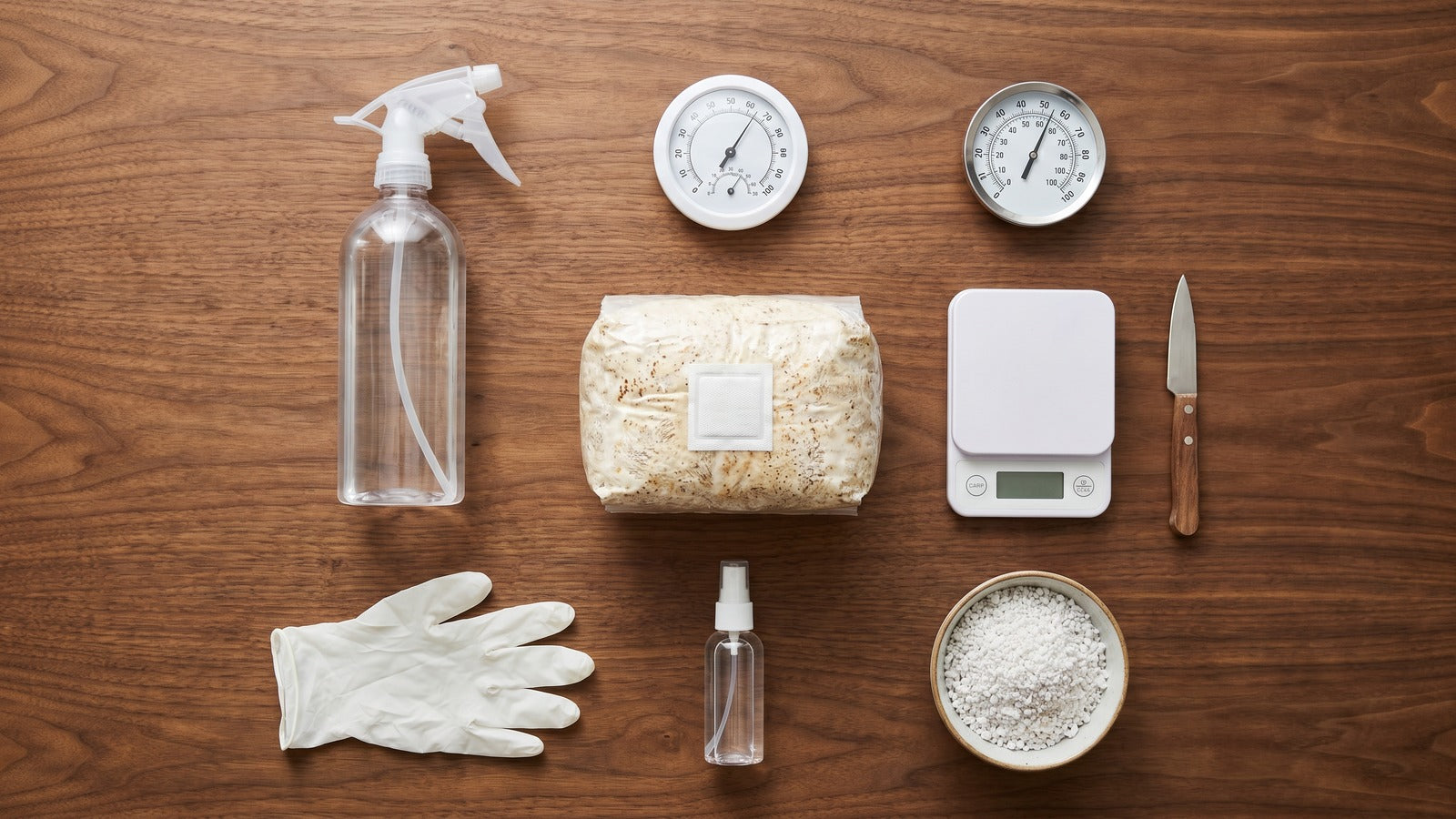
- Tools: Basic gardening implements, thermometers, pH testing equipment
- Irrigation system: Appropriate watering setup for your scale
- Protection materials: Mulch, shade cloth, or other environmental management tools
Starting with quality materials increases chances of success.
Choosing a Cultivation Method
Selecting the approach that best fits your situation:
- Scale considerations: Matching method to available space and resources
- Timeline expectations: Understanding the time investment for different approaches
- Technical requirements: Assessing your ability to implement more complex methods
- Climate compatibility: Choosing methods appropriate for your local conditions
- Financial investment: Weighing costs against potential returns
Different methods suit different situations, and many growers experiment with multiple approaches.
Step-by-Step Cultivation Techniques
Spawning Methods
Introducing morel mycelium to your growing area:
- Commercial spawn: Using purchased spawn from reputable suppliers
- Spore slurry: Creating liquid spore solutions from fresh morels
- Stem butt propagation: Using the base of fresh morel stems for propagation
- Tissue culture: For those with laboratory equipment and sterile technique skills
- Transplant method: Moving soil and mycelium from known productive areas
The quality and viability of your starting material significantly impacts success rates.
Creating Optimal Growing Conditions
Managing the environment for morel growth:
- Soil preparation: Creating the appropriate texture and nutrient profile
- Moisture management: Maintaining consistent humidity without waterlogging
- Temperature control: Working with seasonal temperature patterns or managing indoor environments
- Nutrient balance: Creating the specific nutritional conditions morels require
- Protection strategies: Shielding growing areas from extreme conditions
Morels require specific environmental parameters that must be carefully maintained.
Inducing Fruiting
Triggering morels to produce mushrooms:
- Temperature fluctuation: Creating temperature changes that stimulate fruiting
- Moisture cycling: Managing wet-dry cycles that can trigger fruiting
- Nutritional stress: Creating controlled nutrient limitations in some systems
- Seasonal timing: Working with natural spring conditions in outdoor cultivation
- Patience requirement: Understanding that fruiting may take multiple seasons to achieve
The transition from mycelial growth to mushroom production is often the most challenging aspect of morel cultivation.
Harvesting Techniques
Properly collecting mature morels:
- Timing identification: Recognizing when morels are ready to harvest
- Cutting method: Using clean cuts at the stem base rather than pulling
- Handling care: Gentle collection to prevent damage
- Collection containers: Using breathable baskets or bags
- Field cleaning: Minimal cleaning during harvest to preserve quality
Proper harvesting methods preserve both your current crop and future production potential.
Commercial Cultivation Considerations
Economic Viability
Understanding the business aspects of morel cultivation:
- Market assessment: Evaluating local and regional demand for morels
- Price points: Current market value for fresh and dried morels
- Production costs: Expenses for spawn, substrates, equipment, and labor
- Scale requirements: Determining minimum viable production scale
- Return timeline: Understanding when to expect financial returns
Commercial morel cultivation requires careful financial planning and realistic expectations.
Scaling Production
Moving beyond small-scale experimentation:
- Space expansion: Increasing growing area based on proven success
- Workflow optimization: Developing efficient systems for larger operations
- Labor management: Planning for increased workload during critical periods
- Equipment upgrades: Scaling tools and systems appropriately
- Quality control: Maintaining consistent quality with increased production
Successful expansion builds on smaller-scale successes rather than immediately starting large.
Marketing and Distribution
Connecting your morels with customers:
- Direct sales channels: Farmers markets, restaurant sales, and direct-to-consumer options
- Value-added products: Dried morels, powders, or other preserved forms
- Branding considerations: Differentiating cultivated morels in the marketplace
- Education component: Informing customers about the value of cultivated morels
- Strategic timing: Managing seasonal production and year-round demand
Effective marketing strategies are essential for commercial success.
Common Challenges and Solutions
Contamination Issues
Addressing unwanted organisms:
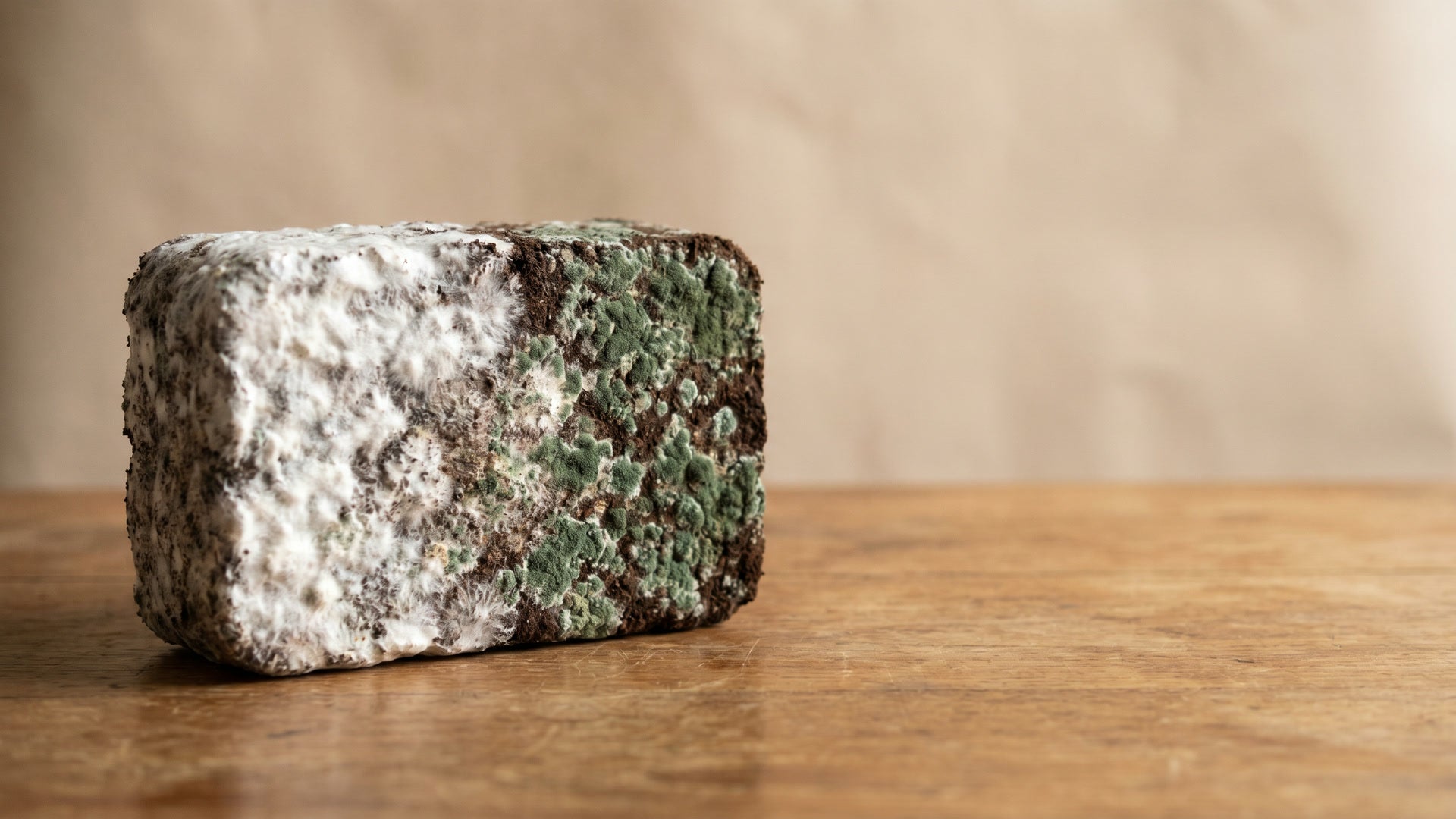
- Competitor fungi: Other fungal species that may outcompete morel mycelium
- Bacterial problems: Bacterial contamination that can inhibit growth
- Insect management: Dealing with insects that may damage mycelium or mushrooms
- Prevention strategies: Creating clean growing environments
- Treatment options: Addressing contamination when it occurs
Contamination control is critical, especially for indoor cultivation methods.
Environmental Management Difficulties
Overcoming challenges in maintaining optimal conditions:
- Moisture balance: Preventing both drying out and waterlogging
- Temperature fluctuations: Managing temperature especially in outdoor settings
- Light exposure: Controlling appropriate light levels
- Seasonal variability: Adapting to year-to-year weather differences
- Microclimate creation: Establishing appropriate small-scale environments
Consistent environmental management is often the key to successful cultivation.
No Fruiting Despite Mycelial Growth
When mycelium grows but doesn't produce mushrooms:
- Patience reminder: Many cultivation attempts require multiple years before fruiting
- Trigger application: Considering various environmental cues to stimulate fruiting
- Strain viability: Evaluating whether your morel strain is appropriate for your conditions
- Environmental assessment: Checking all growing parameters against requirements
- Alternative approaches: Trying different methods if one approach consistently fails
This common challenge requires persistence and willingness to adjust methods.
Advanced Techniques for Experienced Cultivators
Strain Development and Selection
Improving your morel genetics:
- Wild strain collection: Gathering local strains adapted to your climate
- Selective propagation: Choosing and propagating particularly successful strains
- Cross-strain experimentation: Testing multiple strains to identify best performers
- Performance tracking: Documenting strain characteristics and production
- Long-term development: Building a genetic library of successful strains
Advanced cultivators often develop proprietary strains optimized for their conditions.
Technological Innovations
Cutting-edge approaches to morel cultivation:
- Controlled environment agriculture: Using precision climate control systems
- Lighting technology: Specialized lighting to simulate natural conditions
- Nutrient delivery systems: Advanced methods of providing optimal nutrition
- Data tracking tools: Using sensors and software to monitor growing conditions
- Automation possibilities: Reducing labor through automated systems
Technology continues to advance the possibilities for reliable morel cultivation.
Research Participation
Contributing to the growing body of morel knowledge:
- Citizen science: Participating in broader research initiatives
- Data sharing: Contributing your experiences to community knowledge
- University partnerships: Collaborating with academic researchers
- Experimental design: Conducting structured experiments to test hypotheses
- Publication opportunities: Sharing significant findings with the wider community
Participating in research advances both personal success and the field as a whole.
Future of Morel Cultivation
Emerging Trends
Developments shaping the future of morel cultivation:
- Strain improvements: Development of more reliable and productive varieties
- Cultivation technology: Continuing advances in growing techniques
- Market expansion: Increasing demand for year-round morels
- Sustainability focus: More environmentally friendly production methods
- Knowledge democratization: Broader sharing of cultivation techniques
The field continues to evolve rapidly as new discoveries and methods emerge.
Opportunities for Innovation
Areas ripe for breakthrough developments:
- Simplified cultivation systems: More accessible methods for small-scale growers
- Yield enhancement: Techniques to increase production per square foot
- Cycle acceleration: Reducing time from inoculation to harvest
- Cost reduction: Making cultivation more economically viable
- Quality improvement: Enhancing flavor and texture of cultivated morels
Innovation opportunities exist at all scales from hobby to commercial.
Community and Knowledge Sharing
The importance of collective learning:
- Grower networks: Communities of cultivators sharing experiences
- Open-source approaches: Freely shared techniques and findings
- Mentorship opportunities: Experienced growers guiding newcomers
- Documentation importance: Recording and sharing successes and failures
- Cross-disciplinary collaboration: Bringing together diverse expertise
The collective knowledge of the morel cultivation community advances faster than individual efforts.

Conclusion: The Rewarding Challenge of Morel Cultivation
Cultivating morel mushrooms represents one of mycology's most fascinating challenges. While significant progress has been made in recent years, particularly with commercial development in China and breakthrough indoor cultivation in Denmark, growing morels remains more complex than cultivating most other mushroom species. This complexity, however, is part of what makes successful morel cultivation so rewarding.
Whether you're approaching morel cultivation as a curious hobbyist, a gourmet seeking a personal supply, or an entrepreneur exploring commercial possibilities, the journey requires patience, careful observation, and a willingness to experiment. The investment of time and resources can be substantial, but the reward of harvesting your own morels, a delicacy that commands premium prices and captivates culinary enthusiasts worldwide, offers unique satisfaction.
As cultivation techniques continue to evolve and more growers share their experiences, the mysteries of morel production are gradually yielding to scientific understanding and practical know-how. By starting with the methods outlined in this guide, remaining flexible in your approach, and connecting with the broader community of morel enthusiasts, you can join the exciting frontier of cultivating one of nature's most prized edible treasures.

Aktie:
How to Grow Morel Mushrooms
Raising Morel Mushrooms: A Complete Guide for Enthusiasts and Home Growers