


Every spring, foragers across North America check soil temperatures, scour weather maps, and watch satellite imagery for the moving front of morel season. The morel mushroom map 2025 isn't a single document; it's a moving target tracked through a combination of community reports, USDA soil temperature data, and decades of accumulated regional knowledge about when morels emerge in each climate zone.
Here's the practical, science-backed guide to where and when morels appear across the United States in 2025, what triggers fruiting, and how to plan your foraging or growing season around the data.
How the Morel Season Moves
Morels fruit when soil temperatures at 4 inches deep hit roughly 50 degrees Fahrenheit, with night air temperatures staying above 40 degrees and recent rainfall. That biological clock starts in the southernmost states in late March and rolls northward through May, reaching the upper Midwest, Great Lakes, and New England in mid-to-late May.
The progression is sometimes called the morel front, and tracking it requires looking at three data layers:
- Soil temperature: USDA and university extension services publish current 4-inch soil temperature maps for most states.
- Recent precipitation: morels need 1 to 2 inches of rain in the 7 to 10 days before fruiting.
- Tree leaf-out timing: morels often appear when mayapples are up, tulip poplars are starting to leaf, and oak leaves are the size of a squirrel's ear (an old foraging proverb that holds up in practice).

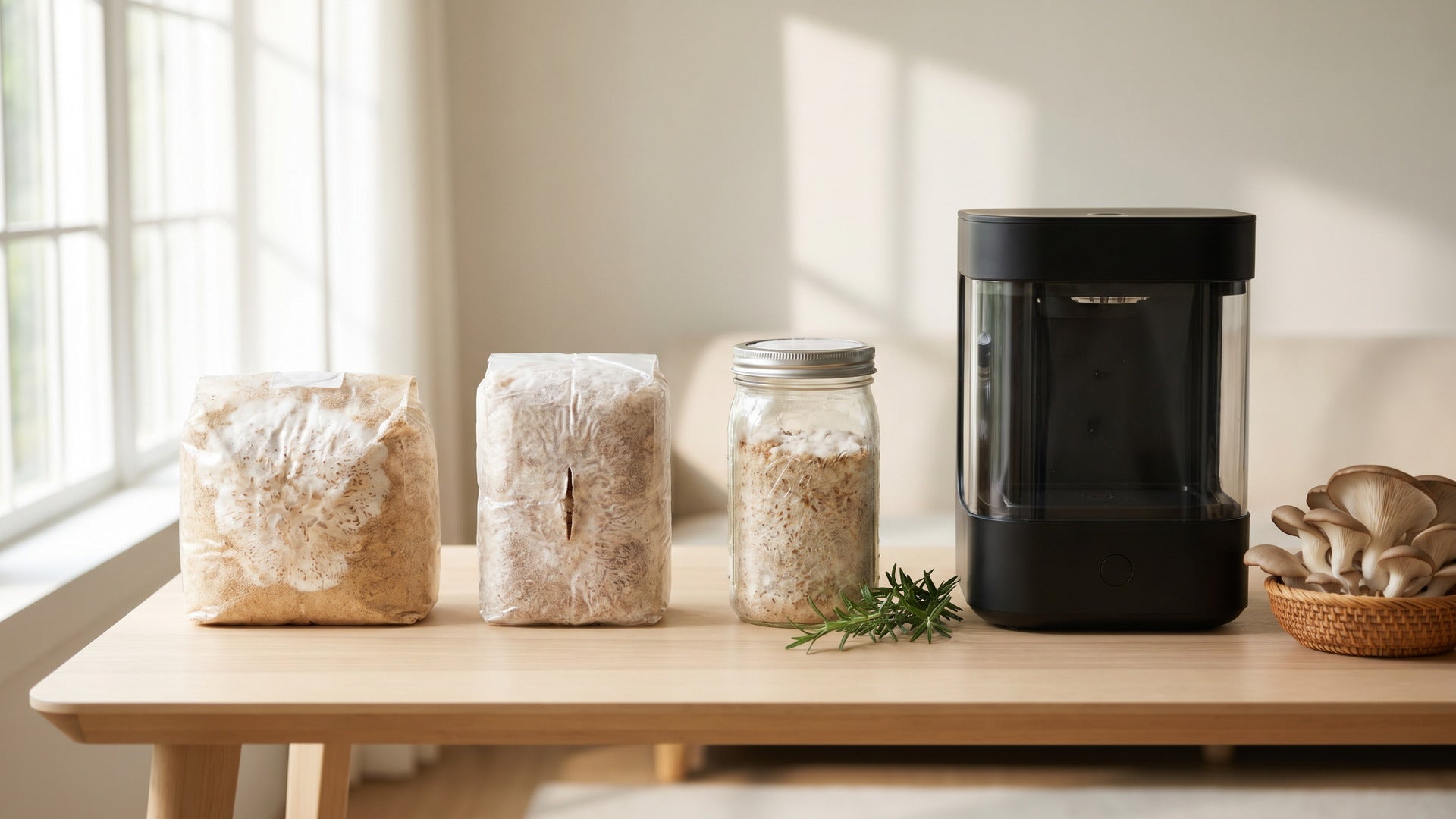
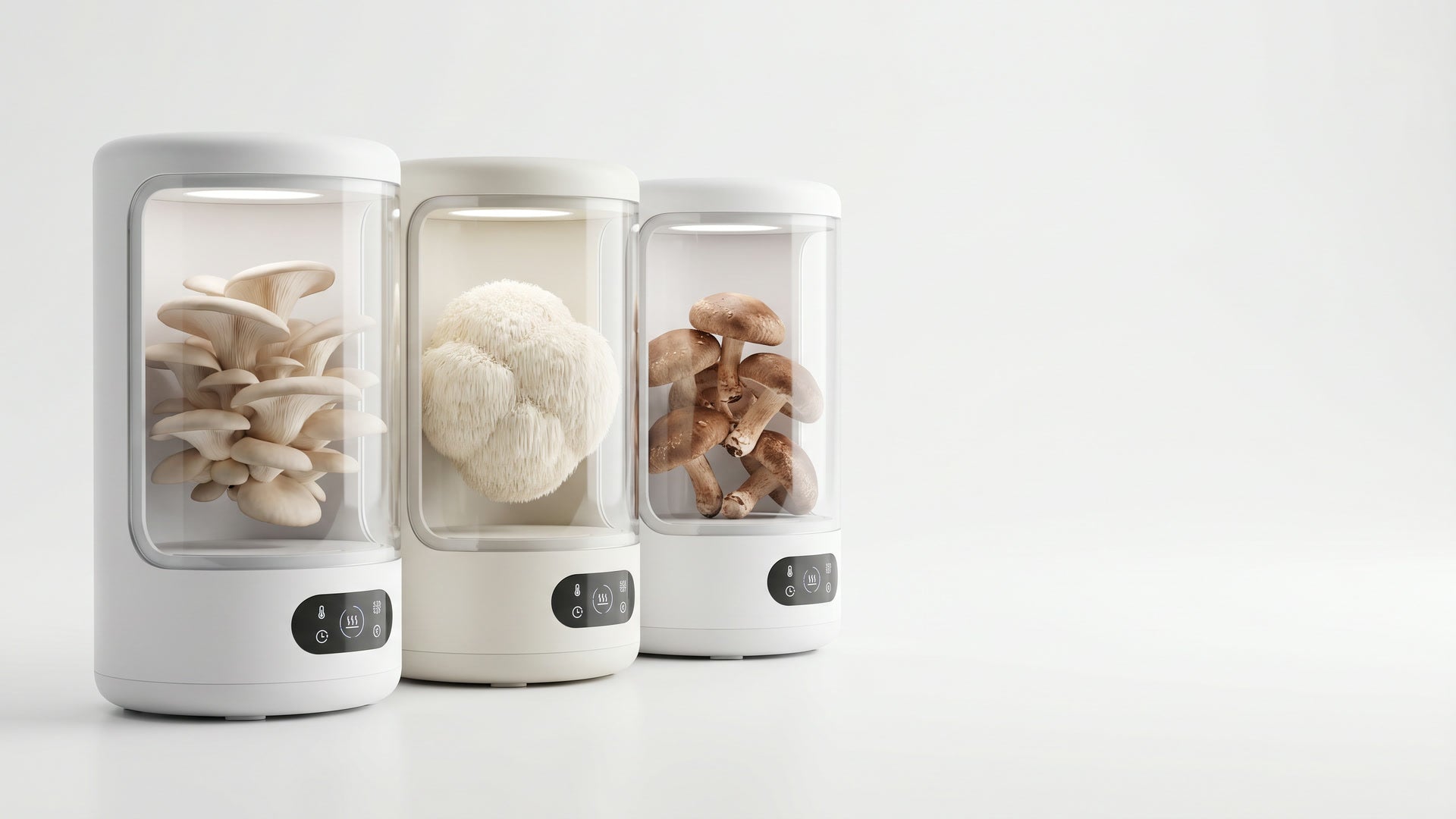
Smart Chamber. Bone White Single
- 2.8L tank, 90% humidity automatic
- App-controlled, plug-and-play
- 6 lb block ceiling, in stock

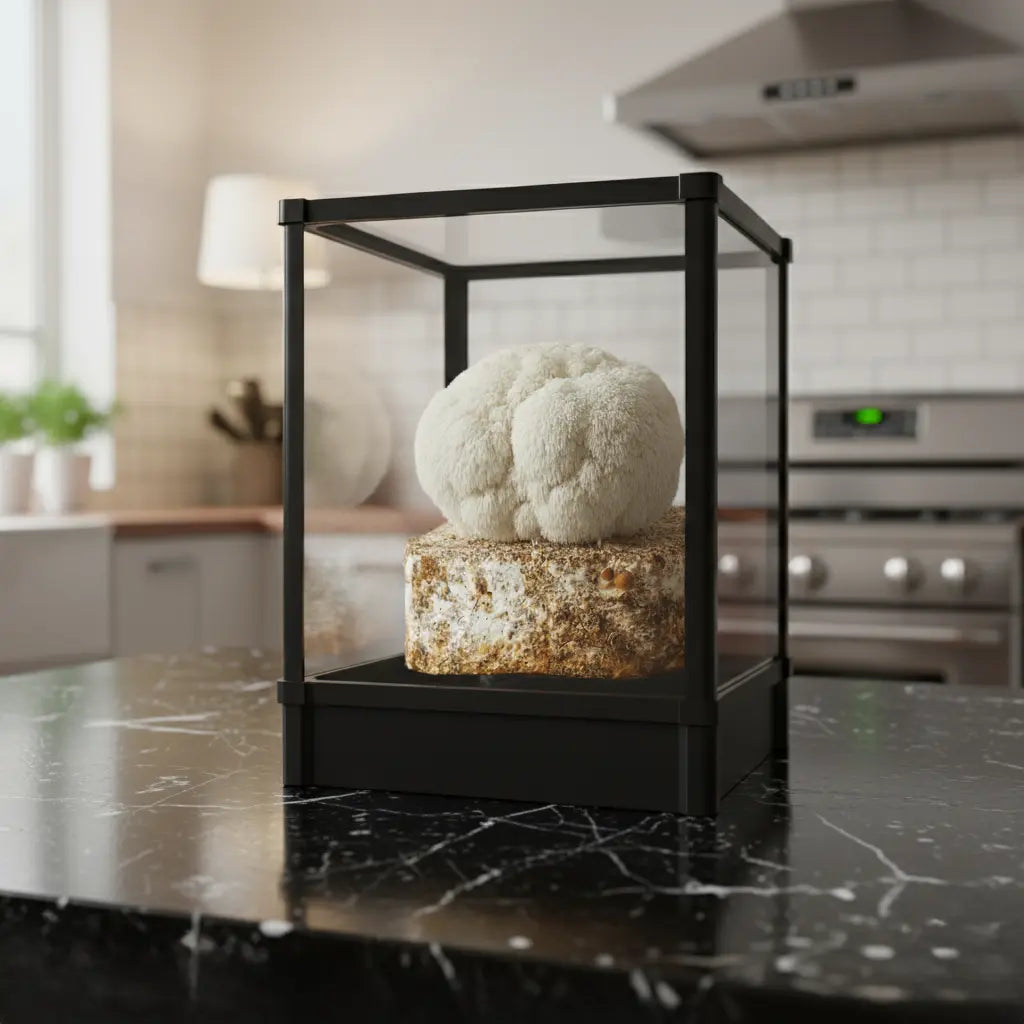
Smart Chamber. Obsidian Black Single
- Same hardware as Bone White
- Matte black premium finish
- Pairs with any kitchen palette

Regional Timing Estimates for 2025
These are rough windows based on average historical timing. Local conditions can shift them by 1 to 3 weeks in either direction.
- Deep South (GA, AL, MS, LA, FL panhandle): late March to early April. Limited morel populations; small first-of-season flushes.
- Mid-South (TN, KY, NC, VA, AR): early to mid April. Major morel-producing zone, especially in Appalachian foothills.
- Lower Midwest (MO, IL, IN, OH, lower KS): mid to late April. The historic morel heartland. Mosaic of fruiting based on local microclimates.
- Mid-Atlantic (PA, WV, MD): mid April to early May. Strong populations in mixed hardwood forests.
- Upper Midwest (MI, WI, MN, IA, ND, SD): late April to mid May. Famous for prolific yellow morel flushes.
- New England (NY, VT, NH, ME, MA): early to late May. Black morels in early May, yellows later.
- Pacific Northwest (OR, WA, northern CA): April through June, depending on elevation. Burn morels following wildfires can produce extraordinary flushes the year after a fire.
- Rocky Mountains (CO, MT, WY, ID): late May through July, depending on elevation. Higher elevations fruit into mid summer.
Where to Look (Habitat Map)
Morels fruit in association with specific tree species and habitat conditions. The most productive landscapes:
- Dying elms (American or slippery elm): the gold-standard morel habitat in the Midwest. Look for elms that died 2 to 4 years ago and still have most of their bark intact.
- Tulip poplar groves: especially in Appalachian states. Morels often fruit at the base of standing dead trees.
- Old apple orchards: abandoned orchards in the Midwest and Northeast frequently produce yellow morels.
- Cottonwood corridors: along rivers and floodplains in the Great Plains and Mountain West.
- Burned conifer forests: in the Western U.S., black morels can carpet the ground in the first year after a wildfire.
- Disturbed areas: edges of logging roads, recently cleared brush, and the borders of established forests often produce.
South-facing slopes warm up first in the spring, so they fruit earlier. North-facing slopes hold cooler soil longer and fruit toward the end of the season. Working both aspects in the same week can extend your foraging window significantly.

Fuel Your Mushroom Journey
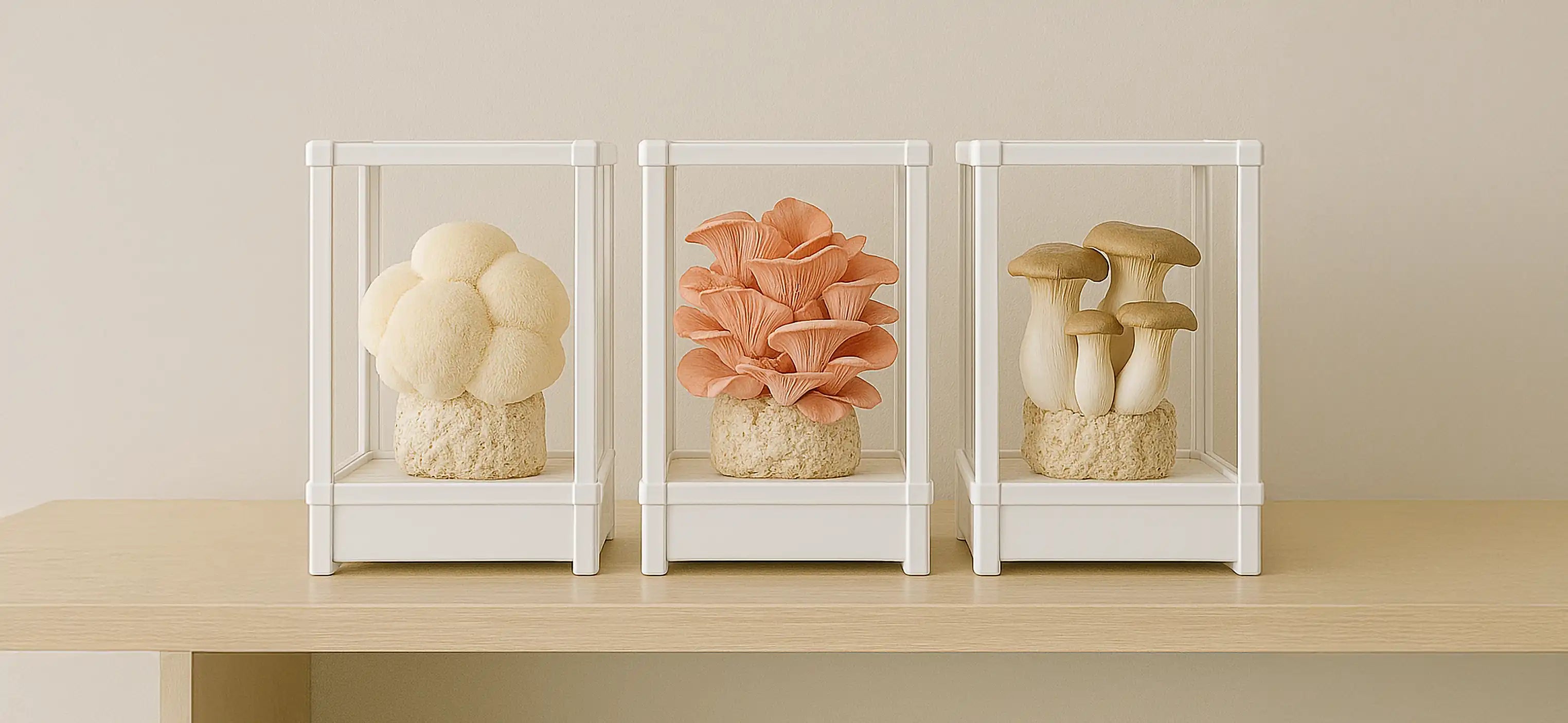
Smart Mushroom Grow Chamber
Plug-and-play smart chamber with humidity, light, and airflow dialed in for every species. Beginners harvest their first flush in days, not months.
Add to cart $299Soil Temperature Tools for 2025
For real-time data, three resources are worth bookmarking:
- USDA Plant Hardiness Zone Map (updated 2023, still relevant for 2025 average timing)
- State university extension soil temperature dashboards (most agricultural states publish these)
- NOAA's seasonal precipitation outlooks for the spring quarter
For ground-level reports, community forums and social media groups for morel hunters in your state are usually the most current. Look for state-specific Facebook groups or regional foraging Discord servers. Reports come in within hours of finds.
The Burn Morel Phenomenon
One of the most reliable predictors for Western U.S. foraging is the previous summer's wildfire map. Black morels (often called burn morels) fruit prolifically in the spring following a forest fire, with the second year sometimes producing even larger flushes as more soil organic matter decomposes.
The 2024 fire season in California, Oregon, Washington, and Montana created substantial new burn-morel territory. Forager experience suggests scanning burn maps from August through October of the previous year, then planning trips into accessible burn areas the following May or June.
Be aware of access rules: many burn areas require permits or remain closed for safety reasons, and some federal lands prohibit commercial harvest or limit personal harvest to a few pounds per day. Check with the local Forest Service or BLM office before planning a trip.
Reading Local Microclimates
The morel mushroom map at the state level only gets you part of the way. The other half is reading your specific land. Three principles guide field decisions:
- Aspect: south-facing slopes fruit first, north-facing slopes fruit last. Working both lets you stretch the season.
- Elevation: higher elevations fruit later. In mountainous areas, you can follow the morel front uphill as the season progresses.
- Soil moisture: morels need consistent moisture without saturation. Look for sandy loam, decomposing leaf litter, and shaded ground that doesn't pool water.
Identification Safety
True morels are completely hollow from cap to stem when sliced lengthwise. The cap has pits and ridges that are continuous with the stem. The cap and stem are typically the same color.
False morels (genus Gyromitra) contain monomethylhydrazine, a genuinely toxic compound. They're never completely hollow; the inside has chambers or cottony material. The cap is brain-like or saddle-shaped rather than pitted, and it often attaches to the stem only at the top.
If a mushroom doesn't pass the hollow-stem test, do not eat it. This single check eliminates the most common morel-related poisoning risk.
Cooking and Preserving Your Finds
Morels should always be cooked. They contain small amounts of hydrazine and other compounds that are heat-labile. Slice in half lengthwise, check the cap interior for sand and insects, rinse briefly, pat dry, and saute in butter with garlic and a splash of cream or white wine.
For preservation, dry morels for long-term storage (they rehydrate beautifully) or saute and freeze portions in olive oil or butter. Fresh morels keep refrigerated for 5 to 7 days in a paper bag.
Growing Morels at Home
If chasing the morel front feels like too much driving for too few mushrooms, home cultivation is possible but slow. Outdoor morel beds take 12 to 14 months to establish before they produce. Indoor cultivation of morels is still in the experimental phase.
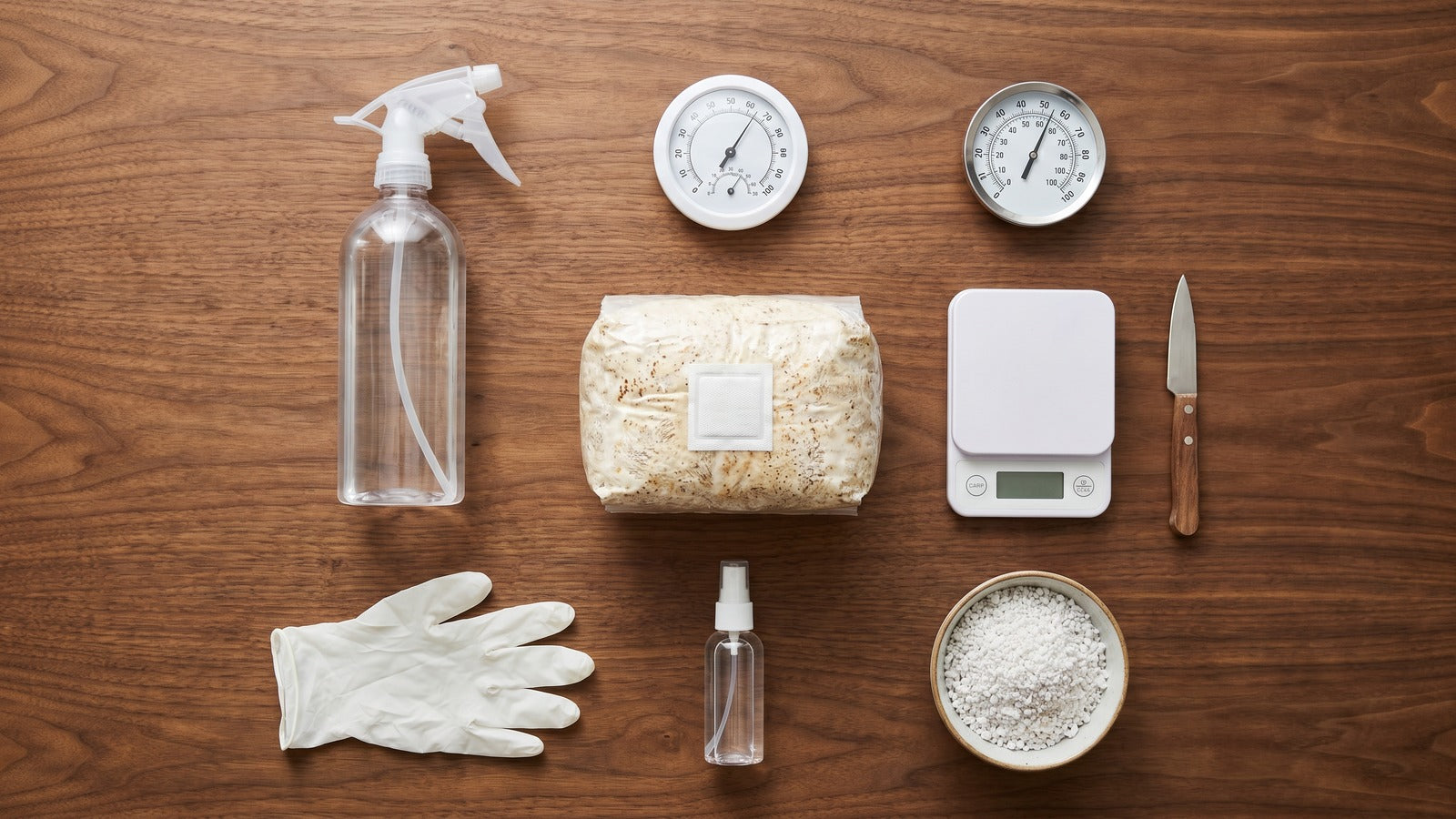
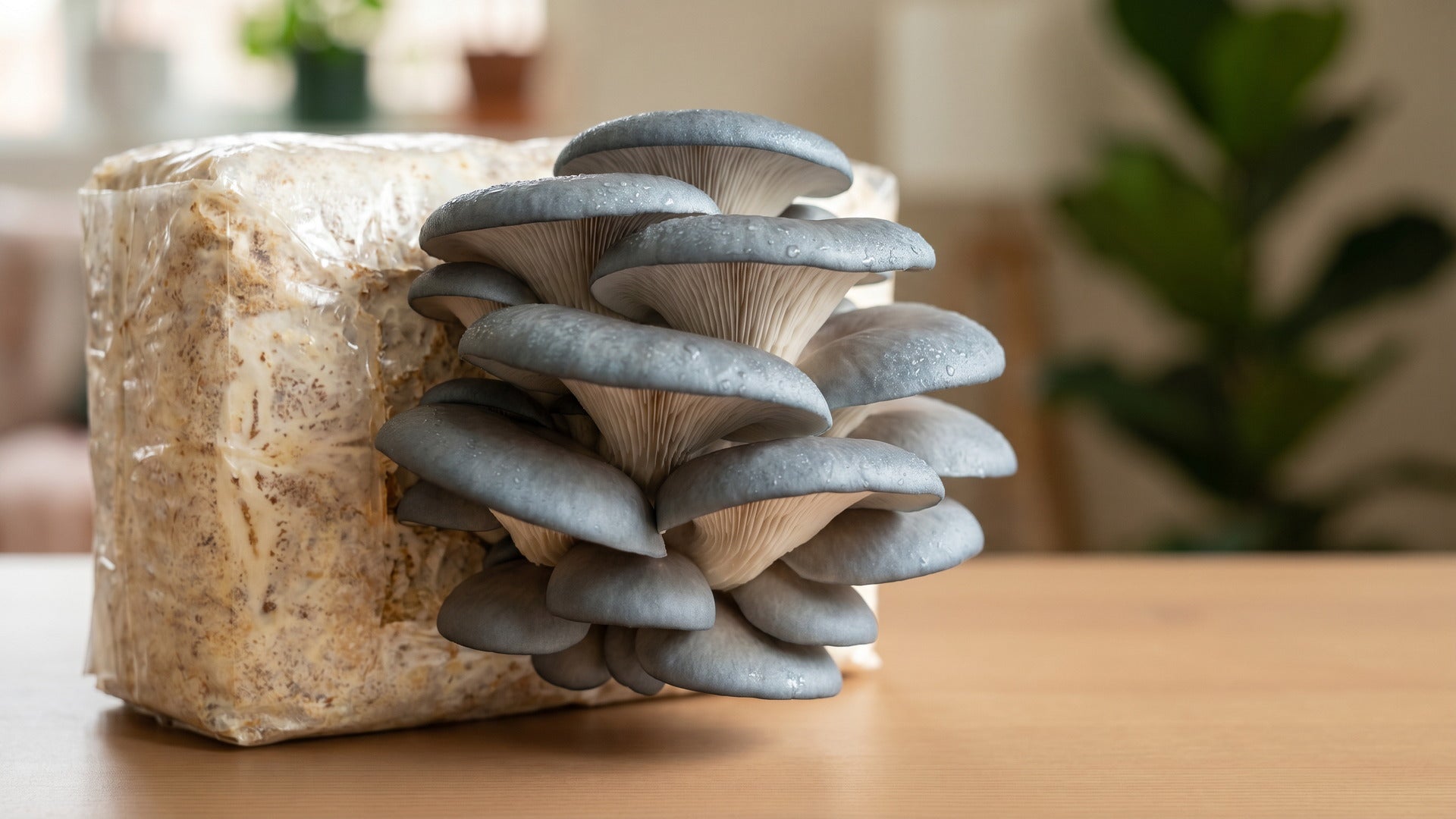
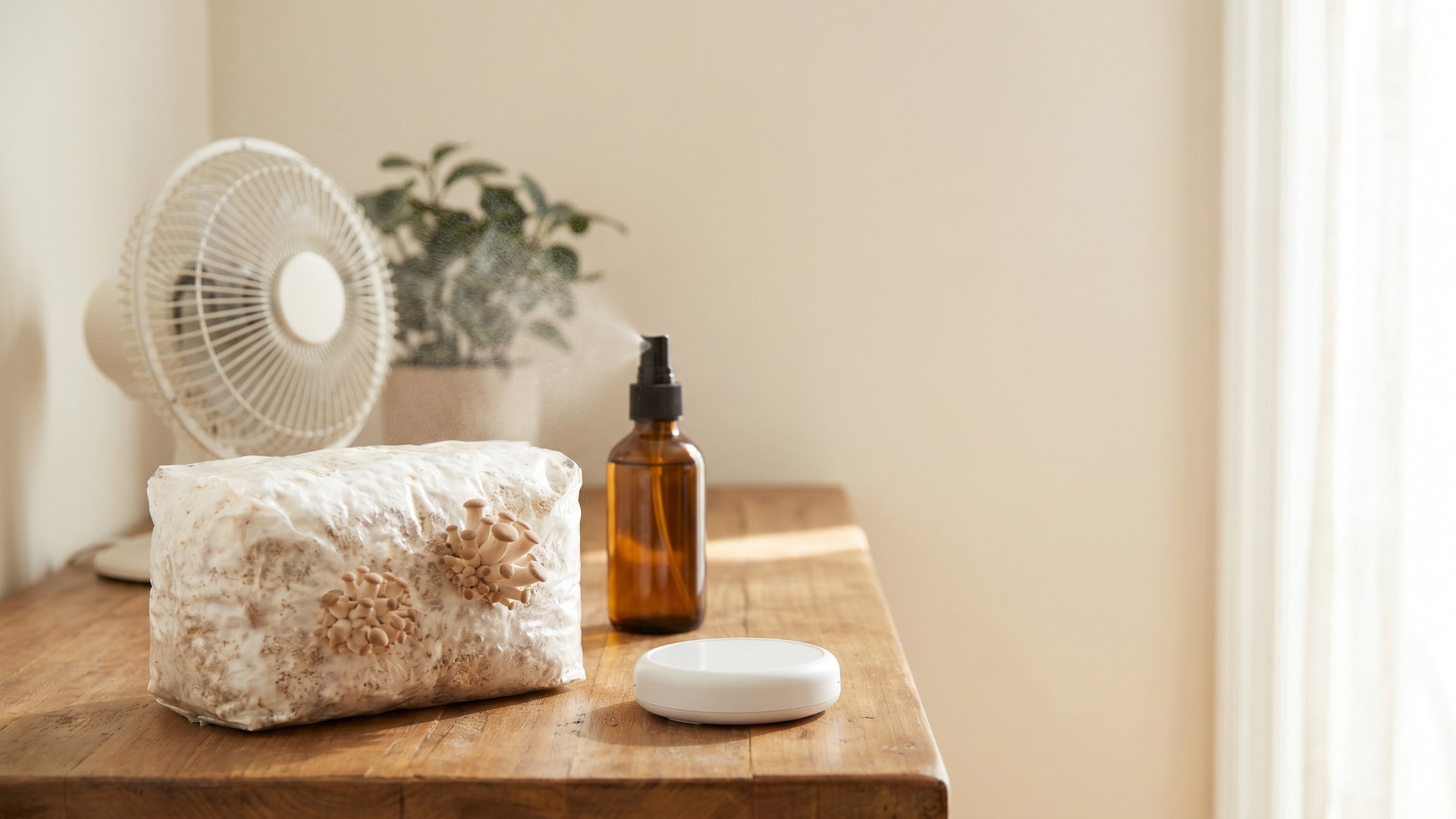
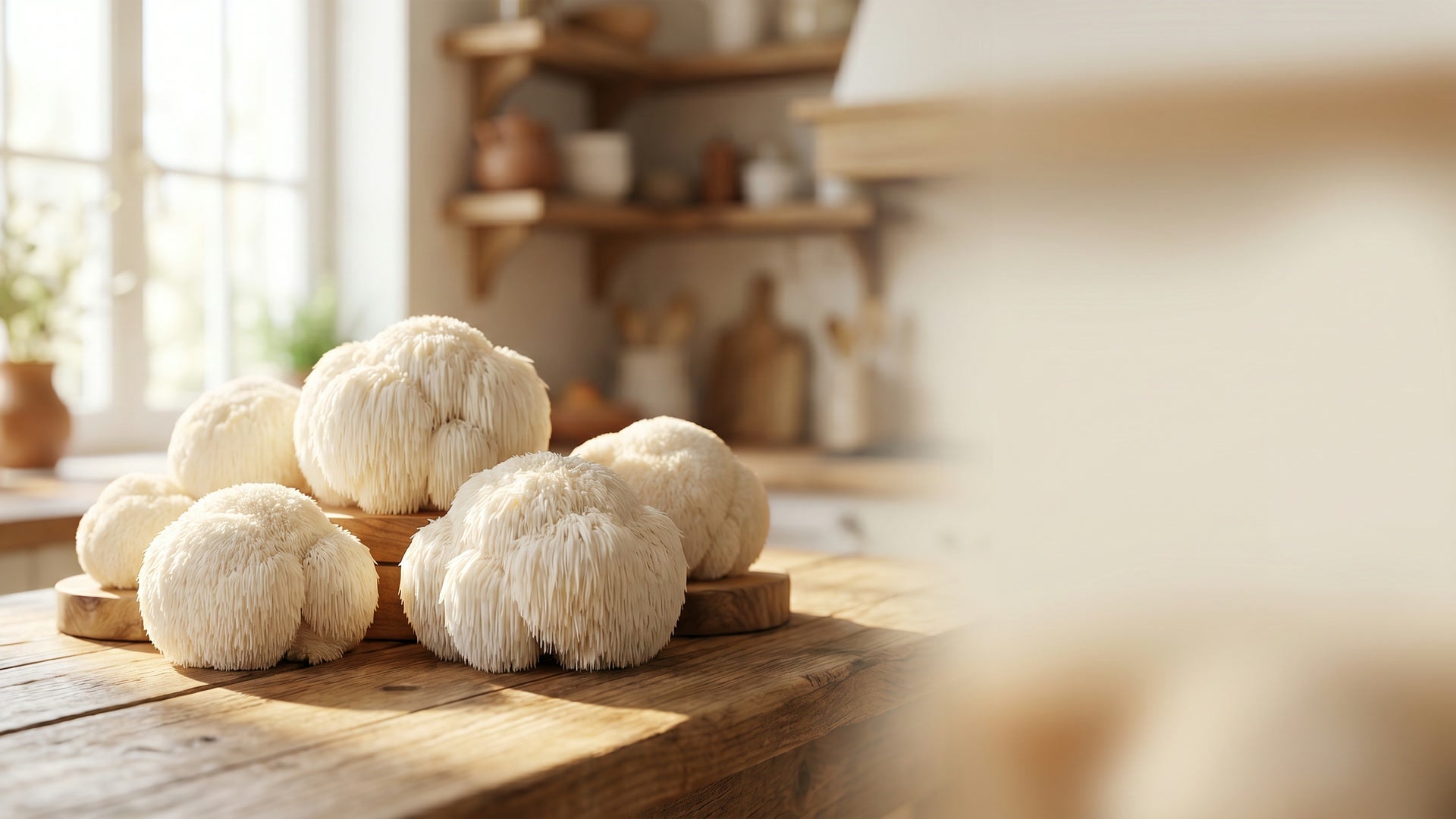
For faster, more reliable results, other species like lion's mane, oyster, and king trumpet grow well indoors and harvest in about a week. A countertop kit from Lykyn's mushroom grow kits produces these species reliably without seasonal waiting.
The morel mushroom map 2025 will move through the country whether or not you follow it. Pick a window for your region, watch soil temperature, scout habitat in late winter, and be ready to hit the woods within hours of the right combination of rain and warmth. When the front passes through, it doesn't wait.
Aktie:
Mushroom Cultivation Kit: How They Work and What to Buy
Mushroom Cultivation Kit: How They Work and What to Buy