


Mushroom bisque is the soup that punches above its ingredient list. The full recipe takes about 50 minutes, uses one large pot, and delivers a silky, deeply savory bowl that tastes like a restaurant put it together. The technique is straightforward: brown mushrooms hard, build aromatics, simmer with stock and herbs, blend until completely smooth, finish with cream and a splash of sherry. The result has the velvet texture of a lobster bisque but with mushrooms doing all the work.
The word "bisque" traditionally refers to a creamy, seafood-based French soup made smooth through pureeing and often thickened with rice or cream. Mushroom bisque borrows the technique: aromatics, deep extraction of flavor, blending, dairy. The mushrooms stand in for the shellfish and bring their own deep umami. Done right, a single batch feeds 6 generously and tastes even better reheated the next day.

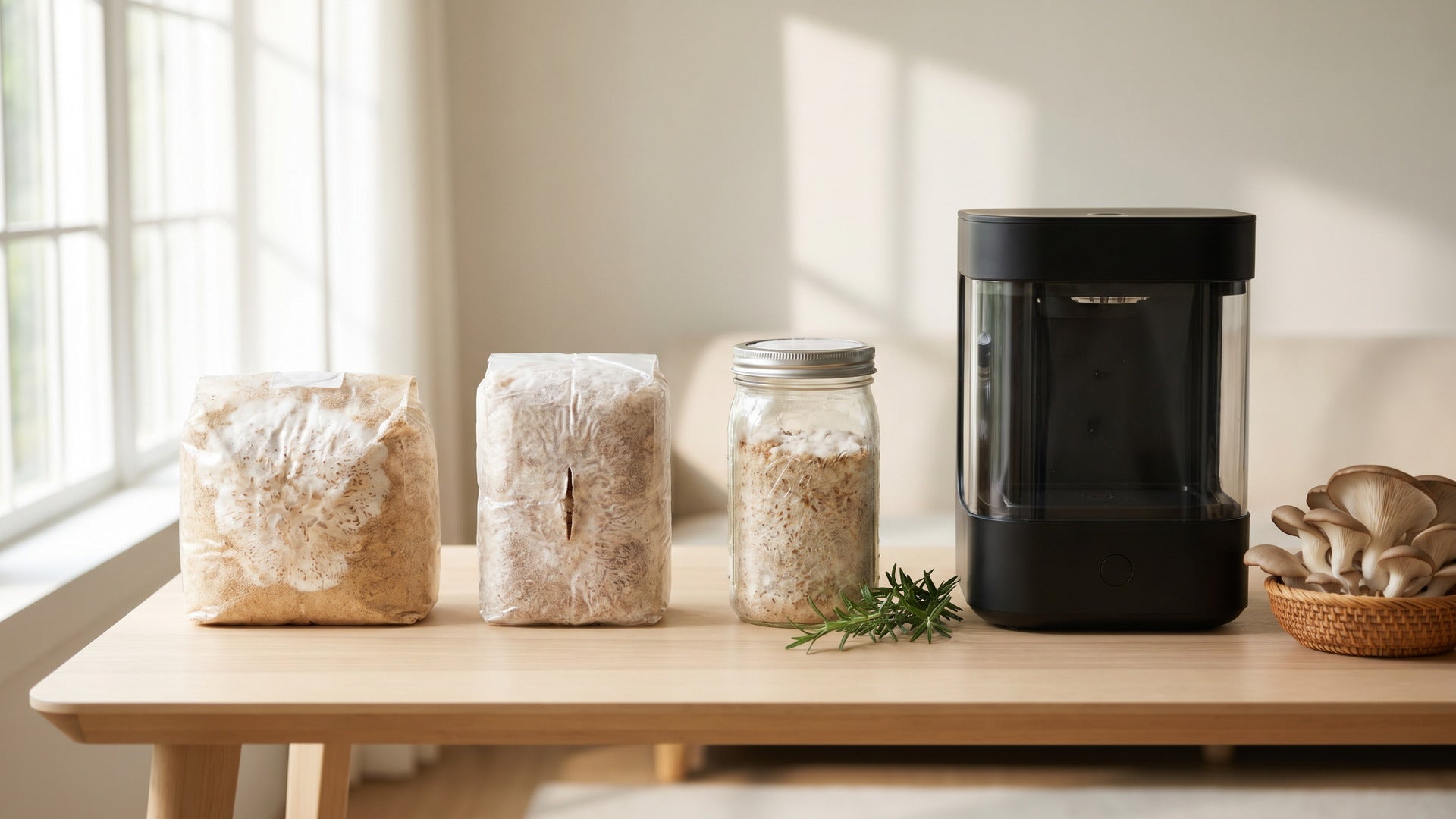
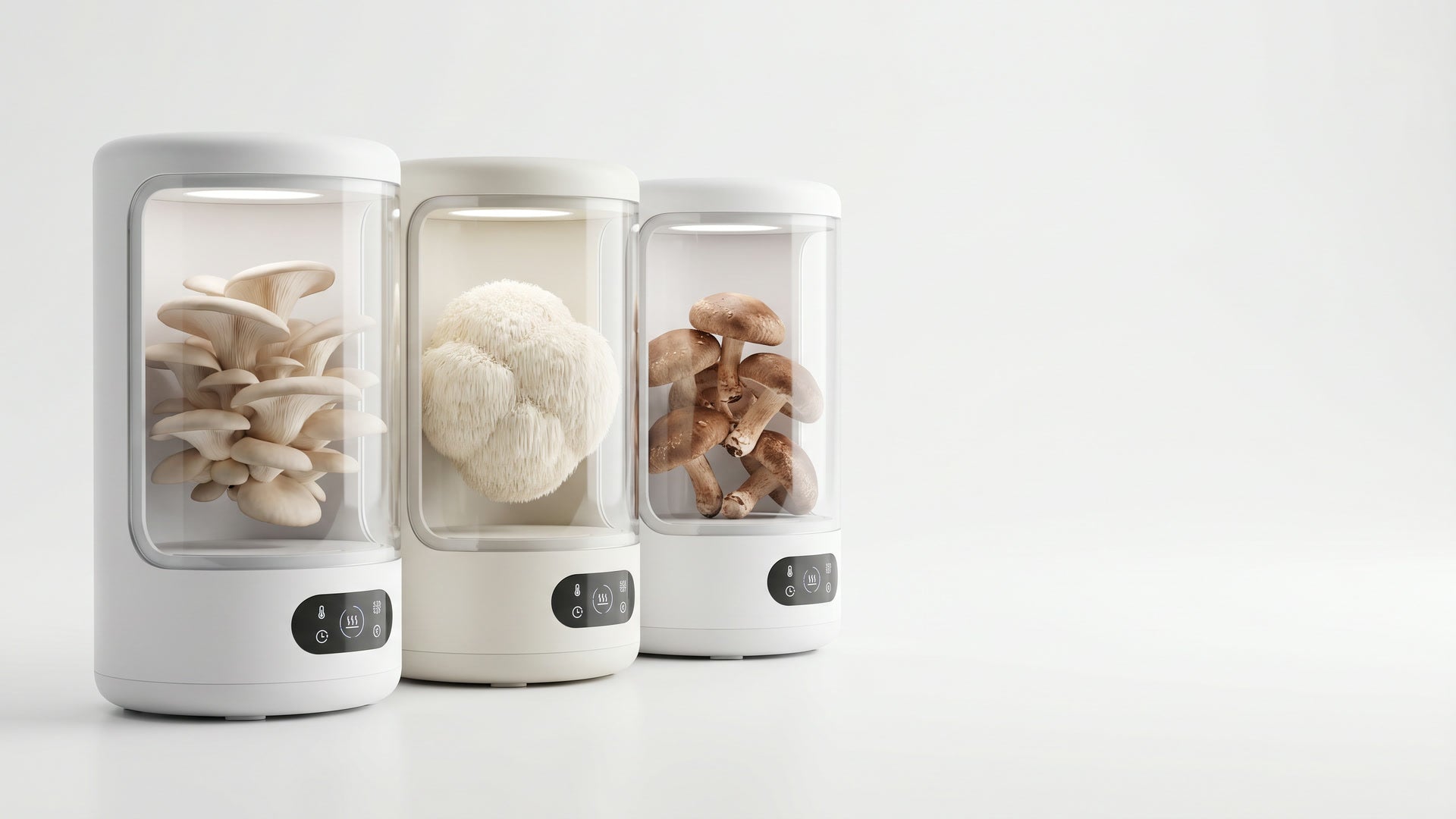
Smart Chamber. Bone White Single
- 2.8L tank, 90% humidity automatic
- App-controlled, plug-and-play
- 6 lb block ceiling, in stock

Smart Chamber. Obsidian Black Single
- Same hardware as Bone White
- Matte black premium finish
- Pairs with any kitchen palette

What you need
Makes about 6 cups, serves 4 as a main, 6 to 8 as a starter.
- 1 1/2 lb cremini mushrooms, sliced (about 8 cups sliced)
- 1/2 oz dried porcini mushrooms (about 1/2 cup)
- 1 1/2 cups boiling water (for rehydrating the porcini)
- 4 tablespoons unsalted butter
- 2 tablespoons olive oil
- 1 large yellow onion, diced
- 2 medium carrots, diced
- 2 celery stalks, diced
- 4 cloves garlic, minced
- 2 tablespoons all-purpose flour
- 1/3 cup dry sherry or dry white wine
- 4 cups vegetable or chicken stock
- 2 sprigs fresh thyme
- 1 bay leaf
- 1 teaspoon kosher salt
- 1/2 teaspoon black pepper
- 3/4 cup heavy cream
- 2 teaspoons fresh lemon juice
- 2 tablespoons fresh parsley or chives, finely chopped
Method
- Rehydrate the porcini. Pour boiling water over the dried porcini in a small bowl. Cover with a plate and let steep 20 minutes. Lift the porcini out, squeezing gently. Reserve the soaking liquid. Chop the porcini and set aside. Strain the soaking liquid through a coffee filter or paper towel to remove grit. Set the liquid aside too.
- Brown the cremini. Heat 2 tablespoons butter and the olive oil in a large heavy pot or Dutch oven over medium-high. Add the cremini in two batches if needed, in a single layer. Cook 7 to 8 minutes per batch, stirring occasionally, until deep golden. Move to a bowl. Reserve about 1/2 cup for garnish if you want texture on top.
- Cook the aromatics. Reduce heat to medium. Add the last 2 tablespoons butter. Add onion, carrots, and celery (the classic mirepoix). Cook 8 to 10 minutes, stirring, until softened and lightly golden.
- Add garlic and flour. Stir in garlic and cook 30 seconds. Sprinkle in the flour and stir for 1 minute. The flour should look toasted and absorb the fat.
- Deglaze. Pour in the sherry, scraping up any browned bits. Let it reduce by half, about 1 minute.
- Simmer. Return most of the cremini to the pot (keep the reserved 1/2 cup for garnish). Add the chopped porcini, strained porcini soaking liquid, stock, thyme, bay leaf, salt, and pepper. Bring to a simmer, reduce heat to low, cover partially, and cook 25 minutes.
- Blend. Remove the thyme stems and bay leaf. Blend the soup completely smooth, either in a blender (in batches, with the lid vented and a towel over the top) or with an immersion blender directly in the pot. For the silkiest texture, strain through a fine-mesh sieve back into the pot.
- Finish. Return the soup to low heat. Stir in the cream and lemon juice. Taste and adjust salt and pepper. Don't let it boil after adding the cream.
- Serve. Ladle into warm bowls. Top with reserved browned mushrooms, parsley or chives, and a few cracks of black pepper. A small drizzle of olive oil or a swirl of cream makes it look intentional.
Why the porcini matter
Fresh cremini are good but not deep. Dried porcini are concentrated umami in a small package. A half ounce (just 1/2 cup of dried mushrooms) costs around 3 to 5 dollars and transforms a fine soup into a great one. The rehydrating liquid, strained for grit, is liquid gold. Don't skip either.
If porcini are unavailable, dried shiitake or dried morel work as substitutes. Use the same amount and the same method. Each has its own flavor profile but all bring intensity.
The browning step is non-negotiable
If you skip browning and just simmer raw mushrooms in stock, you get a pale, watery, vaguely mushroom-flavored soup. That's because raw mushrooms release water, dilute the cooking liquid, and never develop the Maillard-reaction depth that makes the bisque taste meaty.
Brown them hard, in batches if needed. Listen for the sizzle (steady, not violent), watch for golden edges, and don't disturb them too often. The brown bits left in the pan get incorporated when you deglaze with the sherry, which is part of the flavor architecture.
To blend or not to blend, smooth or chunky
Classic bisque is completely smooth. That's what gives it the velvet texture and luxurious feel. If you prefer a heartier soup with mushroom pieces, blend only two-thirds of the soup and stir the rest back in.
For the silkiest result, strain after blending. A fine-mesh sieve catches the last little fibers and gives the soup a sheen. It's an extra step but the difference is noticeable.
Variations
Cream of mushroom (lighter version)
Halve the cream to 1/3 cup and replace the other 1/3 with whole milk. The texture is less rich but still smooth.

Fuel Your Mushroom Journey
Smart Mushroom Grow Chamber
Plug-and-play smart chamber with humidity, light, and airflow dialed in for every species. Beginners harvest their first flush in days, not months.
Add to cart $299Vegan bisque
Skip the butter, use 3 tablespoons olive oil for sauteing. Replace the cream with full-fat coconut milk (the canned kind) or unsweetened cashew cream. Use vegetable stock. The coconut milk won't taste tropical here; the mushrooms and aromatics balance it out.
Wild mushroom bisque
Replace the cremini with a mix of wild or specialty mushrooms: maitake, oyster, king trumpet, chanterelle (if in season). The flavors are more layered. If you grow your own using mushroom grow kits, this is a good recipe to showcase fresh, high-quality fungi because the bisque tastes only as good as its main ingredient.
Truffle-finished bisque
Drizzle 1 teaspoon truffle oil over each bowl just before serving, or shave fresh black truffle if you're feeling fancy. Use sparingly; truffle is meant to lift the bisque, not overwhelm it.
With cognac
Replace the sherry with 2 tablespoons cognac or brandy. Slightly fruitier and warmer, especially good in cold weather.
Garnishes that earn their place
- Reserved browned mushrooms scattered on top
- A swirl of cream or creme fraiche
- Fresh chives, parsley, or thyme
- Cracked black pepper
- Crispy fried shallots
- A drizzle of truffle oil (a few drops, not a pour)
- Garlic croutons on the side
- A small piece of crispy prosciutto on top
What to serve with it
Mushroom bisque is rich, so it pairs best with simple, contrasting sides:
- A crisp green salad with sharp vinaigrette (Frisée with bacon and warm Dijon dressing is classic)
- Crusty bread, ideally something with a chewy crumb
- Grilled cheese sandwich (the soup is better than tomato for dunking)
- A glass of dry white wine: Chardonnay, dry Riesling, or a light Pinot Noir all work
Make-ahead and storage
This soup reheats beautifully. Make through step 7 (blended, before the cream), cool, and refrigerate up to 4 days. Reheat gently and stir in the cream and lemon at the end. Adding cream upfront and reheating works fine too, just go slow and don't boil it.
For longer storage, freeze the soup before adding cream. It keeps for 3 months frozen. Thaw overnight in the fridge, reheat slowly, then finish with cream and lemon. Soups with cream already added can separate slightly after freezing; whisking vigorously while reheating usually brings them back together.
Troubleshooting
- Soup is thin. Simmer uncovered for 5 to 10 more minutes to reduce. Or whisk 1 teaspoon cornstarch into 2 tablespoons cool water and stir in.
- Soup is too thick. Stir in stock or milk, 1/4 cup at a time.
- Tastes flat. More salt, more lemon. Both wake the bisque up. A small splash of sherry vinegar at the end works too.
- Cream broke. The soup probably boiled after the cream was added. Whisk in a couple tablespoons of cool stock or milk off heat; it usually comes back together. Blending also helps.
- Color is too pale. Not enough browning on the mushrooms. The bisque should look like a deep tawny brown, not beige. Next time, push the mushroom sear longer.
A bowl of mushroom bisque is a small ceremony. Warm bread, a glass of something dry, no rush. It's the kind of soup that earns the time it takes.
Aktie:
Lawn Mushrooms: ID, Toxicity, and How to Remove Them
Lawn Mushrooms: ID, Toxicity, and How to Remove Them