


Mushroom matcha is exactly what it sounds like: ceremonial or culinary matcha green tea powder blended with one or more functional mushroom extracts. The combination has quietly become one of the most popular wellness drinks on the market, and for good reason. Matcha brings clean, sustained caffeine and L-theanine; the mushrooms add adaptogenic depth without changing the core ritual of whisking a green powder into hot water.
If you already drink matcha, switching to mushroom matcha is a small change with a noticeable effect. If you are new to both, this is one of the easier on-ramps to the broader world of functional mushroom drinks.

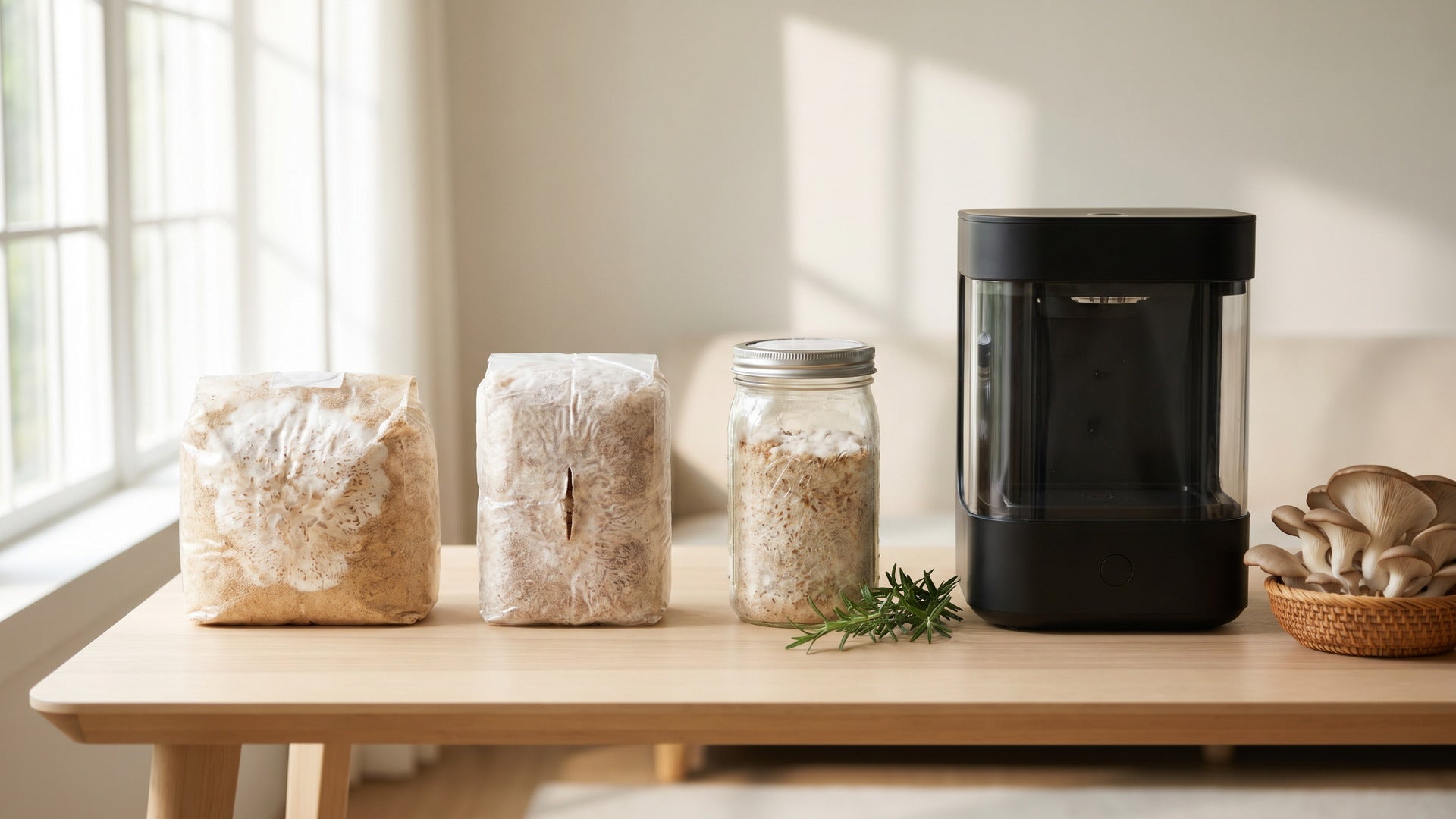
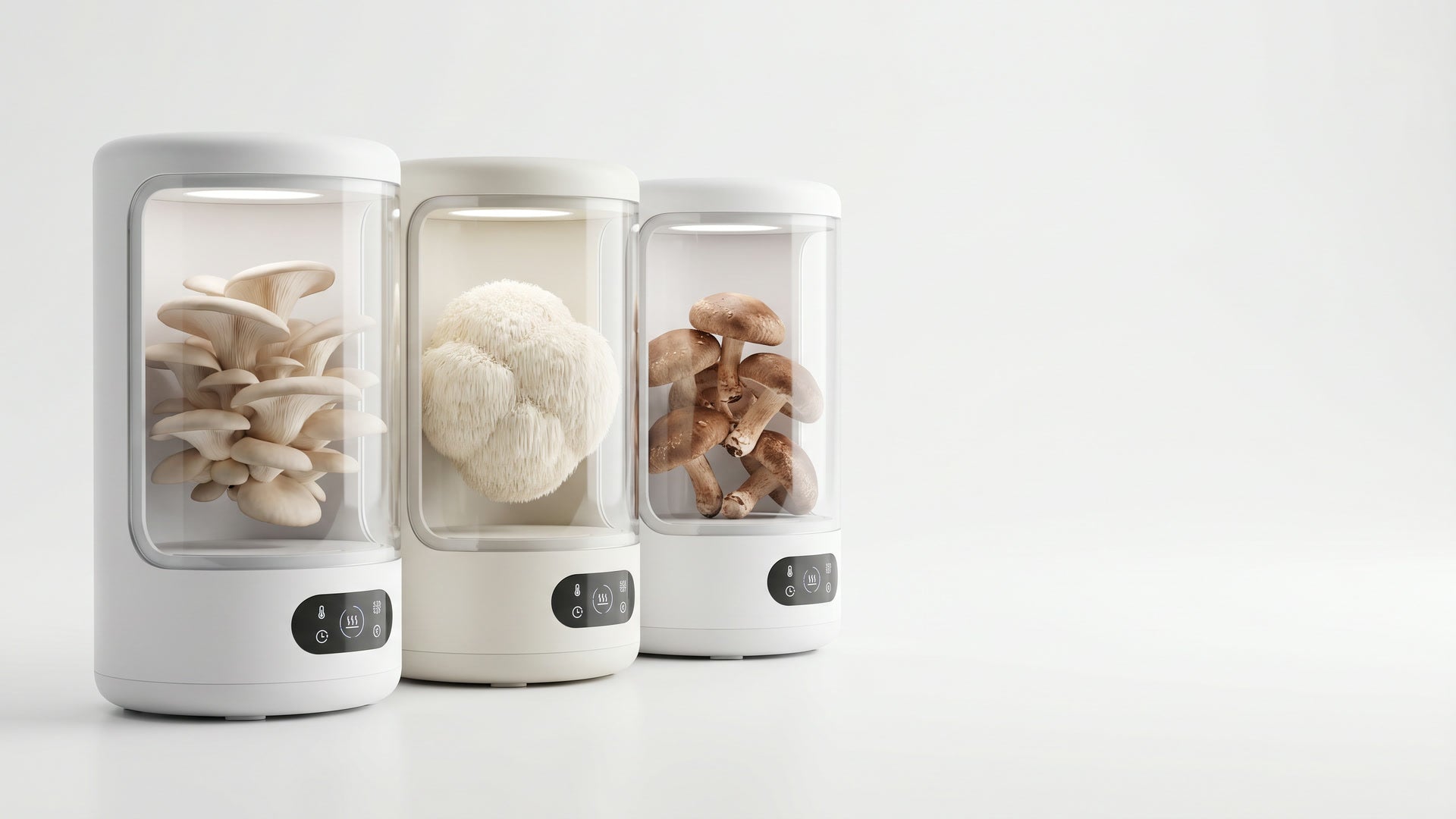
Smart Chamber. Bone White Single
- 2.8L tank, 90% humidity automatic
- App-controlled, plug-and-play
- 6 lb block ceiling, in stock

Smart Chamber. Obsidian Black Single
- Same hardware as Bone White
- Matte black premium finish
- Pairs with any kitchen palette

What Mushroom Matcha Actually Is
A typical mushroom matcha is 60 to 80 percent matcha green tea powder, with the remainder being a blend of mushroom extracts. The most common species included are lion's mane, chaga, reishi, and cordyceps. Some blends also include adaptogenic herbs like ashwagandha or rhodiola, which technically takes them out of the "pure mushroom matcha" category but is common on the shelf.
The matcha itself is finely ground green tea leaves, traditionally stone-milled from shade-grown tencha. Good matcha is bright green, smells grassy and slightly sweet, and froths easily. Lower-grade matcha is yellow-brown, dusty, and bitter. The matcha quality in your mushroom blend matters as much as the mushroom quality.
Which Mushrooms Pair Best with Matcha
Not every functional mushroom plays well with green tea. The mild, vegetal flavor of good matcha is easy to overwhelm. Four species pair particularly well.
Lion's Mane
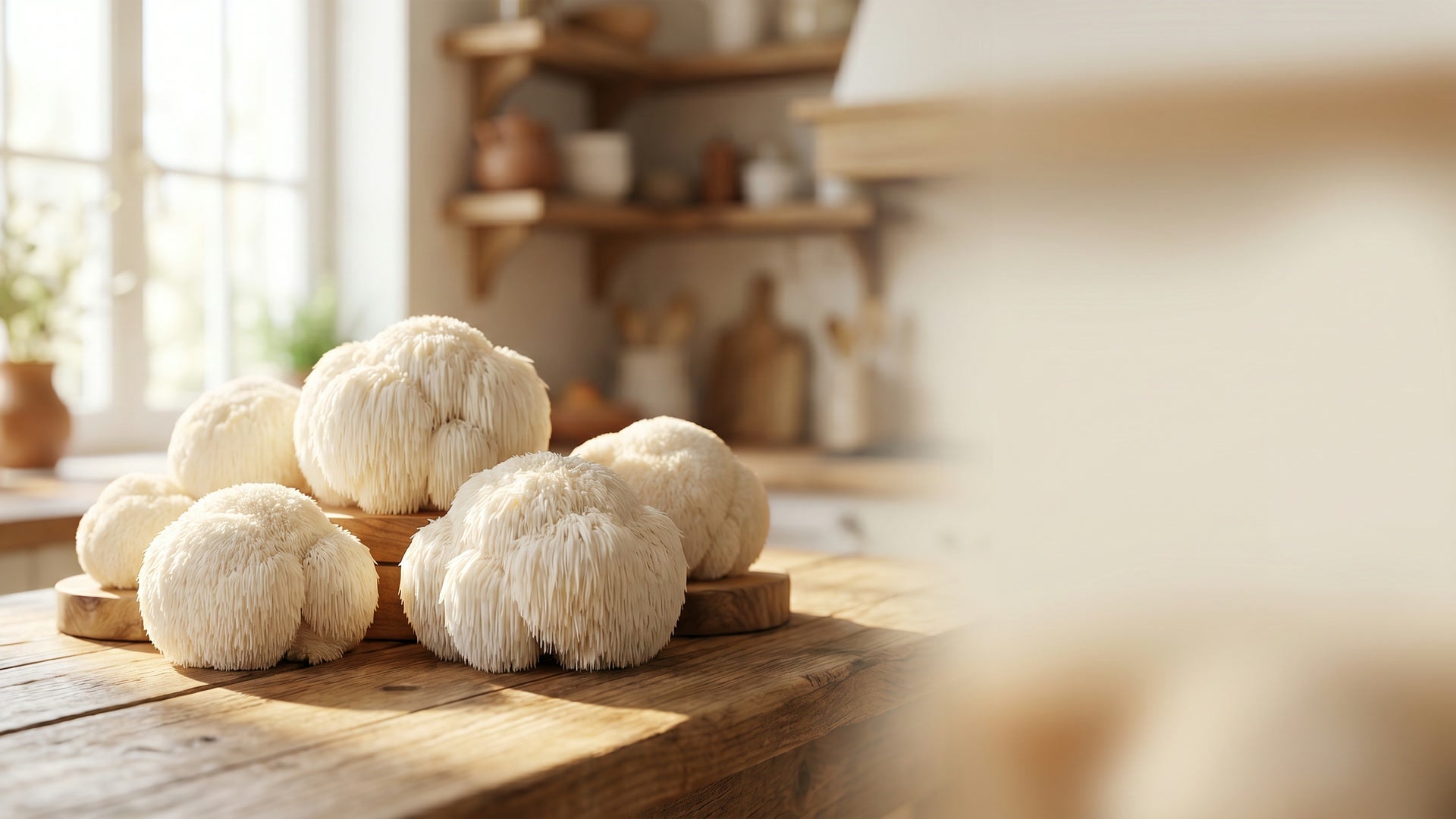
The most common addition. Lion's mane has a mild, almost neutral flavor when dried and extracted, so it disappears into matcha without changing the taste. It is the mushroom most often credited with cognitive support, which complements matcha's L-theanine and caffeine combination well.
Chaga
Chaga adds a slightly earthy, vanilla-like depth. It is the antioxidant workhorse of the functional mushroom world. A small amount in matcha rounds out the vegetal sharpness without dominating it.
Reishi
Reishi is bitter and woody, so it shows up most often in evening mushroom matcha blends where calm rather than alertness is the goal. A decaffeinated matcha base with reishi can be a workable bedtime drink.
Cordyceps
Cordyceps has a slightly sweet, almost meaty note. In a matcha blend, it tends to support what matcha already does (clean, sustained energy) and is popular in pre-workout versions of the drink.
How It Differs from Regular Matcha
Side by side, mushroom matcha and regular matcha look almost identical. The differences are in the cup.

Fuel Your Mushroom Journey
Smart Mushroom Grow Chamber
Plug-and-play smart chamber with humidity, light, and airflow dialed in for every species. Beginners harvest their first flush in days, not months.
Add to cart $299- Caffeine: Mushroom matcha is usually 60 to 80 percent matcha by weight, so a typical serving has slightly less caffeine than a pure matcha. The mushroom extracts dilute the caffeine without removing the L-theanine ratio.
- Flavor: Lion's mane and chaga add an earthy undertone. Reishi adds bitterness. Cordyceps adds a touch of sweetness. The matcha's grassy character still leads, but it is rounded out.
- Texture: Most mushroom matcha foams less than pure matcha. The extracts are heavier and do not whisk as easily.
- Color: Slightly darker, slightly more muted green. Pure matcha is electric; mushroom matcha leans toward sage.
None of these differences are deal-breakers. They are the trade-off you accept for getting the functional mushroom benefits without adding another drink to your day.
How to Prepare Mushroom Matcha
The method is the same as traditional matcha, with one small adjustment.
- Sift one teaspoon (about 2 grams) of mushroom matcha into a small bowl or mug. Sifting matters more here than with pure matcha because the mushroom extracts tend to clump.
- Add a small splash of cold water (about 1 tablespoon) and whisk into a smooth paste. This step prevents the powder from staying lumpy when you add the hot water.
- Pour 4 to 6 ounces of hot water (around 175°F / 80°C) over the paste. Do not use boiling water. Boiling water makes both matcha and mushroom extracts taste bitter and harsh.
- Whisk vigorously in a W or zigzag motion for 15 to 20 seconds with a bamboo chasen or a small electric frother. You will get less foam than with pure matcha; that is normal.
- Drink it within a few minutes. Mushroom matcha settles faster than pure matcha, so do not let it sit.
For an iced version, whisk the paste in cold water and pour it over ice, optionally topping with a splash of milk or oat milk. For a latte, prepare the matcha as above, then add 4 to 6 ounces of hot steamed milk.
How Often to Drink It
One serving per day is a reasonable starting point. Most mushroom matcha blends provide 500 to 1500 mg of total mushroom extract per teaspoon, which is on the low end of clinical study doses. If you enjoy the ritual and want more, two cups (morning and early afternoon) is fine. Going beyond that mostly just adds caffeine and cost without much added benefit.
The mushroom extracts in matcha blends are not the same as taking a concentrated capsule. Expect subtle, cumulative effects rather than acute ones. Most people who report benefits notice them after two to four weeks of consistent daily use.
What to Look For on the Label
The same quality criteria that apply to other mushroom drinks apply here.
- Fruiting body extract, not mycelium on grain. The label should say "fruiting body" explicitly.
- Beta-glucan percentage listed, not just "polysaccharides."
- Ceremonial-grade or first-harvest matcha for daily drinking. Culinary-grade is fine for baking and smoothies but tastes harsh whisked plain.
- Third-party testing for heavy metals and pesticides.
Price is a rough indicator. A pure ceremonial matcha runs about $1.50 to $3 per serving. A reasonable mushroom matcha lands in the same range. Anything substantially cheaper is likely using culinary-grade matcha or grain-based mycelium.
The Real Reason to Drink It
Mushroom matcha is not magic. It is a small, daily ritual that pairs two ingredients with centuries of traditional use behind them. The matcha gives you the focused, jitter-free caffeine experience that drew you to it in the first place. The mushrooms add a layer of adaptogenic support and a slight earthy depth that, once you get used to it, makes plain matcha feel a little flat by comparison.
If you want to dial in your own version someday, you can grow lion's mane at home and dry it for use in custom blends. Our mushroom grow kits make that surprisingly approachable. Until then, a good pre-blended mushroom matcha is one of the easier ways to add functional mushrooms to a daily routine you already enjoy.
Aktie:
Mushroom Protein: How Much You Get and How to Use It
Mushroom Protein: How Much You Get and How to Use It