


Portabella mushrooms (sometimes spelled portobello) are the same species as button and cremini mushrooms, just harvested later. That extra growing time changes the texture and concentrates flavor, but the nutrient profile is what makes portabellas one of the most underrated vegetables you can put on a plate. They are low in calories, packed with B-vitamins, and provide nutrients that are surprisingly hard to find in plant foods.
A single 100-gram portabella cap gives you about 22 calories, 2.5 grams of protein, almost no fat, and roughly 4 grams of carbohydrates. That is the headline. The real story sits in the micronutrients and the bioactive compounds, which we will walk through one by one.
Calories, carbs, and protein in portabella mushrooms
Portabellas are about 89% water, which is why their calorie count stays so low. The 4 grams of carbohydrates per 100 grams include around 2 grams of dietary fiber, mostly in the form of beta-glucans and chitin. Net carbs land near 2 grams, making portabellas friendly to keto, low-carb, and diabetic-friendly meal plans.
Protein is where mushrooms quietly outperform. At 2.5 grams per 100 grams, portabellas contain all nine essential amino acids, which puts them in the small club of complete plant proteins. The protein density is not as high as legumes, but the amino acid balance is more useful than the raw number suggests.

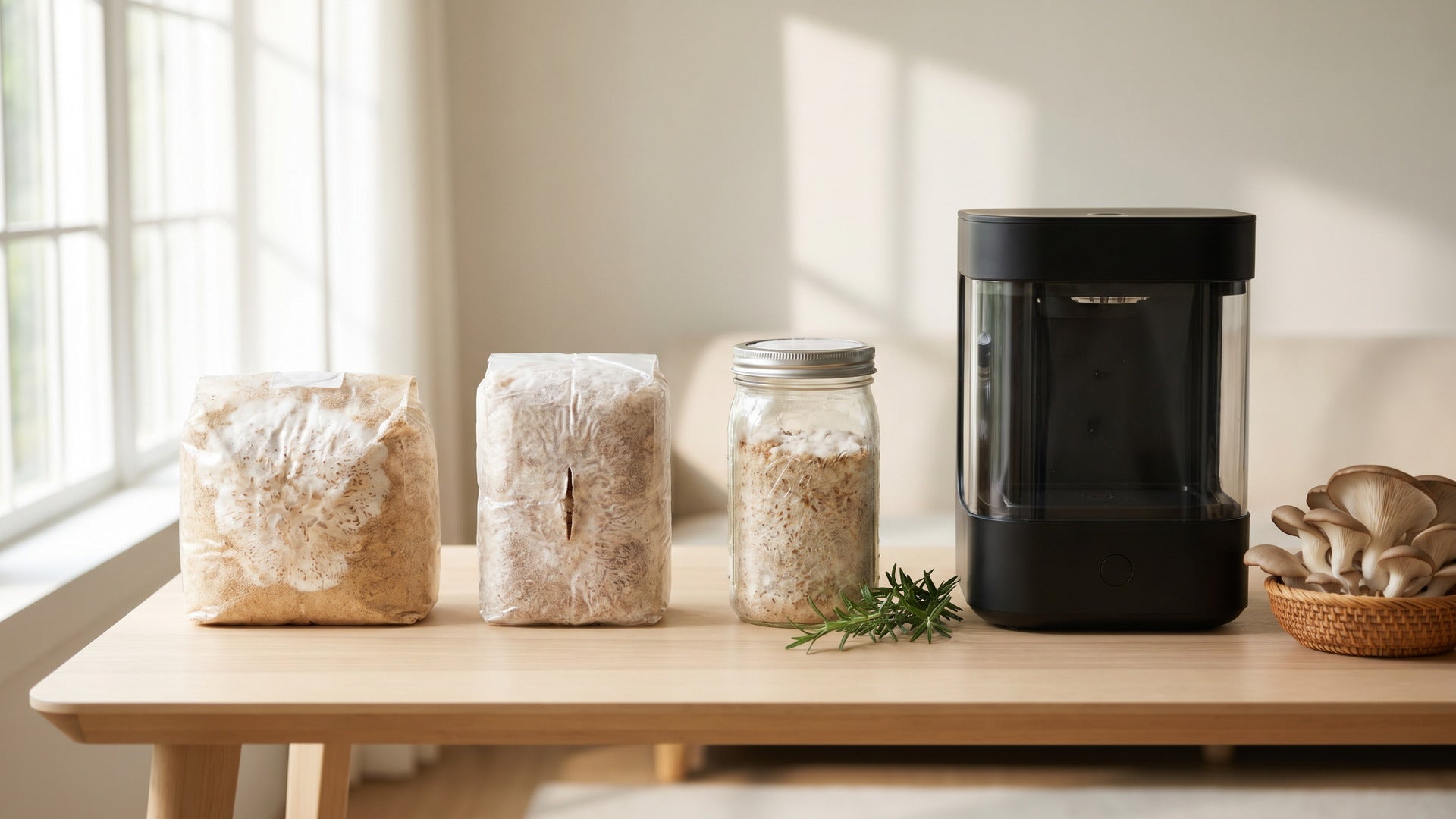
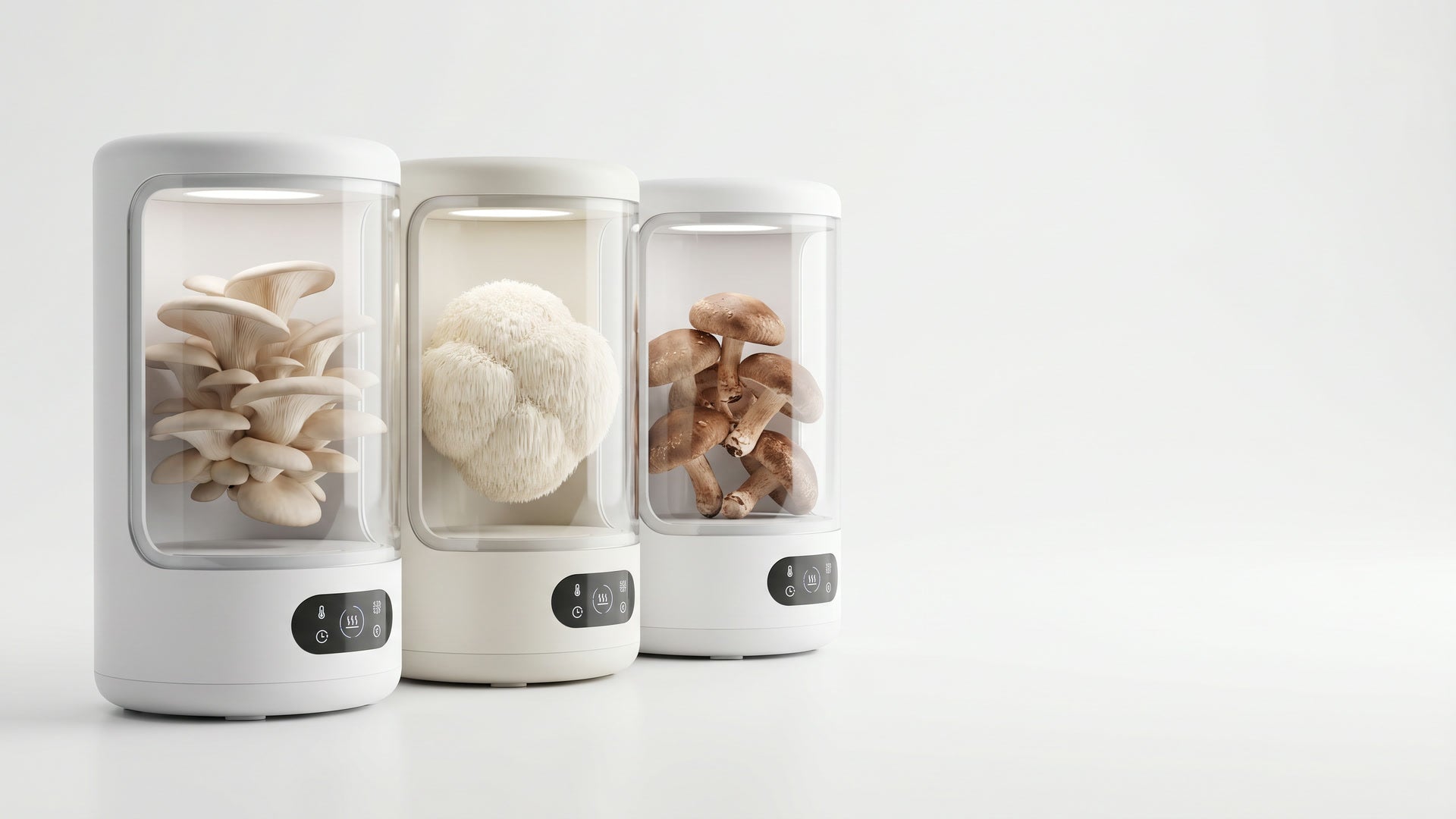
Smart Chamber. Bone White Single
- 2.8L tank, 90% humidity automatic
- App-controlled, plug-and-play
- 6 lb block ceiling, in stock

Smart Chamber. Obsidian Black Single
- Same hardware as Bone White
- Matte black premium finish
- Pairs with any kitchen palette

B-vitamins: where portabellas really shine
Mushrooms are one of the few plant sources of B-vitamins that meaningfully cover the spectrum. A 100-gram serving of portabellas delivers roughly:
- Riboflavin (B2): about 0.13 mg, or 10% of your daily target
- Niacin (B3): around 4 mg, or 25% of your daily target
- Pantothenic acid (B5): about 1.5 mg, or 30% of your daily target
- Folate (B9): around 28 mcg
These B-vitamins are central to energy metabolism, red blood cell production, and nervous system function. If you eat plant-based and worry about B-vitamin gaps, portabellas pull more weight than most leafy greens.
Vitamin D: the sunlight trick
Portabella mushrooms contain ergosterol, a compound that converts to vitamin D2 when exposed to UV light. A regular store-bought portabella usually contains around 10 IU of vitamin D, which is modest. But if you place the cap gill-side up in direct sunlight for 30 to 60 minutes before cooking, vitamin D content can jump to 400 IU or higher per serving. This is one of the only plant-derived dietary sources of vitamin D that exists.

Fuel Your Mushroom Journey
Smart Mushroom Grow Chamber
Plug-and-play smart chamber with humidity, light, and airflow dialed in for every species. Beginners harvest their first flush in days, not months.
Add to cart $299Minerals worth noting
The mineral profile of portabellas leans heavily into selenium, copper, potassium, and phosphorus. A 100-gram serving provides:
- Selenium: about 18 mcg, roughly 33% of daily needs
- Copper: about 0.3 mg, around 33% of daily needs
- Potassium: 364 mg, comparable to a small banana
- Phosphorus: 108 mg, useful for bone and energy metabolism
Selenium is an antioxidant mineral involved in thyroid function and immune defense, and most diets fall short of it. A grilled portabella cap can cover a third of your daily selenium in one bite.
Beta-glucans and bioactive compounds
Beyond the standard nutrition label, portabellas contain beta-glucans, ergothioneine, and polysaccharides that are still under active study. Beta-glucans are a soluble fiber linked to immune modulation and cholesterol balance. Ergothioneine is a sulfur-containing amino acid acting as a cellular antioxidant, and mushrooms are the richest dietary source of it. Researchers sometimes call ergothioneine a longevity vitamin, though that label is still a hypothesis rather than a confirmed conclusion.
How cooking changes portabella nutrition
Raw portabellas are technically edible, but they are difficult to digest and their cell walls lock up most of the nutrients. Cooking improves bioavailability across the board. Grilling, roasting, and sauteing preserve B-vitamins reasonably well, while boiling can leach water-soluble vitamins into the cooking liquid. If you simmer mushrooms in a soup, you still get the nutrients, you just need to drink the broth.
Heat also makes the proteins and minerals easier for your body to absorb. A 5-minute saute is enough to soften the cell walls without destroying the antioxidants. Dry-roasting at 400 degrees Fahrenheit concentrates flavor and triggers a Maillard reaction that enhances umami.
Portabellas in a balanced diet
A grilled portabella cap can stand in for a burger patty at about a tenth of the calories. Stuffed portabellas swap in for heavier proteins on weeknights. Sliced portabellas thicken stews and replace meat in tacos, fajitas, and pasta sauces. The versatility, combined with the nutrient density, makes them one of the most efficient calorie-to-nutrient trades in the produce aisle.
If you grow your own at home, the freshness gap matters: portabellas lose moisture and antioxidants within a few days of harvest. Home-grown mushrooms picked the same day you cook them keep more ergothioneine and B-vitamins intact than store-bought caps that sat in a cooler for a week. You can grow your own portabellas at home with a kit that handles humidity and substrate prep for you.
Bottom line on portabella nutrition
Portabella mushrooms deliver more nutrition per calorie than most vegetables. They are a complete protein, a meaningful source of selenium and copper, one of the best plant sources of B-vitamins, and the only common produce item that can be turned into a vitamin D source with sunlight. Eat them grilled, roasted, or stuffed a few times a week, and they earn their spot in your rotation without much effort.

Aktie:
Mushroom Tacos: 25-Minute Recipe That Converts Skeptics
Mushroom Tacos: 25-Minute Recipe That Converts Skeptics