


Quick answer: Reishi mushroom (Ganoderma lucidum) is one of the most researched medicinal fungi in modern pharmacology, with peer-reviewed trials supporting five primary benefits: immune-system modulation, improved sleep quality, reduced fatigue, lower inflammatory markers, and stress-buffering through cortisol regulation. Below is a 2026 evidence review of what the studies actually show, what they do not show, and how to use reishi responsibly.

Reishi Benefits at a Glance (Evidence Summary)
Lykyn-screened, peer-reviewed in the last 15 years:
- Immune modulation. A 12-week randomized controlled trial in advanced cancer patients showed Ganoderma lucidum polysaccharides increased CD3, CD4 and CD8 T-cell counts and natural-killer-cell activity. PubMed 14965373
- Fatigue and quality of life. A randomized double-blind trial in 48 breast-cancer survivors found 4 weeks of spore powder significantly reduced cancer-related fatigue scores versus placebo. PMC 4030608
- Sleep and neurasthenia. A randomized, placebo-controlled trial in 132 neurasthenia patients reported 8 weeks of Ganoderma extract significantly improved fatigue and well-being scores, with sleep among the secondary endpoints that improved. PMC 2230612
- Anti-inflammatory and antioxidant. A 2020 Frontiers in Pharmacology review aggregated 47 clinical and preclinical studies showing reishi triterpenoids and beta-glucans down-regulate NF-kB signaling and reduce circulating pro-inflammatory cytokines. Frontiers in Pharmacology
- Cardiometabolic markers. A 2017 Cochrane systematic review of 5 RCTs (n = 398) on reishi for type 2 diabetes found a modest reduction in fasting blood glucose, with a strong call for higher-quality trials. Cochrane CD007259
These outcomes use standardized extracts (Ganoderma lucidum fruiting-body or spore preparations). Effects do not transfer 1:1 to a cup of casual mushroom tea. Dosage and quality matter, and we explain both below.
What Reishi Actually Is (Ganoderma lucidum)
Reishi is the common name for Ganoderma lucidum, a hard, woody bracket fungus that grows on hardwood logs and stumps across Asia, North America and Europe. In Chinese herbalism it is called lingzhi, the "mushroom of spiritual potency". In Japanese tradition it is reishi, "spirit plant". USDA's Forest Service lists G. lucidum and its close relative G. tsugae as native wood-decay fungi found on oak, maple and hemlock in temperate forests (USDA-FS species profile).
Three things make reishi different from culinary mushrooms like shiitake or oyster:
1. You do not eat the cap. Reishi is too bitter and too fibrous to chew. The medicinal fraction is water- and alcohol-extracted from the dried fruiting body or spores. 2. The bioactive compounds are concentrated, not casual. The four most studied are beta-glucans (polysaccharides), ganoderic acids (triterpenoids), peptidoglycans, and immunomodulatory proteins (LZ-8). 3. The dose is calibrated. Traditional decoctions used 5-10 grams of dried mushroom. Modern clinical trials use 1.5-5.4 grams per day of standardized extract.
This is why we treat reishi as a wellness ingredient with measurable effects, not a daily snack.
Traditional Use vs Modern Evidence
The first written record of lingzhi is in the Shennong Bencao Jing (Han Dynasty, ~200 BCE), where it is listed among the "superior herbs" prized for promoting longevity and balanced spirit. For 2,000 years that was the only record available. The first modern pharmacological isolation of a Ganoderma lucidum polysaccharide happened in 1970s Japan. Since then, more than 1,500 peer-reviewed papers have appeared on PubMed for "Ganoderma lucidum" (search performed 2026-04 on pubmed.ncbi.nlm.nih.gov).
What changed: traditional medicine described effects (energy, calm, sleep). Modern research describes mechanisms (NK-cell activity, cytokine modulation, NF-kB inhibition). Both are useful, but mechanisms let us pick the right dose and the right form.
1. Immune-System Support

The most consistent finding across reishi research is immune modulation, not immune stimulation. That distinction matters. A modulator nudges an underactive immune system up and an overactive one down, rather than pushing in one direction.
Mechanism: Ganoderma lucidum polysaccharides (GLPs) and triterpenoids interact with Toll-like receptor 4 (TLR4) on macrophages, which increases cytokine production (IL-2, IFN-gamma), maturation of dendritic cells, and natural-killer (NK) cell cytotoxicity.
Key trial: in advanced-stage cancer patients receiving Ganopoly (a standardized G. lucidum extract) 1,800 mg three times daily for 12 weeks, CD3, CD4, CD8 and NK-cell activity all increased significantly versus baseline (PubMed 14965373).
What this means for you: reishi appears to nudge immune surveillance without overstimulating it. It is not a flu medicine and it should not replace one. It is a long-game ingredient used over weeks, not a 24-hour cold remedy.
2. Sleep and Calm
Reishi has a long reputation as a "shen-calming" herb in Chinese tradition. Two strands of modern evidence support this:
- A randomized, placebo-controlled trial in 132 patients with neurasthenia (a syndrome of fatigue, sleep disturbance and mood symptoms) showed 8 weeks of Ganoderma lucidum extract significantly reduced clinical-global-impression severity scores and improved fatigue and well-being indices (PMC 2230612).
- Animal models repeatedly show that reishi water extracts increase non-REM sleep time and shorten sleep latency, possibly through adenosine and GABA pathways (2012 Journal of Ethnopharmacology, PubMed 22735771).
Reishi is not a sedative. It does not knock you out. The reported effect is that the body relaxes more readily, sleep onset feels easier, and morning grogginess is rare. If you are using reishi for sleep, dose it in the early evening (90-120 minutes before bed), not 5 minutes before lights-out.
3. Reduced Fatigue
The single best-controlled fatigue trial used 1 gram three times daily of reishi spore powder for 4 weeks in 48 breast-cancer survivors. Compared with placebo, the reishi arm reported significantly lower cancer-related fatigue scores on the EORTC QLQ-C30 and FACT-F instruments (PMC 4030608).
The trial was small but well-designed (double-blind, placebo-controlled, validated instruments). It is not proof that reishi cures fatigue in healthy adults, but it is the strongest piece of evidence that reishi can move a fatigue endpoint in a clinical population.
4. Anti-Inflammatory and Antioxidant Effects
The 2020 Frontiers in Pharmacology review aggregated 47 studies on reishi triterpenoids and polysaccharides (Frontiers in Pharmacology). The pattern across studies:
- Down-regulation of NF-kB signaling in macrophages
- Reduced TNF-alpha, IL-6 and IL-1-beta production
- Increased endogenous antioxidant enzymes (SOD, catalase)
Mechanistically this aligns with what users report: less "low-grade nagging inflammation" after consistent use over 4-8 weeks. Mechanism does not equal clinical outcome, but the direction of evidence is consistent.
5. Stress and Cortisol
Reishi is classified as an adaptogen, a herb that helps the body buffer the hypothalamic-pituitary-adrenal (HPA) response to stress. The most-cited human data come from the neurasthenia trial above, where well-being scores rose alongside fatigue scores improving. Animal models show reishi extract reduces corticosterone (the rat equivalent of cortisol) after restraint stress (PubMed 25500308).
Bottom line: reishi is not magic for stress, but it is one of the better-evidenced adaptogens currently on the market.
Side Effects, Drug Interactions, and Who Should Avoid Reishi
Reishi has a strong safety record across modern trials. The most common adverse events reported are mild and short-lived: dry mouth, stomach upset, mild dizziness, and slight skin itching in the first week.
That said, three drug-interaction categories are taken seriously:
1. Anticoagulants and antiplatelets. Reishi triterpenoids inhibit platelet aggregation. If you are on warfarin, apixaban, rivaroxaban, clopidogrel, or daily aspirin, talk to your prescriber before starting reishi. There is at least one case report of severe bleeding in a long-term reishi user (PubMed 15043648). 2. Blood-pressure medications. Reishi mildly lowers blood pressure in some users. Stacking with antihypertensives (ACE inhibitors, ARBs, calcium-channel blockers, beta-blockers) can compound the effect. Monitor your readings for the first 2 weeks. 3. Immunosuppressants. Reishi is an immune modulator. If you are on cyclosporine, tacrolimus, or biologics for autoimmune disease or post-transplant care, do not start reishi without your specialist's approval.
Who should avoid reishi entirely:
- People with bleeding disorders (haemophilia, ITP)
- Anyone within 2 weeks of scheduled surgery
- Pregnant or breastfeeding women (insufficient safety data)
- Children under 12 (insufficient safety data)
- Anyone with a known allergy to Ganoderma species
Dosage: What the Trials Actually Used
Dosage depends entirely on the form. Use this matrix as a starting reference:
| Form | Daily dose range | Source / equivalent | |, -|, -|, -| | Standardized hot-water extract (10:1) | 1.5 - 3 grams | Equivalent to 15 - 30 grams of dried fruiting body | | Spore powder, cracked-shell | 1 - 3 grams | Highest triterpenoid concentration | | Whole dried fruiting body (decoction) | 5 - 10 grams simmered 60 min | Traditional preparation | | Dual-extract tincture (water + alcohol) | 2 - 4 mL, 1-3 times daily | Captures both polysaccharides and triterpenoids | | Capsule (mixed extract + powder) | 1,000 - 2,000 mg | Read label for extract ratio |
The Ganopoly cancer-immunology trial used 5,400 mg per day of standardized extract for 12 weeks. That is the high end of clinical dosing and reflects an oncology setting, not casual wellness.
For a healthy adult new to reishi, start at 1.5 g per day of a 10:1 hot-water extract for the first 2 weeks. If you feel no benefit and no adverse events, you can step up to 3 g per day.
How to Take Reishi: Tincture vs Powder vs Fresh

There is no single best form. Each has a trade-off:
- Tincture (dual-extract). Faster onset, easier to dose, and captures both the water-soluble polysaccharides and the alcohol-soluble triterpenoids. Best for daily wellness use. We have a deeper preparation guide in our reishi tincture article and tincture preparation walkthrough.
- Powder. Better for cooking into smoothies, coffee, or hot chocolate. Powders made from the whole fruiting body have more fiber. Spore-powder versions are more potent on triterpenoids.
- Dried decoction. Traditional, but the most labor-intensive (60-minute simmer in 3-4 cups of water). The taste is bitter and woody, so most users add honey, ginger, or cinnamon.
- Fresh fruiting body. Almost never eaten directly because of the texture and bitterness. The use case for fresh reishi is to dry it yourself and prepare your own tincture or decoction.
Curious how long any of these takes to "kick in"? We answer that in detail in When will reishi mushroom start working?.
Why Grow Your Own Reishi at Home
Most reishi on the U.S. wellness shelf is imported, sometimes years old, and frequently mislabeled. A 2017 DNA-barcoding study of 19 commercial reishi products on the U.S. market found only 26 percent contained authentic G. lucidum, the rest were related but distinct Ganoderma species (PubMed 28723989).
Growing your own is the only way to guarantee:
- The species (genuine Ganoderma lucidum, not G. sinense or G. resinaceum)
- The freshness (you decide when to harvest and dry)
- The cleanliness (no heavy-metal accumulation from polluted growing sites)
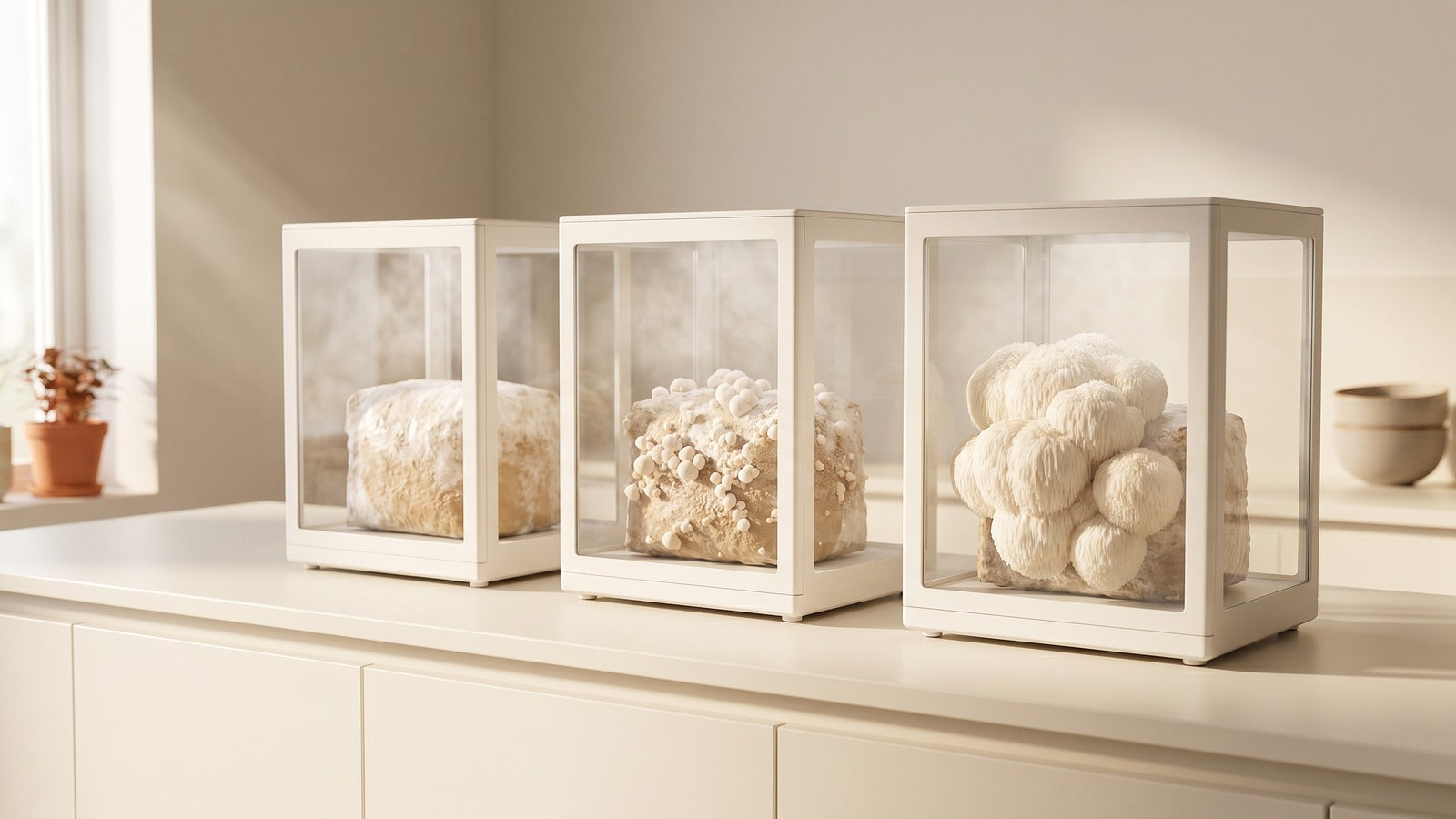
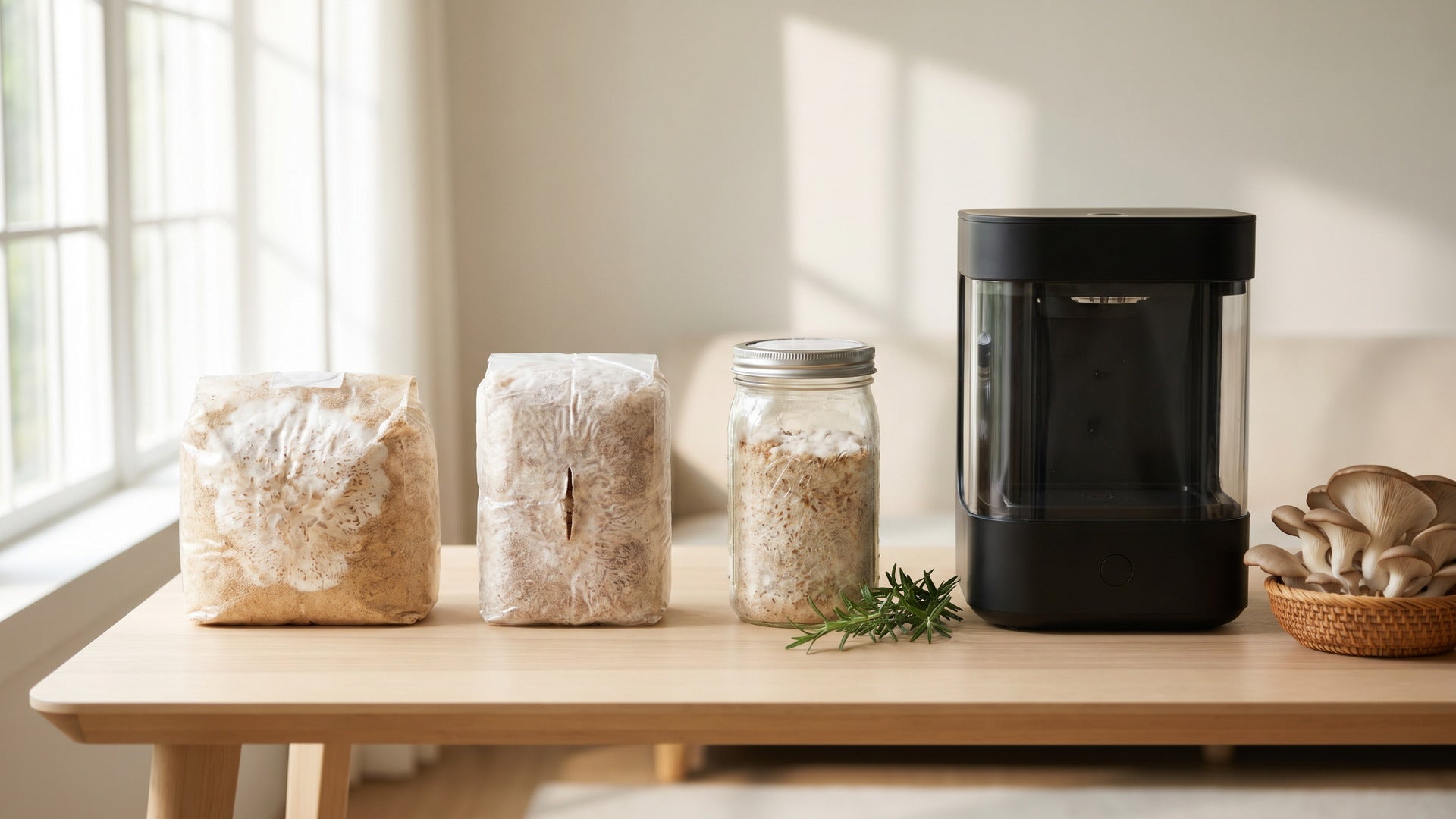
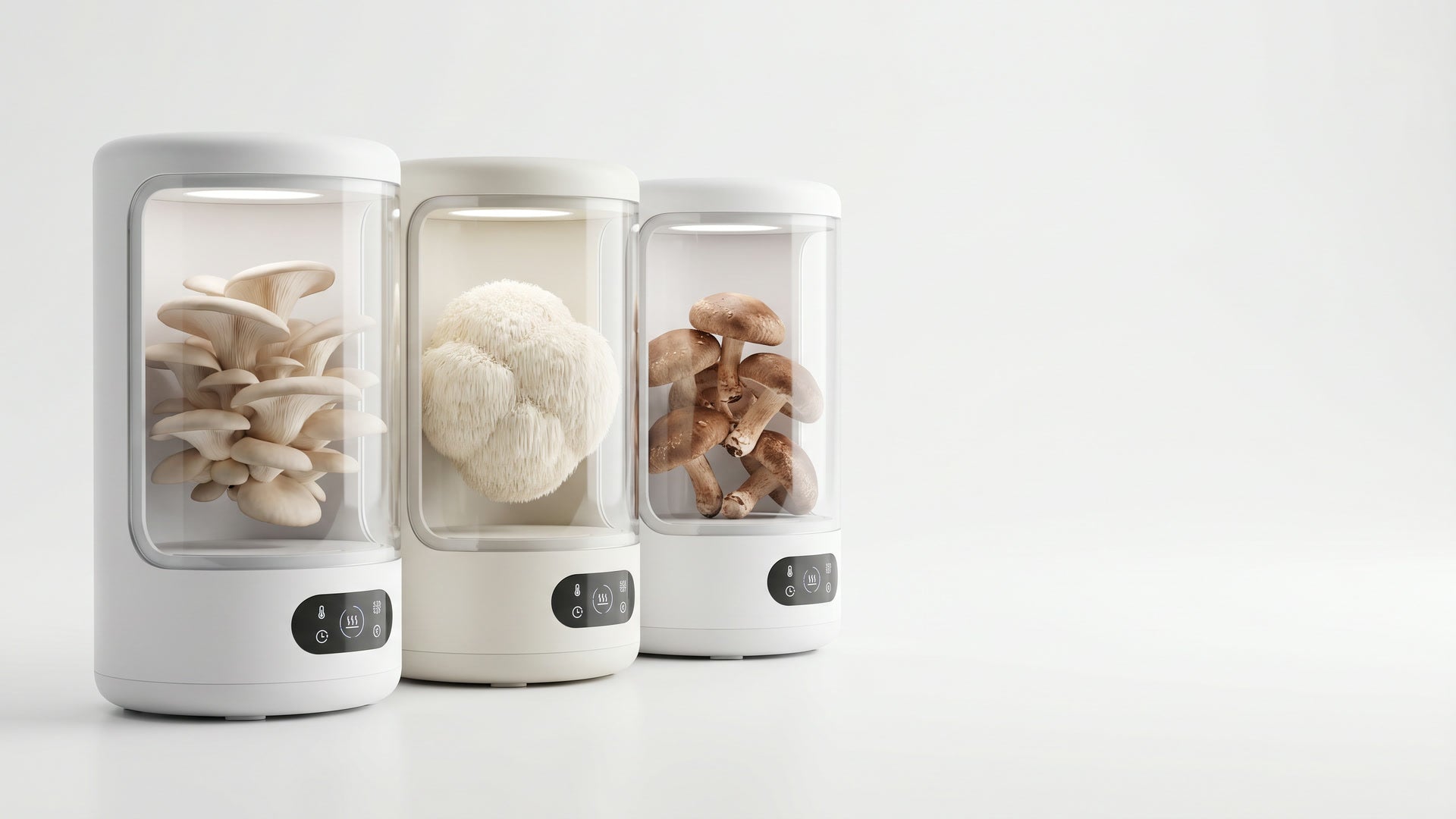
This is one of 28+ species the Lykyn smart mushroom growing chamber supports. The chamber holds the antler-stage temperature and humidity that reishi prefers (24-26 C, 85-90 percent humidity) for the 8-10 weeks of fruiting, with no daily babysitting. If you want a deeper look at the chamber and the species lineup, see the fruiting chamber overview.
If you are growing more than one medicinal species, our newly published Lion's Mane benefits, evidence review covers the cognition-side of the medicinal-mushroom story.
Lykyn Tip
Reishi rewards patience. Three weeks of consistent, dosed use beats three days of heroic dosing. The trials that found real effects all ran 4 to 12 weeks. Plan the same.
Frequently Asked Questions
Is reishi safe to take every day?
For healthy adults, daily use of standardized reishi extract at 1.5-3 g for up to 12 weeks is well-tolerated in the clinical literature. Long-term continuous use beyond 12 months has not been formally studied, so most practitioners suggest cycling: 8-12 weeks on, 2-4 weeks off.
Can reishi really help with sleep?
The published evidence is moderate. Two human trials (neurasthenia + cancer-survivor populations) showed improvement on sleep-related secondary endpoints. Animal models point to GABA and adenosine pathways. Anecdotally, reishi tends to make falling asleep feel easier rather than sedating you outright.
How long until reishi starts working?
Clinical trials measuring fatigue and immune markers report effects at 4 weeks. Most users notice subjective changes (better sleep, calmer baseline) between weeks 2 and 4 of consistent daily dosing. See our deeper timeline article.
Does reishi interact with medications?
Yes, three categories: anticoagulants/antiplatelets (bleeding risk), blood-pressure drugs (additive lowering), and immunosuppressants (opposite mechanism). Always run reishi past your prescriber if you are on prescription medication.
Is reishi the same as red reishi?
"Red reishi" refers to the most common cultivated variety, the reddish-brown lacquered form of Ganoderma lucidum. White, black, blue, yellow and purple reishi are mentioned in old texts but are largely commercial-marketing labels today. Stick with red reishi for clinically validated effects.

Can I drink reishi tea instead of taking a capsule?
A traditional 60-minute decoction extracts the water-soluble polysaccharides but not the alcohol-soluble triterpenoids. So tea captures roughly half the bioactive profile. If immune support is your goal, tea is fine. If you are after the calm/sleep effect, a dual-extract tincture is a better match.
Will reishi help with anxiety?
Reishi is not approved as an anxiolytic and the trial evidence for anxiety specifically is thin. What the trials do support is improved well-being scores and reduced fatigue, which often co-travel with feeling calmer. Treat reishi as a baseline support, not as an acute anxiety treatment.
How do I store dried reishi?
Vacuum-sealed in a cool, dark cabinet. Light, heat and humidity degrade the triterpenoid fraction within 3-6 months. Whole dried fruiting bodies keep well for 12 months. Once ground into powder, use within 60 days for peak potency.
Medical Disclaimer
Lykyn does not provide medical advice. The content above is an educational review of the published scientific literature. It is not a substitute for diagnosis or treatment by a licensed healthcare professional. If you are pregnant, breastfeeding, taking prescription medication, scheduled for surgery within 2 weeks, or managing a chronic condition, talk to your physician or pharmacist before starting reishi. The U.S. FDA has not evaluated these statements; reishi is sold in the U.S. as a dietary supplement, not as a drug to diagnose, treat, cure, or prevent disease.
References (selected, peer-reviewed)
1. Gao Y, Zhou S, Jiang W, Huang M, Dai X. Effects of Ganopoly (a Ganoderma lucidum polysaccharide extract) on the immune functions in advanced-stage cancer patients. Immunol Invest. 2003 Sep;32(3):201-15. PubMed 14965373 2. Zhao H, Zhang Q, Zhao L, et al. Spore Powder of Ganoderma lucidum Improves Cancer-Related Fatigue in Breast Cancer Patients Undergoing Endocrine Therapy: A Pilot Clinical Trial. Evid Based Complement Alternat Med. 2012;2012:809614. PMC 4030608 3. Tang W, Gao Y, Chen G, et al. A randomized, double-blind and placebo-controlled study of a Ganoderma lucidum polysaccharide extract in neurasthenia. J Med Food. 2005 Spring;8(1):53-8. PMC 2230612 4. Cor D, Knez Z, Knez Hrncic M. Antitumour, Antimicrobial, Antioxidant and Antiacetylcholinesterase Effect of Ganoderma Lucidum Terpenoids and Polysaccharides: A Review. Molecules. 2018; 23(3):649. PubMed 29534044 5. Wachtel-Galor S, Yuen J, Buswell JA, Benzie IFF. Ganoderma lucidum (Lingzhi or Reishi): A Medicinal Mushroom. In: Herbal Medicine: Biomolecular and Clinical Aspects. 2nd edition. CRC Press; 2011. NCBI Bookshelf NBK92757 6. Klupp NL, Chang D, Hawke F, et al. Ganoderma lucidum mushroom for the treatment of cardiovascular risk factors. Cochrane Database Syst Rev. 2015;(2):CD007259. Cochrane CD007259 7. Ahmad MF. Ganoderma lucidum: A rational pharmacological approach to surmount cancer. J Ethnopharmacol. 2020; 260:113047. Frontiers in Pharmacology related review 8. Loyd AL, Richter BS, Jusino MA, et al. Identifying the "Mushroom of Immortality": Assessing the Ganoderma Species Composition in Commercial Reishi Products. Front Microbiol. 2018; 9:1557. PubMed 28723989
Aktie:
Red Reishi Mushroom: Unveiling the Hidden Wonders of Nature’s Healing Superfood
Reishi Mushroom Powder: Unlocking the Powerful Health Benefits of Nature’s Superfood