


Rotisserie chicken mushroom soup is the back-pocket weeknight dinner that works because it borrows three free things: a fully cooked bird, a bone-rich carcass for stock, and a flavor base (the seasoned drippings stuck to the bottom of the container) that you'd otherwise have to build from scratch. Add fresh mushrooms, aromatics, and a starch, and you have a hearty soup in roughly 35 minutes.
This is the recipe written the way home cooks actually want it: practical, flexible, and explaining the why behind each step so you can adapt without breaking the dish.

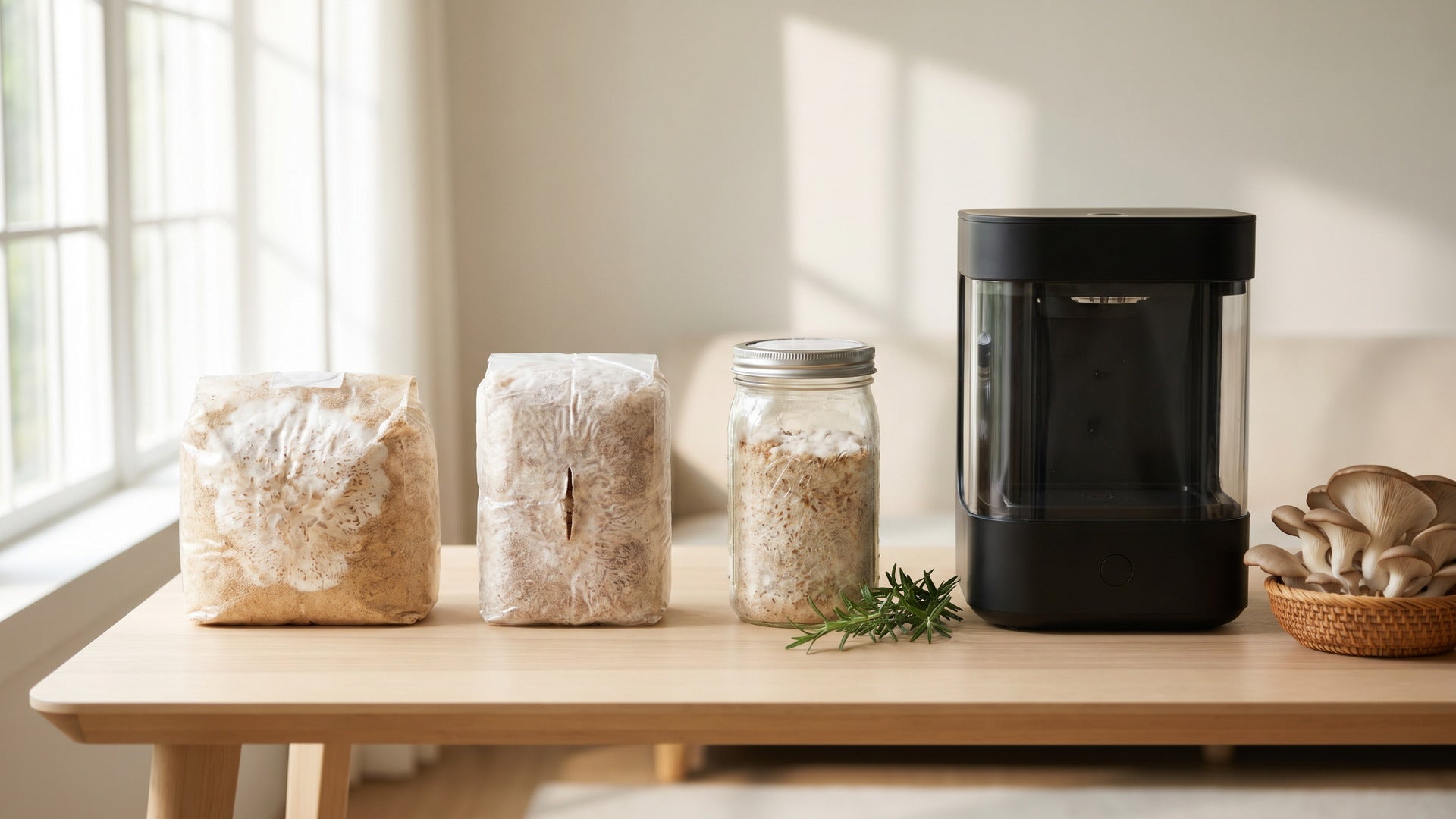
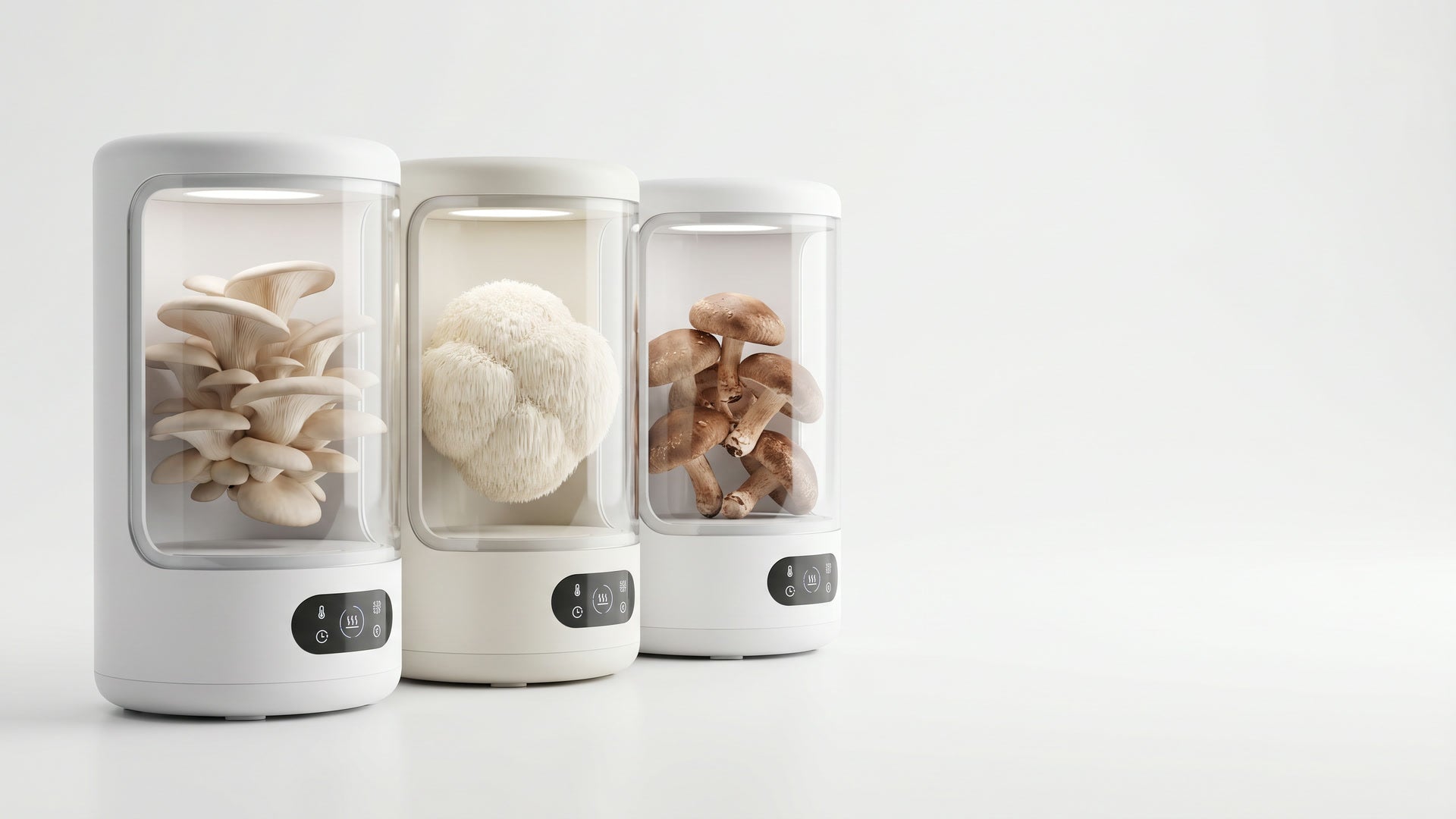
Smart Chamber. Bone White Single
- 2.8L tank, 90% humidity automatic
- App-controlled, plug-and-play
- 6 lb block ceiling, in stock

Smart Chamber. Obsidian Black Single
- Same hardware as Bone White
- Matte black premium finish
- Pairs with any kitchen palette

What you need
One whole rotisserie chicken, eight ounces of fresh mushrooms (cremini, baby bella, oyster, or a mix), one medium yellow onion, three cloves of garlic, two medium carrots, two celery ribs, one and a half quarts of chicken or vegetable stock, a third of a cup of dry white wine or sherry (optional), two tablespoons of butter, a tablespoon of olive oil, one bay leaf, fresh thyme, salt, pepper, and either a cup of cooked egg noodles, white rice, or wild rice. For a creamier version, add a cup of half-and-half or heavy cream.
That's everything. The recipe is forgiving. Swap in whatever vegetables are about to go bad in your fridge. The mushrooms are the only ingredient that really benefits from being fresh and well-chosen.
Step 1: strip the chicken and make a quick stock
Pull all the meat off the carcass and set it aside. Don't waste the dark meat. Thighs and legs have more flavor than the breast, and they're already cooked, so the soup gains depth from including them.
Put the carcass, skin, and any bones in a large pot. Cover with about six cups of water. Bring to a simmer, lower the heat, and let it bubble gently for 20 minutes while you prep the rest. You're not making a 4-hour stock; you're extracting the residual flavor from the cooked bones in a hurry. Strain when done. This becomes your soup base if you don't have store-bought stock on hand.
(If you're skipping the homemade step, use 1.5 quarts of store-bought chicken stock and pour a quarter cup of water into the rotisserie container to swirl up the drippings; add that to the pot. It's not the same, but the drippings step gives store stock noticeable depth.)
Step 2: brown the mushrooms properly
This is the step that separates good mushroom soup from forgettable mushroom soup. Heat the butter and olive oil in a heavy pot over medium-high heat. Slice the mushrooms into quarter-inch pieces. Add them to the hot fat in a single layer and don't move them for two full minutes.
Let them brown. When the edges are dark golden, flip and cook another two minutes. Now they have flavor, structure, and a deep savory base that wouldn't develop if you just simmered them in stock. Transfer the mushrooms to a plate.
If you skip this step and just throw raw mushrooms into the soup at the end, you get pale, gray, water-logged pieces. Brown them first, every time.
Step 3: build the aromatics
Without wiping the pot, add a splash more olive oil if needed. Dice the onion, carrots, and celery (the classic mirepoix). Add to the pot and sauté over medium heat for about six minutes, until the onion is translucent and the vegetables have started to soften.
Mince the garlic and add it for the last 30 seconds. Garlic burns fast in a hot pot, so it goes in last among the aromatics.
Step 4: deglaze
Pour in the wine or sherry (if using) and scrape up any browned bits stuck to the bottom of the pot. Those bits are concentrated flavor. The alcohol cooks off in about two minutes, leaving the depth behind.
If you're skipping alcohol, use a quarter cup of stock to deglaze instead. Same principle.
Step 5: bring it together
Add the stock, bay leaf, a few sprigs of fresh thyme, and the chicken meat (chopped or shredded into bite-sized pieces). Bring to a simmer and cook for 10 minutes. Add the browned mushrooms back to the pot.

Fuel Your Mushroom Journey
Smart Mushroom Grow Chamber
Plug-and-play smart chamber with humidity, light, and airflow dialed in for every species. Beginners harvest their first flush in days, not months.
Add to cart $299If you want a creamy version, stir in the cup of half-and-half or heavy cream now and let it warm through without boiling (boiling can break the cream).
For the starch, you have options. Stir in cooked egg noodles and let them warm through for two minutes. Or stir in cooked rice (white or wild). Or skip the starch entirely and serve with crusty bread on the side. Each version is legitimate.
Step 6: season and finish
Taste. Add salt and pepper. The rotisserie chicken is already seasoned, so you may need less salt than you expect. Remove the bay leaf and thyme stems. Finish with a squeeze of lemon (brightens the broth) and chopped fresh parsley if you have it.
The mushroom upgrade
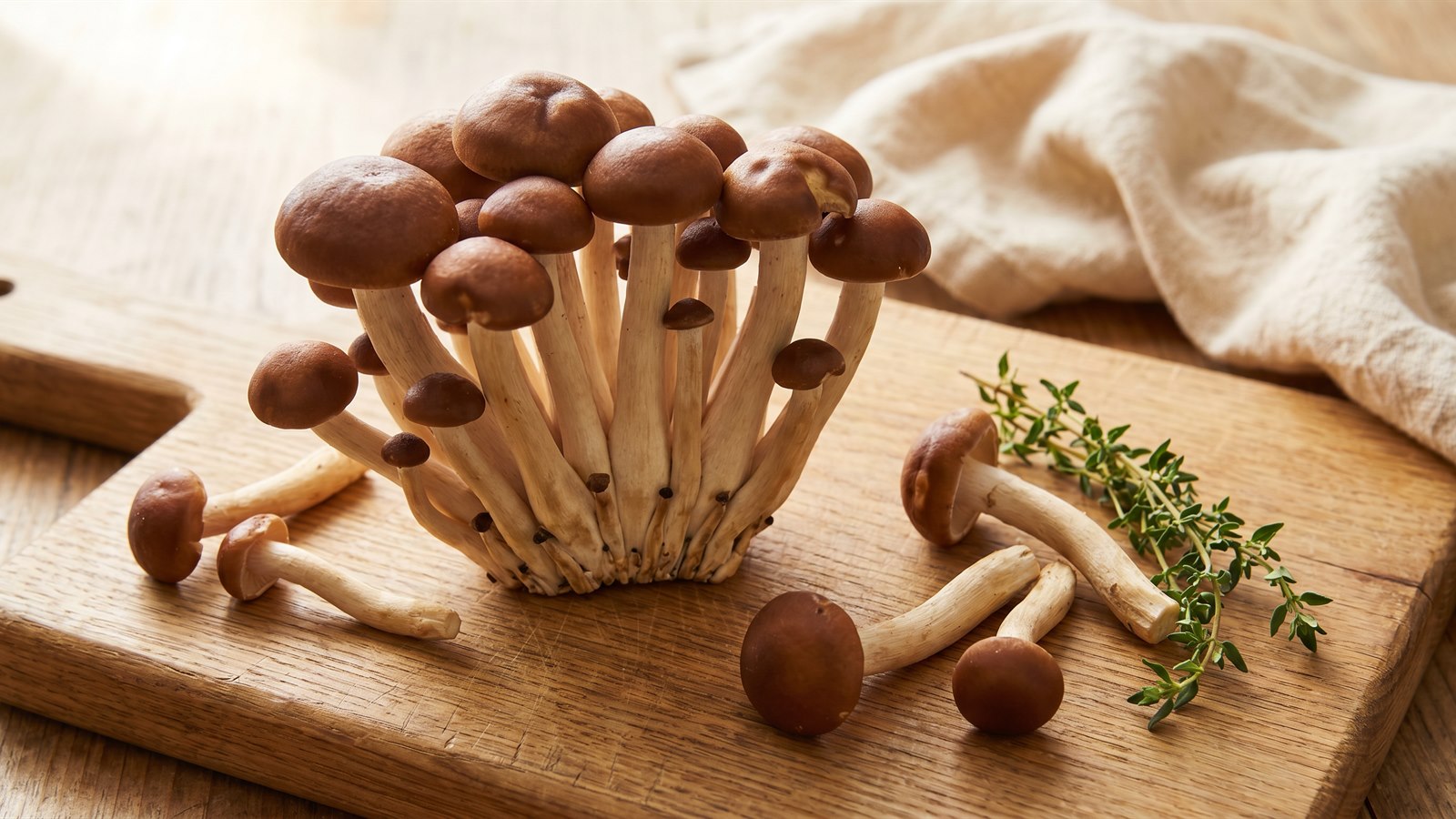
Cremini and baby bella work perfectly fine. But if you want to elevate this dish, swap in a mix of more interesting mushrooms.
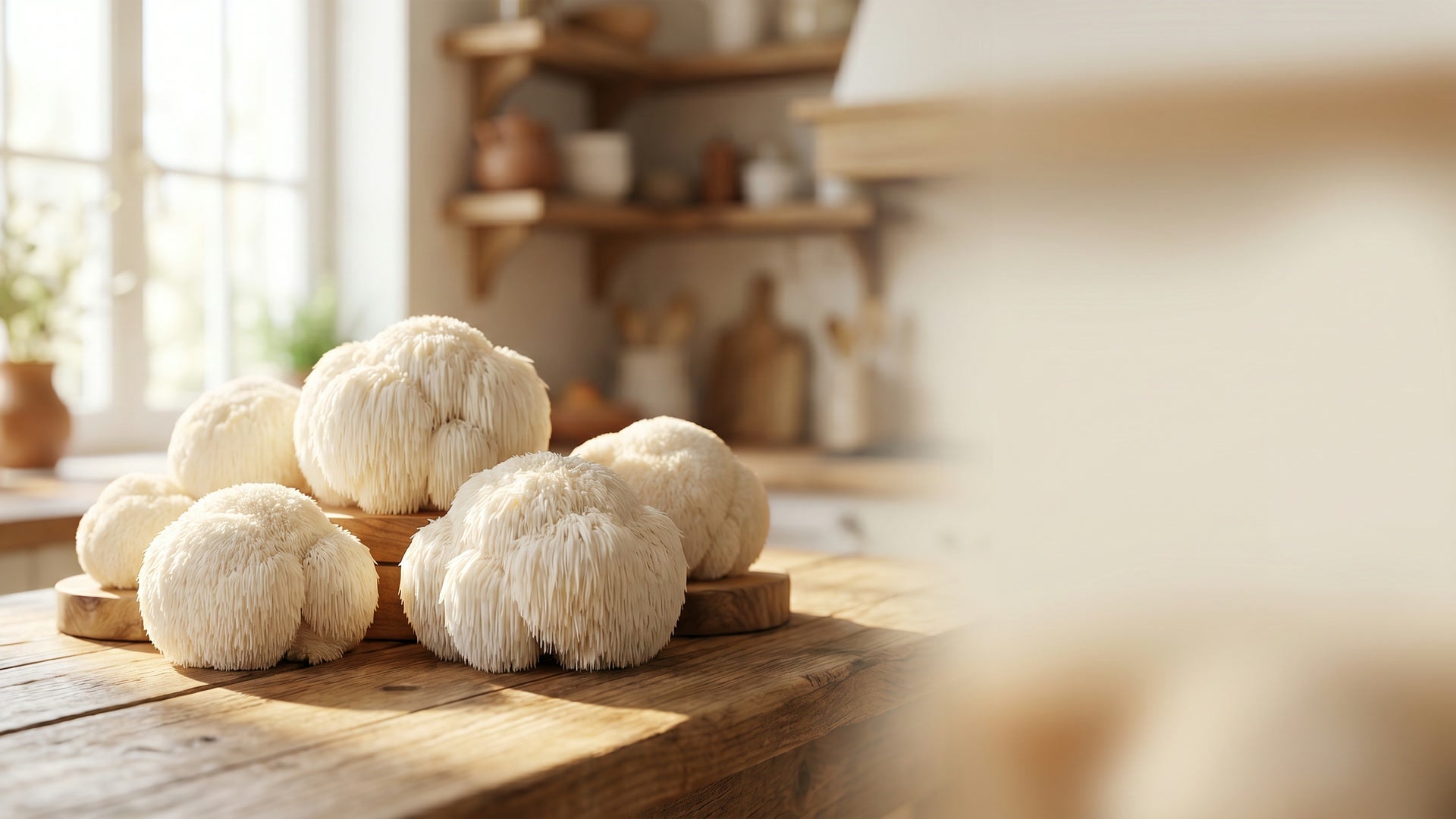
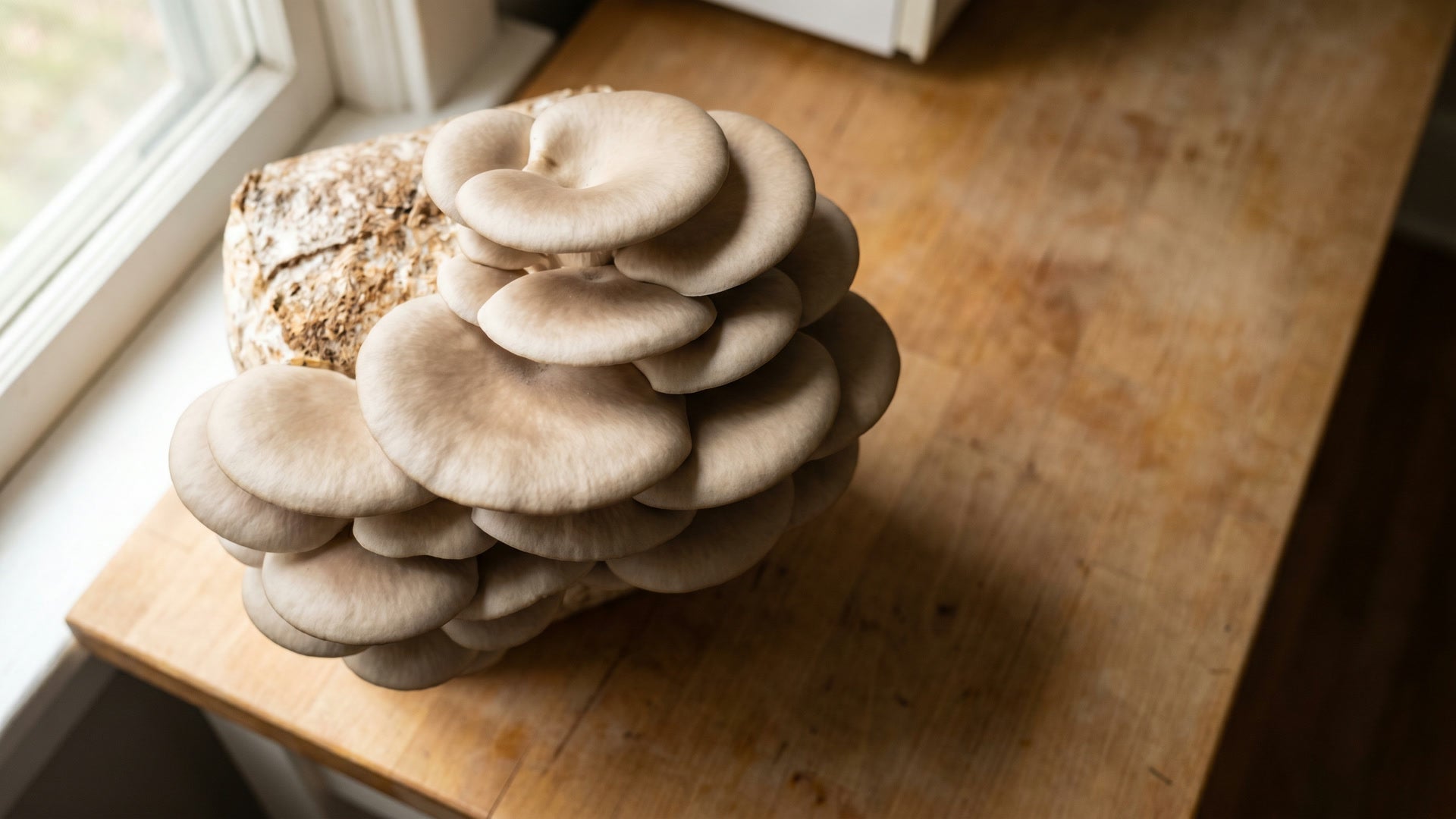
Shiitake adds a deeper, more savory note. Stem them first (shiitake stems stay tough), slice the caps, and brown them like the cremini. King Trumpet sliced into rounds gives a meaty bite that holds up well in the broth. Oyster mushrooms torn into strips add visual interest and a delicate texture.
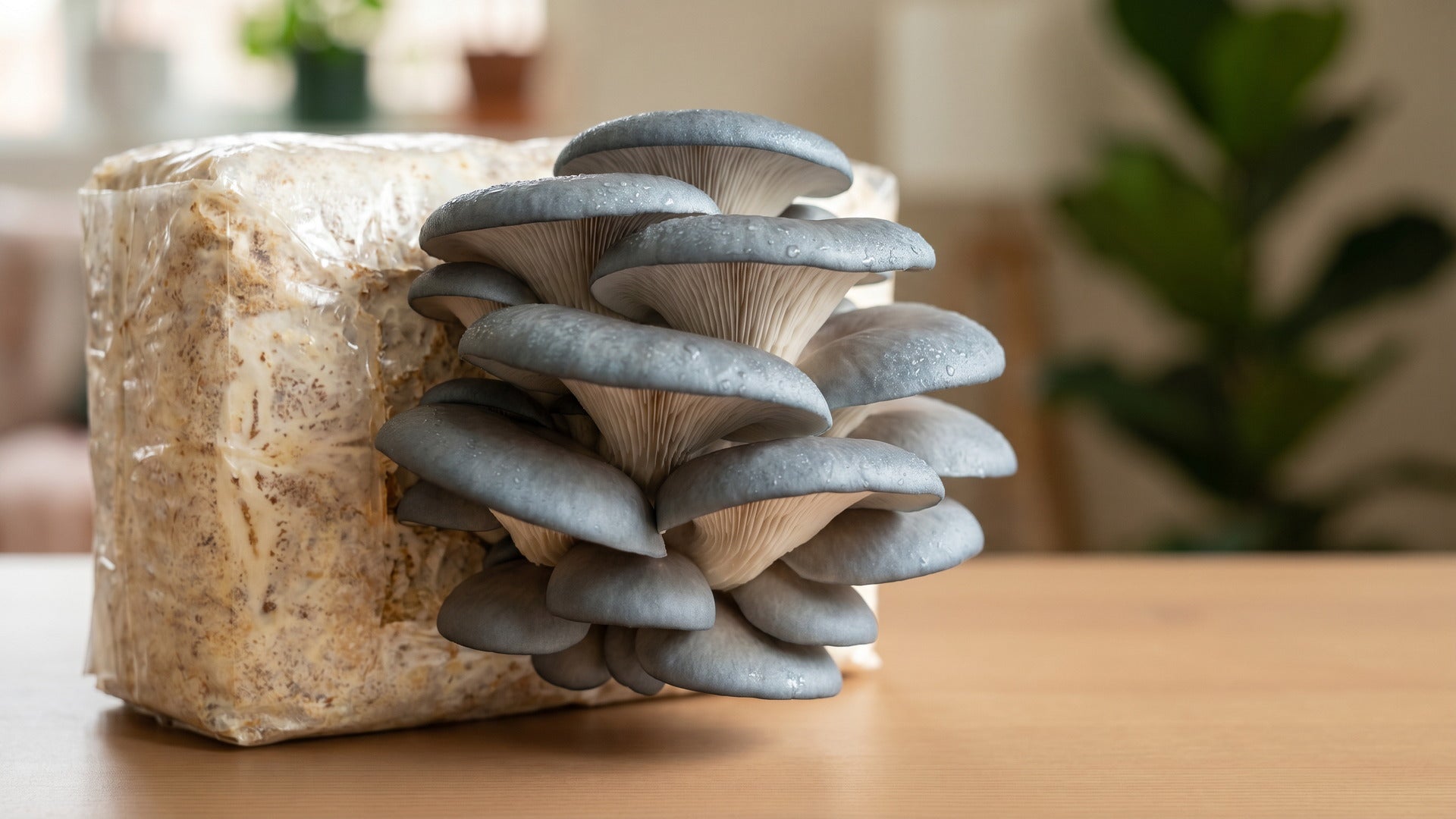
A mix of any two or three of these elevates the soup significantly. Fresh, home-grown mushrooms from a mushroom grow kit are noticeably better in soups because the texture holds up longer in the broth (the cell structure hasn't started breaking down the way week-old grocery mushrooms have).
Make-ahead and storage notes
This soup keeps in the fridge for three to four days. The flavor actually improves overnight as the mushrooms continue to infuse the broth.
If you're making it ahead, cook the noodles or rice separately and add them to individual bowls when serving. Pasta and rice absorb liquid and turn mushy if they sit in the broth too long.
It freezes well without the cream and starch. Add those when reheating. The mushrooms and chicken hold their texture through a freeze-thaw cycle better than most ingredients.
Variations worth trying
For a wild-mushroom-leaning version, use mostly shiitake and King Trumpet, add a dash of soy sauce instead of (or alongside) salt, and finish with sesame oil and scallions. The soup leans Asian without losing the rotisserie chicken core.
For a thicker, more stew-like result, whisk two tablespoons of flour into the butter before adding the vegetables, cook for one minute (this is a quick roux), then proceed with the recipe. You'll get a velvety, gravy-textured soup.
For a lighter version, skip the cream and the starch, and add a big handful of baby spinach or kale in the last two minutes of cooking. The greens wilt into the broth and add color, texture, and a touch of bitterness that contrasts with the rich mushrooms and chicken.
The dish is robust enough to handle these swaps without losing its identity. The non-negotiable parts: brown the mushrooms, use the chicken's drippings, and don't overcook the starch.
Aktie:
Recipes Asparagus and Mushrooms: 6 Ways to Cook the Spring Duo
Recipes Asparagus and Mushrooms: 6 Ways to Cook the Spring Duo