


Quick Answer
Stinkhorn mushrooms are foul-smelling fungi from the order Phallales, named for their phallic shape and the dark slime (gleba) that coats their cap to attract flies for spore dispersal. They are technically edible at the egg / volva stage, harmless to garden plants, and one of the fastest-growing organisms in the natural world: from egg to full fruiting body in hours.

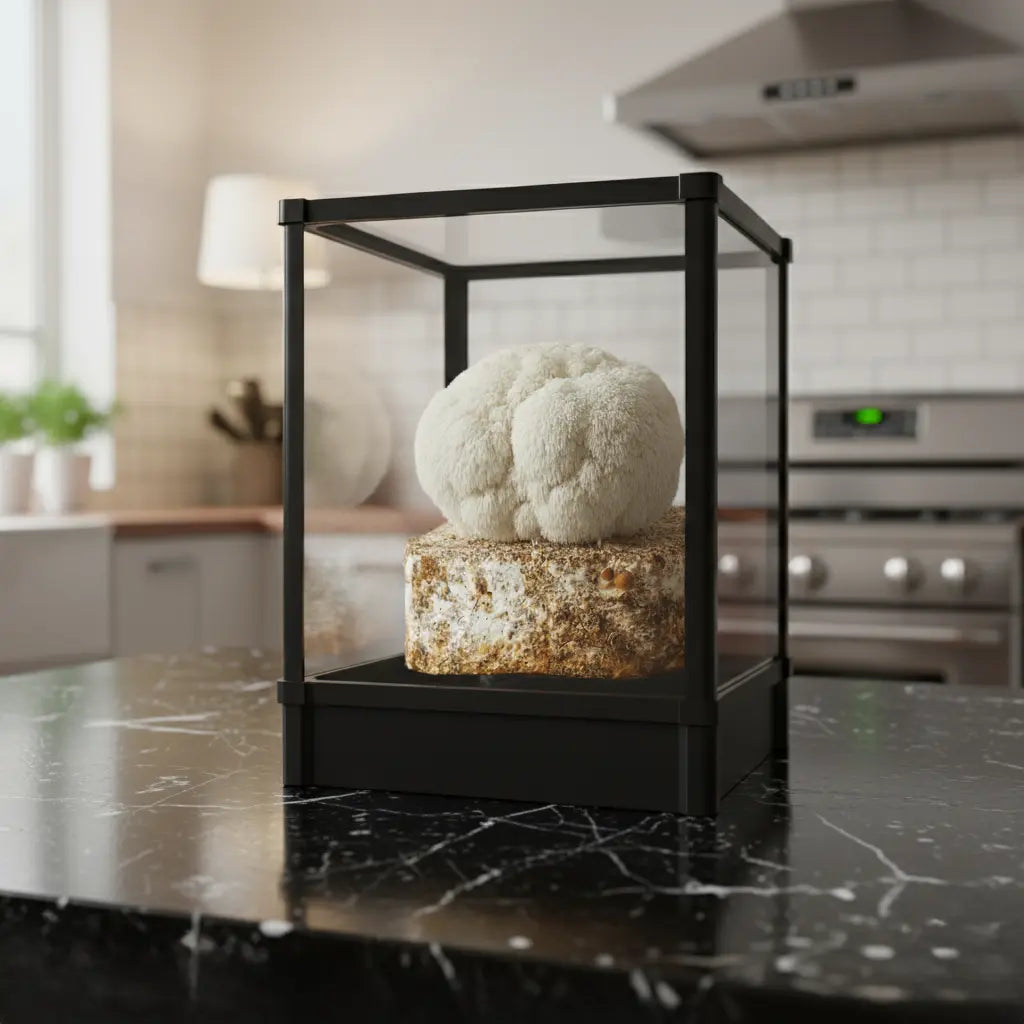
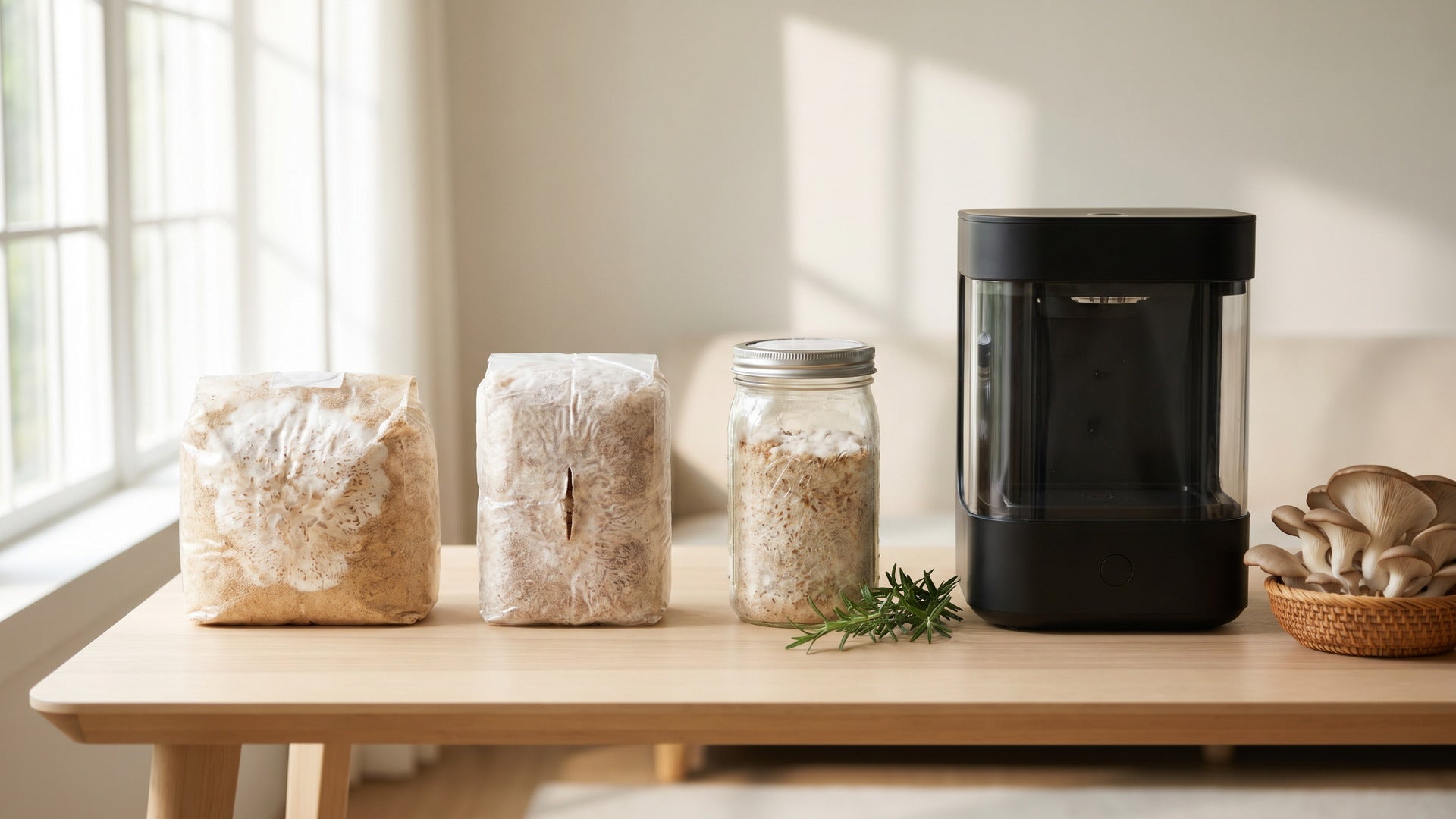
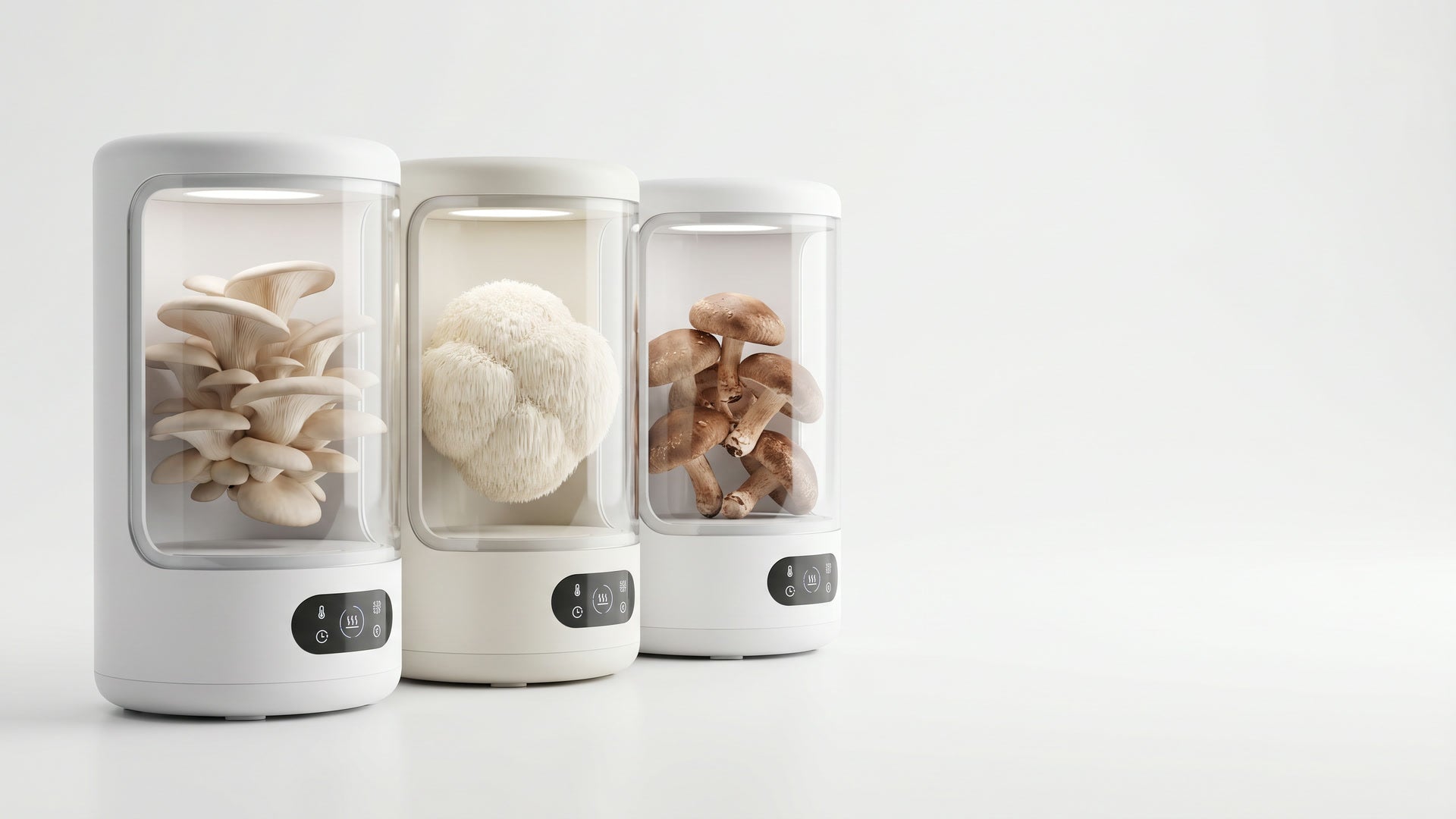
Smart Chamber. Bone White Single
- 2.8L tank, 90% humidity automatic
- App-controlled, plug-and-play
- 6 lb block ceiling, in stock

Smart Chamber. Obsidian Black Single
- Same hardware as Bone White
- Matte black premium finish
- Pairs with any kitchen palette


Introduction to Stinkhorn Mushrooms
Stinkhorn mushrooms represent some of nature's most bizarre yet fascinating fungal creations. With their often phallic shapes, vibrant colors, and notoriously foul odors, these remarkable organisms can transform an ordinary woodland walk into an unexpected biological encounter. While they may trigger reactions ranging from disgust to amusement, stinkhorns play valuable ecological roles and showcase evolutionary adaptations that have allowed them to thrive for millions of years. Their sudden emergence from egg-like structures, rapid growth, and distinctive spore dispersal strategy make them unique even among the extraordinarily diverse kingdom of fungi.
Belonging primarily to the family Phallaceae, stinkhorn mushrooms have captivated naturalists since the Victorian era, when their suggestive shapes caused considerable consternation among proper society. Today, mycologists and casual observers alike appreciate these fungi for their ecological significance and as examples of evolutionary ingenuity. While they may not offer culinary or significant medicinal value like many other mushrooms, their biological uniqueness and ecological role make them worthy of understanding and appreciation.
This comprehensive guide explores the fascinating world of stinkhorn mushrooms, examining their lifecycle, diversity, ecological importance, and the distinctive characteristics that make them immediately recognizable, often by smell before sight. Whether you're a curious naturalist, a mushroom enthusiast, or simply someone who has encountered these strange growths in your garden and wants to understand what they are, this guide provides the essential information to appreciate these remarkable fungi.

Understanding Stinkhorn Mushrooms
Before exploring specific aspects of stinkhorns, it's helpful to understand their basic characteristics and classification.
Taxonomy and Classification
Stinkhorn mushrooms have a specific place in fungal taxonomy:
- Kingdom: Fungi
- Division: Basidiomycota
- Class: Agaricomycetes
- Order: Phallales
-
Primary families:
- Phallaceae (most common stinkhorns)
- Clathraceae (cage or lattice stinkhorns)
- Several other related families with similar characteristics
-
Common genera:
- Phallus (classic columnar stinkhorns)
- Mutinus (dog stinkhorns)
- Clathrus (cage or lattice stinkhorns)
- Aseroe (starfish stinkhorns)
- Lysurus (lantern stinkhorns)
- Number of species: Approximately 80-100 species worldwide
- Evolutionary age: Ancient lineage dating back millions of years
This classification helps place stinkhorns in the broader context of fungal diversity.
Distinctive Characteristics
Several key features distinguish stinkhorns from other mushroom groups:

- Emergence method: Develop initially within an egg-like structure (universal veil)
- Growth speed: Extraordinarily rapid development, often achieving full size within hours
- Odor profile: Distinctive putrid smell resembling rotting meat or other foul substances
- Spore dispersal: Produce spores in a slimy substance (gleba) that attracts insects
- Reproductive strategy: Rely on insects rather than wind for spore dispersal
- Visual appearance: Often brightly colored and distinctively shaped
-
Structural components:
- Receptacle (the mature, emerged structure)
- Volva (remnants of the "egg" after emergence)
- Gleba (slimy, spore-containing substance)
- Habitat preference: Decomposing organic matter, especially woodchips, mulch, and forest debris
These characteristics collectively make stinkhorns unmistakable in the fungal world.
Geographic Distribution
Stinkhorns have a global presence with interesting distribution patterns:
- Global range: Found on all continents except Antarctica
- Climate preference: Most abundant in tropical and subtropical regions
- Temperate presence: Many species also thrive in temperate forests and gardens
- North American distribution: Numerous native and introduced species
- European varieties: Several distinctive species, including the common stinkhorn (Phallus impudicus)
- Tropical diversity: Greatest species diversity in tropical regions
- Urban adaptation: Successfully colonize urban gardens and landscaped areas
- Seasonal appearance: In temperate climates, most common in warm, humid conditions
Their widespread distribution demonstrates their successful evolutionary adaptation.
Common Stinkhorn Species
The family includes numerous distinctive species with varied appearances.
Common Stinkhorn (Phallus impudicus)
The archetypal stinkhorn with classic characteristics:
- Appearance: Distinctly phallic with white to off-white column and olive-green to brown gleba
- Size: Typically 15-25 cm (6-10 inches) tall when fully extended
- Cap features: Thimble-like cap with honeycomb texture covered in foul-smelling gleba
- Volva characteristics: White, egg-like base from which the mature stinkhorn emerges
- Emergence time: Can fully emerge from egg stage in as little as 2-6 hours
- Odor intensity: Strong putrid smell detectable from considerable distance
- Habitat preference: Deciduous woodlands, gardens, mulched areas
- Geographic range: Native to Europe, introduced to other continents
- Season: Primarily summer to fall in temperate regions
- Ecological role: Decomposer of woody debris and organic matter
This species represents the most recognizable form of stinkhorn mushroom.
Elegant Stinkhorn (Mutinus elegans)
A more slender relative with distinctive features:
- Appearance: Slim, finger-like or pencil-shaped fruiting body
- Color profile: Typically bright orange to reddish, fading to paler orange or pink
- Size range: Usually 10-15 cm (4-6 inches) tall
- Cap distinction: No distinct cap; spore mass covers upper portion of stalk
- Volva color: Whitish to pale pink egg-like base
- Distribution: Native to eastern North America, parts of Asia
- Habitat preference: Rich soil, mulch beds, woodland edges
- Odor characteristics: Less powerful odor than common stinkhorn but still distinctly unpleasant
- Nicknames: Dog stinkhorn, devil's dipstick
- Recognition features: Tapered upper portion with directly attached gleba
The elegant stinkhorn represents a different structural approach within the stinkhorn family.
Latticed Stinkhorn (Clathrus ruber)
Representing the cage-like stinkhorns with remarkable structure:
- Appearance: Hollow, latticed, roughly spherical structure resembling a red cage
- Color: Bright red to pink-red, highly visible against forest floor
- Structure: Interconnected arms forming a rounded lattice
- Size: Typically 5-15 cm (2-6 inches) in diameter
- Spore mass location: Distributed along the inner surfaces of the lattice arms
- Geographic origin: Native to Europe and the Mediterranean
- Spread: Introduced to North America, Australia, and Asia
- Growth substrate: Rich soil, mulch, rotting wood
- Emergence pattern: Expands from egg-like stage to full cage rapidly
- Similar species: Other Clathrus species with varying cage patterns
This distinctive form shows the remarkable morphological diversity within stinkhorns.
Octopus Stinkhorn (Clathrus archeri)
One of the most visually striking fungal species:
- Appearance: Initially egg-like, opening into 4-8 tentacle-like arms that are red on the inside
- Arm characteristics: Slender, pointed, and typically arch upward and outward
- Color pattern: Red to pink interior, whitish to pink exterior
- Size: 5-15 cm (2-6 inches) across when fully opened
- Native range: Native to Australia and New Zealand
- Introduction: Spread to Europe and North America, likely with imported wool
- Spore mass: Dark olive-brown gleba on the inner sides of the arms
- Development stages: Dramatic transformation from egg to tentacled form
- Common names: Devil's fingers, octopus stinkhorn, or starfish fungus
- Recognition features: The tentacle-like arms make it unmistakable
The octopus stinkhorn demonstrates the alien-like diversity possible in fungal forms.
Lifecycle and Biology
Understanding the stinkhorn lifecycle reveals their fascinating reproductive strategy.
The "Egg" Stage
The initial development stage is distinctive and important:
- Formation process: Develops underground or within substrate as a gelatinous mass
- Appearance: White to pinkish egg-shaped structure with leathery outer layer
- Size range: Typically 3-6 cm (1-2.5 inches) in diameter
- Internal structure: Contains fully formed but compressed mature structure
- Protection function: Provides protection and resources for rapid deployment
- Duration: Can remain in egg stage for days to weeks
- Triggering factors: Proper moisture and temperature prompt emergence
- Identification features: Often visible partially above ground
- Common confusion: Sometimes mistaken for puffballs or bird eggs
- Edibility note: Some cultures consider the "egg" stage edible in certain species
This preliminary stage is crucial for the stinkhorn's explosive growth strategy.
Rapid Emergence and Growth
The transition from egg to mature form is remarkably fast:
- Initiation trigger: Usually occurs overnight or during humid conditions
- Extension mechanism: Specialized cells rapidly inflate with water
- Growth rate: Among the fastest in the fungal world, up to 5-6 inches in a few hours
- Structural development: Compressed tissues in egg rapidly extend and differentiate
- Cell mechanics: Spongy tissue with honeycomb-like chambers allows rapid extension
- Energy source: Stored nutrients in egg stage fuel the rapid growth
- Water requirement: Requires significant moisture for successful emergence
- Growth sound: Some observers report audible "popping" during rapid growth
- Time to maturity: Complete development from egg to mature form in 2-12 hours
- Growth completion: Ceases once spore-bearing structure is fully deployed
This accelerated growth is an evolutionary adaptation for quick spore deployment.
Spore Dispersal Strategy
Stinkhorns use a unique method to spread their spores:
- Spore location: Contained in the gleba, a slimy, often olive-green to brown substance
- Odor production: Generated by compounds that mimic carrion or feces
- Key compounds: Include cadaverine, putrescine, and various sulfur compounds
- Primary dispersal agents: Flies and other insects attracted to the odor
-
Attraction mechanism:
- Visual cues (bright colors)
- Olfactory signals (putrid smell)
- Sweet taste of gleba (despite the smell)
- Insect interaction: Insects land on gleba, consume it, and carry away spores
- Spore survival: Pass through insect digestive systems intact
- Secondary dispersal: Insects deposit spores in new locations
- Evolutionary advantage: Targeted dispersal to similar nutrient-rich environments
- Dispersal distance: Can be transported much farther than wind-dispersed spores
This insect-partnership strategy represents a sophisticated evolutionary adaptation.
Mycelial Network
Before and after the visible mushroom stage, stinkhorns exist primarily as mycelium:
- Structure: Underground network of thread-like cells (hyphae)
- Appearance: White to off-white fibrous material in soil or substrate
- Function: Absorbs nutrients from surrounding organic matter
- Digestive process: Releases enzymes that break down complex materials
- Lifespan: Can persist for years, producing multiple fruiting bodies
- Growth pattern: Radiates outward from original colonization point
- Substrate preference: Decomposing wood, rich soil, mulch, or compost
- Nutrient acquisition: Primarily saprotrophic (decomposer)
- Environmental interaction: Forms relationships with bacteria and other microorganisms
- Seasonal activity: May become dormant during unfavorable conditions
This hidden mycelial network represents the primary body of the fungus.
Ecological Significance
Despite their off-putting characteristics, stinkhorns play important ecological roles.
Decomposition Functions
Stinkhorns contribute significantly to ecosystem processes:
- Material breakdown: Decompose dead wood, leaf litter, and other plant material
- Nutrient cycling: Release locked-up nutrients back into the soil
- Carbon cycle role: Convert organic carbon into forms accessible to other organisms
- Enzymatic activity: Produce enzymes capable of breaking down lignin and cellulose
- Soil improvement: Enhance soil structure and fertility through decomposition
- Mulch processing: Particularly common in landscaping mulch and wood chips
- Succession role: Often appear during specific stages of material decomposition
- Decomposition speed: Can accelerate breakdown of organic materials
- Microbial interactions: Work alongside bacteria and other decomposers
- Climate impact: Contribute to carbon sequestration processes
Their decomposition activities benefit ecosystem health and nutrient availability.
Relationships with Insects
Stinkhorns have evolved complex relationships with various insects:
- Primary insect visitors: Flies (especially blow flies and flesh flies)
- Secondary visitors: Beetles, ants, and other opportunistic insects
- Pollinator comparison: Function similarly to how flowers attract pollinators
- Insect benefits: Provide food source and breeding sites for certain insects
- Specialized adaptations: Some insects specifically seek out stinkhorns
- Timing synchronization: Peak spore production often coincides with insect activity
- Behavioral effects: Some compounds may specifically trigger insect feeding behaviors
- Co-evolution evidence: Mutual adaptations suggest long evolutionary relationship
- Ecological web: Connect decomposition processes to insect populations
- Research value: Studied as examples of convergent evolution with flowering plants
These relationships highlight sophisticated evolutionary strategies.
Indicator Species Value
Stinkhorns can provide information about environmental conditions:
- Habitat quality indicators: Presence may signal healthy decomposition processes
- Disturbance indicators: Often appear after landscape changes or disturbance
- Soil health signals: Indicate nutrient-rich, organic matter-heavy soils
- Moisture regime indicators: Suggest adequate soil moisture levels
- Climate change monitoring: Range expansions may indicate changing climate patterns
- Introduced species tracking: Non-native stinkhorns can indicate global trade patterns
- Urban ecology indicators: Presence in urban settings indicates functioning urban ecosystems
- Biodiversity components: Contribute to overall fungal diversity metrics
- Succession stage markers: Appear at specific points in ecological succession
- Forest health indicators: Part of healthy forest floor fungal communities
Their presence and abundance can provide ecological insights.
Human Interactions and Cultural Significance
Stinkhorns have a long history of provoking human reactions and interest.
Historical Perspectives
Stinkhorns have generated interesting historical reactions:
- Victorian era response: Caused moral outrage due to phallic appearance
- Destruction practices: Victorian women reportedly attacked them with sticks out of propriety
- Early botanical descriptions: Often included apologetic or euphemistic language
- Folk names: Given colorful local names reflecting their appearance or smell
- Historical medicinal uses: Limited but noted in some traditional medicine systems
- Cultural taboos: Considered inappropriate or embarrassing in many historical contexts
- Scientific nomenclature: Scientific names often reference their distinctive characteristics
- Early mycological study: Presented challenges for early formal scientific description
- Artistic depictions: Rarely depicted in historical botanical art compared to other fungi
- Folklore: Featured in various folk beliefs and superstitions
Their unusual nature has generated colorful historical responses.
Modern Uses and Research
Contemporary approaches to stinkhorns include:
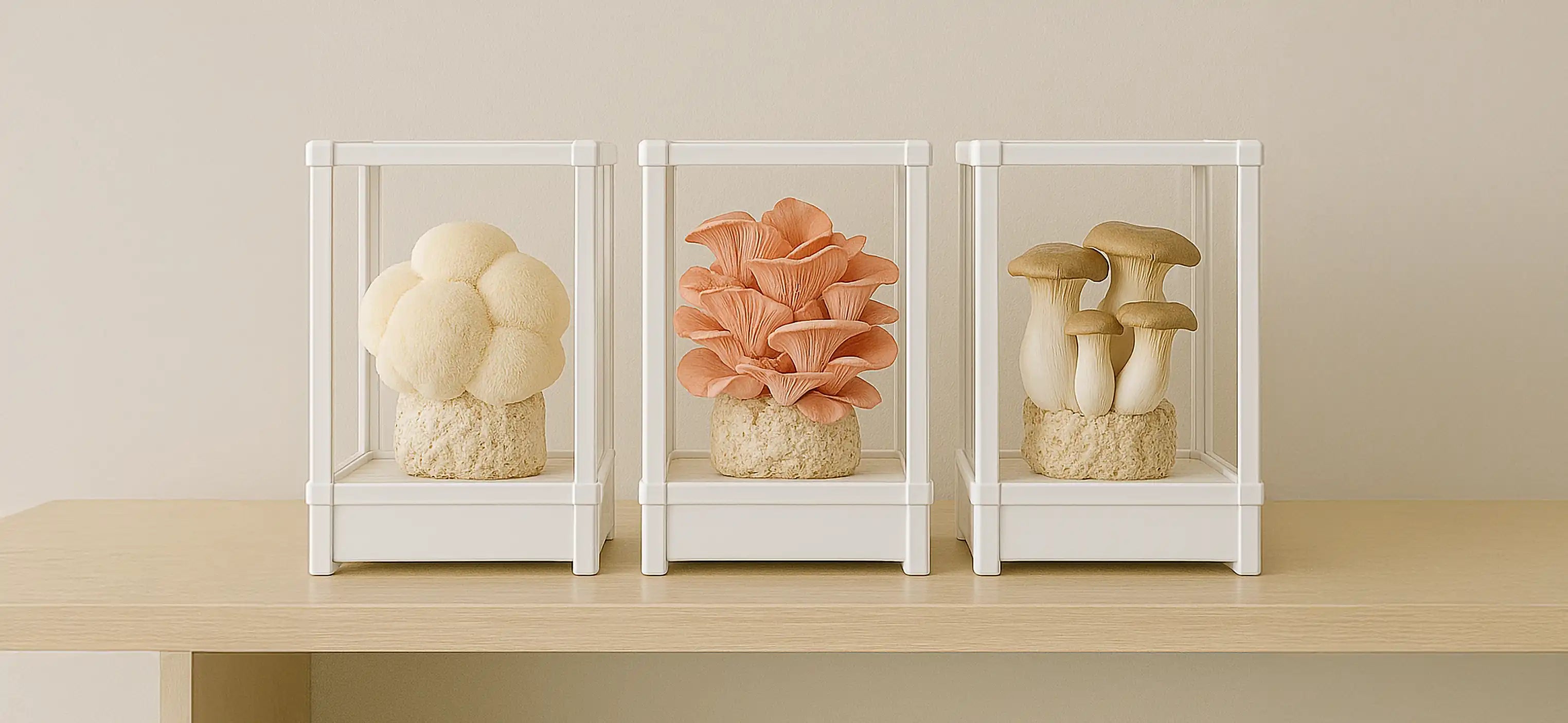
Fuel Your Mushroom Journey
Smart Mushroom Grow Chamber
Plug-and-play smart chamber with humidity, light, and airflow dialed in for every species. Beginners harvest their first flush in days, not months.
Add to cart $299- Biodiversity studies: Included in fungal diversity surveys and monitoring
- Enzymatic research: Studied for decomposition enzymes with potential applications
- Compound analysis: Research into the volatile compounds producing their distinctive odor
- Cell biology studies: Their rapid growth mechanism investigated for biological insights
- Cultivation challenges: Difficult to cultivate commercially, limiting research
- Citizen science participation: Often reported in citizen science fungal monitoring projects
- Evolutionary biology research: Studied as examples of specialized evolutionary adaptations
- Educational value: Used in biology education to demonstrate fungal diversity
- Photography subjects: Popular subjects for nature and macro photography
- Mycological interest: Of special interest to amateur and professional mycologists
Modern scientific approaches have found value in studying these unusual fungi.
Garden and Landscape Considerations
Stinkhorns commonly appear in managed landscapes:
- Common occurrence: Frequently appear in mulched garden beds and landscaped areas
- Control desires: Often unwanted due to odor and appearance
-
Removal approaches:
- Removing and disposing of "eggs" before emergence
- Disrupting mycelial networks through soil disturbance
- Changing mulch type or composition
- Preventative measures: Limited effectiveness of fungicides and preventatives
- Ecological perspective: Considered beneficial decomposers despite aesthetic concerns
- Temporary nature: Typically disappear naturally within a few days
- Mulch relationship: Particularly common in hardwood mulches
- Season prediction: Most common during warm, wet periods
- Reappearance patterns: May return annually once established
- Management recommendation: Generally best left alone to complete their lifecycle
Their appearance in gardens often creates conflicts between aesthetics and ecology.
Culinary Considerations
Unlike many mushrooms, stinkhorns have limited culinary applications:
- Egg stage edibility: Some species considered edible in the "egg" stage in certain cultures
- Traditional consumption: Part of traditional diets in limited regions, particularly China
- Preparation methods: Typically peeled and cooked before the stinkhorn emerges
- Taste descriptions: Described as mild and radish-like in egg stage
- Mature stage inedibility: Generally considered inedible once emerged due to odor and texture
- Historical consumption: Limited historical records of consumption
- Nutritional profile: Limited nutritional analysis available
- Toxicity status: Not considered toxic but generally avoided
- Commercial unavailability: Not commercially cultivated or sold for consumption
- Culinary interest: Occasionally mentioned in ethnomycological studies
Their limited culinary use contrasts with many other mushroom families.
Identifying and Observing Stinkhorns
For those interested in finding and identifying these unique fungi.
Where and When to Find Them
Optimal conditions for observing stinkhorns:
-
Habitat preferences:
- Mulched garden beds and landscaped areas
- Deciduous woodlands with rich leaf litter
- Around decomposing logs and stumps
- Areas with buried wood or organic debris
- Parklands and urban green spaces
-
Seasonal timing:
- Summer and fall in temperate regions
- Rainy seasons in tropical areas
- After periods of significant rainfall
- During humid, warm weather
- Most active when overnight temperatures remain above 55°F (13°C)
-
Time of day:
- Early morning for freshly emerged specimens
- Emergence often occurs overnight
- Mature specimens most noticeable midday when odor is strongest
- "Egg" stages can be found at any time
-
Ecological indicators:
- Areas with other fungal activity
- Recently mulched locations
- Disturbed woodland sites
- Garden areas with decomposing wood chips
Understanding these patterns increases chances of finding specimens.
Photography and Documentation
Tips for recording stinkhorn observations:
-
Photography challenges:
- Capturing the distinctive structure clearly
- Documenting without disturbing
- Showing scale appropriately
- Dealing with low-light forest conditions
-
Documentation details:
- Record location, habitat, and substrate
- Note date, time, and weather conditions
- Describe odor (intensity and character)
- Measure specimen dimensions
- Document nearby plant communities
-
Observation techniques:
- Consider time-lapse for growth documentation
- Photograph all lifecycle stages if possible
- Capture both overall form and close details
- Document insect visitors when present
-
Citizen science participation:
- Submit observations to platforms like iNaturalist
- Contribute to mycological society databases
- Participate in local biodiversity surveys
- Share with online mushroom identification groups
Proper documentation contributes to broader understanding of these fungi.
Similar Species and Look-alikes
Distinguishing stinkhorns from other fungi:
-
Potential confusion with:
- Puffballs (in egg stage)
- Earth-stars (Geastrum species)
- Some coral fungi (in certain growth stages)
- Bird's nest fungi (superficially similar habitat)
- False morels (for certain stinkhorn species)
-
Key differentiating features:
- Distinctive odor usually confirms stinkhorn identification
- Presence of gelatinous layer in "egg" stage
- Rapid emergence and growth pattern
- Slimy spore mass (gleba) production
- Often brightly colored mature forms
-
Scientific confirmation methods:
- Microscopic examination of spores
- Observation of development pattern
- Cross-sectioning "egg" stage
- Checking for presence of volva at base
- Noting characteristic cellular structure
Accurate identification prevents confusion with other fungal groups.
Frequently Asked Questions About Stinkhorn Mushrooms
Are stinkhorn mushrooms dangerous or poisonous?
Stinkhorn mushrooms are not considered poisonous or dangerous to humans or pets, despite their often repulsive odor and unusual appearance. No documented cases of toxicity exist from handling or even consuming these fungi. Their foul smell naturally deters most people from considering them for consumption once they've emerged from the egg stage.
The "egg" stage of certain species, particularly Phallus impudicus (common stinkhorn), is actually considered edible in some cultures and has been traditionally consumed in parts of Europe and Asia. At this stage, before the mushroom emerges and develops its characteristic odor, the texture and flavor have been described as radish-like or reminiscent of hazelnuts.
While touching stinkhorns poses no health risk, the slimy spore mass (gleba) can stain clothing and skin. This material is designed to stick to insects for spore dispersal, so it can be difficult to remove from fabrics. Some people may experience mild skin irritation from handling the mature specimens, but this is rare and likely related to individual sensitivity rather than any toxic compounds.
Despite their harmlessness, their sudden appearance in gardens often causes concern, particularly when found near children's play areas or pet spaces, due to their distinctive and sometimes alarming appearance.
Why do stinkhorn mushrooms smell so terrible?
The notorious odor of stinkhorn mushrooms is a fascinating evolutionary adaptation specifically designed to attract insects for spore dispersal. While repulsive to humans, this smell is irresistible to certain insects, particularly flies, that serve as the mushroom's primary spore dispersal agents.
The odor comes from a complex mixture of volatile compounds produced in the slimy spore mass (gleba) that covers parts of the mature mushroom. Scientific analyses have identified several key compounds responsible for this smell, including:
- Cadaverine and putrescine (compounds associated with decaying flesh)
- Dimethyl sulfide and other sulfur compounds
- Various amines and sulfides that mimic rotting organic matter
- Skatole and indole (compounds also found in feces)
This chemical cocktail specifically mimics the smell of carrion or dung, resources that many flies use for feeding and laying eggs. When flies and other insects are attracted to the smell, they land on the sticky spore mass, consume some of the sweet-tasting gleba (despite its smell), and inadvertently pick up spores on their bodies and legs. These spores are then transported to new locations as the insects move about.
This odor-based strategy represents an example of convergent evolution with certain flowering plants like the corpse flower (Amorphophallus titanum) and carrion flowers, which use similar smelly compounds to attract pollinating insects. The effectiveness of this strategy explains why stinkhorns have maintained this characteristic throughout their evolutionary history.
How can I get rid of stinkhorn mushrooms in my garden?
Eliminating stinkhorn mushrooms from gardens presents challenges due to their extensive underground mycelial networks. While complete eradication is difficult, several approaches can help manage their presence:
Short-term solutions:
- Remove the "egg" stage before they emerge by checking mulched areas regularly and carefully digging out the white, egg-like structures
- Promptly remove mature mushrooms to prevent spore dispersal, placing them in sealed plastic bags for disposal
- Disrupt the soil where they appear by turning or tilling, which can temporarily set back mycelial growth
- Apply a fungicide containing potassium bicarbonate, though effectiveness varies and ecological impacts should be considered
Long-term management:
- Change the environmental conditions by reducing moisture in affected areas
- Consider replacing hardwood mulch with alternative materials like gravel, pine needles, or synthetic mulch options
- Remove buried wood, old roots, or other decomposing organic matter that may be supporting fungal growth
- Improve drainage in the affected area to reduce soil moisture
- In extreme cases, remove and replace the top layer of soil and mulch entirely
Ecological considerations:
- Remember that stinkhorns are beneficial decomposers contributing to garden health
- Their presence is typically temporary, with most specimens collapsing within 1-3 days
- They pose no threat to living plants and actually help recycle nutrients
- The mushrooms are merely the reproductive structures of an established fungal network
Most gardening experts recommend tolerance when possible, as stinkhorns usually appear in limited numbers and for brief periods, particularly after rainy weather. Their ecological benefits often outweigh their temporary aesthetic and olfactory drawbacks.
Why do stinkhorns suddenly appear in mulched areas?
Stinkhorn mushrooms frequently appear suddenly in mulched landscapes due to a perfect combination of environmental conditions and substrate preferences. This common occurrence has several explanations:
Mulch composition factors:
- Hardwood mulches provide ideal food sources rich in lignin and cellulose
- Partially decomposed wood chips offer the perfect texture for mycelial growth
- Commercial mulch often contains stinkhorn spores from processing facilities
- Aged mulch reaches the optimal decomposition stage for stinkhorn development
- The layered structure creates ideal moisture retention and aeration
Environmental triggers:
- Mulched areas maintain higher moisture levels critical for fungal growth
- The interface between mulch and soil creates a protected microenvironment
- Temperature fluctuations are moderated under mulch layers
- Warm, humid conditions following rainfall often trigger mass emergence
- Seasonal timing coincides with stinkhorn reproductive cycles
Biological processes:
- Mycelium can grow unseen for months before producing visible mushrooms
- The rapid emergence (often overnight) makes their appearance seem sudden
- Established mycelial networks can produce multiple fruiting bodies simultaneously
- Once established, they can return annually when conditions are favorable
- Their lifecycle is synchronized with insect activity for optimal spore dispersal
Understanding these factors explains why landscaped areas frequently experience stinkhorn appearances. While their sudden emergence may seem mysterious, it represents the fungus capitalizing on ideal growing conditions. Most landscape professionals recognize stinkhorns as a natural and typically temporary component of healthy mulched beds rather than a problem requiring intervention.

Conclusion
Stinkhorn mushrooms represent some of nature's most fascinating fungal innovations. Their extraordinary lifecycle, from hidden mycelium to egg-like structure to rapidly emerging reproductive form, showcases evolutionary adaptations that have allowed them to thrive for millions of years. While their appearance and odor may initially trigger revulsion, a deeper understanding reveals the ecological ingenuity behind these characteristics. Their partnership with insects for spore dispersal, their role in decomposition and nutrient cycling, and their ability to rapidly capitalize on favorable conditions all speak to their biological sophistication.
For gardeners who discover these unusual visitors in their mulched beds, a shift in perspective from nuisance to natural wonder can transform the experience. Their temporary presence, while sometimes malodorous, indicates a healthy decomposition process underway in your garden ecosystem. While control methods exist for those who find them truly problematic, many mycologists and naturalists encourage appreciation rather than eradication.
The next time you encounter a stinkhorn mushroom, consider taking a moment (perhaps from a comfortable distance upwind) to observe its unique structure, note the insects it attracts, and appreciate the remarkable evolutionary journey that produced such an unusual organism. In the grand diversity of fungi, stinkhorns stand out as particularly vivid reminders that nature's designs often combine the bizarre, the practical, and the ingenious in unexpected ways.
Frequently asked questions
Are stinkhorn mushrooms dangerous?
No, stinkhorns are not toxic to humans, pets, or garden plants. The strong smell is unpleasant, not harmful. They appear briefly (usually less than 48 hours), do their job dispersing spores, and decompose into the soil. If they bother you in the garden, rake them under or remove the eggs before they hatch.
Why do stinkhorn mushrooms smell so bad?
The dark, sticky slime on the cap (the gleba) contains compounds that mimic the smell of rotting meat or fresh manure. This is a brilliant evolutionary strategy: flies and beetles drawn to the smell land on the slime, get their feet coated in spore-rich goo, and carry those spores to new substrate. The smell is the species' delivery mechanism.
Can you eat stinkhorn mushrooms?
Some species are eaten at the egg (volva) stage, before the smell develops. The bamboo stinkhorn (Phallus indusiatus) is a culinary delicacy in parts of China and Southeast Asia, sold dried and used in soups and stir-fries for its delicate, crunchy texture. The common stinkhorn is technically edible at the egg stage but most foragers skip it. Never eat a mature, smelly stinkhorn.
How fast do stinkhorn mushrooms grow?
Stinkhorns hold the speed record among mushrooms. Once the egg matures, the stalk can elongate 10 to 15 centimetres in 30 to 60 minutes , fast enough to be visible to the naked eye. The whole life cycle from egg to fully developed fruiting body to collapse often happens in under 12 hours.
How do I get rid of stinkhorn mushrooms in my yard?
The fruiting bodies are short-lived and harmless, so the easiest approach is to let them finish their cycle. If you want to remove them, dig out the eggs (the white sacs in the mulch) before they hatch , they are the only stage you can reliably uproot. Stinkhorns feed on decaying wood, so refreshing wood mulch with composted material can also reduce future appearances.
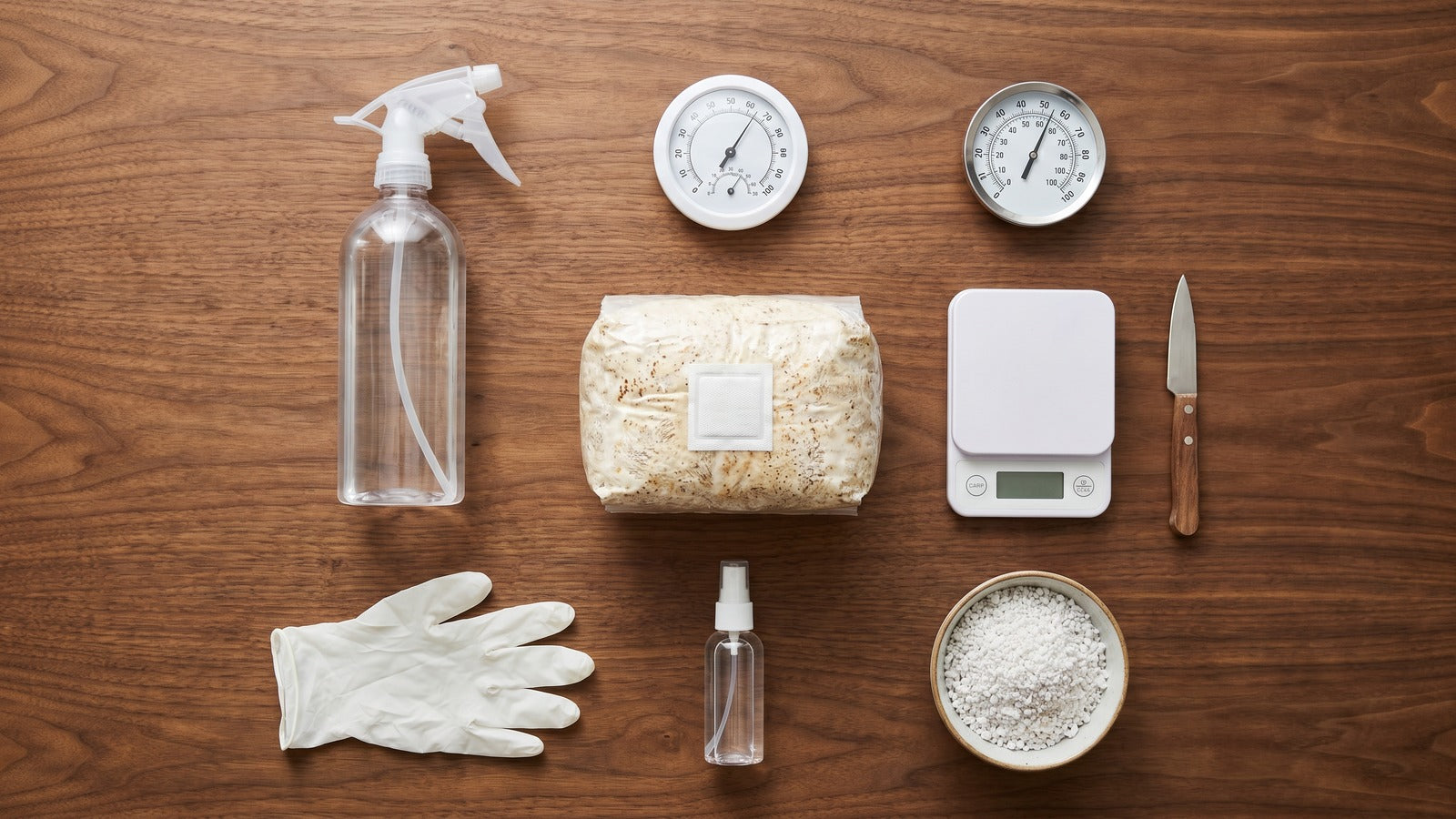
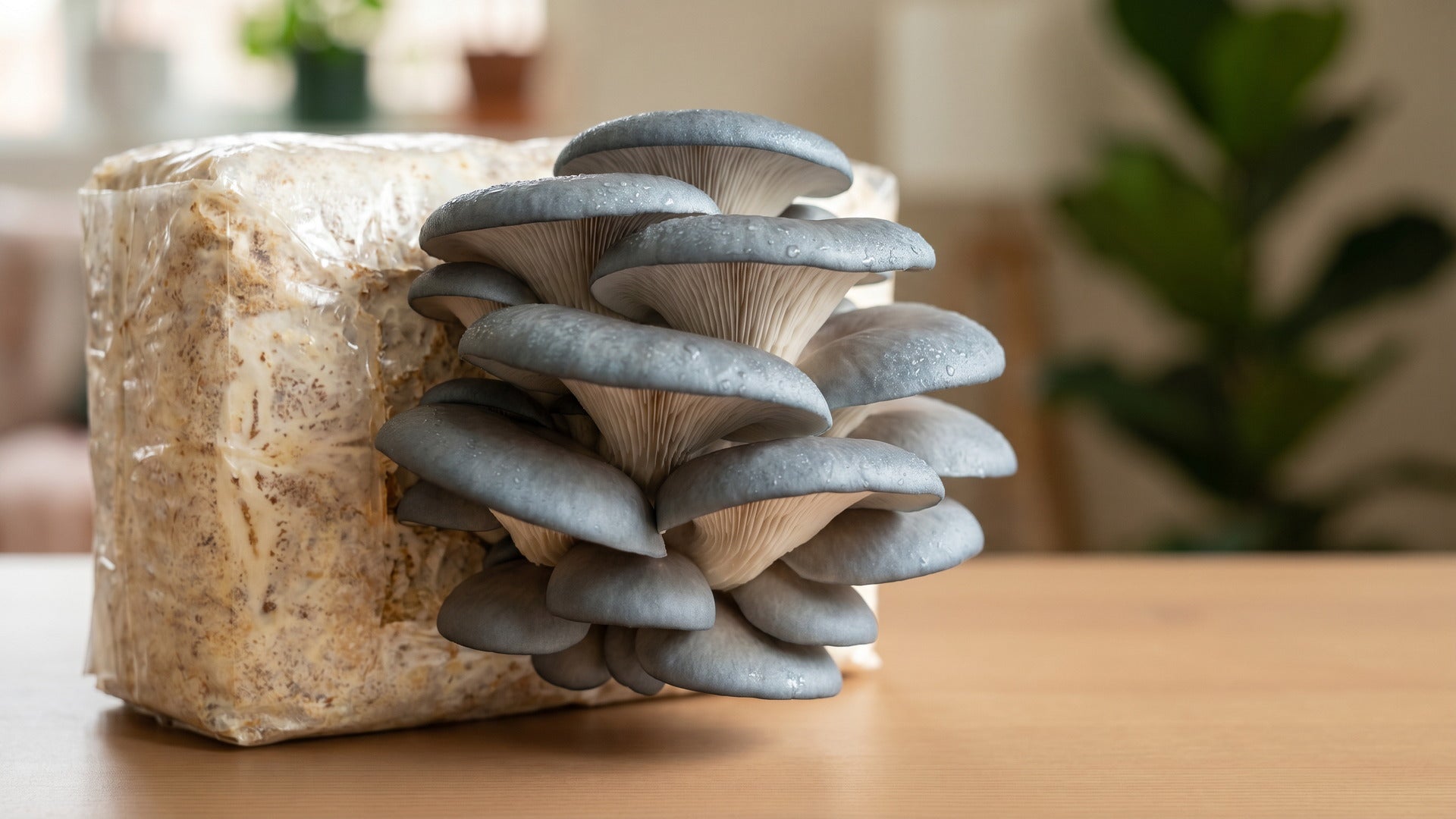
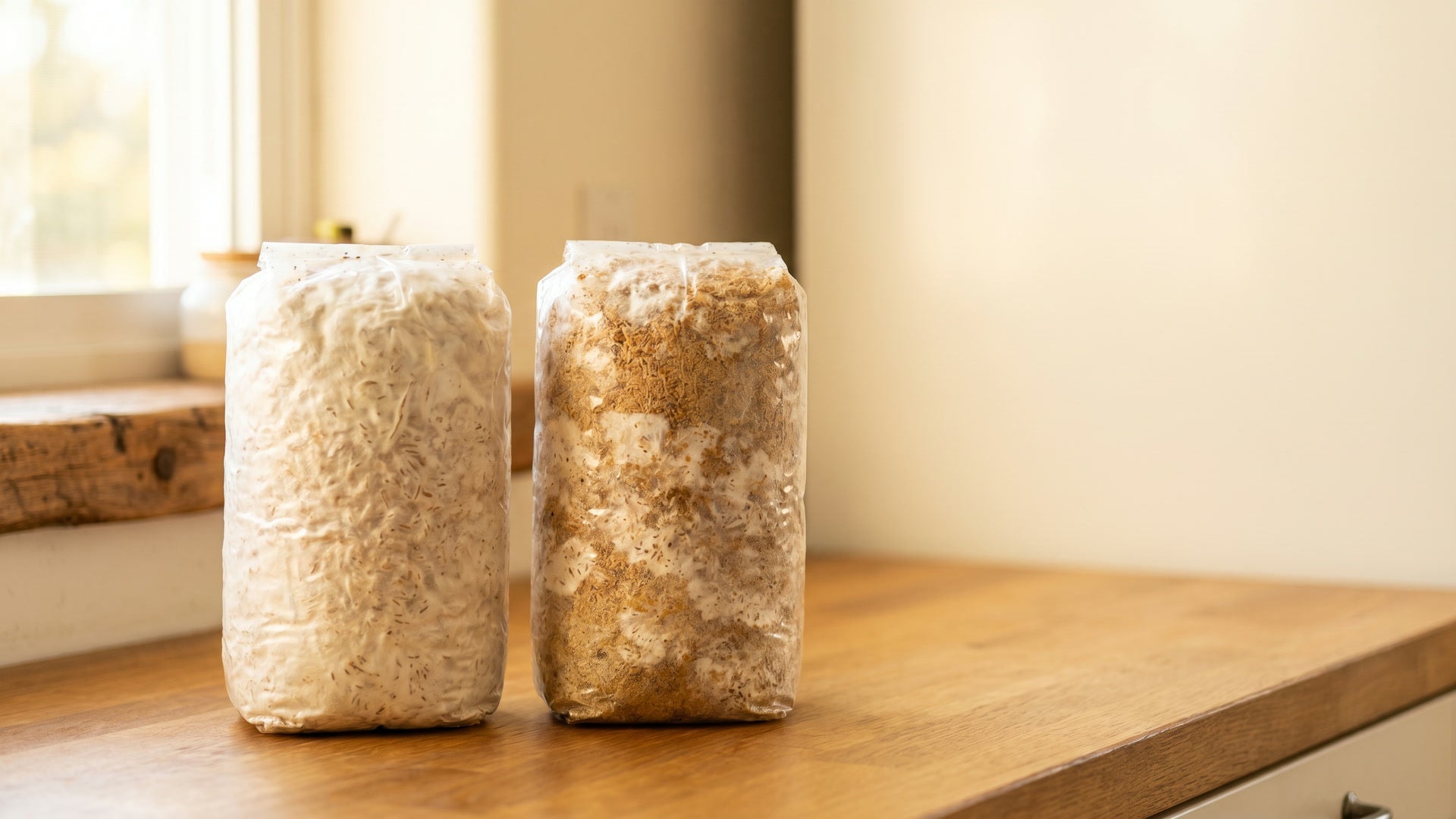
Skip the forage, grow edible mushrooms at home
Stinkhorns are fascinating but not for the kitchen. Our 5 lbs grow kits fruit gourmet edible species in 10 to 14 days, on your counter, with no surprises.

Aktie:
Crab-Stuffed Mushrooms: A Gourmet Appetizer
Mushroom Tea - A Soothing and Healthy Elixir