


Vegan cream of mushroom soup tastes just as rich as the dairy version when you get two things right: deep mushroom flavor from browning, and a creamy base that holds together without curdling. Cashew cream and unsweetened oat milk are the most reliable bases. The whole soup takes about 35 minutes start to finish.
This recipe makes 4 generous servings or about 5 cups, which is enough to use as a side soup, a sauce, or a casserole base. Honest upfront: vegan cream soups can taste thin or watery if you skip the browning step. Browning the mushrooms for at least 8 minutes is the difference between a flat soup and a savory, almost beefy one.

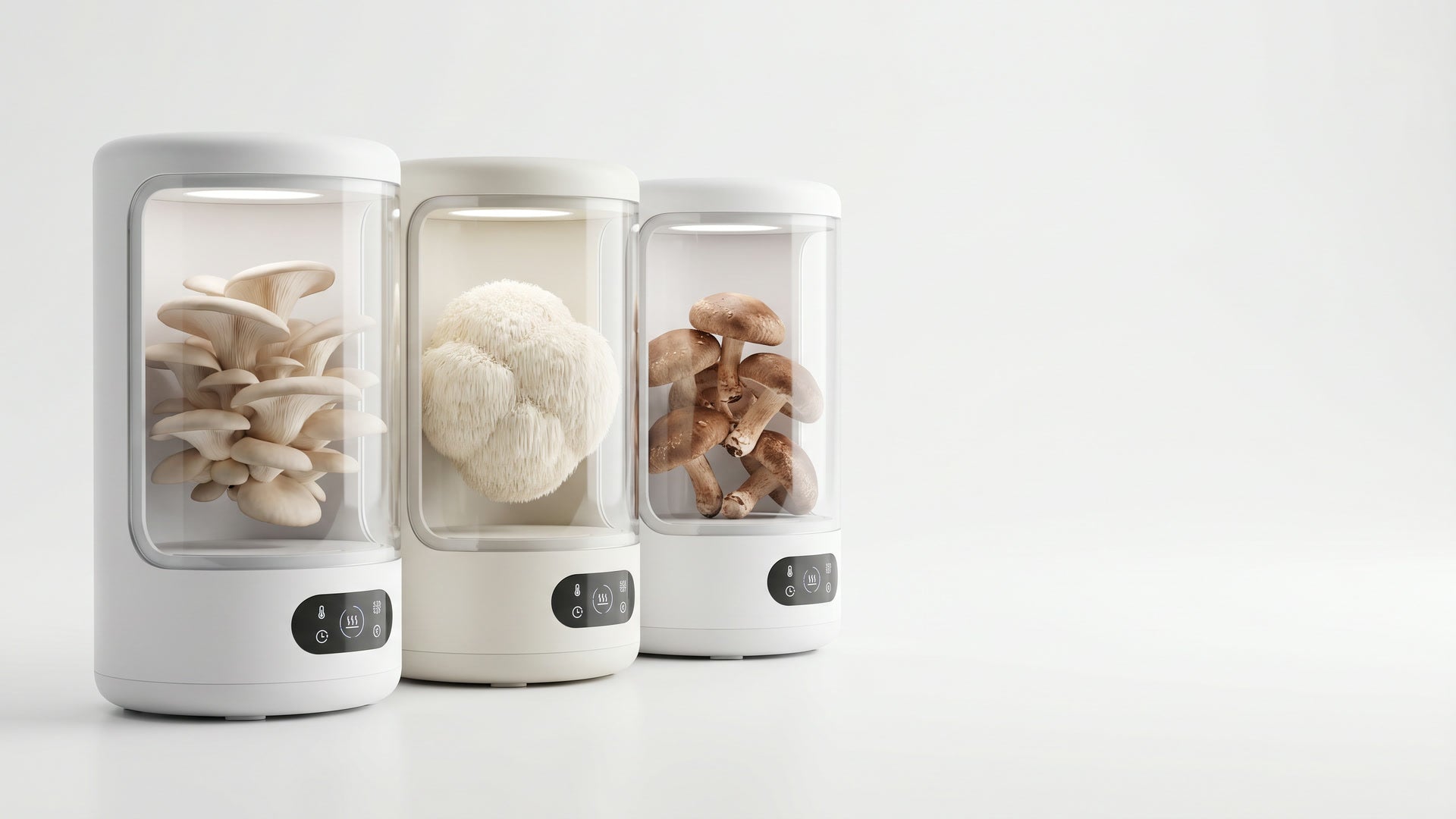
Smart Chamber. Bone White Single
- 2.8L tank, 90% humidity automatic
- App-controlled, plug-and-play
- 6 lb block ceiling, in stock

Smart Chamber. Obsidian Black Single
- Same hardware as Bone White
- Matte black premium finish
- Pairs with any kitchen palette

Why most vegan cream of mushroom soups disappoint
Two common mistakes ruin home recipes. First, cooks add the cream substitute too early, which prevents the mushrooms from browning (they steam instead). Second, they rely on canned coconut milk, which works but pushes the flavor toward Thai curry. The fix is a neutral plant cream like raw cashews blended with water, or a thick oat-based cooking cream.
The second secret weapon is umami stacking. Dried porcini, miso paste, soy sauce or tamari, and nutritional yeast each add a different layer of savoriness. Use at least two of them and the soup will taste meaty without any meat.
Ingredients for vegan cream of mushroom soup
Yields about 5 cups, serves 4.
- 1/2 cup raw cashews (soaked in hot water for 15 minutes, or boiled 5 minutes)
- 1 1/4 cups water (for the cashew cream)
- 1/4 cup dried porcini or shiitake mushrooms
- 1 cup hot water (to rehydrate the dried mushrooms)
- 3 tablespoons olive oil or vegan butter
- 1 large yellow onion, diced
- 4 cloves garlic, minced
- 1 1/2 pounds fresh mushrooms (cremini, white button, or a mix), sliced
- 3 tablespoons all-purpose flour (or 2 tablespoons cornstarch for gluten-free)
- 3 cups vegetable broth
- 1 tablespoon white or yellow miso paste
- 1 tablespoon soy sauce or tamari
- 1 teaspoon fresh thyme leaves (or 1/2 teaspoon dried)
- 1 tablespoon nutritional yeast (optional but recommended)
- Salt and black pepper to taste
- Fresh chives or parsley to finish
Step-by-step method
- Make the cashew cream (5 minutes active): Drain the soaked cashews. Blend with 1 1/4 cups fresh water on high for 60 to 90 seconds until completely smooth. A high-speed blender produces the silkiest texture. Set aside.
- Rehydrate the dried mushrooms (15 minutes, parallel step): Pour the hot water over the dried mushrooms in a bowl. Soak 15 minutes. Strain the liquid through a coffee filter or fine sieve to remove grit. Reserve the liquid. Chop the rehydrated mushrooms finely.
- Brown the fresh mushrooms (8 to 10 minutes): Heat 2 tablespoons olive oil in a large heavy pot over medium-high heat. Add the sliced fresh mushrooms in a single layer (work in two batches if needed). Do not stir for the first 3 minutes. Let them release water, then brown. Total time: 8 to 10 minutes until deeply golden. Transfer to a plate.
- Build the base (5 minutes): Add the remaining 1 tablespoon oil to the same pot. Add the onion and cook 4 minutes until soft. Add the garlic and rehydrated chopped mushrooms; cook 1 minute more.
- Thicken (2 minutes): Sprinkle the flour over the onion mixture. Stir for 1 to 2 minutes to cook off the raw flour.
- Add liquids (15 minutes simmer): Slowly whisk in the strained mushroom soaking liquid, then the vegetable broth. Bring to a simmer. Stir in miso, soy sauce, and thyme. Simmer 10 minutes, stirring occasionally.
- Finish (3 minutes): Return the browned mushrooms to the pot. Whisk in the cashew cream and nutritional yeast. Simmer another 2 to 3 minutes (do not boil). Taste and season with salt and pepper.
- Serve: Ladle into bowls and finish with chopped chives or parsley. For a smoother soup, blend half the soup with an immersion blender and stir the puree back in.
Choosing the right plant cream
Not all dairy-free creams behave the same. Here is what works and what does not:
- Cashew cream (best): Neutral flavor, holds heat well, thickens nicely. The top choice for cream of mushroom.
- Oat cooking cream (Oatly Cream, Minor Figures Barista, etc.): Very close second. Pour-and-go convenience. Use 1 cup in place of the cashew cream and water.
- Full-fat coconut milk: Works in a pinch, but adds a coconut note that competes with the mushroom flavor.
- Almond milk: Too thin on its own. Use only if blended with soaked almonds or paired with extra cornstarch.
- Soy cream: Excellent for richness, similar to cashew. Some brands have a beany aftertaste.
The mushroom mix matters
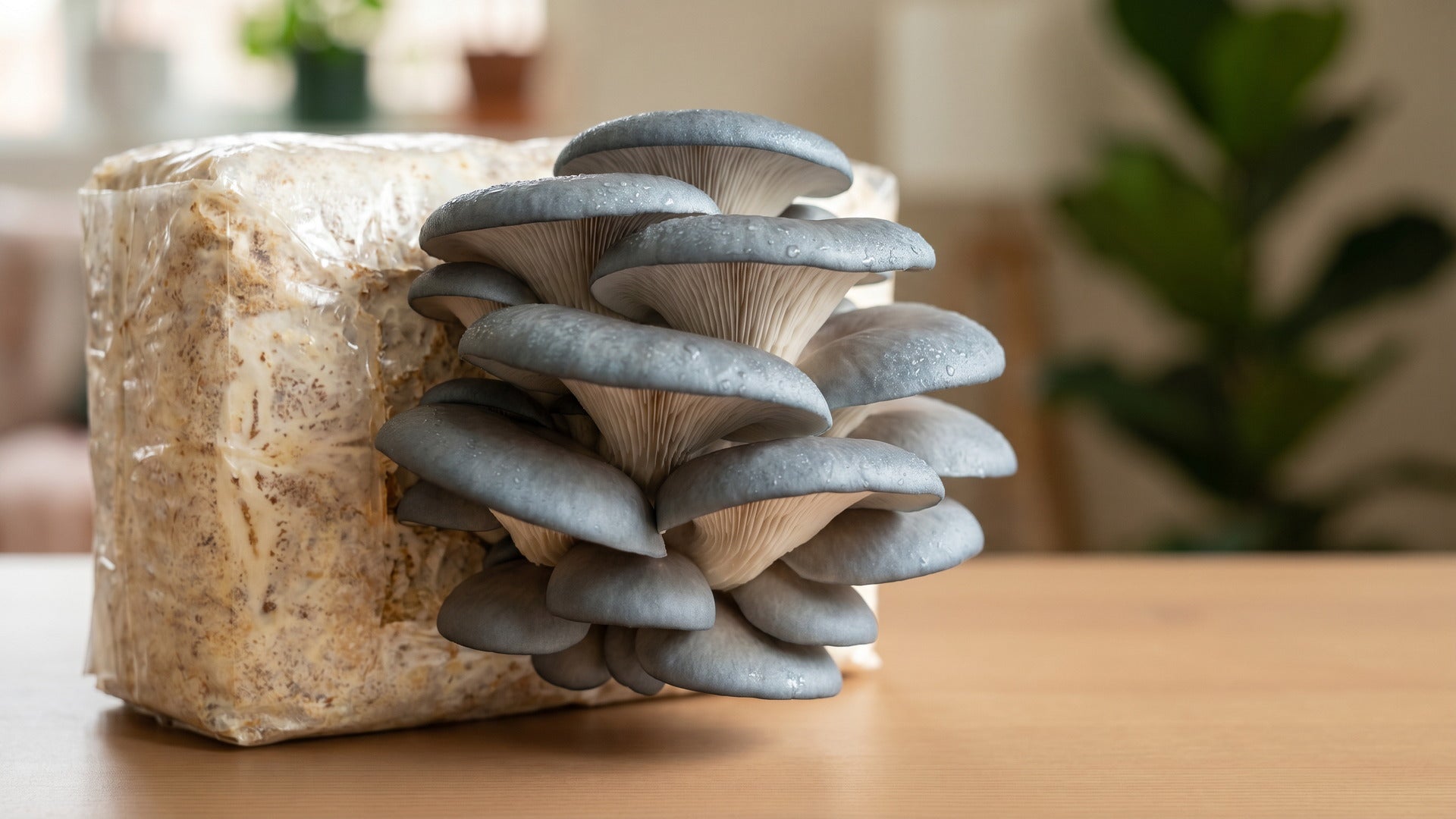
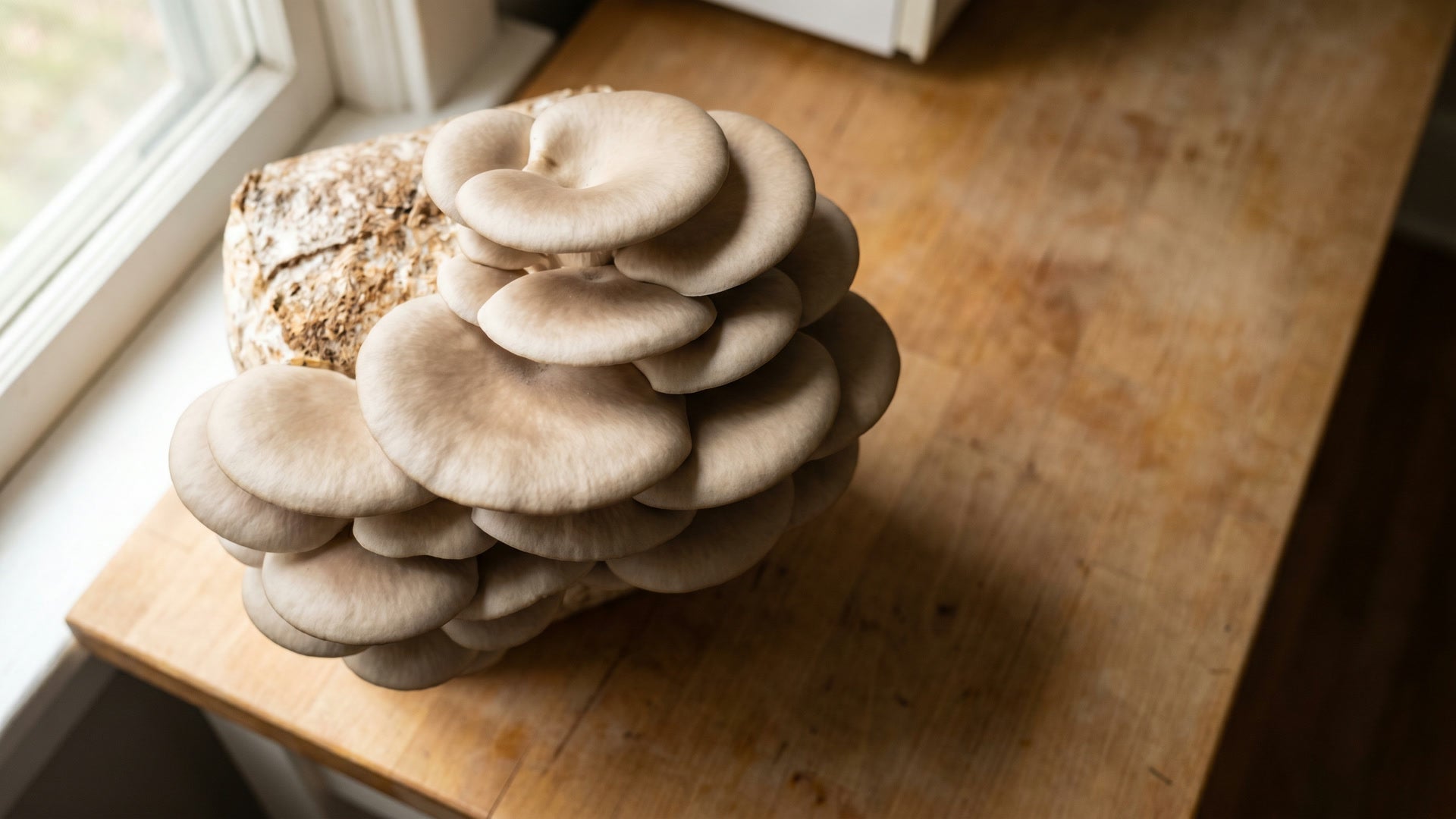
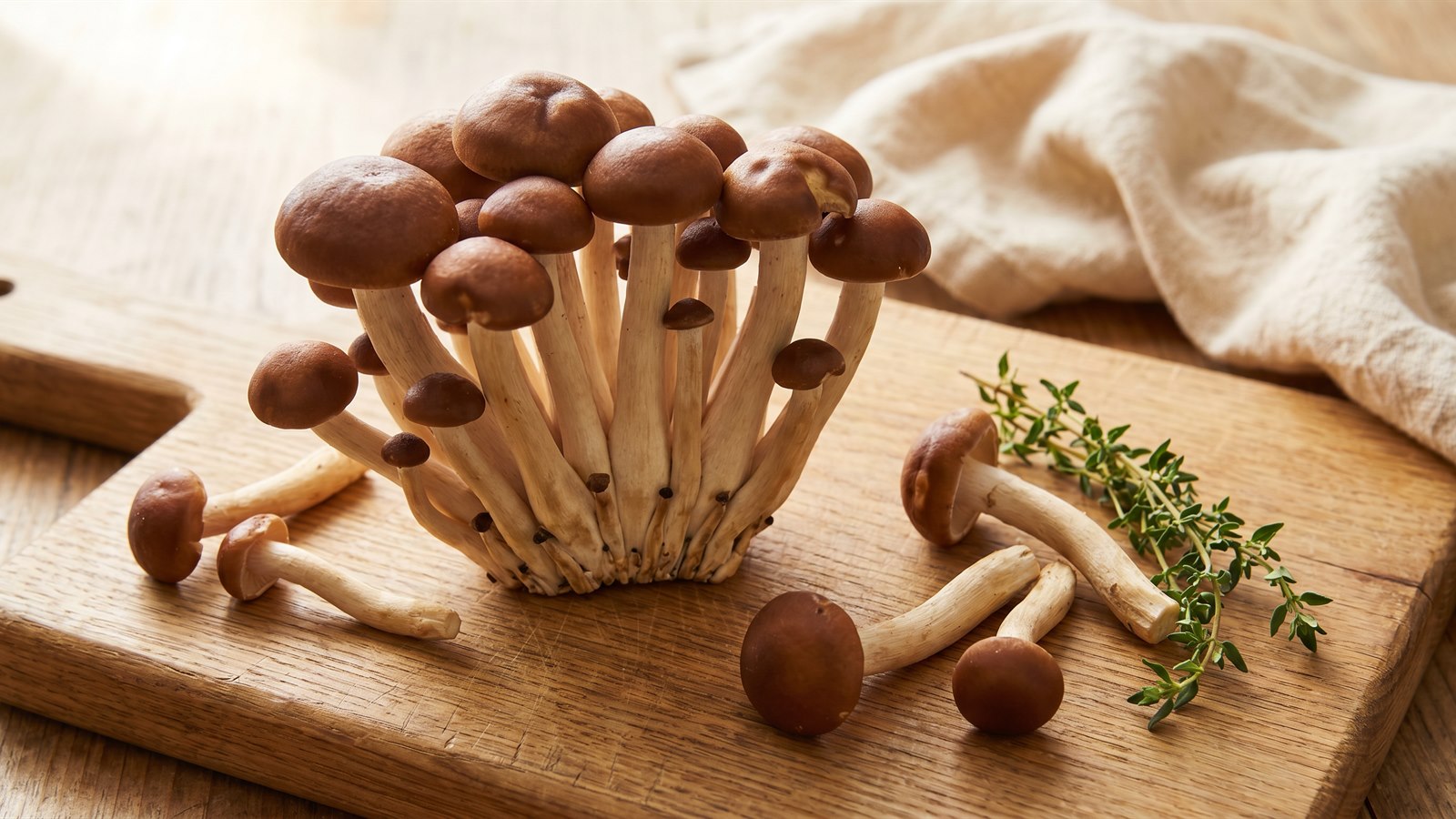
The most common cream of mushroom soup uses white button mushrooms. They are fine, but a mix has more depth. A practical home blend is 60 percent cremini, 30 percent white button, and 10 percent shiitake or oyster. If you grow your own with one of the home mushroom grow kits, fresh oyster or lion's mane add a noticeably meatier bite, since they are denser and brown faster than store-bought button mushrooms.
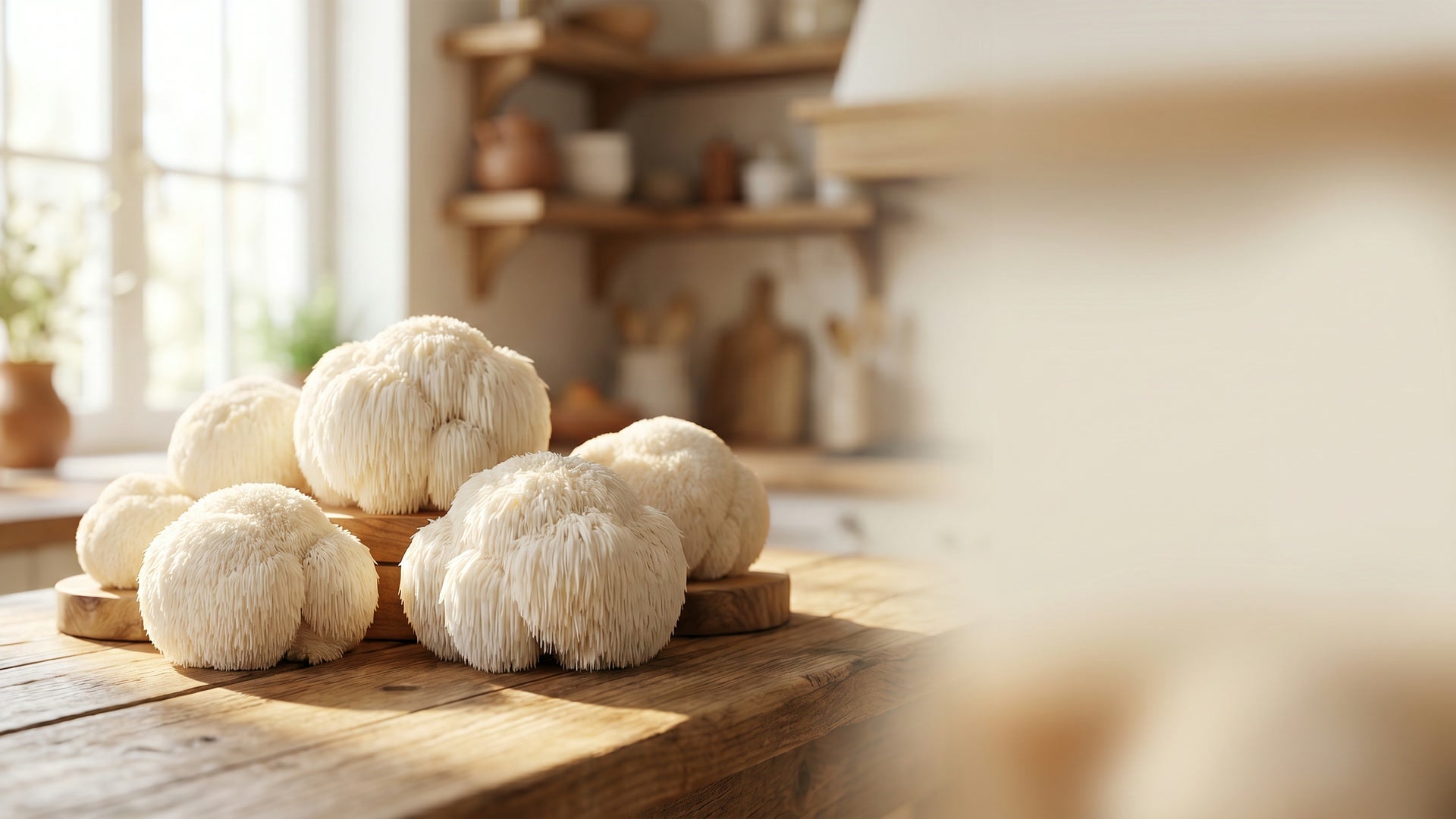
Lion's mane in particular has a crab-like texture when sauteed, which gives the soup an unusual but satisfying body. Use it at about 25 percent of the total mushroom weight if you have it.

Fuel Your Mushroom Journey
Smart Mushroom Grow Chamber
Plug-and-play smart chamber with humidity, light, and airflow dialed in for every species. Beginners harvest their first flush in days, not months.
Add to cart $299Storage, freezing, and reheating
Store the soup in airtight containers in the fridge for up to 4 days. The flavor actually improves on day two as the umami compounds settle.
Freezing is possible but imperfect. Cashew-based soups separate slightly when thawed. To minimize this, freeze without the cashew cream, then stir in fresh cashew cream after thawing and reheating. Frozen soup base keeps 2 months.
Reheat gently on the stove over medium-low heat. Microwaving works but can cause the cream to separate at the edges of the bowl.
Using vegan cream of mushroom soup as a casserole base
This soup substitutes 1:1 for canned cream of mushroom in any recipe. To use it as a casserole base (think vegan green bean casserole or rice bake), reduce the broth from 3 cups to 2 cups so the soup is thicker. The result will be roughly the consistency of a canned condensed soup before water is added.
Honest caveat: in long bakes (over 45 minutes at 375 degrees Fahrenheit and above), even the best vegan cream can break a little. Cover the dish with foil for the first half of the bake to slow evaporation, then uncover to crisp the top.
Quick troubleshooting
- Soup tastes flat: Add another half tablespoon of miso or soy sauce. Salt alone will not fix it.
- Too thick: Stir in warm vegetable broth 1/4 cup at a time.
- Too thin: Simmer uncovered another 5 minutes, or stir in a slurry of 1 tablespoon cornstarch mixed with 2 tablespoons cold water.
- Grainy texture: Your cashews were not blended long enough. Use an immersion blender on the finished soup for 30 seconds.
The first time you make this, you may be surprised at how rich and savory it is. Most people who taste it cannot identify it as vegan unless you tell them. The browning, the umami stacking, and the cashew cream do almost all the work.
Aktie:
The Best Substitute for Cream of Mushroom Soup
The Best Substitute for Cream of Mushroom Soup