


"Das beste Pilzzucht-Kit" ist eine Suche, die drei verschiedene Fragen in einer Formulierung versteckt. Suchen Sie nach dem besten Kit für Anfänger (am fehlerverzeihendsten, schnellste Ernte)? Dem besten Geschenk-Kit (verlässlichste Überraschung und Freude)? Oder dem besten Kit für den dauerhaften Gebrauch (geringster Aufwand für jemanden, der regelmäßig frische Pilze möchte)? Die Antwort ist für jede Frage anders, und die meisten "besten Kit"-Artikel werfen alles zusammen und empfehlen am Ende keines davon wirklich gut. Dieser Leitfaden trennt die Kategorien und hilft Ihnen, das zu finden, was tatsächlich am besten für Sie ist.
Die direkte Antwort: Es gibt kein universell bestes Pilzzucht-Kit. Für erstmalige Zuchten und Geschenke ist ein Beutel-Kit mit erntereifen Austernpilzen oder Igelstachelbärten für 25 bis 40 Dollar kaum zu übertreffen. Für fortlaufende wöchentliche Ernten macht sich ein geschlossenes, intelligentes Anbau-Kit mit Nachfüllblöcken durch Bequemlichkeit und Beständigkeit bezahlt. Das "beste" Kit hängt davon ab, was Sie nach der ersten Ernte tatsächlich damit machen werden.
Die drei Kategorien von Pilzzucht-Kits
1. Erntereife Beutel-Kits
Ein Plastikbeutel mit vor-inokuliertem, vollständig besiedeltem Substrat. Sie schneiden eine Öffnung, besprühen zweimal täglich und ernten in 10 bis 21 Tagen. Die meisten produzieren 2 bis 4 Ernten, bevor das Substrat erschöpft ist.
- Vorteile Günstig, leicht zu verschenken, schnelle Ergebnisse, keine Ausrüstung außer einer Sprühflasche erforderlich.
- Nachteile Einmaliger Gebrauch, die Luftfeuchtigkeit liegt in Ihrer Verantwortung, die Ernte variiert mit den Bedingungen Ihrer Küche.
- Am besten geeignet für Erstanbauer, neugierige Kinder, Beschenkte, einmalige kulinarische Experimente.
- Preisspanne 20 bis 45 US-Dollar.
2. Box-Kits mit Feuchtigkeitszelten
Eine elegantere Version des Beutel-Kits. Das Substrat befindet sich in einem Karton oder einer Plastikbox, oft mit einem abnehmbaren Plastiksprühzelt, das die Luftfeuchtigkeit um die Fruchtfläche stabilisiert.
- Vorteile Höhere Erfolgsrate als einfache Beutel-Kits, sieht auf der Arbeitsplatte schöner aus, gut zum Verschenken.
- Nachteile Immer noch ein einmal verwendbares Substrat, immer noch insgesamt 2 bis 4 Ernten.
- Am besten geeignet für Schenker, die eine hochwertigere Präsentation wünschen, Züchter in trockenen Wohnungen, wo die Luftfeuchtigkeit manuell schwer aufrechtzuerhalten ist.
- Preisspanne 35 bis 70 US-Dollar.
3. Geschlossene, intelligente Anbau-Kits
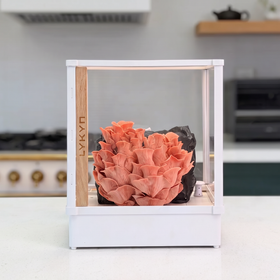
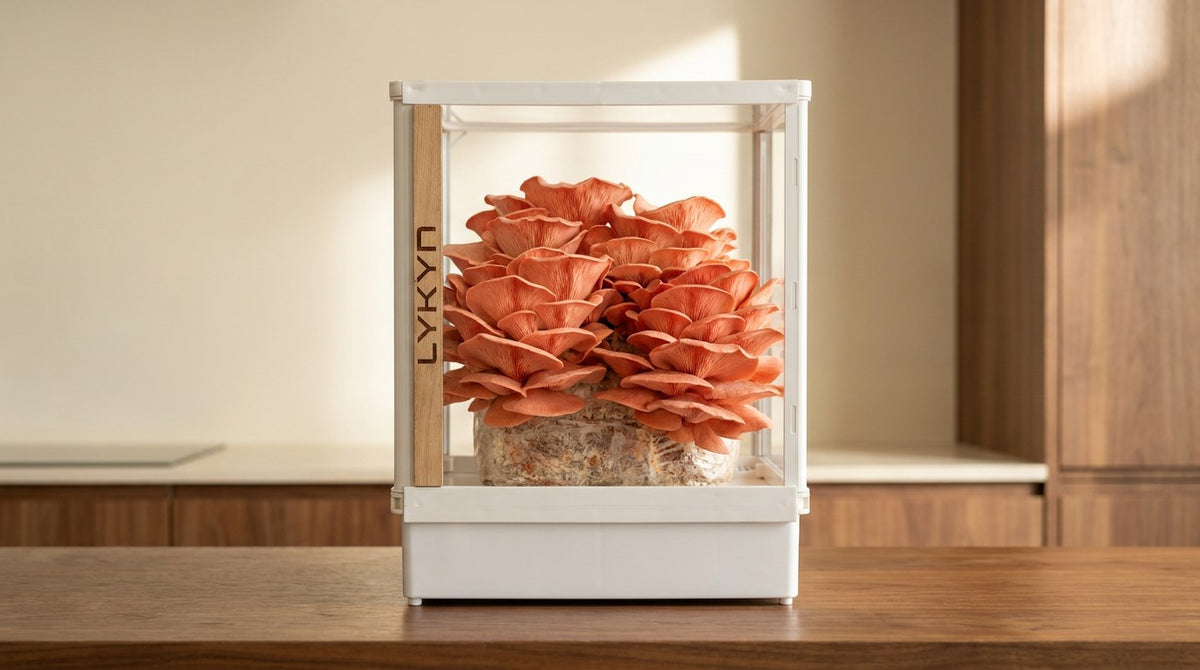
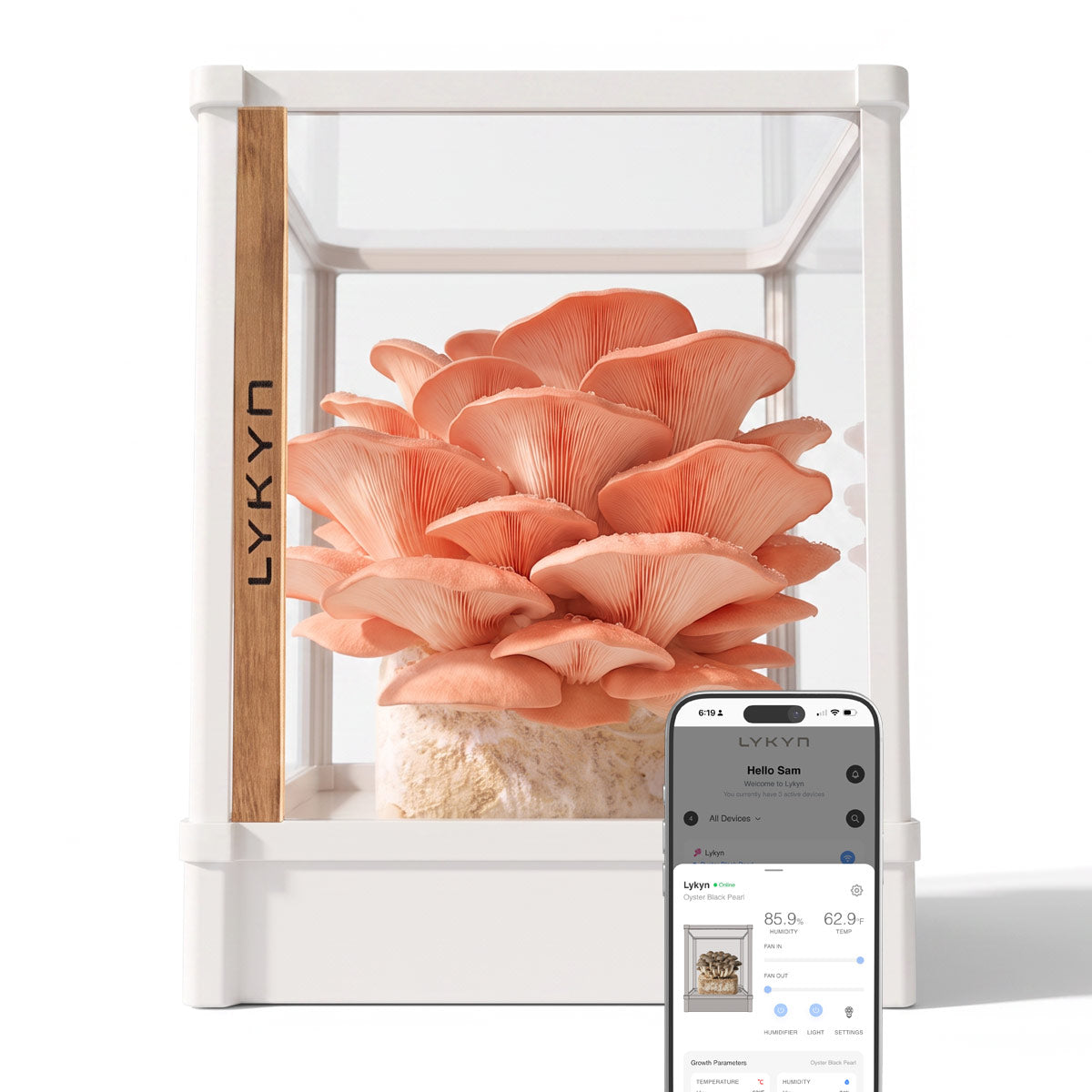
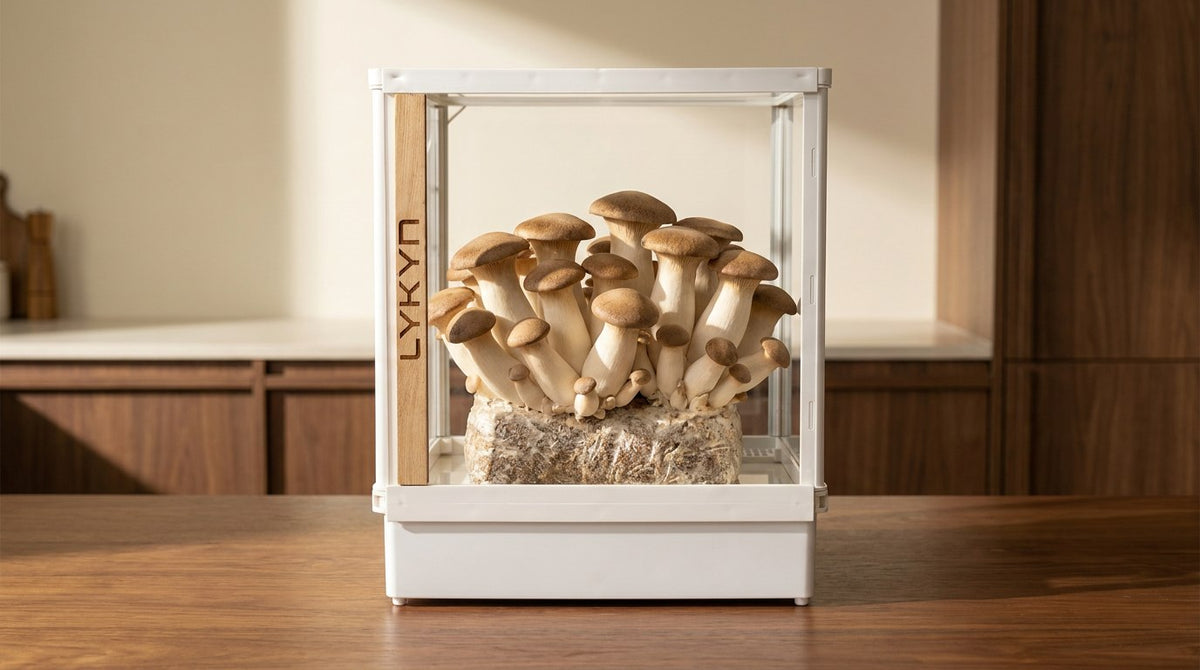
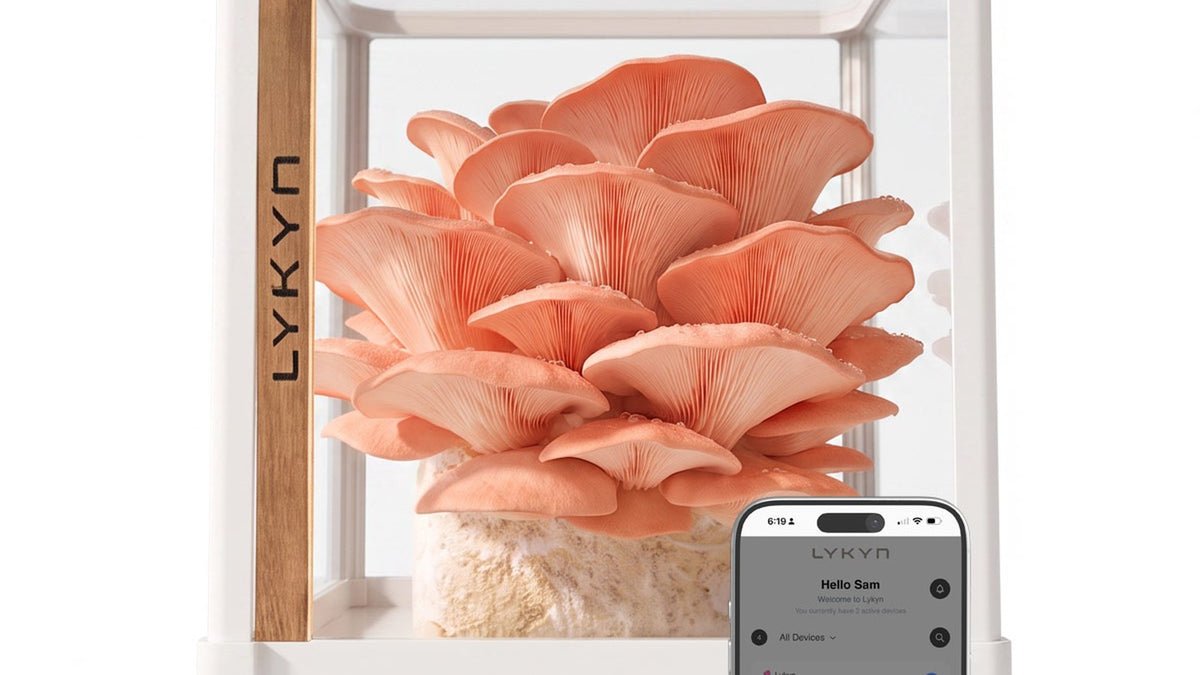
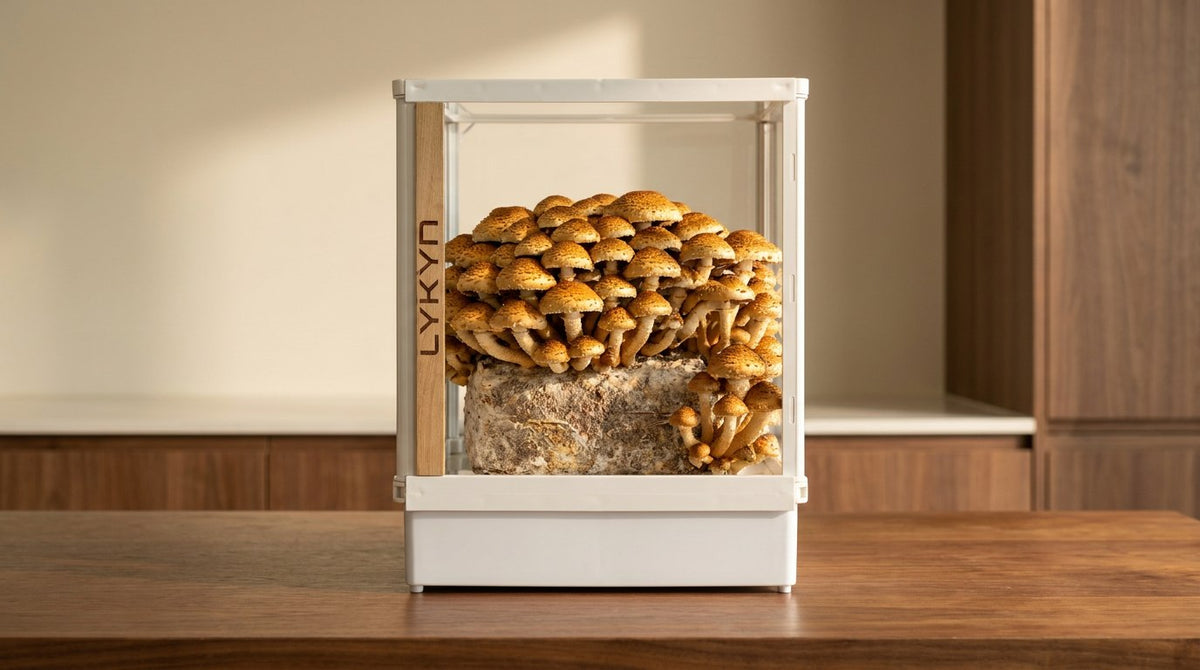
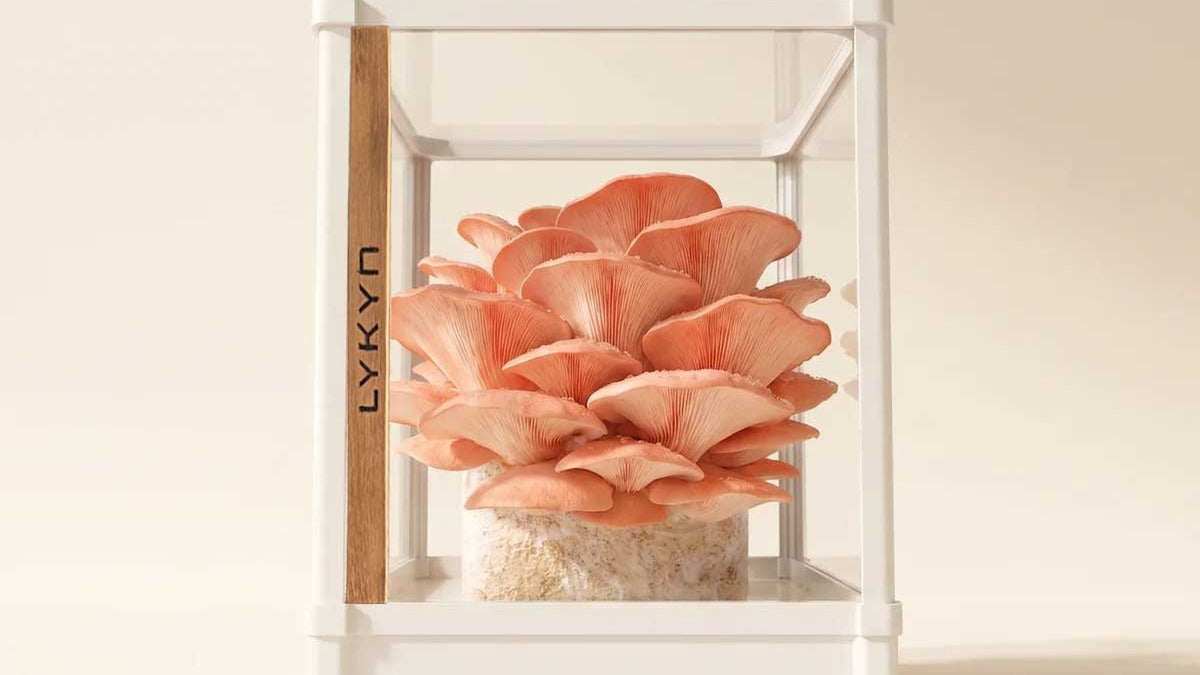
Ein wiederverwendbares Gerät mit einer versiegelten Kammer, automatischer Feuchtigkeitsregulierung, Frischluftaustausch und Beleuchtung. Sie setzen einen Nachfüll-Substratblock ein, das Gerät regelt das Klima, und Sie ernten. Das Gerät hält Jahre; Nachfüllblöcke kaufen Sie nach Bedarf.
- Vorteile Konsistente Ergebnisse bei vielen Anbauten, tägliches Besprühen entfällt, viel höhere Erntesicherheit, unterstützt eine regelmäßige Pilzzucht.
- Nachteile Höhere Anschaffungskosten, benötigt Platz auf der Arbeitsplatte, auf die Nachfüllblöcke der Marke beschränkt.
- Am besten geeignet für Haushalte, die regelmäßig frische Pilze wünschen, Beschenkte, die bereits von Beutel-Kits aufgestiegen sind, Menschen, die ihre erste Zucht genossen haben und ohne manuelle Fummelei skalieren möchten.
- Preisspanne 200 bis 500 US-Dollar für das Gerät, 25 bis 40 US-Dollar pro Nachfüllblock.
Am besten nach Art
Verschiedene Arten haben unterschiedliche "beste" Kit-Eigenschaften, da sie unterschiedlich wachsen.
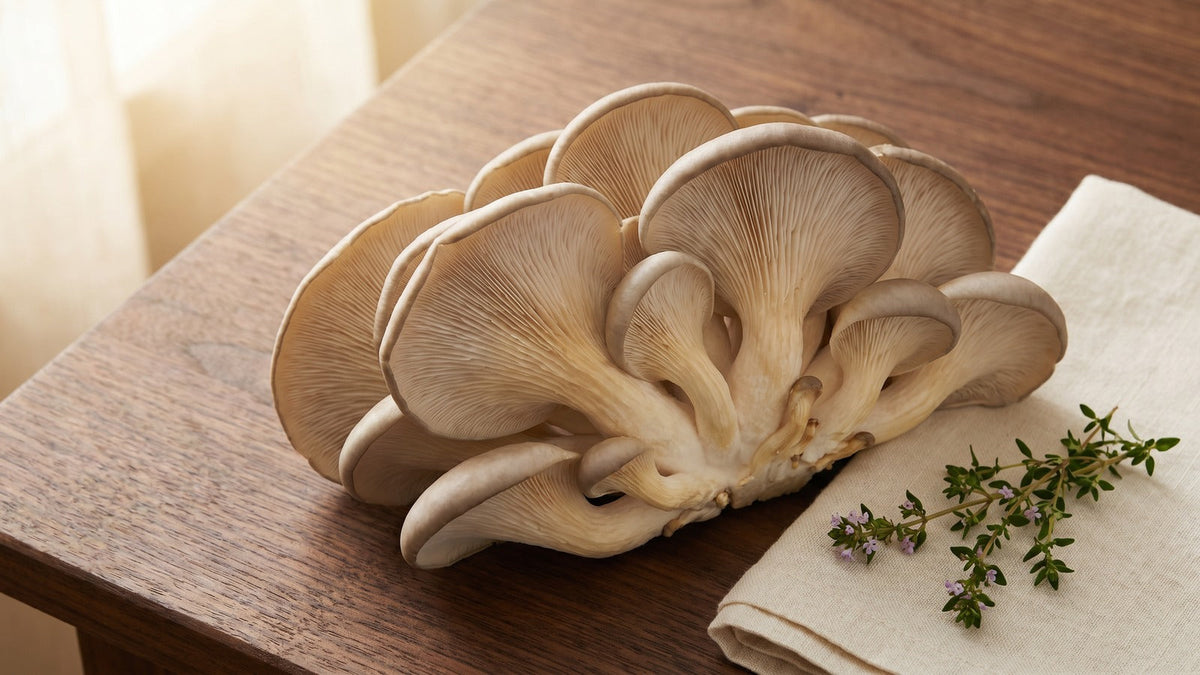
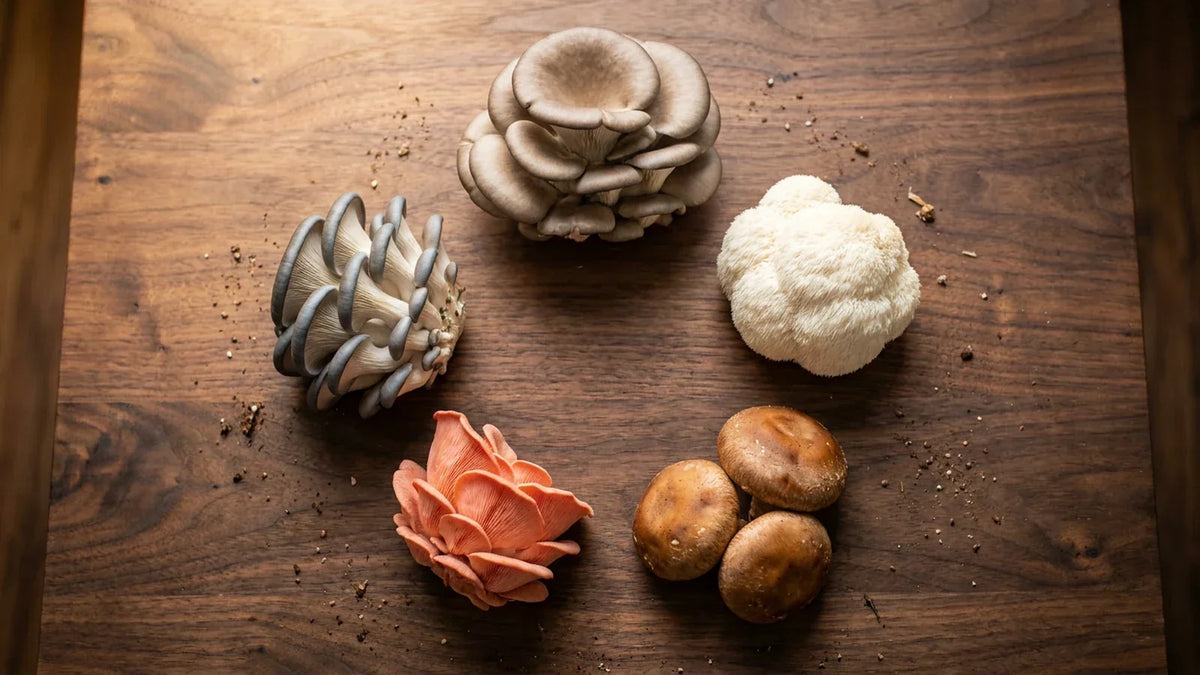
- Bestes Austernpilz-Kit Beutel- oder Box-Kit. Austernpilze sind anspruchslos und schnell (10 bis 14 Tage). Fast jedes Kit-Format funktioniert. Suchen Sie nach rosa, blauen, goldenen oder Kräuterseitlingen für Abwechslung.
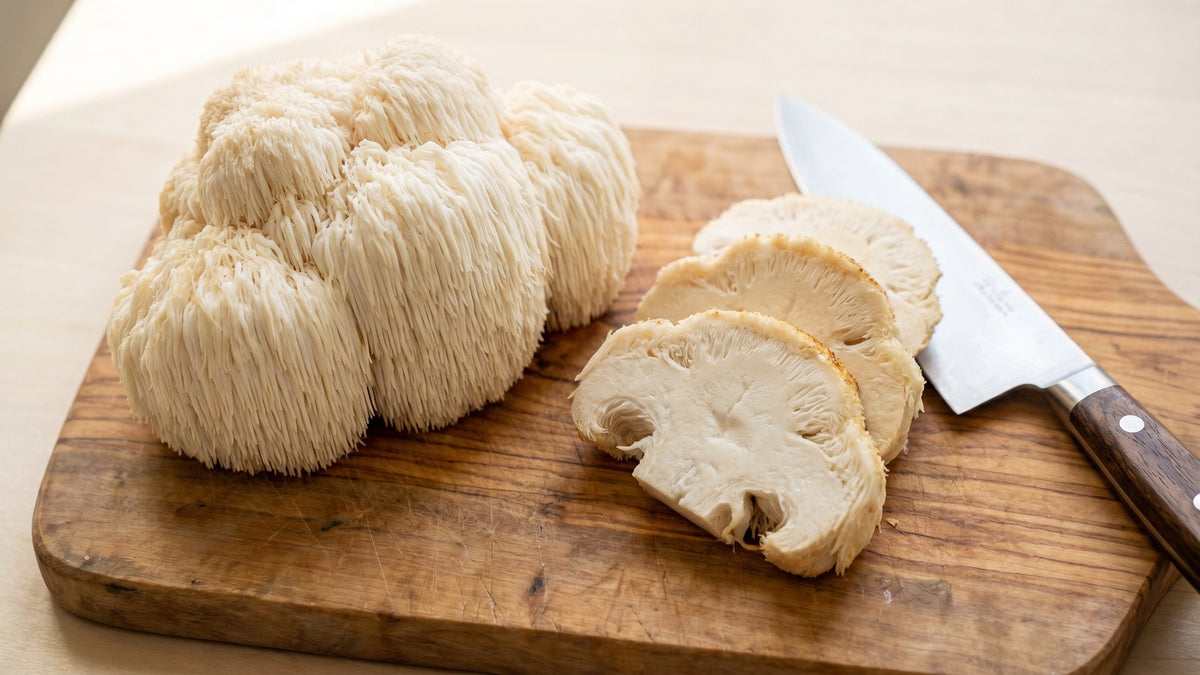
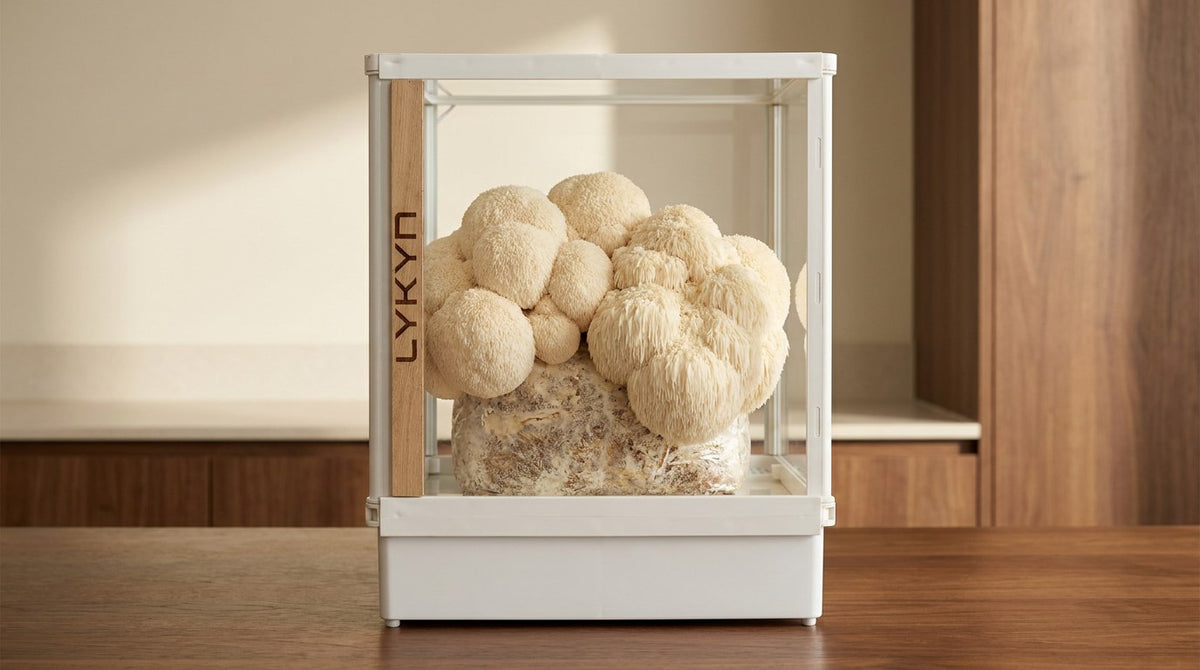
- Bestes Igelstachelbart-Kit Beutel- oder Box-Kit mit viel Platz im Inneren (Igelstachelbärte bilden einen Pompon, der Platz braucht). Suchen Sie nach mindestens 3 bis 4 Zoll Freiraum über der Fruchtfläche.
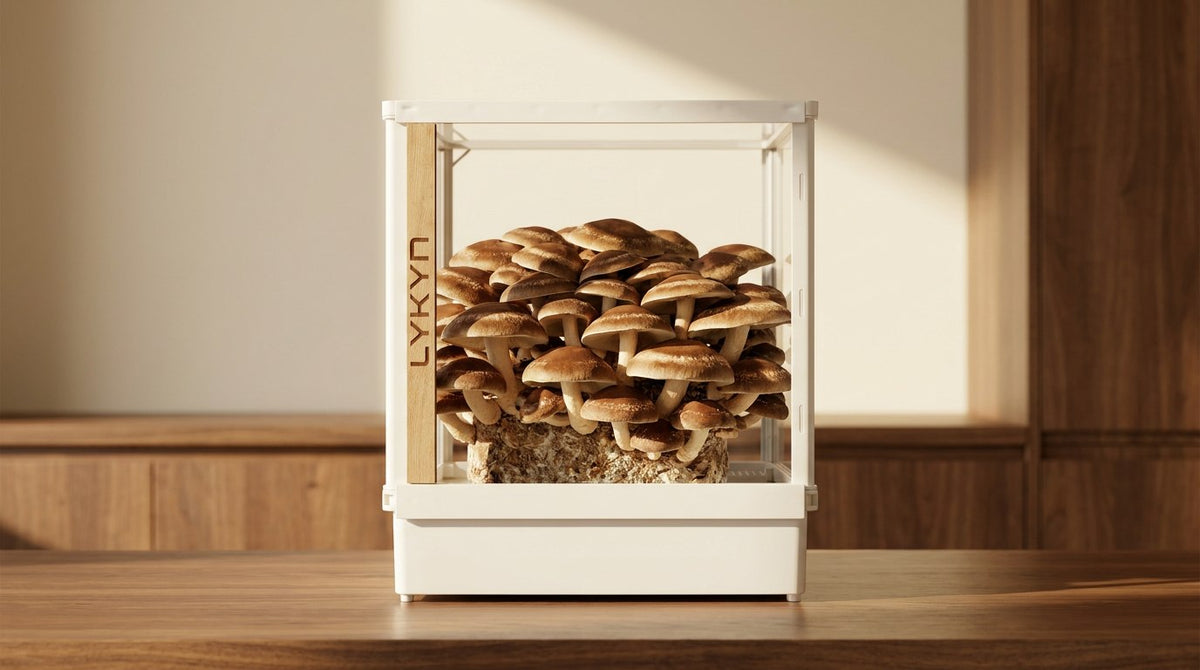
- Bestes Shiitake-Kit Block-Kit (ein Block aus Sägemehlsubstrat, von allen Seiten exponiert). Shiitake fruchtet über den gesamten Block. 14 bis 28 Tage.
- Bestes Pioppino-Kit Beutel- oder Box-Kit. Weniger verbreitet als Austernpilze, aber ausgezeichnete Speisepilze. Suchen Sie nach Anbietern, die sie speziell führen.
- Bestes Reishi-Kit Beutel-Kit, aber beachten Sie, dass Reishi zu medizinischen Zwecken und nicht zum Verzehr angebaut wird. Dauert über 60 Tage.
Am besten nach Benutzer
Am besten für einen Erstanbauer
Ein blaues oder goldenes Austernpilz-Beutel-Kit. Sie sind günstig (ca. 25 bis 30 Dollar), keimen schnell (sichtbare Ansätze in 3 bis 5 Tagen) und verzeihen Anfängerfehler. Die schnelle Rückmeldung weckt Begeisterung. Graue oder Perlausternpilze funktionieren ebenfalls.
Am besten für ein neugieriges Kind (ab 7 Jahren)
Ein rosa oder gelbes Austernpilz-Beutel-Kit. Farbenfroh, schnell, dramatische visuelle Veränderungen täglich, leicht zu ernten. Kombinieren Sie es mit einem einfachen Feuchtigkeitsprotokoll, damit das Kind Beobachtungen aufzeichnen kann. Erwachsene Aufsicht beim eigentlichen Ernteschnitt.
Am besten für ein kulinarisches Geschenk
Ein Igelstachelbart-Box-Kit. Igelstachelbärte sind exotisch, schön, schwer in Lebensmittelgeschäften zu finden und haben eine wirklich interessante kulinarische Verwendung (die Textur ähnelt gekocht Krabben oder Hummer). Es fühlt sich auch bei 40 bis 60 Dollar wie ein Premium-Geschenk an.
Am besten für jemanden, der bereits Beutel-Kits ausprobiert hat
Ein geschlossenes, intelligentes Anbau-Kit. Beutel-Kits begeistern die Menschen für den Heimanbau; intelligente Kits halten sie dabei. Wenn ein Freund wirklich begeistert von seinem ersten Beutel-Kit war, ist das nächste Upgrade ein Gerät, das das tägliche Besprühen überflüssig macht und das Klima stabilisiert. Durchsuchen Sie Pilzzucht-Kits im geschlossenen Format, wenn Sie dieses Geschenk suchen.
Am besten für jemanden mit Atemwegsempfindlichkeiten
Ein geschlossenes, intelligentes Anbau-Kit. Die versiegelte Kultivierung schließt Sporen in der Kammer ein, anstatt sie in die Küchenluft freizusetzen. Austernpilze setzen insbesondere bei Reife viele Sporen frei, und ein geschlossenes System hält die Luft sauber.
Am besten für den Skalierer mit mehreren Blöcken
Überhaupt kein Kit. Sobald Sie 4+ Blöcke gleichzeitig anbauen, ist ein hydroponisches Fruchtzelt mit manuellem Befeuchter, Ventilator und Beleuchtung flexibler als ein Einzelkammer-Kit. Aber das ist ein Schritt jenseits der Kategorie "Kit".
Worauf Sie bei jedem gekauften Kit achten sollten
Die Verkäufersignale, die gute Kits von mittelmäßigen unterscheiden
- Benannte Arten und Stämme "Blauer Austernpilz (Pleurotus columbinus)" und nicht nur "Austernpilz-Kit"
- Produktions- oder Verfallsdatum Pilzbrut verliert mit der Zeit an Vitalität. Frische Kits fruchten besser.
- Realistische Zeitangaben "10 bis 14 Tage bis zur ersten Ernte, mehrere Ernten möglich" statt "garantierte Ernte in 6 Tagen"
- Ehrliche Ernteschätzungen Ein Beutel-Kit, das insgesamt 0,75 bis 1,25 Pfund produziert, ist realistisch. 3 Pfund aus einem einzigen Block sind Fantasie.
- Sichtbares Myzel auf Produktfotos Ein besiedelter Block hat eine klare weiße Myzelabdeckung. Sparsame Abdeckung auf Fotos deutet auf unterbesiedeltes Inventar hin.
- Rückgabe- oder Ersatzrichtlinie Wenn das Kit verschimmelt, ausgetrocknet oder kontaminiert ankommt, sollte der Verkäufer es ersetzen.

Befeuern Sie Ihre Pilzreise
Black Oyster Anzuchtset
Hartholz-Sägemehl-Block, besiedelt mit kräftigem schwarzem Austernpilz-Myzel. Passt direkt in Ihre Lykyn-Kammer und beginnt innerhalb weniger Tage zu fruchten.
In den Warenkorb $29.95Rote Flaggen, die es zu vermeiden gilt
- "Morchel-Kits für drinnen": Morcheln funktionieren in Kit-Form nicht drinnen
- "Trüffel-, Pfifferling- oder Steinpilz-Kits": Diese Arten können nicht in Kits kultiviert werden
- Kein Artenname, nur "Gourmet-Pilz-Kit"
- Fotos, die riesige Pilzernten neben winzigen Kit-Boxen zeigen (das sind normalerweise gesammelte oder kommerziell angebaute Pilze, die zu Marketingzwecken neben das Kit gelegt werden)
- "100% garantierte Ernte" ohne Einschränkungen (jeder ehrliche Züchter weiß, dass der Ertrag von den Bedingungen abhängt)
Was "am besten" eigentlich bedeutet
Das beste Pilzzucht-Kit ist nicht das mit der schönsten Box oder dem höchsten Ertragsanspruch. Es ist das, das passt zu
- Ihrem Kenntnisstand Beutel-Kits sind fehlerverzeihend. Smart Kits sind noch fehlerverzeihender. Vermeiden Sie Kits, die sterile Arbeit oder Substratvorbereitung erfordern, wenn Sie gerade erst anfangen.
- Ihrem Nutzungsverhalten Einmaliges Experiment oder fortlaufende Gewohnheit? Kaufen Sie Einzelnutzung für einmalige Zwecke, Smart Kit für fortlaufende Nutzung.
- Ihrem häuslichen Umfeld Trockene Winterluft? Sie benötigen ein Feuchtigkeitszelt oder Smart Kit. Von Natur aus feuchtes Zuhause? Beutel-Kits funktionieren gut.
- Ihrem Arteninteresse Möchten Sie mehrere Sorten ausprobieren? Wählen Sie ein Kit-Format, das für viele Stämme verfügbar ist, anstatt ein geschlossenes System für eine Art.
Die ehrliche Zusammenfassung
Kaufen Sie für ein erstes Kit ein Austern- oder Löwenmähnen-Beutel-Kit von einem Anbieter mit benannten Sorten und aktuellem Bestand. Für eine dauerhafte Heimkultivierung investieren Sie in ein geschlossenes Smart Grow Kit und wechseln Sie Nachfüllblöcke. Verzichten Sie auf alles, was Morcheln, Trüffel oder Pfifferlinge in einem Beutel anbauen will.
Das "beste" Kit ist das, das Sie tatsächlich fertigstellen und aus dem Sie lernen werden. Ein 30-Dollar-Austernpilz-Beutel-Kit, das eine echte Ernte liefert, schlägt ein 200-Dollar-Multi-Arten-Kit, das Sie einschüchtert und nie dazu bringt, die Box zu öffnen. Fangen Sie klein an, sehen Sie, was Ihnen Spaß macht, und rüsten Sie dann auf.
Befeueren Sie Ihre Pilz-Reise

Smarte Kammer. Knochenweiß Einzel
- 2.8L Tank, 90% Luftfeuchtigkeit automatisch
- App-gesteuert, Plug-and-Play
- 6 lb Block Decke, auf Lager

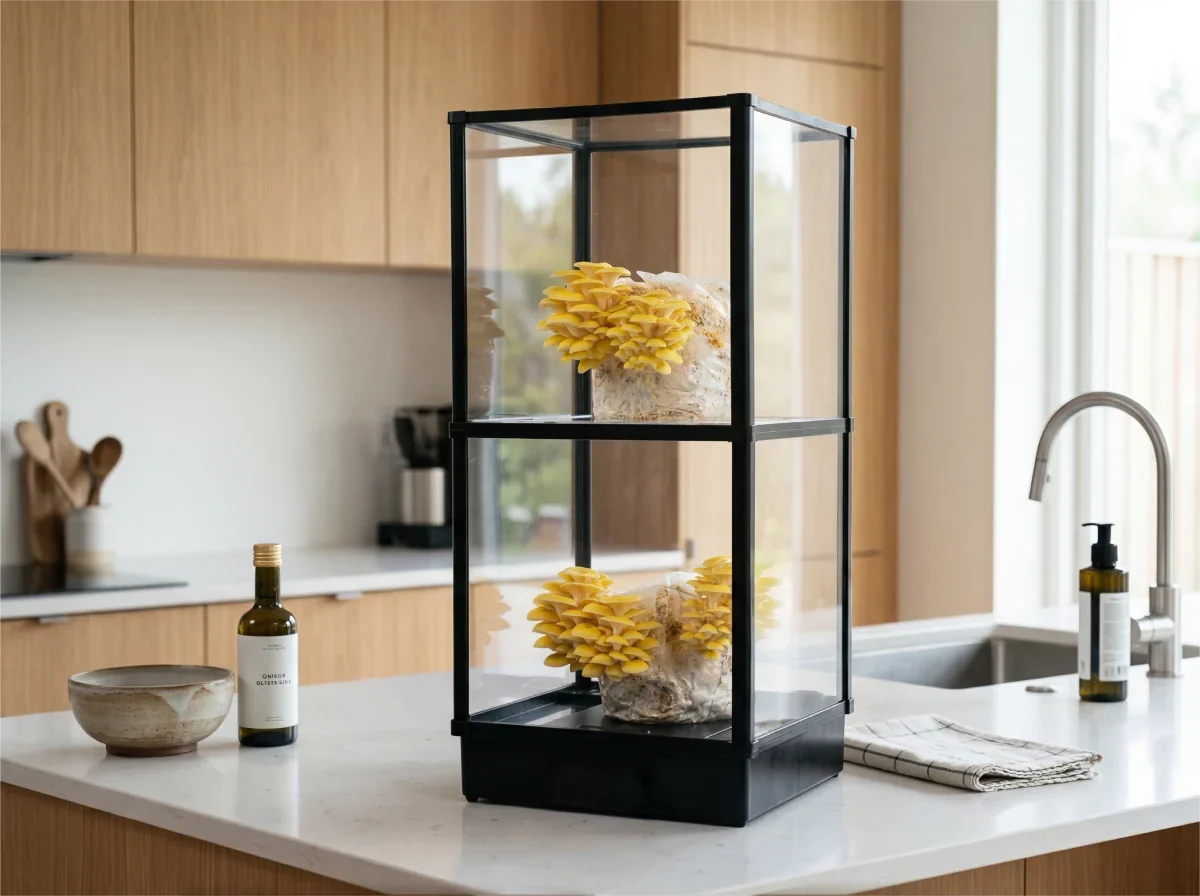
Smarte Kammer. Obsidian Schwarz Einzel
- Gleiche Hardware wie Knochenweiß
- Matt-schwarzes Premium-Finish
- Passt zu jeder Küchenpalette

Sterilbox (Still Air Box)
- Steriler Inokulationsbereich
- Verhindert Kontamination
- Passt zu jedem Anzuchtset
Aktie:
Brokkoli- und Pilz-Rezept: 15-Minuten-Pfannengericht plus 5 Variationen
Brokkoli- und Pilz-Rezept: 15-Minuten-Pfannengericht plus 5 Variationen