


Sie haben also seltsame Pilze in Ihrem Garten entdeckt, die aussehen, als würden sie buchstäblich zu schwarzem Schleim schmelzen. Ja, das ist wahrscheinlich ein Tintling, und ehrlich gesagt? Sie sind faszinierend, sobald man versteht, was passiert.
Ich züchte und sammle seit über einem Jahrzehnt Pilze, und Tintlinge bleiben eine meiner Lieblingsarten. Es hat etwas fast Magisches, einem perfekt geformten Hut zuzusehen, wie er sich innerhalb weniger Stunden in Tinte auflöst. Aber es gibt viele widersprüchliche Informationen darüber, ob diese essbar sind, wie man sie richtig identifiziert und ob man sie tatsächlich zu Hause züchten kann.

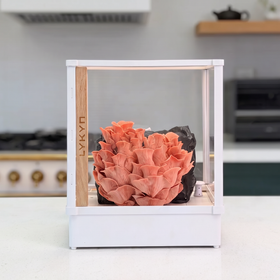
Smart Chamber. Bone White Single
- 2.8L Tank, 90% Luftfeuchtigkeit automatisch
- App-gesteuert, Plug-and-Play
- 2,7 kg Blockdecke, auf Lager

Smart Chamber. Obsidian Black Single
- Gleiche Hardware wie Bone White
- Mattschwarzes Premium-Finish
- Passt zu jeder Küchenpalette

Black Oyster Grow Kit
- Auf Lager
- Anstechen in 3-5 Tagen
- Ersetzt 1 Kammerzyklus
Lassen Sie uns das alles klären.
Tintling-Arten und Identifizierung
Der Begriff „Tintling“ umfasst tatsächlich mehrere verwandte Pilzarten. Die richtige Identifizierung ist wichtig, denn während einige erstklassige Speisepilze sind, können andere Sie ernsthaft krank machen, wenn Sie bestimmte Regeln nicht befolgen.
Die wichtigsten Tintling-Arten, denen Sie begegnen werden
- Grauer Faltentintling (Coprinopsis atramentaria): Das ist der, den die meisten Leute in ihren Gärten finden. Graubraune Kappen, wächst in Gruppen in der Nähe von vergrabenem Holz und enthält Coprin. Essbar, aber absolut kein Alkohol 72 Stunden vor oder nach dem Verzehr.
- Schopftintling (Coprinus comatus): Der „Spargelpilz“ mit markanten zotteligen weißen Schuppen. Dieser gilt als erstklassiger Speisepilz und enthält kein Coprin. Sie können ihn mit Wein genießen, obwohl ich immer noch Mäßigung empfehlen würde.
- Glimmertintling (Coprinellus micaceus): Winzige, bernsteinfarbene Kappen mit glitzernden Partikeln, die wie Glimmerstaub aussehen. Wächst in großen Gruppen, normalerweise in der Nähe alter Baumstümpfe.

Die Coprin-Alkohol-Interaktion: Was Sie wissen müssen
Hier wird es ernst. Ich habe zu viele Leute gesehen, die das abgetan haben, und das ist nichts, womit man spaßen sollte.
Wie Coprin in Ihrem Körper wirkt
Coprin ist eine natürlich vorkommende Verbindung in Grauen Faltentintlingen, die die Fähigkeit Ihres Körpers, Alkohol zu metabolisieren, beeinträchtigt. Insbesondere blockiert es die Aldehyd-Dehydrogenase, das Enzym, das Acetaldehyd abbaut, ein toxisches Nebenprodukt des Alkoholstoffwechsels.
Das Ergebnis? Wenn Sie innerhalb von etwa 72 Stunden nach dem Verzehr von Grauen Faltentintlingen Alkohol trinken, können Sie Folgendes erleben:
- Starke Gesichtsrötung
- Schneller Herzschlag (Tachykardie)
- Übelkeit und Erbrechen
- Kribbeln in den Gliedmaßen
- In seltenen Fällen Herzrhythmusstörungen
Diese Reaktion wird manchmal als „Coprinus-Syndrom“ oder „Antabus-Effekt“ bezeichnet (benannt nach dem Medikament, das ähnlich wirkt). Es ist das gleiche Prinzip, das zur Behandlung von Alkoholabhängigkeit verwendet wird, was das Trinken äußerst unangenehm macht.
Wie man Tintlinge zu Hause züchtet
Ich bin ehrlich, Tintlinge sind nicht die einfachsten Pilze, die man gezielt kultivieren kann. Sie sind opportunistische Zersetzer, was bedeutet, dass sie oft unaufgefordert auftauchen, anstatt wenn man sie will. Aber mit der richtigen Einrichtung kann man sie definitiv fördern.

Befeuere deine Pilzreise
Intelligente Pilzzuchtkammer
Plug-and-Play Smart Chamber mit Feuchtigkeit, Licht und Luftstrom, abgestimmt auf jede Art. Anfänger ernten ihren ersten Schub in Tagen, nicht Monaten.
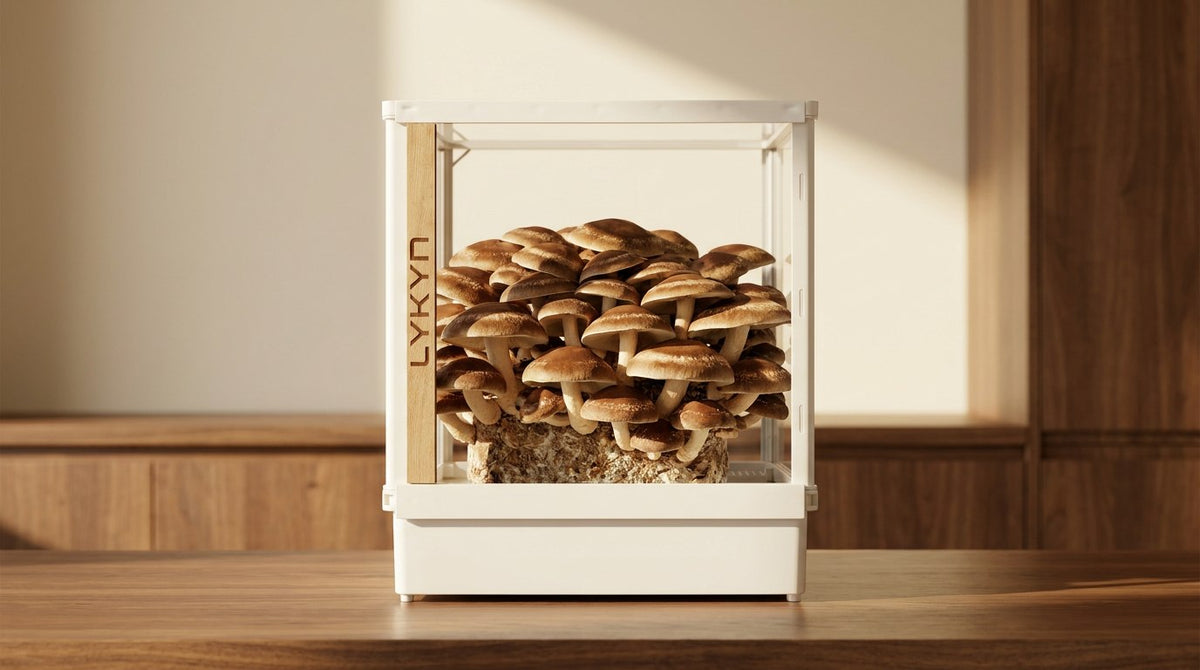
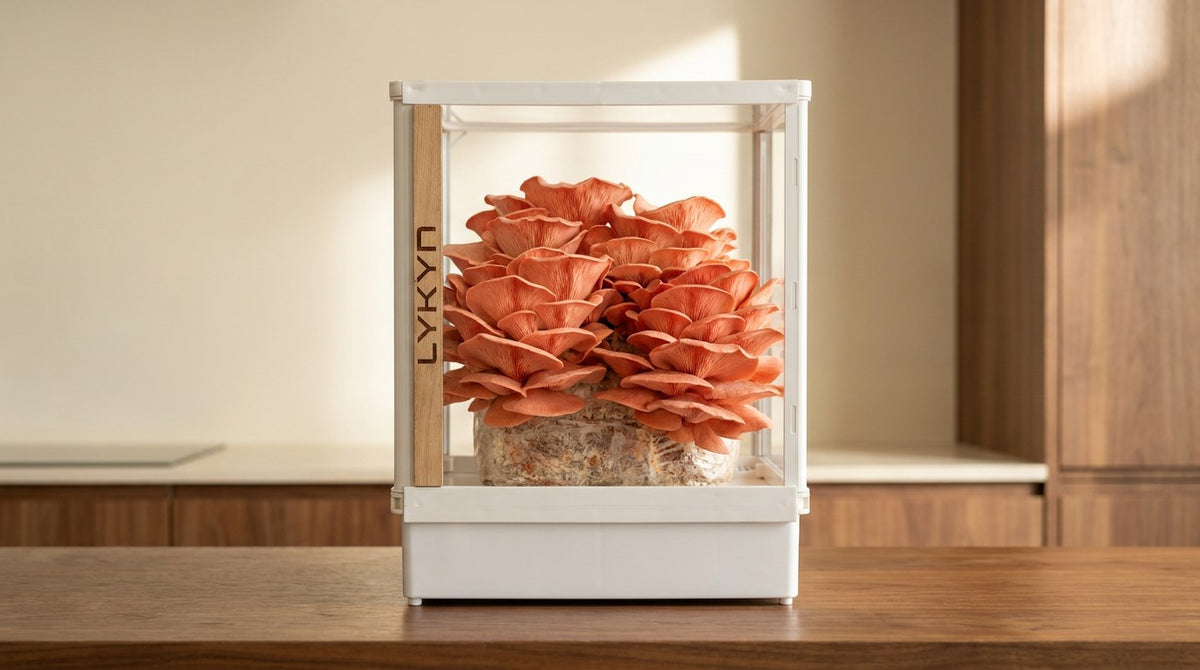
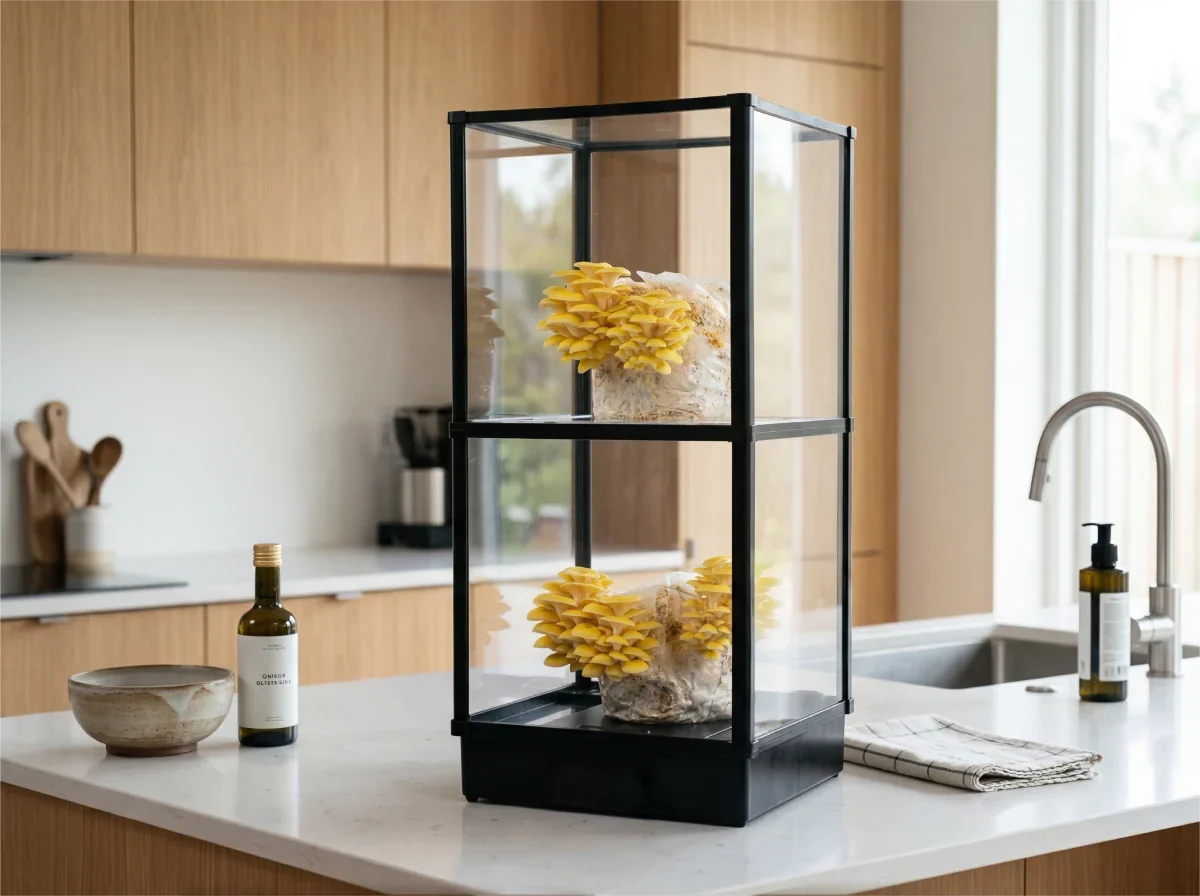
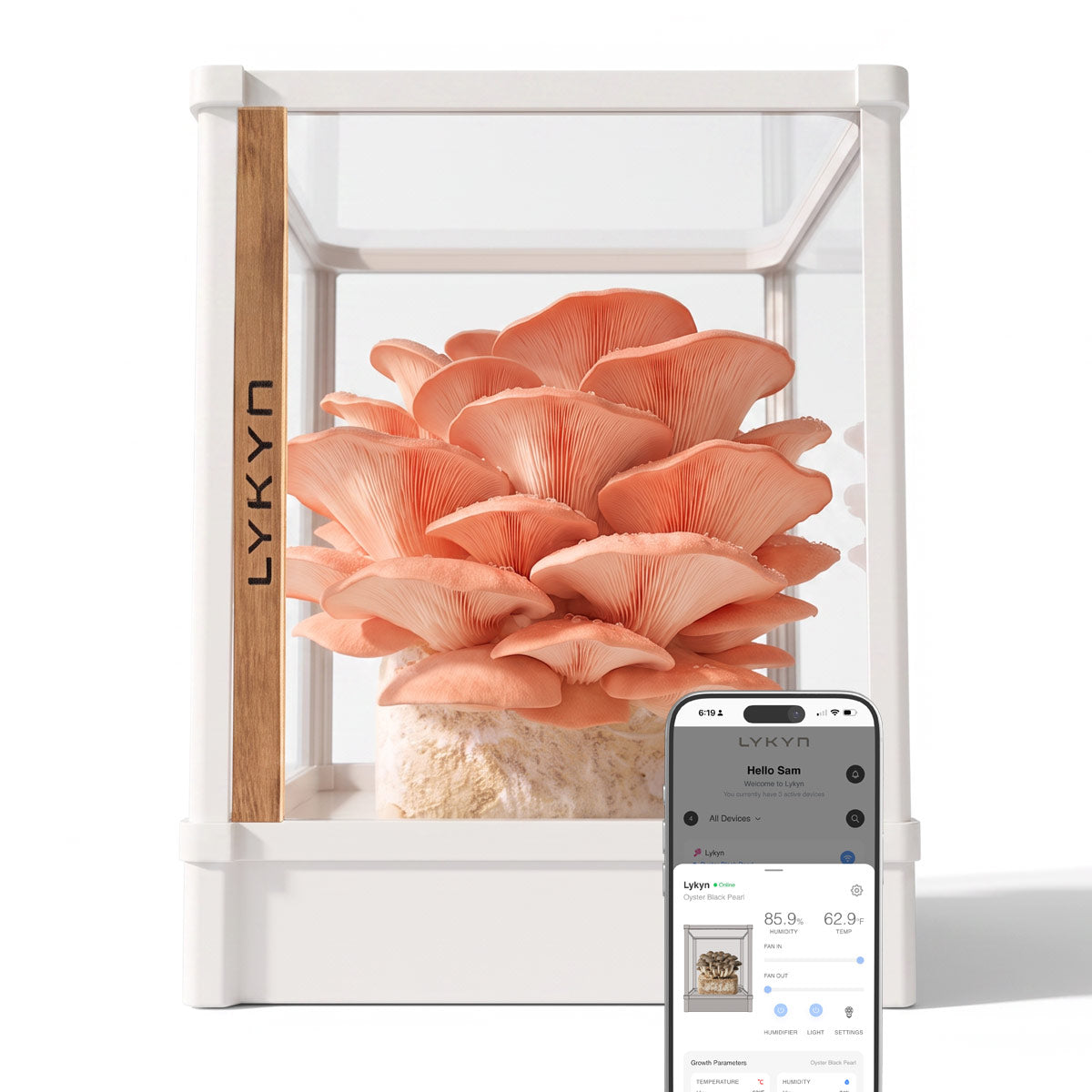
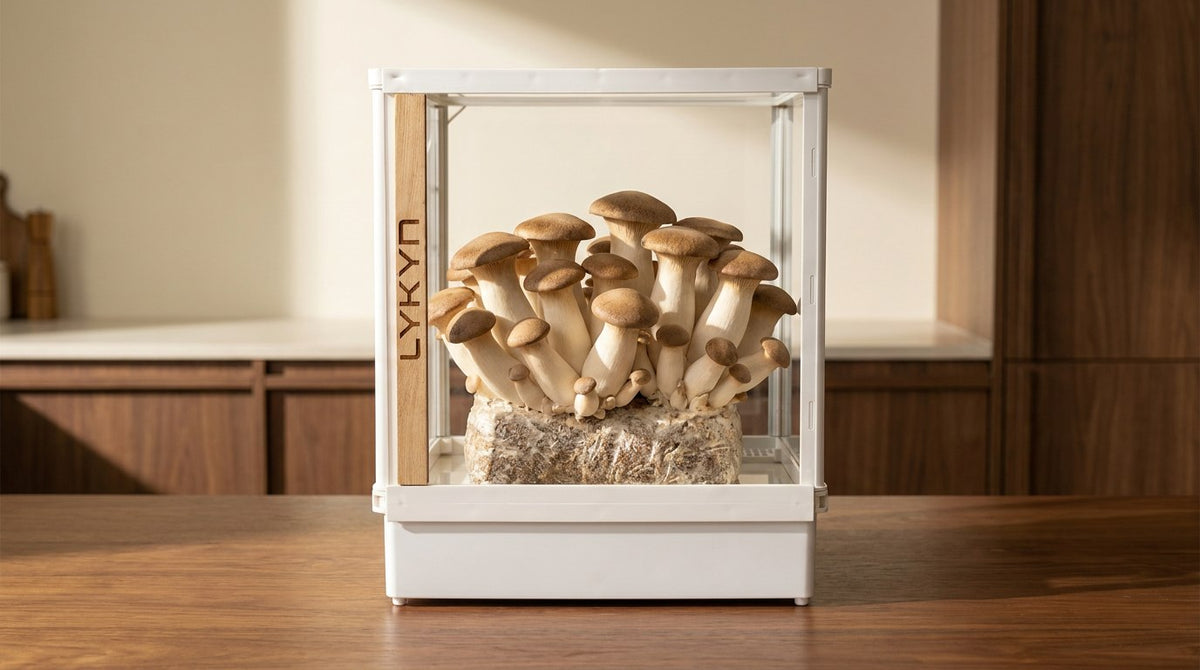
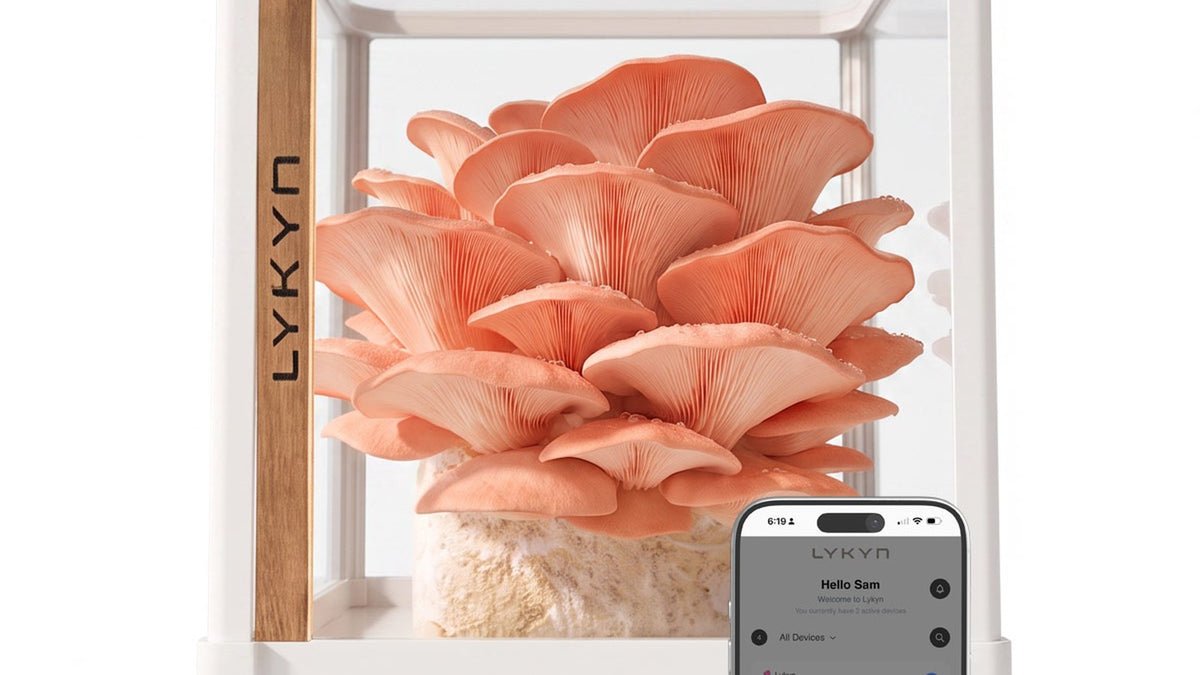
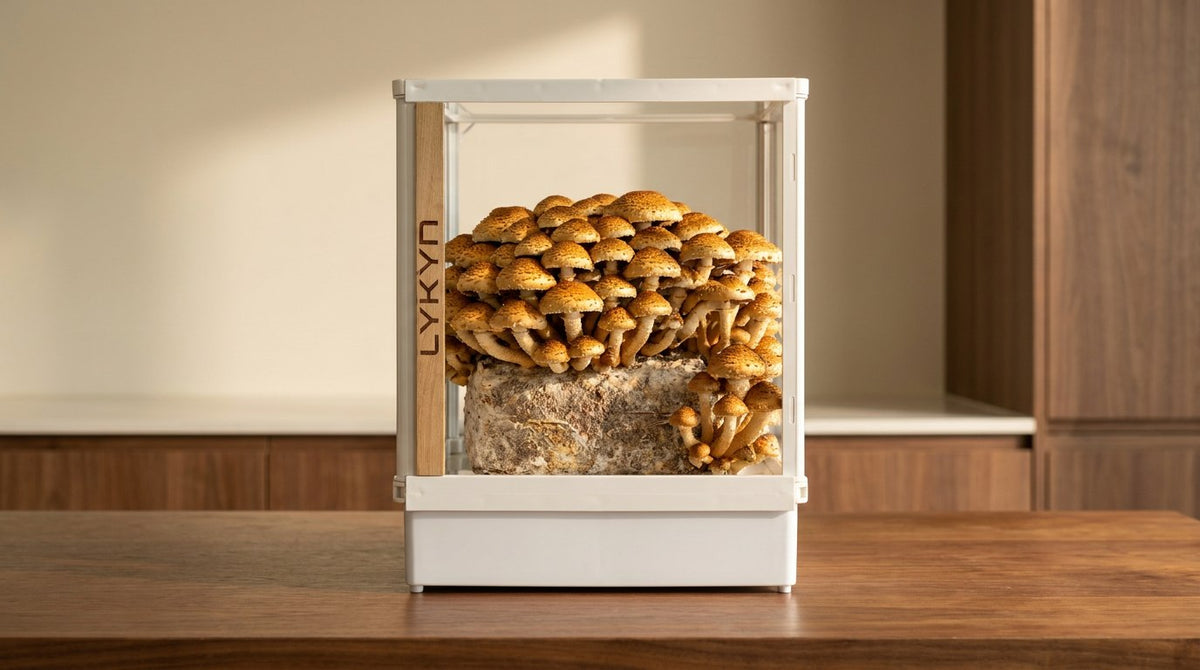
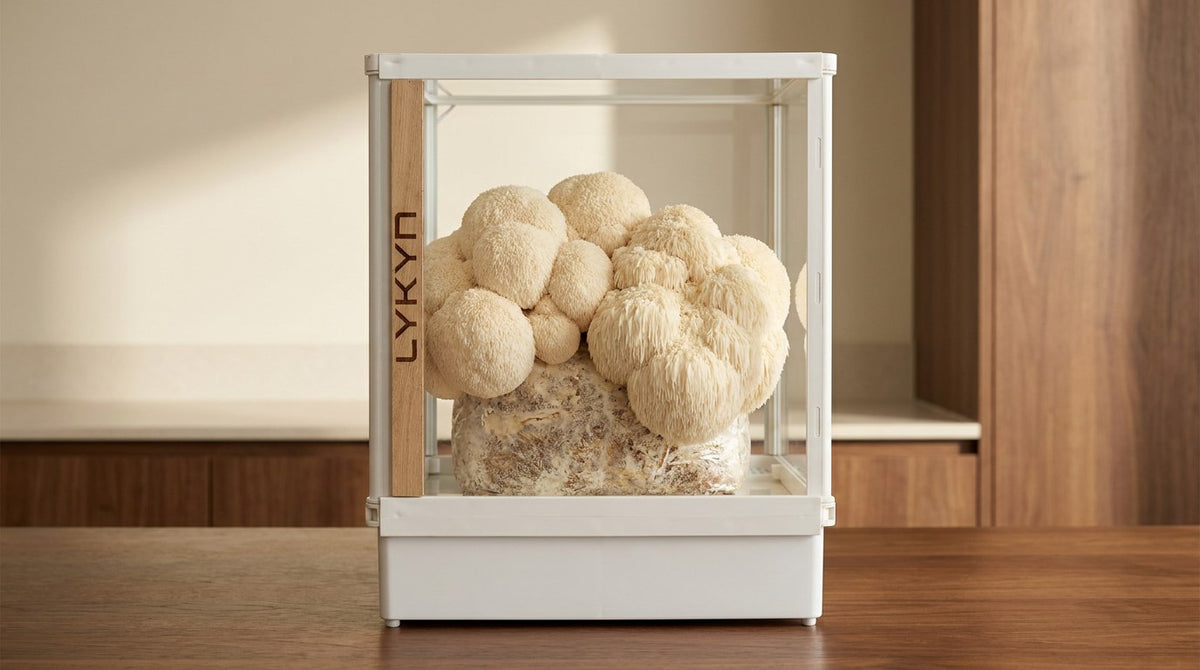
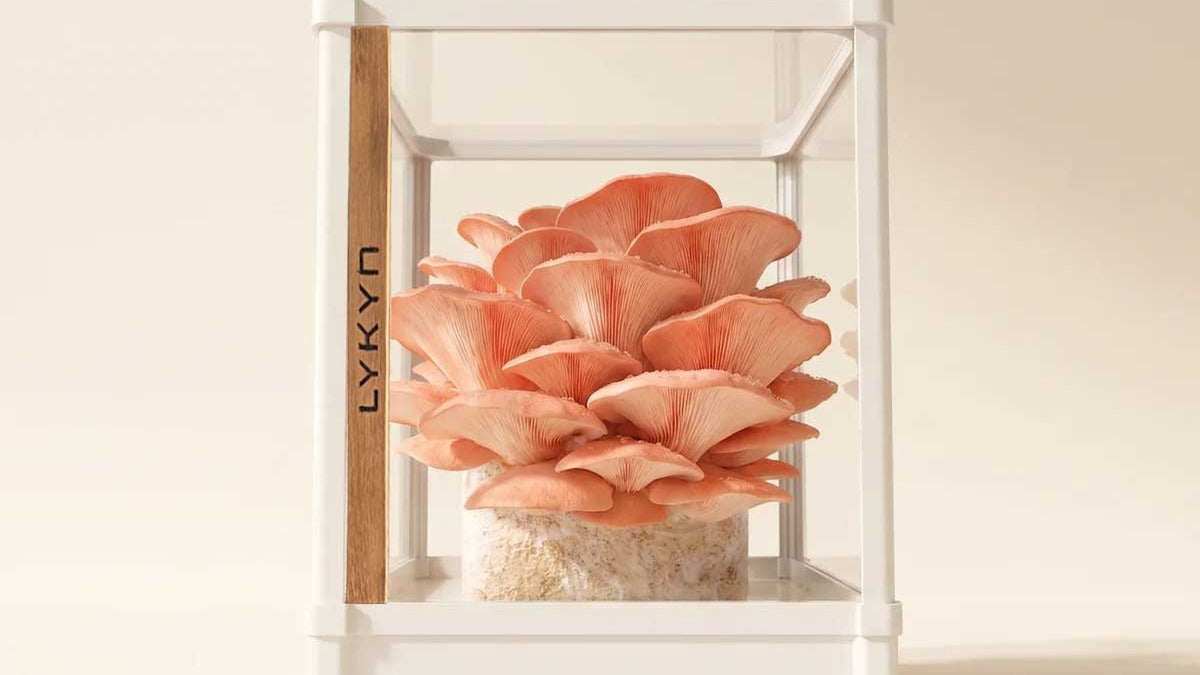
In den Warenkorb legen $299Der Schlüssel zum Anbau von Tintlingen ist die Nachbildung ihres natürlichen Lebensraums: verrottendes Hartholz in einer konstant feuchten Umgebung. Wenn Sie es ernst meinen mit der Pilzzucht, macht die Investition in die richtige Ausrüstung einen großen Unterschied. Das Smart Mushroom Grow Kit. Automated Mushroom Fruiting Chamber von Lykyn bietet die gleichmäßige Luftfeuchtigkeit und den Luftaustausch, die Tintlinge während ihrer Fruchtphase benötigen.

Sammeln und Ernten wilder Tintlinge
Wilde Tintlinge zu finden ist eigentlich ziemlich einfach, sobald man weiß, wo man suchen muss. Sie sind nicht schüchtern. Ernten Sie, wenn die Kappen noch eiförmig sind oder sich gerade zu öffnen beginnen. Sobald die Deliqueszenz einsetzt, haben Sie nur noch 4-6 Stunden Zeit, bevor sie sich vollständig auflösen.
Tintlinge konservieren und zubereiten
Frische Tintlinge haben eine unglaublich kurze Haltbarkeit. Wir sprechen von Stunden, nicht von Tagen. Aber es gibt Möglichkeiten, ihre Verwendbarkeit zu verlängern. Die beste Methode ist, sie anzubraten und dann einzufrieren. Dieses einfache Rezept für gebratene Tintlinge auf Toast ist eine großartige Möglichkeit, ihren delikaten Geschmack zu genießen.

Häufig gestellte Fragen zu Tintlingen
Kann man Tintlinge essen?
Ja, Tintlinge sind essbar, wenn sie jung geerntet werden, bevor die Deliqueszenz beginnt. Gewöhnliche Tintlinge (Coprinopsis atramentaria) enthalten jedoch Coprin, das in Kombination mit Alkohol schwere Reaktionen hervorruft. Bestimmen Sie Ihre Art immer richtig und befolgen Sie die 72-Stunden-Regel zur Alkoholabstinenz für gewöhnliche Tintlinge.
Warum verwandeln sich Tintlinge in schwarze Flüssigkeit?
Tintlinge unterliegen der Autodigestion, einem Prozess namens Deliqueszenz, bei dem das Hutgewebe sich selbst mithilfe von Enzymen zersetzt, um Sporen freizusetzen. Diese evolutionäre Anpassung ermöglicht es, dass Sporen von Wasser oder Insekten davongetragen werden, anstatt sich ausschließlich auf die Windverbreitung zu verlassen. Die schwarze Flüssigkeit enthält Millionen reifer Sporen.
Wie lange nach dem Verzehr von Tintlingen kann man Alkohol trinken?
Warten Sie mindestens 72 Stunden nach dem Verzehr von gewöhnlichen Tintlingen, bevor Sie Alkohol konsumieren. Einige Quellen empfehlen für empfindliche Personen sogar länger. Dies gilt für alle Alkoholquellen, einschließlich Kochwein, Vanilleextrakt und alkoholhaltige Medikamente. Schopftintlinge erfordern diese Einschränkung nicht.
Sind Tintlinge giftig für Hunde?
Die meisten Tintlingsarten gelten nicht als giftig für Hunde, können aber Magen-Darm-Beschwerden verursachen. Die größere Sorge ist, dass Hunde oft Pilze ohne Unterscheidung fressen und dabei potenziell tatsächlich giftige Arten in der Nähe konsumieren. Wenn Ihr Hund einen Wildpilz frisst, wenden Sie sich sofort an Ihren Tierarzt.
Wie kann man Schopftintling und Grauen Faltentintling unterscheiden?
Schopftintlinge haben markante weiße, zottelige Schuppen, die den gesamten Hut bedecken und ihnen das Aussehen einer „Perücke“ verleihen. Gewöhnliche Tintlinge haben glatte, graubraune Hüte ohne Schuppen. Schopftintlinge werden auch höher (bis zu 15 cm) und sind typischerweise zylindrischer, während gewöhnliche Tintlinge eher oval und kürzer sind.
Kann man Tintlinge drinnen anbauen?
Ja, obwohl dies eine sorgfältige Umweltkontrolle erfordert. Tintlinge benötigen eine konstante Luftfeuchtigkeit (85-95%), Temperaturen zwischen 13-24°C je nach Wachstumsstadium und ein holzbasiertes Substrat. Die Verwendung einer automatisierten Fruchtkammer verbessert die Erfolgsquoten erheblich, indem diese Bedingungen automatisch aufrechterhalten werden.
Wie schmeckt ein Tintling?
Frische, junge Tintlinge haben einen milden, leicht süßlichen Geschmack mit erdigen Untertönen. Viele Sammler beschreiben sie als delikater als Champignons, aber mit mehr Tiefe. Die Textur ist bei richtiger Zubereitung zart, aber nicht schleimig. Schopftintlinge gelten im Allgemeinen als geschmacklich besser als gewöhnliche Tintlinge.
Aktie:
Was ist ein Herzmuschel-Pilz? Ihr kompletter Leitfaden zum Anbau dieser köstlichen Austernsorte
Identifikation oranger Pilze: So erkennen Sie, was Sie gefunden haben