


Der Einstieg in die faszinierende Welt der Pilzbestimmung eröffnet eine außergewöhnliche Dimension voller Entdeckungen, kulinarischer Erkundungen und Verbundenheit mit der Natur. Ob Sie angehender Pilzsammler, kulinarischer Liebhaber oder neugieriger Naturwissenschaftler sind – das Erlernen einer korrekten Pilzbestimmung ist der entscheidende erste Schritt auf Ihrer Pilzreise. Dieser umfassende Leitfaden führt Sie durch essenzielle Bestimmungstechniken, wichtige Merkmale gängiger essbarer Arten und lebenswichtige Sicherheitsvorkehrungen, damit Ihre Pilzexpeditionen sowohl bereichernd als auch sicher sind.

Verständnis der Pilzanatomie für eine korrekte Bestimmung
Bevor Sie mit dem Korb in der Hand in den Wald gehen, ist es unerlässlich, die grundlegende Anatomie von Pilzen zu verstehen und zu wissen, wie diese Merkmale bei der Bestimmung helfen. Jeder Teil eines Pilzes liefert wertvolle Hinweise zur Bestimmung.
Wichtige Pilzmerkmale zur Untersuchung
Die zuverlässigste Pilzbestimmung beginnt mit einem systematischen Ansatz zur Beobachtung spezifischer Merkmale. Notieren Sie beim Untersuchen eines Exemplars stets Folgendes:
- Struktur und Farbe des Hutes: Beobachten Sie die Form (konvex, flach, trichterförmig), die Textur (glatt, schuppig, samtig) und die Farbmuster. Die Farben der Pilzhüte können selbst innerhalb derselben Art je nach Alter und Umweltbedingungen erheblich variieren.
- Anordnung der Lamellen: Prüfen Sie, ob der Pilz unter dem Hut Lamellen, Poren oder Zähne hat. Bei Lamellenpilzen notieren Sie, wie die Lamellen am Stiel ansetzen (frei, angewachsen, ablaufend) und wie ihr Abstand, ihre Farbe und Textur sind.
- Merkmale des Stiels: Untersuchen Sie die Form, Dicke und Textur des Stiels und ob er einen Ring (Annulus) oder eine Scheide (Volva) an der Basis hat. Das Vorhandensein einer Scheide ist besonders wichtig, da viele tödliche Amanita-Arten dieses Merkmal aufweisen.
- Farbe des Sporenabdrucks: Die Erstellung eines Sporenabdrucks ist eine der wertvollsten Bestimmungstechniken. Nehmen Sie einfach den Hut ab, legen Sie ihn lamellenseitig auf Papier, decken Sie ihn über Nacht ab und prüfen Sie am nächsten Morgen das entstandene Farbmuster.

Habitat und saisonale Überlegungen
Wo und wann Sie einen Pilz finden, liefert entscheidenden Kontext für die Bestimmung:
- Wachstumssubstrat: Notieren Sie, ob der Pilz aus Erde, Holz (lebend oder abgestorben) oder anderem Material wächst
- Baumartenverbindungen: Viele Pilze gehen symbiotische Beziehungen mit bestimmten Bäumen ein
- Saisonales Vorkommen: Verschiedene Arten fruchten zu bestimmten Jahreszeiten, wobei einige nur nach bestimmten Wetterbedingungen auftreten
"In Colorado treten Pilze hauptsächlich in gemischten Nadelwäldern aus Fichten und Tannen über einer bestimmten Höhe auf, meist ab etwa 9.000 Fuß," wie in unserem Colorado-Pilzführer erwähnt, was unterstreicht, wie regionales Wissen die Genauigkeit der Bestimmung erhöht.
Gängige essbare Pilzarten und ihre Bestimmungsmerkmale
Lassen Sie uns einige beliebte essbare Pilzarten und ihre charakteristischen Bestimmungsmerkmale erkunden.
Austernseitlinge (Pleurotus-Arten)
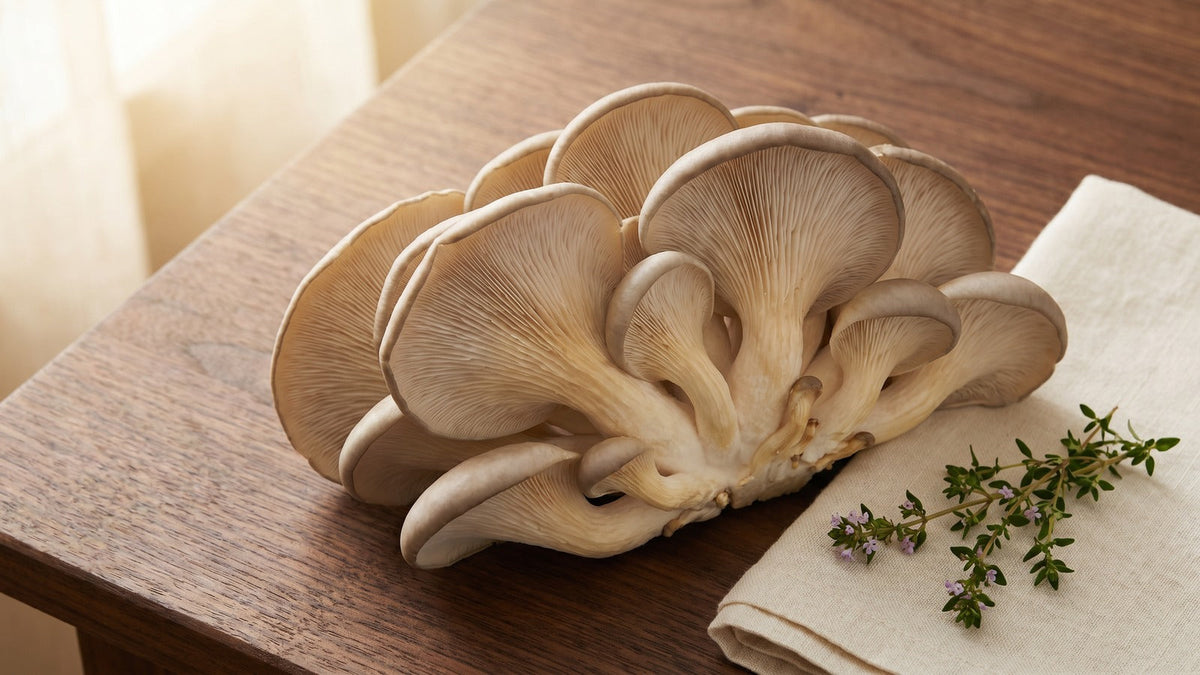
Austernseitlinge zählen dank ihres köstlichen Geschmacks und ihrer vergleichsweise häufigen Vorkommen zu den begehrtesten essbaren Pilzen. Wie in unserem Leitfaden zur Bestimmung von Austernseitlingen ausführlich beschrieben, haben diese Pilze mehrere wichtige Bestimmungsmerkmale:
- Wuchsform: Sie wachsen in regalenartigen Büscheln direkt an abgestorbenen oder sterbenden Bäumen
- Hutform: Muschel- oder fächerförmige Hüte mit glatten Rändern im jungen Stadium
- Stiel: Kurz, gedrungen und oft außermittig oder ganz abwesend
- Lamellen: Charakteristische ablaufende Lamellen, die am Stiel herablaufen
- Farbe: Je nach Art weiß, blassgrau, blau, rosa oder gelb
Sicherheitshinweis: Obwohl alle echten Austernseitlinge essbar sind, sollten Anfänger auf mögliche Verwechslungsarten achten. Überprüfen Sie die Bestimmung vor dem Verzehr immer anhand mehrerer Quellen.
Steinpilze (Morchella-Arten)
Steinpilze werden wegen ihrer charakteristischen wabenartigen Hüte und ihres außergewöhnlichen Geschmacks geschätzt. Laut unserem Leitfaden zu Steinpilzen haben alle echten Steinpilze diese wichtigen Bestimmungsmerkmale:
- Hohler Innenraum: Wenn echte Steinpilze längs angeschnitten werden, sind sie vom Stiel bis zum Hut vollständig hohl
- Angewachsener Hut: Der Hut ist am Stiel angewachsen, entweder an der Basis oder auf halber Höhe
- Geschwollene Oberfläche: Charakteristisches Waben- oder Schwamm-ähnliches Aussehen mit Vertiefungen und Erhebungen
- Keine echten Lamellen: Im Gegensatz zu vielen Pilzen haben Steinpilze unter dem Hut keine Lamellen
Seien Sie stets vorsichtig bei falschen Steinpilzen (Gyromitra-Arten), die schwere Vergiftungen verursachen können. Echte Steinpilze sind beim Längsschnitt hohl, während falsche Steinpilze in der Regel ein watteartiges Inneres haben.
Hummerpilze (Hypomyces lactifluorum)
Der Hummerpilz ist einer der faszinierendsten Pilze der Natur. Wie unser Hummerpilz-Leitfaden erklärt, handelt es sich eigentlich um einen parasitären Pilz, der andere Pilzarten verwandelt:
- Farbe: Leuchtend orange bis rot an der Außenseite mit einer knötigen, korallenartigen Textur
- Textur: Feste und dichte Fleischsubstanz ohne Hohlräume
- Inneres: Weißes bis blassorangefarbenes Inneres, das im Kontrast zur leuchtenden Außenseite steht
- Aroma: Dezenter, an Meeresfrüchte erinnernder Geruch
"Der parasitäre Pilz mumifiziert im Wesentlichen seinen Wirt und erzeugt einen konservierten, verwandten Organismus, der viel länger als typische Pilze überdauern kann und dabei komplexe Geschmacksverbindungen entwickelt," was ihn zu einem der einzigartigsten essbaren Pilze in der Pilzwelt macht.
Sicherheitsvorkehrungen bei der Pilzbestimmung
Eine korrekte Pilzbestimmung erfordert einen vorsichtigen, methodischen Ansatz, um die Sicherheit zu gewährleisten, insbesondere für Anfänger.
Wichtige Regeln für das sichere Sammeln von Pilzen
- Essen Sie niemals einen Pilz, ohne ihn zu 100 % sicher bestimmt zu haben
- Lernen Sie, gefährliche Verwechslungsarten in Ihrer Region zu erkennen
- Beginnen Sie mit leicht identifizierbaren Arten, die nur wenige giftige Verwechslungsarten haben
- Verwenden Sie mehrere zuverlässige Feldführer und Bestimmungsressourcen
- Treten Sie lokalen Mykologievereinen bei oder nehmen Sie an geführten Exkursionen mit Experten teil
- Im Zweifelsfall lieber lassen – kein Pilz ist das Risiko wert
Einsatz von Technologie bei der Pilzbestimmung
Während traditionelles Wissen weiterhin grundlegend bleibt, kann moderne Technologie wertvolle Unterstützung bieten:
- Pilzbestimmungs-Apps: Können vorläufige Vorschläge machen, sollten aber niemals die einzige Methode zur Bestimmung essbarer Arten sein
- Online-Pilzgemeinschaften: Plattformen, auf denen Experten Ihnen bei der Überprüfung Ihrer Erkenntnisse helfen können
- Digitale Feldführer: Umfassende Datenbanken mit detaillierten Fotos und Beschreibungen
Technologie sollte jedoch traditionelle Bestimmungsmethoden und die Bestätigung durch Experten ergänzen, anstatt sie zu ersetzen.
Pilze zu Hause züchten: Eine sicherere Alternative
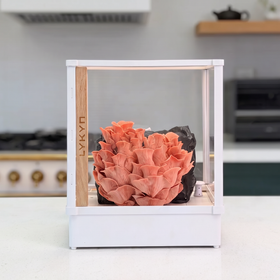
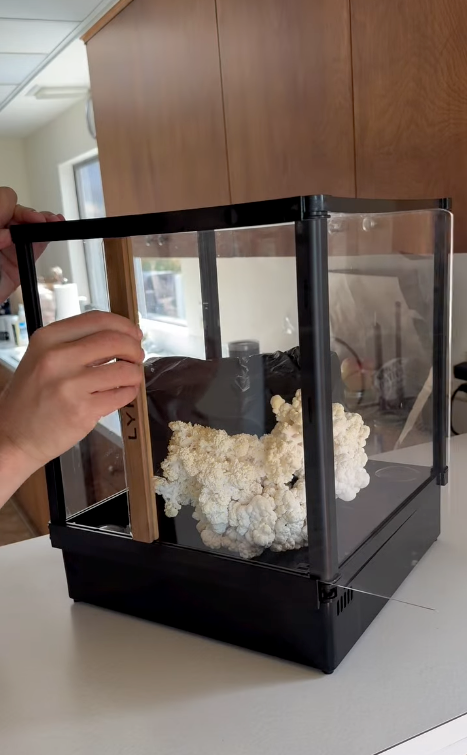
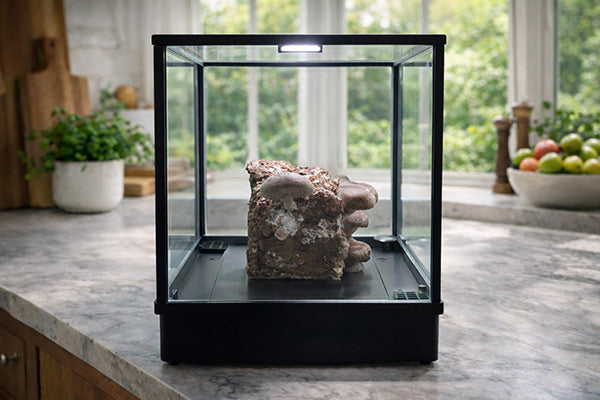
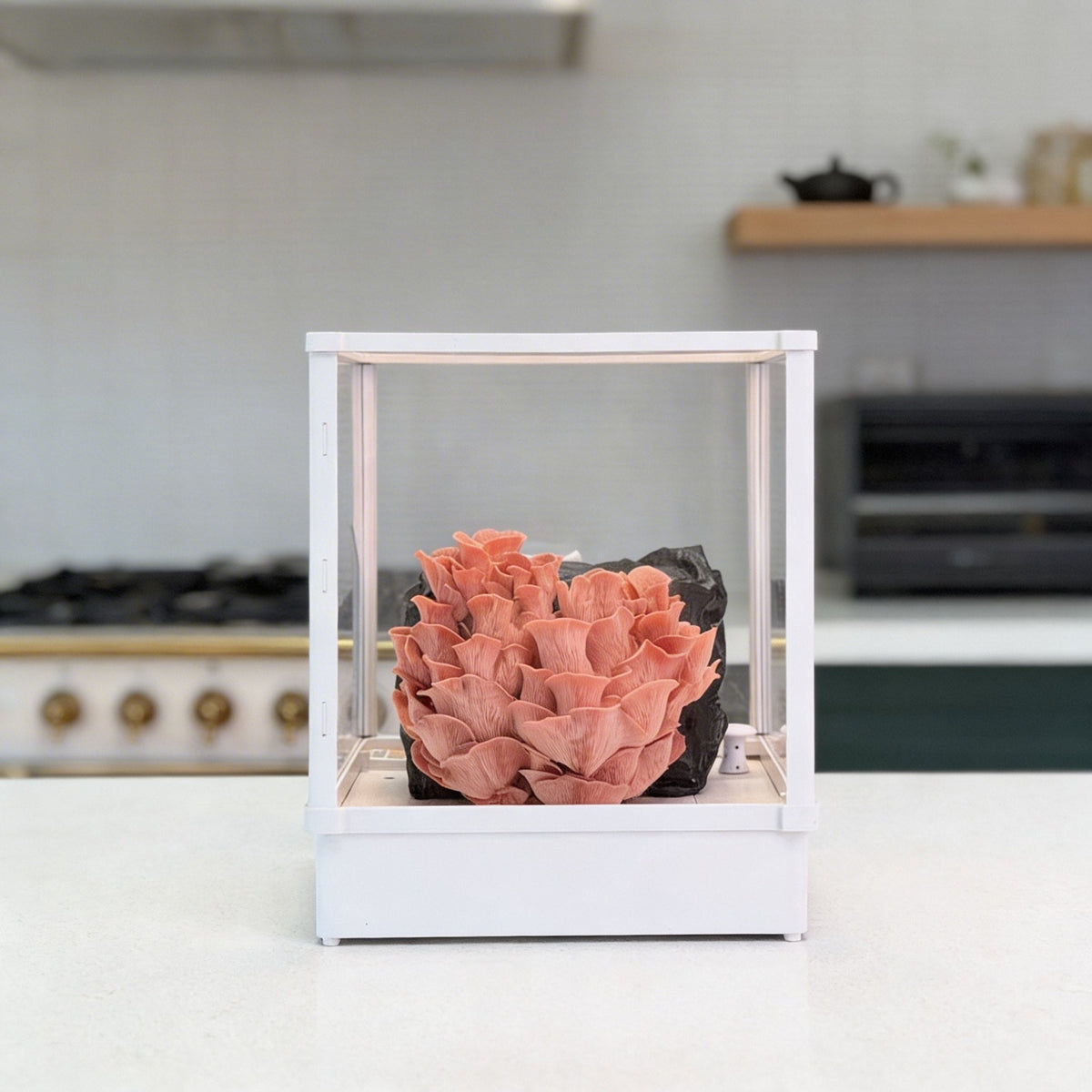
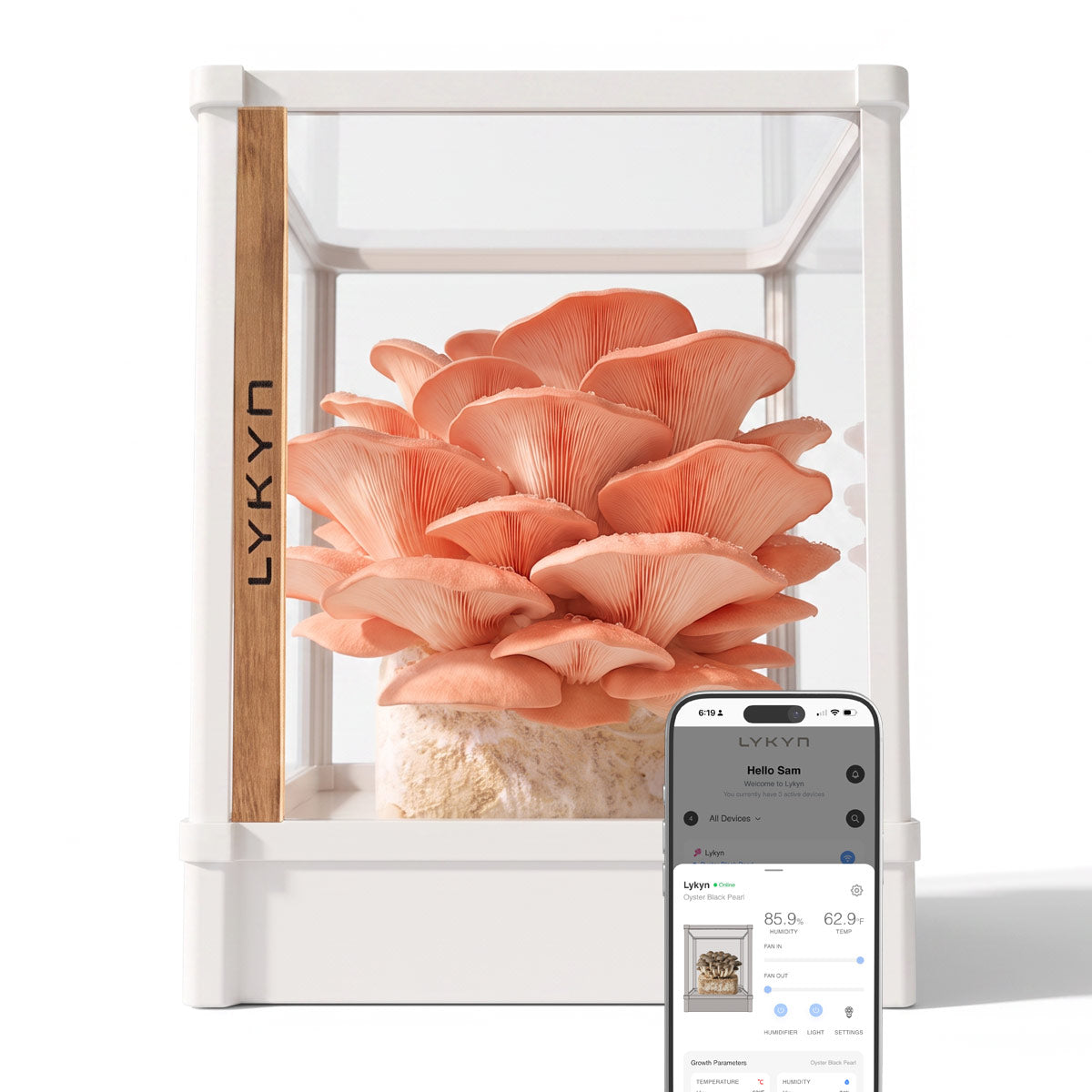
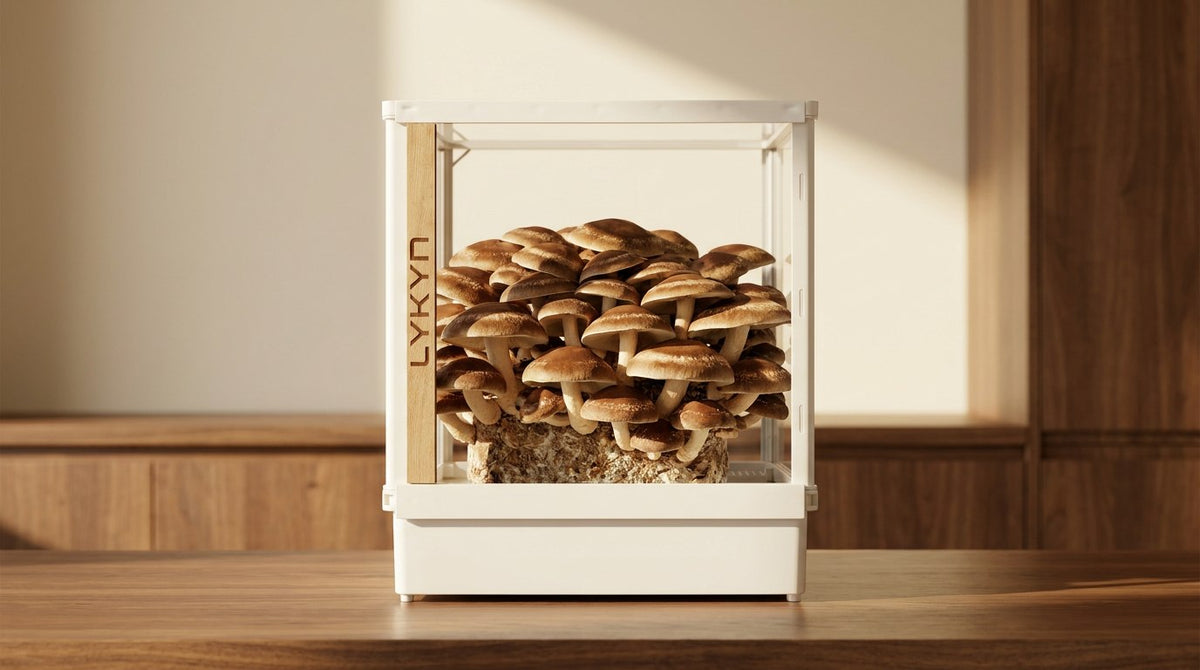
Für alle, die von Pilzen fasziniert sind, sich aber Sorgen über die Risiken des Wildsammlung machen, bietet die Heimzucht eine sicherere Alternative. Mit dem intelligentes Pilzzuchtsystem von Lykyn können Sie verschiedene Gourmetpilze mit Zuversicht züchten.
Dieses innovative System hält automatisch perfekte Wachstumsbedingungen aufrecht:
- Intelligente Sensoren und App-Steuerung für optimale Luftfeuchtigkeit und Luftzirkulation
- Integrierter Luftbefeuchter mit 2,8-Liter-Tank
- Integrierte Filterung für ein Anzuchtvermögen ohne Verunreinigungen
- Leiser Betrieb, der für jede Wohnumgebung geeignet ist
Die Heimzucht ermöglicht es Ihnen:
- Bestimmungstechniken an bekannten Arten zu üben
- Ganzjährig frische, biologische Pilze zu genießen
- Das Risiko einer Fehlbestimmung auszuschließen
- Mit verschiedenen Gourmet-Arten zu experimentieren
Wie in unserem Leitfaden zum besten Pilzzuchtsystemen für Anfänger erwähnt, "eliminiert ein hochwertiges Pilzzuchtsystem das Rätselraten, das neue Züchter oft frustriert," und macht es zu einem idealen Einstieg in die Welt der Pilze.
Häufige Fehler bei der Pilzbestimmung, die Sie vermeiden sollten
Selbst erfahrene Sammler können Fehler machen. Hier sind einige häufige Fallstricke, die Sie vermeiden sollten:
- Sich auf ein einziges Bestimmungsmerkmal verlassen: Verwenden Sie stets mehrere Merkmale zur Bestätigung
- Das Habitat des Pilzes ignorieren: Wo ein Pilz wächst, ist eine entscheidende Bestimmungsinformation
- Keine Sporenabdrücke anlegen: Diese einfache Technik kann zwischen ähnlich aussehenden Arten unterscheiden
- Annehmen, dass leuchtende Farben immer auf Giftigkeit hindeuten: Obwohl viele farbenfrohe Pilze giftig sind, zeigen auch einige essbare Arten leuchtende Farben
- Geschmack oder Geruch als primäre Bestimmungsmethoden verwenden: Probieren Sie niemals einen unbestimmten Pilz als Teil des Bestimmungsprozesses
Häufig gestellte Fragen zur Pilzbestimmung
Wie können Anfänger sicher beginnen, Pilze zu bestimmen?
Beginnen Sie mit leicht identifizierbaren Arten, die nur wenige gefährliche Verwechslungsarten haben. Der Eichenseitling eignet sich hervorragend für Anfänger, da er "keine giftigen Verwechslungsarten hat, was ihn ideal für beginnende Sammler macht." Treten Sie lokalen Mykologievereinen bei, nehmen Sie an geführten Exkursionen teil und verwenden Sie mehrere Bestimmungsressourcen, bevor Sie einen Wildpilz verzehren.
Welche Ausrüstung sollte ich mitnehmen, wenn ich Pilze suche?
Zur essenziellen Ausrüstung gehören ein Feldführer für Ihre Region, ein Messer zum Ernten, eine Bürste zum Reinigen der Exemplare, ein Korb oder ein Netzbeutel, der es den Sporen ermöglicht, sich zu verbreiten, eine Lupe zur Untersuchung detaillierter Merkmale und eine Kamera, um die Funde zur späteren Überprüfung zu dokumentieren.
Kann ich mich auf Faustregeln wie "alle Pilze mit weißen Lamellen sind giftig" verlassen?
Nein. Obwohl bestimmte Verallgemeinerungen als hilfreicher Ausgangspunkt dienen können, gibt es immer Ausnahmen. Viele tödlich giftige Pilze folgen keinen gängigen "Faustregeln", weshalb eine positive Bestimmung anhand mehrerer Merkmale für jedes einzelne Exemplar unerlässlich ist.
Wie kann ich erkennen, ob weißer Flaum auf Pilzen normal ist oder eine Verunreinigung darstellt?
Laut unserem Leitfaden zu weißem Pilzflaum ist "weißer Flaum auf Pilzen in der Regel harmloses Myzel (das Wurzelsystem des Pilzes), kann aber auf eine Schimmelverunreinigung hindeuten." Sicheres Myzel erscheint als leuchtend weiße, haarähnliche Fäden, während gefährlicher Schimmel typischerweise oben sitzt, schleimig erscheint und oft einen blaugrünen Farbton mit üblen Gerüchen aufweist.
Sind Pilzbestimmungs-Apps zuverlässig?
Obwohl Apps hilfreiche Werkzeuge sein können, sollten sie niemals Ihre einzige Bestimmungsmethode für Pilze sein, die Sie essen möchten. Die aktuelle Technologie hat Einschränkungen bei der Unterscheidung subtiler Unterschiede zwischen essbaren und giftigen Arten. Überprüfen Sie stets anhand mehrerer Quellen und durch Rücksprache mit Experten.
Wie erstelle ich einen Sporenabdruck zur Pilzbestimmung?
Nehmen Sie den Hut vom Stiel, legen Sie ihn lamellenseitig auf Papier (eine Hälfte weißes, die andere Hälfte dunkles Papier funktioniert am besten), decken Sie ihn mit einer Schüssel ab, um Luftströme zu verhindern, und lassen Sie ihn über Nacht liegen. Das Muster und die Farbe der auf dem Papier abgesetzten Sporen liefern wertvolle Bestimmungsinformationen, die helfen können, zwischen ähnlich aussehenden Arten zu unterscheiden.
Zusammenfassung: Wichtige Erkenntnisse für eine sichere Pilzbestimmung
Eine erfolgreiche Pilzbestimmung kombiniert Wissen, Vorsicht und einen methodischen Ansatz. Denken Sie an diese wichtigen Prinzipien:
"- Lernen Sie, Pilze anhand mehrerer Merkmale wie Hut, Lamellen, Stiel, Sporenabdruck, Standort und Jahreszeit zu identifizieren.
- Verzehren Sie niemals einen Wildpilz, es sei denn, Sie sind sich bei der Bestimmung zu 100 % sicher.
- Nutzen Sie mehrere zuverlässige Quellen und lassen Sie Ihre Erkenntnisse von Experten überprüfen.
- Beginnen Sie mit leicht erkennbaren Arten, die nur wenige gefährliche Doppelgänger haben.
- Ziehen Sie als sichere Alternative zum Sammeln von Wildpilzen den Anbau zu Hause mit dem Lykyn Smart Mushroom Grow Kit in Betracht.
Die Welt der Pilze bietet endlose Faszination, kulinarische Genüsse und natürliche Wunder. Mit dem richtigen Wissen und Respekt vor diesen bemerkenswerten Organismen können Sie ihre Vielfalt sicher erkunden und gleichzeitig eine tiefere Verbindung zur Natur aufbauen.
Bereit für Ihre Pilzreise?
Ob Sie Ihre Bestimmungsfähigkeiten für das Sammeln von Wildpilzen vertiefen oder die kontrollierte Umgebung des Anbaus zu Hause bevorzugen möchten – Lykyn bietet Ihnen alles, was Sie für den Start Ihres Pilzabenteuers benötigen. Entdecken Sie unsere umfassenden Pilzführer für weitere artenspezifische Bestimmungsinformationen oder probieren Sie unser Smart Mushroom Grow Kit, um zu Hause sicher Ihre eigenen Gourmet-Pilzsorten anzubauen.
Beginnen Sie noch heute Ihre Pilzreise und entdecken Sie die bemerkenswerte Vielfalt, die Aromen und die Vorteile, die diese faszinierenden Pilze zu bieten haben!




Aktie:
Weiße Champignons: Ihr vollständiger Leitfaden zu Nährwerten, Vorteilen und kulinarischen Anwendungen
Nootropische Pilze: Der komplette Leitfaden zu Löwenmähne, Reishi und kognitiv stärkenden Pilzen