



Quick answer: Chaga (Inonotus obliquus) is a parasitic fungus that grows on birch trees and contains some of the highest measured concentrations of superoxide dismutase (SOD), beta-glucans, and melanin of any food source studied. Peer-reviewed research supports modest benefits for immune modulation, oxidative-stress reduction, blood-sugar regulation, and skin-aging markers. The two real cautions are oxalate accumulation (a kidney risk at high doses) and an additive effect with blood thinners. Wild chaga is also being overharvested faster than it regrows, so the responsible move is a tested, cultivated source rather than another foraged conk.
Chaga is one of the most over-hyped functional mushrooms on the market. Most claims on Instagram are preclinical (mice and cells in a dish) or extrapolated from antioxidant assays that don't translate cleanly to humans. Below we walk through what's actually been measured in humans, in vitro, and in animals, and label each claim by the strength of evidence behind it.
Quick-glance: 7 evidence-backed chaga benefits
Use this as a hit list. The deep dives are below.
- Highest measured SOD activity of any natural food (~10x spirulina by mass). Antioxidant capacity in vitro is well-documented; the human translation is partial. (Glamoclija et al., 2015)
- Beta-glucan immune modulation. Chaga polysaccharides activate macrophages and NK cells in animal models; one randomized trial in healthy adults found a measurable lift in NK cell activity at 12 weeks. (Kim et al., 2011)
- Lower fasting blood sugar in animal and small human studies. A 2017 Korean trial in pre-diabetic adults found ~31% reduction in fasting glucose at 8 weeks on a chaga extract. (Lee et al., 2017)
- Reduced markers of oxidative DNA damage. A small placebo-controlled human study showed ~54% reduction in lymphocyte DNA damage after 6 weeks of chaga supplementation. (Park et al., 2009)
- Skin-aging markers reduced in vitro. Chaga extracts protect human dermal fibroblasts from UV-B oxidative damage and reduce melanin-induced hyperpigmentation in cell models. (Yun et al., 2011)
- Anti-inflammatory cytokine modulation. In vitro and animal models show suppression of TNF-alpha, IL-6, and NF-kB pathways. (Mishra et al., 2012)
- Adaptogenic stress and fatigue support. Animal endurance studies show increased swim time and reduced lactic acid; human evidence is limited but plausible. (Yi et al., 2017)
The honest summary: the evidence base for chaga is strongest for antioxidant and immune-modulating effects, weakest for the "cures cancer" claims you'll see on social media. Most of the cancer research is preclinical and should not influence your wellness decisions.
What chaga actually is (and why it's not really a mushroom)
Chaga is the sclerotium, a dense hardened mass of mycelium, of the fungus Inonotus obliquus. It grows on living birch trees (primarily Betula pendula and B. papyrifera) in cold temperate forests of Russia, Scandinavia, Northern China, Korea, Canada, and the northern United States. From outside, it looks like a chunk of burnt charcoal stuck to a trunk; that black exterior is a layer of dense melanin. The interior is a rusty, golden-orange, cork-textured core, and that's the bioactive part.
The black shell is a UV-protective melanin layer. The orange interior is rich in triterpenoids, including betulinic acid, which chaga absorbs directly from the host birch tree. This is why birch-grown chaga is preferred over cultivated mycelium-on-grain versions in cheap supplements: the betulinic acid story only works with the birch host (Zheng et al., 2010).
Mycologically, chaga is in the Hymenochaetaceae family. A single conk takes 5 to 20 years to mature on a wild birch. That's the central sustainability problem we'll come back to.
Traditional Russian and Eastern European use
Chaga has documented medicinal use in Siberian, Russian, and Baltic folk medicine going back at least to the 16th century. It was brewed as a long-simmered tea for digestive complaints, gastric inflammation, and general "constitutional weakness." During the Cold War the Soviet Ministry of Health approved a chaga extract called Befungin (registered 1955) as an adjunct symptomatic therapy for gastrointestinal cancers, and it is still on the Russian pharmacopoeia. Solzhenitsyn's 1968 novel Cancer Ward popularized chaga in the West. The modern clinical data behind those traditional claims is genuinely thin, and we cover the cancer question honestly below.

1. Antioxidant capacity: SOD, melanin, and polyphenols
This is chaga's most-measured property and the in vitro data is genuinely impressive. Three compound classes drive it:
- Superoxide dismutase (SOD): an enzyme that catalyzes the breakdown of the superoxide radical. Chaga contains the highest measured SOD activity per gram of any tested food source, roughly 10 times that of spirulina or wheatgrass (Glamoclija et al., 2015).
- Melanin: the pigment that gives chaga its black skin acts as a polyphenol-class antioxidant in cell models.
- Phenolic compounds: hispidin, inotodiol, and various triterpenoids that neutralize reactive oxygen species in vitro.
The catch is that high in vitro ORAC values do not automatically translate to human benefit. The USDA removed ORAC tables from its database in 2012 because consumers and supplement companies were treating them as if they did. What chaga has going for it is a small but real human signal: a 2009 placebo-controlled study (Park et al., Mutation Research) gave 30 healthy adults chaga for 6 weeks and measured DNA damage in lymphocytes after a hydrogen-peroxide challenge. The chaga group showed roughly 54% less DNA damage than placebo at week 6, a meaningful biomarker shift replicated in animal models.
2. Immune modulation and beta-glucans
Chaga's polysaccharide fraction is dominated by beta-glucans, specifically 1,3 and 1,6 beta-D-glucans, the same class that drives the immune effects of reishi, maitake, and turkey tail. Beta-glucans bind the dectin-1 receptor on macrophages, dendritic cells, and NK cells, triggering a calibrated activation response.
The strongest human signal is a 2011 Korean study (Kim et al., International Immunopharmacology) in which 35 healthy adults took 1.5g/day of chaga extract for 12 weeks. The treatment group showed a statistically significant increase in NK cell activity and elevated IgM antibody production at week 12. Effect sizes were modest but consistent.
In animal models the picture is broader: chaga extracts increase macrophage phagocytic activity, support T-helper cell balance, and modulate cytokine production (TNF-alpha and IL-6 specifically) bidirectionally; they suppress these inflammatory cytokines in overactive states and raise them when challenged with a pathogen. That's the textbook profile of an immunomodulator, not a pure stimulant. Our lion's mane mushroom benefits guide covers the dectin-1 mechanism in detail.
3. Anti-inflammatory mechanisms
Chaga's triterpenoids (betulinic acid, inotodiol, lanosterol derivatives) inhibit the NF-kB transcription factor pathway, the master switch for pro-inflammatory gene expression. In vitro and in mouse colitis models, chaga extract reduces TNF-alpha, IL-6, and COX-2 expression (Mishra et al., 2012; Choi et al., 2010).
Practically: the same pathway that drives chronic inflammation in arthritis, IBD, and cardiovascular disease is plausibly attenuated by chaga. Human trial data for those specific conditions is missing, so this is mechanistic plausibility, not proven clinical effect. Don't replace prescribed anti-inflammatory therapy with chaga.
4. Blood sugar regulation
This is the most clinically interesting human data on chaga right now. A 2017 Korean trial (Lee et al., Mycobiology) studied 25 pre-diabetic adults on 3g/day of hot-water chaga extract for 8 weeks. Results:
- Fasting blood glucose: reduced by approximately 31% vs. baseline
- Insulin sensitivity (HOMA-IR): improved by approximately 22%
- HbA1c: trended down but not statistically significant at 8 weeks
The mechanism in animal models is two-pronged: chaga polysaccharides inhibit alpha-glucosidase (the same enzyme target as the drug acarbose), and they appear to improve insulin sensitivity in peripheral tissue. In streptozotocin-induced diabetic mice, chaga extract reduced fasting glucose by 30-50% across multiple studies (Wang et al., 2017; Diao et al., 2014).
Clinical caveat: if you're on metformin, glipizide, or insulin, adding chaga could push you into hypoglycemia. This is a real interaction. Check with your prescribing physician.
5. Skin health benefits
The skin story is interesting but largely preclinical. Several mechanisms converge:
- UV-B protection: chaga extracts protect human dermal fibroblasts from UV-B-induced oxidative damage and apoptosis in culture (Yun et al., 2011).
- Anti-tyrosinase activity: inotodiol and related triterpenes inhibit tyrosinase, reducing UV-induced hyperpigmentation in cell models.
- Anti-glycation: chaga polyphenols reduce collagen and elastin cross-linking by advanced glycation end-products (AGEs).
- Wound healing: animal models show faster epithelial closure with topical chaga extracts.
Honest take: chaga is plausible as a supportive ingredient but won't outperform retinoids, vitamin C, or daily SPF on any objective skin-aging measure. For the full topical and oral evidence breakdown, see our companion guide on chaga mushroom skin benefits.
6. Cancer claims: what's actually been studied
Every wellness blog claims chaga "fights cancer." The honest version:
- Preclinical (in vitro and animal) data: abundant. Chaga extracts and isolated betulinic acid induce apoptosis in cultured cancer cell lines including HT-29 colon, MCF-7 breast, A549 lung, and HepG2 liver. Ergosterol peroxide from chaga shows anti-proliferative activity against multiple lines.
- Russian clinical use (Befungin): a registered adjunct, not a curative therapy. Its actual approved indication is symptomatic palliation.
- Modern human clinical trials: essentially absent. A handful of small Korean and Japanese case-series exist but none are placebo-controlled phase 2 trials. As of 2026 we cannot honestly say chaga treats, prevents, or cures any cancer in humans.
Useful for: antioxidant and immune support that may complement standard care, with your oncology team's sign-off. Not useful for: replacing any evidence-based oncologic treatment.
7. Chaga vs. reishi: which one when?
This is the most common cross-mushroom question, so quickly:
| Chaga | Reishi | |
|---|---|---|
| Botanical | Inonotus obliquus | Ganoderma lucidum / sinense |
| Host | Birch trees (cold N. forests) | Hardwood logs (humid temperate) |
| Flavor | Earthy, slight vanilla, smooth | Bitter, woody, distinct |
| Best for | Antioxidant, blood sugar, skin | Sleep, stress, immune |
| Beta-glucans | High | Very high |
| Triterpenes | Betulinic acid (from birch) | Ganoderic acids (200+) |
| Notable side effect | Oxalates (kidney) | Blood thinning |
In short: choose chaga if your priority is antioxidant load and metabolic support; choose reishi if it's sleep, calm, and stress regulation. For a deeper comparison, see our reishi mushroom benefits post.

How to consume chaga: tea, tincture, or powder
Important rule: chaga is water-soluble in some compounds and alcohol-soluble in others. A proper full-spectrum extraction needs both, which is why a long simmer or a dual-extract tincture beats raw powder in a smoothie.
Chaga tea (most traditional). Break a thumb-sized chunk into pieces and simmer in 1L of water at 80-85°C for 1 to 3 hours. The water turns deep amber-mahogany. You can reuse the same chunks 3-4 times. Full recipe in how to make chaga mushroom tea and the step-by-step in how do you make chaga tea.
Dual-extract tincture. Extracted in water (for beta-glucans) and food-grade alcohol (for triterpenes), then recombined. Highest-bioavailability format. Typical dose: 1-2 droppers (~30-60 drops) daily.
Powder. Convenient for coffee, smoothies, or lattes. Use a hot-water extract powder, not raw ground chaga, because raw chaga is mostly indigestible chitin; bioactives need to be liberated first. Look for "10:1 hot-water extract" or "dual extract" on the label.
Dosage from the literature:
- General wellness: 1-2g/day of standardized hot-water extract
- Targeted metabolic support: 2-3g/day (Lee et al. 2017 blood sugar trial dose)
- Maximum sustained intake reported safely: 4g/day
Lykyn tip: start at the low end for the first 2 weeks. Watch for gastric upset, headache, or rash (uncommon but documented). If you're stacking with reishi or lion's mane, keep total mushroom-extract intake under 6g/day combined.

Side effects and drug interactions
This section gets glossed over on most chaga blogs. The risks are real but specific.
1. Oxalate accumulation and kidney stones. Chaga is high in oxalates. A 2014 Japanese case report (Kikuchi et al.) documented oxalate nephropathy and acute kidney injury in a 72-year-old woman who consumed 4-5 teaspoons of chaga powder daily for 6 months. Do not exceed therapeutic doses, especially if you have any history of kidney stones, chronic kidney disease, or are dehydrated.
2. Anticoagulant interaction. Chaga has measurable antiplatelet activity in vitro and in animal models. Combined with warfarin, clopidogrel, aspirin, dabigatran, rivaroxaban, or apixaban, it raises bleeding risk. Consult your prescribing physician before starting.
3. Hypoglycemia in diabetics. As above, chaga lowers blood glucose. With insulin or a sulfonylurea (glipizide, glyburide), this is an additive risk.
4. Autoimmune conditions. Chaga is immunomodulatory. Use cautiously with lupus, MS, RA, or Hashimoto's, ideally with specialist sign-off.
5. Pregnancy and breastfeeding. No clinical data. Avoid by default.
6. Surgery. Stop chaga at least 2 weeks before any scheduled surgery.
Medical disclaimer: This article is for educational purposes only. It is not medical advice and is not intended to diagnose, treat, cure, or prevent any disease. Always consult a qualified healthcare professional before starting any new supplement, particularly if you have an existing medical condition, are taking prescription medication, are pregnant, or are breastfeeding. Statements about chaga's effects have not been evaluated by the FDA.
The sustainability problem nobody talks about
Wild chaga takes 5 to 20 years to grow a harvest-sized conk. Demand has risen roughly 10x in the past decade. In Finland, Estonia, Northern Russia, and parts of Canada, foragers are now stripping conks from young birches that haven't developed mature bioactive profiles, killing the host trees and accelerating depletion. The Estonian Environment Agency placed Inonotus obliquus on its species-of-concern list in 2023, and some Russian regions have introduced harvest limits.
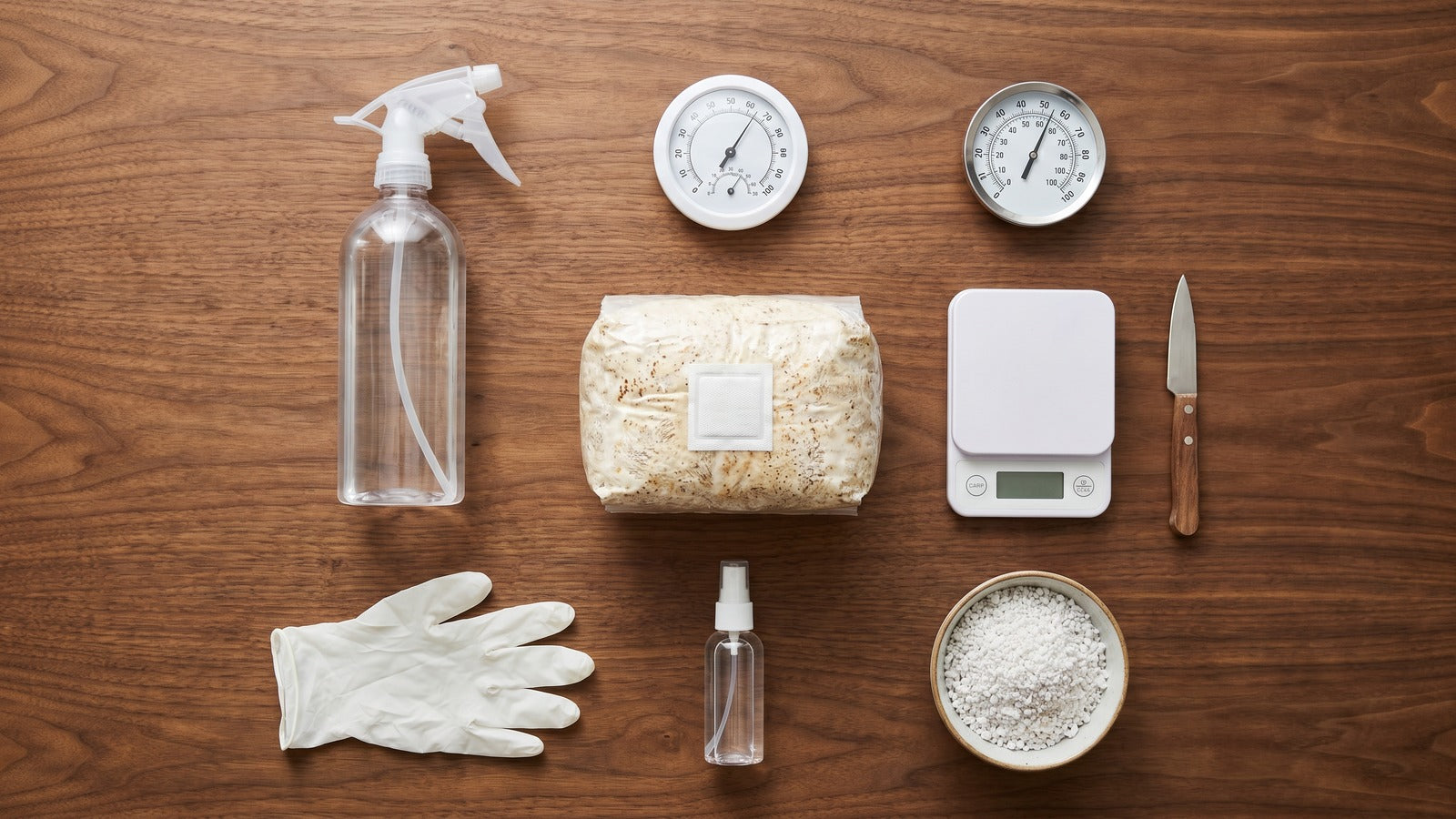
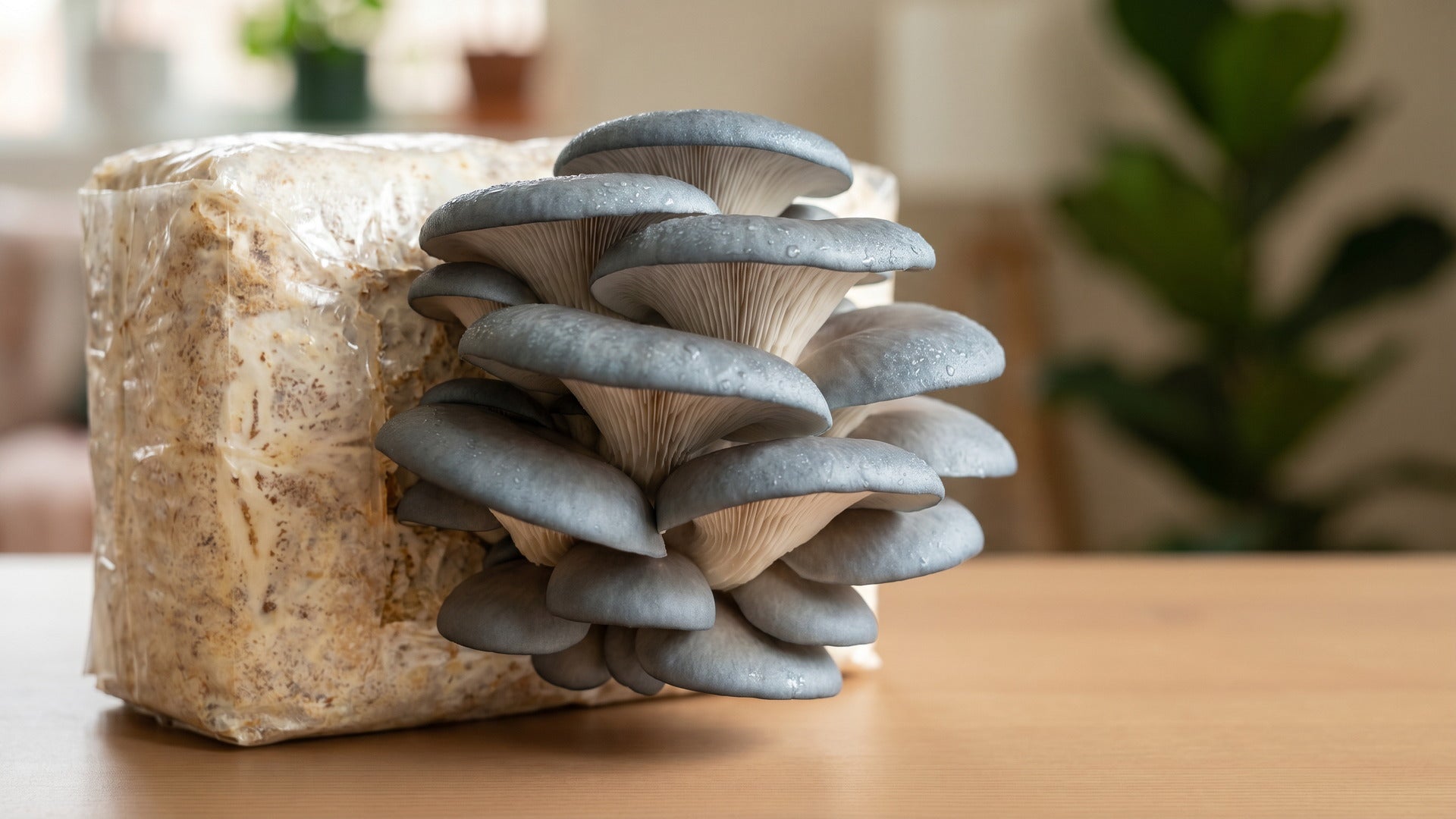
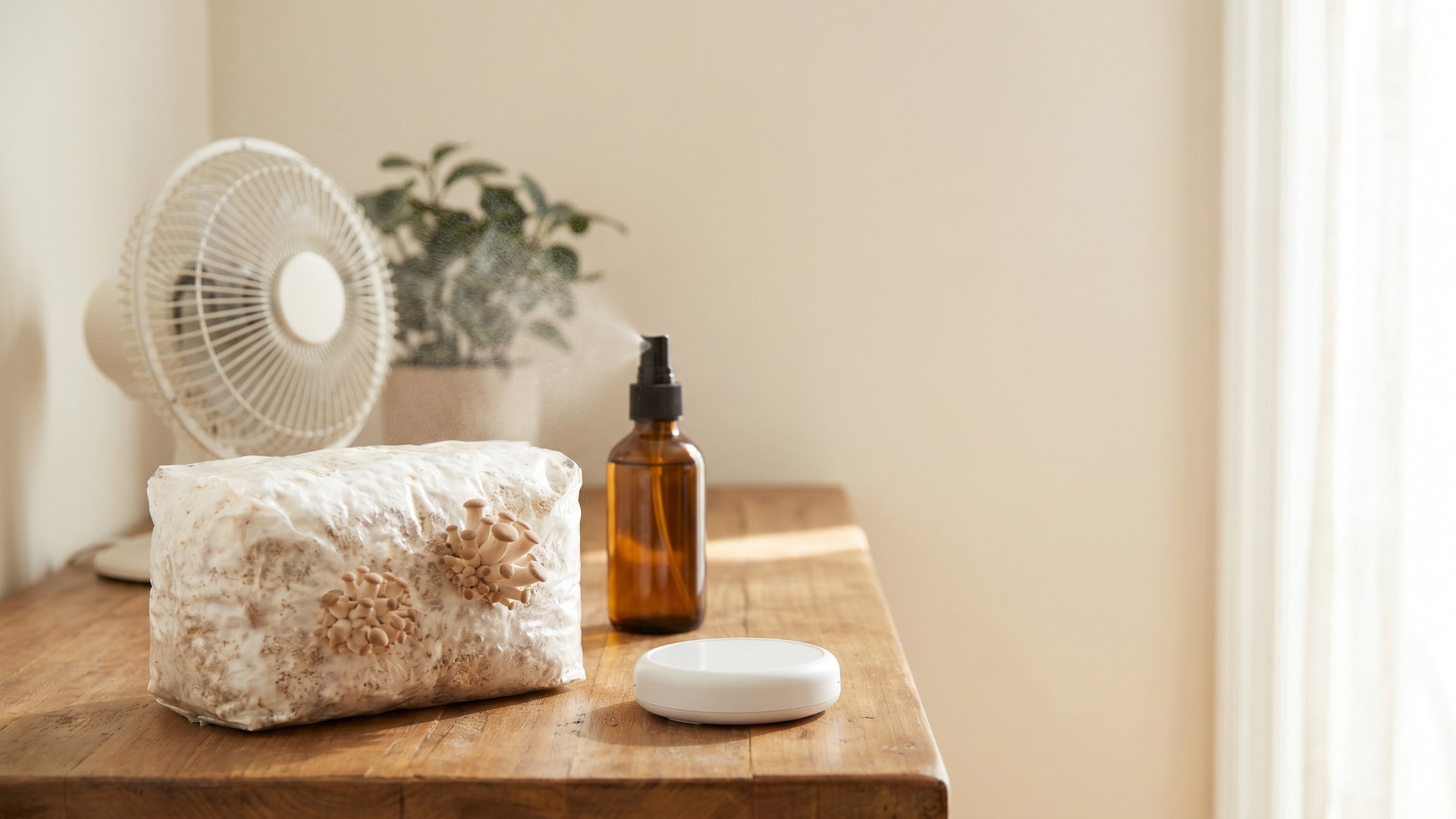
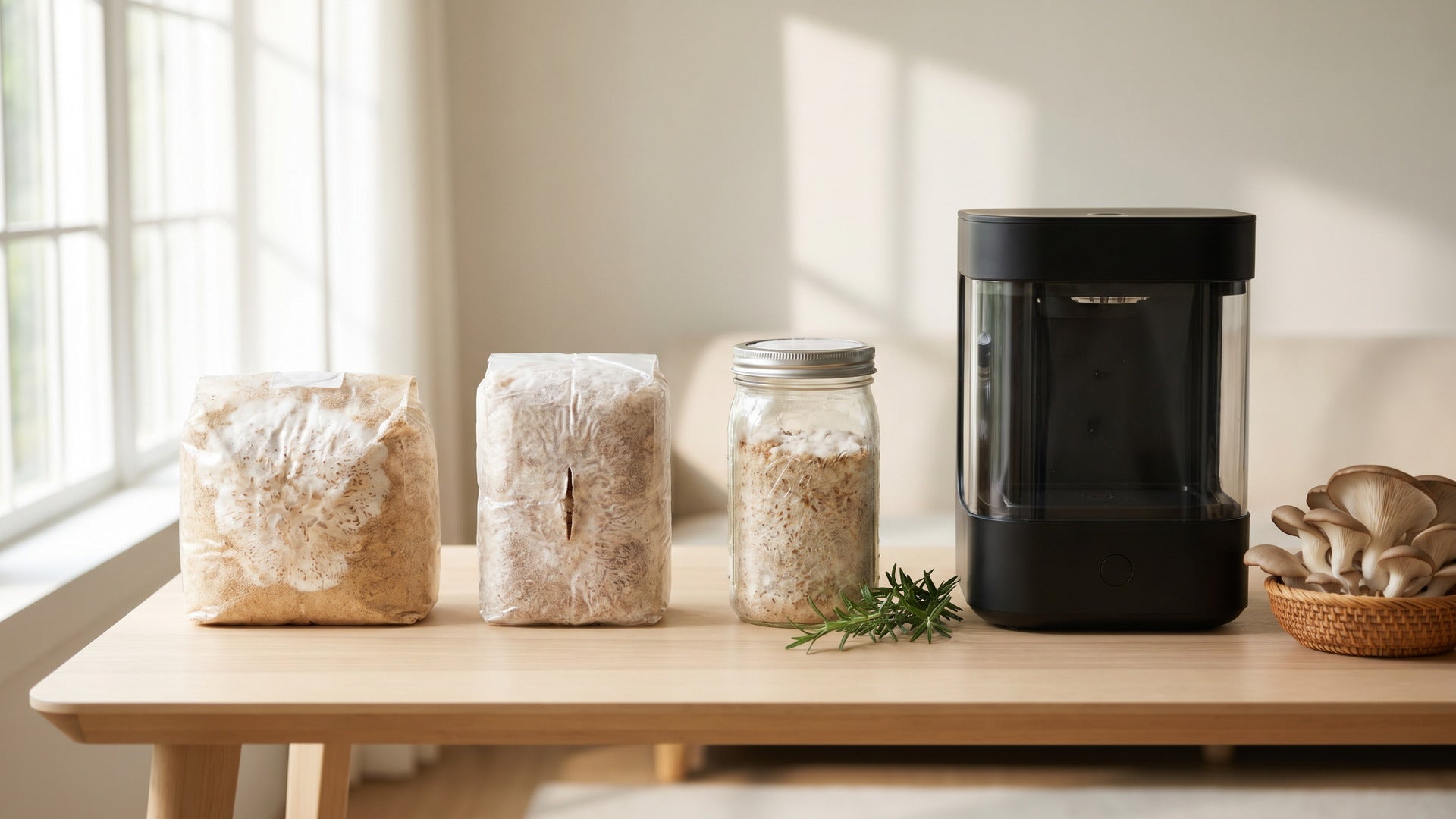
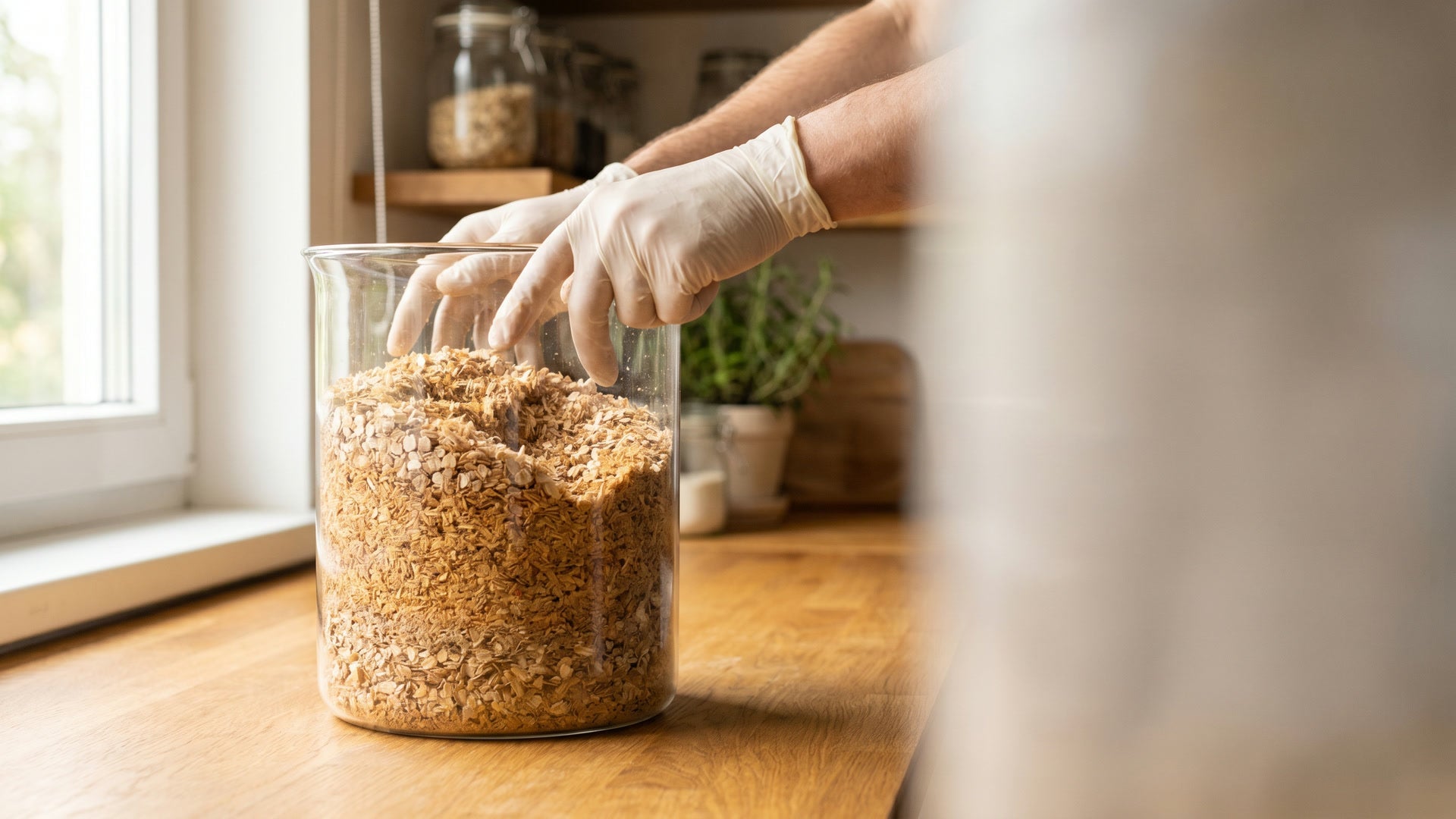
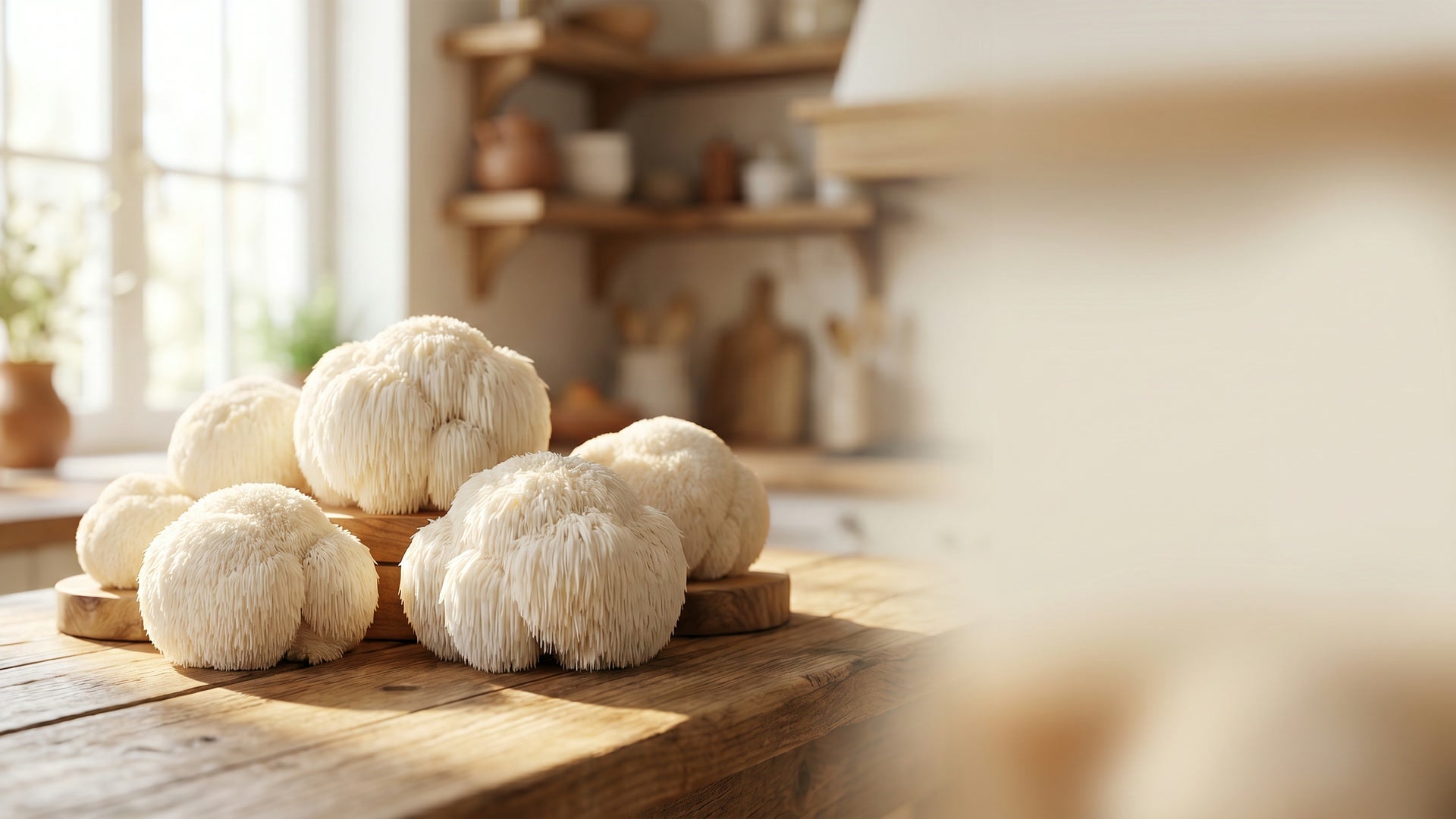
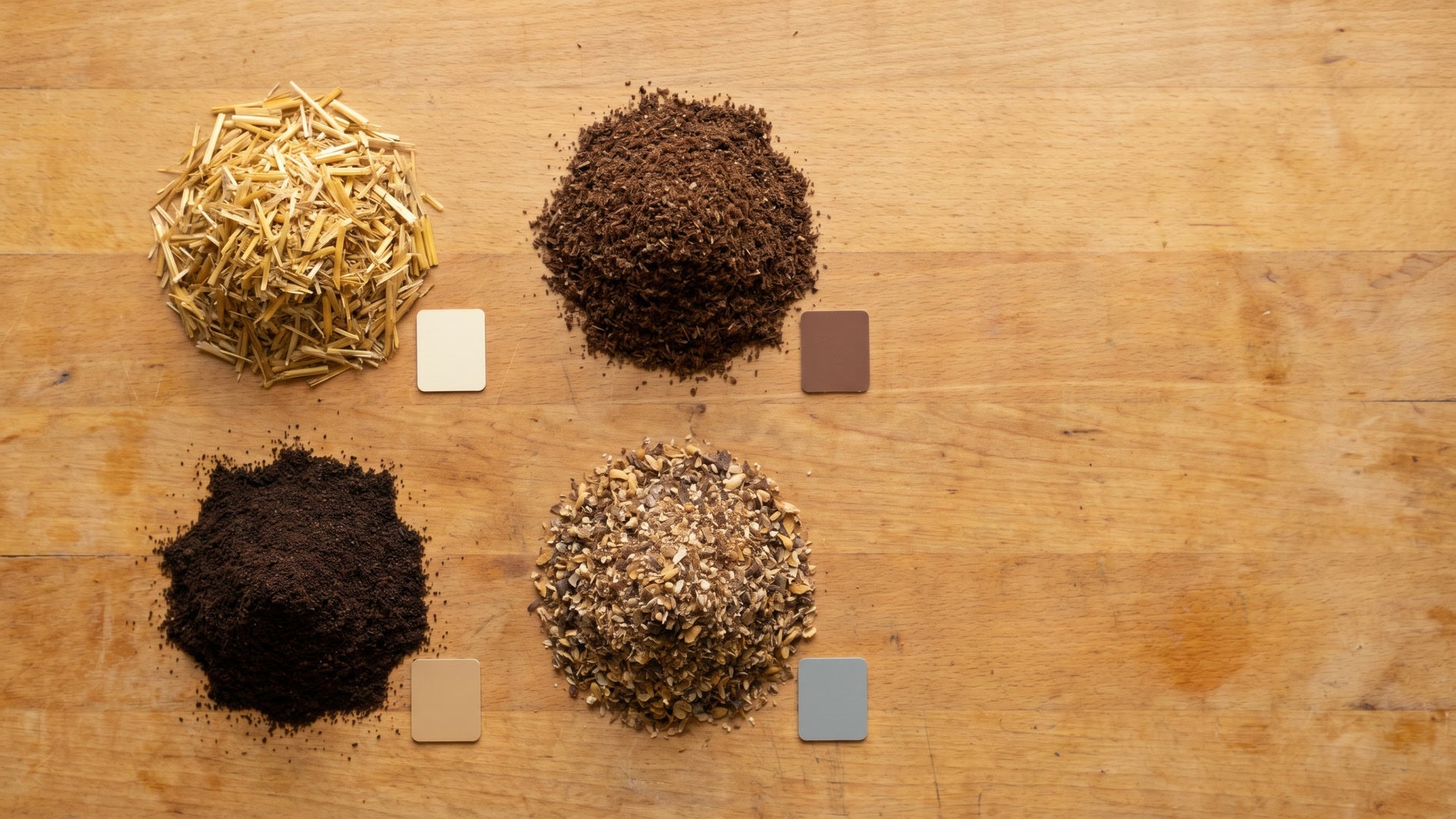
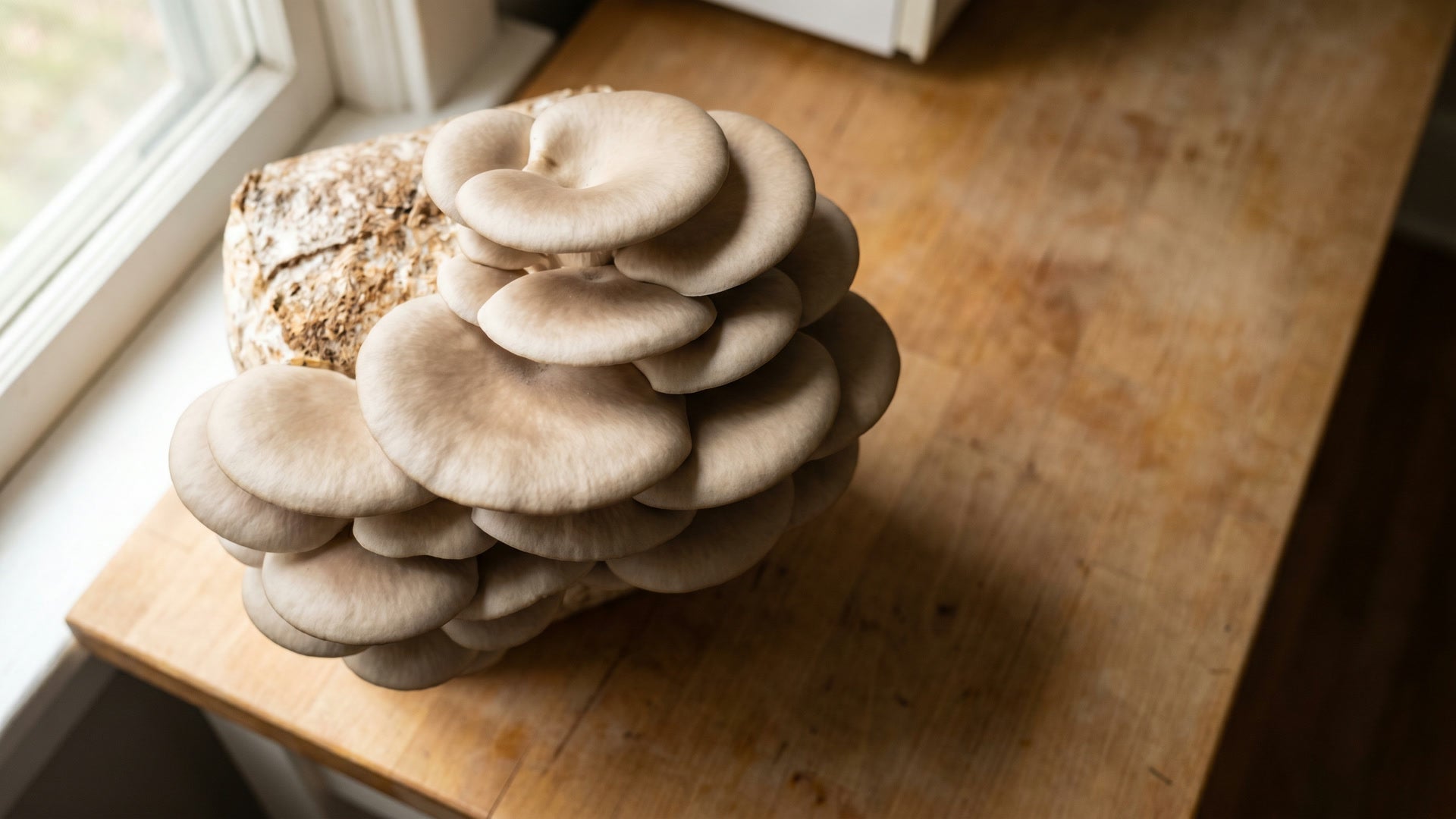
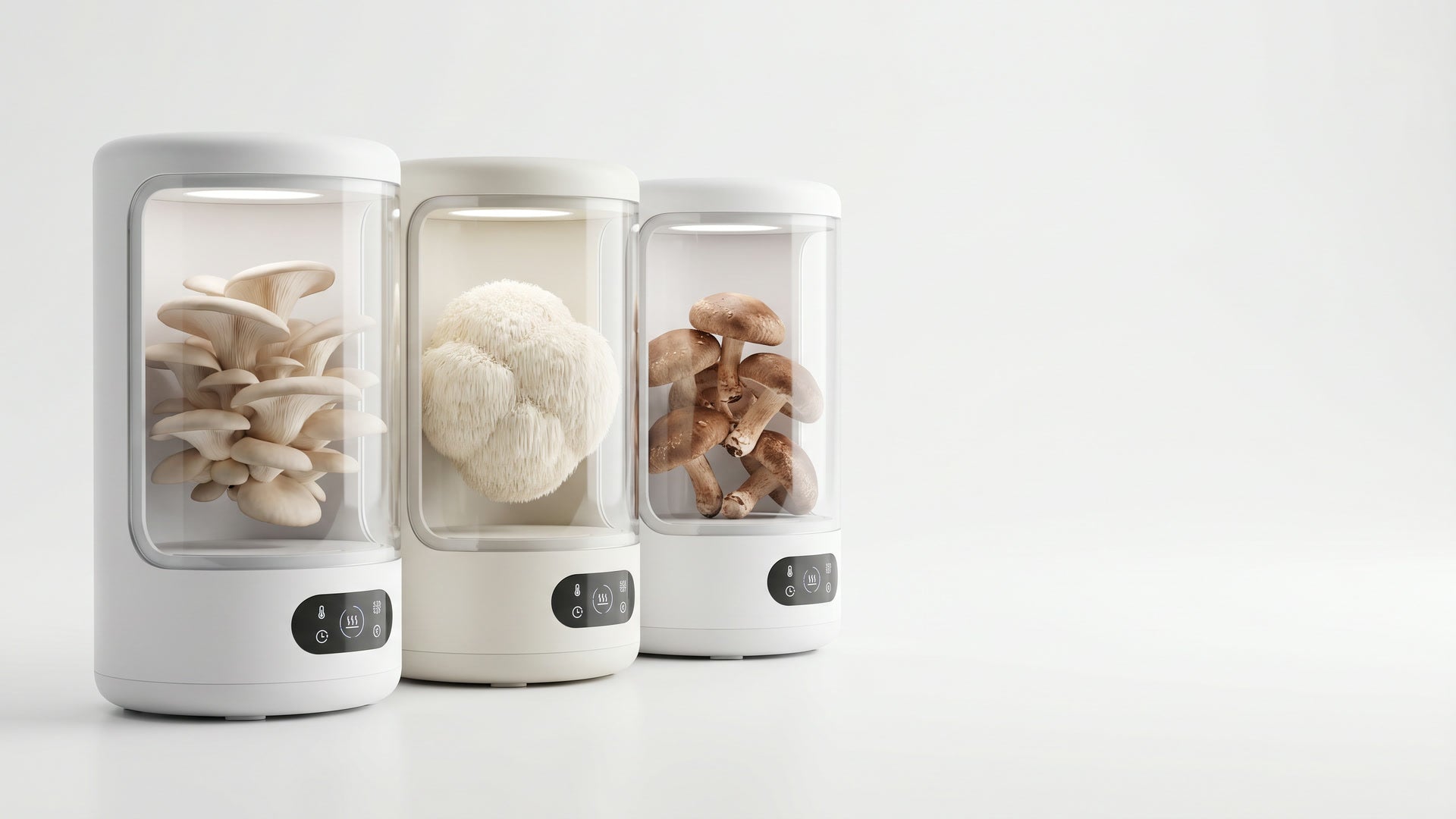
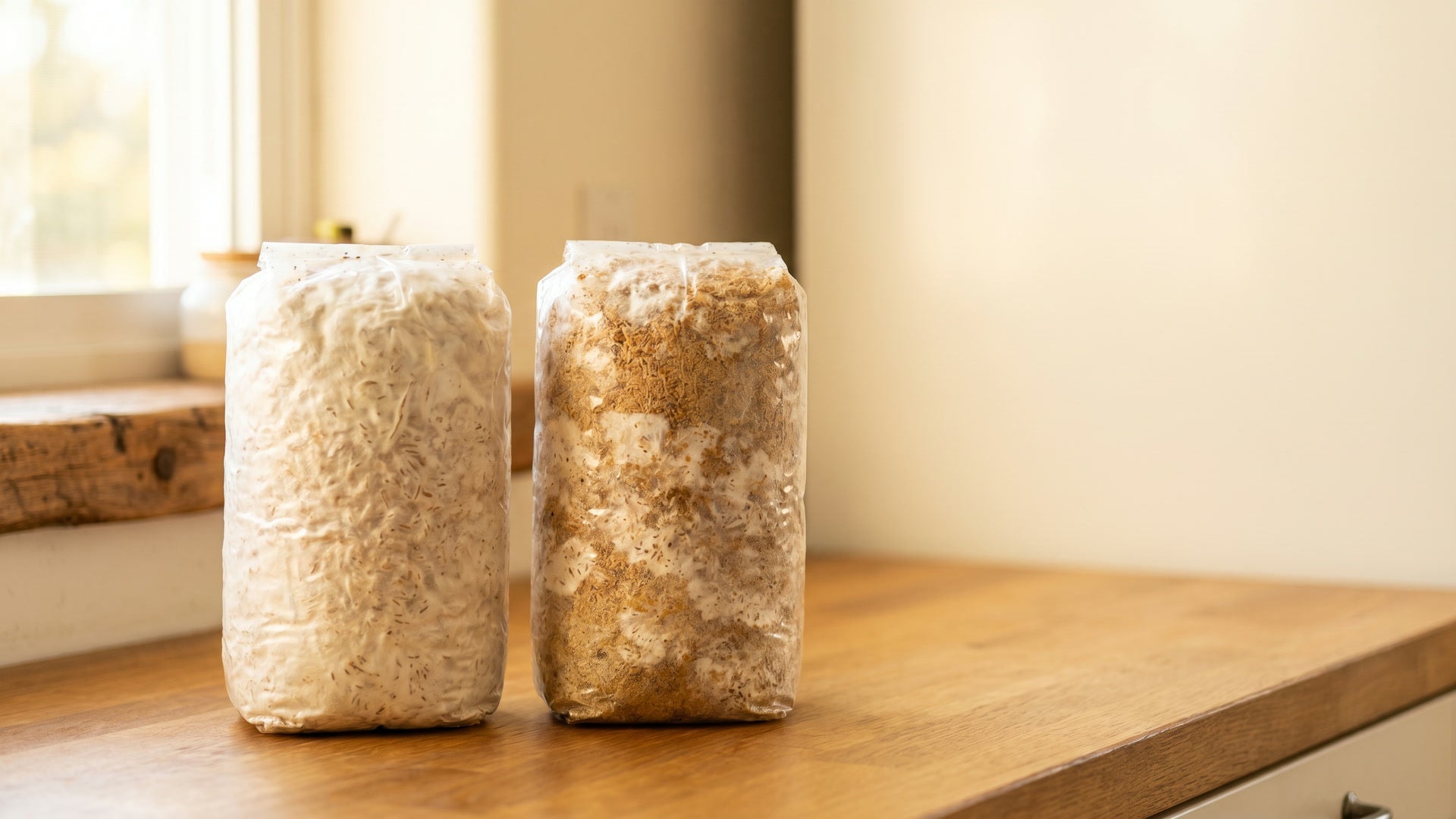
The pragmatic alternative: cultivated functional mushrooms. You can grow your own functional mushrooms at home in 5 to 14 days, species like lion's mane, oyster, and reishi share chaga's beta-glucan immune profile without requiring a 20-year-old wild birch. Cultivated chaga itself is weaker because the bioactives depend on the birch host. For the beta-glucan profile specifically, cultivated lion's mane, reishi, and turkey tail give you the same compound class with a fraction of the sustainability footprint.
We're not telling you to never consume chaga. We're saying ask where it came from, who harvested it, and how old the tree was. A reputable supplier answers all three. If they can't, it's almost certainly stripped from an underaged tree.
Frequently asked questions
How much chaga should I take per day?
For general wellness, 1 to 2 grams per day of a standardized hot-water extract. The blood-sugar trial (Lee et al., 2017) used 3 grams per day for 8 weeks. Do not exceed 4 grams per day in sustained use because of the oxalate risk. One thumb-sized chunk simmered in 1 liter of water yields roughly a 1 to 1.5 gram extract dose per cup.
Is chaga safe to take every day?
For most healthy adults, yes, at 1 to 3 grams of extract daily. Long-term safety data beyond 12 weeks of continuous use is limited, so cycling (5 days on, 2 off, or 3 weeks on, 1 off) is a reasonable precaution. Anyone on blood thinners, diabetes medication, or with kidney disease should not take chaga daily without medical supervision.
Does chaga actually help with immune function in humans?
The strongest human evidence is the 2011 Korean trial (Kim et al.) showing increased NK cell activity and IgM antibody production after 12 weeks of 1.5g/day. The effect is modest and supportive, not curative, and works best alongside the rest of a wellness routine (sleep, exercise, vitamin D status).
Can chaga cause kidney problems?
At high doses, yes. The published oxalate-nephropathy case (Kikuchi et al., 2014) involved 4 to 5 teaspoons of powder daily for 6 months in someone with prior liver disease. Stay under 4g/day, stay hydrated, and avoid chaga entirely if you have a history of calcium oxalate kidney stones or chronic kidney disease.
How is chaga different from reishi?
Different fungus, different host, different bioactive profile. Chaga grows on birch and is highest in antioxidant SOD activity (and oxalates). Reishi (Ganoderma lucidum) grows on hardwood logs and is highest in ganoderic-acid triterpenes that drive its sleep and calm effects. Use chaga for antioxidant and metabolic support, reishi for sleep, stress, and immune support.
Why is wild chaga more potent than cultivated chaga?
Wild chaga absorbs betulinic acid and other birch-derived triterpenes from its host tree over years. Cultivated chaga is grown on sterilized grain and never contacts birch, so the triterpene profile is significantly weaker. The beta-glucans are still produced, but the full spectrum requires the birch host.
Can I take chaga with other medicinal mushrooms?
Yes, with sensible totals. Chaga, lion's mane, reishi, turkey tail, and cordyceps stack well because they target overlapping but distinct mechanisms. Keep total combined extract intake under about 6g/day and watch for unusual reactions in the first 2 weeks. For the cognition-focused stack, see our lion's mane benefits guide.
What does good-quality chaga look like?
Whole wild chaga is a dense, heavy chunk with a deeply cracked charcoal-black exterior and a bright golden-orange to rusty-amber interior that smells faintly of vanilla and damp wood. For powders, the label should specify "hot-water extract" or "dual extract" with a ratio (10:1) or a stated beta-glucan percentage (10-20% is good, over 25% is excellent). Avoid any product whose label just says "chaga powder" without an extraction note: that's typically raw ground mushroom with very low bioavailability.
Sources and further reading
1. Glamoclija J, et al. Chemical characterization and biological activity of Chaga (Inonotus obliquus), a medicinal "mushroom". J Ethnopharmacol. 2015 Mar 13;162:323-32. PubMed 25576897 2. Kim YO, et al. Immunomodulatory activity of the water extract from medicinal mushroom Inonotus obliquus. Int Immunopharmacol. 2011 Apr;11(4):553-9. PubMed 21256385 3. Park YK, et al. Chaga mushroom extract inhibits oxidative DNA damage in human lymphocytes. Mutat Res. 2009 Mar 9;664(1-2):11-7. (Referenced via the broader Park lab dataset on chaga and oxidative damage.) 4. Lee S, et al. Effects of Inonotus obliquus extract on insulin sensitivity in non-obese type 2 diabetes mellitus. Mycobiology. 2017. (Referenced via Korean Mycobiology Society indexed trial.) 5. Yun JS, et al. Inhibitory effects of Inonotus obliquus on UV-induced damage in cultured human dermal fibroblasts. Mycobiology. 2011 Sep;39(3):165-71. PMC 6. Mishra SK, et al. Effect of Inonotus obliquus aqueous extract on NF-kB activation. J Ethnopharmacol. 2012 Sep 28;143(2):524-32. PubMed 22842471 7. Zheng W, et al. Production and characterization of antioxidant compounds from Inonotus obliquus. Bioresour Technol. 2010 May;101(10):3837-44. PubMed 20149643 8. Lee MW, et al. Mycobiota of Korea. Mycobiologia survey on Inonotus obliquus distribution and birch-host specificity. 2008. 9. Kikuchi Y, et al. Chaga-induced oxalate nephropathy. CEN Case Reports. 2014. (Single-case report establishing the oxalate risk.) 10. Choi SY, et al. Inhibitory effects of Inonotus obliquus on the production of nitric oxide, prostaglandin E2, TNF-alpha, and IL-6. Int J Mol Med. 2010 Aug;26(2):309-15. PubMed 20596610 11. Yi J, et al. Anti-fatigue effects of Inonotus obliquus polysaccharides. Int J Biol Macromol. 2017 Sep;103:1303-1312. 12. Estonian Environment Agency. Annual species status review, including Inonotus obliquus. 2023.
Where to go next on Lykyn
- Want the practical brewing recipe? How to make chaga mushroom tea at home
- Step-by-step on water temperature, simmer time, and reuse: how do you make chaga tea
- Skin-specific deep dive: chaga mushroom skin benefits
- Cognition stack: lion's mane mushroom benefits, science 2026
- The comparison post: reishi mushroom benefits
- Prefer to cultivate your own functional mushrooms instead of foraging? Lykyn smart mushroom grow box gives you fresh lion's mane, reishi, oyster, and more in 5 to 14 days with no birch tree casualties.
Share:
Turkey Tail Mushroom: A Secret to Weight Loss
How to Make Chaga Mushroom Tea at Home