


Quick Answer: Clam mushrooms are a cold-tolerant variety of oyster mushroom (Pleurotus ostreatus var. columbinus) prized for their delicate seafood-like flavor and meaty texture. They grow best between 45-65°F, fruit in 7-14 days from pinning, and are considered one of the easiest gourmet mushrooms for home cultivators to grow successfully.
So you've heard about clam mushrooms and you're curious. Maybe you saw them at a farmers market, or a friend mentioned they taste like actual seafood. Either way, you're in the right place.

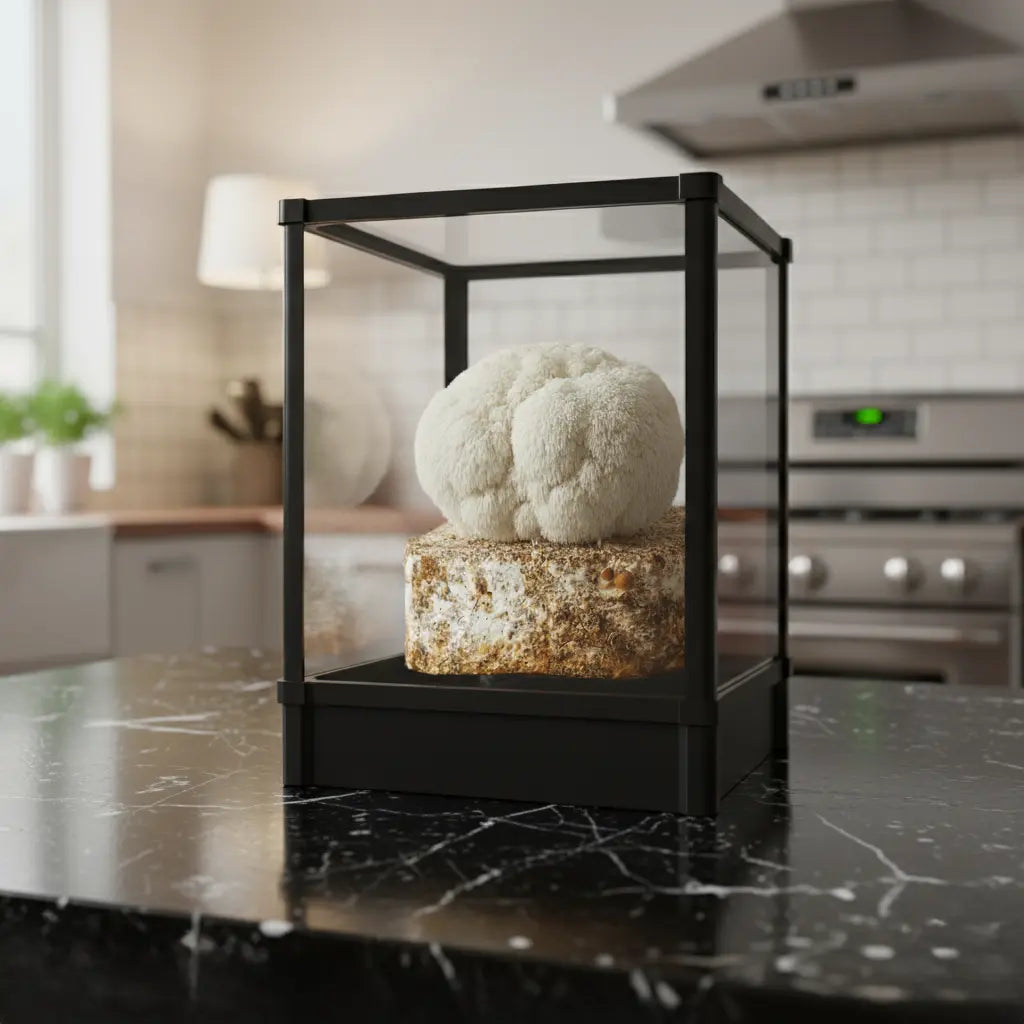
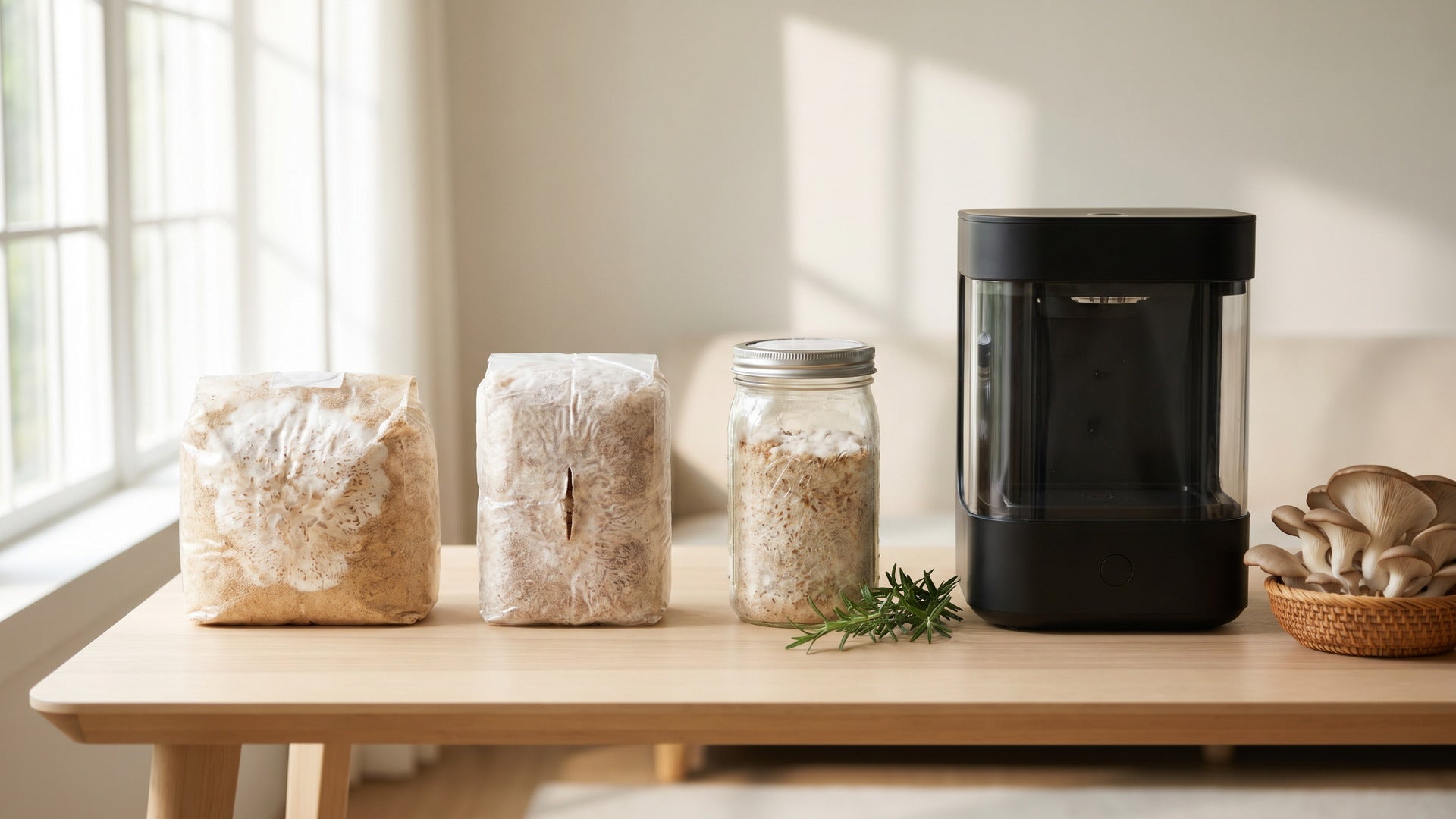
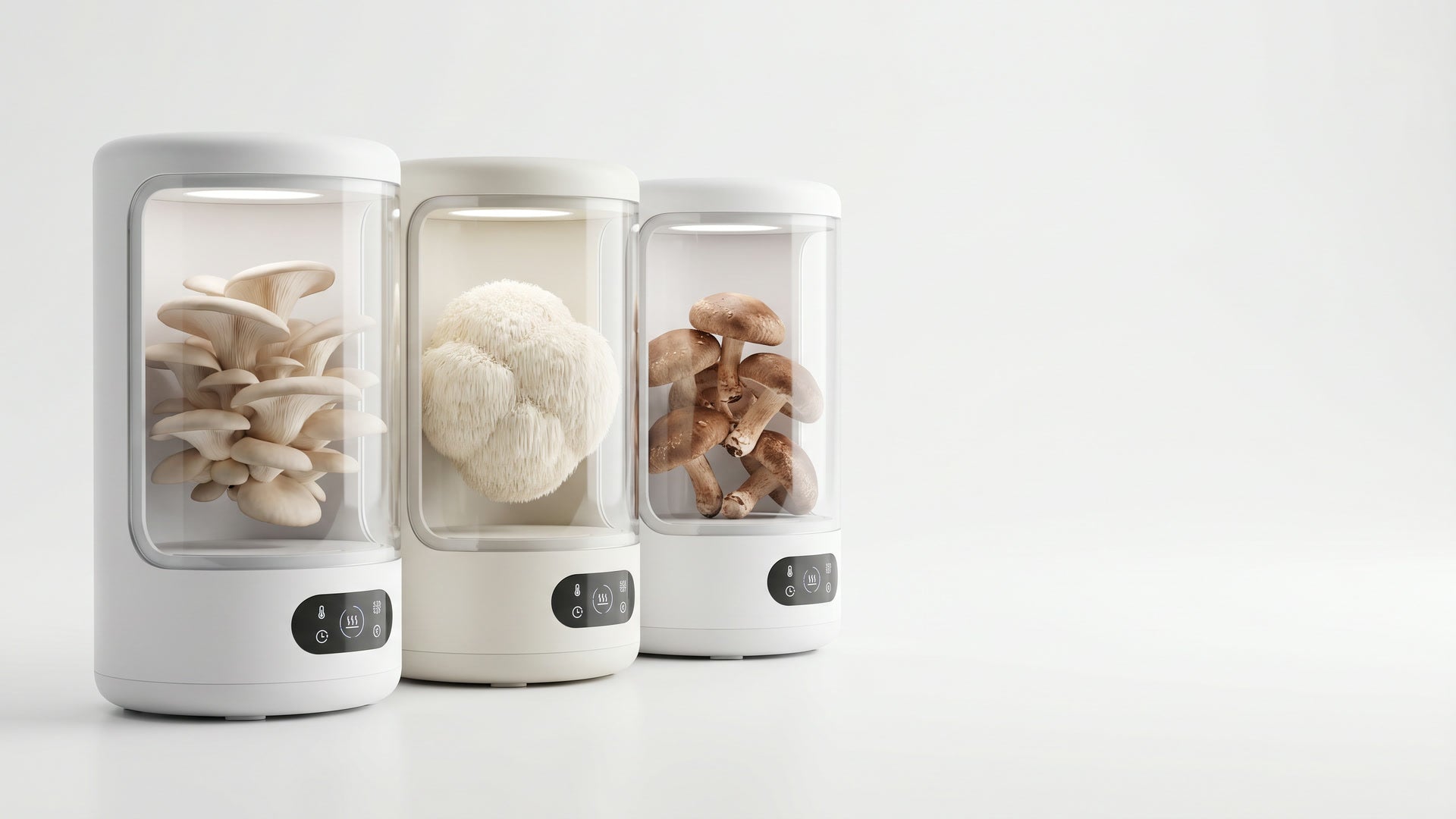
Smart Chamber. Bone White Single
- 2.8L tank, 90% humidity automatic
- App-controlled, plug-and-play
- 6 lb block ceiling, in stock

Smart Chamber. Obsidian Black Single
- Same hardware as Bone White
- Matte black premium finish
- Pairs with any kitchen palette

I've been growing these beauties for three years now, and honestly? They're one of my favorite species to cultivate. The clam mushroom offers something special that most oyster varieties don't, a subtle briny flavor that genuinely reminds you of the ocean.
Let me walk you through everything you need to know about this fascinating fungus, from what makes it unique to how you can grow it in your spare room.
What Exactly Is a Clam Mushroom?
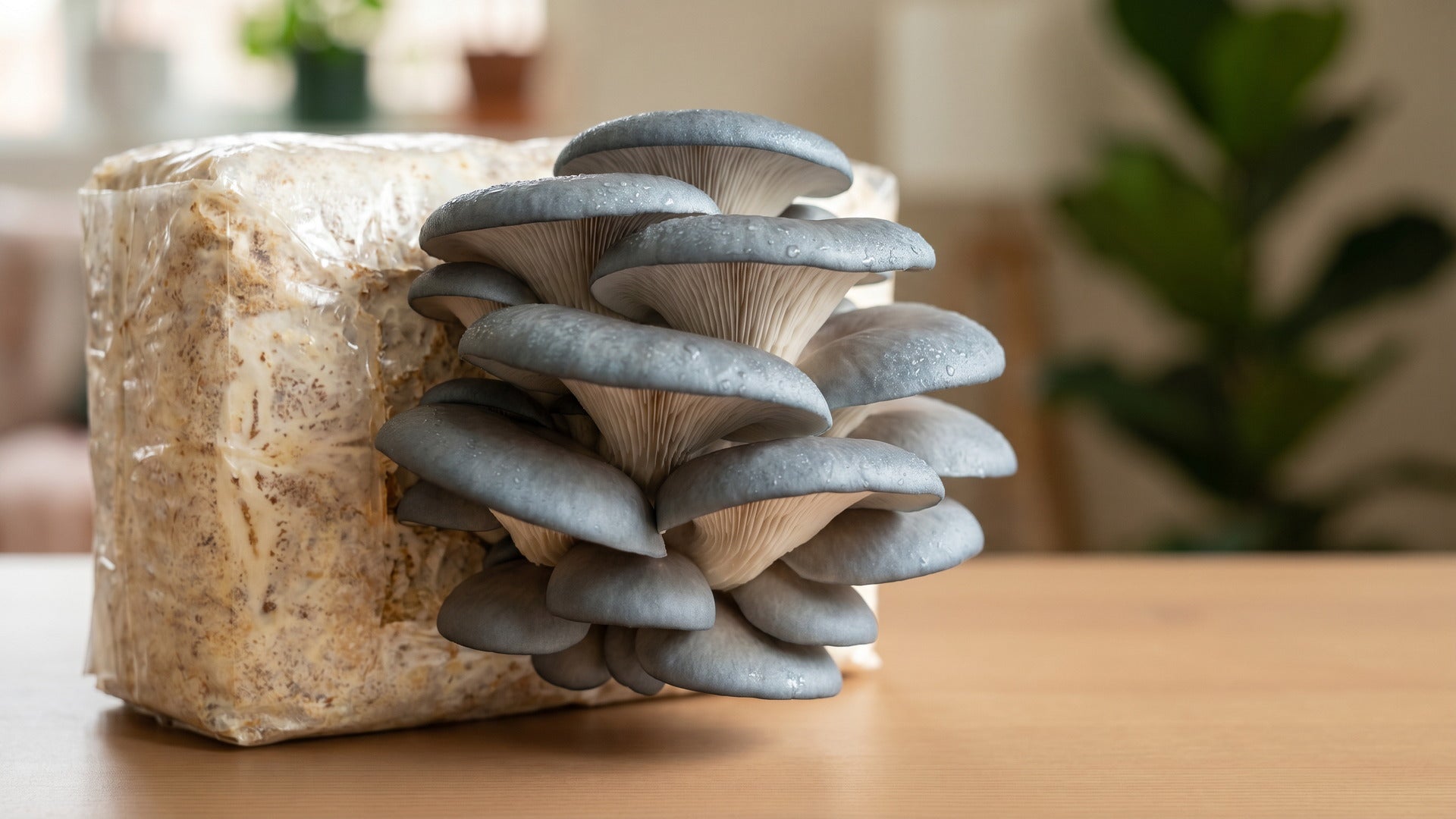
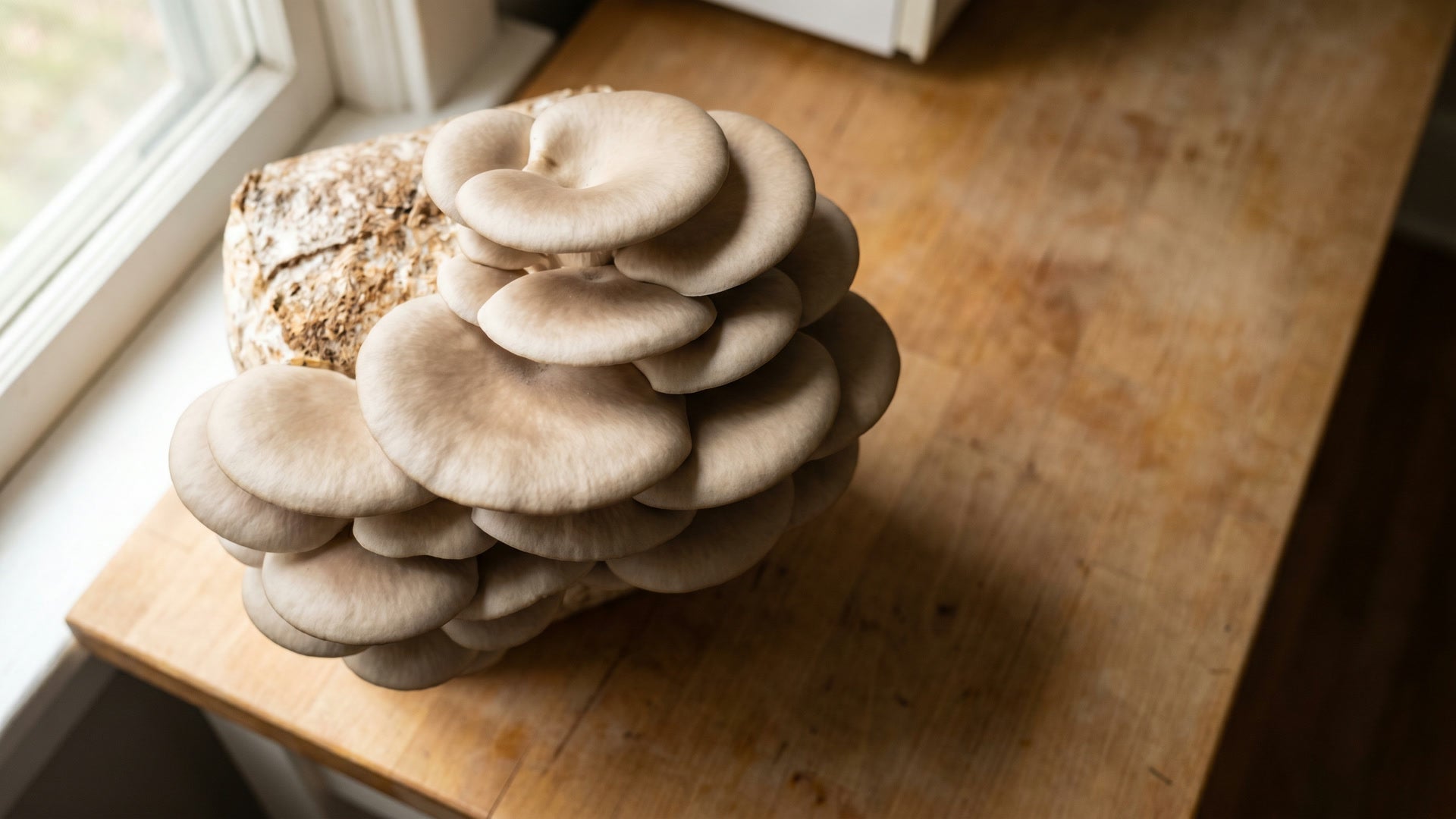
The clam mushroom belongs to the oyster mushroom family, scientifically known as Pleurotus ostreatus var. columbinus. Some growers also call it the blue oyster mushroom, though there's ongoing debate about whether they're identical or closely related subspecies.
Here's what makes clam mushrooms stand out from their oyster cousins:
Physical Characteristics
| Feature | Clam Mushroom | Standard Oyster |
|---|---|---|
| Cap Color | Pale gray-blue | Tan to brown |
| Size | 2-6 inches | 2-8 inches |
| Texture | Firm, meaty | Slightly softer |
| Gills | Creamy white, decurrent | White, decurrent |
| Stem | Short, off-center | Short, off-center |
The caps develop a distinctive blue-gray hue when young, fading to pale gray as they mature. This coloring intensifies in cooler growing conditions, one reason they're sometimes called "cold weather oysters."

Flavor Profile and Culinary Uses
This is where clam mushrooms really shine. Unlike standard oysters that taste earthy and mild, clam mushrooms deliver a subtle seafood essence. Some describe it as "oceanic" or "briny", not fishy, just pleasantly reminiscent of fresh clams.
That unique flavor makes them perfect for:
- Seafood pasta dishes (especially clam linguine substitutes)
- Vegan and vegetarian "seafood" recipes
- Stir-fries where you want umami depth
- Cream-based soups and chowders
- Sautéed as a standalone side dish
If you're already comfortable with mushroom cultivation, you'll find the clam mushroom follows similar growing principles to what's covered in our complete guide on how to grow shrooms.
How to Grow Clam Mushrooms at Home
Here's the good news: clam mushrooms are genuinely beginner-friendly. They're forgiving, fast-growing, and don't require expensive equipment to get started.
Essential Supplies You'll Need
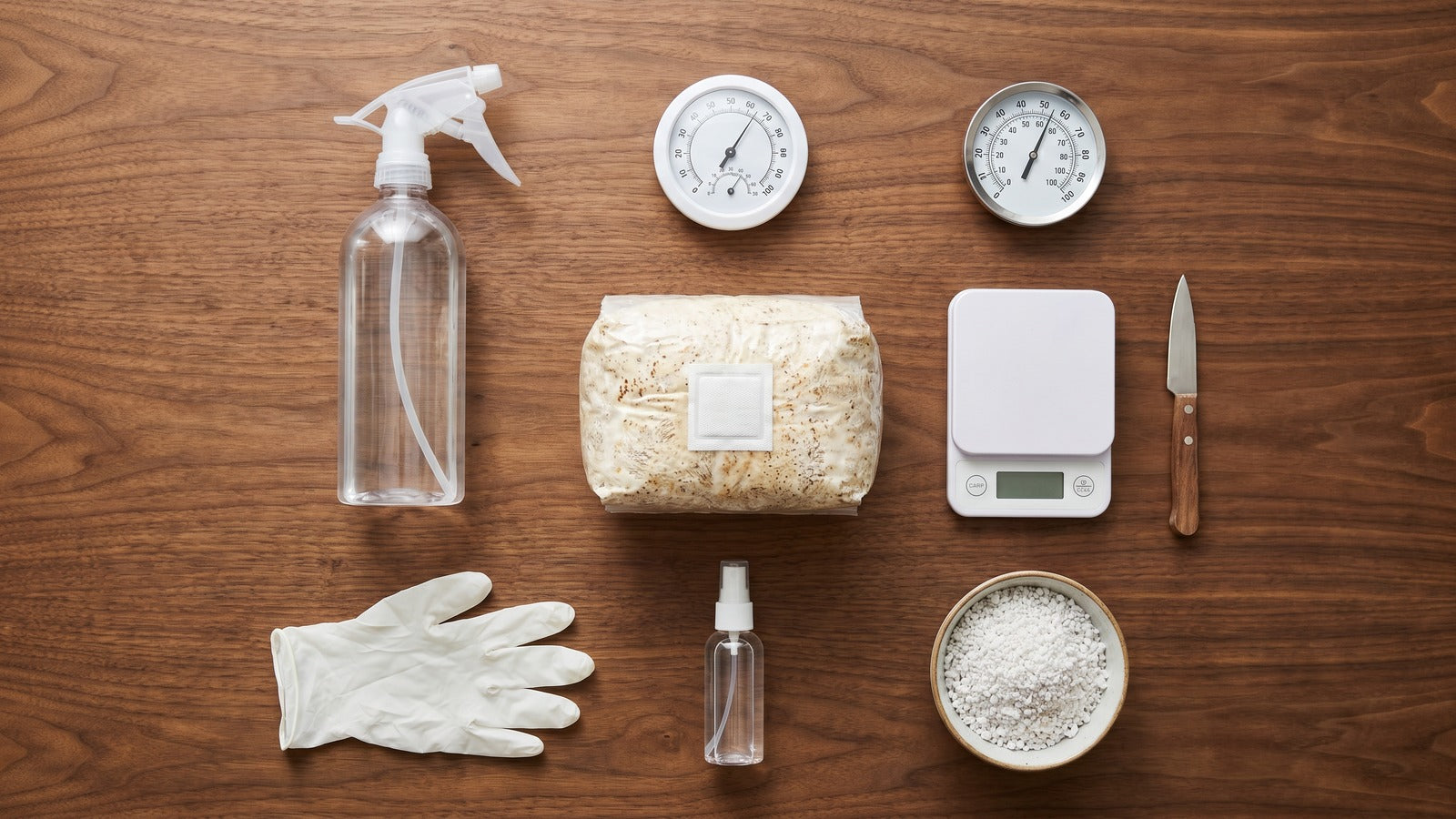
Before diving in, gather these materials:
- Mushroom spawn or liquid culture
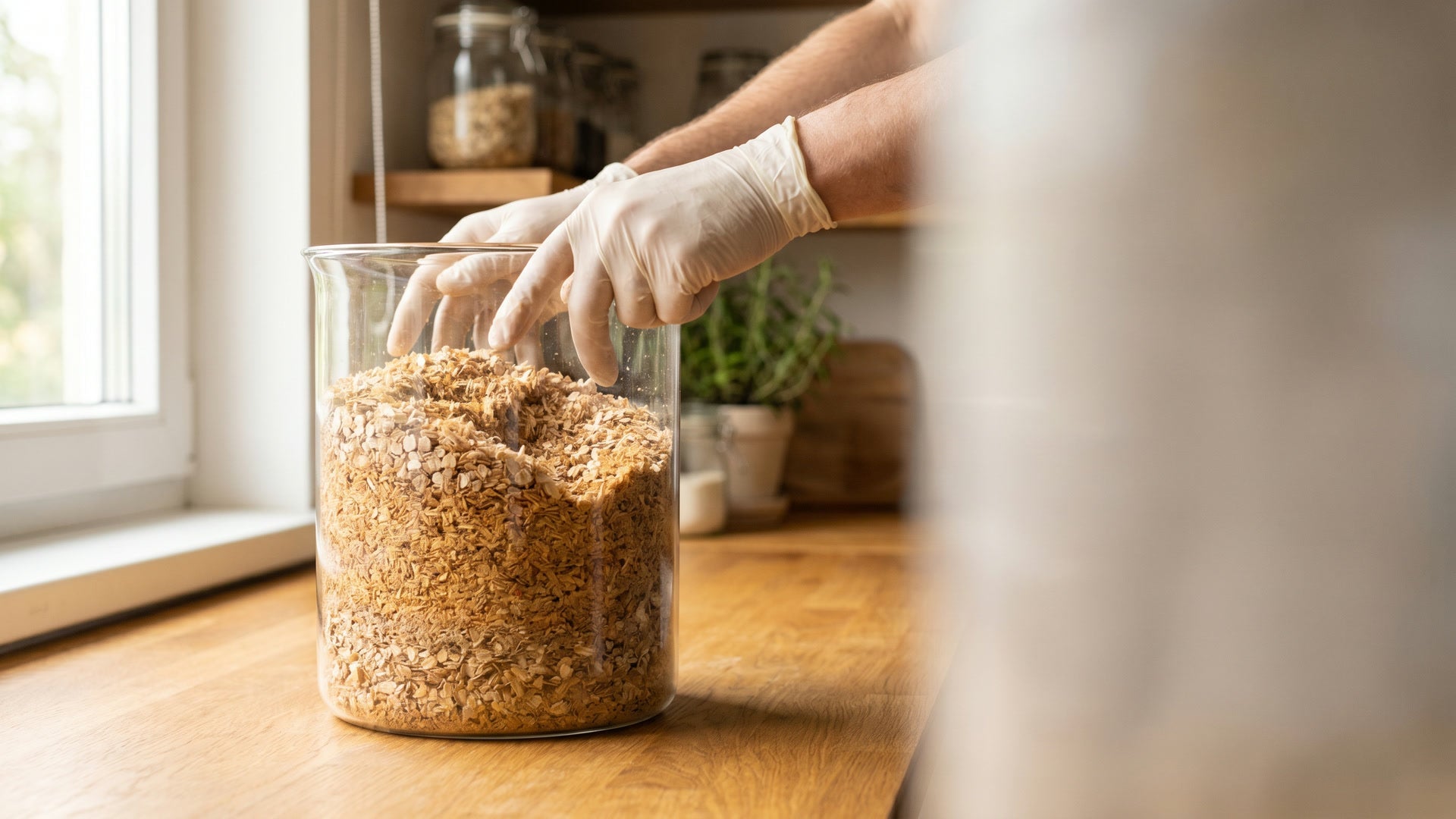
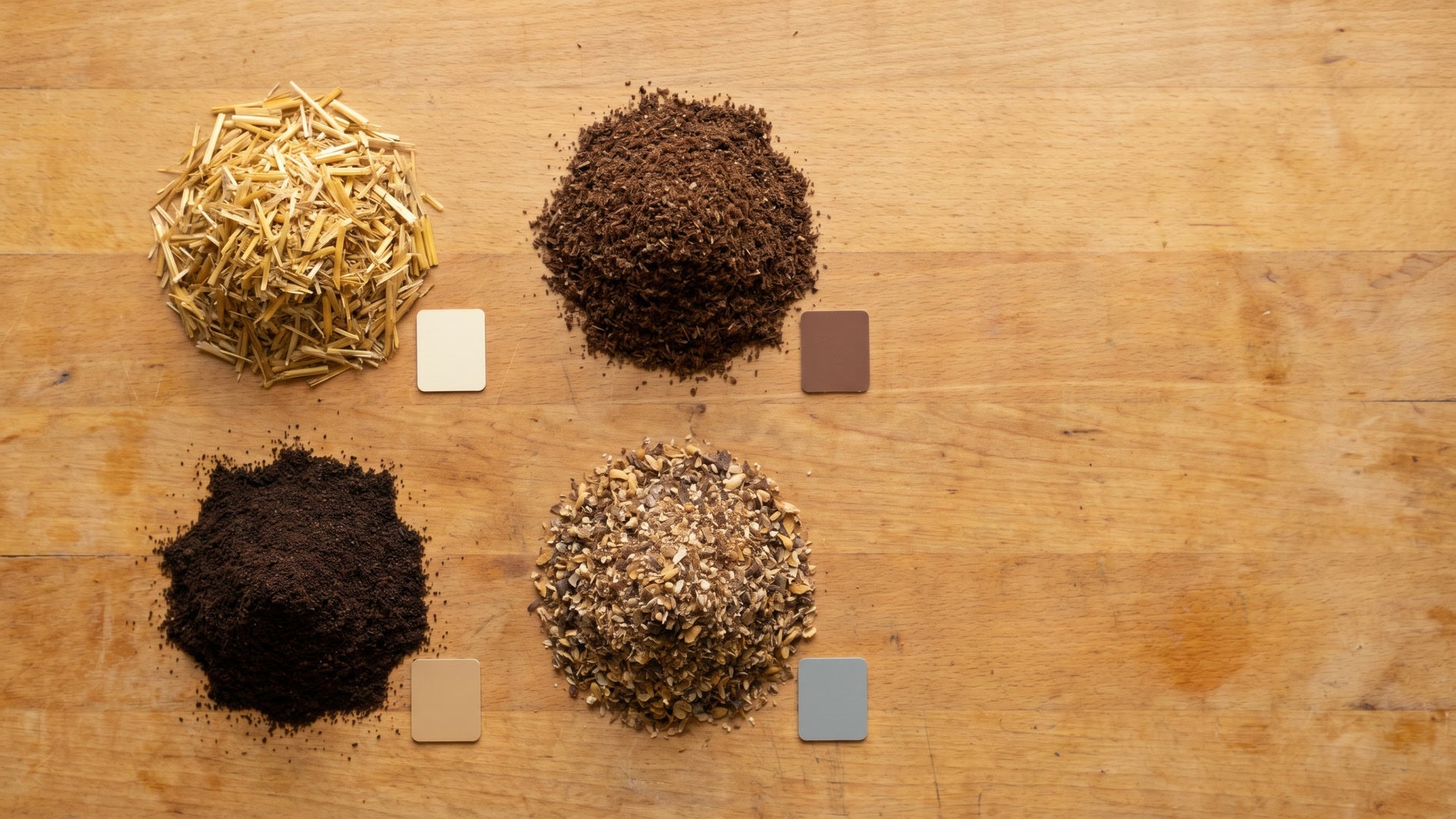
- Growing substrate (straw, hardwood sawdust, or supplemented sawdust)
- Growing container (bags, buckets, or trays)
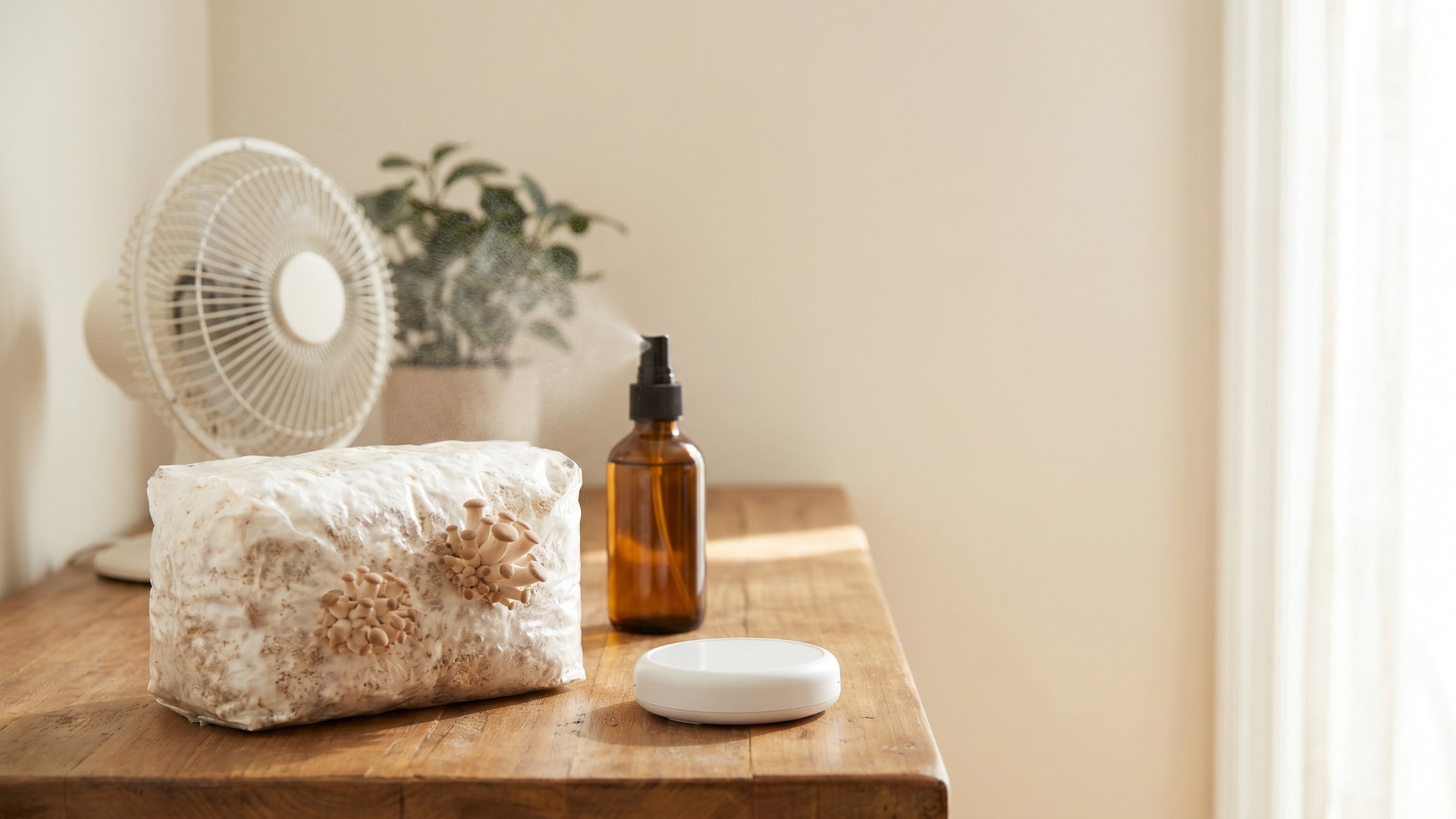
- Spray bottle for misting
- Thermometer and hygrometer
- Clean workspace
For beginners, I always recommend starting with a Smart Mushroom Grow Kit that includes everything pre-configured. It takes the guesswork out of your first few grows and teaches you the fundamentals before you scale up.

Step-by-Step Cultivation Process
Step 1: Prepare Your Substrate
Clam mushrooms thrive on pasteurized straw or supplemented hardwood sawdust. The substrate should reach 160-180°F during pasteurization to eliminate competing organisms.
For a 5-pound bag of substrate, you'll need approximately 1-2 cups of spawn.
Step 2: Inoculate in a Clean Environment
This step matters more than people realize. Contamination is the number one reason home grows fail.
Use a Still Air Box to create a contamination-free zone during inoculation. Mix your spawn thoroughly into the cooled substrate, then seal the bag with a filter patch for gas exchange.
Step 3: Incubation (7-14 Days)
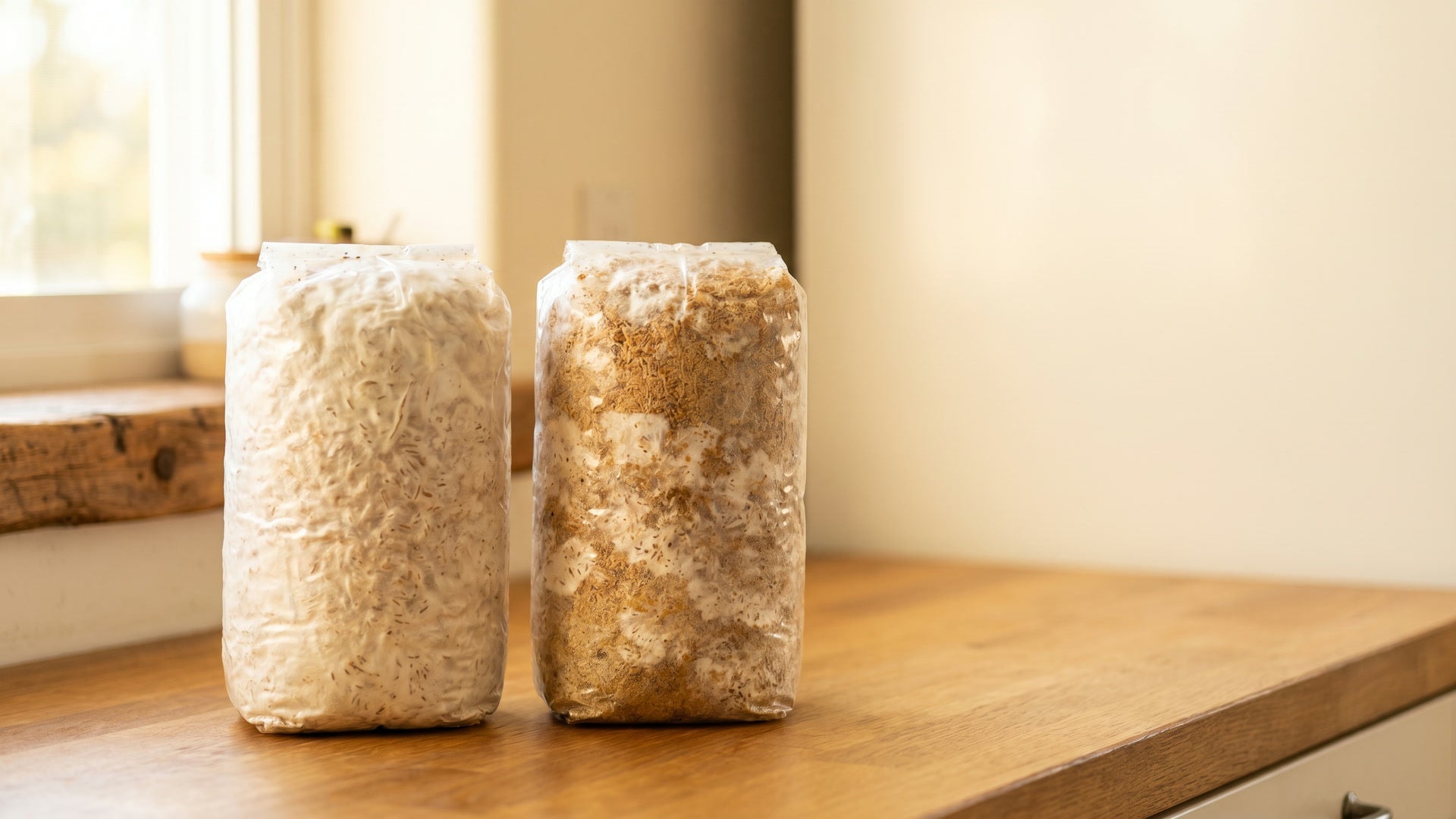
Store your inoculated bags at 65-75°F in darkness. You'll see white mycelium spreading through the substrate, this is healthy colonization.
Full colonization typically takes 10-21 days depending on temperature and spawn ratio.
Step 4: Initiate Fruiting
Once fully colonized, move bags to fruiting conditions:
- Temperature: 45-65°F (cooler than most oyster varieties)
- Humidity: 80-95%
- Fresh air: Adequate exchange to prevent CO2 buildup
- Light: Indirect natural or fluorescent light, 12 hours daily
Cut small X-shaped slits in the bag where you want mushrooms to fruit.
Step 5: Harvest at Peak
Clam mushrooms are ready when cap edges begin flattening but before they curl upward. This usually happens 7-14 days after introducing fruiting conditions.

Fuel Your Mushroom Journey
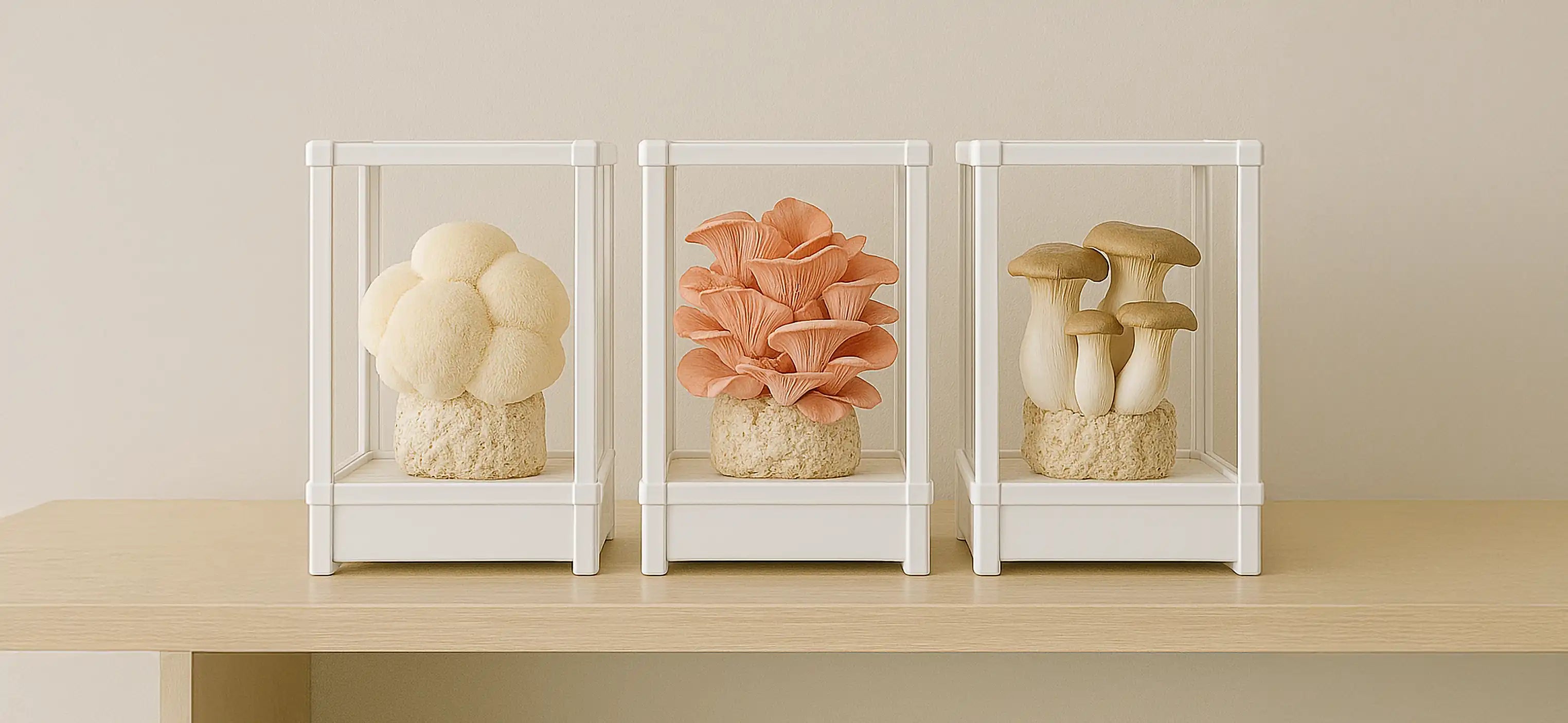
Smart Mushroom Grow Chamber
Plug-and-play smart chamber with humidity, light, and airflow dialed in for every species. Beginners harvest their first flush in days, not months.
Add to cart $299Twist and pull gently at the base, they should release cleanly.
For those wanting to experiment with different oyster varieties, our Blue Oyster Mushroom Liquid Culture offers a closely related strain that shares many cultivation characteristics with clam mushrooms.
Clam Mushroom vs. Other Oyster Varieties
Understanding how clam mushrooms compare to other oysters helps you choose the right variety for your goals.
Temperature Requirements Comparison
| Variety | Fruiting Temp | Colonization Temp | Difficulty |
|---|---|---|---|
| Clam/Blue Oyster | 45-65°F | 65-75°F | Beginner |
| Pearl Oyster | 55-75°F | 70-80°F | Beginner |
| Pink Oyster | 65-85°F | 75-85°F | Beginner |
| King Oyster | 50-65°F | 70-75°F | Intermediate |
Clam mushrooms excel in cooler environments where other varieties struggle. This makes them ideal for:
- Basement grows without heating
- Garage cultivation in spring and fall
- Outdoor cultivation in temperate climates
- Winter growing in insulated spaces
If you're exploring different species, our guide to growing your own mushrooms at home covers temperature management across multiple varieties.

Common Problems and How to Fix Them
Even experienced growers hit snags. Here are issues I've encountered with clam mushrooms and how to solve them:
Slow or No Pinning
Problem: Mycelium colonized fully but won't fruit.
Solution: Drop temperature to 50-55°F and increase fresh air exchange. Clam mushrooms need that cold shock to initiate pinning. Some growers place bags in a refrigerator for 24 hours before moving to fruiting conditions.
Leggy, Long-Stemmed Mushrooms
Problem: Mushrooms stretch with tiny caps and long stems.
Solution: This signals CO2 buildup. Increase air circulation immediately. Clam mushrooms need more fresh air than some growers expect.
Contamination Before Colonization
Problem: Green, black, or unusual colors appearing in substrate.
Solution: Contaminated bags cannot be saved. Improve your sterile technique and consider our mushroom spore kit guide for detailed contamination prevention strategies.
Health Benefits of Clam Mushrooms
Beyond their culinary appeal, clam mushrooms offer legitimate nutritional value backed by research:
- Protein content: 2.5-3g per 100g serving (higher than most vegetables)
- Beta-glucans: Immune-supporting polysaccharides studied extensively in oyster mushroom varieties
- B vitamins: Particularly B3 (niacin) and B5 (pantothenic acid)
- Ergothioneine: A unique antioxidant found in mushrooms that humans cannot synthesize
- Low calorie: Approximately 33 calories per 100g
A 2024 study published in the Journal of Functional Foods found that regular oyster mushroom consumption correlated with improved cholesterol markers in participants over 12 weeks. While clam mushrooms specifically weren't isolated, they share the same beneficial compounds as their oyster relatives.
Disclaimer: This information is educational only. Consult healthcare professionals regarding specific health conditions.
Frequently Asked Questions About Clam Mushrooms
What does a clam mushroom taste like?
Clam mushrooms have a subtle, briny flavor reminiscent of fresh seafood. Unlike standard oyster mushrooms that taste earthy and mild, clam mushrooms offer a delicate oceanic essence that works beautifully in seafood-style dishes. The flavor intensifies when sautéed in butter or olive oil.
Are clam mushrooms and blue oyster mushrooms the same thing?
They're extremely similar and often used interchangeably. Both belong to Pleurotus ostreatus var. columbinus and share identical growing requirements and flavor profiles. Some mycologists consider them the same variety with different common names, while others note subtle strain differences.
How long do clam mushrooms take to grow from start to harvest?
Expect 4-6 weeks from inoculation to first harvest. Colonization takes 10-21 days, followed by 7-14 days of fruiting. Subsequent flushes (additional harvests from the same substrate) can produce mushrooms every 1-2 weeks for 2-3 additional cycles.
What temperature do clam mushrooms need to fruit?
Clam mushrooms fruit best between 45-65°F, making them one of the most cold-tolerant gourmet mushroom varieties. They actually require this cooler temperature range, warmer conditions above 70°F often prevent proper pinning entirely.
Can I grow clam mushrooms outdoors?
Yes, clam mushrooms thrive outdoors in temperate climates during spring and fall. Outdoor cultivation uses logs, straw bales, or cardboard as substrates. Expect longer colonization times but often larger harvests than indoor grows.
How do I store harvested clam mushrooms?
Fresh clam mushrooms keep 7-10 days refrigerated in a paper bag (not plastic, which traps moisture). For longer storage, dry them in a food dehydrator at 125°F or sauté and freeze. Dried clam mushrooms rehydrate well in warm water for 20-30 minutes.
Are clam mushrooms safe for beginners to grow?
Absolutely. Clam mushrooms rank among the easiest gourmet species for first-time cultivators. Their aggressive mycelium resists contamination better than many species, and they're forgiving of minor environmental fluctuations during fruiting.
Start Growing Clam Mushrooms Today
Clam mushrooms offer something genuinely unique in the mushroom world, a forgiving cultivation process combined with a flavor profile you won't find anywhere else. That subtle seafood essence makes them invaluable for plant-based cooking and adventurous home chefs alike.
Here's what we covered:
- Identification: Pale blue-gray caps, firm texture, Pleurotus ostreatus var. columbinus
- Flavor: Subtle briny, seafood-like taste perfect for clam-style dishes
- Growing conditions: Cool-loving (45-65°F), high humidity, good air exchange
- Timeline: 4-6 weeks from inoculation to harvest
- Difficulty: Beginner-friendly with forgiving, aggressive mycelium
The best way to learn mushroom cultivation is simply to start. Grab a grow kit, follow the steps above, and pay attention to what your mushrooms tell you.
Ready to Grow Your First Clam Mushrooms?
Get Started with Our Smart Mushroom Grow Kit →
Everything you need is included, substrate, spawn, and instructions. Most customers harvest their first flush within 3-4 weeks.
Questions about clam mushroom cultivation? Drop us a message, we actually answer.
Share:
How to Make the Best Mushroom Swiss Burger You've Ever Tasted
How to Make the Best Homemade Cream of Mushroom Soup From Scratch