



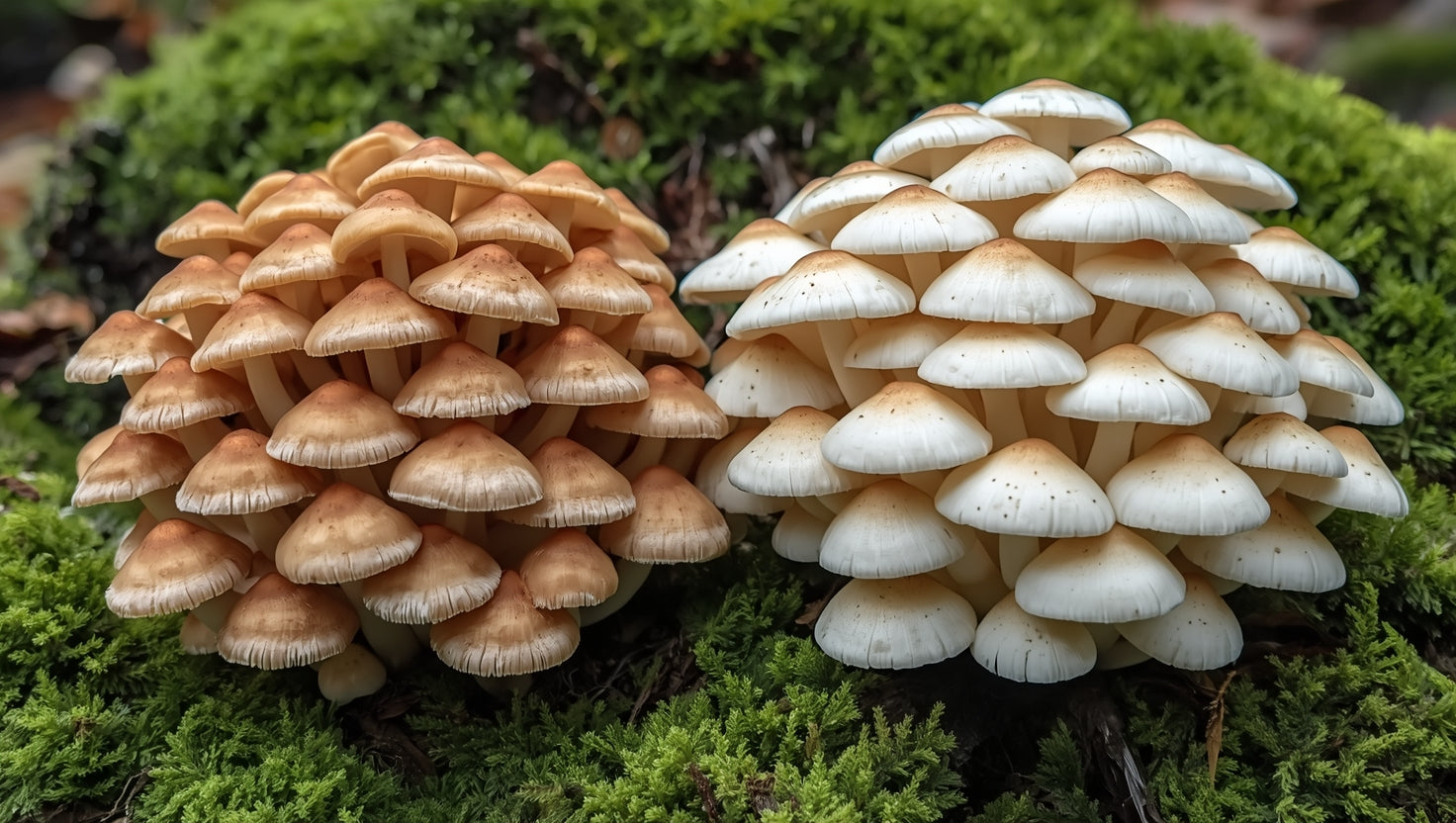
Beech mushrooms, scientifically known as Hypsizygus tessulatus, have been captivating culinary enthusiasts worldwide with their delicate appearance, unique texture, and nutty flavor profile. These small, clustered mushrooms—also called shimeji or clamshell mushrooms—have transitioned from an East Asian delicacy to a globally appreciated gourmet ingredient. Whether you're interested in cultivation, cooking, or simply learning about these remarkable fungi, this comprehensive guide will provide everything you need to know about beech mushrooms.

Understanding Beech Mushrooms: Varieties and Characteristics
Native to East Asia, particularly Japan, China, and Korea, beech mushrooms have spread to other parts of the world including North America, Europe, and Australia. Their name derives from their natural habitat—they're typically found growing on beech trees in the wild, though they can also colonize other hardwoods.
Main Varieties
Beech mushrooms come in two main commercial varieties:
- Brown Beech Mushrooms (Buna-shimeji): The original wild type with brown to tan caps and white stems. They're sometimes called brown clamshell mushrooms.
- White Beech Mushrooms (Bunapi-shimeji): A cultivated mutation of brown beech mushrooms with all-white coloration. These were developed in Japan and are rarely found in the wild.
Both varieties grow in bouquet-like clusters and offer similar flavors and textures, though some culinary enthusiasts note subtle differences between them.
Key Characteristics
Beech mushrooms have several distinctive features:
- Appearance: Small, rounded caps (2-5 cm in diameter) atop long, slender stems
- Growth pattern: Clustered growth habit with multiple mushrooms sharing a common base
- Texture: Firm, slightly crunchy texture that holds up well when cooked
- Flavor: Mild, nutty, slightly sweet taste that intensifies when cooked
- Size: Typically small, with caps measuring 2-7 cm across
- Color: Brown varieties have mottled brownish caps, while white varieties are uniformly creamy white
Unlike some mushroom species, wild beech mushrooms don't have dangerous toxic look-alikes, though they can be confused with elm oyster mushrooms (Hypsizygus ulmarius), a closely related species.
Nutritional Benefits of Beech Mushrooms
Beech mushrooms aren't just delicious—they're also packed with nutrients and bioactive compounds that offer potential health benefits.
Nutritional Profile
Like many mushrooms, beech varieties are:
- Low in calories
- High in protein (for a vegetable)
- Rich in dietary fiber
- Good source of B vitamins (niacin, riboflavin, pantothenic acid)
- Contain minerals including potassium, phosphorus, magnesium, zinc, and copper
- Provide vitamin D, especially when exposed to sunlight
Potential Health Benefits
Research has identified several compounds in beech mushrooms that may contribute to their health-promoting effects:
- Immune Support: Contains beta-glucans that may help modulate immune function
- Heart Health: May help regulate blood pressure and cholesterol levels
- Antioxidant Properties: Contains compounds that help neutralize free radicals
- Anti-inflammatory Effects: Some components may help reduce inflammation
- Potential Anti-cancer Properties: Research has shown certain extracts may have anti-tumor activity
While more research is needed to fully understand these effects, beech mushrooms make a nutritious addition to a balanced diet.

Cultivating Beech Mushrooms at Home
Growing beech mushrooms at home can be a rewarding experience, though it requires some specific conditions and patience. These mushrooms are considered moderately challenging to grow compared to beginner-friendly species like oyster mushrooms.
Growing with the Smart Mushroom Grow Kit
The Lykyn Smart Mushroom Grow Kit provides an ideal environment for cultivating beech mushrooms, taking the guesswork out of maintaining perfect growing conditions. This innovative system offers:
- Automated humidity control
- Precise temperature management
- Controlled airflow for optimal CO₂ exchange
- HEPA filtration to prevent contamination
- App integration for species-specific growing programs
These features are particularly valuable for beech mushrooms, which have specific environmental needs for successful fruiting.
Substrate Requirements
Beech mushrooms thrive on hardwood substrates, typically with supplementation:
- Base material: Hardwood sawdust or pellets (beech, oak, maple, elm preferred)
- Supplements: Wheat bran, soy hulls, or other nitrogen sources (typically 15-20% of substrate mix)
- Optional additives: Small amounts of gypsum and agricultural lime can help optimize pH
A popular substrate formulation for beech mushrooms is the "Master's Mix," consisting of:
- 50% hardwood pellets or sawdust
- 50% soy hulls
- Hydrated to the proper moisture content (around 60-65%)
Growing Conditions
Beech mushrooms require specific conditions at different growth stages:
Colonization Phase:
- Temperature: 70-75°F (21-24°C)
- Humidity: 95-100%
- Duration: 30-45 days (significantly longer than many other species)
- Minimal fresh air exchange
- No light requirements
Fruiting Initiation Phase:
- Temperature drop to 55-65°F (13-18°C)
- Humidity: 90-95%
- Increased fresh air exchange
- Light exposure: 400-600 lux (indirect light)
- Duration: 7-14 days
Fruiting and Harvest Phase:
- Maintain cool temperatures: 55-65°F (13-18°C)
- Humidity: 85-95%
- Continued fresh air exchange
- Harvest when caps are fully developed but before they flatten out
The Smart Mushroom Grow Kit can maintain these conditions automatically, making it easier to successfully cultivate beech mushrooms despite their specific requirements.
Common Cultivation Challenges
Beech mushrooms present a few specific challenges:
- Slow colonization: They colonize substrates more slowly than many other species
- CO₂ sensitivity: Without proper fresh air exchange, they develop elongated stems and reduced caps
- Temperature requirements: They need a significant temperature drop to initiate fruiting
- Contamination risk: The longer colonization period increases contamination risk
With proper equipment and techniques, however, these challenges can be overcome for successful cultivation.
Cooking with Beech Mushrooms: Tips and Techniques
Beech mushrooms offer exceptional culinary versatility, with a delightful texture and flavor that complements many dishes. Their natural umami qualities make them a favorite among chefs and home cooks alike.
Preparation Basics
Before cooking:
- Trim the base: Cut off the shared base of the cluster where the stems connect
- Separation: You can separate individual mushrooms or cook smaller clusters intact
- Cleaning: Brush away any debris; avoid washing if possible as they absorb water quickly
- Never eat raw: Beech mushrooms should always be cooked before consumption
Cooking Methods
These versatile mushrooms shine with various cooking techniques:
Sautéing:
- Heat oil or butter over medium-high heat
- Add mushrooms and cook until golden brown (3-5 minutes)
- Season with salt and pepper near the end of cooking
- Optional: Add garlic, shallots, or herbs in the final minute
Stir-frying:
- Perfect for Asian-inspired dishes
- Cook quickly over high heat
- Combine with vegetables and protein for complete dishes
Simmering:
- Add to soups, stews, or broths
- Their firm texture holds up well in liquid
Roasting:
- Toss with oil and seasonings
- Roast at 400°F (205°C) for 15-20 minutes until golden
Flavor Pairings
Beech mushrooms pair exceptionally well with:
- Proteins: Chicken, seafood, beef, tofu
- Vegetables: Green onions, garlic, spinach, asparagus
- Herbs and Spices: Thyme, sage, ginger, soy sauce, mirin
- Other mushrooms: Shiitake, enoki, button mushrooms
Storage Tips
To maximize freshness:
- Store in a paper bag in the refrigerator
- Keep unwashed until ready to use
- Use within 5-7 days for best quality
- Avoid plastic wrapping that traps moisture

Beech Mushrooms vs. Other Gourmet Mushroom Varieties
Understanding how beech mushrooms compare to other popular varieties can help you decide when to use them in your cooking or cultivation projects.
Beech vs. Oyster Mushrooms
While beech mushrooms are sometimes mistaken for oyster mushrooms, they differ in several key ways:
- Texture: Beech mushrooms are firmer and more crunchy than most oyster varieties
- Growth pattern: Beech grow in tight clusters with distinct stems; oysters have more overlapping, shelf-like growth
- Stem characteristics: Beech have well-defined central stems; oyster stems are often off-center or minimal
- Gill attachment: Oyster mushroom gills run down the stem (decurrent); beech mushroom gills stop at the stem
- Cultivation difficulty: Oyster mushrooms are generally easier and faster to grow than beech varieties
Both are excellent culinary mushrooms, but beech offers a different texture experience that some prefer.
Beech vs. Enoki Mushrooms
Enoki mushrooms are another cluster-growing variety with some similarities:
- Appearance: Both grow in clusters with small caps and long stems
- Size: Enoki typically have even longer, thinner stems and smaller caps
- Color: Commercial enoki are pure white; beech come in brown and white varieties
- Texture: Beech are slightly firmer and meatier than the delicate enoki
- Flavor: Beech have a more pronounced, nutty flavor compared to enoki's milder profile
Beech vs. Shiitake Mushrooms
Comparing to the popular shiitake:
- Cap size: Shiitake caps are typically larger than beech
- Stem usage: Shiitake stems are often tough and discarded; beech stems are tender and fully edible
- Growth pattern: Shiitake grow individually; beech grow in clusters
- Flavor intensity: Shiitake often have a more intense, earthy umami flavor
- Cultivation substrate: Both prefer hardwood substrates
Frequently Asked Questions About Beech Mushrooms
Are beech mushrooms safe to eat?
Yes, beech mushrooms are safe to eat when properly cooked. However, they should never be consumed raw as they contain compounds that can cause digestive discomfort and a bitter taste when uncooked. There are no dangerous toxic look-alikes in the wild, making them a relatively safe species for identification.
How can I tell if beech mushrooms have gone bad?
Fresh beech mushrooms should have firm stems and caps without discoloration, sliminess, or unpleasant odors. If they develop a slimy texture, dark spots, strong unpleasant smell, or visible mold, they should be discarded. Properly stored, they typically last 5-7 days in the refrigerator.
Can I grow beech mushrooms on logs like oyster mushrooms?
Yes, beech mushrooms can be grown on logs, particularly beech, oak, maple, or other hardwoods. However, they colonize more slowly than oyster mushrooms and may take longer to produce fruiting bodies. For faster results, supplemented sawdust blocks in a controlled environment like the Smart Mushroom Grow Kit are recommended.
What's the difference between brown and white beech mushrooms?
White beech mushrooms (bunapi-shimeji) are a cultivated variant of the brown beech mushrooms (buna-shimeji). The white variety was developed in Japan through selective breeding. They have similar flavors and textures, though some find the white variety slightly milder. Nutritionally, they are nearly identical, with the brown variety potentially containing slightly more antioxidant compounds.
How do I incorporate beech mushrooms into vegetarian or vegan cooking?
Beech mushrooms make excellent meat substitutes due to their firm, satisfying texture and umami flavor. They can be used in stir-fries, rice bowls, pasta dishes, and soups. Their clustered appearance also makes them visually appealing as a centerpiece ingredient. For the best texture, cook them thoroughly but avoid overcooking, which can make them rubbery.
Summary: The Delightful World of Beech Mushrooms
Beech mushrooms offer a unique combination of visual appeal, distinctive texture, and delightful flavor that make them a worthy addition to any mushroom enthusiast's repertoire. Whether you're intrigued by their cultivation, excited to incorporate them into your cooking, or simply appreciate learning about diverse mushroom varieties, these elegant fungi have much to offer.
Their moderate cultivation difficulty makes them an excellent next step for growers who have mastered beginner-friendly species like oyster mushrooms. The Smart Mushroom Grow Kit from Lykyn provides ideal conditions for successful beech mushroom cultivation, automating the precise environmental control these fungi require.
In the kitchen, beech mushrooms reward cooks with their versatility, appealing appearance, and ability to enhance countless dishes. Their firm texture holds up beautifully in cooking, while their nutty flavor adds depth to both Asian and Western cuisines.
As you explore the fascinating world of specialty mushrooms, consider giving beech varieties a prominent place in both your growing projects and culinary creations. Their unique characteristics offer a refreshing change from more common mushroom varieties, opening up new possibilities for cultivation and cooking alike.
Ready to Start Growing Beech Mushrooms?
Begin your beech mushroom cultivation journey with the Lykyn Smart Mushroom Grow Kit. This innovative system provides the precise environmental conditions these distinctive mushrooms need to thrive. From temperature and humidity control to proper airflow and filtration, the Smart Mushroom Grow Kit takes the guesswork out of growing gourmet mushrooms at home.


Share:
Truffle Mushrooms: The Complete Guide to Luxury Fungi Varieties, Cultivation & Uses
How to Keep Mushrooms Fresh: 7 Expert Storage Methods for Maximum Shelf Life