



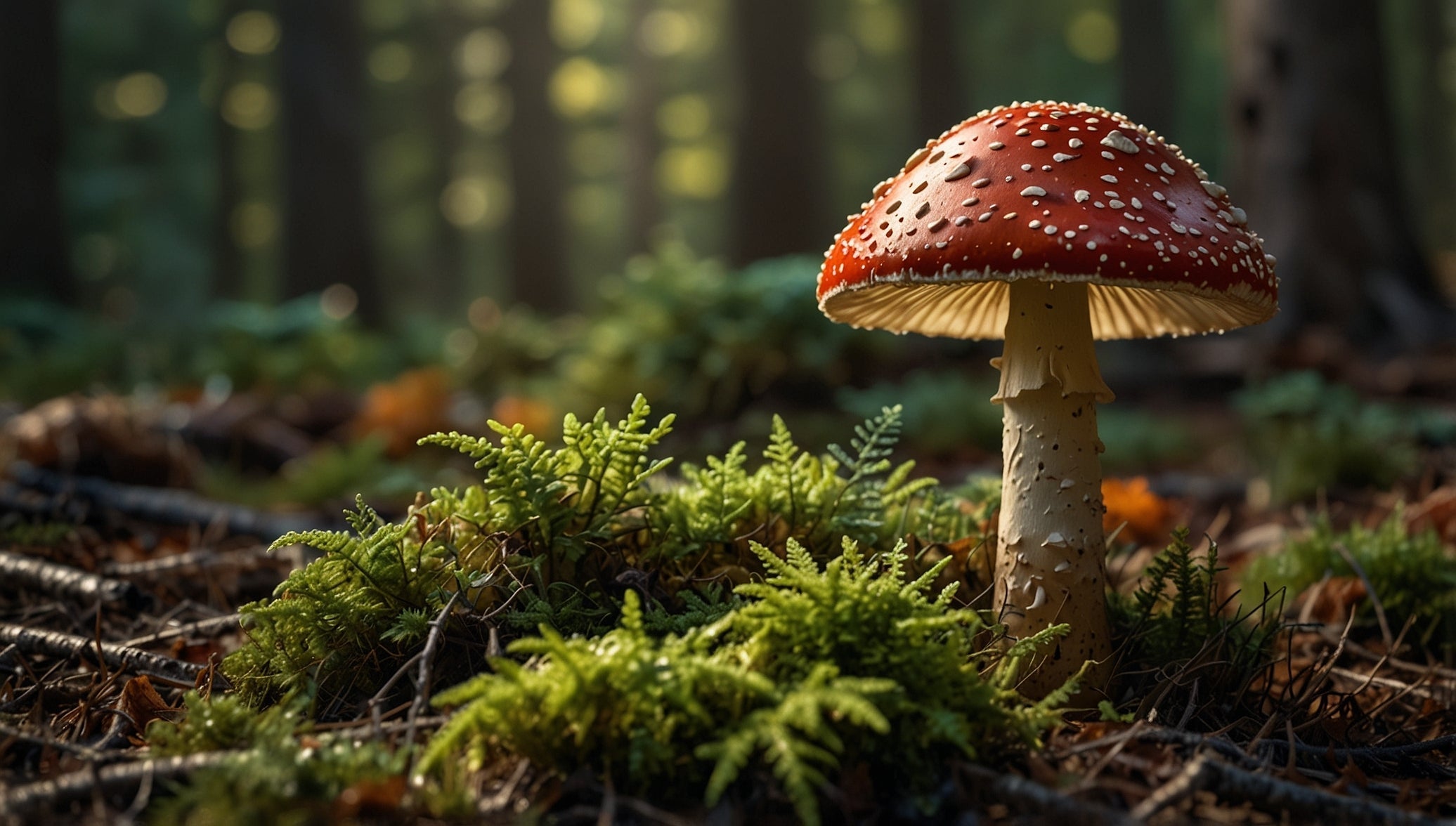
Colorado's diverse landscape, from alpine meadows to dense coniferous forests, creates an ideal environment for mushroom foraging enthusiasts. The state's varied elevations, ranging from 3,300 to over 14,000 feet, provide unique habitats that support an impressive variety of edible fungi throughout the growing season. From the prized morel mushrooms that emerge after spring snowmelt to the abundant chanterelles found in summer's mixed conifer forests, Colorado offers world-class mushroom hunting opportunities for both beginners and experienced foragers.
Understanding Colorado's mushroom foraging landscape requires knowledge of legal regulations, seasonal patterns, species identification, and safety protocols. This comprehensive guide provides everything you need to know to embark on successful and responsible mushroom hunting adventures throughout the Centennial State.

Legal Requirements and Permits for Colorado Mushroom Foraging
National Forest Permits
Personal Use Permits Most mushroom foraging in Colorado occurs on National Forest lands, which require free personal use permits for gathering more than incidental amounts. The regulations are consistent across Colorado's National Forests:
-
White River National Forest: Free permits required; 5 gallons per day limit
-
Medicine Bow-Routt National Forests: Free permits allow 1 gallon per day, 5 gallons per calendar year maximum
-
San Juan National Forest: Personal use permits required for quantities over 1 gallon
-
Arapaho-Roosevelt National Forests: Follow standard Forest Service guidelines
Permit Conditions
-
Daily limit: Up to 5 gallons (equivalent to two grocery bags)
-
Seasonal maximum: 67 pounds total per person
-
Cutting requirement: Mushrooms must be sliced in half lengthwise from stem to cap
-
Identification requirement: Carry permit at all times while foraging
State and Private Lands
Colorado State Parks Most state parks prohibit mushroom collection entirely. Always check specific park regulations before attempting to forage, as violations can result in significant fines.
Private Land Never forage on private property without explicit written permission from landowners. Colorado has strict trespassing laws, and many productive mushroom areas are on private land.
Wilderness Areas Mushroom harvesting is prohibited in designated Wilderness Areas, Research Natural Areas, and Special Interest Areas. Familiarize yourself with these boundaries before heading out.
Prime Colorado Mushroom Foraging Locations
Front Range Forests
Mixed Conifer Zones (7,000-9,000 feet) The Front Range offers excellent foraging opportunities in mixed conifer forests dominated by ponderosa pine, Douglas fir, and spruce. These areas, particularly between Boulder and Colorado Springs, provide accessible hunting grounds with diverse mushroom species.
Key Areas: Roosevelt National Forest, Pike National Forest accessible areas, and public lands near Nederland, Ward, and Jamestown.
San Juan Mountains
High-Elevation Hunting (8,000-11,000 feet) The San Juan Mountains are renowned throughout Colorado for their abundant wild mushroom populations. The region's combination of adequate moisture, diverse tree species, and ideal growing conditions creates prime habitat.
Notable Species: King boletes (porcini), chanterelles, hawk's wing mushrooms, and matsutake in appropriate seasons.
Western Slope Forests
Aspen and Conifer Mix Western slope forests, particularly around Aspen, Vail, and the Gunnison area, offer excellent mushroom hunting in mixed aspen-conifer stands. The region's microclimate variations create extended growing seasons.
Seasonal Advantages: Multiple elevation zones allow for extended hunting seasons as mushrooms fruit progressively up the mountains.

Seasonal Timing and Species Calendar
Spring Season (April - June)
Morel Mushrooms Morels represent Colorado's premier spring mushroom, emerging as snowmelt progresses up the mountains. Understanding when morel mushroom season begins in Colorado is crucial for timing successful hunts.
Elevation Progression:
-
7,000-8,000 feet: Late April to early May
-
8,000-9,000 feet: Mid-May to early June
-
9,000+ feet: Late May to mid-June
Species Found: Black morels (Morchella angusticeps), yellow morels (Morchella esculentoides), and burn morels in fire-affected areas.
Summer Season (June - September)
Peak Foraging Period Summer represents the peak mushroom foraging season in Colorado, with the greatest diversity and abundance of species available.
Chanterelles (July - September) Golden chanterelles thrive in Colorado's mixed conifer forests, particularly after summer monsoon rains. Look for their distinctive funnel shape and false gills running down the stem.
Porcini/King Boletes (July - September) These prized mushrooms form symbiotic relationships with conifers and are abundant in Colorado's higher elevation forests during peak summer.
Hawk's Wing Mushrooms (August - September) Distinctive brown, scale-covered mushrooms growing on conifer stumps and roots, offering a meaty texture excellent for cooking.
Fall Season (September - October)
Extended Harvest Fall foraging can extend into October at lower elevations, though species diversity decreases as temperatures drop.
Oyster Mushrooms: Year-round availability but peak abundance in fall Late-season Porcini: Often the largest and highest quality specimens
Essential Colorado Mushroom Species Guide
Morel Mushrooms (Morchella species)
Identification Features
-
Cap: Distinctive honeycomb pattern with pits and ridges
-
Structure: Completely hollow when cut lengthwise
-
Size: 2-8 inches tall, varying by species
-
Habitat: Near trees, especially ash, elm, and in burn areas
Safety: Learn to distinguish from false morels, which can be toxic. Our guide to types of morel mushrooms provides detailed identification information.
Chanterelles (Cantharellus species)
Identification Features
-
Color: Golden to yellow-orange
-
Shape: Funnel-shaped with wavy cap edges
-
Gills: False gills that fork and run down the stem
-
Texture: Firm, meaty consistency
Habitat: Forest floor near oak, pine, and mixed conifers
Porcini/King Boletes (Boletus edulis)
Identification Features
-
Cap: Large brown cap, 3-10 inches across
-
Stem: Thick white stem with network pattern
-
Pores: White to yellow pores instead of gills
-
Habitat: Symbiotic with conifers
Quality Indicators: Firm texture, no worm holes, white to pale yellow pore surface
Hawk's Wing Mushrooms (Sarcodon imbricatus)
Identification Features
-
Cap: Brown with distinctive feather-like scales
-
Spines: Tooth-like projections instead of gills
-
Habitat: On or near conifer stumps and roots
-
Flavor: Strong, sometimes bitter when older

Essential Foraging Equipment and Techniques
Required Gear
Collection Equipment
-
Mesh bag or wicker basket: Allows spores to disperse while walking
-
Sharp knife: For clean cutting above ground level
-
Soft brush: For cleaning dirt and debris (avoid washing if possible)
-
Paper bags: For separating different species during collection
Navigation and Safety
-
GPS device or smartphone: Mark productive locations for future visits
-
Detailed map: National Forest maps showing boundaries and restrictions
-
First aid kit: Essential for remote area foraging
-
Weather-appropriate clothing: Mountain weather changes rapidly
Proper Harvesting Techniques
Sustainable Cutting Always cut mushrooms above ground level rather than pulling them up. This practice:
-
Allows potential regrowth from remaining mycelium
-
Prevents damage to underground fungal networks
-
Maintains soil integrity and habitat structure
Selective Harvesting
-
Take only 2/3 of mushrooms found in any area
-
Leave some specimens to release spores for future generations
-
Avoid overly mature or deteriorating mushrooms
-
Focus on specimens in prime condition for best culinary quality
Safety and Identification Guidelines
Critical Safety Rules
100% Positive Identification Never consume any mushroom unless you have absolute certainty of identification. Colorado's diverse fungal ecosystem includes several toxic species that can cause serious illness or death.
Expert Verification When in doubt, consult with:
-
Colorado Mycological Society: Offers identification services and educational programs
-
Pikes Peak Mycological Society: Provides expert guidance and forays
-
Local university extension offices: Often have mycology resources
Dangerous Look-Alikes
False Morels (Gyromitra species)
-
Appearance: Brain-like, wrinkled caps instead of honeycomb pattern
-
Toxicity: Contains deadly gyromitrin compounds
-
Habitat: Similar to true morels, making confusion possible
Jack-o'-Lantern Mushrooms (Omphalotus species)
-
Confusion: May be mistaken for chanterelles
-
Identification: True gills (not false gills), orange bioluminescence
-
Toxicity: Causes severe gastrointestinal distress
Understanding Colorado's Mushroom Ecology
Elevation and Climate Effects
Temperature Gradients Colorado's elevation changes create distinct growing zones. For every 1,000 feet of elevation gain, average temperatures drop 3-5°F, significantly affecting mushroom fruiting timing.
Moisture Requirements Most Colorado edible mushrooms require adequate soil moisture, typically following:
-
Spring snowmelt: Creates ideal conditions for morel emergence
-
Summer monsoons: Trigger chanterelle and porcini fruiting
-
Fall precipitation: Extends growing season for cold-tolerant species
Tree Associations
Understanding morel mushroom trees and other fungal-tree relationships is crucial for successful foraging. Colorado's diverse forests support different mushroom communities:
Coniferous Associations
-
Porcini: Douglas fir, spruce, pine
-
Matsutake: Pine forests
-
Hawk's wing: Conifer stumps and roots
Deciduous Associations
-
Morels: Aspen, cottonwood, oak
-
Chanterelles: Mixed oak-conifer zones
-
Oyster mushrooms: Dead hardwood trees
Colorado Mushroom Foraging Ethics and Conservation
Leave No Trace Principles
Minimal Impact Harvesting
-
Travel on established trails when possible
-
Avoid trampling sensitive vegetation
-
Pack out all trash, including organic waste
-
Don't damage trees or vegetation while searching
Habitat Protection
-
Avoid areas showing signs of ecological stress
-
Stay away from sensitive riparian zones
-
Respect wildlife habitat and nesting areas
-
Report any environmental damage to authorities
Community Responsibility
Sharing Knowledge The Colorado foraging community thrives on shared knowledge and mutual respect. Consider:
-
Joining local mycological societies for education and community
-
Participating in citizen science projects
-
Teaching sustainable practices to newcomers
-
Reporting unusual finds to scientific institutions
Respecting Traditional Uses Some areas have historical significance for indigenous communities. Research and respect traditional uses of foraging areas.
Growing Your Own Mushrooms at Home
While wild foraging provides unmatched adventure and variety, consider supplementing your mushroom supply with home cultivation. The Lykyn Smart Mushroom Grow Chamber makes it easy to grow gourmet varieties like oyster, shiitake, and lion's mane mushrooms year-round.
Home cultivation offers several advantages:
-
Guaranteed identification: No risk of misidentification
-
Year-round availability: Fresh mushrooms regardless of season
-
Sustainable practice: Reduces pressure on wild populations
-
Educational value: Understanding fungal life cycles enhances foraging skills
For those interested in challenging cultivation projects, our guide on growing morel mushrooms explores the possibilities and limitations of cultivating Colorado's most prized wild species.
Our mushroom grow kit guide provides everything needed to start your home cultivation journey while you plan your next Colorado foraging adventure.
Frequently Asked Questions
Do I need a permit to forage mushrooms in Colorado National Forests?
Yes, free personal use permits are required for collecting more than incidental amounts (typically over 1 gallon) in Colorado National Forests. Permits are available at ranger stations and allow up to 5 gallons per day.
When is the best time for mushroom foraging in Colorado?
Peak season runs from June through September, with morels appearing in spring (April-June) and chanterelles/porcini abundant in mid-summer (July-September). Timing varies by elevation and weather conditions.
What are the most common edible mushrooms in Colorado?
The most abundant edible species include morels, chanterelles, porcini (king boletes), hawk's wing mushrooms, and oyster mushrooms. Each has specific seasonal timing and habitat preferences.
Are there dangerous mushrooms I should avoid in Colorado?
Yes, Colorado has several toxic species including false morels (Gyromitra), jack-o'-lantern mushrooms, and various Amanita species. Never consume any mushroom without 100% positive identification.
Where are the best mushroom foraging locations in Colorado?
Top areas include the San Juan Mountains, Front Range mixed conifer forests (7,000-9,000 feet), and Western Slope aspen-conifer zones. Always check permit requirements and access restrictions.
Summary: Colorado Mushroom Foraging Essentials
Colorado mushroom foraging offers world-class opportunities across diverse elevation zones from spring through fall. Free permits are required for National Forest collecting over 1 gallon daily. Peak season runs June-September with species-specific timing. Prime locations include San Juan Mountains, Front Range forests, and Western Slope mixed zones. Safety requires 100% positive identification and sustainable harvesting practices.
Start Your Colorado Mushroom Adventure
Colorado's spectacular landscapes offer some of North America's finest mushroom foraging opportunities. Whether you're hunting prized morels in spring snowmelt zones or searching for chanterelles in summer's conifer forests, proper preparation and knowledge ensure safe, successful, and sustainable adventures.
While you're planning your next Colorado foraging expedition, consider growing your own gourmet mushrooms at home with the Lykyn Smart Mushroom Grow Chamber. This innovative system provides fresh, reliably identified mushrooms year-round, perfectly complementing your wild foraging adventures and ensuring a steady supply of premium fungi for your culinary endeavors.





Share:
Should I Take Lion's Mane With Food? Your Complete Absorption and Timing Guide
Edible Mushrooms Colorado: Your Complete Guide to Foraging and Growing Nature's Bounty