


Featured Snippet Box:
Little mushrooms, called "pins" or "primordia," are the first visible stage of mushroom fruiting. These tiny formations appear 3-14 days after introducing fruiting conditions. Healthy pins are firm, white, and clustered. They indicate successful colonization and proper environmental conditions for full mushroom development.
If you've ever peeked at your grow kit and spotted tiny white bumps poking through the substrate, congratulations, you're witnessing something genuinely magical. Those little mushrooms are called pins, and they're basically baby fungi taking their first steps into the world.
I remember my first time seeing pins form. I'd been misting my block religiously for days, convinced I was doing something wrong. Then one morning, there they were, dozens of little mushroom heads no bigger than pinheads. It felt like watching seeds sprout, but faster and somehow more satisfying.
Here's the thing: those little mushrooms are actually the most critical stage of your entire grow. What happens in the next 24-72 hours determines whether you'll harvest beautiful, full-sized mushrooms or end up with aborted pins and disappointment.
Let's break down everything you need to know about these tiny fungi, from understanding what they are to making sure they mature into something you can actually cook with.
Understanding Little Mushroom Development: The Science Behind Pinning

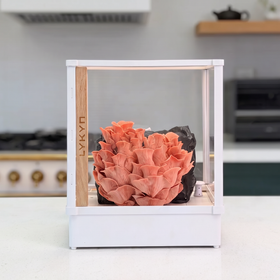
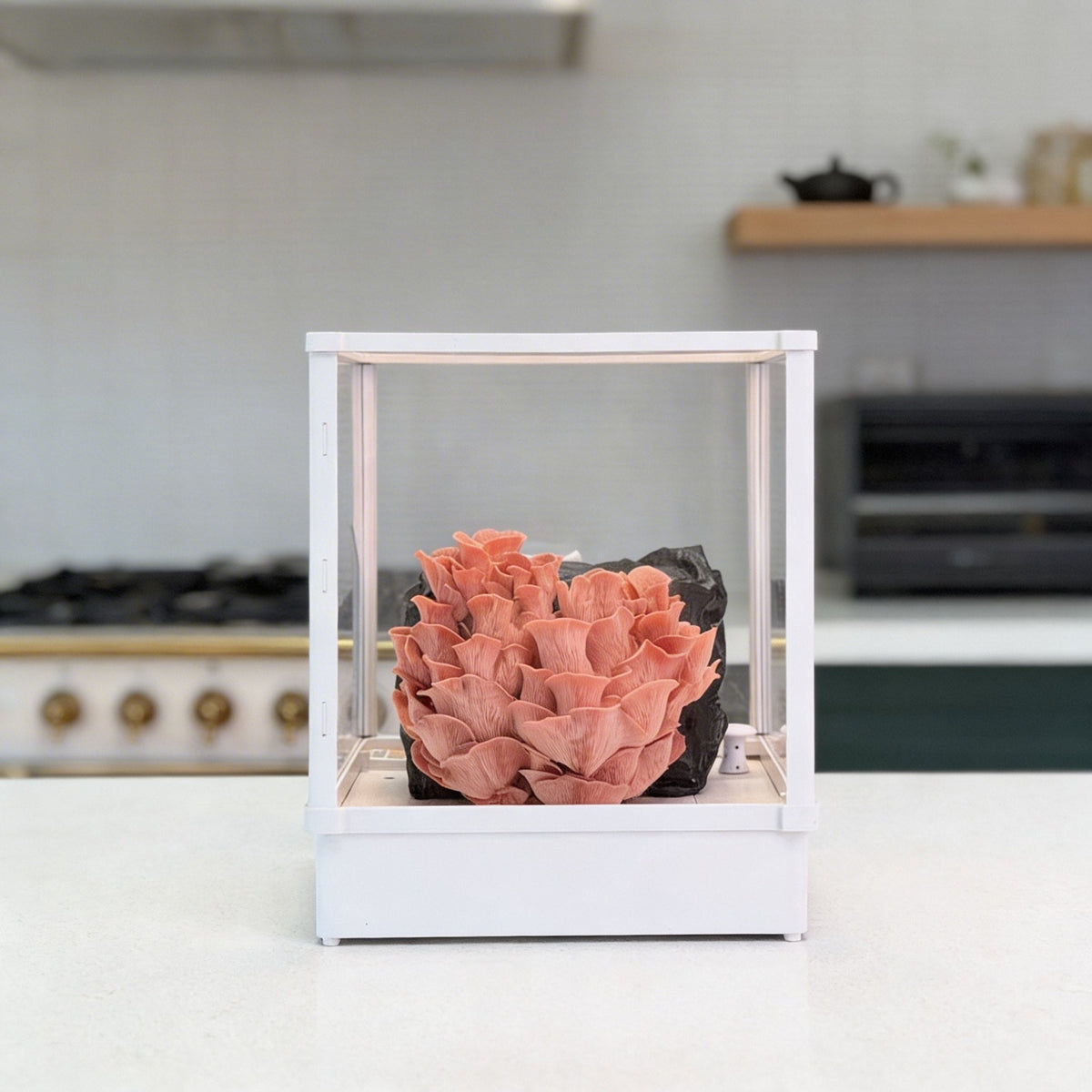
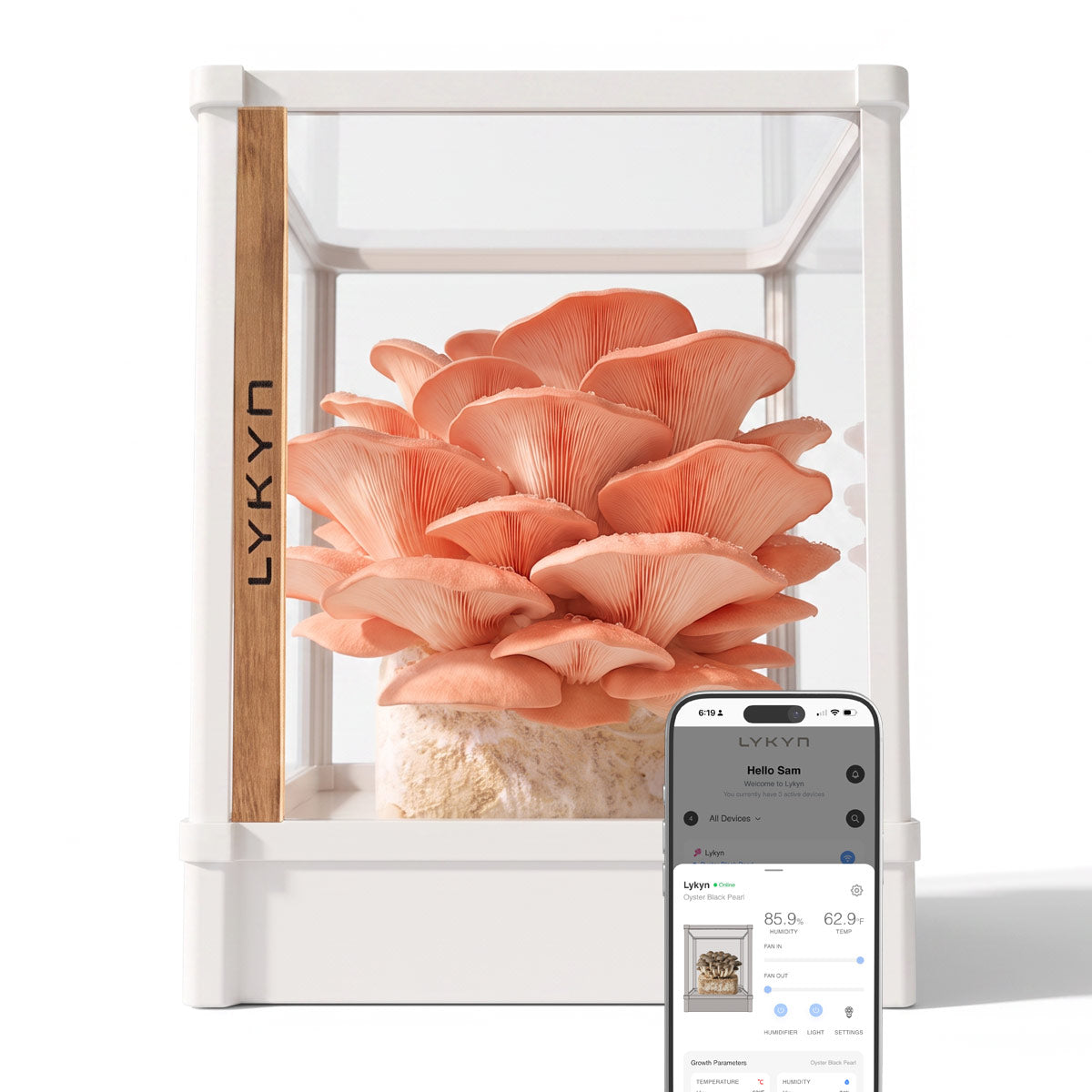
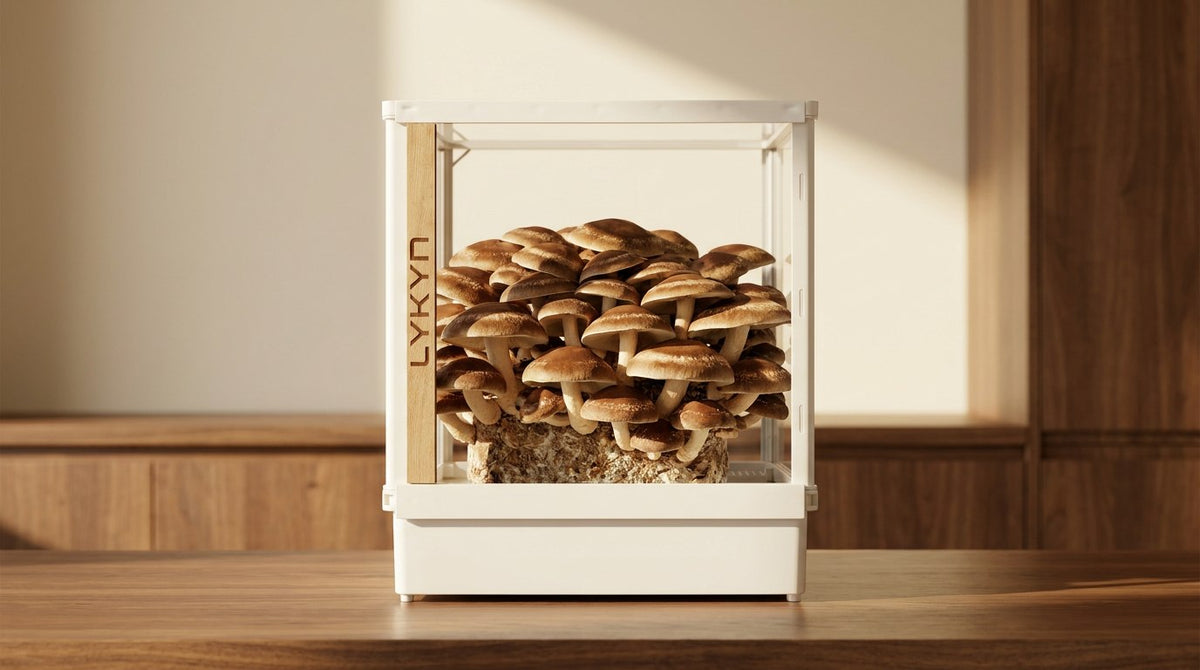
Smart Chamber. Bone White Single
- 2.8L tank, 90% humidity automatic
- App-controlled, plug-and-play
- 6 lb block ceiling, in stock

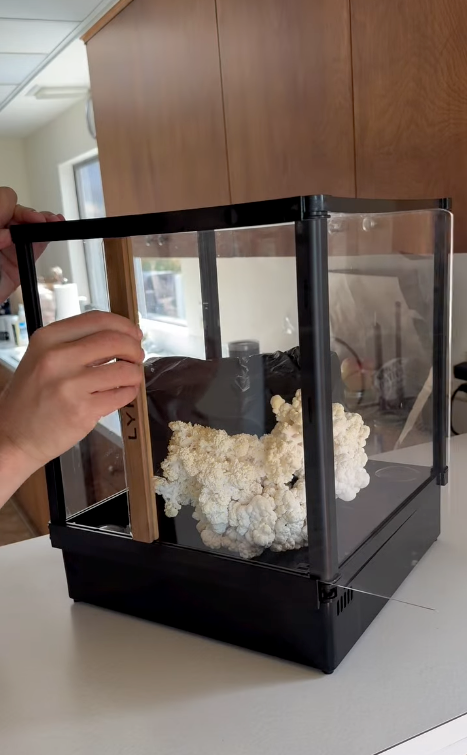
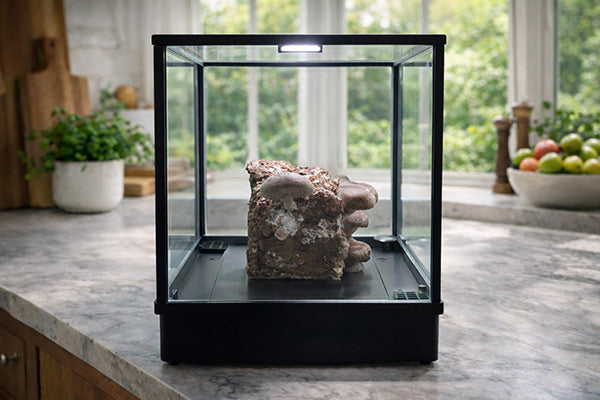
Smart Chamber. Obsidian Black Single
- Same hardware as Bone White
- Matte black premium finish
- Pairs with any kitchen palette

What Exactly Is a Mushroom Pin?
A mushroom pin (also called a primordium, plural: primordia) is the initial fruiting body formation of a fungus. Think of it as a mushroom embryo.
When your mycelium, the white, thread-like network that colonizes your substrate, receives the right environmental triggers, it shifts from growth mode to reproduction mode. The result? Little mushrooms start popping up.
Key characteristics of healthy pins:
- Size: 1-5mm in diameter initially
- Color: Usually white or light-colored (varies by species)
- Texture: Firm, not mushy
- Formation: Clustered in groups called "pin sets"
For a deeper understanding of this process, check out the complete life cycle of a mushroom from spore to harvest. It explains exactly how those little pins connect to the larger fungal lifecycle.
When Do Little Mushrooms Appear?
Different species pin at different rates. Here's what to expect:
| Mushroom Species | Days to First Pins | Pin-to-Harvest Time |
|---|---|---|
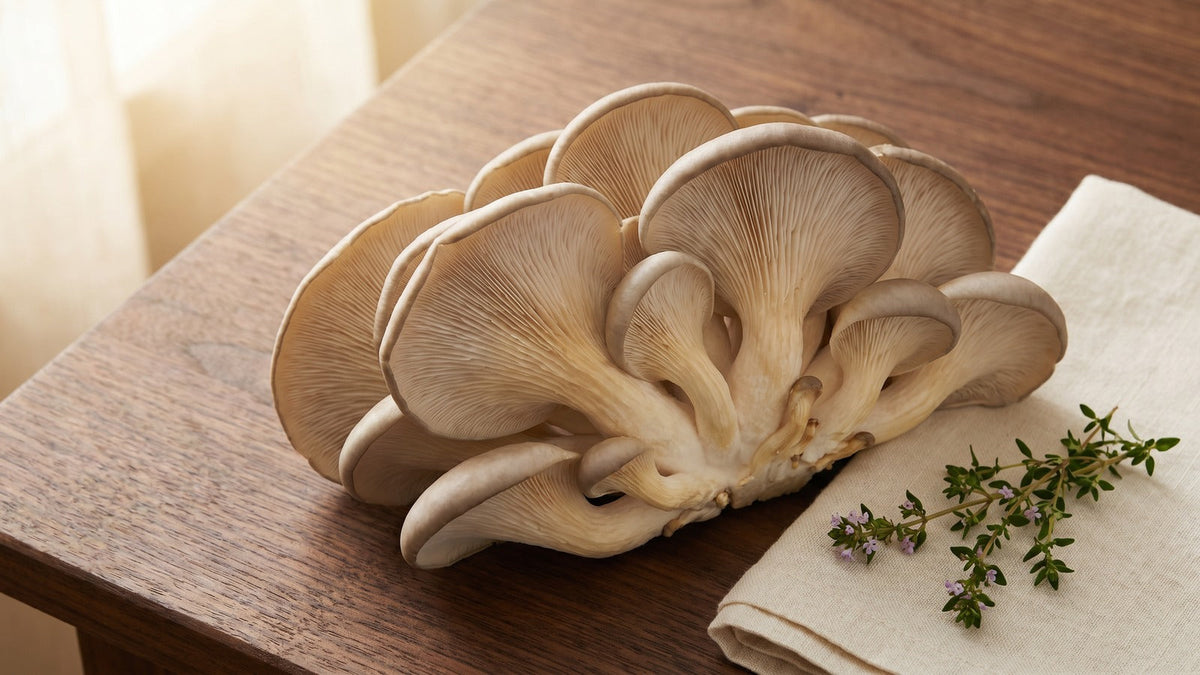
| Oyster Mushrooms | 3-7 days | 5-7 days |
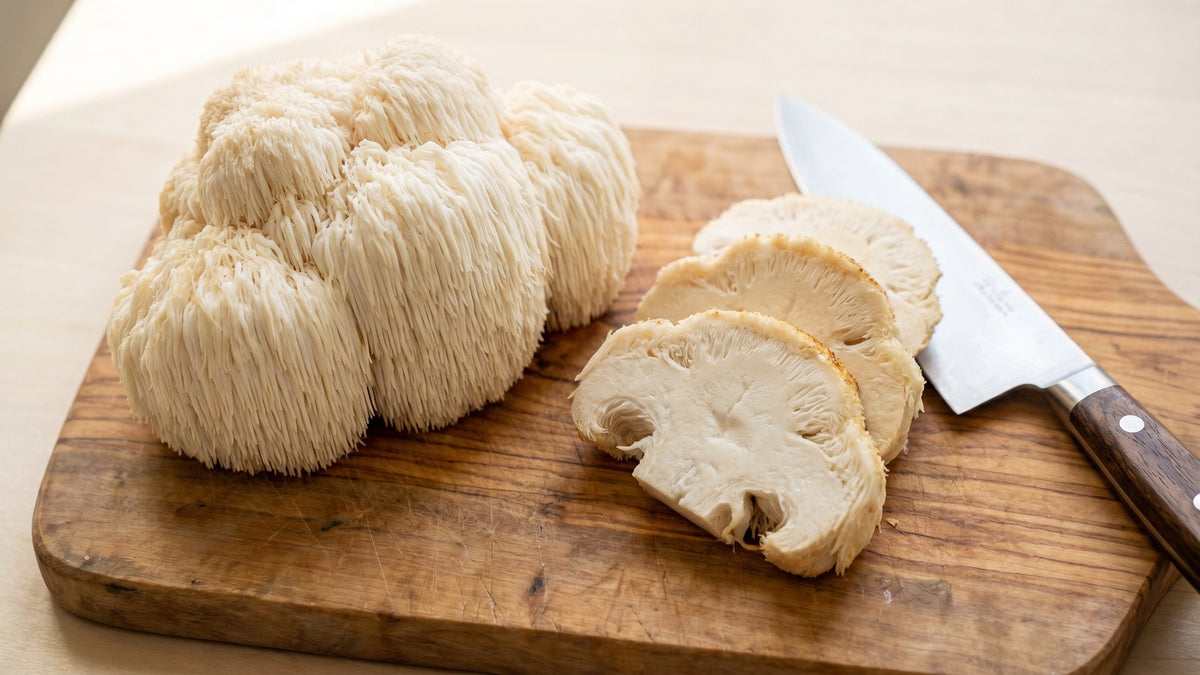
| Lion's Mane | 7-14 days | 7-10 days |
| Shiitake | 7-21 days | 5-10 days |
| King Trumpet | 10-14 days | 10-14 days |
According to mycological research published in 2025, temperature fluctuations of 10-15°F between day and night significantly increase pinning rates in most culinary species. This mimics natural forest conditions where mushrooms fruit after cool autumn nights.

How to Encourage Little Mushroom Growth: A Step-by-Step Approach
Step 1: Nail Your Environmental Conditions
Little mushrooms are picky about their environment. Here's what triggers healthy pin formation:
Humidity: 80-95% relative humidity is non-negotiable. Pins will abort (dry up and die) if humidity drops below 70% for extended periods.
Fresh Air Exchange (FAE): Mushrooms breathe. They need oxygen and produce CO2. Without adequate airflow, pins get leggy and weak. Aim for 4-8 air exchanges per hour.
Temperature: Most culinary mushrooms pin best between 55-65°F. Some species, like pink oysters, prefer warmer conditions around 70-75°F.
Light: Pins need light to know which direction to grow. 12 hours of indirect light daily works great. A window or simple LED is plenty.
If managing these variables sounds overwhelming, the Smart Mushroom Grow Kit automates humidity and airflow, which honestly takes the guesswork out of getting those little mushrooms to form consistently.
Step 2: Master Your Misting Technique
Here's where most beginners mess up their little mushrooms: over-misting.
You want microscopic water droplets on surfaces, not pooling water. Pooling leads to contamination. Contamination kills pins.
Best practices:
- Use a fine mist sprayer
- Mist the walls of your grow chamber, not directly on pins
- Mist 2-4 times daily, more in dry climates
- Stop misting if you see water pooling
Step 3: Monitor for Abort Signals
"Aborts" are little mushrooms that stopped developing. They turn yellowish-brown, shrivel, and sometimes develop dark caps.
Common causes of aborted pins:
- Sudden humidity drops
- Contamination nearby
- Genetic weakness (normal, not all pins make it)
- CO2 buildup
- Temperature shock
A 2026 study from the Mycological Society of America found that maintaining stable conditions is more important than hitting perfect numbers. Consistency beats perfection.

Little Mushroom Species: Choosing the Right Strain for Beginners
Best Species for First-Time Growers
Not all little mushrooms are created equal. Some species are forgiving; others will test your patience.

Fuel Your Mushroom Journey
Smart Mushroom Grow Chamber
Plug-and-play smart chamber with humidity, light, and airflow dialed in for every species. Beginners harvest their first flush in days, not months.
Add to cart $299Oyster mushrooms are the gold standard for beginners. They pin aggressively, tolerate suboptimal conditions, and grow fast. The Blue Oyster Mushroom Liquid Culture produces dense clusters of beautiful blue-gray mushrooms, even for first-timers.
For something more visually striking, try Pink Oyster Mushroom Liquid Culture. These produce stunning rose-colored little mushrooms that mature into tropical-looking clusters. They're just as beginner-friendly as their blue cousins.
Understanding "Little Brown Mushrooms" (LBMs)
A word of caution: in mycology, "little brown mushroom" or LBM is a specific term for small, nondescript brown mushrooms that are notoriously difficult to identify.
Many LBMs are toxic. Some are deadly.
If you're foraging and encounter little brown mushrooms in the wild, do not eat them unless you're 100% certain of identification. Our guide to the world's most exotic and rare fungi covers how to identify potentially dangerous varieties.
Disclaimer: Home cultivation of known culinary species from reputable suppliers is safe. Wild foraging requires expert-level identification skills.

Troubleshooting Little Mushroom Problems: Common Issues and Fixes
Why Won't My Little Mushrooms Grow?
| Problem | Likely Cause | Solution |
|---|---|---|
| No pins forming | Insufficient FAE | Increase ventilation |
| Pins forming then dying | Humidity too low | Add humidifier, mist more |
| Leggy, stretched pins | Too much CO2 | More fresh air |
| Fuzzy/contaminated pins | Bacterial/mold infection | Isolate, increase airflow |
| Uneven pin formation | Light source inconsistent | Reposition light |
The Block Mushroom Growing Guide goes deeper on troubleshooting substrate blocks specifically, noting that tiny mushroom pins typically appear within 3-7 days under proper conditions.
When to Harvest Your Little Mushrooms
Here's a counterintuitive tip: smaller isn't always better, but bigger isn't either.
Harvest most mushrooms right before or just as the caps begin to flatten. For oysters, that's usually when the edge of the cap starts curling upward slightly. Waiting too long means spore release (messy) and tougher texture.
Frequently Asked Questions About Little Mushrooms
What is a little mushroom called?
A little mushroom in its earliest growth stage is called a "pin" or "primordium." These terms describe the tiny fruiting body that emerges from colonized substrate before developing into a mature mushroom. Pins typically measure 1-5mm when they first appear.
How long do little mushroom pins take to grow into full mushrooms?
Most culinary mushrooms take 5-14 days to grow from initial pins to harvest-ready size. Oyster mushrooms are fastest at 5-7 days. Shiitake and lion's mane take 7-14 days. Environmental conditions significantly affect growth speed.
Why are my little mushrooms dying before they mature?
Pins commonly abort due to sudden humidity drops, CO2 buildup, contamination, or temperature fluctuations. Maintaining consistent conditions is more important than achieving perfect numbers. Check your humidity first, it's the most common culprit.
Can you eat tiny mushroom pins?
Yes, cultivated mushroom pins from known edible species are safe to eat. They're tender with a mild flavor. However, many growers prefer waiting for full development to maximize yield. Wild little mushrooms should never be eaten without expert identification.
What causes little mushrooms to grow leggy and thin?
Leggy pins with long, thin stems indicate insufficient fresh air exchange. High CO2 levels cause mushrooms to stretch toward oxygen sources. Increase ventilation immediately, and future pins will develop more normally with thicker stems.
How do I know if my little mushroom pins are healthy?
Healthy pins are firm, consistent in color (usually white or light-colored for most species), and grow in clusters. Warning signs include yellowing, soft or mushy texture, unusual fuzz, or dark spots. Healthy pins will double in size daily under good conditions.
What's the best temperature for little mushroom development?
Most culinary mushrooms pin best between 55-65°F (13-18°C). Pink oysters prefer warmer temperatures around 70-75°F (21-24°C). A slight temperature drop at night often triggers more aggressive pinning, mimicking natural forest conditions.
Conclusion: Your Little Mushroom Growing Journey
Growing little mushrooms from pins to harvest is genuinely one of the most rewarding home cultivation projects you can tackle. It's fast, fascinating, and you end up with food you can actually eat.
Here's what to remember:
- Pins are the critical stage, what happens in those first 3-7 days after pinning determines your harvest quality
- Humidity and fresh air matter most, keep it above 80% humidity while ensuring adequate airflow
- Start with oyster mushrooms, they're forgiving, fast, and produce impressive yields
- Consistency beats perfection, stable conditions trump hitting exact numbers every time
- Aborts happen, even experienced growers lose some pins; it's part of the process
The difference between struggling with mushroom growing and actually succeeding usually comes down to having the right setup. If you're tired of constantly monitoring humidity and airflow, automating those variables with proper equipment changes everything.
Ready to Watch Your Little Mushrooms Thrive?
Stop guessing. Start growing.
The Smart Mushroom Grow Kit takes care of humidity and airflow automatically, so you can focus on watching those little pins transform into beautiful, harvest-ready mushrooms.
Your first flush is just days away. Get your kit now →



Share:
What Are the Real Side Effects of Mushroom Coffee? An Honest Guide
The Rarest Mushroom in the World: 12 Extraordinary Fungi You Need to Know