



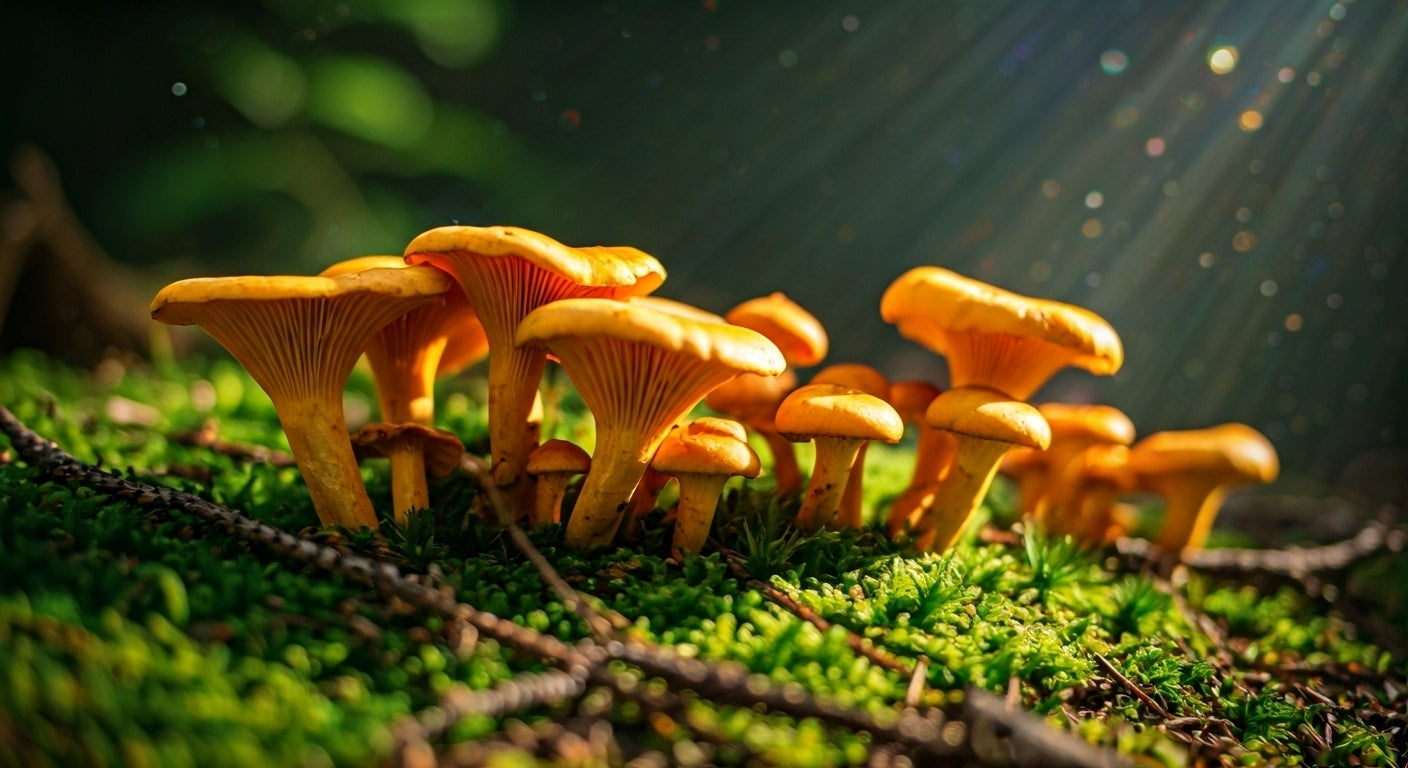
California's diverse ecosystems make it one of the most rewarding states for mushroom enthusiasts. From the coastal redwood forests to the Sierra Nevada mountains, the Golden State offers an incredible variety of edible mushrooms throughout the year. Whether you're interested in foraging wild mushrooms or growing your own at home, this comprehensive guide will help you navigate California's rich fungal landscape safely and successfully.

Best Edible Mushrooms Found in California
California's Mediterranean climate and diverse forest ecosystems support hundreds of mushroom species. Here are the most prized edible varieties that thrive in the state:
Chanterelles (Cantharellus cibarius)
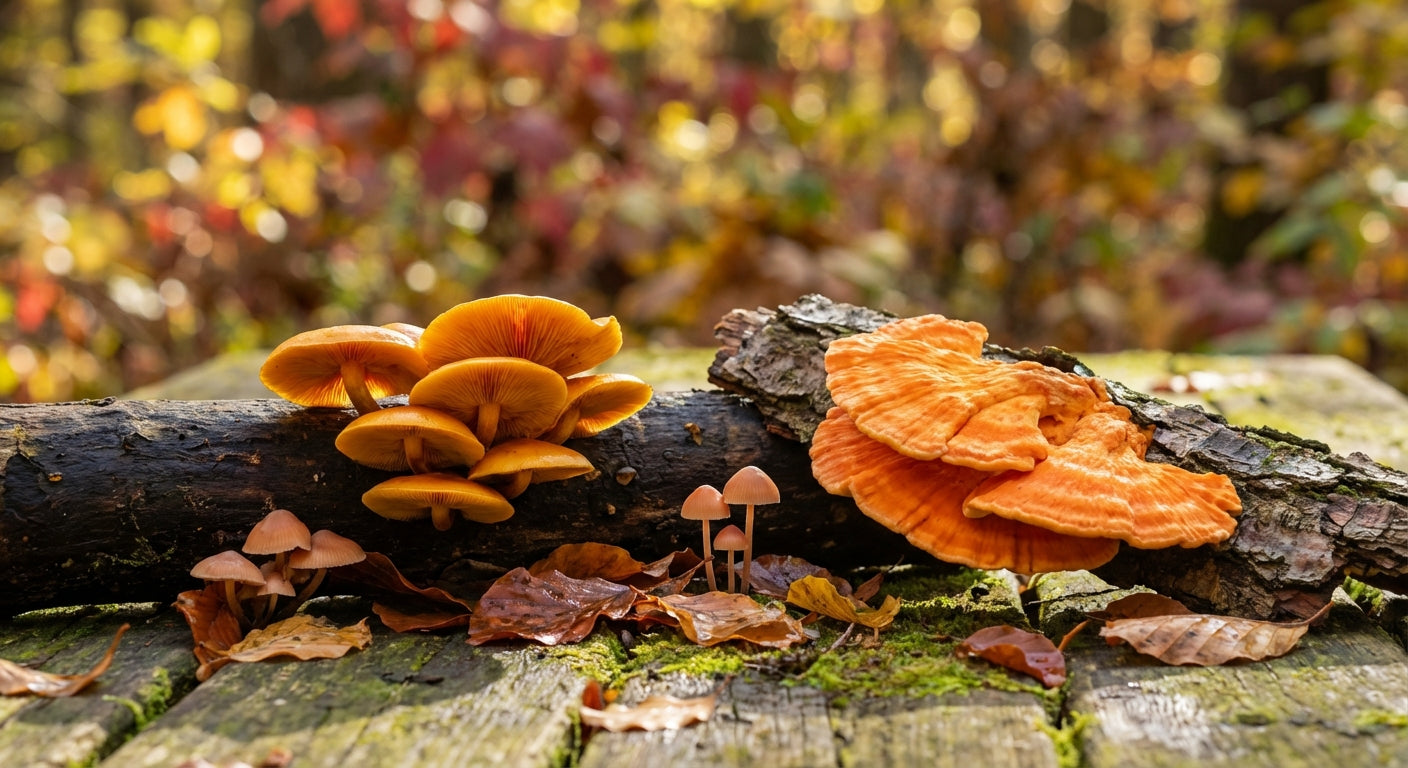
Often called the "golden treasures" of California forests, chanterelles are among the most sought-after edible mushrooms. These bright orange, funnel-shaped mushrooms typically appear from November through March in oak and mixed conifer forests. They're particularly abundant in the coastal ranges and Sierra Nevada foothills.
Oyster Mushrooms (Pleurotus ostreatus)
Oyster mushrooms are excellent for beginners due to their distinctive appearance and year-round availability. These shelf-like mushrooms grow on dead and dying hardwood trees throughout California. Their mild, slightly sweet flavor makes them perfect for various culinary applications.
Morel Mushrooms (Morchella species)
Spring brings the excitement of morel season to California. These honeycomb-textured mushrooms emerge from March to May, often in areas that have experienced recent fires. Morel mushroom trees like cottonwoods, aspens, and conifers provide ideal growing conditions.
Porcini Mushrooms (Boletus edulis)
Also known as king boletes, porcini mushrooms are prized for their rich, nutty flavor. They typically fruit from October through December in California's coniferous forests, particularly under pine, fir, and oak trees.

Seasonal Guide to California Mushroom Foraging
Understanding when and where to find edible mushrooms is crucial for successful foraging in California. The state's varied microclimates create different fruiting seasons across regions.
Fall Season (October - December)
Fall marks the beginning of California's prime mushroom season. The first rains trigger massive mushroom flushes throughout the state:
-
Chanterelles begin appearing in coastal forests
-
Porcini mushrooms fruit heavily in coniferous areas
-
Honey mushrooms emerge on dying oak trees
-
Hedgehog mushrooms start their season in mixed forests
Winter Season (January - March)
Winter continues the mushroom bonanza with consistent moisture and mild temperatures:
-
Chanterelles reach peak abundance
-
Oyster mushrooms thrive on hardwood substrates
-
Wood ear mushrooms proliferate on elder and oak trees
-
Shiitake can be found on oak logs in certain areas
Spring Season (April - June)
Spring brings unique species and the end of the rainy season:
-
Morel mushrooms emerge after winter rains
-
Chicken of the woods begins appearing on oak trees
-
Oyster mushrooms continue fruiting
-
Late spring porcini flushes occur at higher elevations
Summer Season (July - September)
Summer is typically the slowest season for wild mushrooms, but some species persist:
-
Oyster mushrooms in shaded, moist areas
-
Chicken of the woods on oak trees
-
High-elevation species in the Sierra Nevada
-
Coastal species in foggy areas
Safe Foraging Practices and Legal Considerations
Foraging for edible mushrooms in California requires knowledge of both safety protocols and legal regulations. Never consume any wild mushroom unless you're 100% certain of its identification.
Essential Safety Guidelines
-
Always use multiple identification sources before consuming any wild mushroom
-
Start with small amounts when trying new species
-
Cook all wild mushrooms thoroughly before eating
-
Avoid mushrooms near roads or polluted areas
-
Join local mycological societies for expert guidance
Legal Foraging Locations
-
State parks (permit required in most cases)
-
National forests (personal use permitted in designated areas)
-
Private property (with landowner permission)
-
BLM lands (check specific regulations)
Areas to Avoid
-
National parks (foraging prohibited)
-
Private property without permission
-
Watershed areas and water districts
-
Areas with recent pesticide or herbicide use

Growing Edible Mushrooms at Home in California
If foraging isn't for you, growing edible mushrooms at home is an excellent alternative. California's climate is ideal for mushroom cultivation, and mushroom grow kits make it easier than ever to start.
Best Mushrooms for Home Growing
-
Oyster mushrooms - extremely easy for beginners
-
Shiitake - great flavor and medicinal properties
-
Lion's mane - unique appearance and taste
-
Reishi - primarily for medicinal use
Indoor Growing Benefits
Growing mushrooms indoors offers several advantages over foraging:
-
Year-round production regardless of season
-
No identification risks or safety concerns
-
Controlled environment for optimal growth
-
Consistent harvests with proper care
The Lykyn mushroom grow kit provides everything needed for successful home cultivation, including detailed instructions perfect for beginners.
Advanced Growing Techniques
For experienced growers, California's mild climate allows for:
-
Outdoor log cultivation using native hardwoods
-
Straw bale growing for oyster mushrooms
-
Greenhouse production for year-round harvests
-
Liquid culture propagation for advanced cultivators
Frequently Asked Questions
What are the most common edible mushrooms in California?
The most common and easily identifiable edible mushrooms in California include chanterelles, oyster mushrooms, and porcini. These species are abundant during their seasons and have fewer dangerous lookalikes, making them ideal for beginner foragers.
When is the best time to hunt for mushrooms in California?
The best time for mushroom hunting in California is from October through March, particularly after the first significant rains. This period coincides with peak fruiting seasons for most edible species, including chanterelles and porcini.
Do I need a permit to forage mushrooms in California?
Permits are required for foraging in most California state parks and some national forest areas. Always check with local authorities before foraging, as regulations vary by location and can change seasonally.
Are there poisonous mushrooms that look like edible ones in California?
Yes, California has several dangerous mushrooms that can resemble edible species. The death cap mushroom (Amanita phalloides) is particularly dangerous and can be mistaken for edible varieties by inexperienced foragers. Always verify identification with multiple sources.
Can I grow the same mushrooms I find in California forests?
Many wild California mushrooms can be cultivated at home, including oyster mushrooms, shiitake, and lion's mane. However, some species like chanterelles and porcini require specific mycorrhizal relationships with trees and cannot be easily grown domestically.
Summary
California offers exceptional opportunities for mushroom enthusiasts, with diverse species ranging from prized chanterelles to easily cultivated oyster mushrooms. The state's Mediterranean climate creates ideal conditions for both foraging and home cultivation. Whether you choose to explore California's forests during peak season or start growing your own mushrooms at home, always prioritize safety through proper identification and follow local regulations. For beginners, starting with a reliable mushroom grow kit provides a safe introduction to the fascinating world of fungi.
Start Your Mushroom Journey Today
Ready to explore California's incredible edible mushroom diversity? Whether you're planning your first foraging adventure or want to start growing mushrooms at home, proper preparation is key to success.
For those interested in home cultivation, explore our complete selection of mushroom grow kits designed specifically for beginners. These kits eliminate the guesswork and provide everything needed for successful mushroom growing right in your California home.
Learn more aboutidentifying specific mushroom species and discover the fascinating world of fungi cultivation. Your journey into California's mushroom kingdom starts with the right knowledge and tools – and we're here to help you every step of the way.




Share:
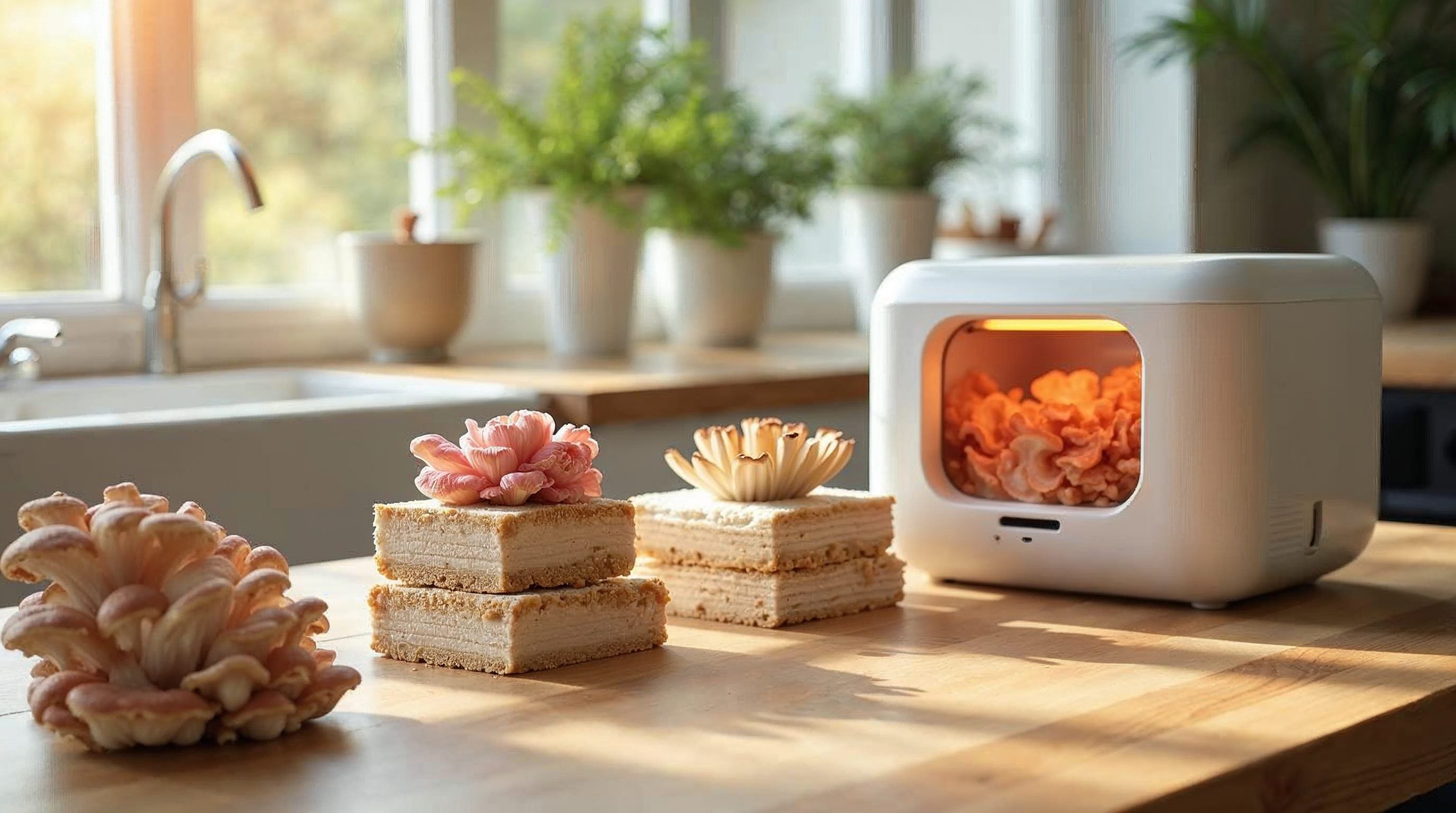
When to Harvest Pink Oyster Mushrooms: Your Complete Timing Guide
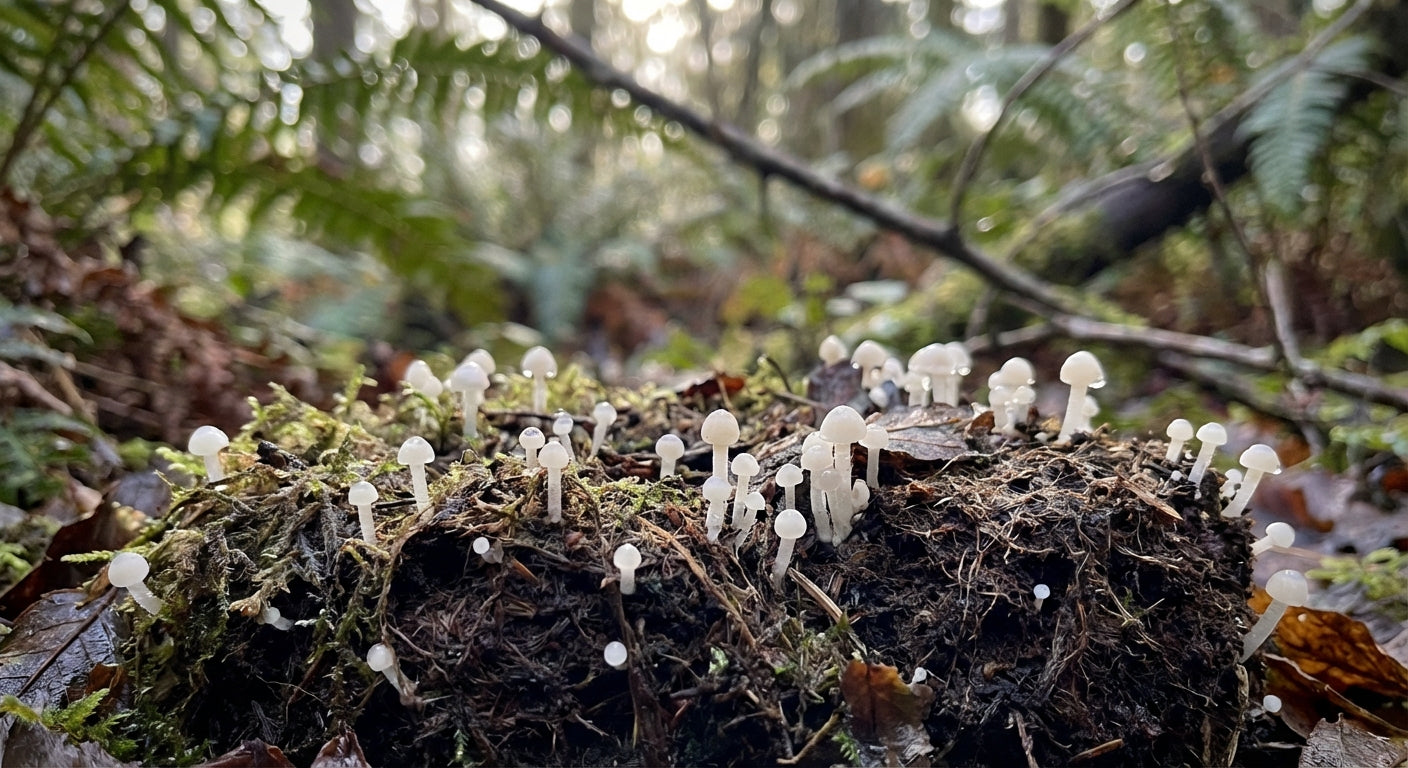
Snow Oyster Mushroom: The Ultimate Guide to Growing Nature's Cold-Weather Delicacy