



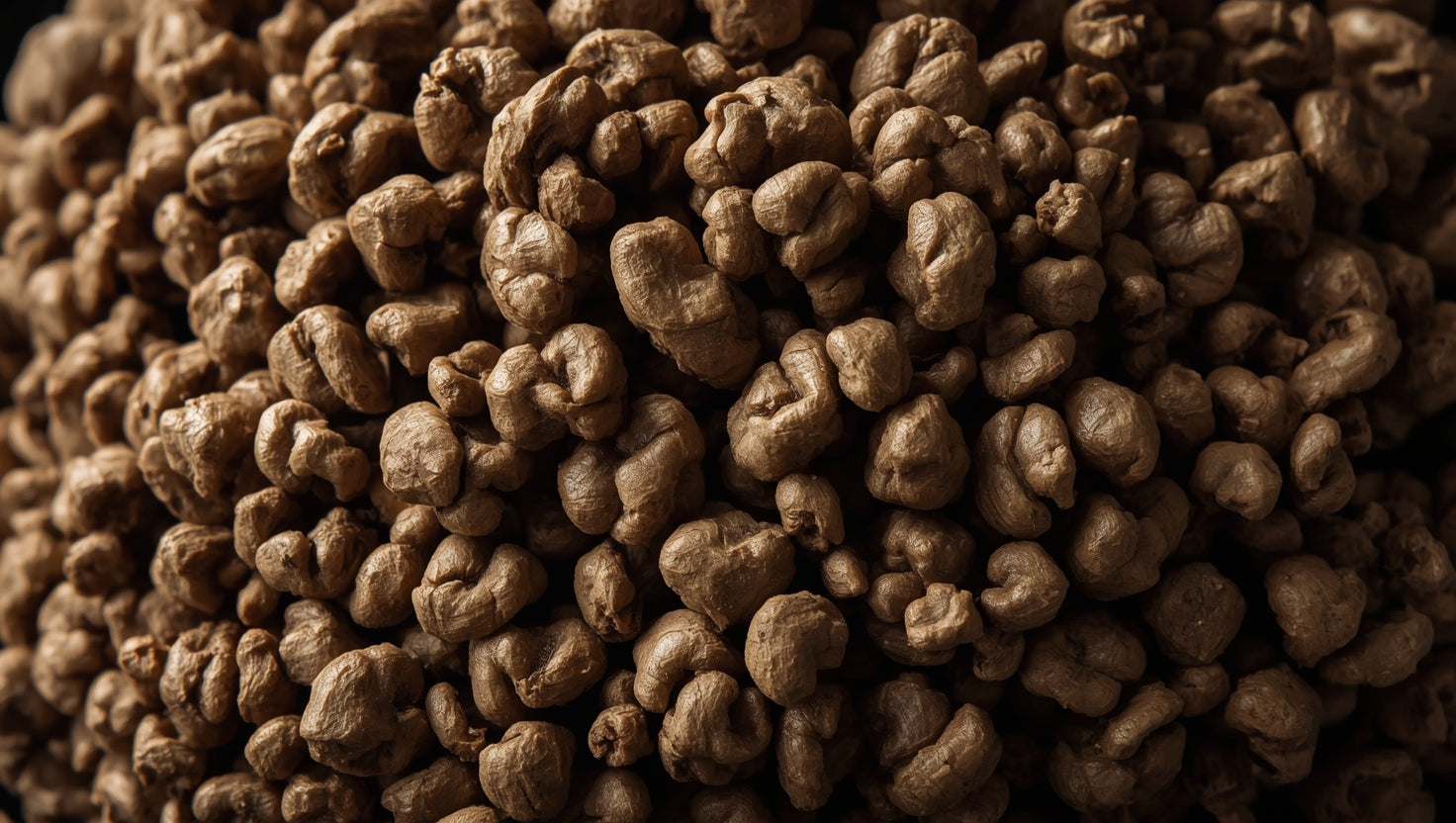
Introduction: The Mystery of Truffles Unveiled
When it comes to the world's most expensive foods, truffles reign supreme, commanding thousands of dollars per pound and captivating the culinary world with their intoxicating aroma. But despite their popularity in high-end cuisine, there's often confusion about what exactly truffles are. Are they mushrooms? A type of vegetable? Something else entirely?
This question—"Is truffle a mushroom?"—seems simple but opens the door to fascinating discussions about fungal biology, culinary classification, and the unique characteristics that make truffles so special and sought-after. While both truffles and mushrooms belong to the kingdom Fungi, the differences between them are significant and worth exploring.
In this comprehensive guide, we'll uncover the biological relationship between truffles and mushrooms, explore their key differences, and discover what makes these subterranean delicacies so prized in culinary circles worldwide. Whether you're a food enthusiast, aspiring chef, or simply curious about these luxury ingredients, this exploration will deepen your understanding and appreciation of truffles.

The Biological Connection: Fungi Family Relations
What Makes a Mushroom a Mushroom?
To understand whether truffles are mushrooms, we first need to define what constitutes a mushroom:
Mushrooms are the fruiting bodies of certain fungi, typically characterized by:
- An above-ground growth habit
- A stem (stipe) and cap structure
- Spore-producing surfaces (gills, pores, or teeth) typically located under the cap
- Spores that are released into the air for reproduction
- A life cycle that includes visible fruiting bodies meant for spore dispersal
Common examples include button mushrooms, portobellos, shiitakes, and oyster mushrooms—all of which share these basic structural features despite their diverse appearances.
What Are Truffles, Botanically Speaking?
Truffles, in contrast, have a different structure and growth habit:
- They grow completely underground (hypogeous)
- They lack the typical stem and cap structure
- Their spore-producing tissue is enclosed within a solid mass
- They rely on animals to dig them up and eat them for spore dispersal
- They form symbiotic relationships with specific tree roots
True truffles belong primarily to the genus Tuber and include prized varieties like:
- White truffles (Tuber magnatum) from Italy
- Black Périgord truffles (Tuber melanosporum) from France
- Summer truffles (Tuber aestivum)
- Oregon white truffles (Tuber oregonense)
The Scientific Verdict
From a strictly mycological perspective, truffles are not mushrooms. Both are fungi and both are fruiting bodies that produce spores, but they belong to different taxonomic groups and have evolved distinct reproductive strategies.
The more accurate statement would be: "Truffles and mushrooms are different types of fungal fruiting bodies." They're more like cousins in the fungal kingdom rather than the same organism.
Truffle vs. Mushroom: Key Differences Explained

Structural Differences
The structural distinctions between truffles and mushrooms are significant:
- Growth Location: Mushrooms primarily grow above ground, while truffles develop entirely beneath the soil surface.
- Physical Structure: Mushrooms typically have distinct parts (cap, stem, gills/pores), while truffles form as solid, irregularly shaped masses.
- Appearance: Mushrooms come in various shapes but generally follow the familiar umbrella-like form. Truffles resemble knobby, irregular tubers with marbled interiors.
- Color and Texture: Truffles have a distinctive marbled interior appearance, whereas mushrooms have more uniform internal flesh.
Reproductive Strategy
The reproductive approaches of truffles and mushrooms highlight their evolutionary divergence:
- Spore Dispersal: Mushrooms release spores into the air, which are carried by wind to new locations. Truffles keep their spores enclosed and rely on animals (particularly mammals with a keen sense of smell) to dig them up, consume them, and disperse the spores through their digestive systems.
- Symbiotic Relationships: While many mushrooms form beneficial relationships with trees (mycorrhizal relationships), truffles are exclusively mycorrhizal and only grow in association with specific tree species.
- Detection Method: Truffles produce strong aromas when mature specifically to attract animals, a trait not shared by most mushrooms.
The Culinary World's Perspective
Why Are Truffles So Expensive?
The extraordinary value of truffles stems from several factors:
- Cultivation Challenges: Unlike many mushrooms that can be readily cultivated, truffles have resisted large-scale commercial farming. While some success has been achieved with black truffle cultivation, white truffles remain primarily wild-harvested.
- Growth Time: Truffles take years to develop—a truffle orchard may not produce for 7-10 years after planting.
- Seasonality: Truffle harvesting is limited to specific seasons, creating scarcity in the market.
- Specialized Harvesting: Finding wild truffles requires trained truffle hunters and specially trained dogs or pigs to detect their scent underground.
- Shelf Life: Once harvested, truffles have a remarkably short shelf life of just 5-7 days, creating urgency in the market.
Culinary Uses and Differences
In the kitchen, truffles and mushrooms serve different culinary roles:
- Flavor Profile: Truffles provide intense, aromatic compounds that transform dishes even in minute quantities. Mushrooms generally offer more substantial texture and earthy flavors that form the foundation of dishes.
- Preparation Methods: Truffles are rarely cooked—they're typically shaved raw over finished dishes or used to infuse oils and butters. Mushrooms, by contrast, are usually cooked to develop their flavors and improve their texture.
- Quantity Used: A few grams of truffle can flavor an entire dish, while mushrooms are typically used in larger quantities as substantial ingredients.
- Versatility: Mushrooms span a wider range of culinary applications, from everyday meals to gourmet preparations. Truffles remain primarily in the domain of luxury cuisine.
Common Truffle Varieties and Their Characteristics
White Truffles (Tuber magnatum)
- Origin: Primarily from the Piedmont region of northern Italy
- Season: October to December
- Appearance: Smooth, light-colored exterior with pale beige to yellow-brown interior
- Aroma: Intense, garlicky, musky with notes of honey and hay
- Price: The most expensive variety, commanding $2,000-$5,000 per pound
- Culinary Use: Almost exclusively served raw, shaved over simple dishes like pasta, risotto, or eggs
Black Winter Truffles (Tuber melanosporum)
- Origin: France (particularly Périgord), Spain, Italy, and Australia
- Season: November to March
- Appearance: Dark exterior with black-purple interior featuring white veining
- Aroma: Chocolatey, earthy, with hints of red wine and wet earth
- Price: $800-$1,200 per pound
- Culinary Use: Can withstand brief cooking, often incorporated into sauces or used as shavings
Summer Truffles (Tuber aestivum)
- Origin: Throughout Europe
- Season: May to August
- Appearance: Black exterior with light brown interior
- Aroma: Milder, nutty profile with mushroom notes
- Price: $250-$600 per pound
- Culinary Use: Used similarly to winter truffles but requires larger quantities for comparable flavor impact
Oregon Truffles (Tuber oregonense and others)
- Origin: Pacific Northwest of the United States
- Season: Winter months
- Appearance: Light-colored with varied interior marbling
- Aroma: Fruity notes with pineapple and floral characteristics
- Price: $100-$400 per pound
- Culinary Use: Increasingly recognized in American cuisine, used fresh or to create truffle-infused products
Frequently Asked Questions About Truffles
Are "chocolate truffles" related to fungal truffles?
No, chocolate truffles are confections named after fungal truffles due to their similar appearance. The chocolate variety was first created in France in 1895 and was thought to resemble the dirt-covered fungal truffles, hence borrowing the name.
Can I grow truffles at home like regular mushrooms?
Unlike many mushrooms that can be grown with simple home setups, truffles require specific soil conditions, host trees, and years of development. While commercial truffle orchards exist, home cultivation is impractical for most enthusiasts. If you're interested in growing fungi at home, edible mushrooms like oyster or lion's mane are much more accessible options.
How do I store truffles if I'm fortunate enough to obtain them?
Fresh truffles should be wrapped in paper towels, placed in an airtight container with fresh paper towels daily, and stored in the refrigerator. Ideally, they should be used within 5-7 days. Alternatively, you can store them in uncooked rice or with eggs in a sealed container to infuse those ingredients with truffle flavor.
Are there affordable alternatives to luxury truffles?
Several options exist for experiencing truffle flavors without the premium price:
- Truffle oil (though many commercial versions use synthetic compounds)
- Summer truffles (more affordable than winter varieties)
- Oregon truffles (gaining recognition but still less expensive)
- Truffle salt or butter (providing the flavor in a longer-lasting format)
Are "false truffles" the same as true truffles?
No, "false truffles" refer to various underground fungi that resemble true truffles but belong to different genera. While some may be edible, they lack the prized aromatic compounds that make true truffles so valuable. Some false truffles can even be toxic, so proper identification is critical.
Cultivating an Appreciation for Fungal Diversity
While truffles may not be mushrooms in the strict botanical sense, both represent fascinating examples of how fungi have evolved to thrive in different environmental niches. Their differences highlight the remarkable diversity within the fungal kingdom—a realm that remains largely unexplored compared to plants and animals.
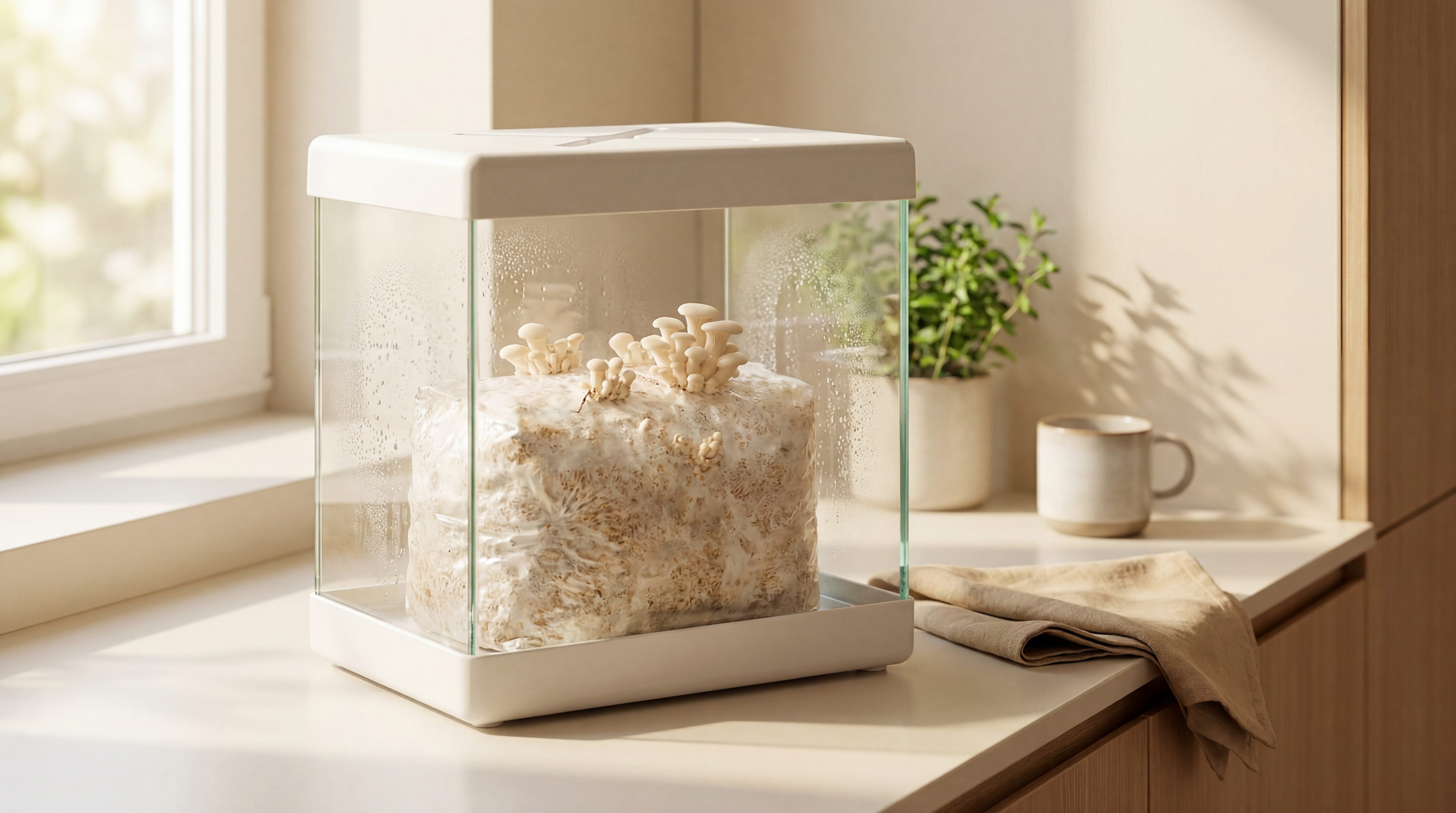
For those interested in experiencing the world of fungi firsthand, mushroom cultivation offers an accessible entry point. With systems like the Lykyn Smart Mushroom Grow Chamber, anyone can grow gourmet mushrooms at home with minimal effort. While truffles may remain an occasional luxury, cultivating other fine fungi can become a rewarding hobby that connects you to this fascinating kingdom.
The question "Is truffle a mushroom?" ultimately reveals the complexity and diversity of fungal life. Though distinct from mushrooms, truffles share the same remarkable kingdom—organisms that are neither plant nor animal, but fungi: recyclers, symbiotic partners, and producers of some of the world's most extraordinary flavors.
Summary
Truffles and mushrooms are both fungi that produce fruiting bodies, but they differ significantly in structure, growth habits, and reproduction. While mushrooms typically grow above ground with a cap and stem, truffles develop completely underground as solid masses. From a mycological perspective, truffles are not classified as mushrooms but rather as a different type of fungal fruiting body. This distinction, along with their challenging cultivation requirements, helps explain why truffles command such premium prices in the culinary world. Despite their differences, both represent the fascinating diversity of the fungal kingdom.
Call to Action
Fascinated by the world of fungi? While growing truffles at home may not be practical, you can still explore the rewarding hobby of mushroom cultivation with the Lykyn Smart Mushroom Grow Chamber. Experience the joy of growing gourmet mushrooms right in your home with this automated system that takes care of all the complex environmental factors. Visit our product page today to begin your journey into the fascinating world of fungal cultivation!


Share:
How to Keep Mushrooms Fresh: 7 Expert Storage Methods for Maximum Shelf Life
Dried Morels: The Ultimate Guide to Nature's Premium Culinary Treasure