


Biggest Morel Mushroom: Giants of the Forest Floor That Break Records
Every spring, foragers across North America embark on a treasured tradition: hunting for the elusive morel mushroom. While finding even a handful of these honeycomb-capped delicacies is cause for celebration, occasionally nature produces something truly spectacular – morel mushrooms of extraordinary size that leave even veteran hunters in awe. Searching for the biggest morel mushroom is part of what keeps spring foragers coming back year after year.
In this comprehensive guide, we'll explore the fascinating world of record-breaking morel mushrooms, examining what makes them grow to such impressive dimensions, where they've been found, and what conditions contribute to their massive size. Whether you're a seasoned mushroom hunter or simply curious about these remarkable fungi, prepare to be amazed by nature's ability to produce these forest floor giants. Knowing morel mushroom season windows and how to identify morels is the foundation that separates lucky finders from consistent ones.
Record-Breaking Morels: The Biggest Finds in Recent History
The world of morel hunting is filled with stories of incredible finds, but a few stand out for their truly exceptional size. Here are some of the most impressive documented giant morels from recent years:
Kelly Young's Iowa Giant
One of the most remarkable documented morel mushrooms was found by Kelly Young near Walnut, Iowa. This extraordinary specimen measured a staggering 15 inches tall with a circumference of 14 inches and weighed approximately 1.5 pounds. The Iowa Department of Natural Resources confirmed that this was the largest morel they had ever recorded, making it one of the most impressive documented finds in North America. By most measures, it remains a contender for the biggest morel mushroom ever recorded in the Midwest.
Charlie Ware's Missouri Monster
Another impressive specimen was discovered by the Ware family near Old Mines in Washington County, Missouri. This enormous morel stood 12 inches tall with a cap measuring approximately 13 inches in circumference. The Missouri Department of Conservation documented this exceptional find, adding it to the catalog of impressively large morels found in the state.
Chris Matherly's Georgia Goliath
Professional mushroom hunter Chris Matherly struck gold when he discovered a 13-inch tall morel in Georgia. What made this find particularly noteworthy was that it wasn't an isolated specimen – Matherly documented finding multiple large morels in the same area, suggesting ideal growing conditions had produced an exceptional crop.
Jasi Butler's West Virginia Wonder
In 2020, Jasi Butler found an 11-inch tall morel in West Virginia that weighed nearly a pound. What made this find particularly interesting was that it was discovered alongside 38 other morels under a dying elm tree, showcasing how the right conditions can produce not just one giant morel but an entire flush of impressive specimens.
Scott Simpson's Missouri Marvel
Scott Simpson found an 11-inch tall morel weighing 14 ounces in Missouri, adding to the state's reputation for producing exceptionally large morels. Missouri's combination of hardwood forests, suitable soil conditions, and optimal spring weather patterns seems to create an environment where morels can reach impressive dimensions. Given the price tag attached to fresh morels, finds like this also raise questions about how much morels cost per pound on the open market.

What Makes Morels Grow So Large?
The occurrence of exceptionally large morels isn't simply random chance – specific environmental conditions and biological factors contribute to these impressive specimens. Understanding these factors can help us appreciate how these forest giants develop.
Perfect Environmental Conditions
For morels to reach record-breaking sizes, several environmental conditions need to align perfectly:
1. Optimal Temperature Range
Morels thrive in specific temperature conditions. For maximum growth potential, they need:
- Daytime temperatures consistently between 60-70°F (15-21°C)
- Nighttime temperatures staying above 40°F (4°C) but not exceeding 55°F (13°C)
- Soil temperatures consistently between 50-58°F (10-14°C)
This temperature range creates ideal conditions for the mycelium (the underground network of fungal threads) to channel energy into producing larger fruiting bodies rather than multiple smaller ones.
2. Moisture Balance
Moisture is critical for morel development, but the balance must be perfect:
- Adequate rainfall or soil moisture leading up to and during early formation
- Humidity levels between 70-85%
- Well-draining soil that remains consistently moist but not waterlogged
When moisture levels are optimal, the mushroom can take up more water and nutrients, allowing for continued expansion during its growth phase.
3. Soil Composition and Nutrition
Exceptional morels often grow in soils with specific characteristics:
- Rich in organic matter from decaying wood and leaf litter
- Slightly alkaline to neutral pH (6.8-7.5)
- Presence of specific minerals and nutrients, particularly calcium from limestone-rich soils
- Loamy soil with good drainage but excellent moisture retention
4. Tree Associations
Most record-breaking morels are found near specific trees:
- Dying or recently dead elm trees (particularly American elm)
- Old apple orchards
- Ash, poplar, or cottonwood trees
- Areas with these trees that have experienced some form of stress or disturbance
The relationship between these trees and morel mycelium creates a nutrient-rich environment that can fuel extraordinary growth. For a deeper map of habitats, see our guide on where morels grow by region and tree species.
Biological Factors
Beyond environmental conditions, several biological factors contribute to the development of giant morels:
1. Genetics
Not all morel species have the same growth potential. Yellow morels (Morchella esculenta complex) tend to produce the largest specimens, with some varieties genetically predisposed to larger sizes, particularly those with the nickname "Club Foot Morel" due to their widened stem base.
2. Age and Development Time
While most morels complete their above-ground growth cycle in 4-6 days, the largest specimens often benefit from extended development periods:
- Slower, more consistent growth over 7-12 days
- Stable environmental conditions during this extended period
- Absence of rapid temperature fluctuations that might trigger spore release
3. Mycelial Network Strength
Exceptionally large morels typically emerge from well-established mycelial networks:
- Older, more extensive underground networks
- Minimal competition from other fungi
- Abundant nutrient resources allowing the network to channel energy into fewer, larger mushrooms
Where to Look for Giant Morels
If you're hoping to find your own record-breaking morel, certain locations and conditions tend to produce larger specimens more consistently.
Prime Habitats for Exceptional Growth
1. River Bottoms and Floodplains
These areas provide ideal conditions for giant morels:
- Rich, silty soil with abundant organic matter
- Consistent moisture levels
- Presence of preferred host trees like cottonwoods, sycamores, and silver maples
2. Dying Elm Trees
The association between morels and dying elms is well-documented:
- Trees in the 2-3 year period after initial decline
- Areas with clusters of elms affected by Dutch elm disease
- South and west-facing slopes around these trees that receive optimal sun exposure
3. Old Apple Orchards
Abandoned or aging apple orchards create special conditions:
- Alkaline soil from decades of falling fruit and leaves
- Aged root systems providing nutrients
- Open canopy allowing for proper soil warming
4. Forest Edge Areas
The transition zone between forest and field often produces larger morels:
- Optimal light conditions
- Temperature variation that stimulates growth
- Diverse soil ecology supporting robust mycelial development
Timing Your Hunt for Giants
The largest morels often appear:
- In the middle to later part of the local morel season
- After several days of consistent warm temperatures
- Following gentle, soaking rains rather than heavy downpours
- During periods of moderate humidity and mild temperatures
- In areas experiencing their second or third flush of the season
Documenting Your Giant Morel Find
If you're fortunate enough to discover an exceptionally large morel, proper documentation is important:
1. Measurement Guidelines
Record these critical measurements:
- Height from base to top
- Circumference at the widest point of the cap
- Weight (if possible)
- Cap and stem dimensions separately
2. Photographic Evidence
Capture your find with proper documentation:
- Include a common object for scale (coin, ruler, etc.)
- Take photos from multiple angles
- Document the surrounding environment
- Consider a video walking around the specimen
3. Reporting Your Find
Share your discovery:
- Local conservation departments often document exceptional finds
- Websites like The Great Morel track significant discoveries
- Social media groups dedicated to mushroom hunting
- University mycology departments for potential scientific value
Cultivating Giant Morels: Is It Possible?
Growing morels domestically remains one of mycology's great challenges, and producing giant specimens is even more difficult. However, research and experimentation continue to advance our understanding.
Current Cultivation Challenges
Commercial morel cultivation faces several obstacles:
- Complex life cycle requiring specific triggers for fruiting
- Symbiotic relationships difficult to replicate
- Extended development time (2-5 years) from inoculation to fruiting
- Unpredictable yields even under managed conditions
Promising Approaches
Recent advances show potential for cultivating larger morels:
- Carefully prepared soil with abundant decaying wood matter
- Introduction of beneficial bacteria and fungi that support morel development
- Temperature cycling that mimics spring conditions
- Nutrient-rich substrates supporting extended growth periods
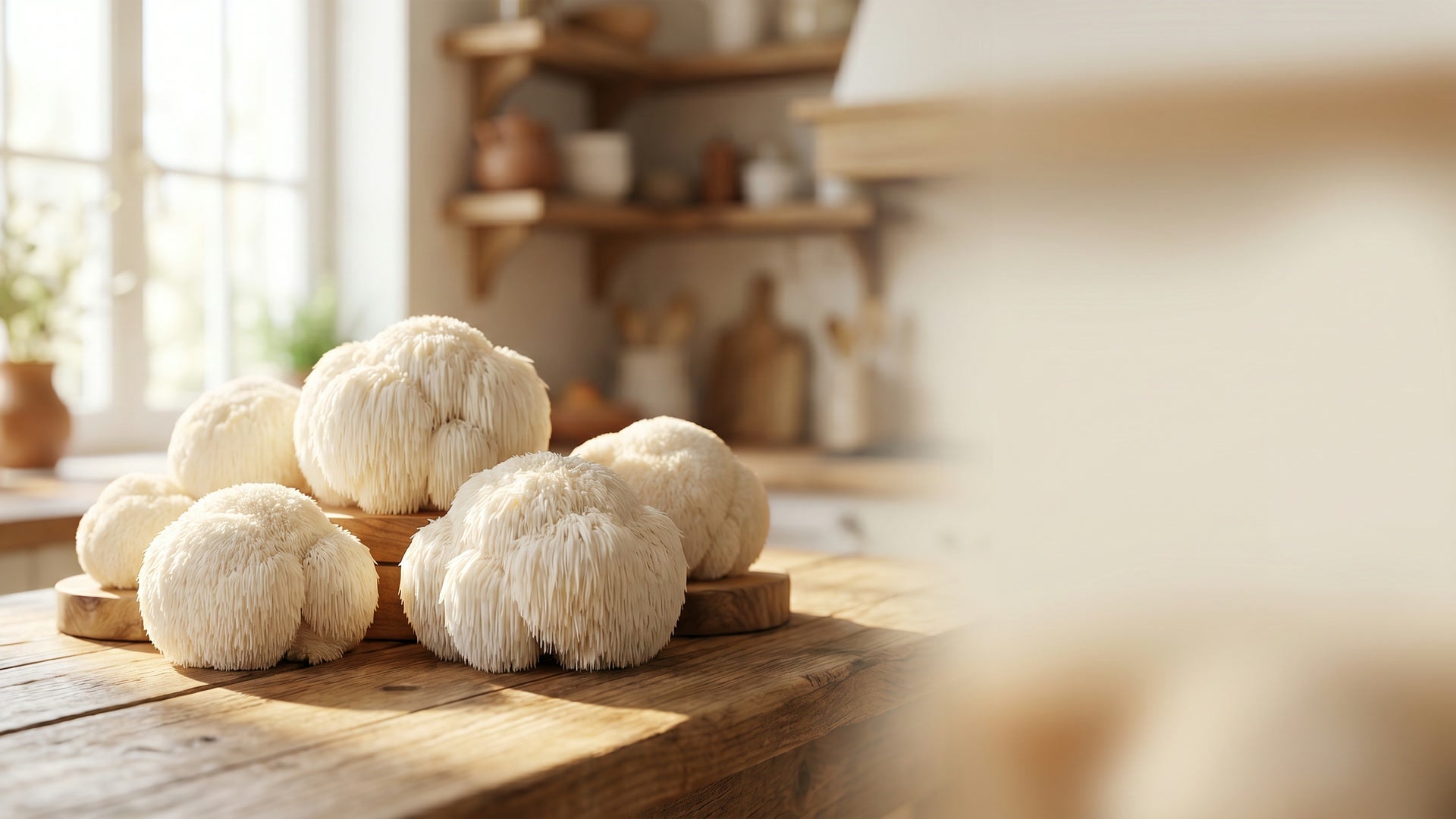
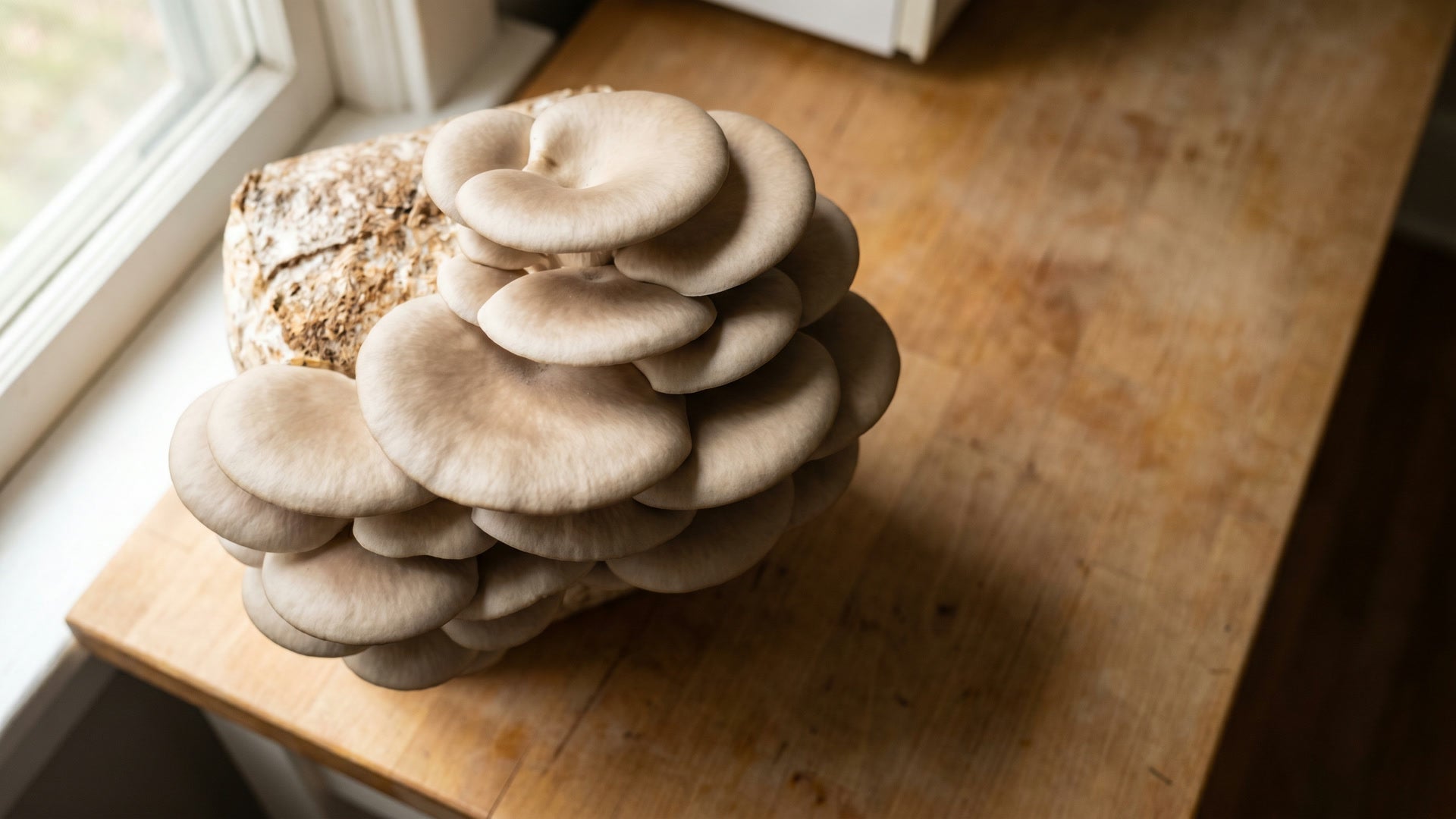
If domestic morel cultivation remains out of reach, you can still grow gourmet mushrooms at home from species that are far easier to cultivate, like lion's mane, oyster, and shiitake.

Cooking and Enjoying Giant Morels
If you're fortunate enough to find a giant morel, you'll want to make the most of this culinary treasure.
Preparation Tips for Large Specimens
Giant morels require special handling:
- Slice lengthwise completely to check for insects and ensure thorough cleaning
- Consider cutting into more manageable pieces for even cooking
- Soak briefly in salt water to remove any hiding insects
- Pat dry completely before cooking
Culinary Uses
Large morels offer unique culinary opportunities:
- Stuff the hollow interior with complementary ingredients like herbs, cheese, or seafood
- Slice into steaks and grill as you would a portobello
- Create spectacular presentation dishes showcasing the impressive size
- Preserve a portion through drying to extend your enjoyment
Conclusion: Appreciating Nature's Giants
Finding an exceptionally large morel mushroom represents one of the most exciting experiences in the world of foraging. These natural wonders remind us of the remarkable diversity and occasional extremes found in the fungal kingdom.
Whether you're actively hunting for record-breaking specimens or simply appreciating the phenomenon, giant morels represent nature's ability to occasionally produce something truly extraordinary. The next time you're in the woods during morel season, keep your eyes peeled – you might just find yourself face to face with one of these magnificent forest giants.
Remember that sustainable foraging practices ensure future generations will have the opportunity to experience the thrill of discovering these remarkable fungi. Leave some smaller morels behind, especially those that have already begun to release spores, to ensure healthy populations for years to come.
Happy hunting, and may you find your own giant morel one day!
Ready to Grow Mushrooms at Home?
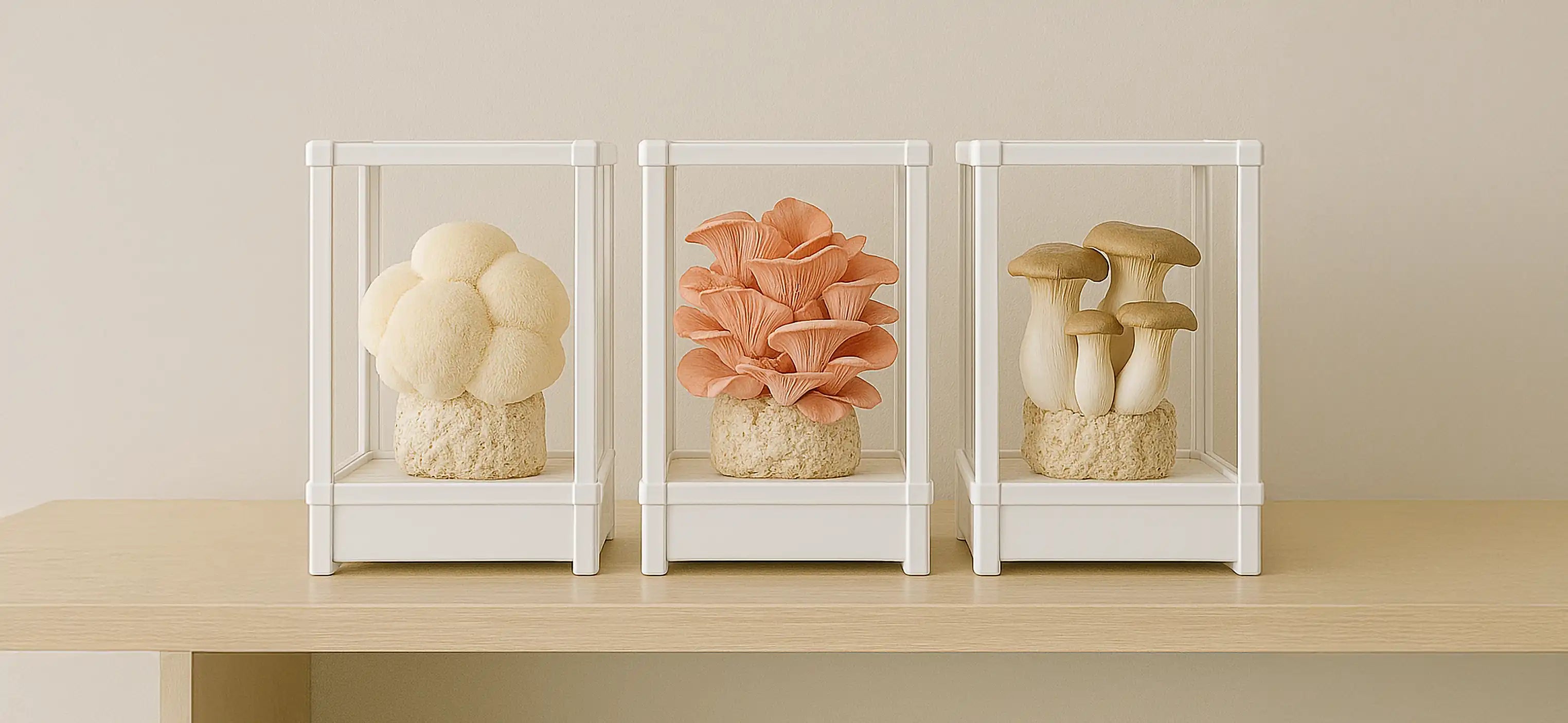
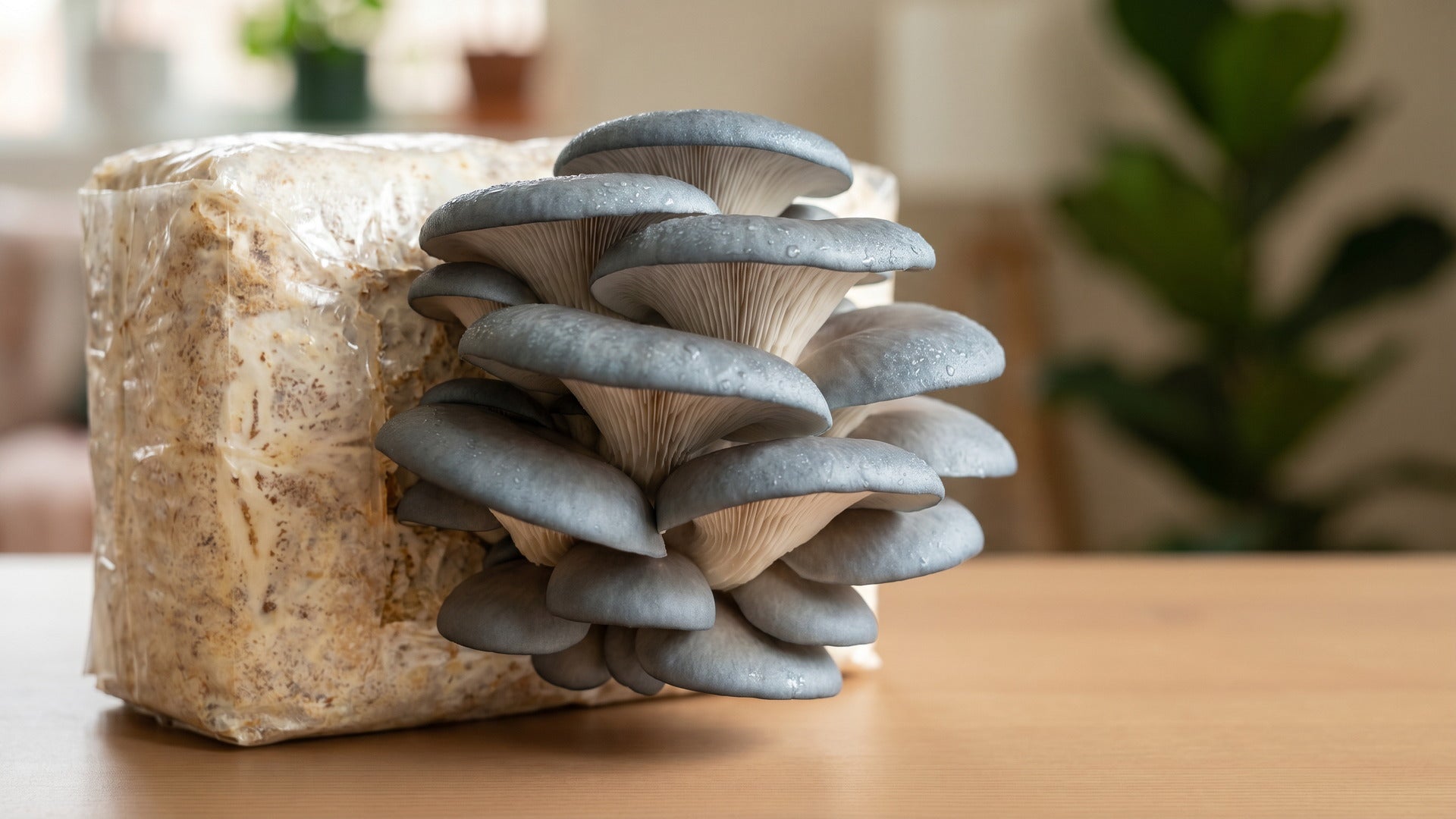
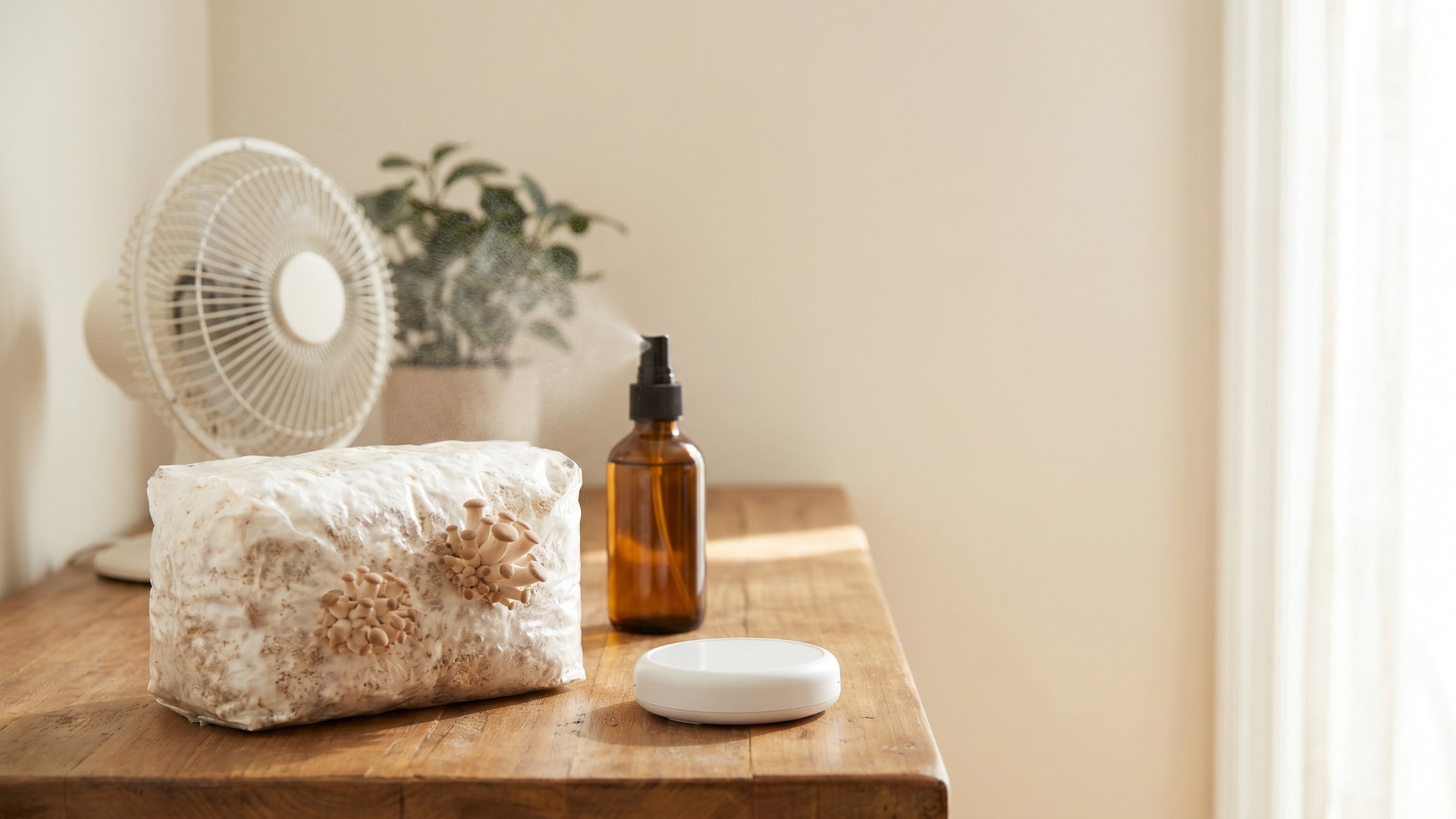
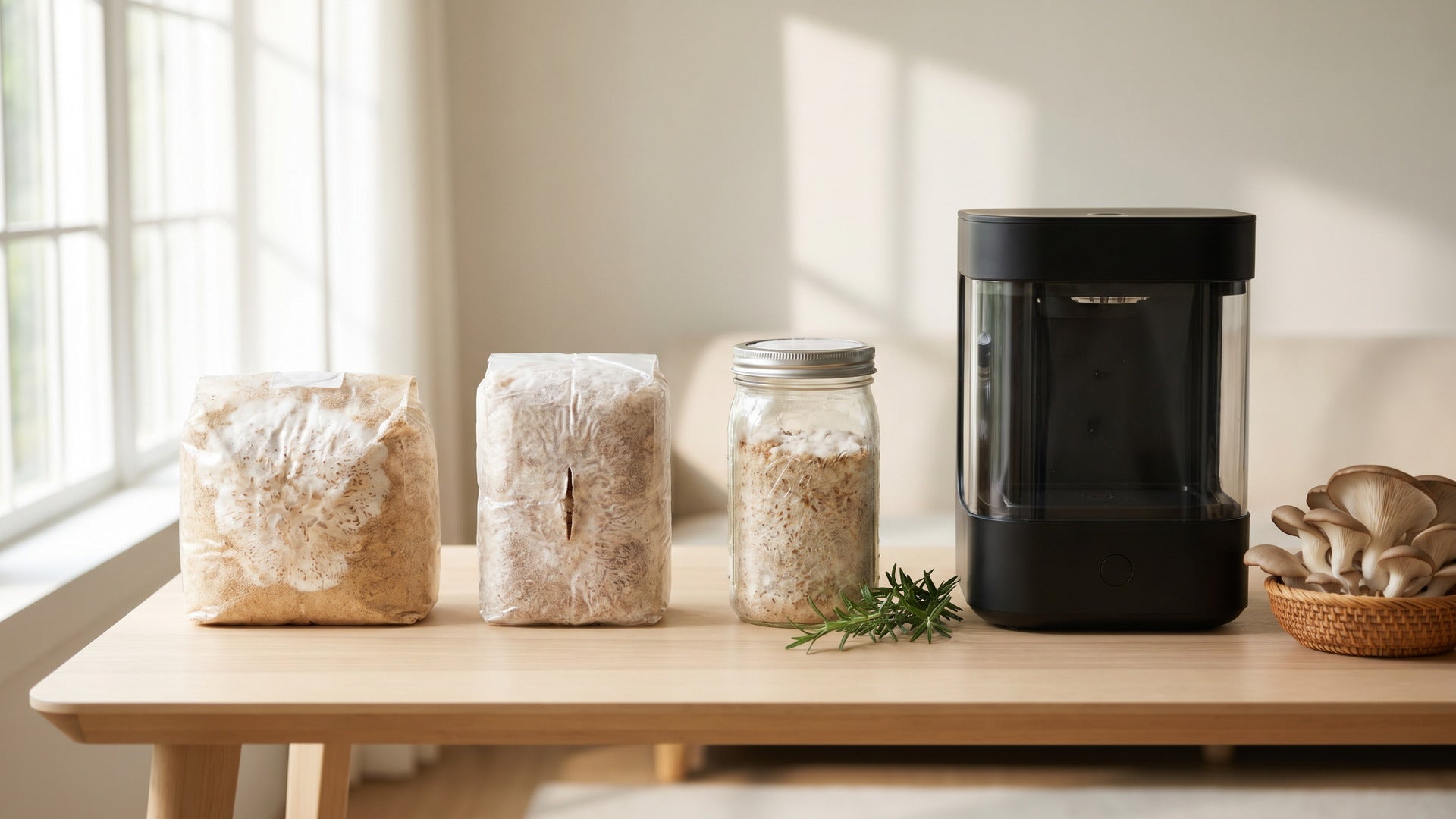
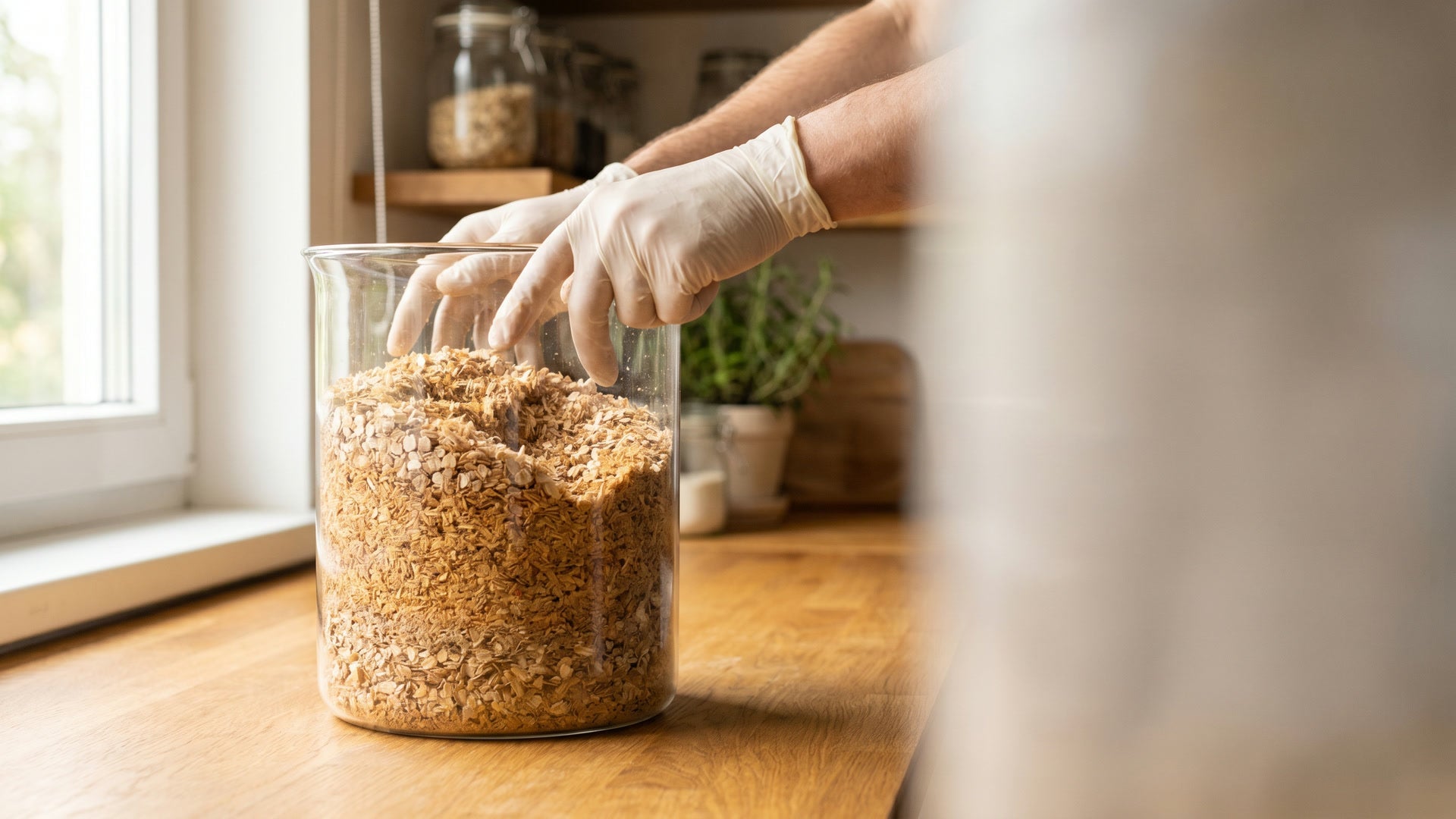
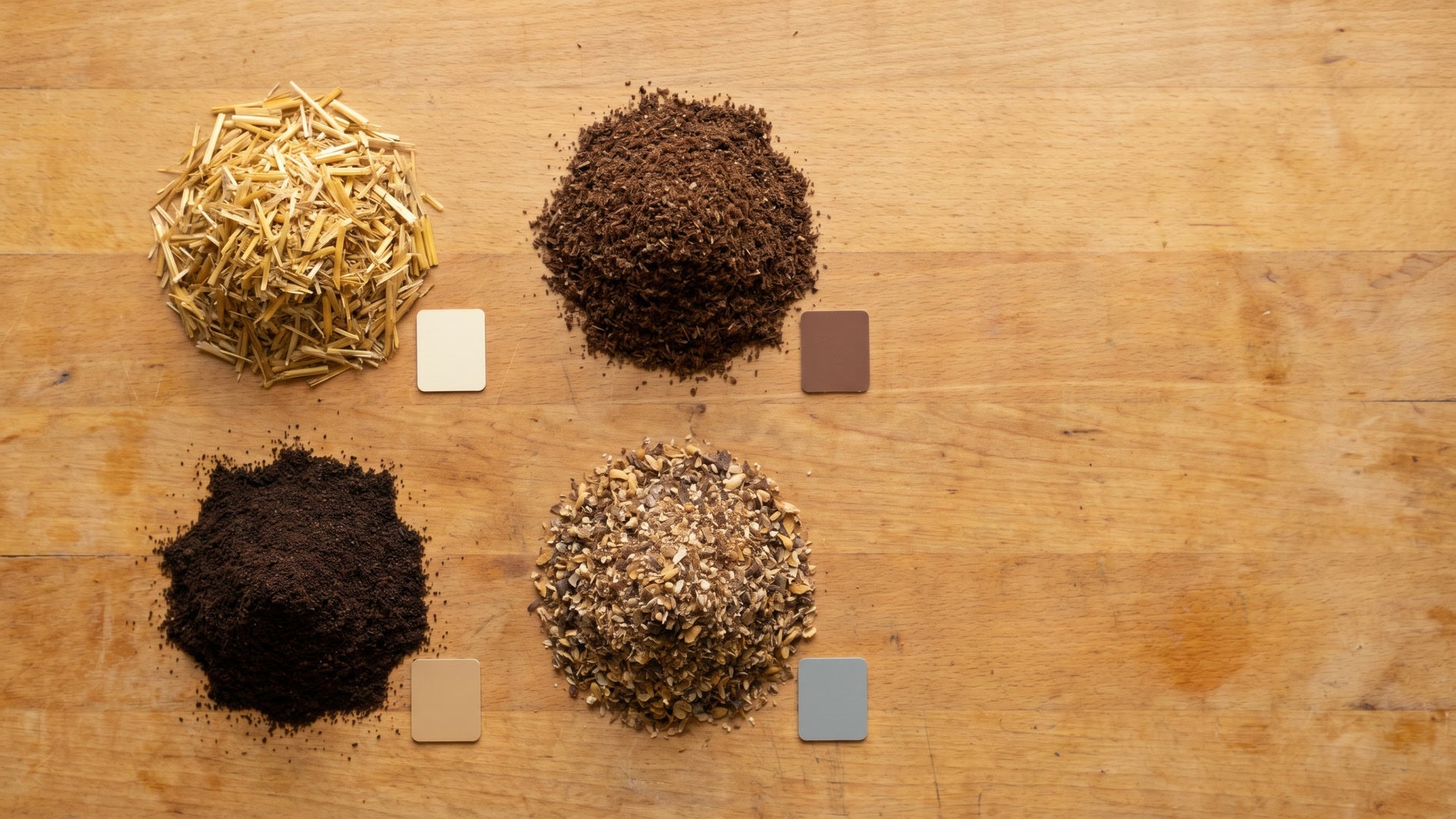
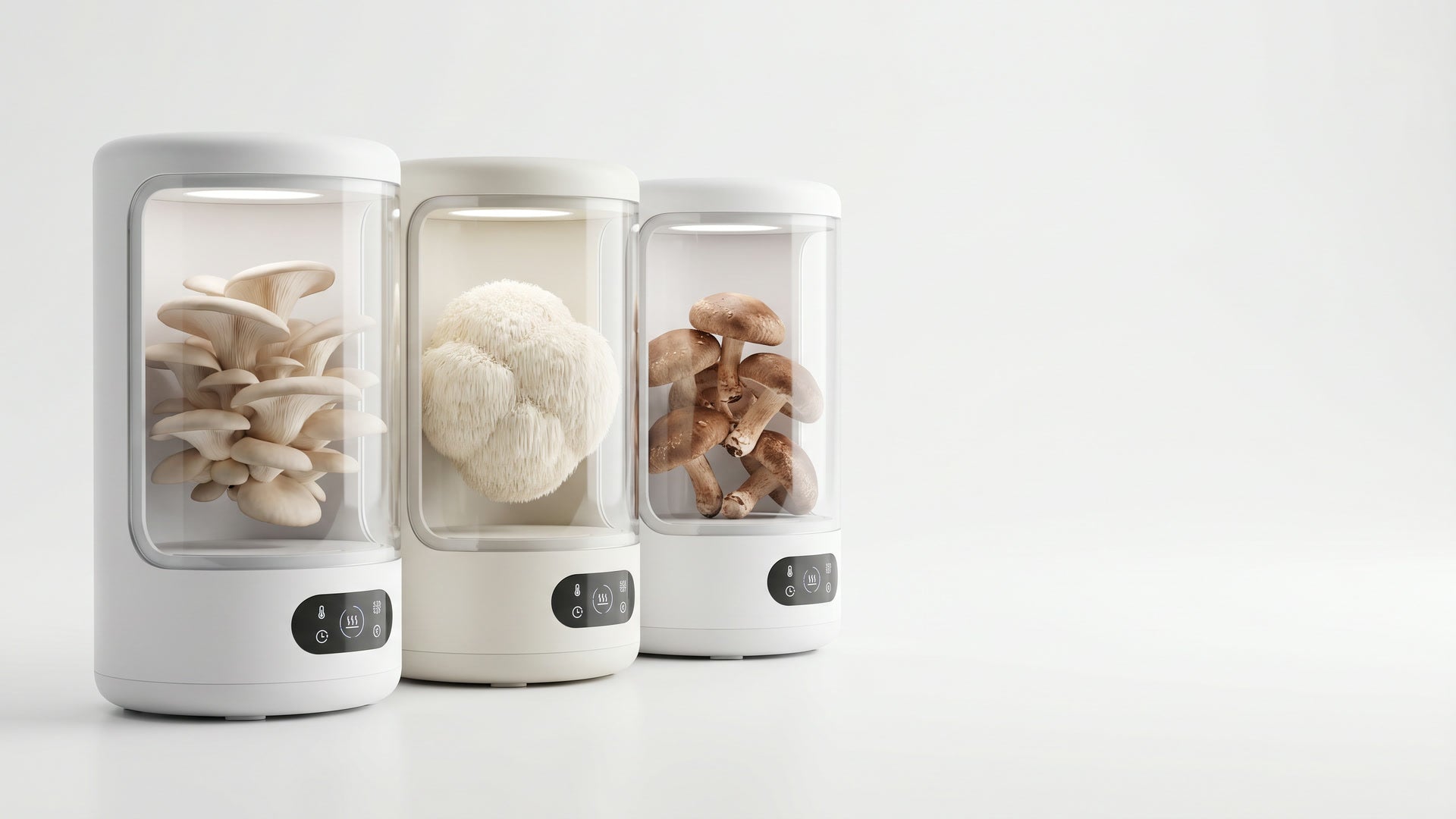
Morels are notoriously hard to cultivate, which is part of what makes finding the biggest morel mushroom feel like striking gold. While morels remain elusive, you can grow other gourmet mushrooms easily at home. The Lykyn Smart Mushroom Grow Kit handles lion's mane, oyster, shiitake, and chestnut in a sealed countertop chamber with automated humidity, airflow, and lighting. Your first flush is usually ready in 10 to 14 days.
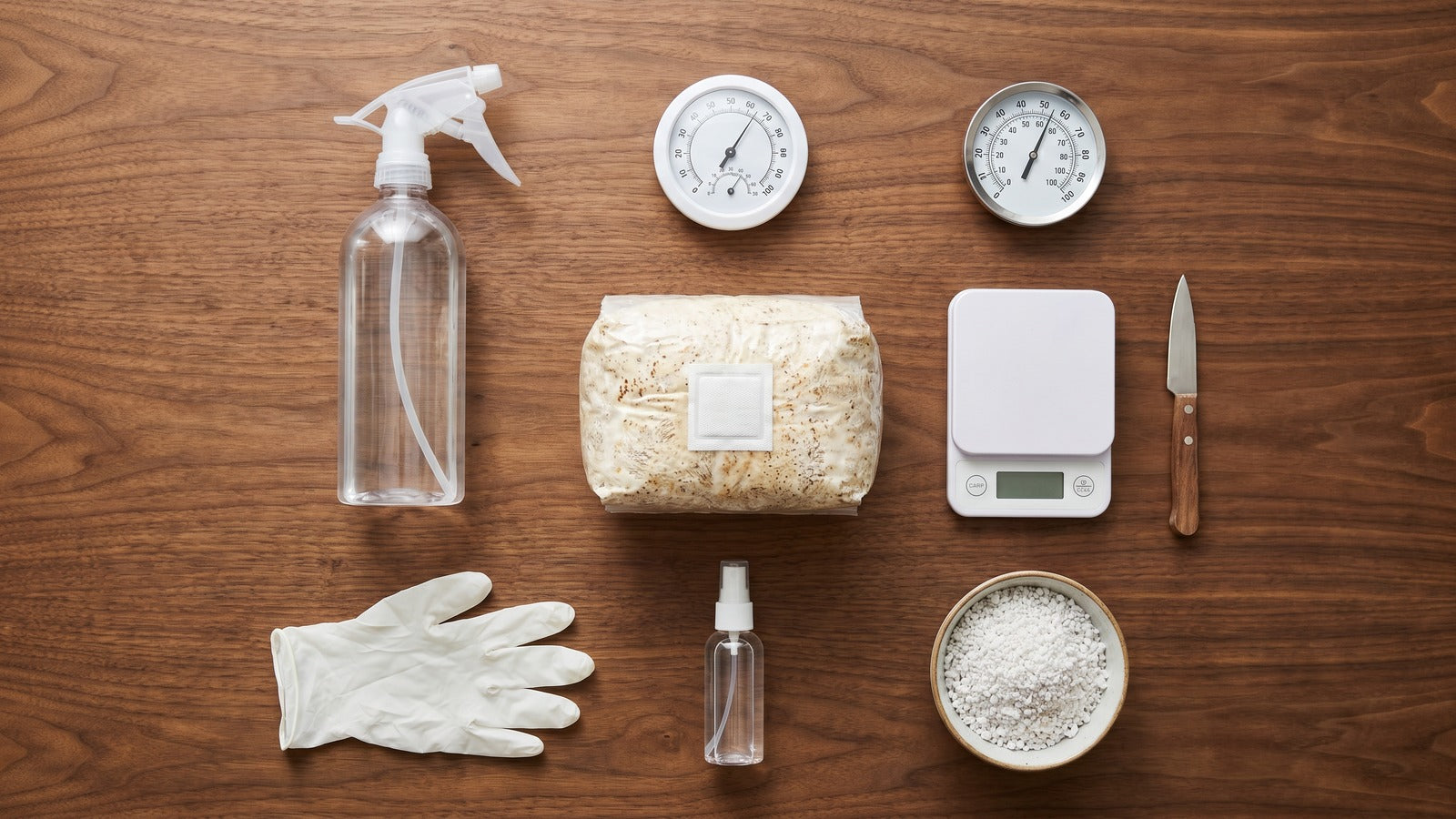
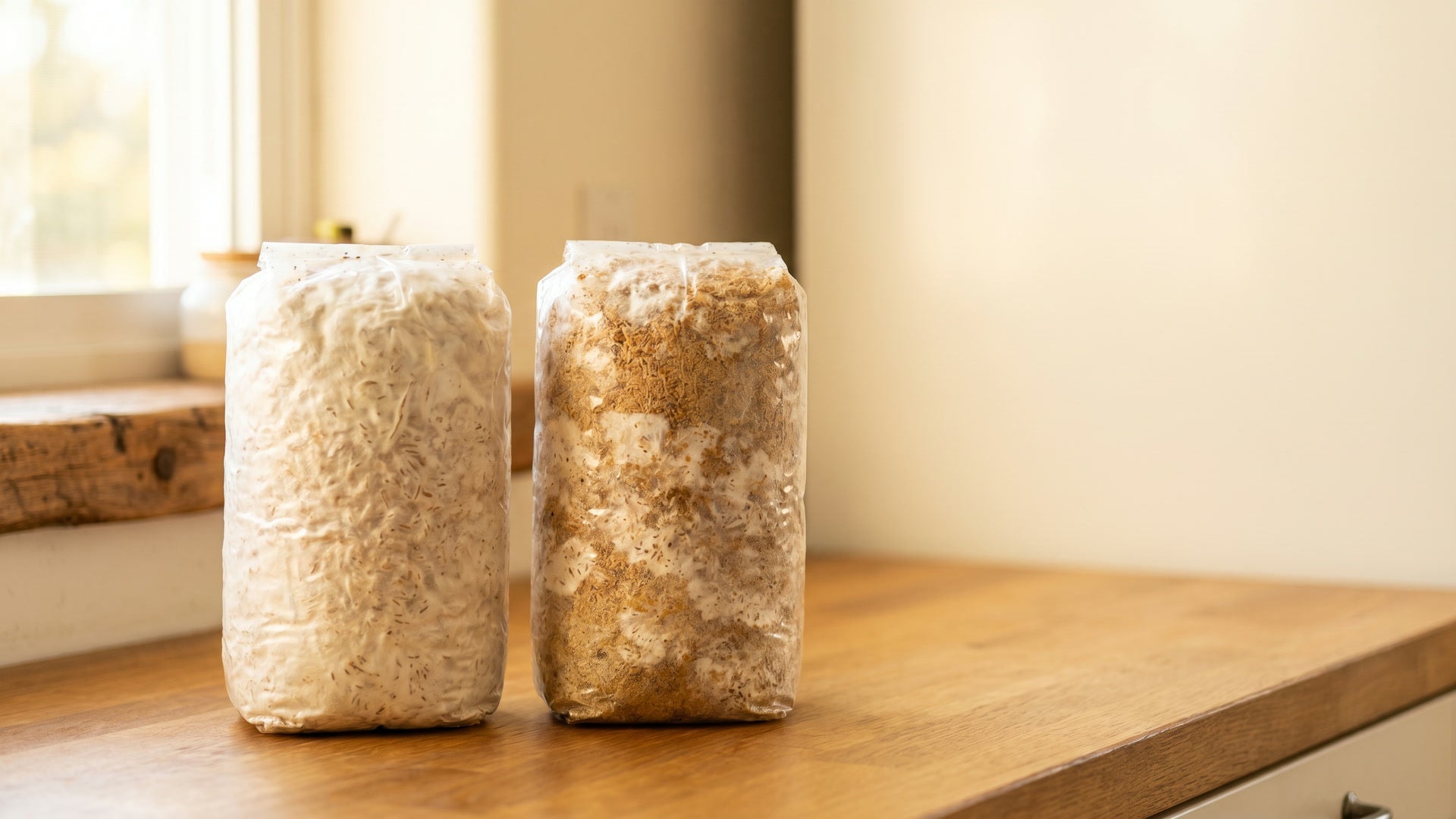
If you want to skip substrate prep, pair the chamber with a pre-inoculated fruiting block and start harvesting in days.

Aktie:
Where to Hunt for Morel Mushrooms: Best Locations and Foraging Tips
Morel Mushroom Trees: A Forager’s Guide to Finding Nature’s Delicacies