


Look, I've been foraging chanterelles for over a decade now, and I still remember that first time I spotted a patch of golden beauties peeking through the leaf litter. My heart raced. I second-guessed myself three times before picking them.
That nervous excitement? Totally normal. And honestly, it's exactly the right mindset for mushroom foraging.

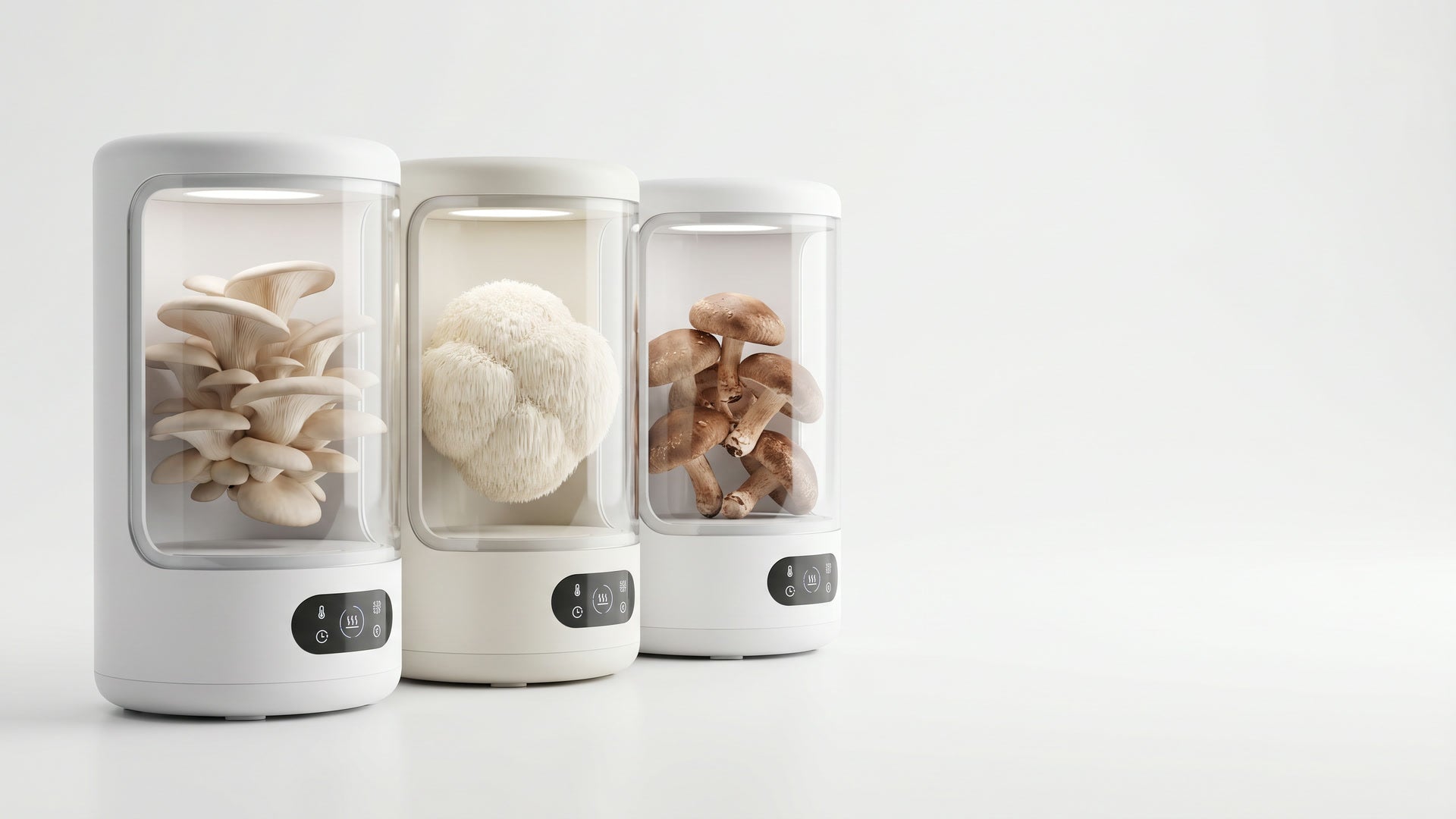
Smart Chamber. Bone White Single
- 2.8L tank, 90% humidity automatic
- App-controlled, plug-and-play
- 6 lb block ceiling, in stock

Smart Chamber. Obsidian Black Single
- Same hardware as Bone White
- Matte black premium finish
- Pairs with any kitchen palette

Chanterelle edible mushrooms are among the safest wild mushrooms for beginners to learn. But "safest" doesn't mean "foolproof." This guide will walk you through everything I've learned, from identification tricks that actually work in the field to cooking methods that'll make your dinner guests think you're some kind of forest wizard.
Let's get into it.
What Are Chanterelle Mushrooms? Understanding the Basics
Chanterelles (Cantharellus cibarius and related species) are mycorrhizal fungi. That's a fancy way of saying they form beneficial partnerships with tree roots. They don't decompose dead material like oyster mushrooms, they need living trees to survive.
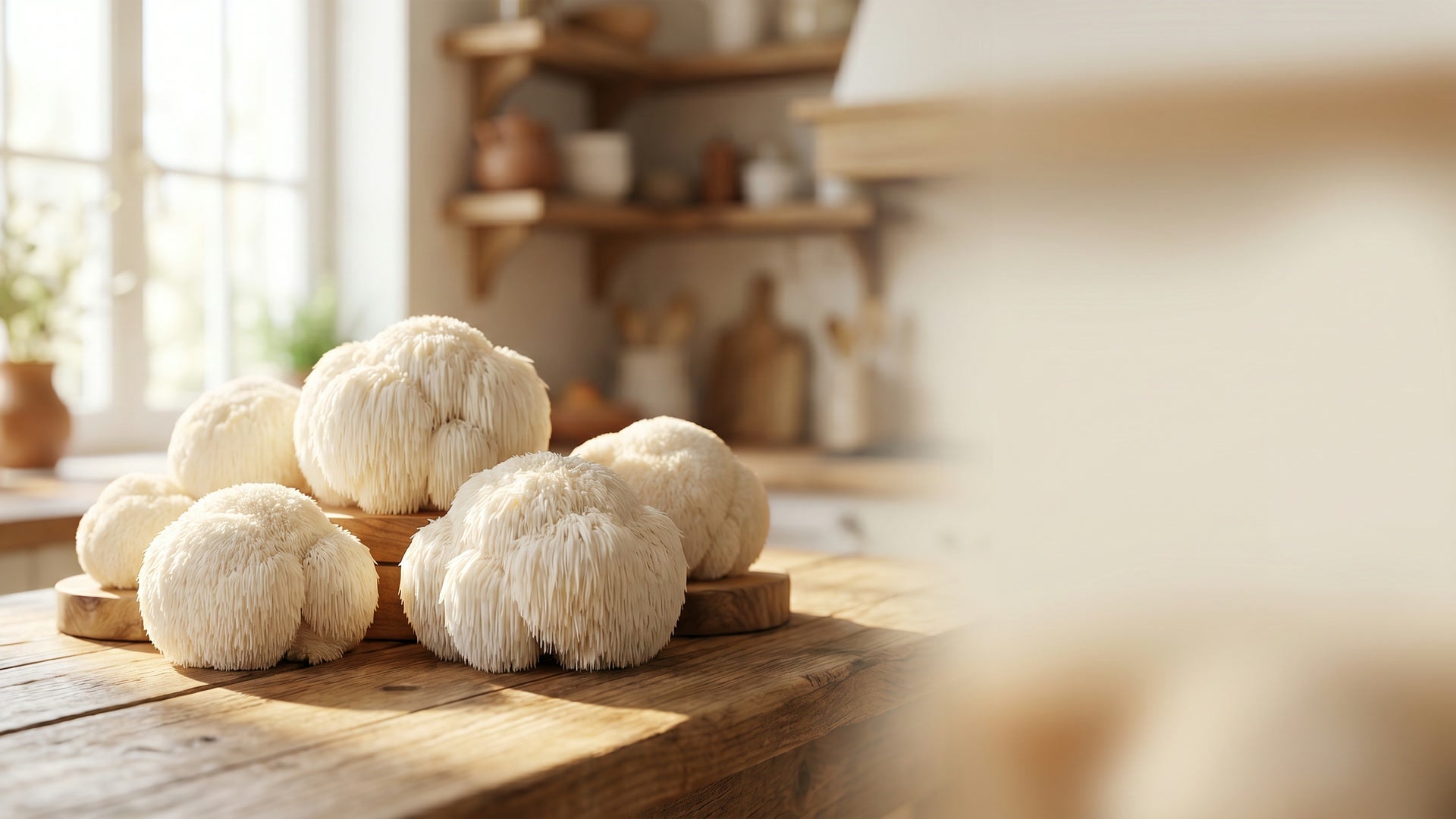
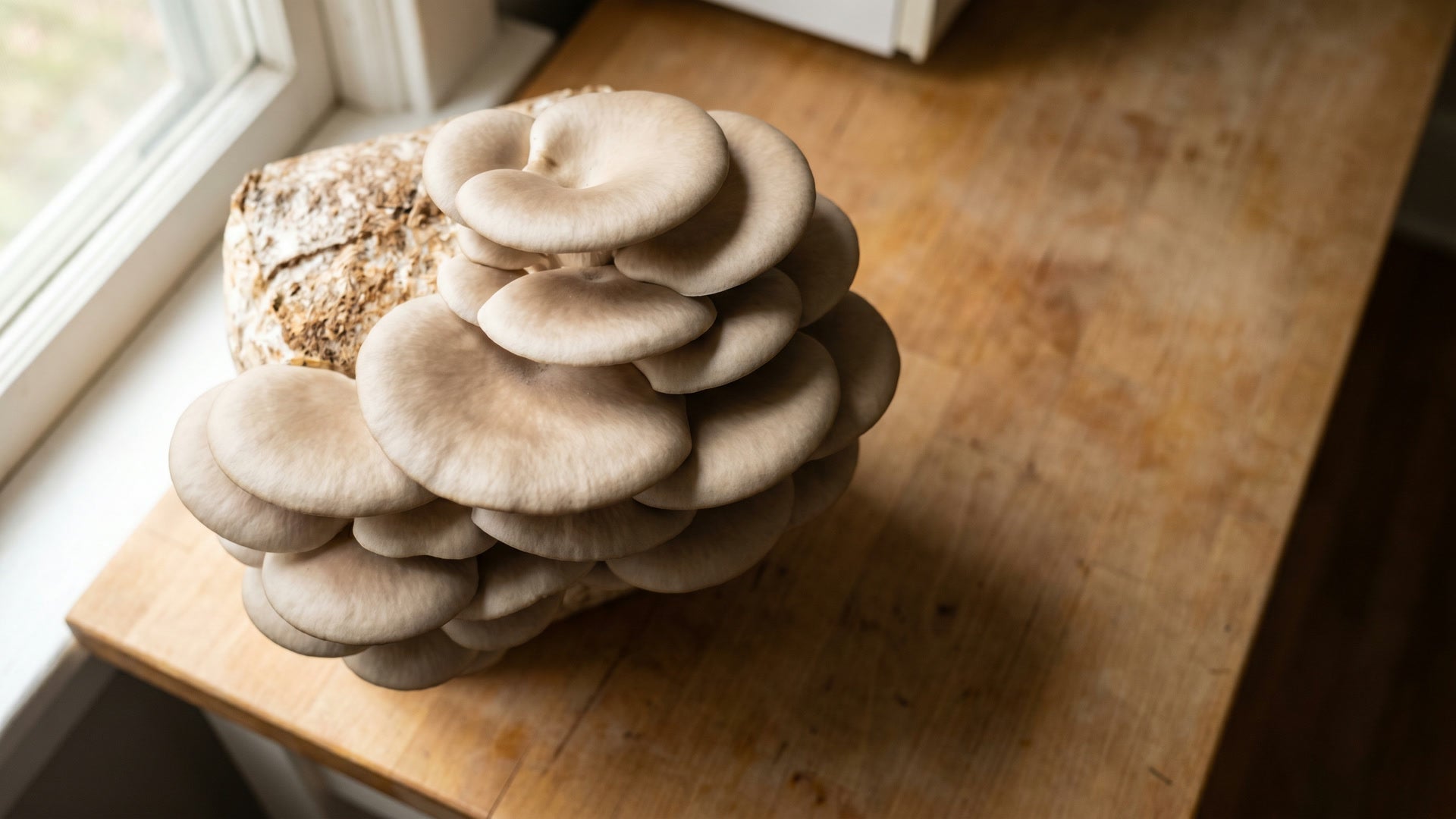
This relationship is exactly why you can't cultivate chanterelles at home using traditional methods. Trust me, people have tried. For over a century. If you're interested in growing mushrooms you can cultivate, the Smart Mushroom Grow Kit. Automated Mushroom Fruiting Chamber is perfect for species like lion's mane, oyster, and shiitake.
Key Characteristics of Chanterelle Edible Mushrooms
Here's what makes chanterelles unique:
| Feature | Chanterelle | False Chanterelle |
|---|---|---|
| Color | Egg-yolk yellow to orange | Orange to brownish |
| Gills | False gills (forked ridges) | True, thin gills |
| Smell | Fruity, apricot-like | None or slightly mushroomy |
| Flesh | Solid white throughout | Hollow or stuffed |
| Habitat | Near hardwoods/conifers | Decaying wood |
The most reliable identification feature? Those false gills. They're actually ridges that fork irregularly and run partway down the stem. True gills are thin, blade-like, and easily separated from the cap.

Where and When to Find Chanterelle Edible Mushrooms
Timing is everything with chanterelles. I've shown up to my favorite spots a week too early and found nothing. Returned after good rain? Golden highway.
Best Foraging Seasons by Region
- Pacific Northwest & California: June through November (peak: September-October)
- Rocky Mountains & Colorado: July through September
- Eastern United States: July through October
- Southern States: Year-round in some areas, peak during rainy seasons
If you're foraging in the Golden State, our Edible Mushrooms in California: Your Complete Guide covers regional hotspots and seasonal timing in detail.
Habitat Preferences
Chanterelles are predictable once you understand their needs:
- Tree associations: Oak, beech, birch, pine, spruce, fir, hemlock
- Soil type: Well-drained, slightly acidic
- Moisture: After 2-3 days of rain, followed by warmth
- Light: Partial shade, forest edges, trail margins
- Elevation: Sea level to 10,000+ feet depending on species
Here's my personal trick: look where the forest transitions. Trail edges. Creek banks. Where hardwoods meet conifers. Chanterelles love these ecotones.
For Colorado foragers, the Edible Mushrooms Colorado: Complete Guide to Foraging includes GPS coordinates for public lands where chanterelles fruit reliably.
How to Identify Chanterelle Mushrooms Safely
I'm going to be straight with you: proper identification is non-negotiable. No dinner is worth a hospital visit.
The 5-Point Chanterelle Identification Checklist
- Check the ridges: False gills should fork, feel waxy, and run down the stem
- Smell it: Distinctive fruity, apricot-like aroma (some say peach)
- Cut it open: Solid white or pale yellow flesh throughout
- Examine the color: Consistent golden-yellow to orange, not brownish
- Note the habitat: Growing from soil near trees, never directly on wood
Dangerous Look-Alikes to Know
Jack O'Lantern (Omphalotus olearius): This is the one that sends people to the ER. It has TRUE gills (thin, crowded, easily separated), grows in clusters on wood or buried roots, and glows faintly in the dark. The poisoning isn't typically fatal but involves severe GI distress for 12-24 hours.
False Chanterelle (Hygrophoropsis aurantiaca): Less dangerous but can cause stomach upset. Has true gills, often more orange than yellow, and grows on decaying wood rather than soil.
If you're new to foraging, our Foraging Mushrooms: Complete Beginner's Guide to Safe... walks through universal safety principles that apply to all wild mushroom hunting.

Harvesting and Cleaning Chanterelle Mushrooms
Found your chanterelles? Excellent. Now let's talk about getting them from forest to plate without ruining them.
Proper Harvesting Technique
There's an ongoing debate: cut or pull? Here's what the science actually says:
A 2008 study published in Fungal Ecology followed harvesting plots for 27 years. The conclusion? It doesn't matter. Both methods produced identical yields over time. What matters more is:
- Not trampling the surrounding soil
- Leaving small specimens to mature
- Not over-harvesting any single patch (take 50% maximum)
- Returning to spots only every 7-10 days during season
I personally twist and pull, then brush off soil in the field. Less dirt means less cleaning later.
Cleaning Methods That Actually Work
Chanterelles are like sponges. Traditional water-washing can make them soggy. Here's my method:

Fuel Your Mushroom Journey
Smart Mushroom Grow Chamber
Plug-and-play smart chamber with humidity, light, and airflow dialed in for every species. Beginners harvest their first flush in days, not months.
Add to cart $299- Dry brush first: Use a soft pastry brush or mushroom brush to remove debris
- Quick rinse only if necessary: 10 seconds under running water, no soaking
- Dry immediately: Pat with paper towels, then air dry for 30 minutes
- Tear, don't cut: Chanterelles have natural grain, tearing preserves texture
Pro tip: cleaning is easier when you do it immediately after harvesting while debris is still loose.

Cooking With Chanterelle Edible Mushrooms
Here's where chanterelles really shine. Their flavor is unlike any grocery store mushroom, peppery, slightly fruity, with an almost floral finish.
Best Cooking Methods
Dry sautéing (my favorite):
Heat a dry pan over medium-high. Add chanterelles. Let moisture cook out (3-4 minutes). Add butter. Season. Done. This concentrates flavor instead of diluting it.
Cream-based dishes:
Chanterelles and cream are soulmates. The fat carries their delicate flavor perfectly. Think risotto, pasta, or simply served over toast.
Preservation:
- Sautéed and frozen: Lasts 6-12 months
- Dried: Loses texture but intensifies flavor
- Pickled: Excellent for charcuterie boards
Simple Chanterelle Recipe
10-Minute Chanterelles on Toast
Serves 2 | Prep: 5 min | Cook: 5 min
Ingredients:
- 8 oz fresh chanterelles, cleaned and torn
- 3 tbsp butter
- 2 cloves garlic, minced
- Fresh thyme
- Good crusty bread
- Flaky salt
Method:
- Dry sauté chanterelles until moisture releases
- Add butter, garlic, thyme
- Cook 2 minutes more
- Pile onto toasted bread
- Finish with flaky salt
That's it. Sometimes simple wins.
Frequently Asked Questions About Chanterelle Edible Mushrooms
Are chanterelle mushrooms safe to eat raw?
No, you should always cook chanterelles before eating them. Raw chanterelles can cause gastrointestinal upset in many people. Cooking also improves their flavor and makes nutrients more bioavailable. A minimum of 5 minutes over heat is recommended.
How can you tell if a chanterelle mushroom is bad?
Fresh chanterelles are firm with a fruity smell. Signs of spoilage include slimy texture, dark spots, sour or ammonia-like odor, and soft mushy flesh. When in doubt, throw it out. Properly stored chanterelles last 7-10 days refrigerated in a paper bag.
Can you grow chanterelles at home?
Unfortunately, no, not with current technology. Chanterelles require symbiotic relationships with living tree roots (mycorrhizal association) that cannot be replicated in controlled environments. However, you can grow many other delicious species like lion's mane and oyster mushrooms using a Smart Mushroom Grow Kit.
What's the difference between golden and white chanterelles?
Golden chanterelles (Cantharellus cibarius) are yellow-orange with a fruity aroma. White chanterelles (Cantharellus subalbidus) are pale cream to white, found primarily in Pacific Northwest forests. Both are equally edible and delicious with slightly different flavor profiles, white chanterelles tend to be milder.
Where is the best place to find chanterelle mushrooms?
Look near oak, beech, pine, and conifer trees in well-drained forest soil. Chanterelles prefer partial shade, forest edges, and areas that received rain 3-5 days prior. They emerge from soil (never from wood) and often appear in the same locations year after year.
How much are chanterelle mushrooms worth?
In 2026, fresh chanterelles retail for $20-40 per pound at farmers markets, depending on region and season. Restaurant wholesale prices range from $12-25 per pound. Their value reflects the fact that they cannot be commercially cultivated and must be wild-harvested.
What do chanterelle mushrooms taste like?
Chanterelles have a unique flavor profile combining mild peppery notes with fruity undertones often compared to apricots. Their texture is meaty and slightly chewy. The aroma is distinctly fruity and floral. They're considered among the finest edible wild mushrooms worldwide.
Conclusion: Your Chanterelle Journey Starts Now
Chanterelle edible mushrooms represent the perfect entry point into wild mushroom foraging. They're distinctive enough for confident identification, delicious enough to justify the effort, and abundant enough in most North American forests to actually find.
Here's what to remember:
- Master the false gills: Forked ridges running down the stem are your primary identification feature
- Know your look-alikes: Jack O'Lantern mushrooms are the dangerous one, they have true gills and grow on wood
- Respect the habitat: Take only 50% of any patch and avoid disturbing soil
- Clean properly: Dry brush first, brief rinse only if needed
- Cook simply: Dry sauté with butter lets their natural flavor shine
The best way to learn? Get out there. Start with our Foraging Mushrooms: Complete Beginner's Guide for foundational skills, then check regional guides for California or Colorado depending on where you're hunting.
Ready to Expand Your Mushroom Knowledge?
While chanterelles require forest foraging, dozens of gourmet species can be grown right in your kitchen. The Smart Mushroom Grow Kit. Automated Mushroom Fruiting Chamber takes the guesswork out of home cultivation with precise humidity and temperature control.
Start growing your own gourmet mushrooms today → Perfect for the off-season when chanterelles aren't fruiting!
Aktie:
How Road Trip Mushroom Gummies Can Transform Your Next Long Drive
Japanese Braised Shiitake Mushroom Recipe