


The elm oyster mushroom (Hypsizygus ulmarius) stands out as one of nature's most remarkable fungi, offering superior flavor, texture, and nutritional benefits compared to common oyster mushrooms. Despite its name, this fascinating mushroom isn't actually a true oyster mushroom but belongs to its own unique genus. Whether you're interested in foraging, cultivation, or simply learning about this exceptional species, this comprehensive guide covers everything you need to know about elm oyster mushrooms.
Quick Answer: Elm oyster mushrooms (Hypsizygus ulmarius) are edible fungi that grow high on elm and other hardwood trees. They feature white to cream-colored caps, firm texture, and superior flavor compared to true oyster mushrooms. Distinguished by their non-decurrent gills and central stems, they're perfect for beginners interested in mushroom foraging and cultivation.

Understanding Elm Oyster Mushrooms: Not Your Typical Oyster
Elm oyster mushrooms (Hypsizygus ulmarius) are often confused with true oyster mushrooms, but they belong to a completely different genus. The scientific name provides valuable clues about this species: "Hypsizygus" means "high up yoke," referring to their typical growing position high on tree trunks, while "ulmarius" relates to elm trees, one of their preferred hosts.
This species was first described in 1791 by French physician and botanist Jean Baptiste Francois Pierre Bulliard. Originally placed in the Agaricus genus like most gilled mushrooms of that era, it was later moved to Pleurotus before finding its current home in the Hypsizygus genus in 1984, thanks to Canadian mycologist Scott Redhead.
What makes elm oyster mushrooms truly special is their superior culinary qualities. Many people feel their size, taste, and texture make them superior to regular oyster mushrooms. They offer a firm, meaty texture with a delicate aroma and mild nutty flavor that intensifies when cooked, making them excellent meat substitutes for vegetarian and vegan recipes.
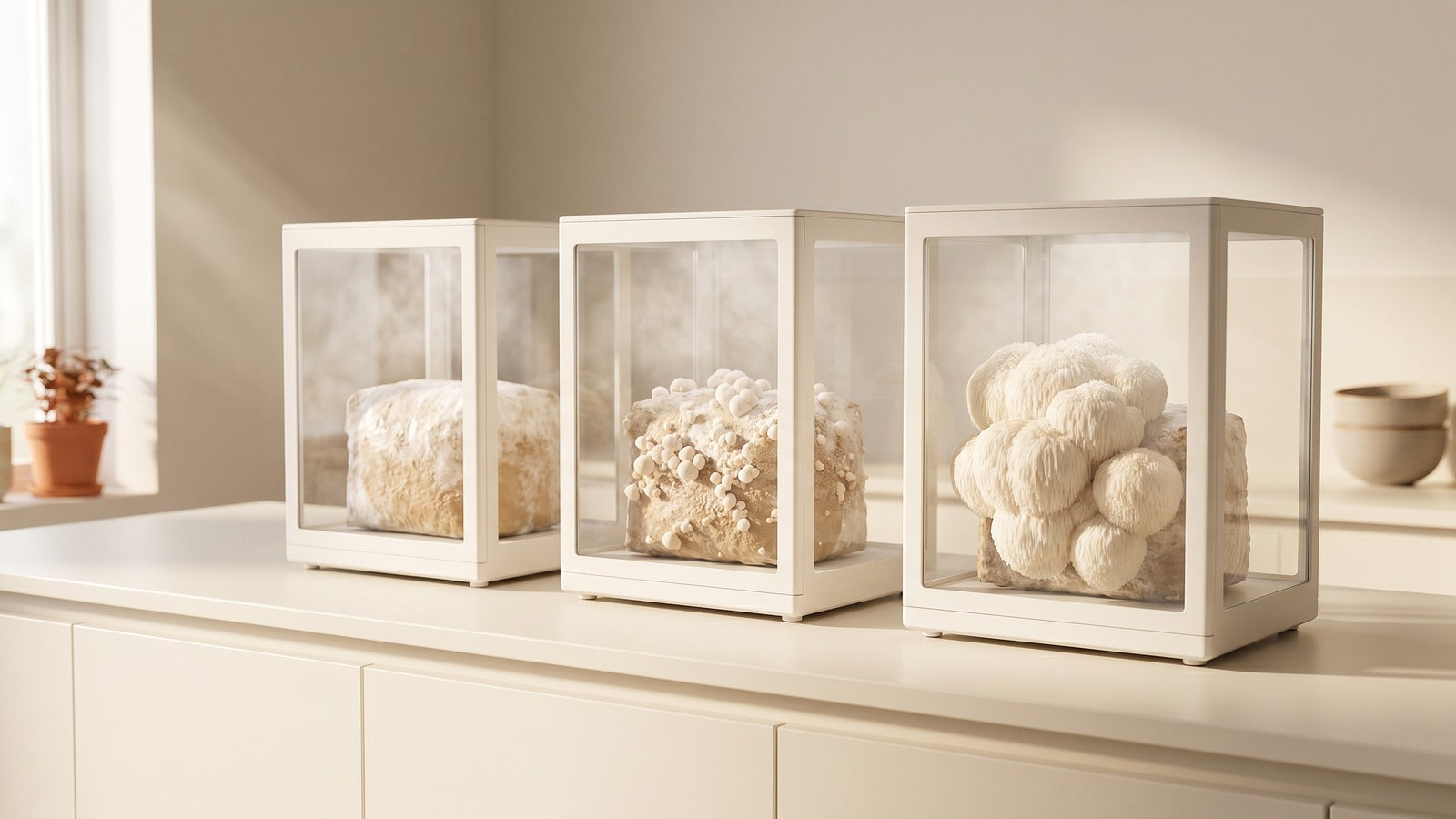
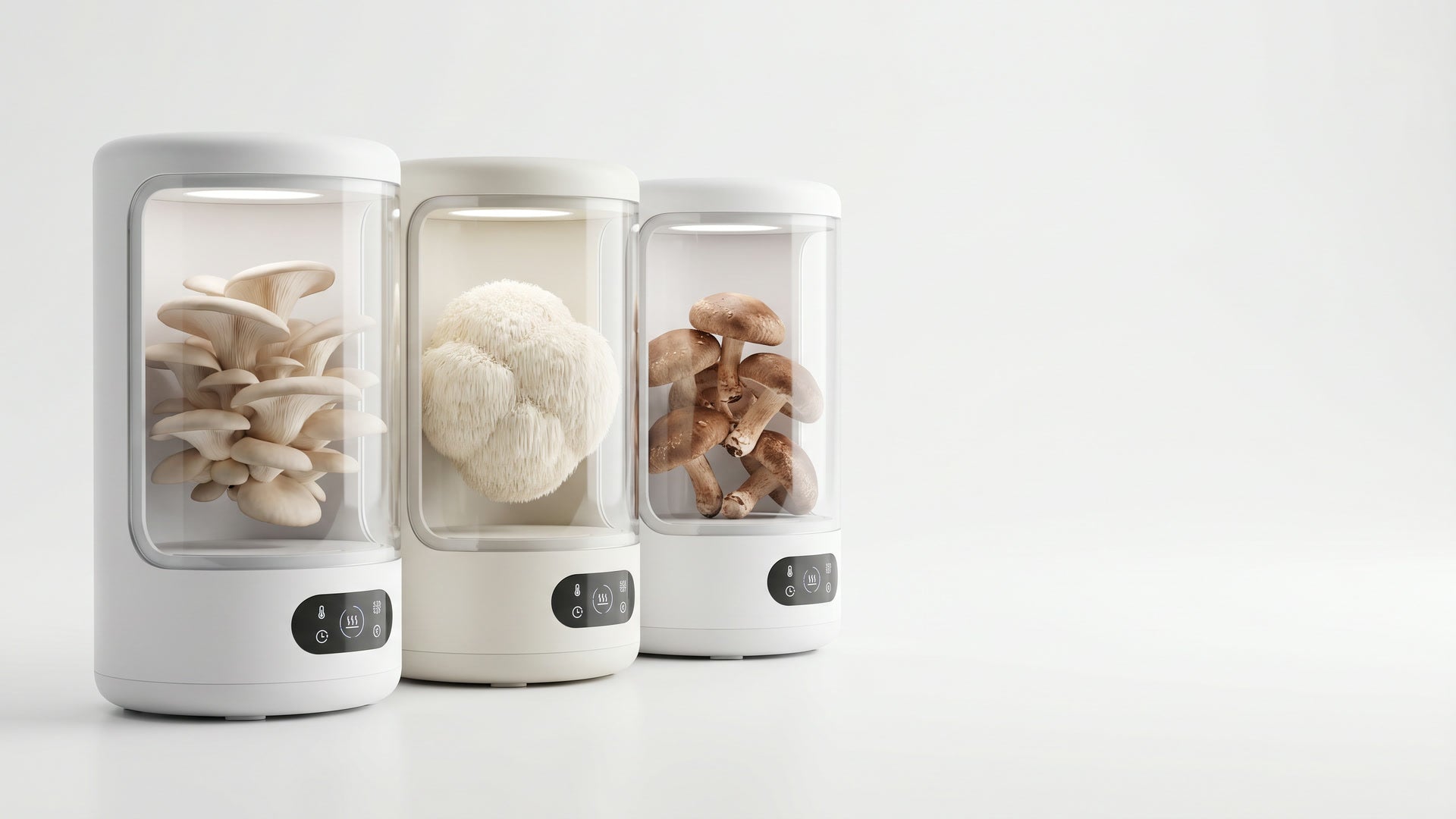
For those interested in growing their own gourmet mushrooms, the Smart Mushroom Grow Kit provides an excellent starting point for cultivating various mushroom species, including specialty varieties like elm oysters.
Essential Identification Features for Safe Foraging
Physical Characteristics and Distinguishing Features
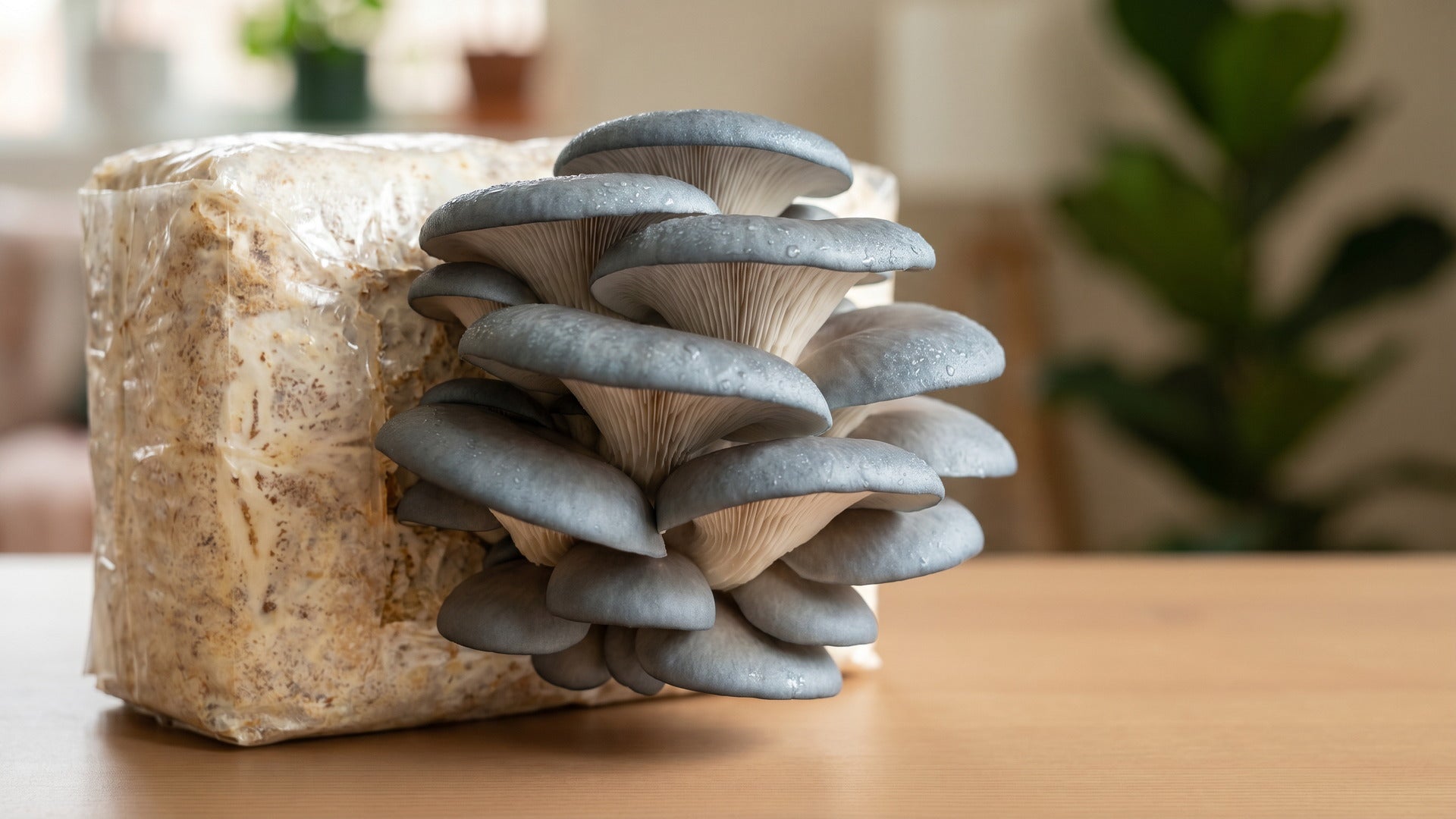
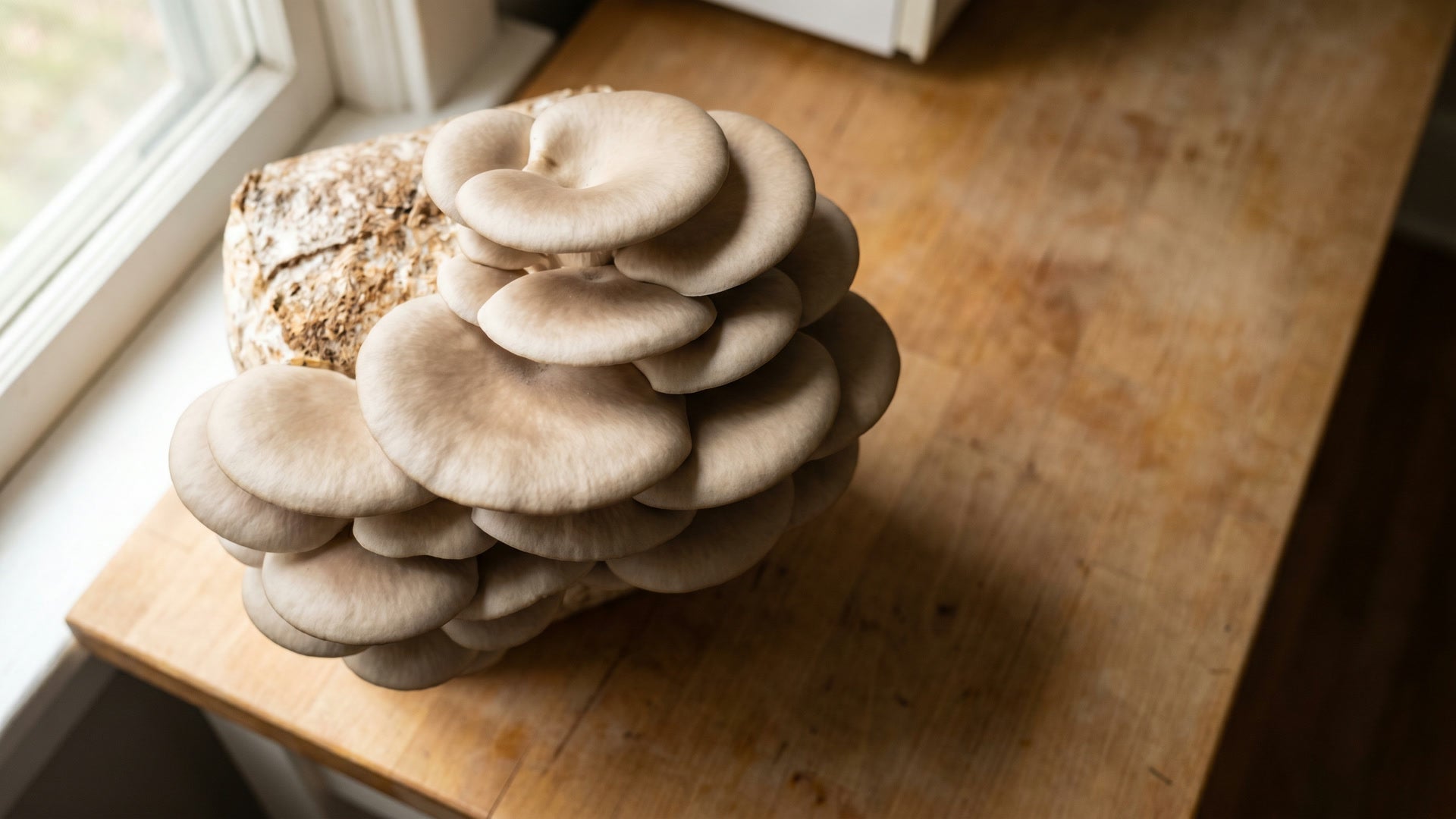
Elm oyster mushroom caps measure anywhere from 5 to 15 cm wide, appearing white to buff or tan in color and sometimes developing a pattern of cracks with age. The most distinctive feature that separates elm oysters from true oyster mushrooms is their gill attachment, the gills of a true oyster run down the stem, while the gills of an elm oyster do not.
Key identification features include:
-
Cap shape: More circular and regular than true oysters, ranging from convex to slightly depressed with age
-
Stem characteristics: White to off-white, dry, smooth, and stout, developing off-center to nearly central from the cap
-
Gill attachment: Adnate or only very slightly decurrent, unlike the deeply decurrent gills of Pleurotus species
-
Growing pattern: Typically grow singularly or in small clusters of 1-4 mushrooms
-
Spore print: White to buff colored
Habitat and Seasonal Growing Patterns
Elm oysters appear in the fall, typically when the nights start to get cool around September and October. They are late summer or fall fruiting species that sometimes persist into winter if it's a mild season. Look for them anytime from August through December, they hold up quite well to frost and remain forageable even when frozen.
To find them, you'll need to be in a deciduous hardwood forest in the fall with elms, boxelder trees, or both. The fungus commonly grows on tree species like elm, box elder (Acer negundo), and beech, though it may be found on other trees as well.
As mentioned in our comprehensive oyster mushroom identification guide, elm oysters begin appearing in summer and continue through fall, making them one of the more predictable species for foragers.
Safety Considerations and Lookalikes
Elm oysters have no poisonous lookalikes, making them ideal for beginning foragers. However, several edible mushrooms may cause confusion:
Veiled Oyster (Pleurotus dryinus): A very firm oyster mushroom that can also be found in the fall growing on oaks and beech trees. It's also edible and fine, but more chewy.
Aspen Oyster (Pleurotus populinus): Nearly identical to oyster mushrooms you'll find at the store, easily separated from elm oysters as they're found specifically on Aspen trees and tend to grow clustered.
Angel Wing (Pleurocybella porrigens): Easily separated from all other mushrooms here in that it has a preference for growing on coniferous trees, not deciduous. It's also flimsy and brittle compared to all the species described above.
Cultivation and Growing Your Own Elm Oyster Mushrooms
Commercial and Home Cultivation Methods
Elm oyster mushrooms are favored by both novices and professionals for their ease of growth and culinary significance. Studies on commercial cultivation revealed that wheat straw substrate supplemented with 10.0% cotton seed hull spawned with bajra grain spawn gave highest yield and biological efficiency.
For home cultivation, elm oyster mushrooms can be grown using several methods:
Substrate Options:
-
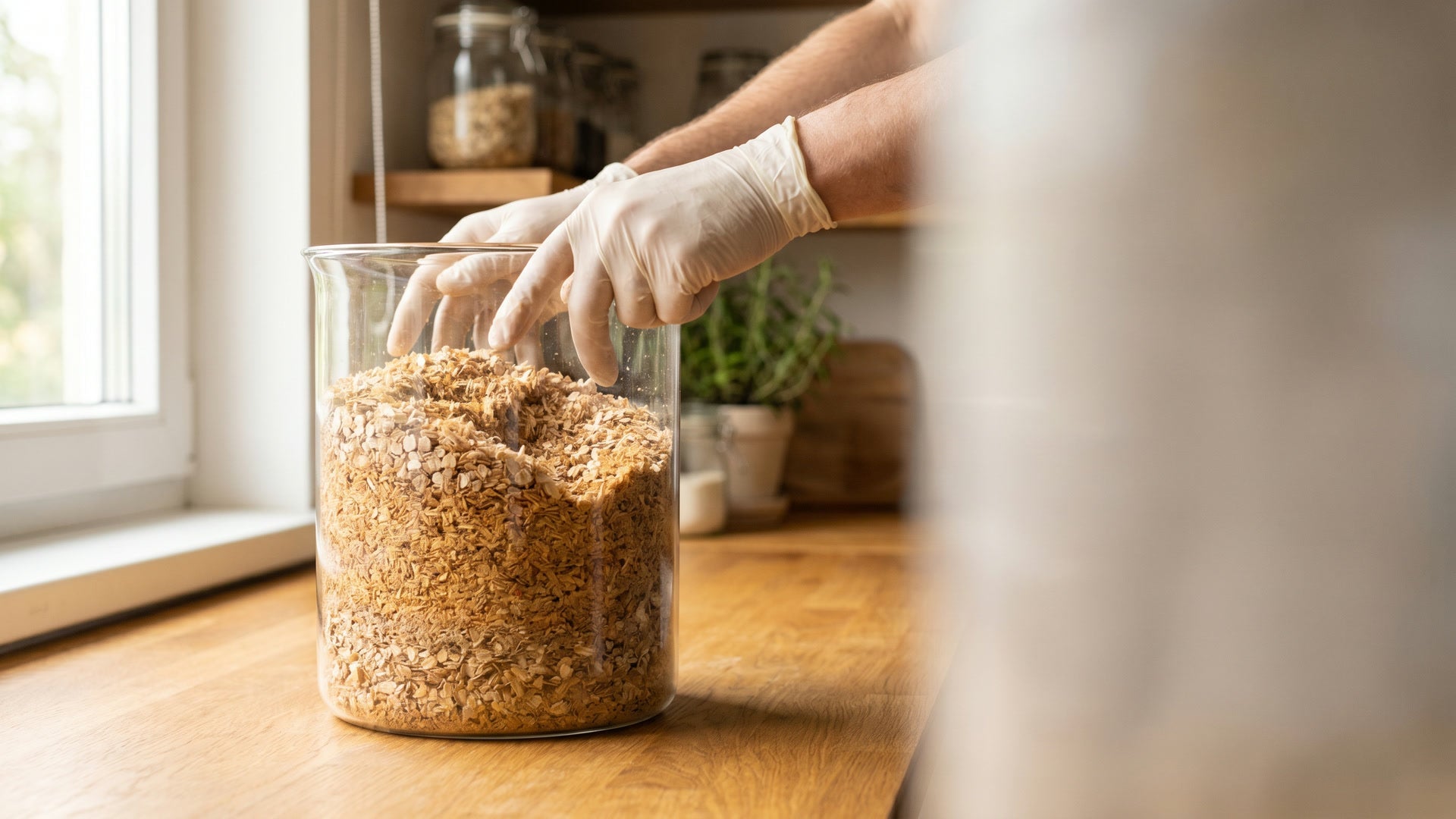
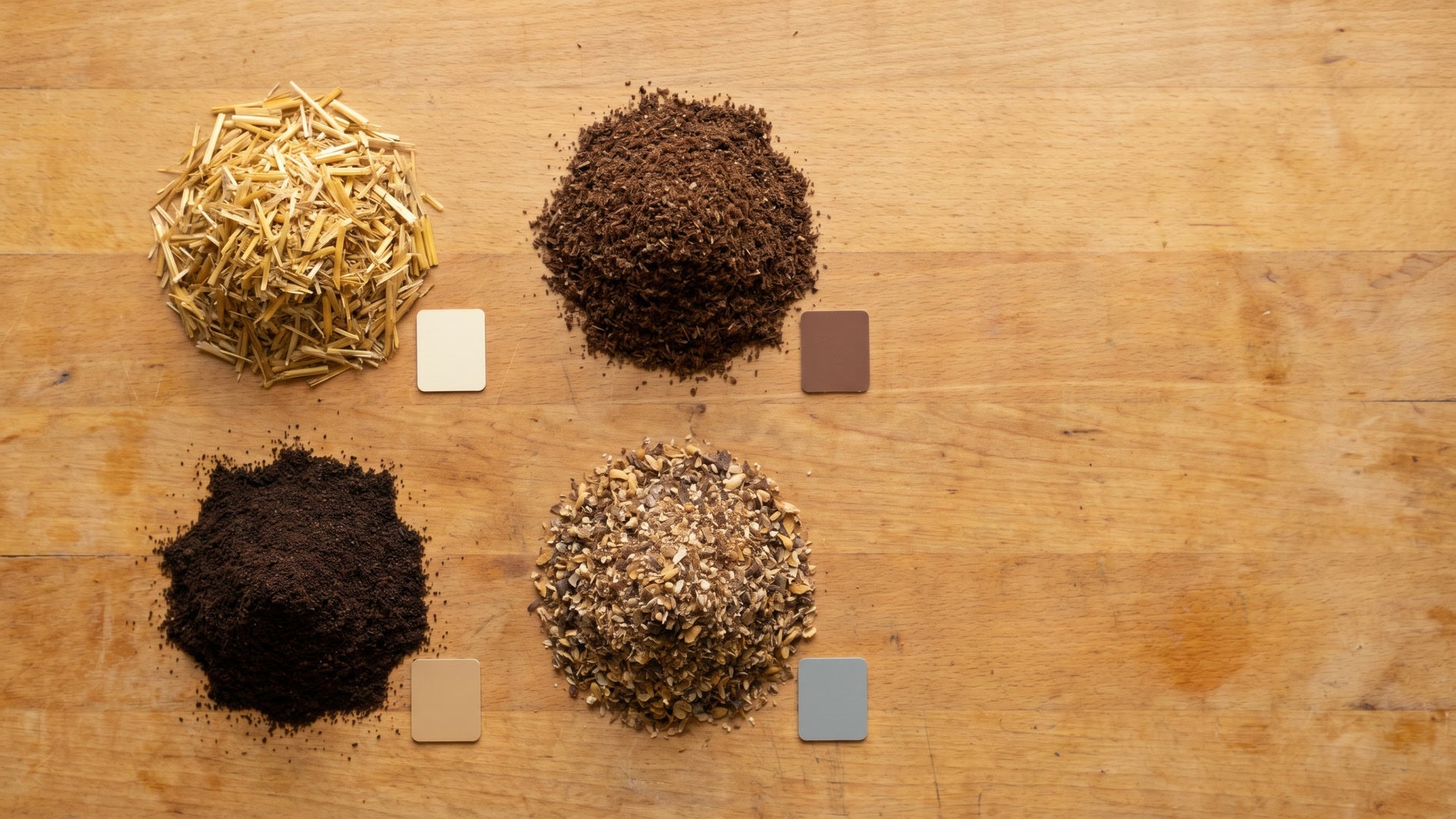
Paddy straw, corn husk, and combinations of both under aseptic conditions
-
Wood logs using poplar, oak, alder, aspen, maple, birch, ash, beech, willow or elm
-
Supplemented straw with cotton seed hull for maximum yield
Growing Conditions:
-
Temperature range of 55-75°F and humidity level of 90-95%
-
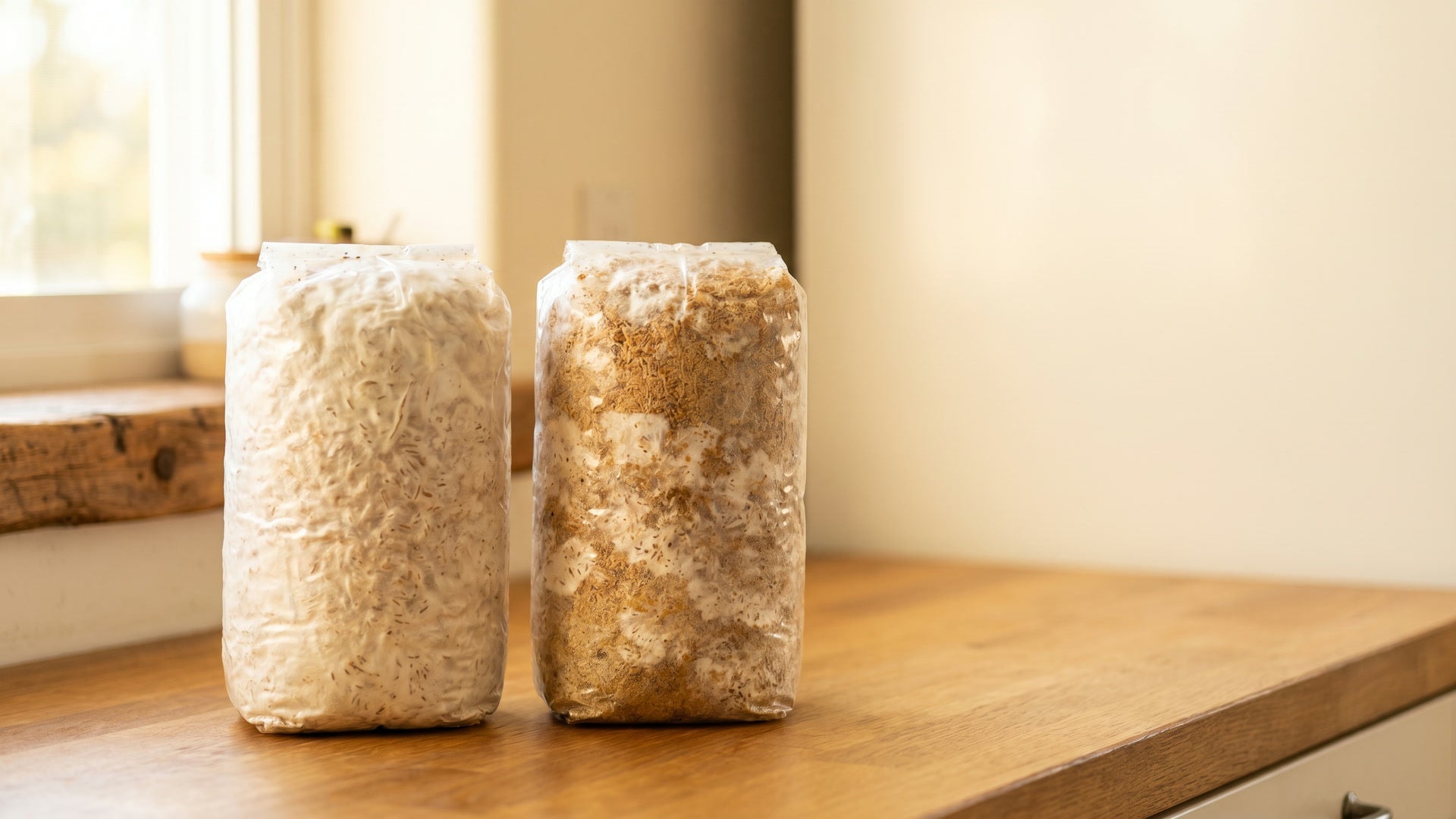
Cultivation period of 4-6 weeks for the mycelium to fully colonize the substrate
-
Preference for hardwood substrates, particularly elm, oak, or beech
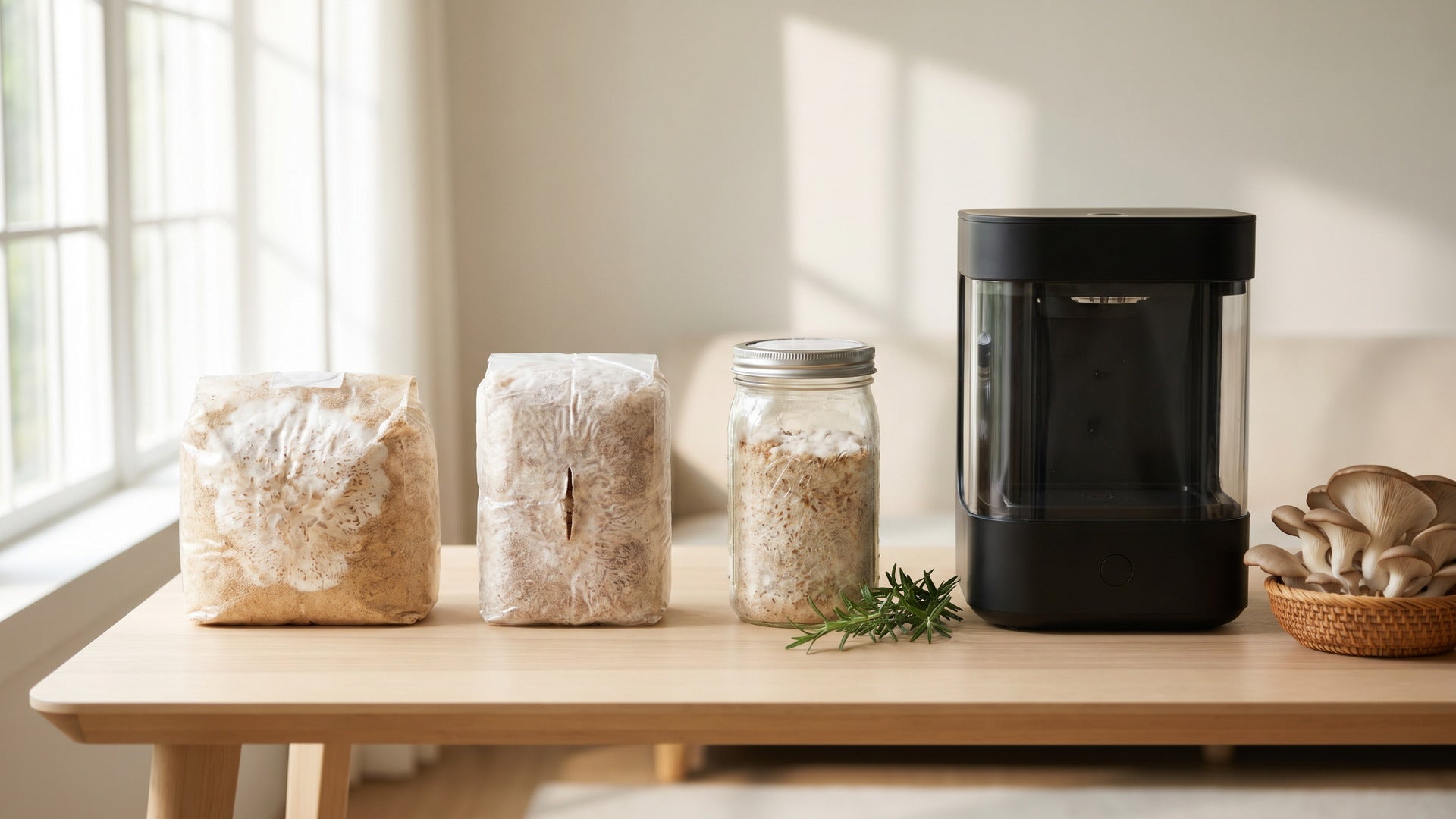
The Smart Mushroom Grow Kit provides optimal environmental controls for elm oyster cultivation, automatically maintaining the precise humidity and airflow conditions these mushrooms require. For beginners interested in mushroom cultivation, our mushroom growing guide for beginners offers comprehensive information about starting your home cultivation journey.
Expected Yields and Harvest Timing
From inoculation, expect a cultivation period of 4-6 weeks for the mycelium to fully colonize the substrate. Expected harvest yield is up to 10% of the fresh wood's weight divided on several flushes over 3 to 5 years when using log cultivation methods.
Unlike other oyster mushrooms that you would harvest just before their caps flatten and curl upwards, leave elm oysters a little longer and don't harvest them as early to get larger yields. This patience pays off with more substantial mushrooms that offer superior texture and flavor.
Nutritional Benefits and Health Properties
Exceptional Nutritional Profile
Elm oyster mushrooms are not only tasty but also full of nutrients that provide several medicinal benefits. Like other members of the oyster mushroom family, elm oysters offer impressive nutritional density in a low-calorie package.
Key nutritional highlights include:
-
High-quality protein containing all essential amino acids
-
Significant dietary fiber, particularly beneficial beta-glucans
-
B-complex vitamins including thiamine, riboflavin, and niacin
-
Vitamin C and vitamin D (when exposed to UV light)
-
Essential minerals including potassium, phosphorus, selenium, and zinc
Studies show that elm oyster mushrooms possess antioxidant, anti-inflammatory, and antitumor properties. For detailed information about the health benefits of oyster mushrooms in general, our oyster mushroom nutrition guide provides comprehensive coverage of their functional food properties.
Medicinal and Therapeutic Properties
Hypsizygus ulmarius is gaining popularity because of high yield, quality parameters, therapeutic values and medically it may be considered as good source of phyto-chemicals that can be utilized in pharmaceutical medicines and food additives.
The bioactive compounds found in elm oyster mushrooms contribute to their medicinal properties, including immune system support, cholesterol management, and potential anti-cancer effects. These properties align with the broader health benefits discussed in our oyster mushroom benefits guide.
Culinary Applications and Cooking Techniques
Flavor Profile and Texture Characteristics
Elm oysters are firm with a delicate aroma and mild nutty flavor. When cooked, they have a meaty texture making them a good meat substitute for vegetarian or vegan recipes. The Hypsizygus ulmarius closely parallels the morphology of an Oyster mushroom but is far better in flavor and texture.
Unlike true oyster mushrooms, elm oysters maintain their firm texture through various cooking methods, making them incredibly versatile in the kitchen. Their mild nutty flavor intensifies when cooked, developing rich umami notes that enhance any dish.
Optimal Cooking Methods
Sautéing: The firm texture of elm oyster mushrooms makes them perfect for sautéing. Heat oil or butter in a pan over medium-high heat, add the mushrooms, and cook until golden brown, about 4-5 minutes per side.
Roasting: Cut larger elm oysters into thick slices and roast at 425°F (220°C) for 15-20 minutes. Their meaty texture holds up beautifully to high-heat cooking.
Grilling: The firm structure makes elm oysters excellent for grilling. Brush with oil and seasonings, then grill over medium heat for 3-4 minutes per side.
Braising: Unlike more delicate mushrooms, elm oysters can withstand longer cooking times, making them perfect for stews and braised dishes.
Storage and Preservation
Elm oysters will only last around 48 hours if you keep them at room temperature, as their large caps dry out very quickly. But, if you store them correctly in the fridge, they'll last 4 to 5 days.
For optimal storage:
-
Keep in paper bags in the refrigerator to allow breathing while maintaining humidity
-
Don't rinse or slice until ready to use
-
For long-term storage, drying and freezing are both effective preservation methods
-
Properly dried elm oysters can be stored for months and rehydrated for cooking
Environmental Impact and Sustainability
Ecological Role and Benefits
Elm oyster mushrooms are considered both saprotrophs and parasites, as it's not clear whether they feed on live or dead tissue of their hosts, though they are found on live trees. This species causes brown rot on damaged areas of its host species but also has a moderate ability to dissolve lignin like a white rot fungus.
This unique characteristic makes elm oysters valuable for ecosystem health, as they help process dead and dying wood while potentially supporting tree health through their complex relationship with their hosts.
Sustainable Cultivation Practices
Elm oyster mushroom cultivation represents an excellent example of sustainable agriculture. Mushroom cultivation technique is a profitable agribusiness at a small scale using agricultural plant-based waste substrates. By converting agricultural waste into high-quality protein, elm oyster cultivation supports circular economy principles.
The mushroom growing kits offered by Lykyn support sustainable home cultivation, allowing individuals to grow their own gourmet mushrooms while reducing food waste and transportation impacts.
Frequently Asked Questions About Elm Oyster Mushrooms
Q: Are elm oyster mushrooms actually oyster mushrooms? A: The Elm oyster mushroom is actually not an oyster mushroom and has a misleading name. It is not actually a Pleurotus species. Despite the common name, elm oysters belong to the genus Hypsizygus, making them distinctly different from true oyster mushrooms, though they share similar ecological niches and culinary applications.
Q: How can I tell elm oyster mushrooms apart from true oyster mushrooms? A: The reason it is not considered a true oyster mushroom is because of the gills. The gills of a true oyster will run all the way down the stem. A gill of the Elm oyster stop at the base of the stem. Additionally, elm oysters typically have more centralized stems and grow in smaller clusters or individually.
Q: When is the best time to forage for elm oyster mushrooms? A: Elm oyster mushrooms are a late summer or fall fruiting species, sometimes persisting into winter if it's a mild season. Keep an eye open for them anytime from August through December. They're quite hardy and can be harvested even after light frosts.
Q: Are elm oyster mushrooms safe for beginners to forage? A: Yes! Elm oysters have no poisonous lookalikes, making them ideal for beginning foragers. However, proper identification training is always recommended before consuming any wild mushrooms.
Q: Can elm oyster mushrooms be cultivated at home? A: Absolutely! Elm oyster mushrooms are favored by both novices and professionals for their ease of growth and culinary significance. They can be grown on various substrates including straw, sawdust, and logs, making them excellent candidates for home cultivation using systems like the Smart Mushroom Grow Kit.
Summary: Why Elm Oyster Mushrooms Deserve Your Attention
Elm oyster mushrooms represent a superior alternative to common oyster mushrooms, offering exceptional flavor, firm texture, and impressive nutritional benefits. With their distinctive identification features and beginner-friendly foraging characteristics, they provide an excellent entry point for mushroom enthusiasts. Whether you're interested in sustainable cultivation, gourmet cooking, or simply expanding your knowledge of edible fungi, elm oyster mushrooms offer something special for every mycology enthusiast.
Ready to start your own elm oyster mushroom cultivation journey? The Smart Mushroom Grow Kit provides the perfect environment for growing these remarkable fungi at home. With automated humidity and airflow control, you can enjoy fresh, homegrown elm oyster mushrooms year-round while learning about the fascinating world of mushroom cultivation.
Discover the superior taste and texture of elm oyster mushrooms today, and join the growing community of mushroom enthusiasts who appreciate these exceptional fungi. Whether foraged from the wild or cultivated in your own home, elm oyster mushrooms offer a gourmet experience that's both sustainable and nutritious.

Aktie:
How to Cook Reishi Mushroom: Your Complete Guide to Preparing Nature's "Mushroom of Immortality"
Automated Mushroom Grow Box Review: Smart Chamber Tech 2026