


Quick Answer: Fresh whole mushrooms last 7-10 days in the refrigerator when stored properly. Sliced mushrooms last 5-7 days. The key factors are airflow, moisture control, and keeping them in the main compartment, not the crisper drawer. Store in paper bags or breathable containers for best results.
So you grabbed some gorgeous cremini mushrooms at the farmers market, got home, tossed them in the fridge, and now you're wondering if they're still good five days later.

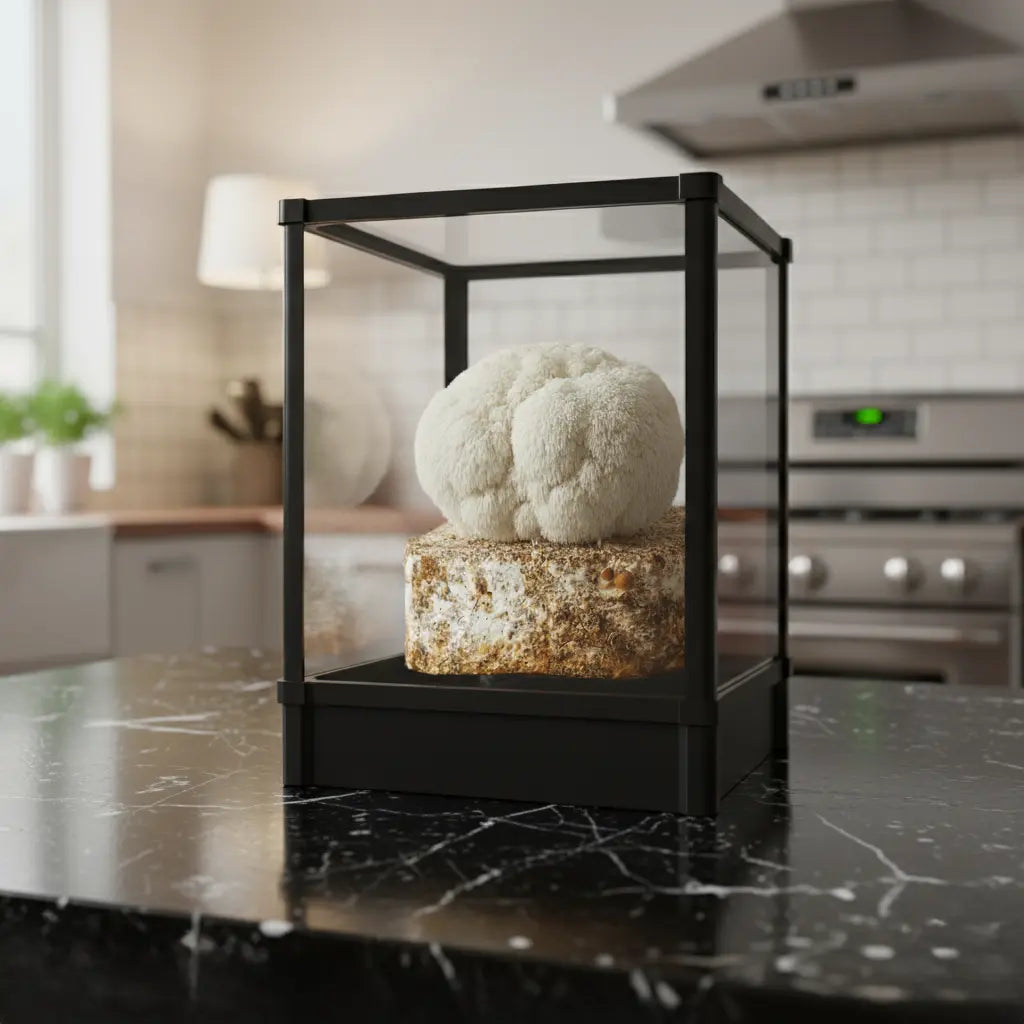
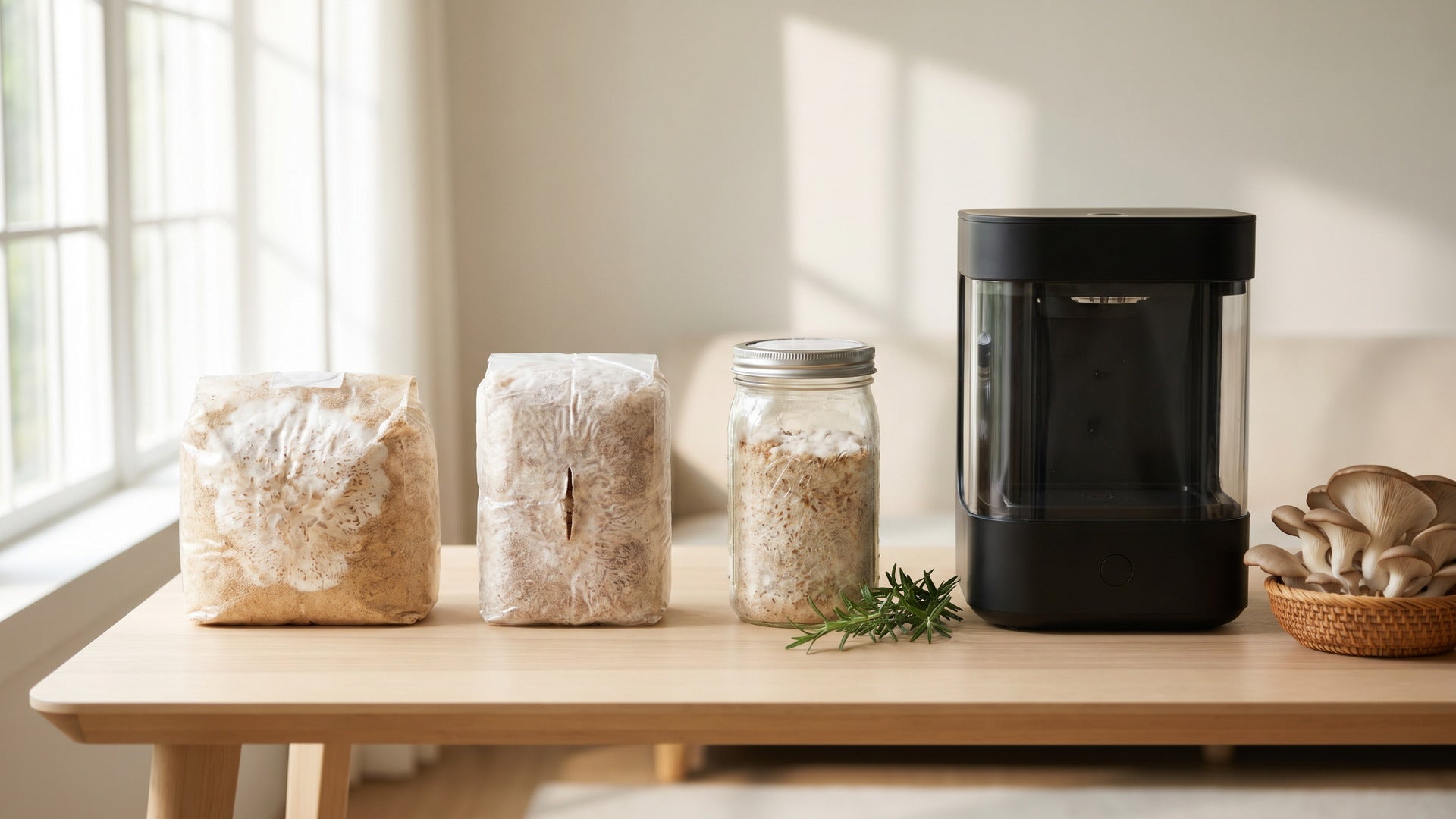
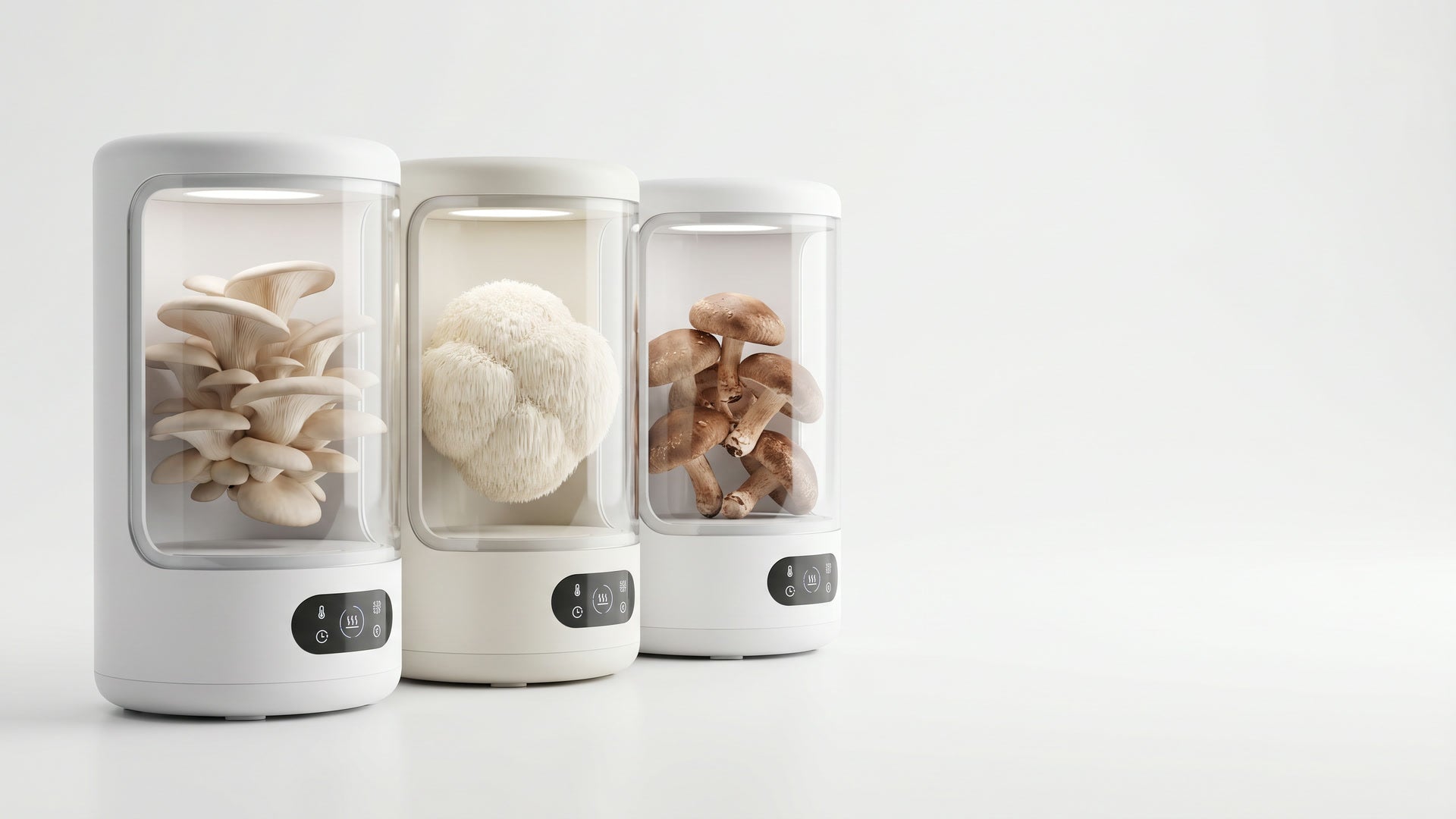
Smart Chamber. Bone White Single
- 2.8L tank, 90% humidity automatic
- App-controlled, plug-and-play
- 6 lb block ceiling, in stock

Smart Chamber. Obsidian Black Single
- Same hardware as Bone White
- Matte black premium finish
- Pairs with any kitchen palette

I get it. I've been there more times than I'd like to admit.
Here's the thing about mushrooms, they're not like most vegetables. They're actually fungi (technically not vegetables at all), and that means they play by different rules. After years of growing my own mushrooms and testing every storage method imaginable, I've figured out exactly what works.
Let me break it down for you.
How Long Do Different Mushrooms Last in the Fridge?
Not all mushrooms are created equal when it comes to shelf life. Some varieties are hardy. Others turn slimy by day three.
Here's what you can realistically expect:
| Mushroom Type | Whole (Refrigerated) | Sliced (Refrigerated) |
|---|---|---|
| White Button | 7-10 days | 5-7 days |
| Cremini/Baby Bella | 7-10 days | 5-7 days |
| Portobello | 5-7 days | 3-5 days |
| Shiitake | 10-14 days | 7-10 days |
| Oyster | 5-7 days | 3-5 days |
| Lion's Mane | 5-7 days | 3-4 days |
| Enoki | 7-14 days | 5-7 days |
Pro tip: Shiitake mushrooms are the marathon runners of the mushroom world. Their lower moisture content means they hold up way longer than their delicate oyster cousins.
Why Sliced Mushrooms Spoil Faster
When you slice a mushroom, you're exposing more surface area to air and moisture. This accelerates oxidation, that browning you see on cut mushrooms. It also creates more opportunities for bacteria to move in.
If you've already sliced your mushrooms, use them within 5 days for best quality.

The Best Way to Store Mushrooms in the Fridge
Alright, let's get practical. Here's exactly how I store my mushrooms, and how you should too.
Step 1: Skip the Plastic Bag
This is the number one mistake people make. Those plastic bags from the grocery store? They trap moisture. Moisture creates a humid environment. Humidity breeds bacterial growth and that unpleasant slime.
Instead, transfer your mushrooms to a paper bag. Paper absorbs excess moisture while still allowing airflow. It's simple and it works.
Step 2: Add a Paper Towel Buffer
Place a dry paper towel inside the bag with your mushrooms. This absorbs any condensation that forms. Replace the paper towel if it gets damp.
Step 3: Store in the Main Compartment
Here's something most people get wrong: don't use the crisper drawer.
The crisper is designed to retain humidity for leafy greens. That's the opposite of what mushrooms need. Store them on a regular shelf where air circulates more freely.
Step 4: Keep Them Away from Strong-Smelling Foods
Mushrooms are porous. They absorb odors like little sponges. Keep them away from onions, garlic, and anything with a strong smell unless you want garlic-flavored creminis.
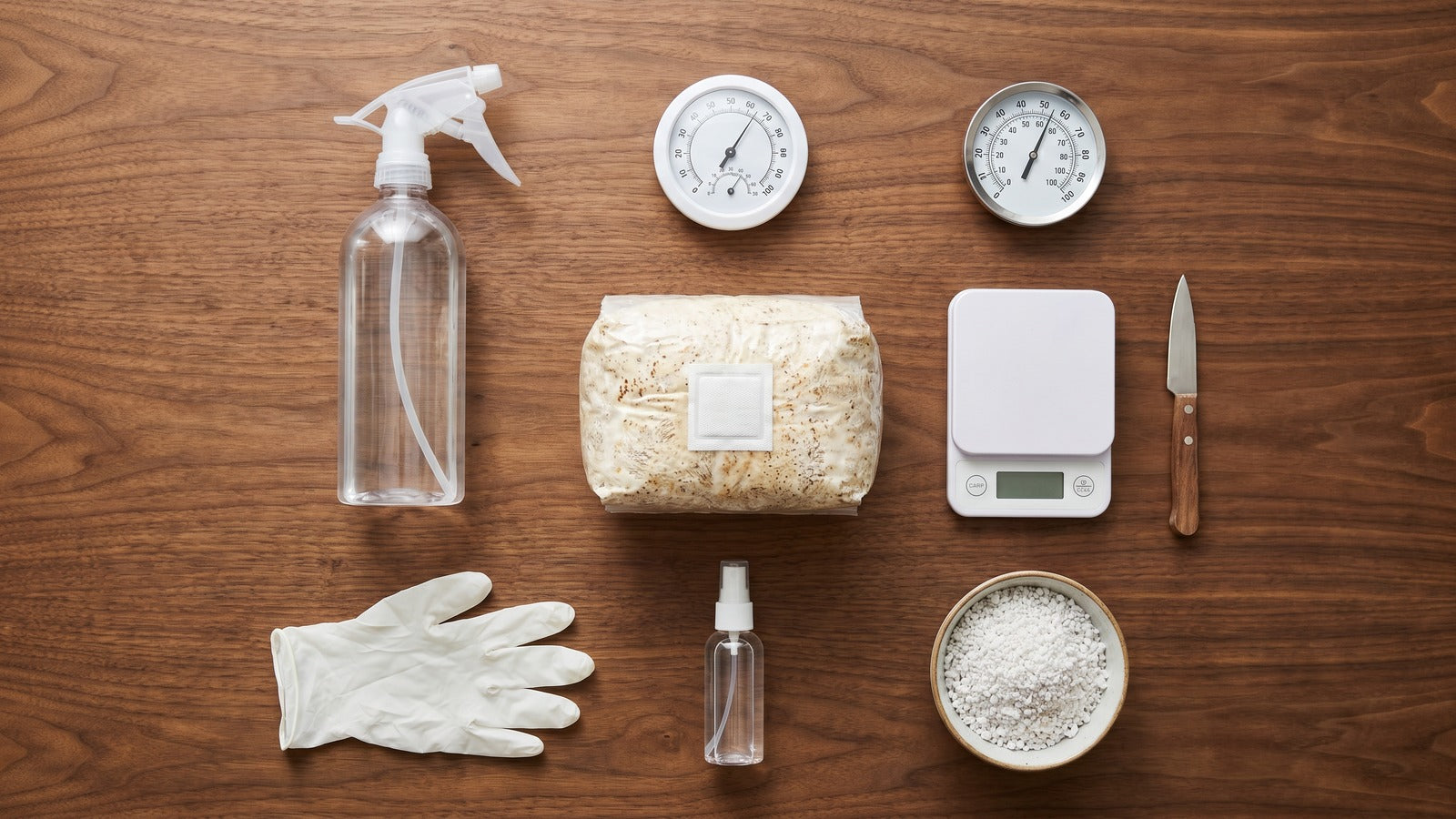
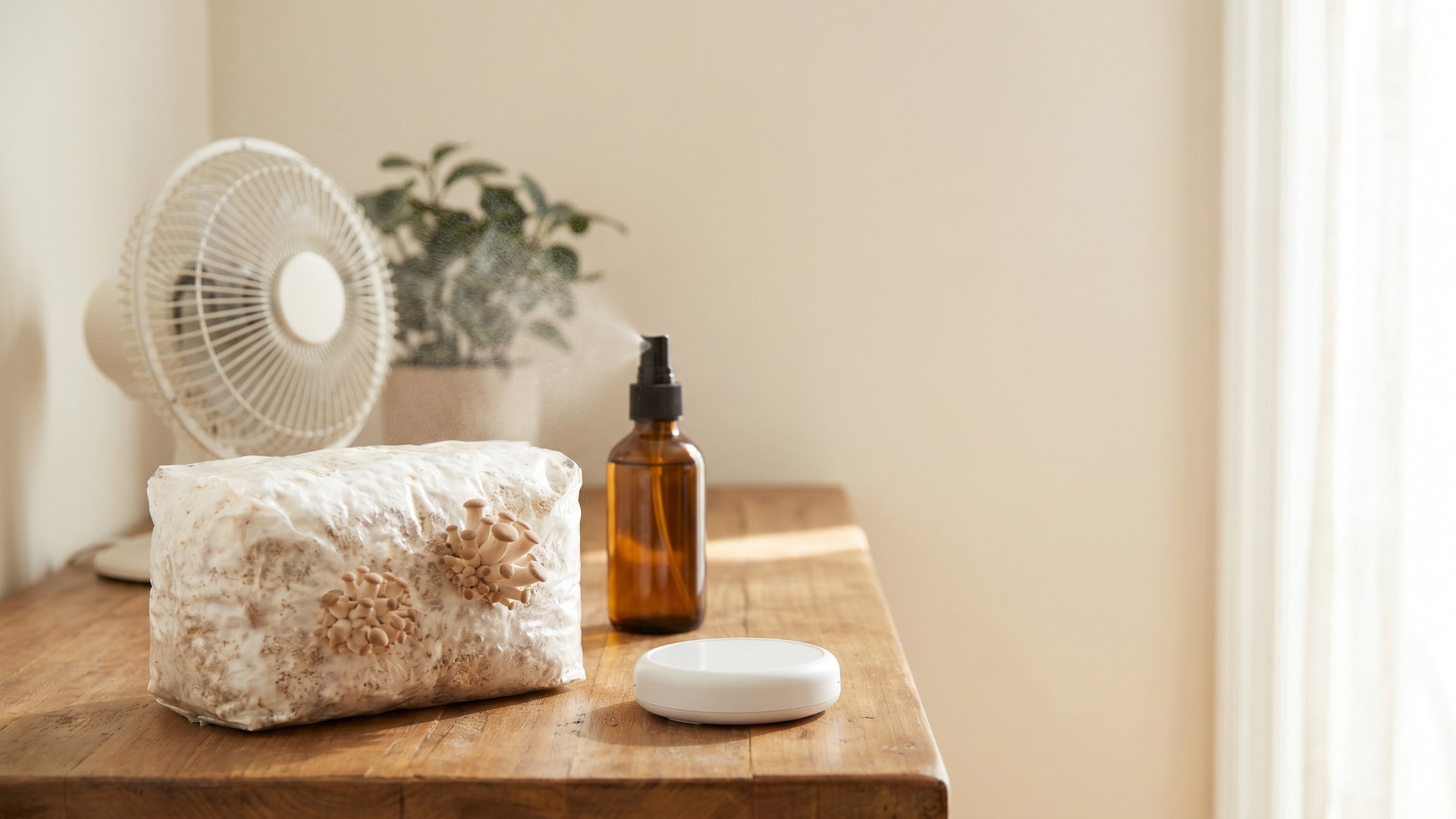
If you're serious about mushroom cultivation and want complete control over freshness, growing your own is a game-changer. The Smart Mushroom Grow Kit lets you harvest exactly what you need, when you need it, zero storage time means zero degradation.
How to Tell If Your Mushrooms Have Gone Bad
Even with perfect storage, mushrooms eventually spoil. Here's how to know when it's time to compost them.
The 5 Signs of Spoiled Mushrooms
- Slimy texture - This is the most obvious sign. If they feel slippery or sticky, toss them.
- Wrinkled or shriveled appearance - Some wrinkling is okay if they're still firm. Severely shriveled mushrooms have lost too much moisture.
- Dark spots or discoloration - Small brown spots on white mushrooms are usually fine. Large dark patches or black spots mean spoilage.
- Strong off-putting odor - Fresh mushrooms have an earthy, mild smell. If they smell sour, ammonia-like, or just "off," they've turned.
- Visible mold - This seems obvious, but fuzzy growth (different from the natural fuzz on some varieties) means they're done.
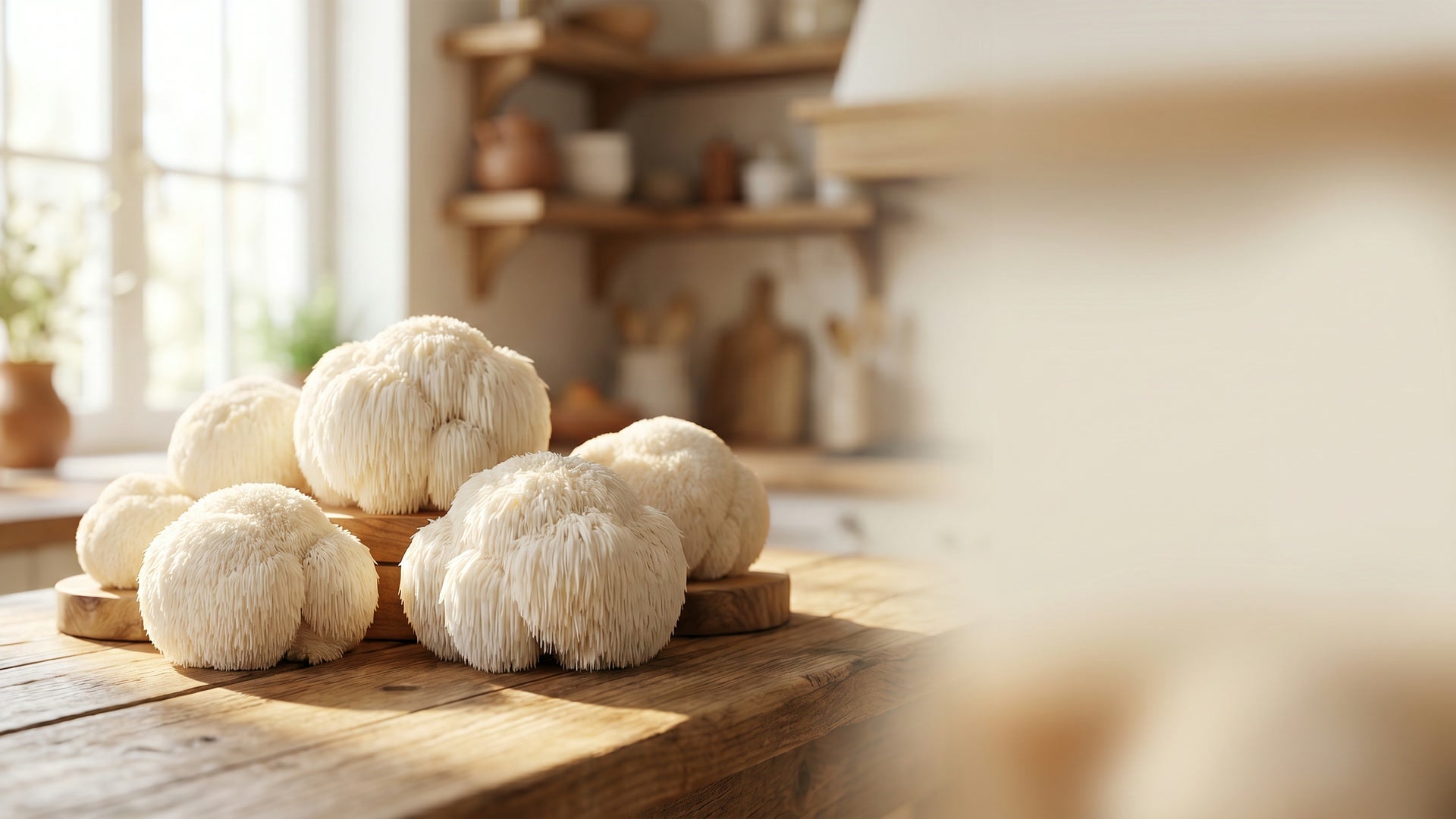
Important note: Some mushrooms, like lion's mane, have a naturally fuzzy appearance. That's not mold, that's just how they look. When in doubt, give it a sniff test.

Can You Extend Mushroom Shelf Life Beyond 10 Days?
Yes, but you'll need to move beyond basic refrigeration.

Fuel Your Mushroom Journey
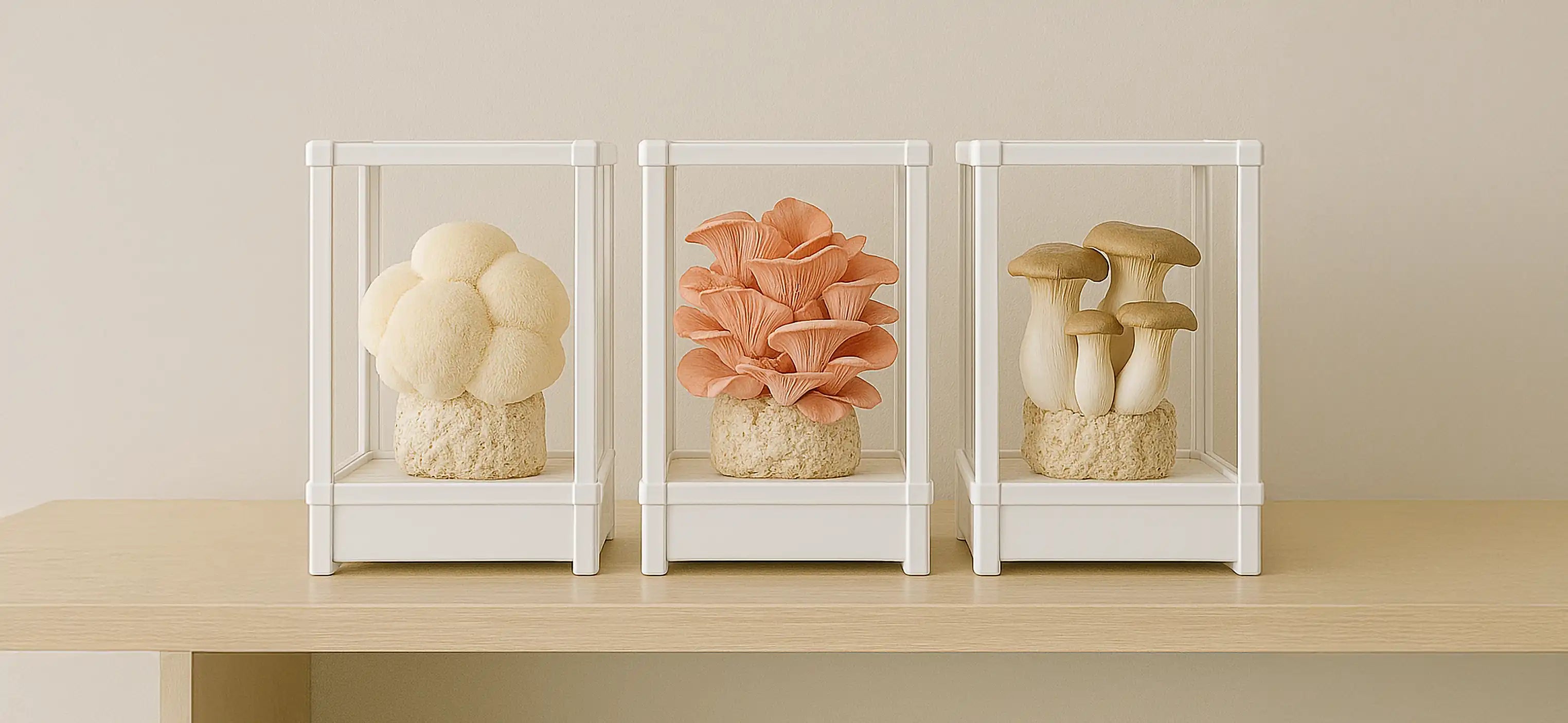
Smart Mushroom Grow Chamber
Plug-and-play smart chamber with humidity, light, and airflow dialed in for every species. Beginners harvest their first flush in days, not months.
Add to cart $299Freezing Mushrooms
Freezing extends shelf life to 10-12 months. However, there's a catch: frozen raw mushrooms turn mushy when thawed due to their high water content.
The solution? Cook them first. Sauté your mushrooms in butter or oil, let them cool completely, then freeze in airtight containers.
For detailed freezing techniques, check out our guide on Can You Freeze Mushrooms? - Easy Storage Guide.
Dehydrating Mushrooms
Dried mushrooms last 6-12 months in airtight containers. They're perfect for soups, stews, and sauces. Just rehydrate them in warm water for 20-30 minutes before use.
The Ultimate Solution: Grow Your Own
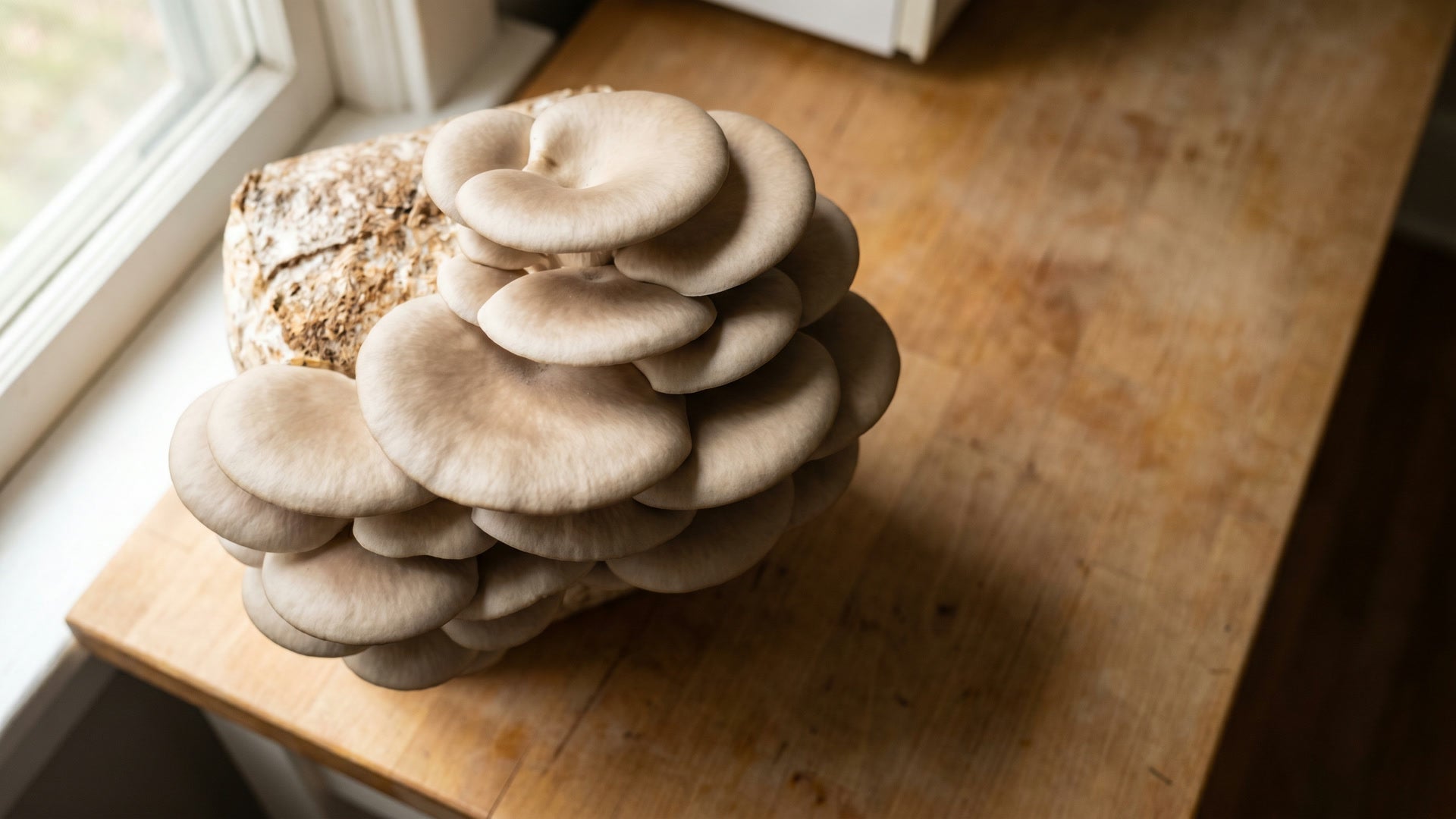
Here's my honest take after years in the mushroom game, the freshest mushroom is one you just harvested.
When you grow mushrooms at home, storage becomes almost irrelevant. Harvest what you need, leave the rest growing. It's that simple.
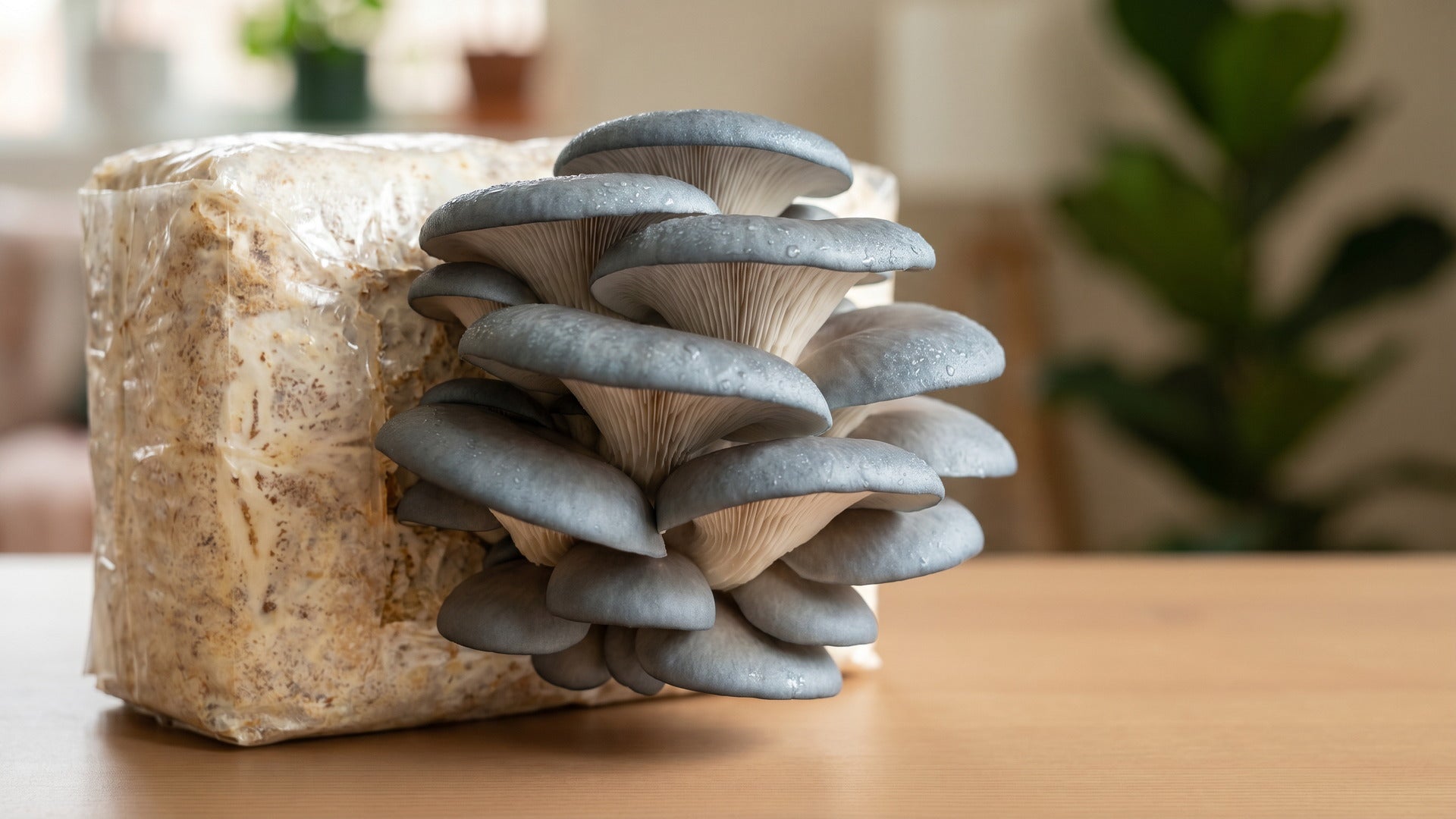
Our Blue Oyster Mushroom Liquid Culture - 10ml is a fantastic starting point. Blue oysters are forgiving, fast-growing, and absolutely delicious. Pair it with a Still Air Box for contamination-free inoculation, and you're set.
Mushroom Storage: Common Mistakes to Avoid
Let me save you some frustration. Here are the errors I see people make repeatedly:
- Washing before storage - Never wash mushrooms until you're ready to use them. Water accelerates spoilage. Brush off dirt with a dry paper towel instead.
- Storing in airtight containers - Seems logical, but mushrooms need to breathe. Use containers with ventilation or poke holes in the lid.
- Leaving them in store packaging - Most commercial packaging is designed for display, not long-term storage. Transfer to paper bags immediately.
- Refrigerating at the wrong temperature - Ideal mushroom storage is 34-38°F (1-3°C). Most fridges run around 37°F, which is perfect.

Frequently Asked Questions About Mushroom Storage
How long do mushrooms last in the fridge after cooking?
Cooked mushrooms last 3-5 days in the refrigerator when stored in an airtight container. Let them cool completely before refrigerating to prevent condensation and bacterial growth.
Can I eat mushrooms that are slightly slimy?
If mushrooms are only slightly slippery but otherwise look and smell fine, you can rinse them and cook thoroughly. However, if the sliminess is accompanied by off odors or discoloration, discard them immediately.
Should I wash mushrooms before storing them?
No. Washing mushrooms before storage dramatically shortens their shelf life. The added moisture promotes bacterial growth. Clean them with a dry brush or paper towel, and only rinse immediately before cooking.
Why do my mushrooms get slimy so fast?
Rapid slime development usually indicates excess moisture. Check that you're not storing them in the crisper drawer or sealed plastic. Switch to paper bags and ensure your fridge temperature is below 40°F (4°C).
How can I tell if packaged mushrooms are fresh at the store?
Look for mushrooms that are firm and dry with no visible moisture in the packaging. Caps should be intact without major blemishes. Avoid packages where mushrooms appear wet, slimy, or have dark soft spots.
Do mushrooms last longer in glass containers or paper bags?
Paper bags typically work better because they absorb excess moisture while allowing airflow. Glass containers can work if you line them with paper towels and leave the lid slightly ajar for ventilation.
What's the best way to store mushrooms if I don't have paper bags?
Use a loosely covered bowl lined with paper towels. Alternatively, poke several holes in a plastic container lid. The goal is airflow plus moisture absorption. For more comprehensive storage strategies, read our Do Mushrooms Expire? Freshness Guide & Storage Tips.
Conclusion: Keep Your Mushrooms Fresh Longer
Let's recap what actually matters for mushroom storage:
The key takeaways:
- Fresh whole mushrooms last 7-10 days refrigerated; sliced mushrooms last 5-7 days
- Store in paper bags with paper towels on main shelves, avoid the crisper
- Look for sliminess, odor, dark spots, and mold as spoilage indicators
- Never wash mushrooms before storage; moisture is your enemy
- For maximum freshness, consider growing your own, harvest only what you need
Storage matters, but nothing beats freshness at the source. If you're tired of racing against the spoilage clock, home cultivation changes everything. You control the harvest timing, the growing conditions, and the quality.
Ready to Never Worry About Mushroom Freshness Again?
Start growing your own mushrooms today. The Smart Mushroom Grow Kit gives you fresh, organic mushrooms on demand, no more guessing games, no more slimy surprises in the back of your fridge.
Shop the Smart Mushroom Grow Kit →
Your first harvest is just 7-14 days away. Fresh mushrooms, whenever you want them.
Aktie:
Your Complete Guide to Everyday Dose Mushroom Coffee in 2026
How to Make the Perfect Mushroom and Sauce Combination Every Time