


Growing mushrooms at home has never been easier, and learning how to grow mushrooms in a bag is the perfect starting point for beginners. This simple yet effective method allows you to cultivate fresh, organic mushrooms right in your kitchen with minimal space and equipment.
Whether you're an urban gardening enthusiast or just curious about indoor farming, mushroom cultivation in bags offers a rewarding experience that connects you with your food source while providing nutritious ingredients for your meals.
What Makes Bag Cultivation Perfect for Beginners?
Mushroom bags, also known as grow bags or substrate bags, create an ideal microenvironment for mushroom growth. These specially designed containers maintain the perfect balance of moisture, air circulation, and sterility that mushrooms need to thrive.
The bag method simplifies the entire growing process by eliminating many variables that can challenge new cultivators. You don't need expensive equipment or extensive knowledge about mushroom biology to get started.

Essential Equipment and Materials for Bag Growing
Basic Supplies You'll Need
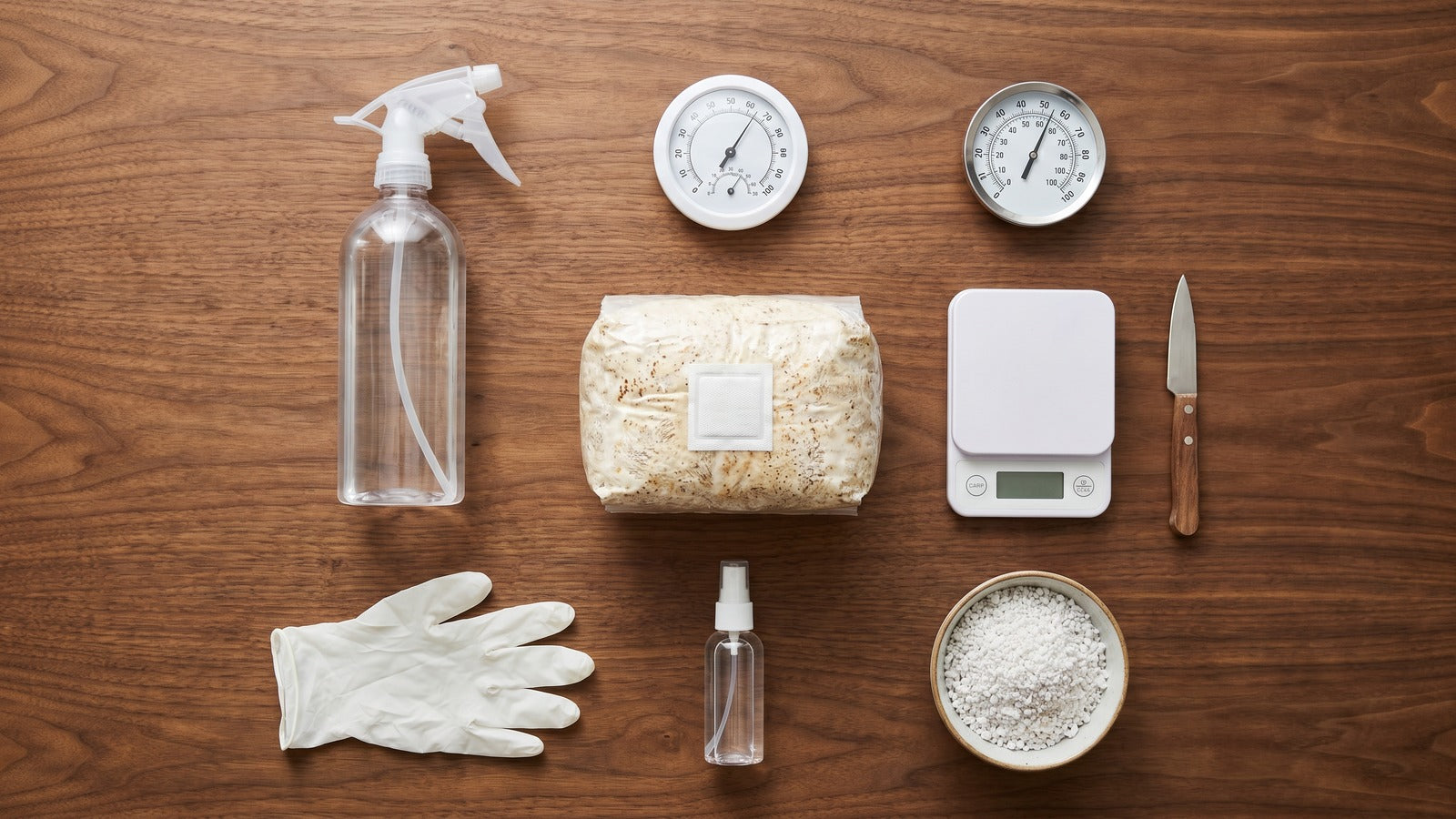
To successfully grow mushrooms in a bag, you'll need these fundamental items:
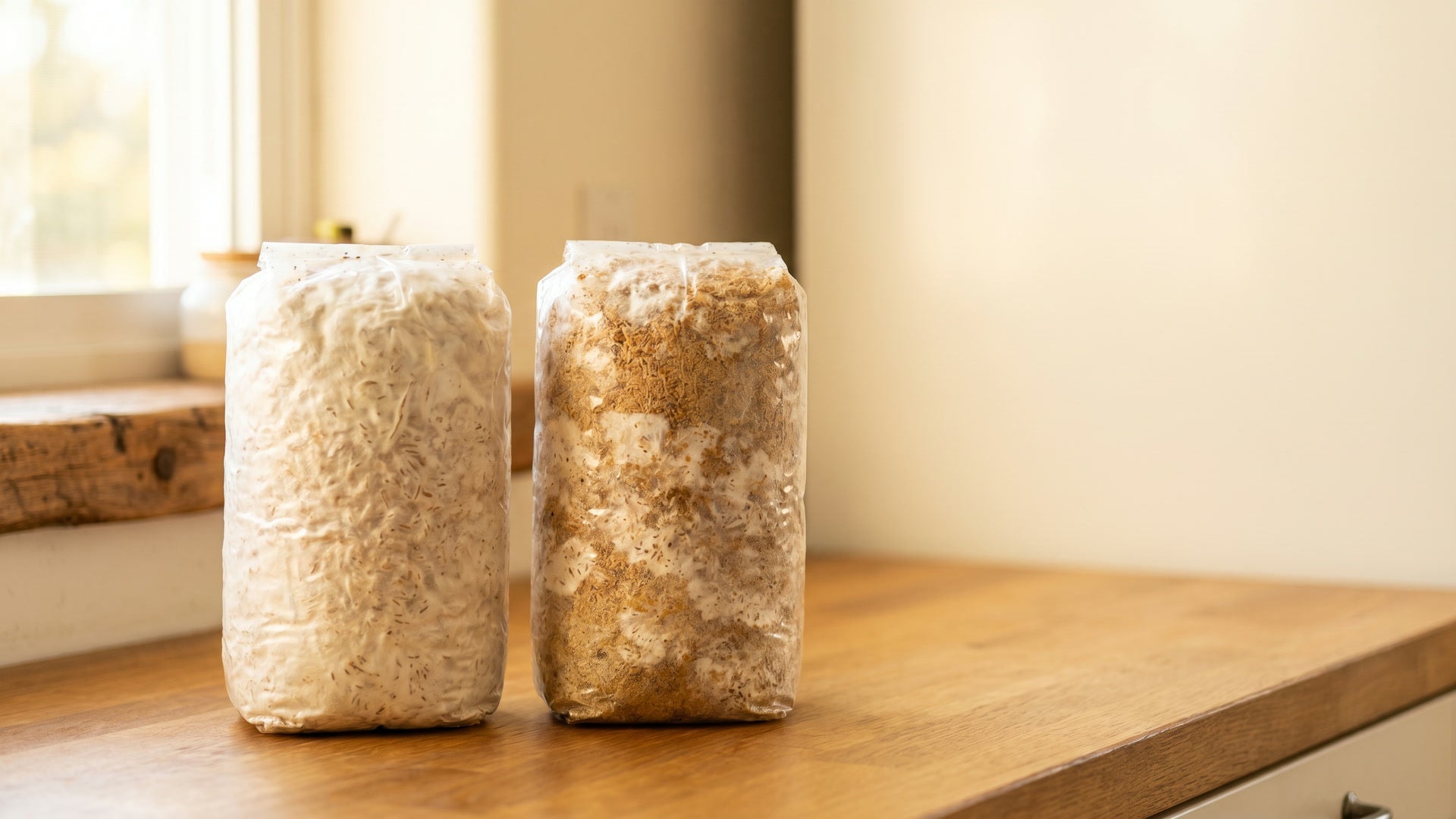
Growing bags: Food-grade plastic bags with filter patches that allow air exchange while preventing contamination. These specialized bags are crucial for maintaining the sterile environment mushrooms require.
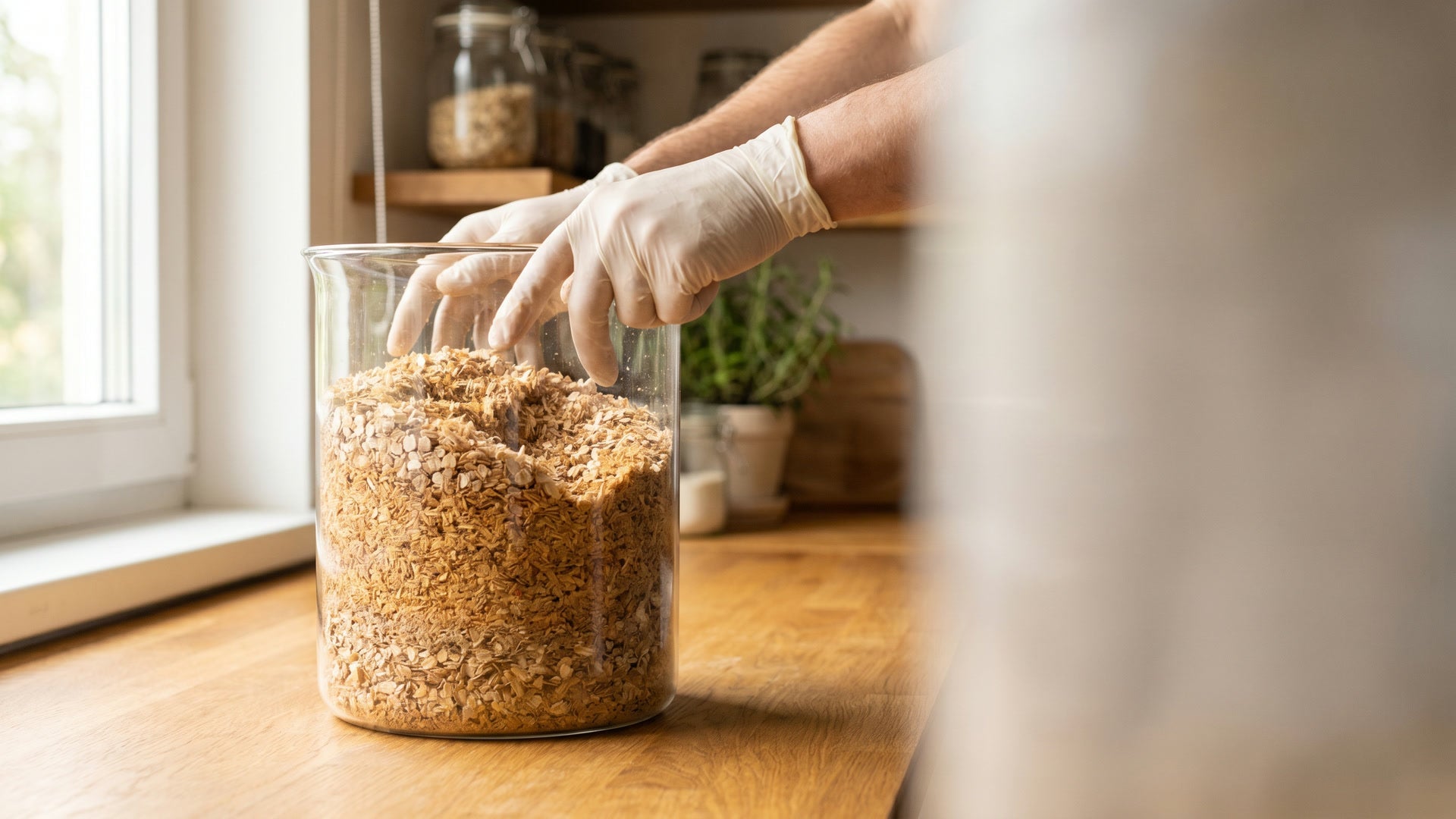
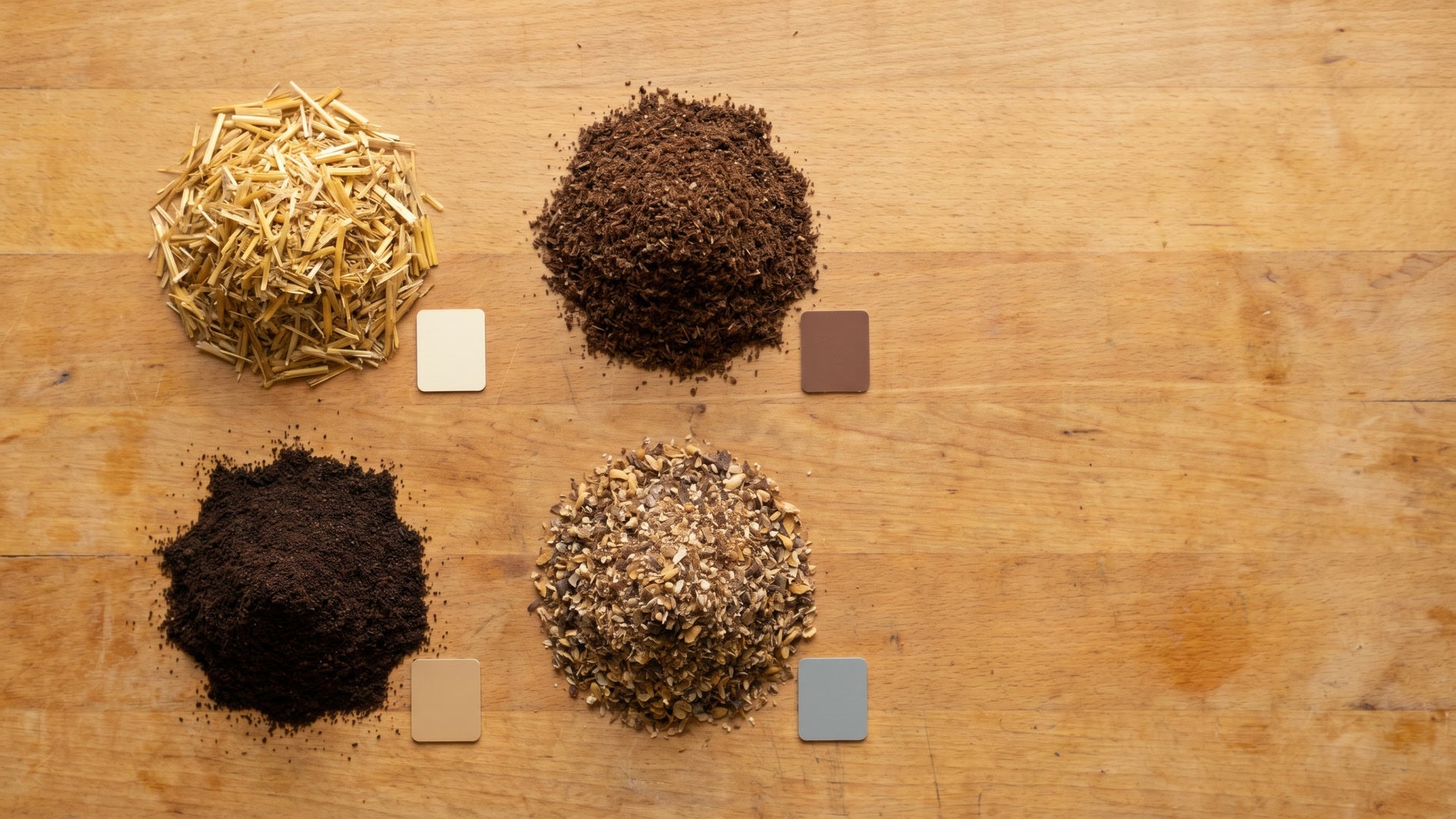
Substrate: The growing medium that feeds your mushrooms. Common options include straw, sawdust, or pre-mixed commercial substrates designed for specific mushroom varieties.
Mushroom spawn: The "seeds" of the mushroom world. You can purchase ready-to-use spawn from reputable suppliers or consider investing in a complete system.
For beginners seeking a hassle-free experience, the Lykyn Mushroom Grow Kit provides everything needed to start growing immediately, including pre-prepared substrate bags and detailed instructions.
Advanced Equipment for Consistent Results
While basic bag growing can work with minimal equipment, upgrading to more sophisticated tools can dramatically improve your success rate and yield quality.
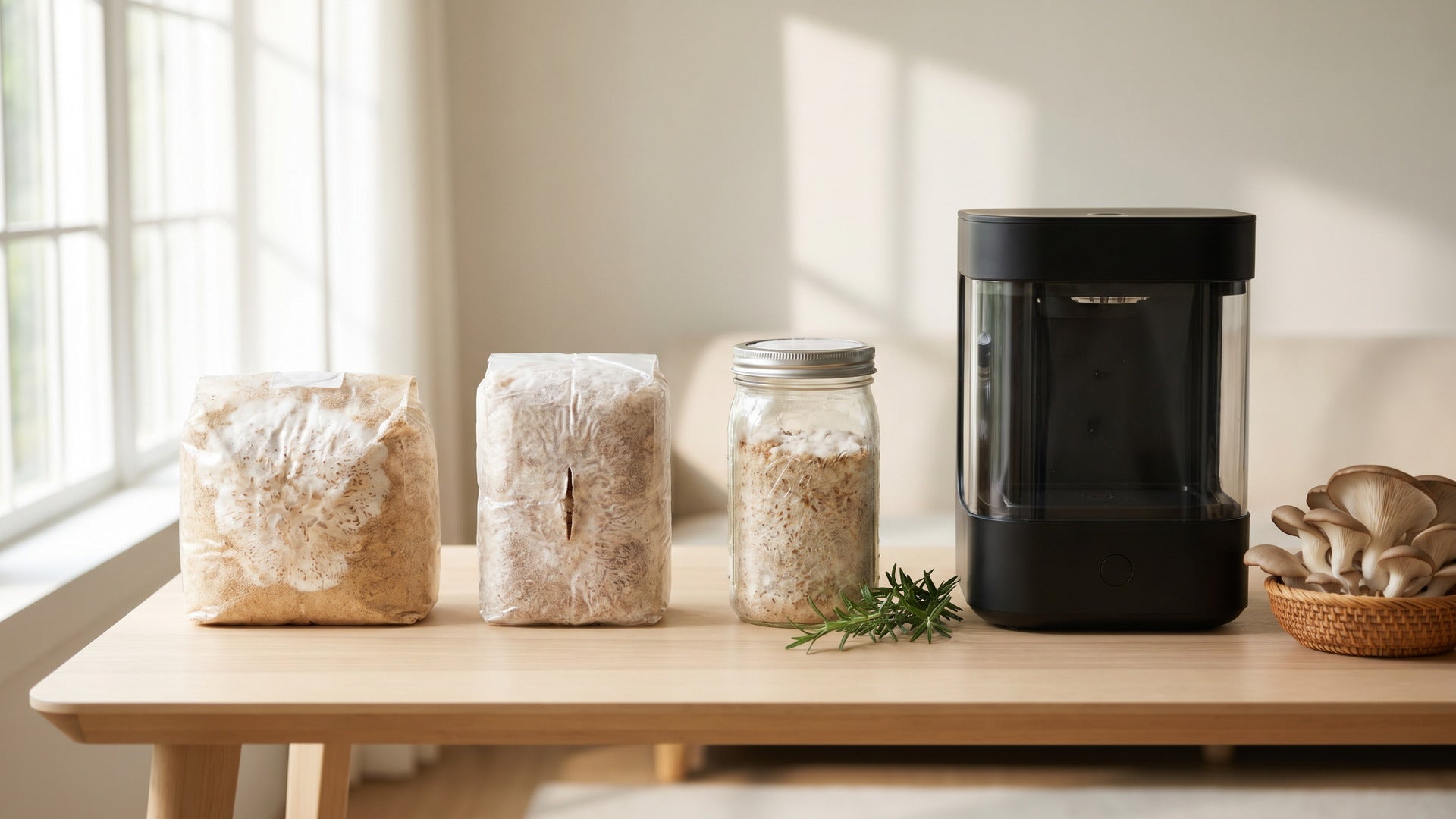
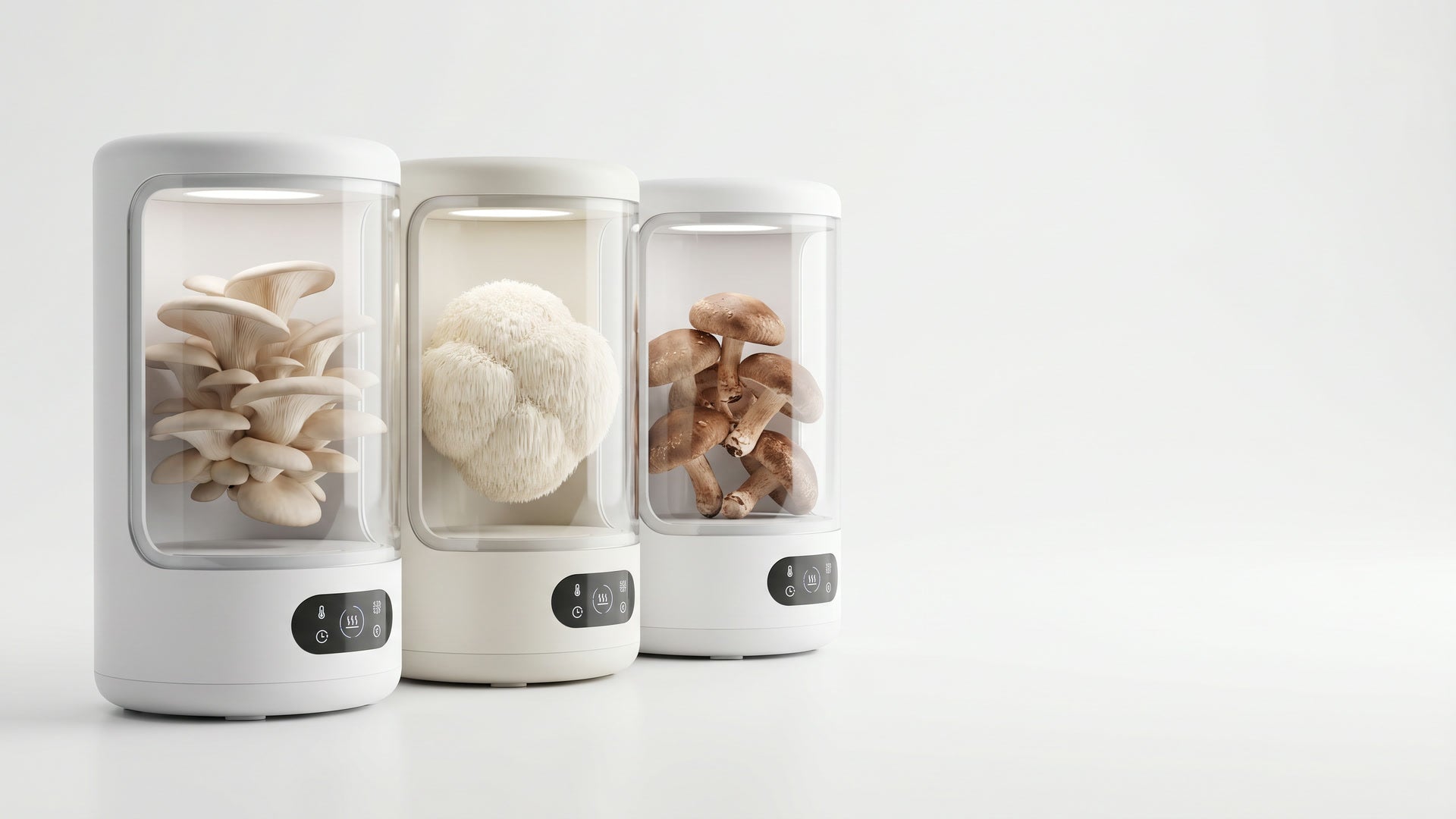
The Smart Mushroom Grow Chamber takes the guesswork out of maintaining optimal growing conditions. This automated system monitors temperature, humidity, and air circulation, making it perfect for beginners who want professional-level results without the learning curve.
Step-by-Step Guide to Growing Mushrooms in Bags
Preparing Your Substrate
The foundation of successful mushroom cultivation starts with properly prepared substrate. This growing medium provides the nutrients your mushrooms need to develop.
Start by selecting your substrate material. Straw works excellently for oyster mushrooms, while hardwood sawdust suits shiitake varieties. The key is ensuring your substrate is clean, properly moistened, and free from competing microorganisms.
Sterilization is crucial for preventing contamination. You can achieve this through steam sterilization, pressure cooking, or purchasing pre-sterilized substrate from suppliers.
Inoculating Your Growing Bags
Once your substrate is cooled and ready, it's time to introduce the mushroom spawn. Work in a clean environment to minimize contamination risks.
Mix the spawn thoroughly with your substrate, ensuring even distribution throughout the growing medium. This process, called inoculation, gives your mushrooms the best chance to colonize the entire substrate.
Seal your bags carefully, leaving some air space for mushroom development. The filter patches on specialized growing bags allow necessary air exchange while protecting against contaminants.
Creating Optimal Growing Conditions
Temperature control plays a vital role in mushroom development. Most varieties prefer temperatures between 55-75°F (13-24°C), though specific requirements vary by species.
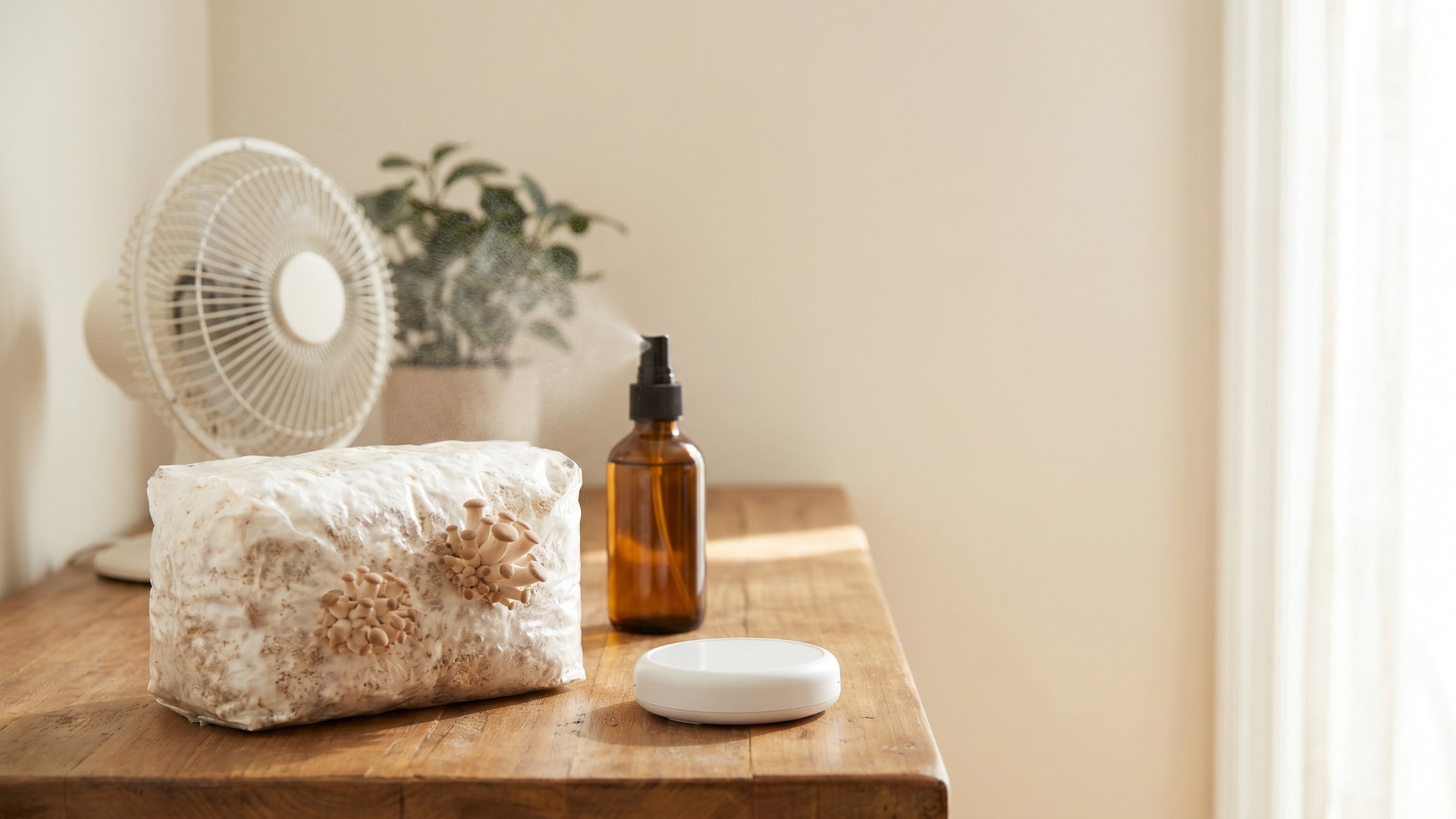
Humidity management is equally important. Your mushrooms need consistent moisture levels around 85-95% humidity during fruiting. This can be achieved through regular misting, humidity trays, or automated systems.
The Mushroom Ship Smart Grow Chamber automatically maintains these critical environmental factors, making it an excellent investment for serious home cultivators.
Troubleshooting Common Issues
Contamination Problems
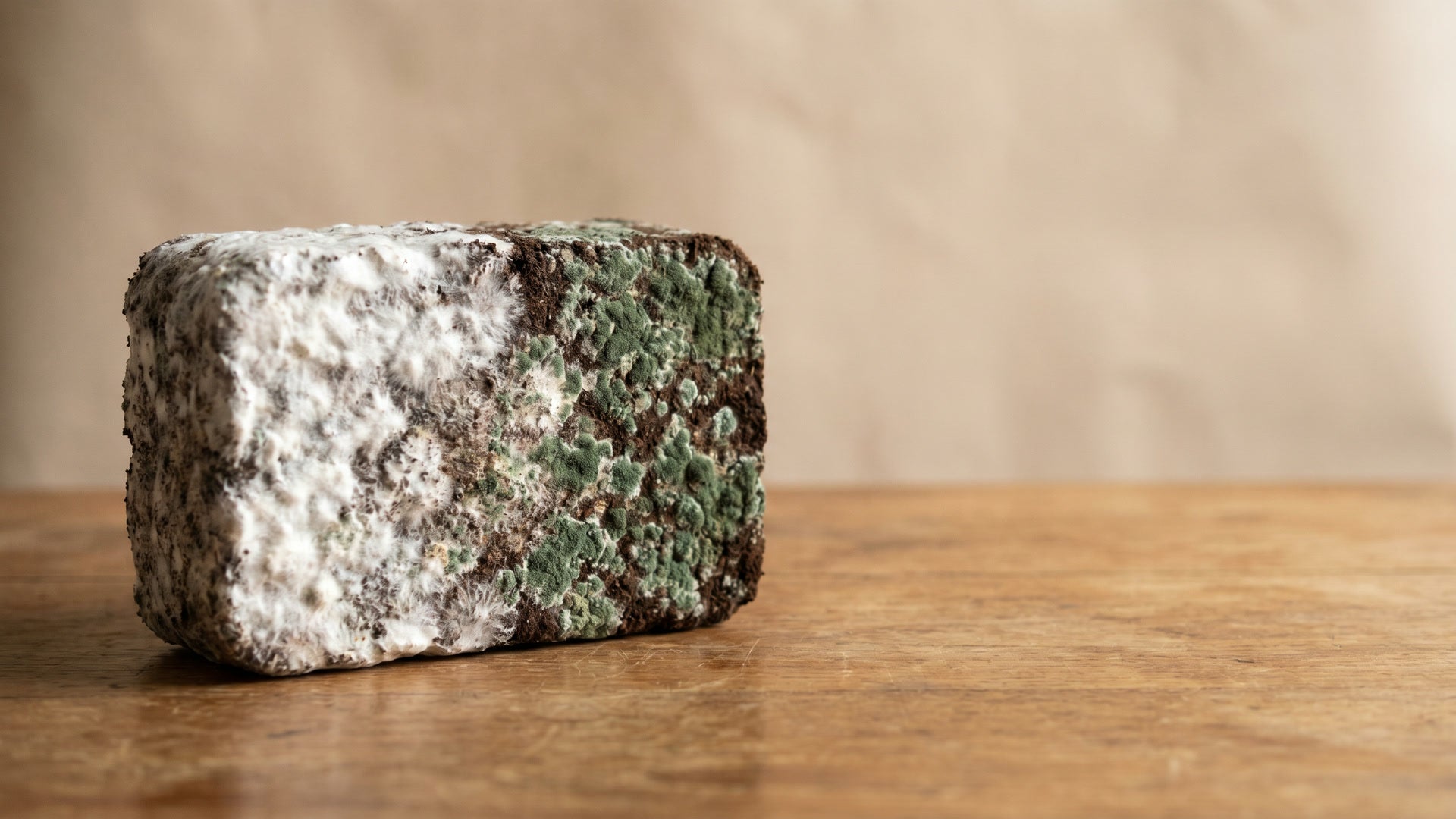
Green, black, or unusual colored growths on your substrate indicate contamination. This typically results from poor sterilization or introduction of competing microorganisms.
Prevention remains the best approach. Always work in clean conditions, use proper sterilization techniques, and source materials from reputable suppliers.
Poor Mushroom Development
If your mushrooms appear elongated, pale, or develop poorly, they're likely lacking fresh air exchange. Mushrooms need oxygen to develop properly, and stagnant air leads to abnormal growth patterns.
Increase ventilation around your growing bags while maintaining humidity levels. This balance between fresh air and moisture is crucial for healthy mushroom development.
Slow or No Growth
Patience is essential in mushroom cultivation, but persistently slow growth often indicates temperature or moisture issues. Check that your growing environment maintains consistent conditions within the optimal range for your chosen variety.
Harvesting and Storage Tips
When to Harvest
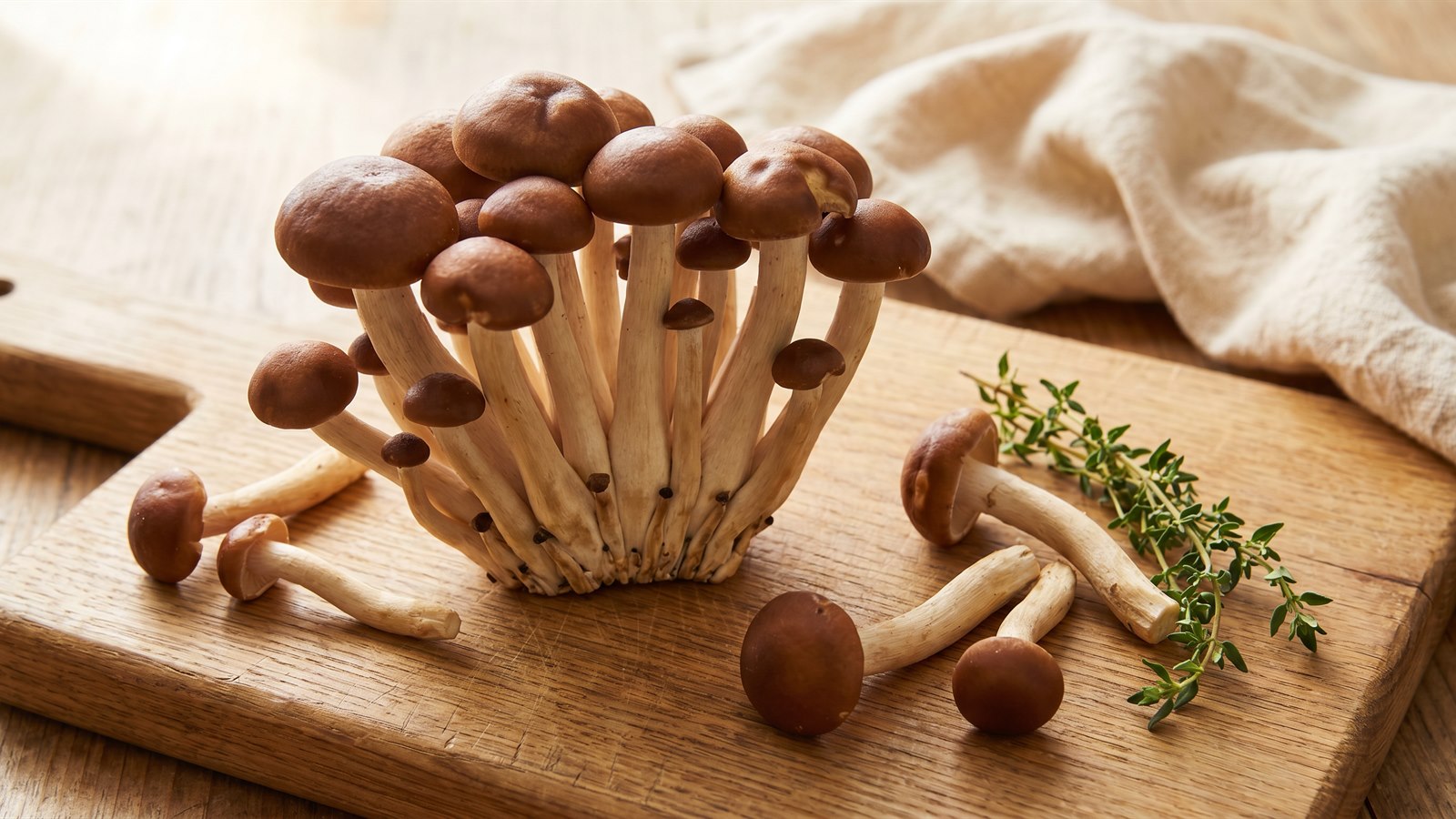
Timing your harvest correctly ensures the best flavor and texture. Most mushrooms are ready when their caps are fully developed but before they release spores.
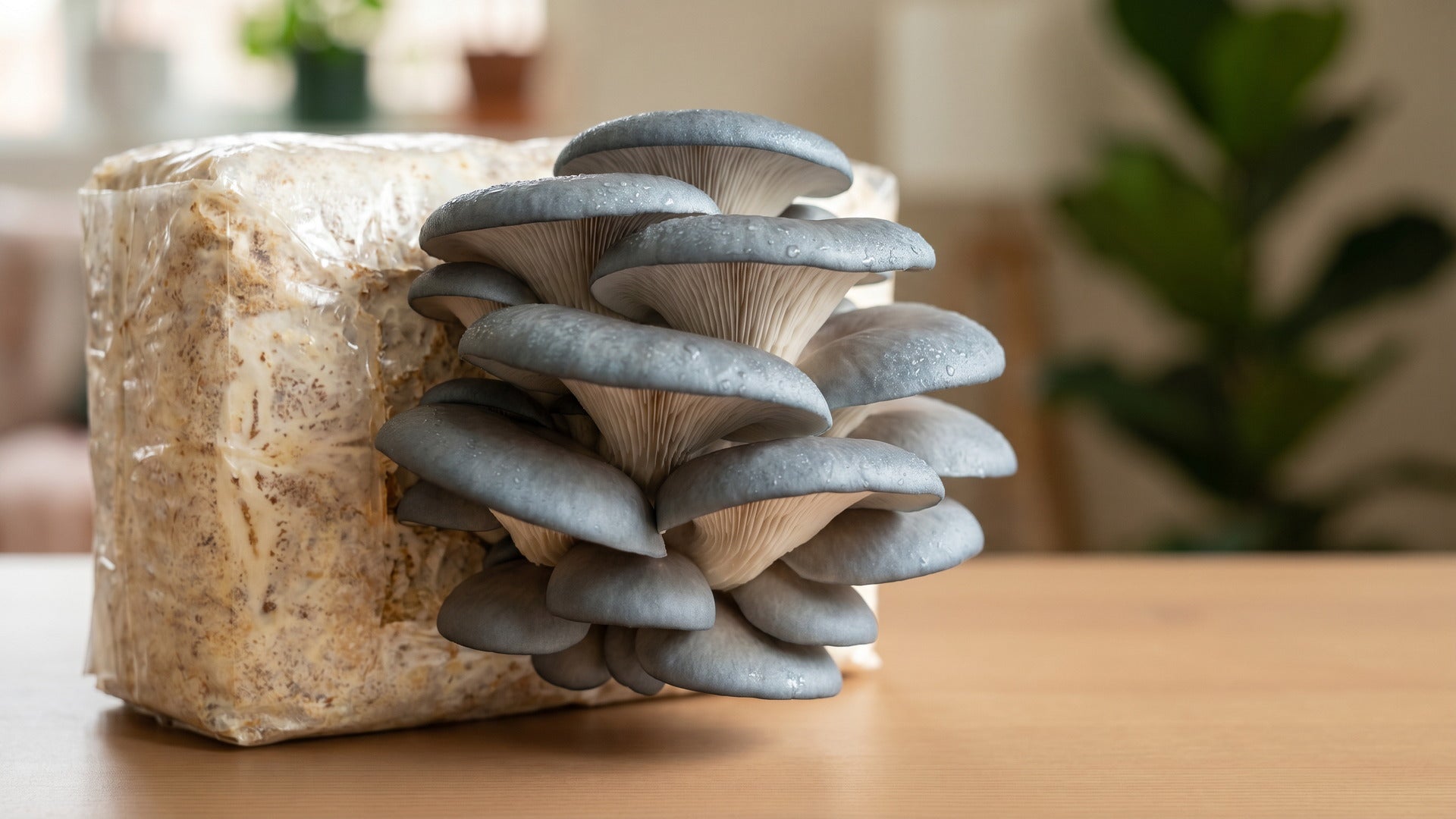
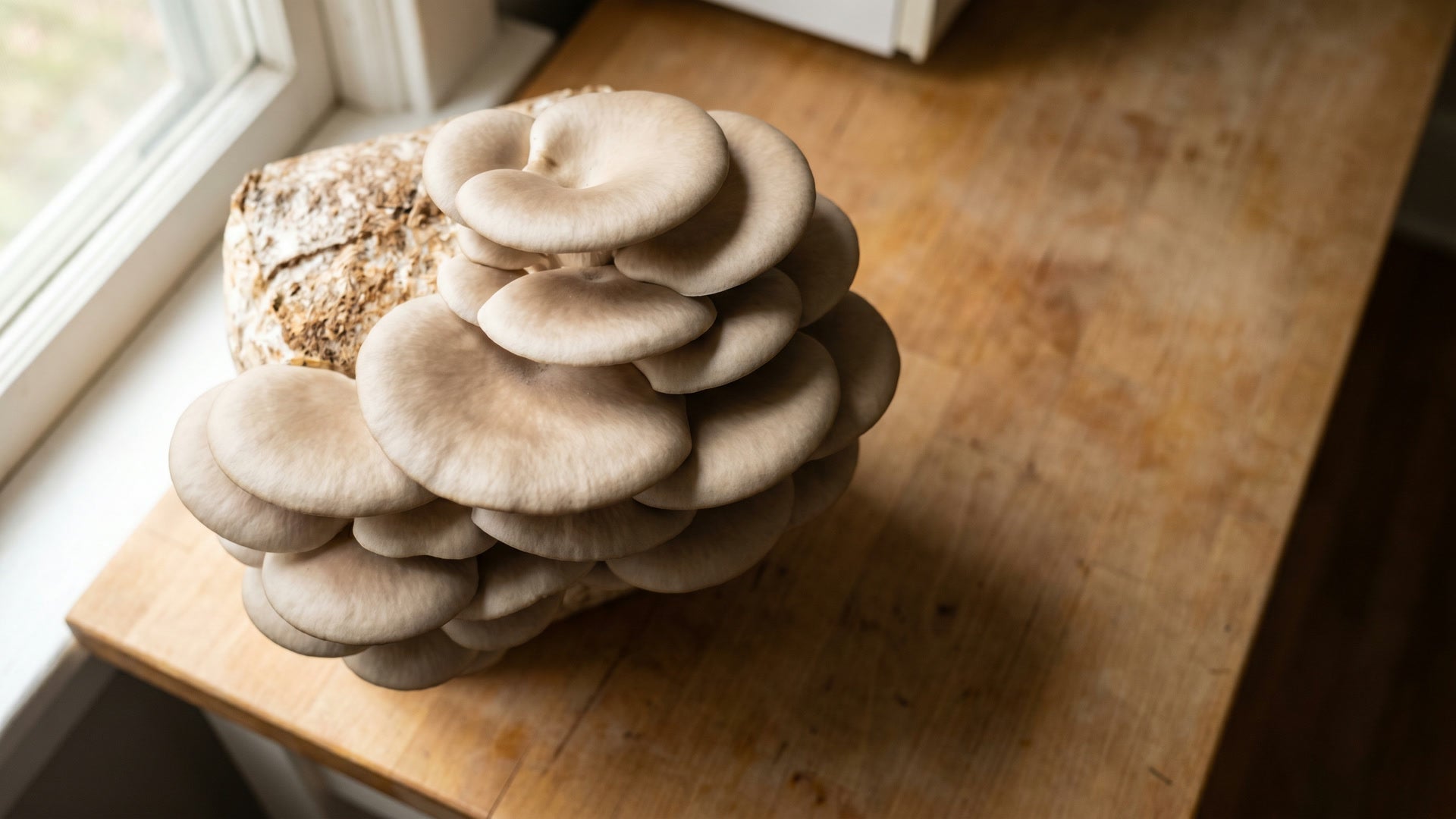
For oyster mushrooms, harvest when the caps flatten out and the edges begin to curl upward. Shiitake mushrooms are ready when their caps are about 80% open.
Proper Harvesting Technique
Use clean, sharp scissors or a knife to cut mushrooms at the base of their stems. Avoid pulling mushrooms from the substrate, as this can damage the mycelium and affect future flushes.
Harvest entire clusters at once rather than picking individual mushrooms. This approach maintains the substrate's integrity and encourages better subsequent growth.
Storage and Preservation
Fresh mushrooms stay good in the refrigerator for 7-10 days when stored in paper bags or breathable containers. Avoid plastic bags, which trap moisture and accelerate spoilage.
For longer storage, consider drying, freezing, or preserving your harvest through various methods that maintain nutritional value and flavor.
FAQ Section
How to prepare a mushroom house?
A mushroom house or growing space should maintain stable temperatures between 55-75°F, have good ventilation for air exchange, and allow for humidity control. You can create an effective mushroom house using a spare room, basement area, or even a large closet. The key is ensuring you can control environmental conditions while maintaining cleanliness.
Does mushroom need air to grow?
Yes, mushrooms absolutely need fresh air to grow properly. While they don't require as much oxygen as plants, mushrooms need regular air exchange to prevent carbon dioxide buildup, which causes elongated, stringy growth. Proper ventilation ensures healthy mushroom development and prevents contamination issues.
How to prepare a room for mushroom growing?
Room preparation involves several steps: ensure good air circulation with fans or ventilation systems, maintain stable temperatures, control humidity levels through misting or humidification systems, and create clean surfaces that can be easily sanitized. The room should be easily accessible for daily monitoring and maintenance.
What temperature do mushrooms grow best at?
Most common mushroom varieties thrive between 55-75°F (13-24°C). Oyster mushrooms prefer slightly warmer conditions around 65-75°F, while shiitake mushrooms grow well at 55-65°F. Temperature stability is more important than hitting exact numbers, as fluctuations can stress the growing mushrooms.
How long does it take to grow mushrooms in a bag?
The timeline varies by species, but most mushrooms grown in bags produce their first harvest within 1-3 weeks after inoculation. Oyster mushrooms typically fruit within 7-14 days, while shiitake mushrooms may take 2-4 weeks. The substrate can continue producing multiple harvests over several months with proper care.
Featured Snippet Summary
Growing mushrooms in a bag is the ideal method for beginners, requiring minimal equipment and space while producing fresh, organic mushrooms in 1-3 weeks. The process involves inoculating sterilized substrate in specialized growing bags, maintaining proper temperature (55-75°F) and humidity (85-95%), and providing adequate air circulation for healthy development.
Ready to Start Your Mushroom Growing Adventure?
Now that you understand how to grow mushrooms in a bag, it's time to begin your cultivation journey. Whether you choose the traditional bag method or invest in advanced growing equipment, the reward of harvesting your own fresh mushrooms makes every effort worthwhile.
Start with reliable equipment and quality materials to ensure your success. The right tools and supplies will make the difference between frustration and a thriving mushroom garden that provides fresh ingredients for months to come.
Take the first step today and discover the satisfaction of growing your own gourmet mushrooms at home. Your kitchen, and your taste buds, will thank you for the fresh, organic mushrooms you'll soon be harvesting from your own growing bags.
Aktie:
Best Mushroom Grow Kit for Beginners: Your Complete Guide to Home Mushroom Cultivation
Mycelium Contamination: The Complete Guide to Prevention, Detection, and Recovery