


Lawn and mushrooms have a more interesting relationship than most homeowners realize. The fungi popping up after a rainstorm aren't damaging your turf, and in many cases they're actually contributing to a healthier soil profile. But for people who want a clean, uniform lawn, or who have curious dogs that taste-test everything, that biological win doesn't always translate into peace of mind.
Here's the practical guide to lawn and mushrooms: why fungi show up, which species you might see, what they tell you about your soil, and how to manage them without overreacting.
Mushrooms Are a Symptom, Not a Disease
The mushrooms you see in a lawn are fruiting bodies, the reproductive structures of fungi that live primarily underground as a network called mycelium. The mycelium has usually been in your soil for months or years before producing visible mushrooms. Fruiting happens when temperature, moisture, and food availability all line up, which is why mushrooms appear in flushes rather than slowly.
The key insight: the fungus is feeding on dead organic matter, not your grass. Most lawn fungi are saprotrophs, which means they break down buried wood, roots, thatch, and leaf litter. They don't infect living plants the way diseases like rust or blight do.

Smart Chamber. Bone White Single
- 2.8L tank, 90% humidity automatic
- App-controlled, plug-and-play
- 6 lb block ceiling, in stock

Smart Chamber. Obsidian Black Single
- 2.8L tank, 90% humidity automatic
- App-controlled, plug-and-play
- Matte obsidian finish, in stock

Black Oyster Fruiting Block
- 5 lb colonized hardwood block
- 1-3 day cycle, easy first flush
- Lab-tested strain, in stock
Common Lawn Mushroom Species
You'll encounter a handful of species repeatedly in residential yards across North America. Most are harmless to the lawn itself, though some warrant pet-owner caution.
- Fairy ring mushrooms (Marasmius oreades and others): small tan-cap mushrooms growing in circles or arcs. Often associated with greener or browner rings in the grass.
- Inky caps (Coprinus species): tall, cylindrical, dissolving into a black ink as they age. Common in newly seeded lawns over decomposing wood.
- Yellow houseplant mushroom (Leucocoprinus birnbaumii): bright yellow, usually in mulched beds rather than turf, but sometimes wanders into lawn edges.
- Puffballs (Lycoperdon species): round white spheres ranging from marble to softball size. Release brown spore dust when mature.
- Stinkhorn (Mutinus and Phallus species): orange or pinkish, emerging from a gelatinous "egg," producing a foul smell. More common in shaded mulch beds.
Don't eat anything you find in your lawn. Even species that look like edible cousins can be misidentified, and several yard mushrooms cause gastrointestinal upset or worse if consumed.
What Mushrooms Tell You About Your Soil
Treat lawn mushrooms as diagnostic information. Their presence usually means one or more of the following:
- High organic matter: decomposing roots, buried wood, thick thatch, or generous mulch applications
- Sustained moisture: overwatering, poor drainage, heavy shade, or a recent wet weather pattern
- Compacted soil: water sits at the surface instead of percolating, creating fungal-friendly conditions
- Old tree stumps or roots: even invisible underground stumps support mushroom flushes for 5 to 10 years after a tree is removed
None of these issues are emergencies, but they do offer a roadmap if you want fewer mushrooms long-term.

Fuel Your Mushroom Journey
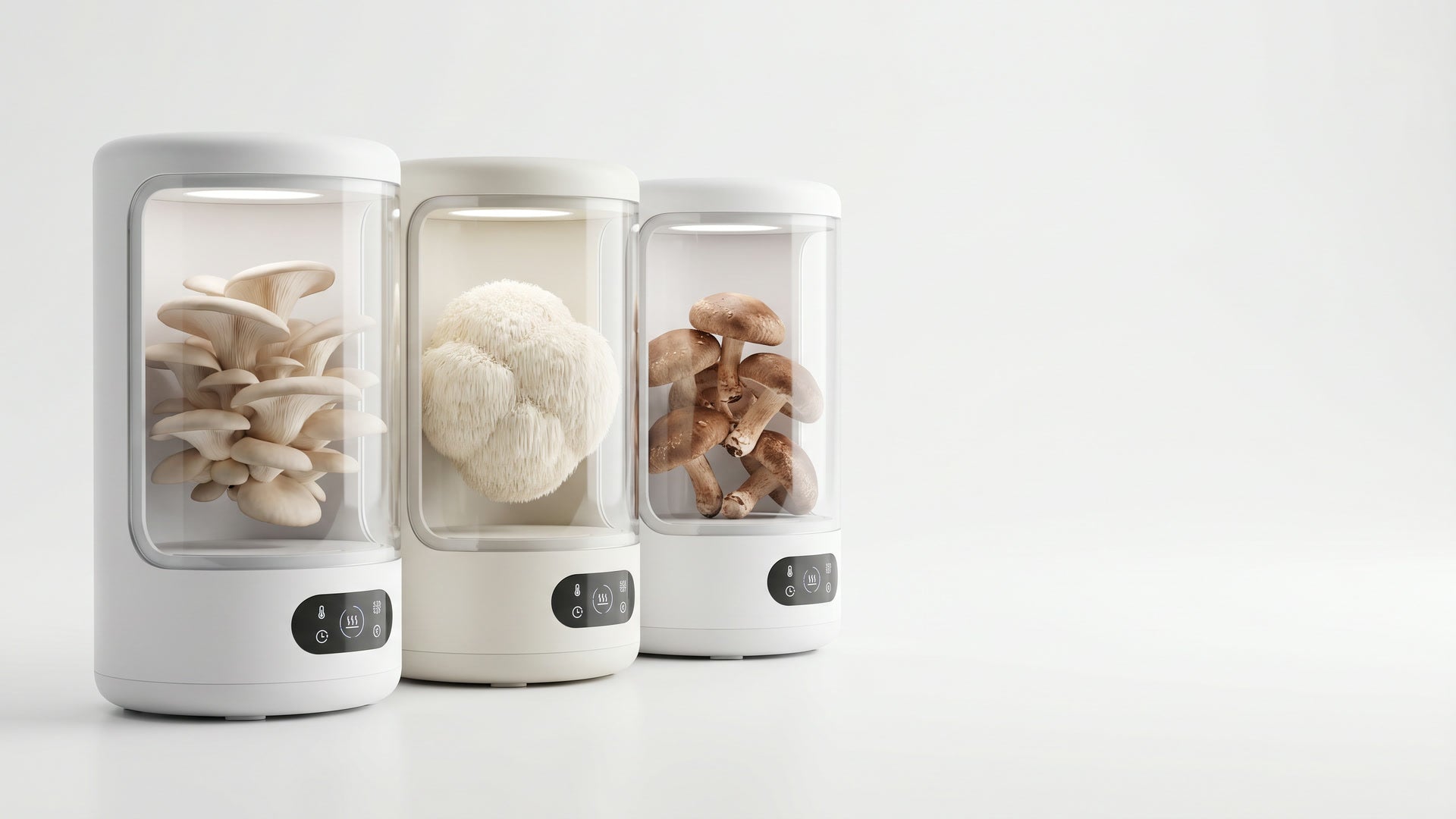
Smart Mushroom Grow Chamber
Plug-and-play smart chamber with humidity, light, and airflow dialed in for every species. Beginners harvest their first flush in days, not months.
Add to cart $299Should You Be Concerned About Pets?
Most lawn mushrooms cause nothing more than a mild upset stomach if a dog or cat samples them, but the small handful of dangerous species (notably Amanita and Galerina varieties) can be fatal. The safe assumption: any wild mushroom is potentially harmful to pets.
Walk the yard each morning after rain, especially in warm weather, and remove visible mushrooms before letting pets out unsupervised. Keep an eye on dogs that habitually mouth-explore the lawn. If a pet eats an unknown mushroom, contact a veterinarian immediately and bring a sample if you can. The earlier identification happens, the better the outcome.
Reducing Mushroom Frequency
You can't eliminate fungi from your soil; they're part of every healthy ecosystem. You can make conditions less favorable for fruiting:
- Water in the morning, not evening. Wet grass overnight is the single biggest mushroom encouragement.
- Water deeply and less often. Aim for 1 inch per week in one or two soakings.
- Dethatch if your thatch layer exceeds 1/2 inch. Thick thatch holds moisture against the soil and feeds saprotrophs.
- Core aerate compacted areas. Improves drainage and breaks up surface mycelium.
- Prune low tree branches. More sun and airflow reduce surface moisture.
- Avoid burying organic debris when landscaping. Buried wood is mushroom food for years.
- Use aged or composted mulch. Fresh wood mulch introduces wood-decay fungi.
Most homeowners see noticeable reduction within one growing season after implementing two or three of these changes.
Fairy Rings Deserve a Closer Look
If your mushrooms form a circle, you've got a fairy ring. Fairy rings are caused by a specific group of fungi that grow outward from a central point at a rate of inches to a foot per year. The visible ring is just the leading edge of an expanding underground colony.
Three types of fairy ring effects are common: a ring of mushrooms only, a ring of stimulated darker green grass, or a ring of dead or thinning grass. The last type is the most frustrating, since it makes the lawn look damaged even when the fungus isn't directly harming the grass roots.
Managing fairy rings is a long-term project. Core aeration along the ring, deep watering with a wetting agent (which helps water penetrate the hydrophobic mycelium), and topdressing with compost gradually weaken the ring over multiple seasons. Complete excavation works but requires removing soil to a depth of 12 inches across the entire ring.
Why Fungicides Don't Solve Lawn Mushrooms
Lawn fungicide products on store shelves target leaf and root pathogens, not the deep-rooted decomposer fungi behind most yard mushrooms. Spraying a fungicide kills nothing meaningful for your mushroom problem, and it costs money and adds chemicals to your soil ecosystem for no benefit.
The same goes for home remedies: vinegar, bleach, baking soda, and dish soap may damage the visible mushroom and the surrounding grass, but the mycelium underneath continues unaffected. Mechanical removal plus moisture management is the actual answer.
If Mushrooms Fascinate You, Grow Them on Purpose
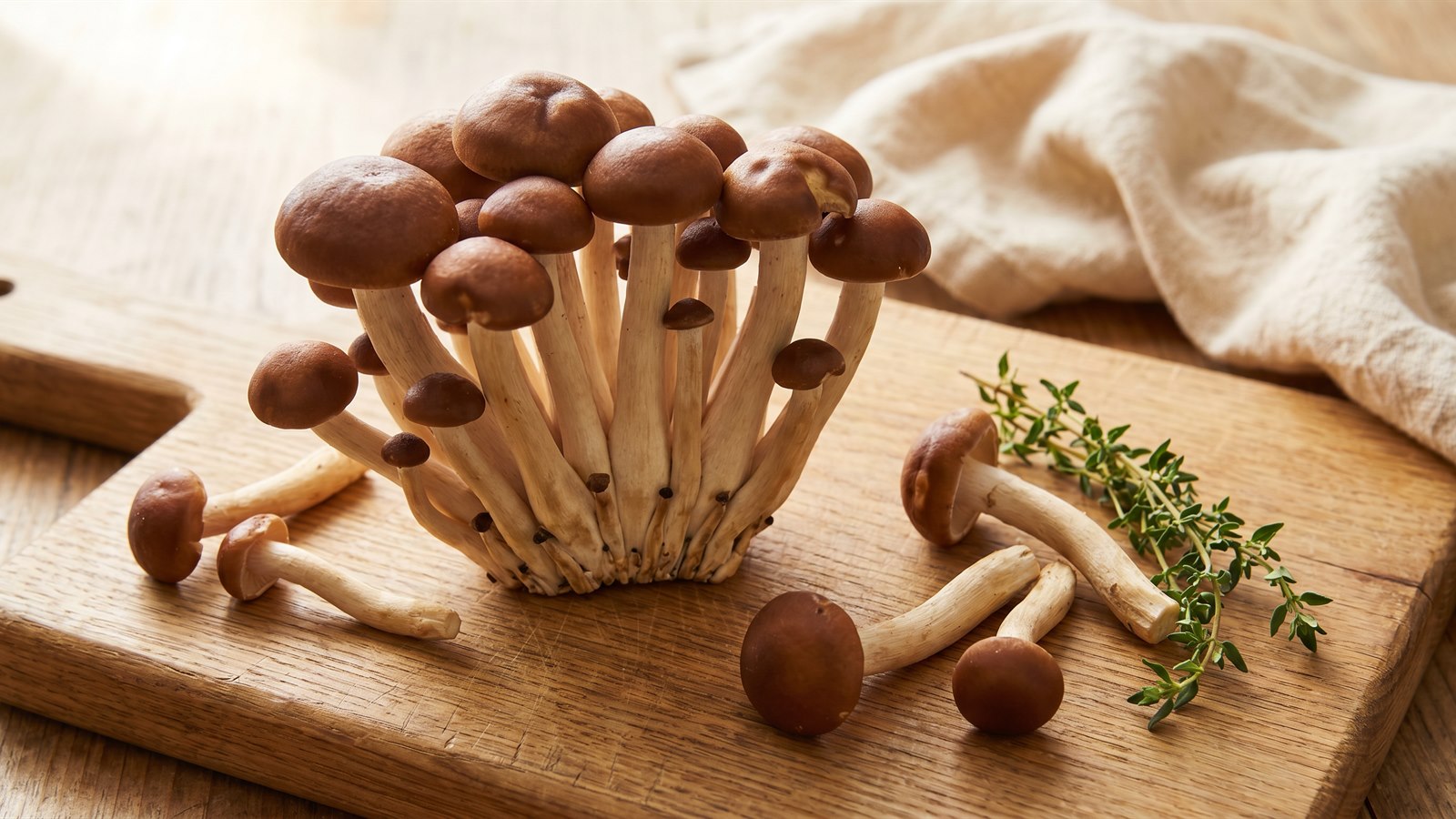
The same fungal biology making lawn mushrooms appear is fascinating enough that millions of people now grow edible varieties at home. Cultivated species like oyster, lion's mane, and king trumpet are predictable, safe, and tasty. A countertop kit from Lykyn's mushroom grow kits produces a pound or more of fresh mushrooms in about a week, with no foraging risk and no identification guesswork.
Lawn and mushrooms will keep finding each other for as long as soil contains organic matter, which is to say forever. The best long-term mindset is to accept occasional mushroom flushes as a normal part of having a living lawn, manage the conditions that encourage excessive fruiting, and remove what shows up so pets and kids stay safe. The fungi are doing their job. You don't have to declare war on them to keep the yard looking good.

Aktie:
Hungarian Mushroom Soup Recipe: Paprika, Dill, and Sour Cream
Hungarian Mushroom Soup Recipe: Paprika, Dill, and Sour Cream