


Featured Snippet Box
What is an orange mushroom? Orange mushrooms are fungi species displaying orange coloration, ranging from bright tangerine to rust-brown hues. Common types include edible Chicken of the Woods (Laetiporus), toxic Jack-o'-lantern (Omphalotus olearius), and deadly Galerina marginata. Proper identification requires examining gills, spore prints, habitat, and growth patterns before consumption.
Look, I get it. You're out on a hike, minding your business, and suddenly there's this gorgeous orange mushroom practically glowing against a fallen log. Your brain immediately goes: "Can I eat that?"

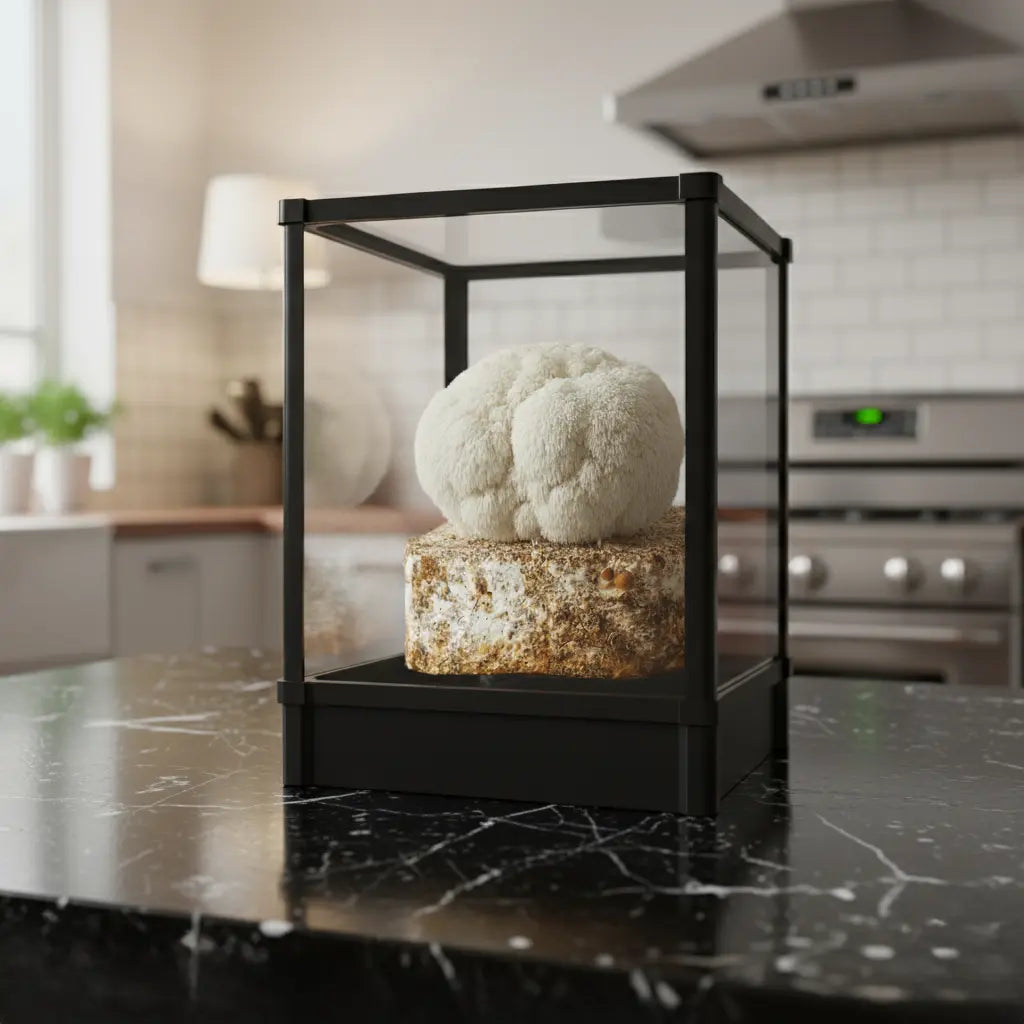
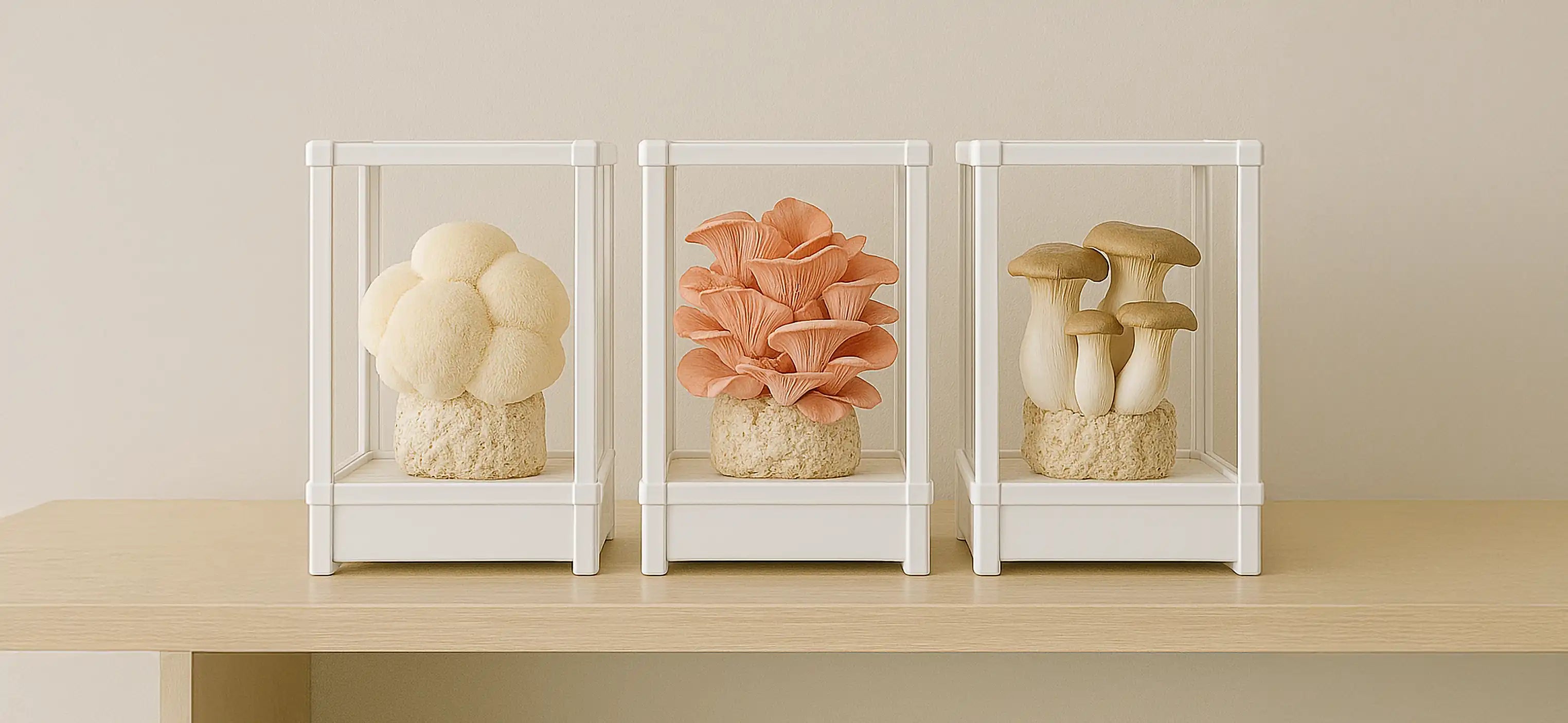
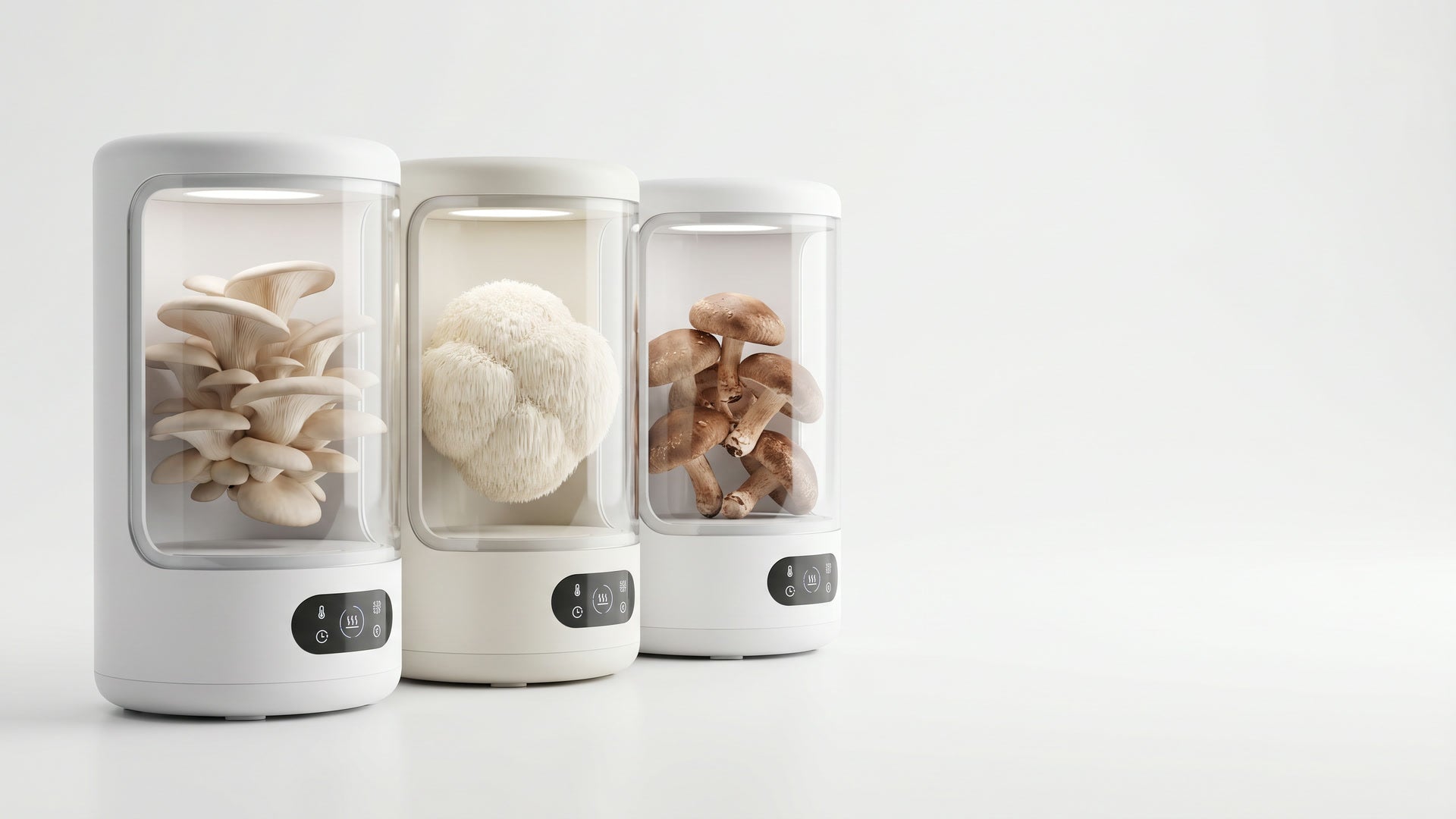
Smart Chamber. Bone White Single
- 2.8L tank, 90% humidity automatic
- App-controlled, plug-and-play
- 6 lb block ceiling, in stock

Smart Chamber. Obsidian Black Single
- Same hardware as Bone White
- Matte black premium finish
- Pairs with any kitchen palette

Before you do anything, let's talk. Because here's the thing about orange mushrooms, some are absolutely delicious, and some will send you to the emergency room. There's not much middle ground.
I've been growing and studying mushrooms for years, and orange species still demand my full attention during identification. They're tricky. Let me walk you through everything I've learned so you can approach these fungi with confidence, not fear.
Understanding Orange Mushrooms: Why Color Alone Isn't Enough
Orange mushrooms belong to dozens of different genera, families, and species. The color orange in fungi comes from pigments like carotenoids and other organic compounds. But here's what most beginners miss: color is just the starting point of identification, never the finish line.
Mushroom identification requires examining multiple characteristics simultaneously. These include cap shape, gill attachment, spore print color, stem features, habitat, and growth substrate. A single misidentified feature can mean the difference between a great meal and a hospital visit.
The Orange Mushroom Spectrum
Orange mushrooms range dramatically in their edibility status:
| Category | Examples | Key Warning |
|---|---|---|
| Choice Edible | Chicken of the Woods, Chanterelles | Confirm ID with multiple features |
| Edible with Caution | Velvet Foot, Jack-o'-lantern lookalikes | Requires expert-level identification |
| Toxic | Jack-o'-lantern, Cortinarius species | Causes severe GI distress |
| Deadly | Galerina marginata, some Conocybe | Contains amatoxins; potentially fatal |

Most Common Orange Mushrooms You'll Encounter
Let me break down the species you're most likely to find. I've grouped them by what they could mean for your health.
Edible Orange Mushrooms Worth Knowing
Chicken of the Woods (Laetiporus sulphureus and L. cincinnatus)
This is probably what you're hoping you found. Chicken of the Woods is a bright orange-yellow bracket fungus that grows in shelf-like formations on trees. The texture genuinely resembles cooked chicken breast.
Key identification features:
- Grows on wood (dead or living hardwoods)
- No gills, porous underside instead
- Bright orange-yellow top, pale yellow to white underside
- Flesh is thick and succulent when young
A 2024 study published in the Journal of Fungi confirmed that Laetiporus species contain significant protein content (up to 23% dry weight) and beneficial polysaccharides. But here's my first-hand experience: always cook it thoroughly, and try a small amount first. Some people have sensitivities, especially when harvested from eucalyptus or conifer trees.
If you're curious about cultivating your own gourmet mushrooms rather than foraging, check out our complete guide to growing mushrooms at home. It covers everything from beginner setups to advanced techniques.
Chanterelles (Cantharellus cibarius)
Golden chanterelles lean more yellow-gold than pure orange, but many foragers search for them when looking for orange mushrooms. They're prized worldwide for their fruity, peppery aroma.
Toxic Orange Mushrooms to Avoid
Jack-o'-Lantern Mushroom (Omphalotus olearius)
This is the troublemaker. Jack-o'-lanterns look superficially similar to chanterelles but will make you violently ill. They won't kill you, but you'll wish they had for about 24 hours.
Critical differences from chanterelles:
- True gills that are thin and blade-like (chanterelles have false gills, blunt ridges)
- Grows in clusters at the base of trees or from buried wood
- Gills glow faintly in the dark (bioluminescence)
- Spore print is cream to pale yellow

Deadly Galerina (Galerina marginata)
Here's where things get serious. Galerina marginata is a small, rusty-orange to brown mushroom that contains the same amatoxins found in death caps. It's responsible for multiple fatalities each year, often by foragers who mistake it for edible species like honey mushrooms.
This mushroom:
- Grows on decaying wood
- Has a ring on the stem
- Produces a rusty-brown spore print
- Is small (caps typically 1-4 cm)
Never consume any small brown-to-orange mushroom growing on wood unless you have expert-level identification skills.
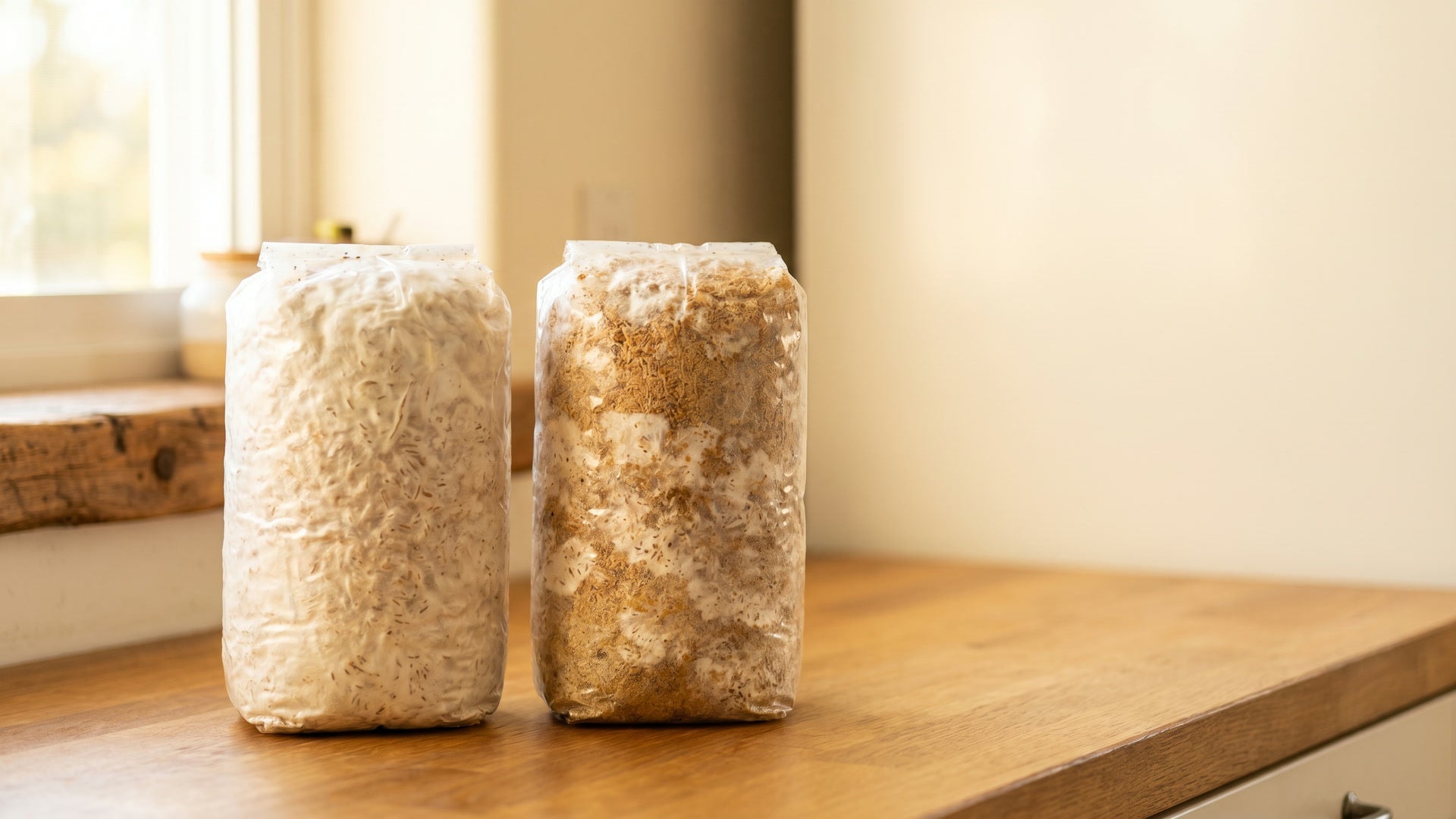
For safer hands-on fungal experience, many enthusiasts are turning to home cultivation. Growing known species eliminates identification risk entirely. Our Lion's Mane Mushroom Fruiting Block lets you harvest gourmet mushrooms without any foraging uncertainty.

Fuel Your Mushroom Journey
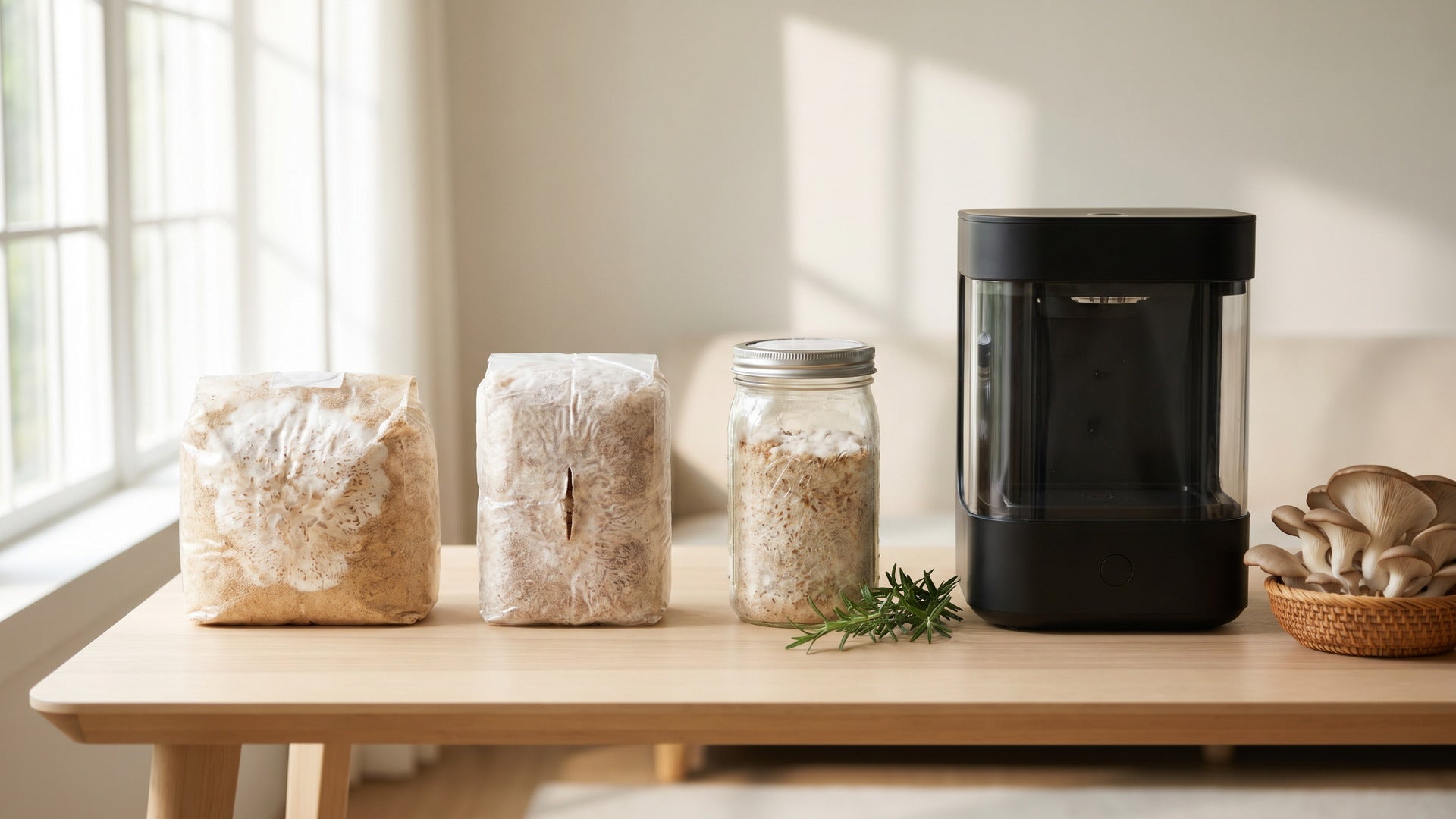
Smart Mushroom Grow Chamber
Plug-and-play smart chamber with humidity, light, and airflow dialed in for every species. Beginners harvest their first flush in days, not months.
Add to cart $299Step-by-Step Orange Mushroom Identification Process
Here's the exact process I use when I encounter an orange mushroom in the wild. Follow these steps in order.
Step 1: Observe the Habitat and Substrate
Before you touch anything, look at where and how it's growing:
- Is it on wood, soil, or grass?
- Is it solitary or clustered?
- What trees are nearby?
- What's the moisture level?
Step 2: Examine Physical Characteristics
Now look closely at the mushroom itself:
- Cap texture: Smooth, scaly, sticky, or dry?
- Cap shape: Convex, flat, funnel-shaped?
- Gills or pores: Present? Attached to stem or free?
- Stem features: Ring present? Bulbous base? Hollow or solid?
Step 3: Take a Spore Print
This is non-negotiable for serious identification. Place the cap gill-side down on white and black paper (half and half). Cover with a bowl and wait 4-12 hours. The spore color can confirm or rule out many species.
Step 4: Consult Multiple Resources
Cross-reference your findings with:
- Regional field guides (2024-2026 editions)
- Reputable online databases like Mushroom Observer
- Local mycological society members
- iNaturalist community identifications
Our Mushroom Foraging Guide provides additional detailed steps for safe wild mushroom collection, including seasonal timing and location strategies.

Growing Orange-Toned Mushrooms at Home
Here's something most people don't realize: you don't have to forage to enjoy interesting mushrooms. Home cultivation has exploded in popularity since 2023, and for good reason.
While you can't easily grow Jack-o'-lanterns or chanterelles at home (they require symbiotic relationships with trees), many other fascinating species thrive on prepared substrates.
Popular cultivated varieties for beginners:
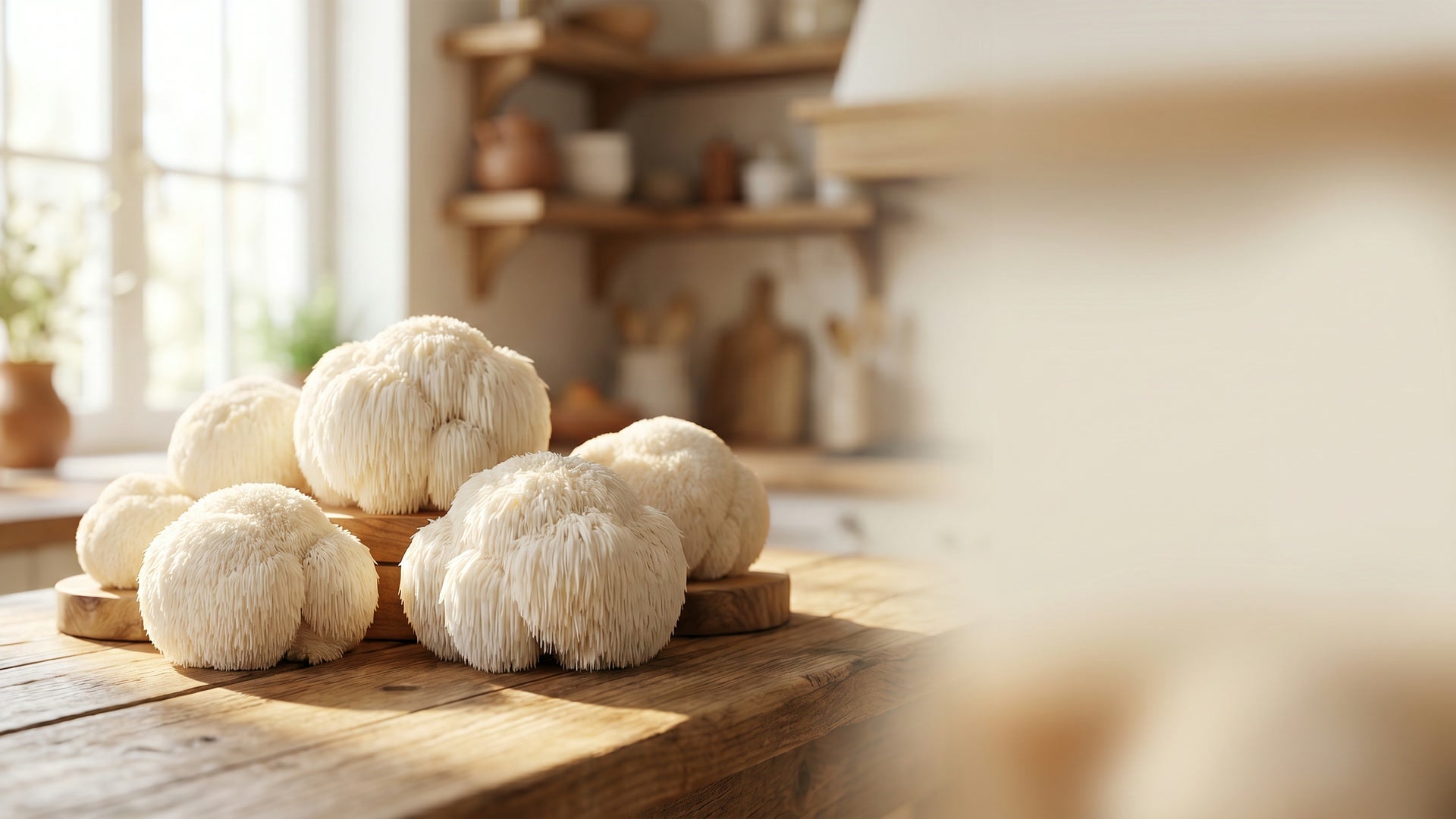
- Lion's Mane: White, cascading "pom-pom" appearance, exceptional for cognitive support
- Shiitake: Rich umami flavor, golden-brown caps with orange undertones
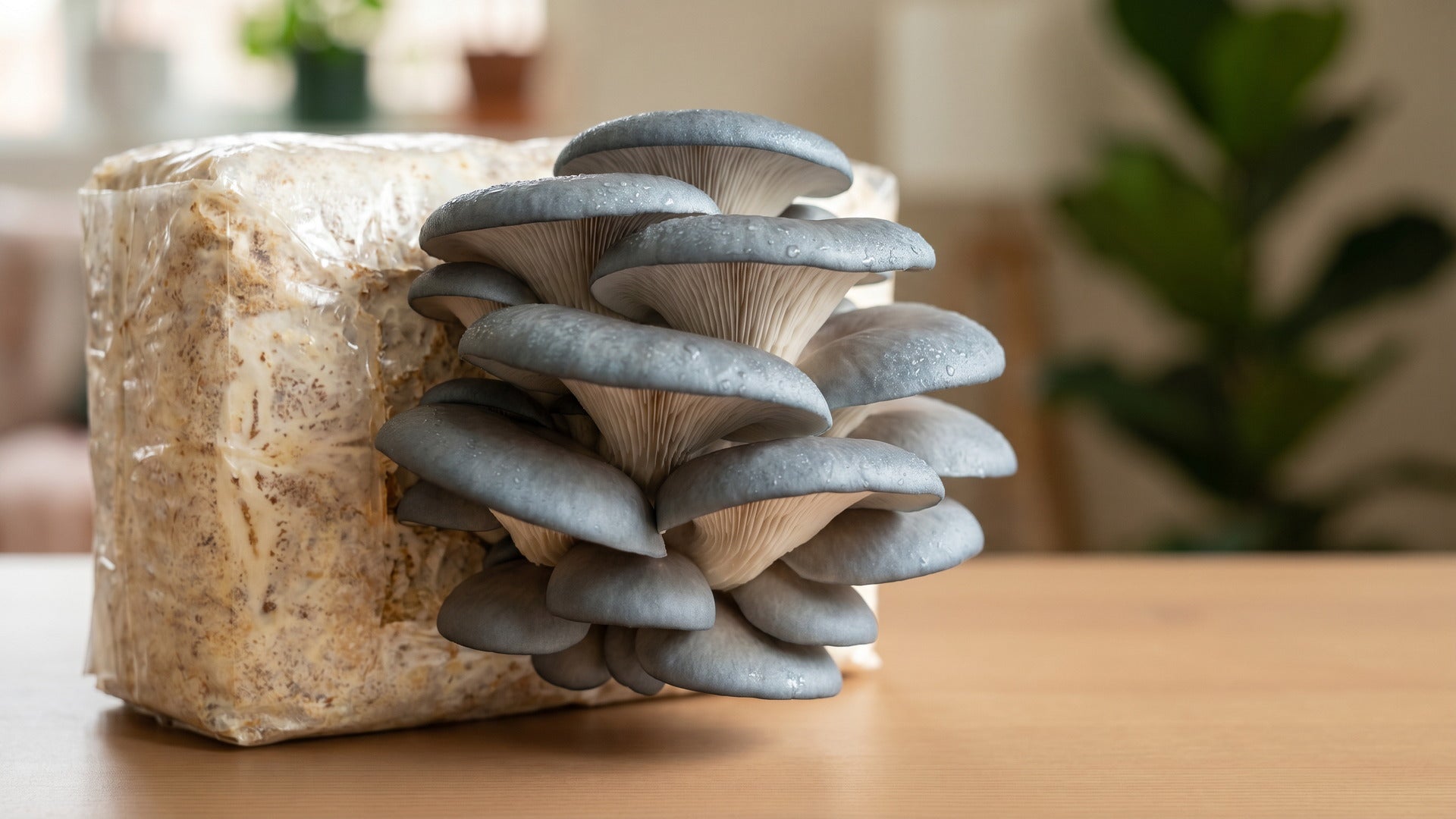
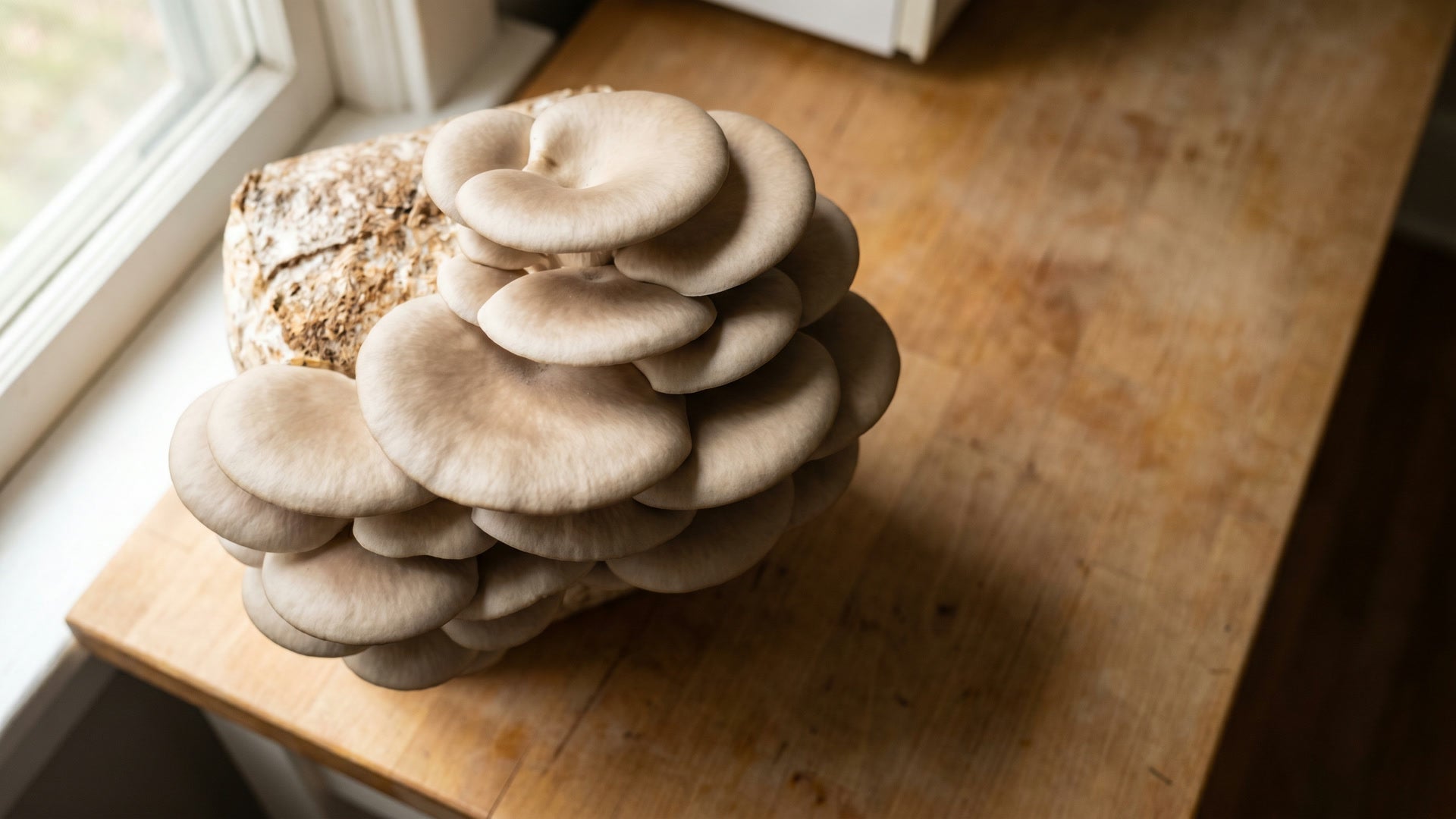
- Oyster mushrooms: Fast-growing, mild flavor, excellent for cooking
Our Shiitake Mushroom Fruiting Block produces multiple flushes of delicious mushrooms and lets you experience the satisfaction of growing your own. For something more unusual, the Cinnamon Cap Mushroom Fruiting Block offers a rare, chef-prized species with a warm, distinctive appearance.
Want to understand the broader world of cultivated mushrooms? Our Oyster Mushroom guide covers benefits, cooking methods, and growing tips.
Frequently Asked Questions About Orange Mushrooms
Is it safe to eat an orange mushroom I found in my yard?
No, not without expert identification. Orange mushrooms in yards can include toxic Omphalotus species and deadly Galerina. The color orange provides zero information about edibility. Always get hands-on confirmation from an experienced mycologist before consuming any wild mushroom. When in doubt, leave it alone.
What does a poisonous orange mushroom look like?
Poisonous orange mushrooms vary widely in appearance. The toxic Jack-o'-lantern has true gills, grows in clusters, and glows faintly in darkness. Deadly Galerina is small (1-4 cm), has a ring on the stem, and produces rusty-brown spores. There's no single "poisonous look", this is why multi-feature identification is essential.
Are orange mushrooms in the Pacific Northwest edible?
Some are, some aren't. The Pacific Northwest hosts edible species like Chicken of the Woods and chanterelles, but also toxic Jack-o'-lanterns and deadly Galerina marginata. Regional field guides specific to the PNW (2024-2026 editions) are essential. Contact your local mycological society for guided forays to learn proper identification.
Can I identify an orange mushroom from a photo alone?
Photo identification is unreliable and potentially dangerous. Key features like spore print color, gill attachment, odor, and stem interior cannot be assessed from photos. AI identification apps have improved but still have significant error rates with lookalike species. Use photos as a starting point, then confirm with physical examination and expert consultation.
How do I tell the difference between chanterelles and Jack-o'-lanterns?
Examine three key features. First, gill structure: chanterelles have blunt, forked ridges that blend into the cap; Jack-o'-lanterns have thin, true gills. Second, growth pattern: chanterelles grow singly or scattered from soil; Jack-o'-lanterns grow in clusters from wood. Third, stem interior: chanterelles are solid throughout; Jack-o'-lanterns have thinner flesh.
What is the bright orange mushroom growing on trees?
If it's a large, bracket-shaped fungus with no gills and a porous underside, it's likely Chicken of the Woods (Laetiporus species), generally considered edible. If it has true gills and grows in clusters at the base, it may be a Jack-o'-lantern, toxic. The substrate (living vs. dead wood) and growth formation are critical identifiers.
Do any orange mushrooms glow in the dark?
Yes. Jack-o'-lantern mushrooms (Omphalotus olearius and related species) produce bioluminescence, their gills emit a faint greenish glow visible in complete darkness. This phenomenon, called foxfire, results from a chemical reaction involving the enzyme luciferase. However, the glow is often difficult to see without fully dark-adapted eyes.
Conclusion: Your Orange Mushroom Action Plan
Finding an orange mushroom should spark curiosity, not panic. Here's what you need to remember:
Key Takeaways:
- Color is never enough, orange mushrooms range from choice edibles to deadly species. Always use multiple identification features including gill structure, spore prints, habitat, and growth patterns.
- Jack-o'-lantern vs. chanterelle is the most critical distinction. Learn the differences: true gills versus false gills, clustered versus scattered growth, and wood versus soil substrate.
- When uncertain, don't consume. No mushroom meal is worth a hospital visit or worse. Consult local mycological societies and experienced foragers before eating any wild mushroom.
- Home cultivation eliminates risk. Growing your own mushrooms from prepared blocks gives you gourmet fungi with zero identification uncertainty.
- Keep learning. Mushroom knowledge compounds over time. Each identification builds your expertise for the next.
Start Your Mushroom Journey Safely Today
Ready to enjoy gourmet mushrooms without the identification stress? Explore our ready-to-grow mushroom fruiting blocks and harvest your first flush within weeks.
Whether you choose Lion's Mane for cognitive support, Shiitake for umami-rich cooking, or Cinnamon Caps for something truly unique, you'll experience the full joy of mushroom cultivation, without any foraging risk.
Browse Our Mushroom Growing Kits →
Limited seasonal inventory available. Order now for guaranteed spring growing.


Aktie:
What Is an Inky Cap Mushroom? Your Complete Guide to Identification, Growing, and Safe Use
How to Find, Identify, and Cook Pheasant Back Mushrooms Like a Pro