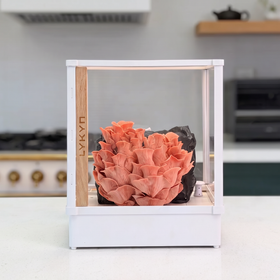



Want to grow your own mushrooms but think it's too complicated? Think again. Home mushroom cultivation has never been more accessible, and you can start harvesting fresh, organic fungi from your kitchen counter in just a few weeks. Whether you're interested in gourmet oyster mushrooms for cooking, lion's mane for brain health, or shiitake for their rich umami flavor, this comprehensive guide will show you exactly how to grow your own mushrooms successfully.
The truth is, growing mushrooms is easier than growing most vegetables. You don't need a garden, green space, or even much time. Modern mushroom growing systems have eliminated the guesswork, making it possible for anyone to produce restaurant-quality mushrooms at home. Let's dive into everything you need to know to start your mushroom growing journey today.
Why You Should Grow Your Own Mushrooms
Growing your own mushrooms offers benefits that go far beyond just saving money at the grocery store. When you cultivate mushrooms at home, you're taking control of your food source in one of the most sustainable ways possible.
Fresh mushrooms taste dramatically better than store-bought varieties. Commercial mushrooms often sit in warehouses and trucks for days before reaching your plate. Home-grown mushrooms can go from harvest to table in minutes, delivering superior flavor, texture, and nutritional value. The difference is immediately noticeable, your first bite of a fresh oyster mushroom you grew yourself will convince you this hobby is worth it.
You'll save money while eating healthier. A single grow kit costing $20-30 can produce 1-3 pounds of organic mushrooms over several harvests. Compare that to paying $12-15 per pound at specialty stores. Even better, you control exactly what goes into your growing environment, ensuring completely organic, pesticide-free mushrooms.
Mushroom cultivation teaches valuable skills. Understanding how fungi grow deepens your knowledge of biology, ecology, and sustainable food systems. It's an educational activity that works beautifully for families, kids are fascinated watching mushrooms seemingly appear overnight.

The environmental benefits are significant too. Growing your own mushrooms reduces packaging waste, eliminates transportation emissions, and even creates valuable compost from spent substrate. It's one of the most eco-friendly foods you can produce.
Understanding the Basics: How Mushrooms Actually Grow
Before you start growing, understanding mushroom biology helps ensure success. Unlike plants that photosynthesize, mushrooms are fungi that break down organic matter to obtain nutrients. This fundamental difference explains why mushroom cultivation looks so different from vegetable gardening.
The mushroom lifecycle begins with microscopic spores that germinate into thread-like cells called hyphae. These hyphae interweave to form mycelium, the actual "body" of the fungus. The mycelium spreads through a nutrient-rich substrate (growing medium), breaking down organic materials and absorbing nutrients. The visible mushrooms you harvest are actually just the fruiting bodies that appear when environmental conditions trigger reproduction.
This means when you grow your own mushrooms, most of the work happens invisibly beneath the surface during the colonization phase. The mycelium needs time to establish a strong network before it can support mushroom production. Understanding this lifecycle helps you be patient during the waiting period and recognize when conditions are right for fruiting.
Mushrooms need specific environmental conditions to fruit successfully. The three critical factors are humidity (typically 80-95%), temperature (varying by species but generally 55-75°F), and fresh air exchange. Getting these conditions right is the key to abundant harvests, and modern growing systems make this much easier than it used to be.
Choosing Your Growing Method: From Beginner to Advanced
Ready-to-Fruit Grow Kits (Best for Beginners)
If you're new to mushroom cultivation, ready-to-fruit kits are your best starting point. These kits contain a fully colonized substrate block that's ready to produce mushrooms immediately. You simply open the kit, provide humidity and fresh air, and watch mushrooms appear within days.
Basic grow blocks are the most affordable option, typically costing $20-40. They include a pre-inoculated substrate in a plastic bag with filter patches. You'll need to manually mist the block 2-4 times daily and fan for fresh air exchange. Popular varieties include oyster mushrooms, shiitake, and lion's mane. These kits work well for learning the fundamentals and typically produce 2-4 harvests over 8-12 weeks.
All-in-one kits ($40-80) include the grow block plus accessories like a humidity tent, spray bottle, and detailed instructions. These intermediate kits provide better environmental control and are particularly helpful in dry climates or if you don't have a naturally humid spot in your home.
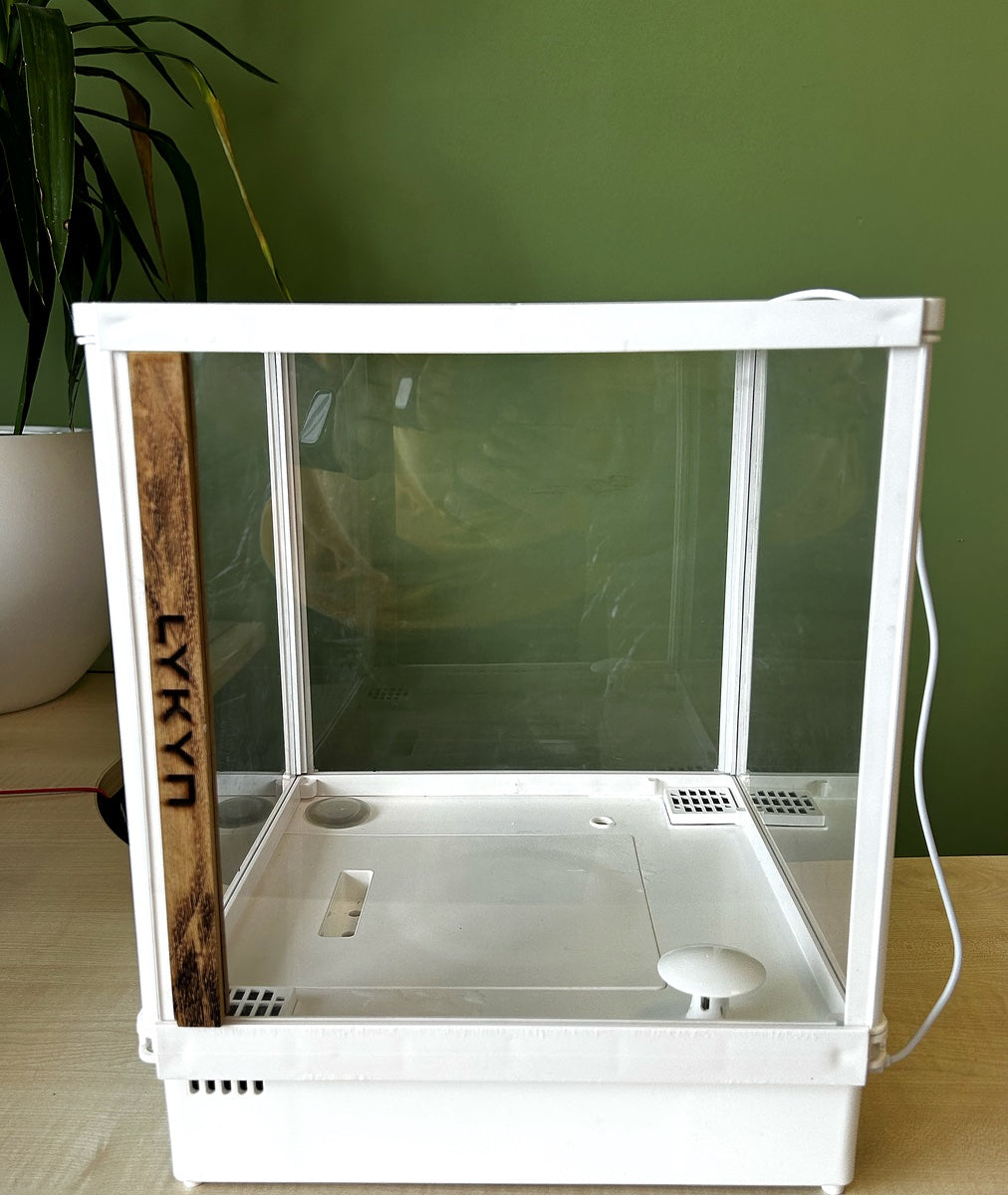
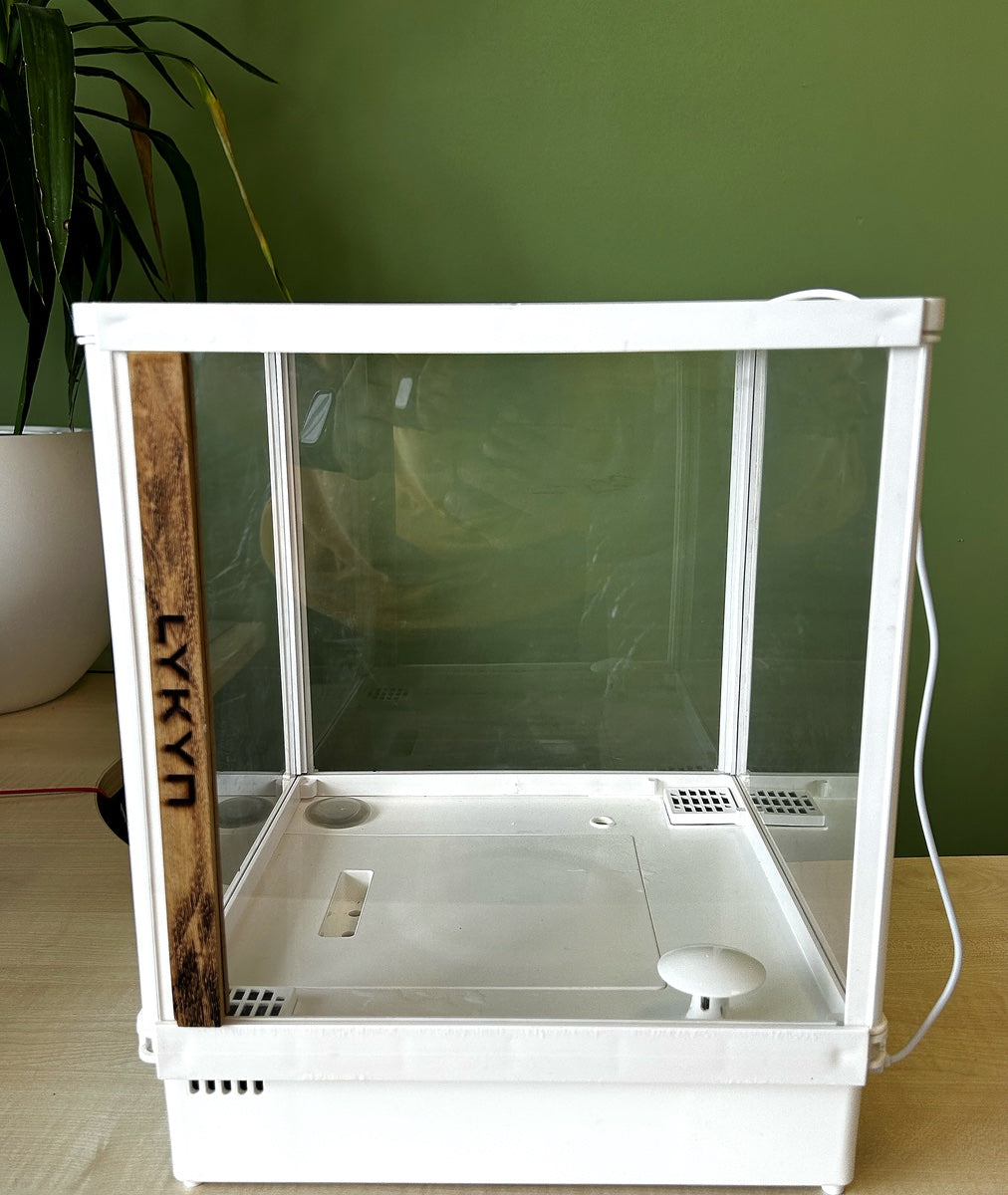
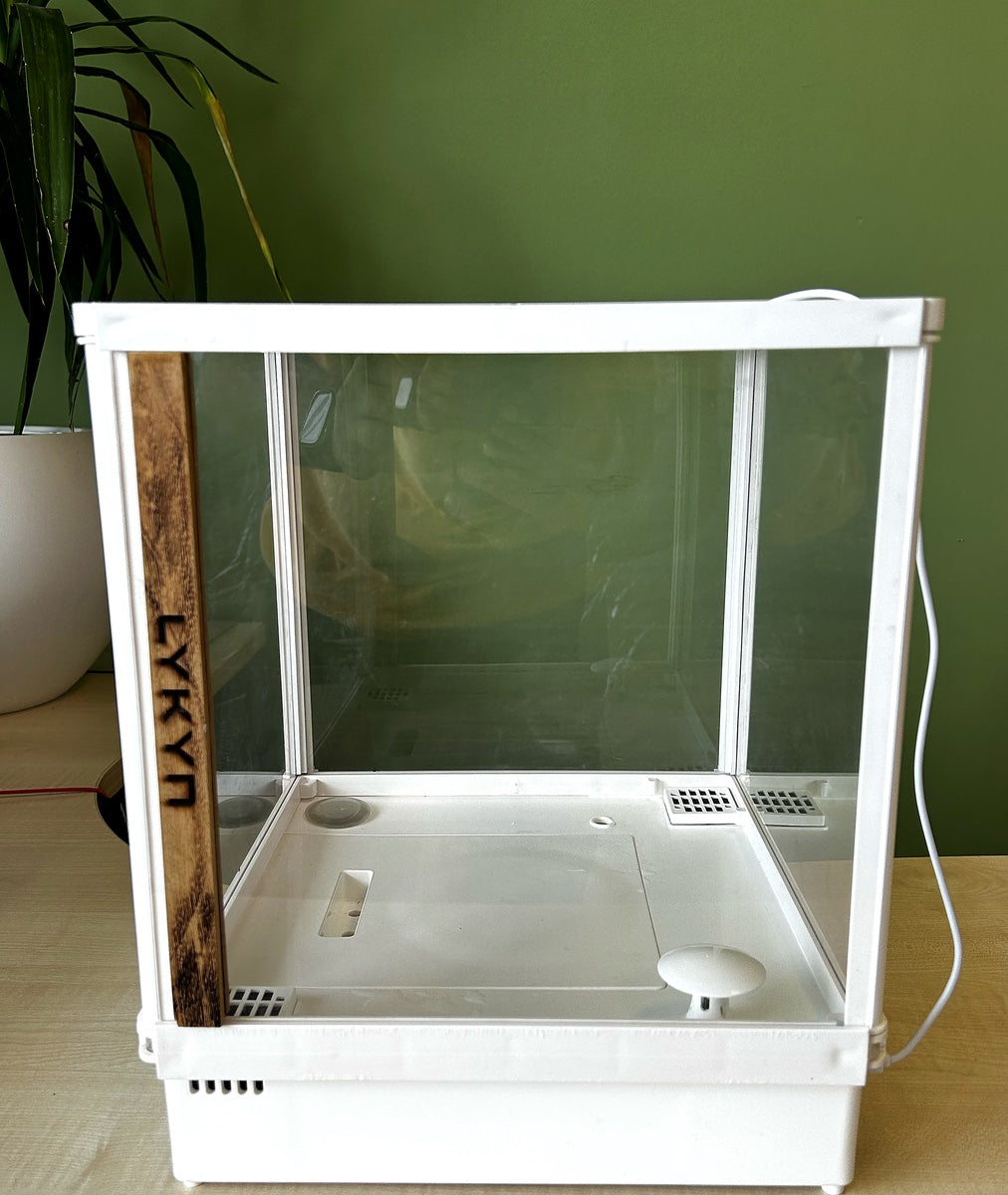
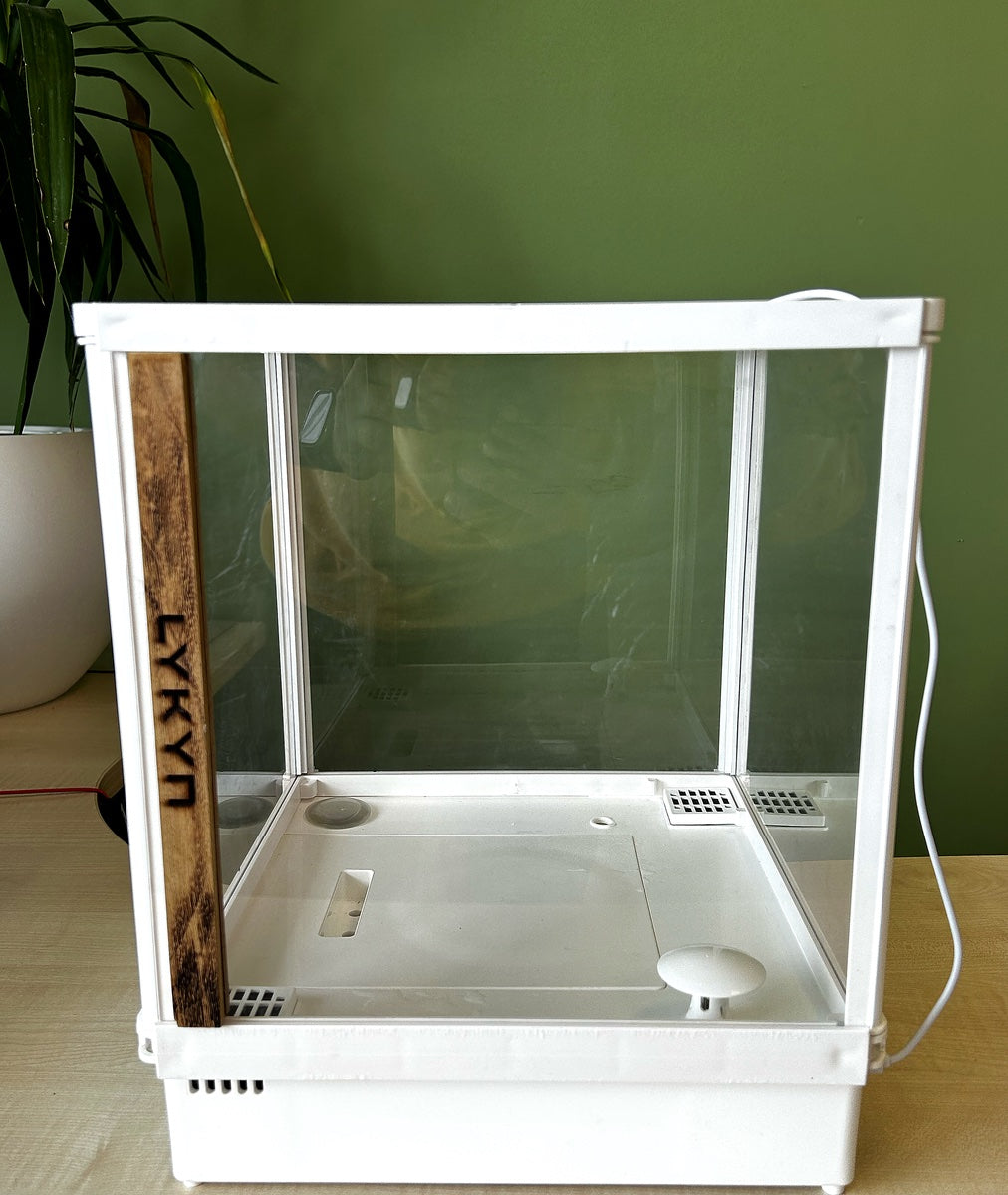
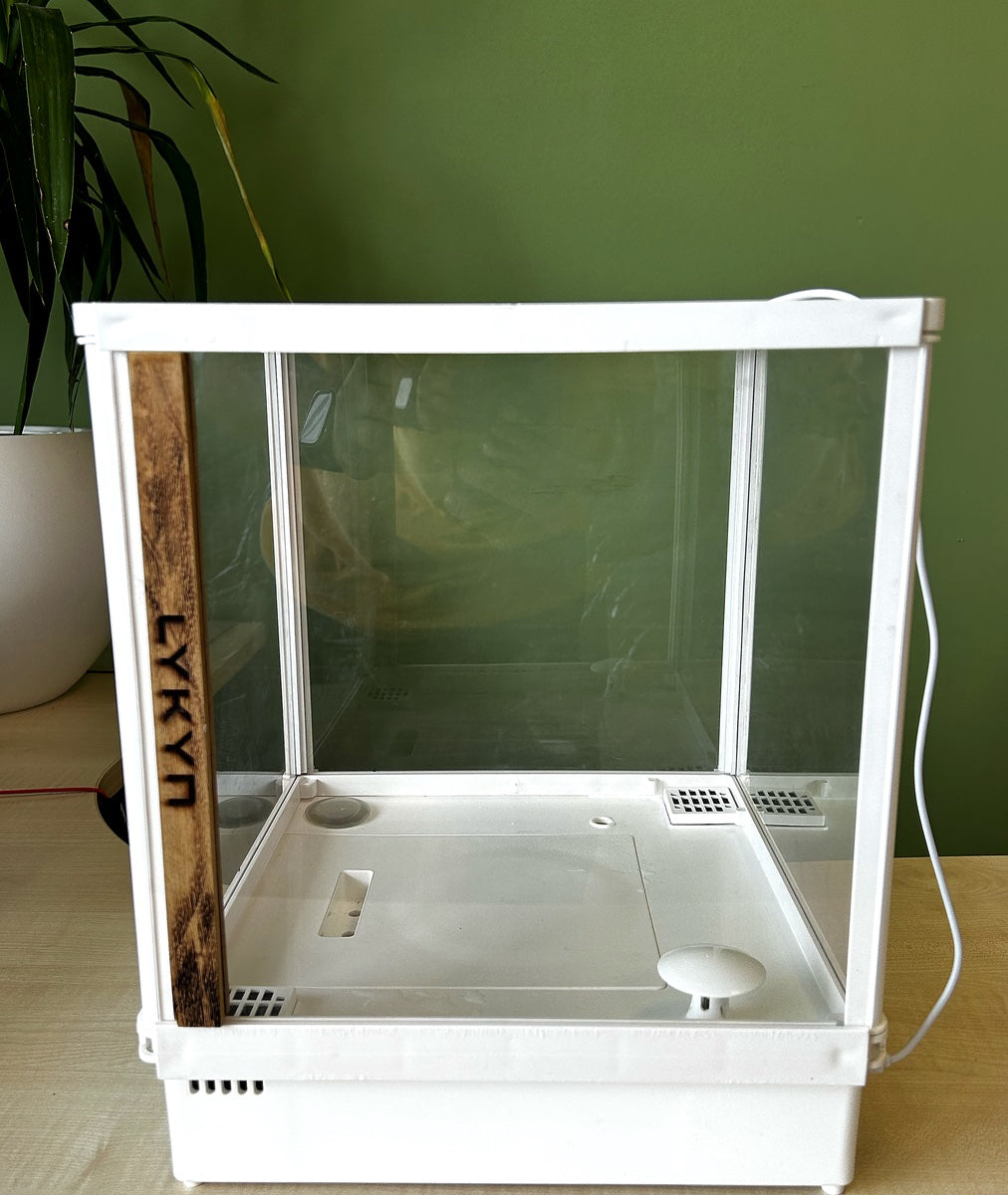
Smart automated systems represent the cutting edge of home mushroom cultivation. The Lykyn Smart Mushroom Grow Kit eliminates manual maintenance entirely by automatically controlling humidity, airflow, and lighting through a smartphone app. With species-specific presets for 28+ mushroom varieties, built-in filtration to prevent contamination, and an ultrasonic humidifier with a 2.8L reservoir, these systems deliver consistently professional results with minimal effort.
While premium systems cost more upfront ($200-300), they're worth considering if you're serious about growing mushrooms long-term. The automated environmental controls mean higher success rates, better yields, and the ability to grow more demanding species that fail in basic setups. For detailed comparisons, check out our top mushroom growing kits review.
Growing from Spawn (Intermediate Level)
Once you've mastered grow kits, the next step is purchasing mushroom spawn and preparing your own substrate. This approach dramatically reduces per-pound costs and gives you unlimited growing capacity. Growing oyster mushrooms in buckets is an excellent first project at this level, it's beginner-friendly and produces impressive yields.
You'll need equipment like a pressure cooker for sterilization, polypropylene growing bags with filter patches, and substrate materials such as hardwood sawdust, straw, or supplemented blends. The initial investment is higher than buying kits, but your cost per pound drops significantly once you have the equipment.
This method requires more space, time, and technical knowledge. You'll be handling sterile techniques, managing pasteurization or sterilization, and troubleshooting contamination issues. However, the learning experience is valuable, and many home growers find the process deeply satisfying.
Advanced Cultivation from Spores
The most advanced level involves working directly with mushroom spores or tissue cultures. Learning how to grow mushrooms from spores opens up endless possibilities for strain selection and genetic preservation. You can isolate your favorite mushroom's genetics and propagate them indefinitely.
This path requires specialized equipment including a laminar flow hood or still air box for sterile work, petri dishes with agar, microscopes for spore examination, and a deeper understanding of mycology. It's fascinating work for serious hobbyists but unnecessary for those who simply want fresh mushrooms for their kitchen.
Step-by-Step: Growing Your First Mushrooms
Let's walk through the process of growing your own mushrooms using a beginner-friendly kit. This method works for oyster, shiitake, lion's mane, and most other common varieties.
Days 1-2: Setup and Initial Care
When your mushroom kit arrives, remove it from shipping materials and inspect the substrate. You should see white mycelium throughout the block, this is exactly what you want. Any green, black, or unusual colored spots indicate contamination and the kit should be replaced.
Choose a location with indirect natural light and consistent temperature appropriate for your species. Most gourmet mushrooms prefer 60-75°F. Avoid direct sunlight which heats and dries the substrate, and stay away from heating vents or drafty windows.
For basic kits, cut an X-shaped opening 4-6 inches across in the plastic bag, exposing the white mycelium to air. This opening provides the fresh air exchange that signals the fungus to start fruiting. With automated mushroom growing systems, simply place the block inside the chamber and select your mushroom species in the app.
Begin your misting routine immediately if using a manual system. Spray fine mist 2-4 times daily, keeping the exposed surface visibly moist but never soaking wet. The substrate should have tiny water droplets but no standing water.
Days 3-7: Pinning Phase
Within 3-7 days of proper care, you'll notice tiny bumps or "pins" forming on the exposed surface. These baby mushrooms are incredibly exciting to see, congratulations, you're officially growing your own mushrooms!
The pinning phase is critical for determining your final yield. Consistent humidity and fresh air exchange during this period set the stage for healthy mushroom development. Pins need high humidity (90-95%) to prevent them from aborting, but they also need fresh air to develop properly.
Continue misting 3-4 times daily, slightly increasing frequency if you see any pins drying out or turning brown. If using a manual system, also "fan" the mushrooms 2-4 times daily by waving fresh air across the growing surface for 30-60 seconds. This prevents CO₂ buildup that causes mushrooms to develop long stems and small caps.
Automated systems like the Lykyn handle this critical phase perfectly by maintaining constant optimal conditions. The dual-fan airflow system and ultrasonic humidifier work continuously to keep humidity and CO₂ levels exactly where they need to be.
Days 7-14: Growth and Development
Once pins are established, mushroom growth accelerates dramatically. You might notice visible growth each time you check your kit, mushrooms can grow incredibly fast, sometimes doubling in size overnight. This rapid expansion happens because mushrooms inflate pre-formed cellular structures with water rather than building new cells from scratch.
Watch your mushrooms carefully during this phase. Oyster mushrooms typically reach harvest size in 7-10 days total from pinning. Shiitake take longer at 14-21 days. Lion's mane grows as distinctive white cascading structures that develop over 10-14 days.
Maintain your care routine consistently during this phase. Temperature fluctuations, humidity drops, or inconsistent fresh air exchange can stunt development or cause mushrooms to abort. The good news is that once mushrooms start growing, they're fairly resilient and will usually complete development as long as basic conditions remain adequate.
Harvest Time: Picking at Peak Ripeness
Knowing when to harvest maximizes both yield and flavor. Each species has specific indicators of perfect ripeness:
Oyster mushrooms are ready when caps have flattened out but before edges start curling upward or releasing spores. The undersides should show well-defined gills but not appear overly mature. Typically 4-7 days after pins first appear.
Shiitake should be harvested when caps are 80% open but the veil connecting the cap to the stem is still intact. This stage provides the best texture and flavor. Usually 14-21 days from pinning.
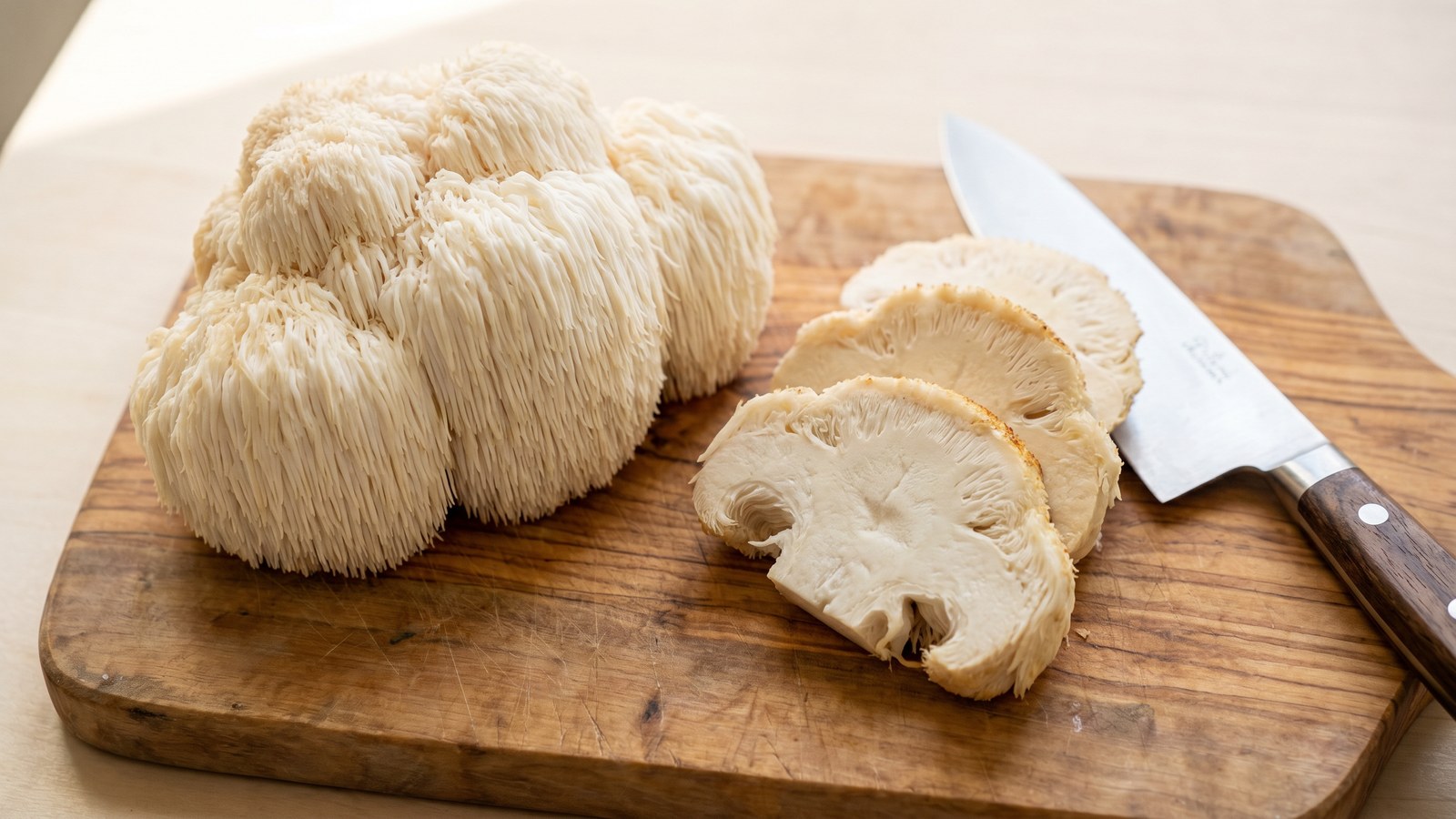
Lion's mane reaches peak quality when the "teeth" or spines are about 1/4 inch long but haven't started elongating further or turning yellow. The overall structure should be white and dense. Typically 10-14 days from first appearance.
To harvest, grasp the mushroom cluster firmly at the base where it meets the substrate. Twist gently while pulling, the cluster should release cleanly. Never cut mushrooms with scissors as the remaining stems can rot and invite contamination.

Getting Multiple Harvests from Your Kit
One of the best parts about growing your own mushrooms is that a single kit produces multiple harvests or "flushes." With proper care, you'll typically get 2-4 flushes, with the first being the largest.
After harvesting your first flush, give the substrate block a rest period. Reduce watering frequency to every other day and let the mycelium recover for 7-10 days. During this rest period, the fungus redirects energy back into the substrate network, preparing for the next fruiting cycle.
Many growers use the "cold water soak" technique between flushes to simulate rainfall and trigger new mushroom formation. Submerge your entire substrate block in cold water (50-60°F) for 12-24 hours. This rehydrates the substrate and shocks the mycelium into producing another flush.
After soaking, remove the block and allow excess water to drain completely for several hours. Then resume your normal care routine. You should see new pins forming within 5-7 days. Second and third flushes typically produce 40-60% of the first flush's yield, with each subsequent flush decreasing gradually.
Understanding mushroom fruiting body development helps you optimize conditions between flushes and recognize when your substrate is truly exhausted versus just resting.
Species Spotlight: Best Mushrooms to Grow at Home
Oyster Mushrooms (Pleurotus species)
If you're growing your first mushrooms, oysters are the perfect choice. They colonize quickly, tolerate environmental mistakes, and produce impressive yields even under suboptimal conditions. Multiple varieties offer different colors and flavors:
- Pearl oysters are classic, mild-flavored mushrooms perfect for beginners
- Blue oysters develop beautiful bluish-gray caps with excellent texture
- Pink oysters are tropical varieties that grow fast and have a slightly bacon-like flavor
- Golden oysters feature vibrant yellow color and delicate, citrusy notes
Oysters fruit at temperatures between 55-75°F depending on variety, with humidity requirements of 85-95%. They're the fastest mushrooms you can grow, often producing harvestable mushrooms just 5-10 days after pinning begins.
Shiitake (Lentinula edodes)
Shiitake mushrooms are prized for their rich umami flavor and substantial, meaty texture. They're slightly more demanding than oysters but worth the extra effort. Shiitake prefer cooler fruiting temperatures (55-65°F) and take longer to develop (14-21 days from pinning to harvest).
These mushrooms are particularly impressive on the second and third flushes, sometimes producing larger individual mushrooms than the first harvest. Shiitake blocks can be "force fruited" by soaking in cold water and even striking the block firmly to shock the mycelium into production.
Lion's Mane (Hericium erinaceus)
Lion's mane is beloved by health enthusiasts for its potential cognitive benefits and by chefs for its unique seafood-like texture. Growing lion's mane mushrooms requires slightly more attention to humidity but rewards you with distinctive, beautiful fruiting bodies.
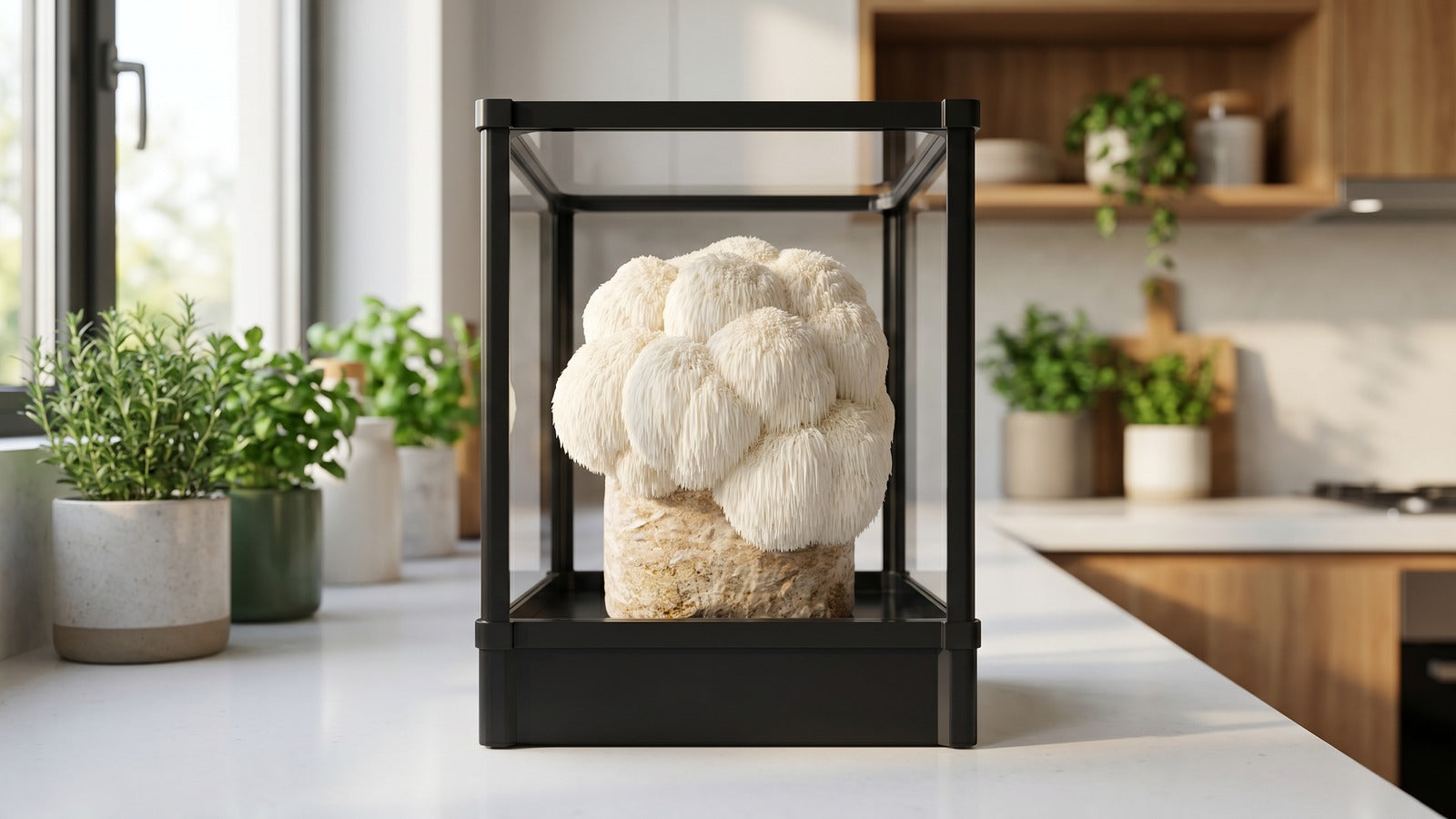
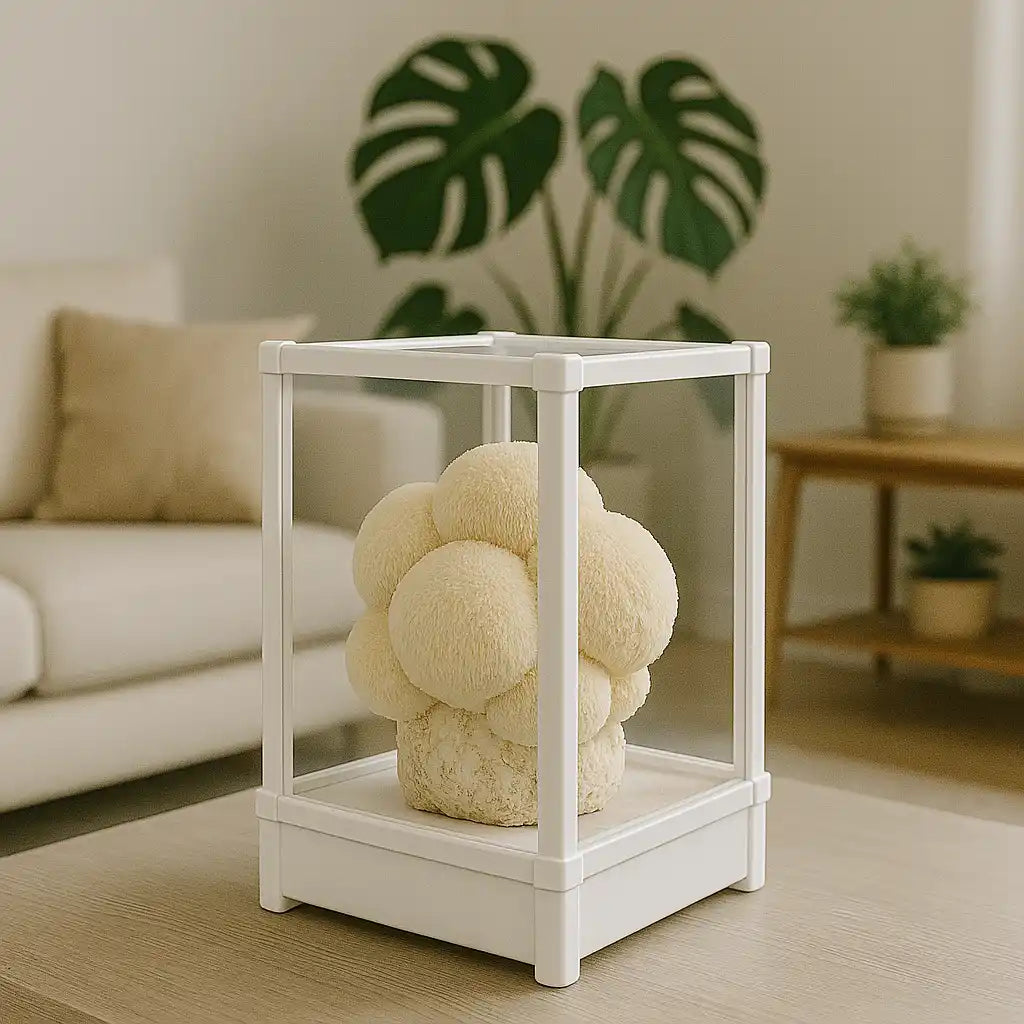
These mushrooms grow as single large masses rather than clusters, developing cascading white spines that resemble a lion's mane or waterfall. They prefer cooler temperatures for fruiting (60-70°F) and consistent high humidity (90-95%). Lion's mane has a mild, slightly sweet flavor often compared to crab or lobster.
Turkey Tail (Trametes versicolor)
While not a culinary mushroom, turkey tail cultivation interests many home growers for its medicinal properties. These colorful, fan-shaped mushrooms contain compounds studied for immune system support and gut health benefits.
Turkey tail grows well on logs or hardwood sawdust blocks. They're a polypore species that fruits in overlapping, multicolored bands resembling wild turkey feathers. Most growers harvest turkey tail for making teas, tinctures, or extracts rather than eating fresh.
Troubleshooting Common Growing Problems
Mushrooms Not Forming or Growing Very Slowly
The most common cause is insufficient humidity. Mushrooms need 80-95% humidity during fruiting, much higher than typical indoor environments. If using a manual spray system, increase misting frequency to 4-6 times daily. Consider creating a simple humidity tent using a clear plastic storage container with air holes.
Temperature issues can also slow or prevent fruiting. Verify your growing location stays within the optimal range for your species. Most gourmet mushrooms stop fruiting above 80°F or below 50°F.
Finally, ensure your substrate block was fully colonized before attempting to fruit it. A block with incomplete colonization (brown or yellow areas mixed with white mycelium) needs more time before it's ready to produce mushrooms.
Mushrooms Growing with Long Stems and Tiny Caps
This classic symptom indicates insufficient fresh air exchange. Mushrooms stretch toward oxygen, creating elongated, malformed fruits instead of the wide caps you want. The technical term is "trumpeting" or "leggy" growth.
Increase fanning frequency to at least 4-6 times daily if using a manual system. Make sure your growing area has adequate ventilation, stale room air causes the same problem as stale air inside a humidity tent. Add more or larger air holes to humidity chambers.
Automated systems with active airflow management like the Lykyn grow chamber prevent this issue entirely with continuous, controlled fresh air exchange and CO₂ management.
Contamination: Unwanted Mold Growth
Seeing green, black, pink, or other colored growth on your substrate indicates contamination. Common contaminants include Trichoderma (green mold), Aspergillus (black mold), and bacteria (pink, orange, or slimy growth).
Unfortunately, once contamination is visible, the kit is usually lost. The invading organisms will outcompete your mushroom mycelium. Remove the contaminated kit from your growing area immediately to prevent spores from spreading.
Prevent contamination by maintaining clean hands and tools, ensuring adequate fresh air exchange (stagnant conditions favor mold), and avoiding over-handling substrate. Systems with built-in filtration dramatically reduce contamination risk by removing airborne spores before they can colonize your substrate.
Mushrooms Aborting or Dying Before Maturity
Small pins that turn brown and stop growing have "aborted." This usually happens when humidity drops too low during critical early development. Those baby mushrooms are extremely sensitive to drying out.
Ensure consistent high humidity (90-95%) during the pinning and early growth phases. Check your mushrooms frequently and increase misting if you notice any signs of drying. With automated systems, verify the water reservoir hasn't run dry.
Temperature shock can also cause aborts. Avoid placing kits near windows where temperature swings dramatically between day and night, or near appliances that cycle on and off.
Taking Your Growing to the Next Level
Once you've successfully grown several kits and feel confident with the basics, numerous paths lead to more advanced cultivation.
Create your own substrate by purchasing spawn and growing medium ingredients. This dramatically reduces costs and lets you experiment with different substrate recipes. Many successful home growers start with simple bucket cultivation methods before investing in pressure cookers and sterile technique equipment.
Experiment with outdoor growing methods like log inoculation or wood chip beds. Species like shiitake, oysters, and wine cap mushrooms thrive outdoors with minimal maintenance once established. A single inoculated log can produce mushrooms for 3-5 years.
Learn to work with liquid culture or agar to propagate your favorite strains. Our guide to lion's mane liquid culture covers advanced techniques for maintaining and expanding your mushroom genetics collection.
Scale up production by running multiple growing chambers or substrate blocks simultaneously. Many successful small-scale mushroom farmers start as hobbyists growing for friends and family before transitioning to selling at farmers markets or to local restaurants.
Understanding Light Requirements for Mushrooms
One common question when learning to grow your own mushrooms is whether they need light. While mushrooms aren't plants and don't photosynthesize, light still plays an important role in proper development.
Mushrooms use light as a directional signal and for proper pigment development. Most species need about 12 hours of indirect light daily for optimal formation. Learning about mushroom light needs helps you position your growing setup correctly.
Too little light causes mushrooms to grow searching for a light source, while too much direct light heats and dries the substrate. Indirect natural light from a nearby window works perfectly, as does standard fluorescent or LED room lighting. Avoid direct sunlight which can raise temperatures and quickly dry out your mushrooms.
The Lykyn smart system includes integrated LED lighting optimized specifically for mushroom cultivation, removing another variable you need to manage manually.
Frequently Asked Questions About Growing Your Own Mushrooms
How long does it take to grow your own mushrooms from start to harvest?
Timeline varies by species and method. With ready-to-fruit kits, oyster mushrooms produce harvestable mushrooms in just 5-10 days after setup. Shiitake takes 14-21 days, while lion's mane typically requires 10-14 days. If starting from spawn and preparing your own substrate, add 2-6 weeks for colonization before the fruiting period begins. Total time from inoculation to harvest ranges from 3-8 weeks depending on species and growing method.
Do I need special equipment to grow mushrooms at home?
Basic growing requires minimal equipment, just a spray bottle for misting and a suitable location with appropriate temperature and humidity. Ready-to-fruit kits include everything needed to get started. As you advance, you might add humidity tents, thermometers, hygrometers, and eventually equipment like pressure cookers for sterilization if preparing your own substrate. Smart automated systems like the Lykyn mushroom chamber consolidate all essential equipment into one integrated unit.
Can I grow mushrooms in my apartment or small space?
Absolutely! Mushrooms are perfect for small spaces since they don't need soil or much room. Most grow kits fit easily on kitchen counters, shelves, or bathroom vanities. A single kit typically occupies less than one square foot of space. Vertical growing and stackable systems allow even greater space efficiency. Mushrooms also don't need windows or outdoor access, making them ideal for apartments without gardens.
What's the easiest mushroom species for complete beginners?
Oyster mushrooms (Pleurotus species) are universally recommended for beginners. They grow fast, tolerate mistakes, produce impressive yields, and taste delicious. Pink, blue, pearl, and golden oyster varieties all work well for first-time growers. They're forgiving of temperature fluctuations and less demanding about precise humidity control compared to other species. Starting with oysters builds confidence before attempting more challenging varieties like shiitake or maitake.
How much does it cost to grow your own mushrooms?
Initial costs depend on your chosen method. Basic grow kits start at $20-30 and produce 1-3 pounds of fresh mushrooms over multiple harvests. At specialty store prices ($12-15/pound), even a small kit pays for itself with the first harvest. Smart automated systems cost $200-300 but last for years and dramatically improve yields. If you progress to preparing your own substrate, per-pound costs drop to $2-3 once you have equipment. Read our complete mushroom grow kit guide for detailed cost comparisons.
Featured Snippet Summary
Growing your own mushrooms at home is easier than growing most vegetables. Beginner-friendly kits with pre-colonized substrate produce harvestable mushrooms in 5-21 days with minimal effort. Oyster mushrooms are easiest for first-timers, requiring just daily misting and fresh air. Smart automated systems eliminate manual maintenance entirely. Most kits cost $20-40 and produce 1-3 pounds of organic mushrooms over multiple harvests.
Start Growing Your Own Mushrooms Today
The journey from complete beginner to confident mushroom cultivator is surprisingly short. Most people harvesting their first flush of home-grown oyster mushrooms are immediately hooked on this rewarding hobby. The combination of watching rapid daily growth, harvesting fresh organic food, and developing a valuable skill creates satisfaction that few hobbies can match.
Whether you start with a simple $25 kit or invest in a sophisticated automated system, you'll be amazed at how quickly you go from curious beginner to experienced grower. Each harvest teaches you more about these fascinating organisms and builds your confidence for trying new species and techniques.
The best time to start growing your own mushrooms is today. Choose a beginner-friendly species, select a growing method that matches your budget and commitment level, and experience the magic of watching mushrooms appear seemingly overnight. Your kitchen counter is about to become much more interesting.
Ready to begin your mushroom growing adventure? Explore the complete collection of mushroom grow kits and find the perfect system for your needs. Check out detailed reviews in our mushroom growing kit comparison and join thousands of successful home growers producing fresh, organic mushrooms year-round.
For ongoing cultivation tips, troubleshooting advice, and advanced techniques, explore the beginner's mushroom growing guide and discover why growing your own mushrooms might become your favorite hobby. Your first harvest is just days away, all you need to do is start!

Share:
The Complete Guide to Shroom Kits: Growing Fresh Mushrooms at Home Made Easy
The Amazing Benefits of Mushrooms: Why These Superfoods Deserve a Place in Your Diet