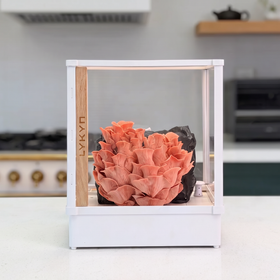



Antler-Reishi-Pilze gehören zu den faszinierendsten und wirksamsten Heilpilzen der Natur. Im Gegensatz zu den typischen, schirmförmigen Reishi-Pilzen, die Sie vielleicht kennen, entwickelt sich Antler-Reishi zu markanten, verzweigten Formationen, die Hirschgeweihen oder Korallenstrukturen ähneln. Dieses einzigartige Wachstumsmuster ist nicht nur optisch spektakulär, sondern konzentriert auch höhere Mengen an nützlichen Verbindungen, was Antler-Reishi zu einer der begehrtesten Formen dieses legendären „Pilzes der Unsterblichkeit“ macht.
Ob Sie an den verbesserten gesundheitlichen Vorteilen interessiert sind, neugierig auf den Anbau sind oder einfach von diesem bemerkenswerten Pilz fasziniert sind, dieser umfassende Leitfaden wird alles beleuchten, was Sie über Antler-Reishi-Pilze wissen müssen und wie Sie ihr unglaubliches Potenzial nutzen können.
Was unterscheidet Antler-Reishi von normalem Reishi?
Antler-Reishi (Ganoderma lucidum) ist dieselbe Art wie herkömmliche Reishi-Pilze, entwickelt sich jedoch unter bestimmten Umweltbedingungen, die sein Aussehen und seine Verbindungsstoffkonzentration drastisch verändern. Die Form und Qualität des Reishi ändern sich stark je nach seiner Umgebung (Lichtmenge, Temperatur, Luftfeuchtigkeit). Normalerweise wächst Reishi in einer natürlichen Umgebung auf verrottenden Pflaumenbäumen und nimmt im Allgemeinen die Form eines Schirms an, aber wenn bestimmte besondere Bedingungen erfüllt sind, verlieren die Pilze ihre Schirmform und entwickeln sich zu einer verzweigten Form, die der Form eines Hirschgeweihs ähnelt, daher der Name „Hirschgeweihförmiges Ganoderma lucidum“.
Diese Verwandlung tritt auf, wenn Reishi in Umgebungen mit hohem CO2-Gehalt und begrenztem Frischluftaustausch angebaut wird. Der eingeschränkte Sauerstoff zwingt den Pilz dazu, längliche, verzweigte Strukturen zu entwickeln, während er nach Frischluft sucht, wodurch das charakteristische, geweihartige Aussehen entsteht, das dieser Sorte ihren Namen gibt.
Wichtigste Unterschiede:
-
Aussehen: Verzweigte, geweihartige Strukturen vs. traditionelle flache, holzige Hüte
-
Verbindungsstoffkonzentration: Höhere Gehalte an Triterpenen und Polysacchariden
-
Wachstumsbedingungen: Umgebung mit hohem CO2-Gehalt vs. Standard-Frischluftanbau
-
Textur: Weicher und zarter als ausgewachsene Reishi-Kappen
-
Erntezeitpunkt: Früher im Entwicklungszyklus gesammelt

Gesundheitliche Vorteile und medizinische Eigenschaften
Antler-Reishi-Pilze enthalten dieselben nützlichen Verbindungen wie herkömmlicher Reishi, jedoch in konzentrierteren Formen. Antler-Reishi enthält Polysaccharide und Beta-Glucane, die für ihre immunstärkenden Eigenschaften bekannt sind. Diese Verbindungen helfen, Immunzellen wie Makrophagen und T-Zellen zu aktivieren und verbessern so die Fähigkeit des Körpers, Infektionen und Krankheiten abzuwehren.
Primäre gesundheitliche Vorteile:
Unterstützung des Immunsystems
Die konzentrierten Beta-Glucane in Antler-Reishi sorgen für eine starke Modulation des Immunsystems. Diese Verbindungen helfen, die Immunreaktionen auszugleichen und unterstützen die natürlichen Abwehrmechanismen des Körpers, ohne ihn zu überstimulieren.
Stressabbau und adaptogene Eigenschaften
Wie herkömmlicher Reishi wirkt Antler-Reishi als Adaptogen und hilft dem Körper, Stress effektiver zu bewältigen. Eine Studie stellte fest, dass die Polysaccharide in Reishi-Pilzen dazu beitragen können, die Müdigkeit nach dem Training zu verringern. Eine weitere Studie aus dem Jahr 2024 bei Krebspatienten ergab, dass die Einnahme von Reishi-Pilzprodukten half, Müdigkeit, Angstzustände und Depressionen zu reduzieren.
Leberschutz und Entgiftung
Reishi-Pilze werden traditionell zur Unterstützung der Lebergesundheit eingesetzt. Zu den spezifischen Anwendungen und zugeschriebenen gesundheitlichen Vorteilen von Lingzhi gehören die Regulierung des Blutzuckerspiegels, die Modulation des Immunsystems, der Schutz der Leber, die Hemmung von Bakterien und mehr.
Schlafkqualität und Entspannung
Viele Nutzer berichten von verbesserter Schlafkqualität und tieferer Entspannung bei regelmäßiger Anwendung von Antler-Reishi. Die beruhigenden Verbindungen des Pilzes helfen, die Schlafzyklen zu regulieren und nächtliche Angstzustände zu reduzieren.
Erhöhte Wirksamkeit in Antler-Form
Die einzigartigen Wachstumsbedingungen, die Antler-Reishi hervorbringen, konzentrieren auch seine Wirkstoffe. Es ist bekannt, dass diese seltene Reishi-Art mehr nützliche Verbindungen enthält als herkömmliche Formen, was sie besonders wertvoll für therapeutische Anwendungen macht.
So bauen Sie Antler-Reishi zu Hause an
Der Anbau von Antler-Reishi erfordert bestimmte Umweltbedingungen, die sich vom Standard-Pilzanbau unterscheiden. Der Schlüssel besteht darin, eine Umgebung mit hohem CO2-Gehalt zu schaffen, die den Frischluftaustausch einschränkt und den Pilz dazu zwingt, seine charakteristische verzweigte Struktur zu entwickeln.
Wichtige Wachstumsbedingungen:
Umweltanforderungen
-
Temperatur: Optimaler Bereich 70-80°F (21-27°C)
-
Luftfeuchtigkeit: 85-95% relative Luftfeuchtigkeit
-
CO2-Gehalt: Erhöht (1.000-5.000 ppm)
-
Frischluftaustausch: Minimal bis eingeschränkt
-
Licht: Indirekt, minimale Beleuchtung
Benötigte Ausrüstung
-
Hochwertiges Anzuchtset oder Substrat
-
System zur Feuchtigkeitskontrolle
-
CO2-Messgerät
-
Abgedichtete Anzuchtkammer
-
Nebelsystem zur Aufrechterhaltung der Luftfeuchtigkeit
Schritt-für-Schritt-Anbauprozess
Phase 1: Einrichtung und Inokulation
-
Bereiten Sie Ihre Anzuchtumgebung vor: Richten Sie eine abgedichtete Kammer mit Feuchtigkeits- und CO2-Kontrolle ein
-
Substrat inokulieren: Verwenden Sie vorbesiedelte Blöcke oder inokulieren Sie sterilisiertes Substrat
-
Bedingungen aufrechterhalten: Halten Sie die Temperatur konstant und die Luftfeuchtigkeit hoch
Phase 2: Frühe Entwicklung
Für die Antler-Bildung: Reduzieren Sie den Frischluftaustausch (höherer CO2-Gehalt), halten Sie Temperatur und Luftfeuchtigkeit ähnlich aufrecht. Reishi-Pilze wachsen unglaublich langsam. Von den ersten Primordien bis zu erntereifen Pilzen können 6-12 Wochen vergehen.
Phase 3: Überwachung und Ernte
Das langsame Wachstum erfordert Geduld, aber die Ergebnisse sind die Wartezeit wert. Danach müssen Sie nur noch warten und den Beutel nicht öffnen, während er wächst! Der hohe CO2-Gehalt im Beutel hilft ihm, zu Antler-Formen zu wachsen. Es wird sich Kondenswasser im Beutel ansammeln, das ist in Ordnung und völlig normal.
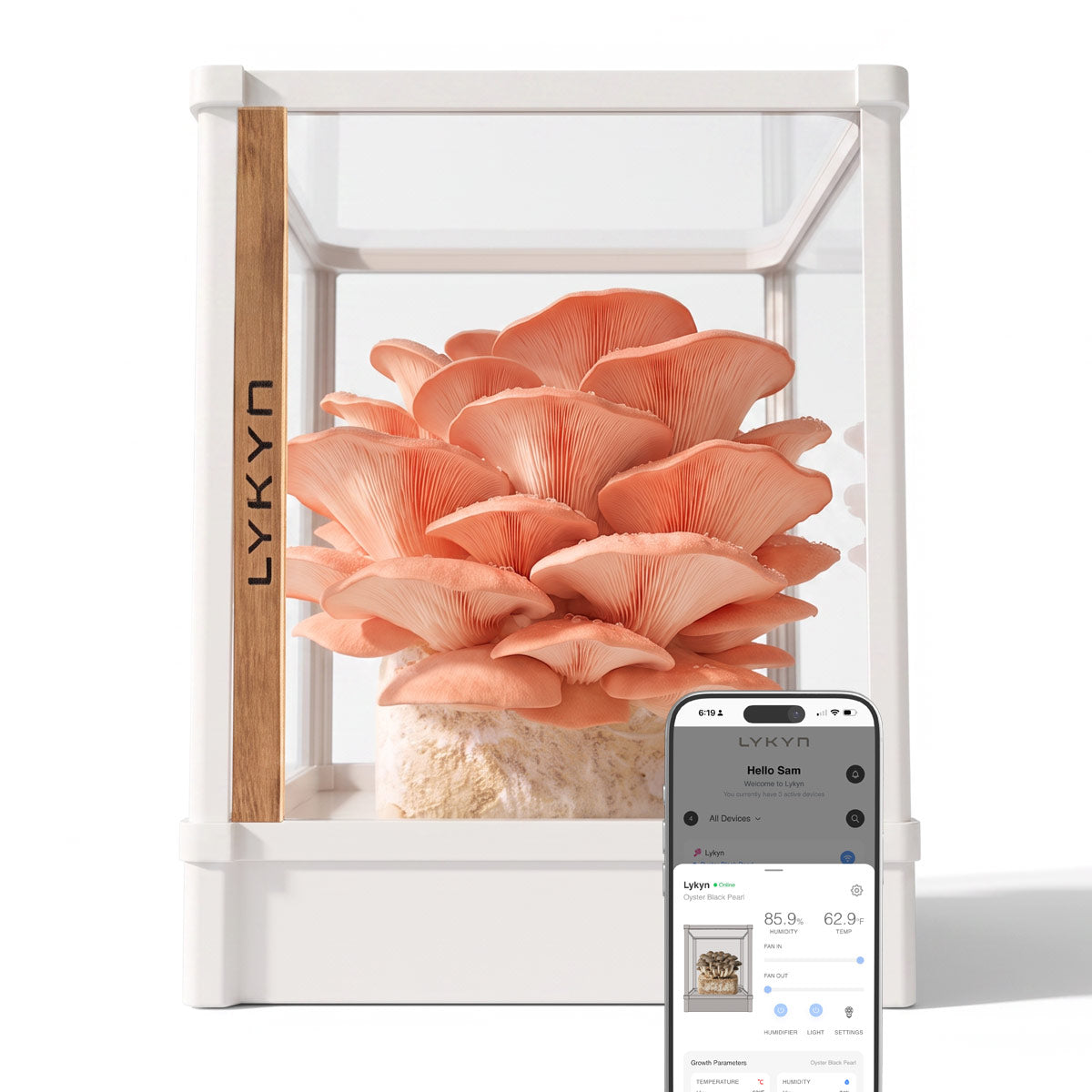
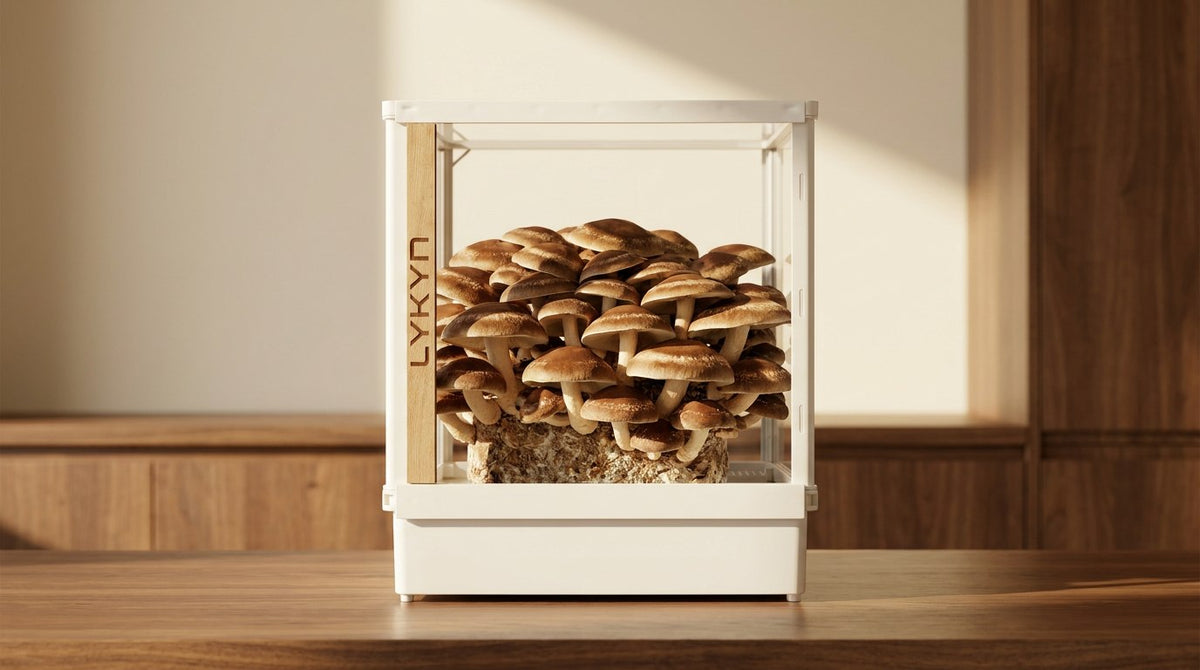
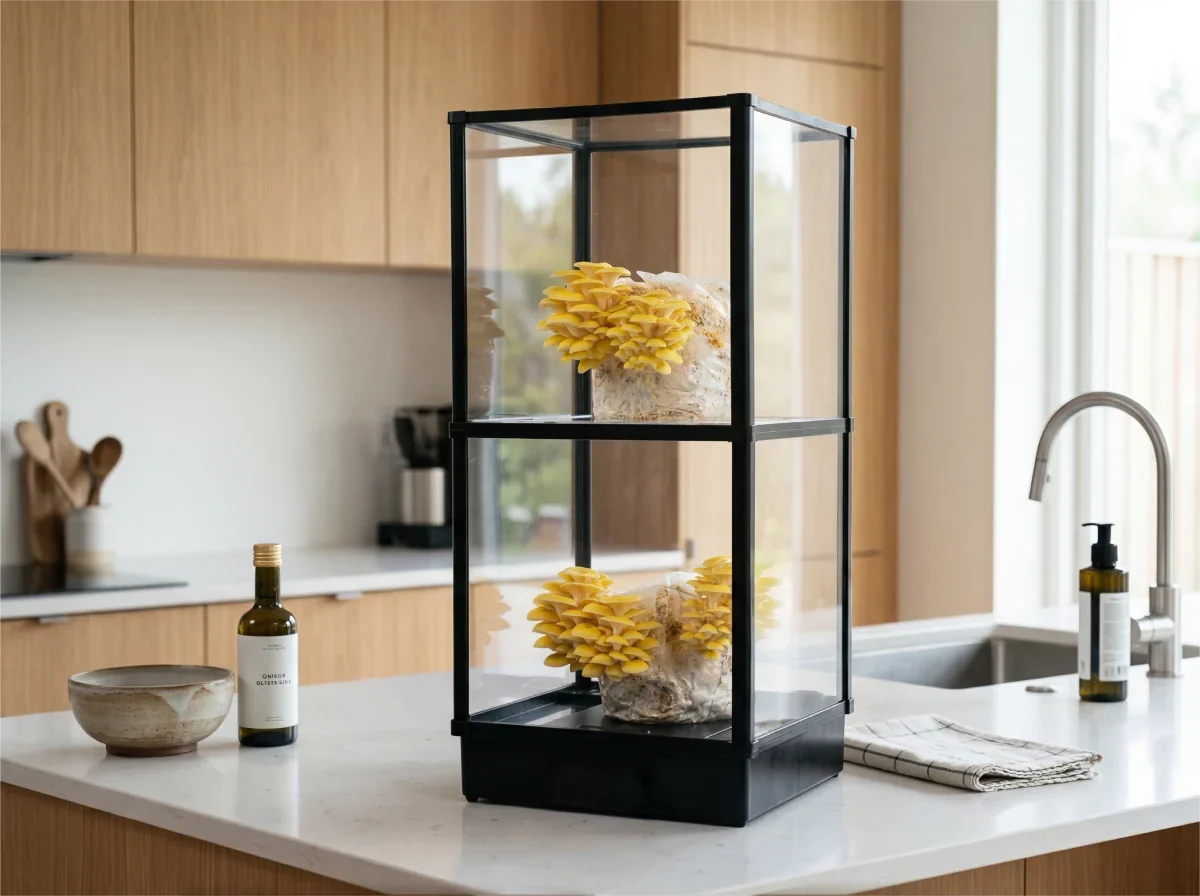
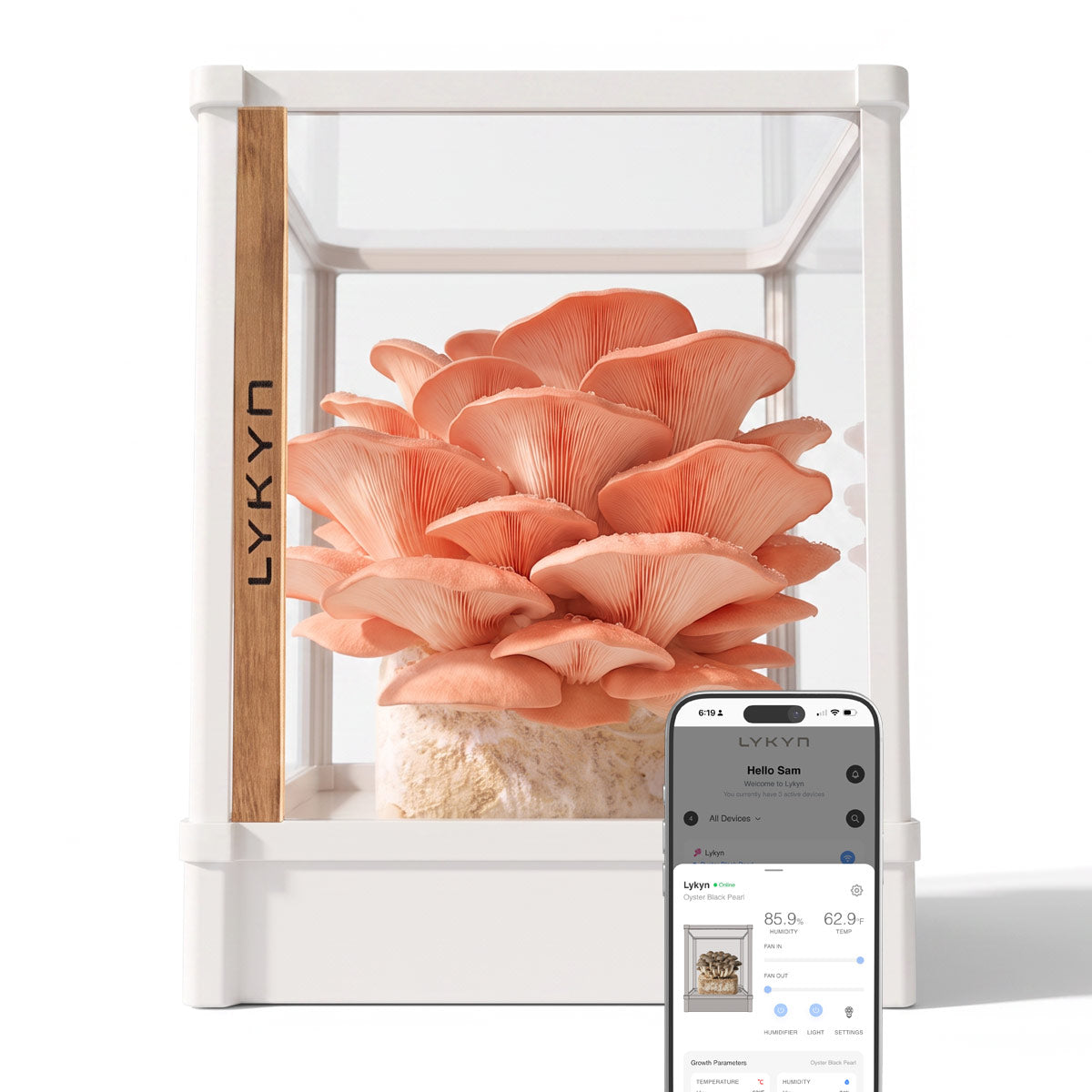
Die Verwendung einer Lykyn Smart Grow Chamber für Antler-Reishi
Die Lykyn Smart Grow Chamber bietet eine hervorragende Kontrolle über die für den Anbau von Antler-Reishi erforderlichen Umweltbedingungen. Ihre fortschrittliche Feuchtigkeitskontrolle, Luftfiltration und appbasierte Überwachung machen sie ideal für die Aufrechterhaltung der präzisen Bedingungen, die für die Antler-Bildung erforderlich sind.
Ernte und Verarbeitung von Antler-Reishi
Optimaler Erntezeitpunkt
Antler-Reishi sollte geerntet werden, solange er noch jung und zart ist, bevor die Zweige zu holzig werden. Der ideale Erntezeitpunkt ist, wenn die Antler 2-4 Zoll lang sind und noch eine leichte Flexibilität aufweisen.
Erntemethoden:
-
Sauber schneiden: Verwenden Sie eine sterilisierte Schere oder ein Messer, um an der Basis zu schneiden
-
Sofortige Verarbeitung: Frisch oder getrocknet sofort nach der Ernte verarbeiten
-
Mehrfache Ernten: Gesundes Myzel kann mehrere Ernten hervorbringen
Verarbeitungsoptionen:
Trocknen für langfristige Lagerung
-
An der Luft in einem gut belüfteten Bereich trocknen
-
Dehydrator bei 95-115°F verwenden
-
In luftdichten Behältern vor Licht geschützt lagern
Anwendungen für frischen Reishi
-
Sofortige Zubereitung einer Tinktur
-
Frischer Teeaufguss
-
Direkter Verzehr (in kleinen Mengen)

Verwendung von Antler-Reishi: Dosierung und Zubereitungsmethoden
Zubereitungsmethoden:
Tinkturherstellung
Antler-Reishi eignet sich hervorragend für Tinkturen mit der Doppelextraktionsmethode. Für detaillierte Anweisungen besuchen Sie unseren umfassenden Leitfaden über die Herstellung von Pilztinkturen.
Teezubereitung
-
1-2 Gramm getrockneten Antler-Reishi 20-30 Minuten lang in 2 Tassen Wasser köcheln lassen
-
Abseihen und Honig oder andere natürliche Süßungsmittel hinzufügen
-
Für beste Ergebnisse täglich 1-2 Tassen trinken
Pulverform
-
Getrockneten Antler-Reishi zu Pulver mahlen
-
Zu Smoothies, Suppen oder Kapseln hinzufügen
-
Mit 1/4 Teelöffel täglich beginnen und die Menge schrittweise erhöhen
Dosierungsrichtlinien:
-
Tinktur: 1-3 ml (1/4 bis 3/4 Teelöffel) 1-3 Mal täglich
-
Tee: 1-2 Tassen täglich
-
Pulver: 1-3 Gramm täglich
-
Frisch: 2-5 Gramm täglich (falls verfügbar)
Antler-Reishi im Vergleich zu anderen Heilpilzen
Vergleich mit beliebten Heilpilzen:
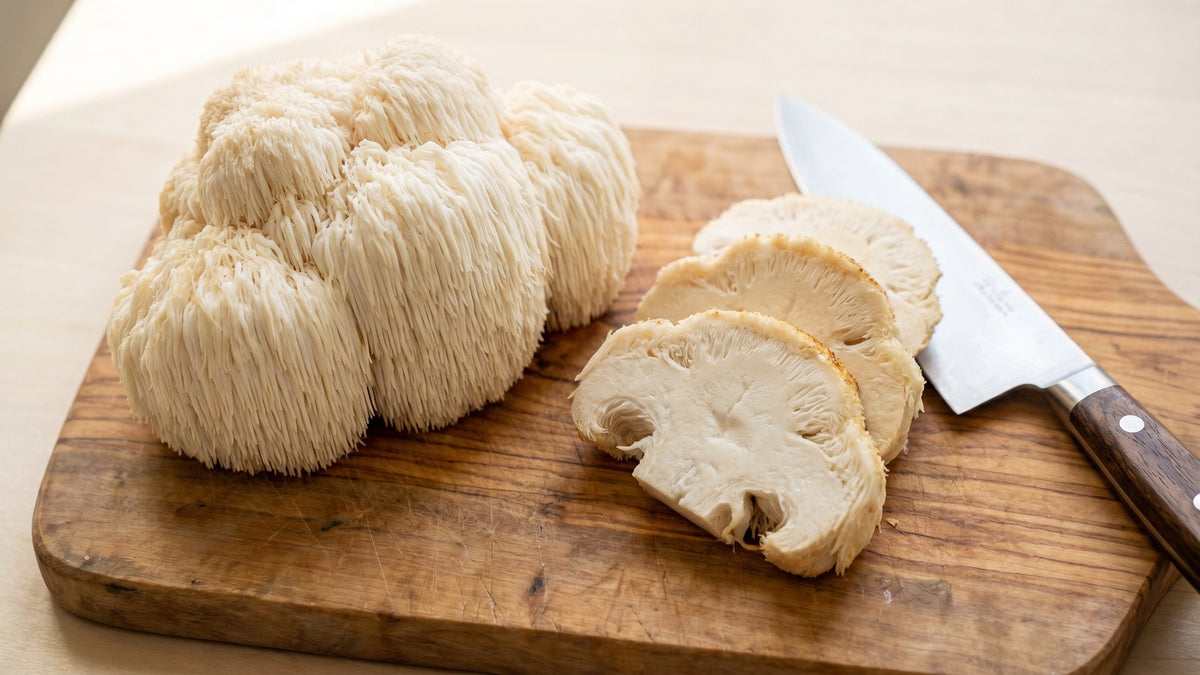
Antler-Reishi vs. Igel-Stachelbart
-
Fokus: Antler-Reishi zur Unterstützung von Stress/Immunsystem; Igel-Stachelbart für kognitive Funktionen
-
Anbauaufwand: Beide benötigen bestimmte Bedingungen
-
Erntezeitpunkt: Igel-Stachelbart wächst schneller; Antler-Reishi entwickelt sich langsamer
Antler-Reishi vs. Türkenschnitter
-
Immununterstützung: Beide hervorragend, unterschiedliche Verbindungsstoffprofile
-
Verfügbarkeit: Türkenschnitter häufiger; Antler-Reishi ein Spezialprodukt
-
Zubereitung: Beide eignen sich für Tinkturen und Tees
Für umfassende Informationen über verschiedene Heilpilze erkunden Sie unseren Leitfaden über essbare Pilze, um das gesamte Spektrum nützlicher Pilze zu verstehen.
Antler-Reishi kaufen vs. selbst anbauen
Vorteile des Heim-Anbaus:
-
Qualitätskontrolle: Sie wissen genau, wie Ihre Pilze angebaut werden
-
Kosteneffizienz: Wirtschaftlicher als der Kauf von Premium-Antler-Reishi
-
Frische: Ernte bei optimaler Wirksamkeit
-
Lernkurve: Mykologische Fähigkeiten entwickeln
Kommerzielle Optionen:
Beim Kauf von Antler-Reishi sollten Sie auf Folgendes achten:
-
Bio-Zertifizierung
-
Korrekte Trocknung und Lagerung
-
Klare Kennzeichnung des Erntedatums
-
Seriöse Anbieter mit Testprotokollen
Sicherheitsüberlegungen und Kontraindikationen
Allgemeine Sicherheit:
-
Mit kleinen Dosen beginnen, um die Verträglichkeit zu beurteilen
-
Vor der Anwendung medizinische Fachkräfte konsultieren, insbesondere bei der Einnahme von Medikamenten
-
Während der Schwangerschaft und Stillzeit ohne ärztliche Aufsicht vermeiden
-
Auf allergische Reaktionen achten
Potenzielle Wechselwirkungen:
-
Kann mit blutverdünnenden Medikamenten wechselwirken
-
Könnte den Blutzuckerspiegel beeinflussen
-
Kann Medikamente für das Immunsystem beeinflussen
FAQ-Bereich
Was ist der Unterschied zwischen Antler-Reishi und normalem Reishi?
Antler-Reishi ist dieselbe Art (Ganoderma lucidum), wird jedoch unter Bedingungen mit hohem CO2-Gehalt angebaut, die verzweigte, geweihartige Strukturen erzeugen. Diese Form enthält im Vergleich zu herkömmlichem, schirmförmigem Reishi höhere Konzentrationen an nützlichen Verbindungen.
Wie lange dauert es, bis Geweih-Reishi-Pilze gewachsen sind?
Der Anbau von Geweih-Reishi erfordert Geduld und dauert von den ersten Primordien bis zu erntereifen Pilzen 6–12 Wochen. Das langsame Wachstum ist auf die eingeschränkten Luftbedingungen zurückzuführen, die für die Bildung der Geweihstruktur erforderlich sind.
Kann ich Geweih-Reishi in einem herkömmlichen Pilzanbau-Set anbauen?
Standard-Anbau-Sets bilden keine Geweihstrukturen aus. Sie benötigen spezielle Ausrüstung, die hohe CO₂-Werte und einen eingeschränkten Frischluftaustausch aufrechterhalten kann, um die Geweihform zu erzielen.
Wie schmeckt Geweih-Reishi?
Geweih-Reishi hat einen bitteren, holzigen Geschmack, der dem von herkömmlichem Reishi ähnelt. Er wird selten direkt verzehrt, sondern meist zu Tinkturen, Tees oder Pulvern verarbeitet, um ihn genießbarer zu machen.
Ist Geweih-Reishi wirksamer als herkömmlicher Reishi?
Ja, Geweih-Reishi enthält aufgrund der spezifischen Wachstumsbedingungen, die seine einzigartige Struktur erzeugen, im Allgemeinen höhere Konzentrationen an wertvollen Verbindungen wie Triterpenen und Polysacchariden.
Zusammenfassung
Geweih-Reishi-Pilze stellen eine seltene und wirksame Form des legendären Reishi-Pilzes dar und bieten in einem optisch beeindruckenden Gewand verbesserte therapeutische Vorteile. Die einzigartigen Wachstumsbedingungen, die ihre charakteristische verzweigte Struktur erzeugen, konzentrieren auch wertvolle Verbindungen, was sie besonders wertvoll für die Unterstützung des Immunsystems, zur Stresslinderung und für das allgemeine Wohlbefinden macht. Obwohl der Anbau anspruchsvoll ist, bieten sich beim Anbau von eigenem Geweih-Reishi hervorragende Qualität, Frische und die Befriedigung, diesen bemerkenswerten Heilpilz zu Hause selbst zu züchten.
Beginnen Sie noch heute Ihre Reise mit Geweih-Reishi
Der Anbau von Geweih-Reishi-Pilzen erfordert Geduld und eine präzise Kontrolle der Umweltbedingungen, doch die Ergebnisse sind außergewöhnlich. Ob Sie sich für den Anbau interessieren oder einfach mehr über Heilpilze erfahren möchten, entdecken Sie unsere umfassenden Pilzanbau-Sets für Anfänger, um Ihre mykologische Reise zu beginnen.
Das Lykyn Smart Mushroom Grow Kit bietet die präzise Kontrolle der Umweltbedingungen, die für den erfolgreichen Anbau von Geweih-Reishi erforderlich ist. Mit seinem fortschrittlichen Feuchtigkeitsmanagement und der appbasierten Überwachung erhalten Sie die Werkzeuge, die Sie benötigen, um die perfekten Bedingungen für diese bemerkenswerten Heilpilze zu schaffen. Beginnen Sie Ihre Reise in die faszinierende Welt des Geweih-Reishi und entdecken Sie, warum diese einzigartige Form des „Pilzes der Unsterblichkeit“ die Aufmerksamkeit von Gesundheitsbegeisterten und Mykologen weltweit auf sich gezogen hat.




Aktie:
Pilztinktur herstellen: Ein vollständiger Leitfaden für Anfänger
Speisepilze in Wisconsin: Ihr vollständiger Leitfaden für die Pilzsuche im Badger State