


Die Herstellung Ihrer eigenen Pilztinktur zu Hause ist eine der lohnendsten Möglichkeiten, die kraftvollen medizinischen Eigenschaften von Pilzen zu nutzen. Dieser konzentrierte Flüssigextrakt ermöglicht es Ihnen, die Vorteile von Pilzen in einer lagerstabilen Form zu erhalten, die leicht dosiert und unglaublich wirksam ist.
Ob Sie sich für Reishi zur Stresslinderung, Lion's Mane zur kognitiven Unterstützung oder Turkey Tail für die Immunabwehr interessieren, die Herstellung von Pilztinkturen gibt Ihnen die vollständige Kontrolle über Qualität und Wirksamkeit. Dieser umfassende Leitfaden führt Sie durch alles, was Sie wissen müssen, um Tinkturen in professioneller Qualität in Ihrer eigenen Küche herzustellen.
Was ist eine Pilztinktur?

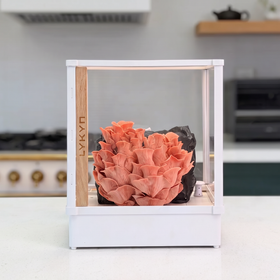
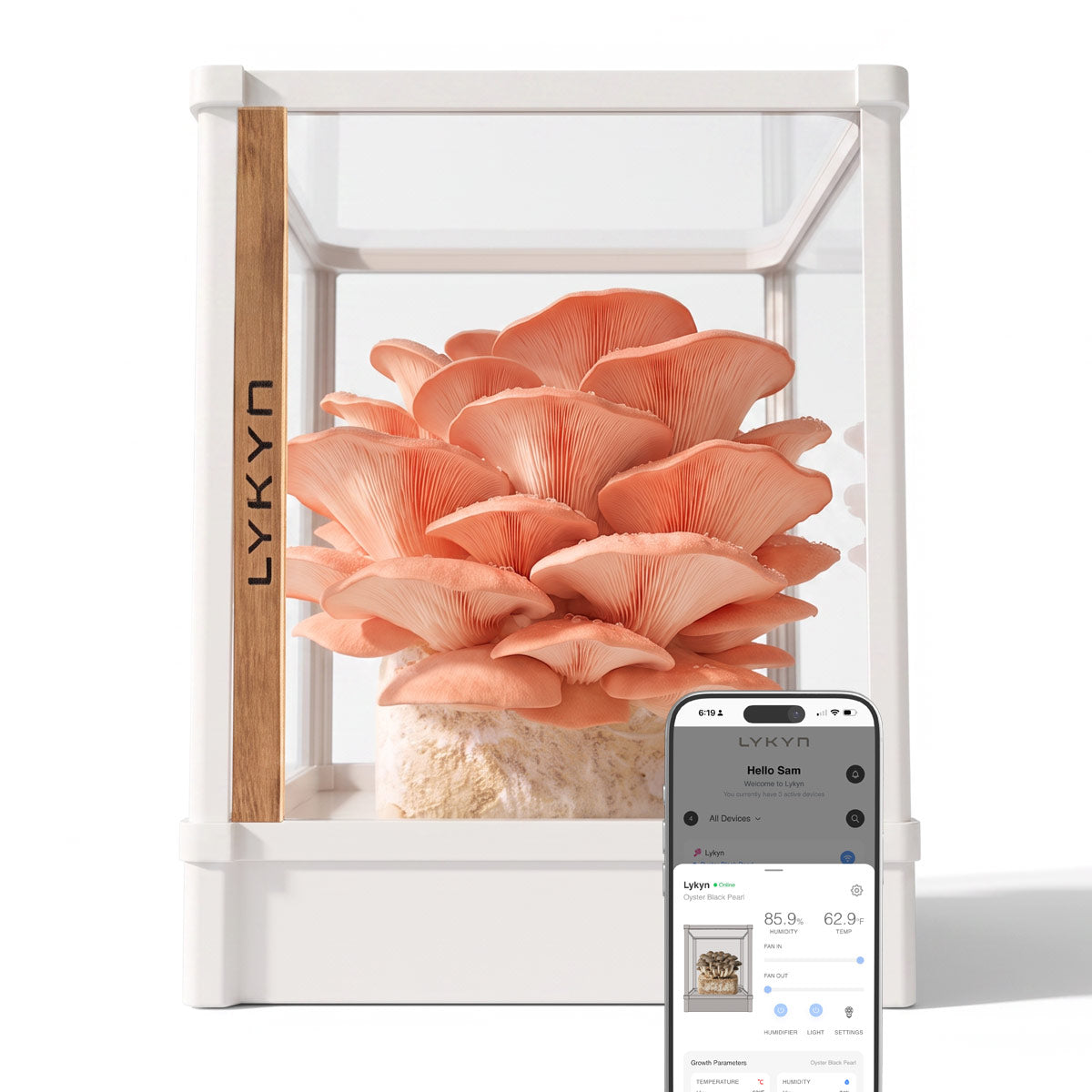
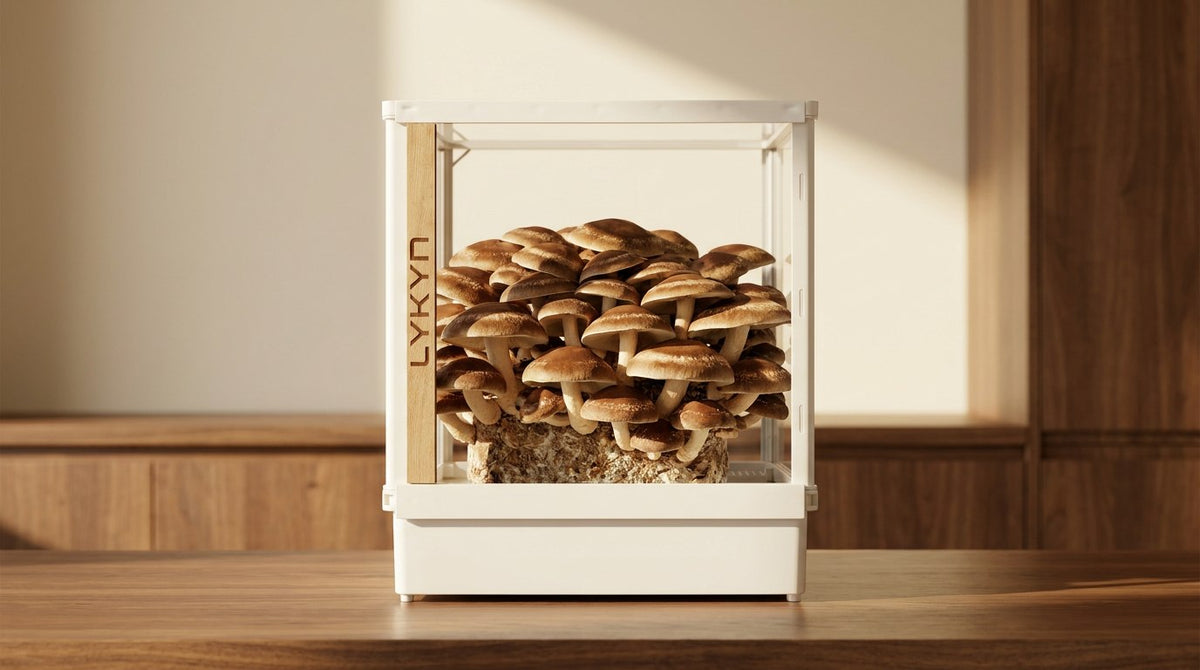
Smart Chamber. Bone White Single
- 2,8-L-Tank, automatische 90 % Luftfeuchtigkeit
- App-gesteuert, Plug-and-Play
- 2,8-lb-Block-Kapazität, auf Lager

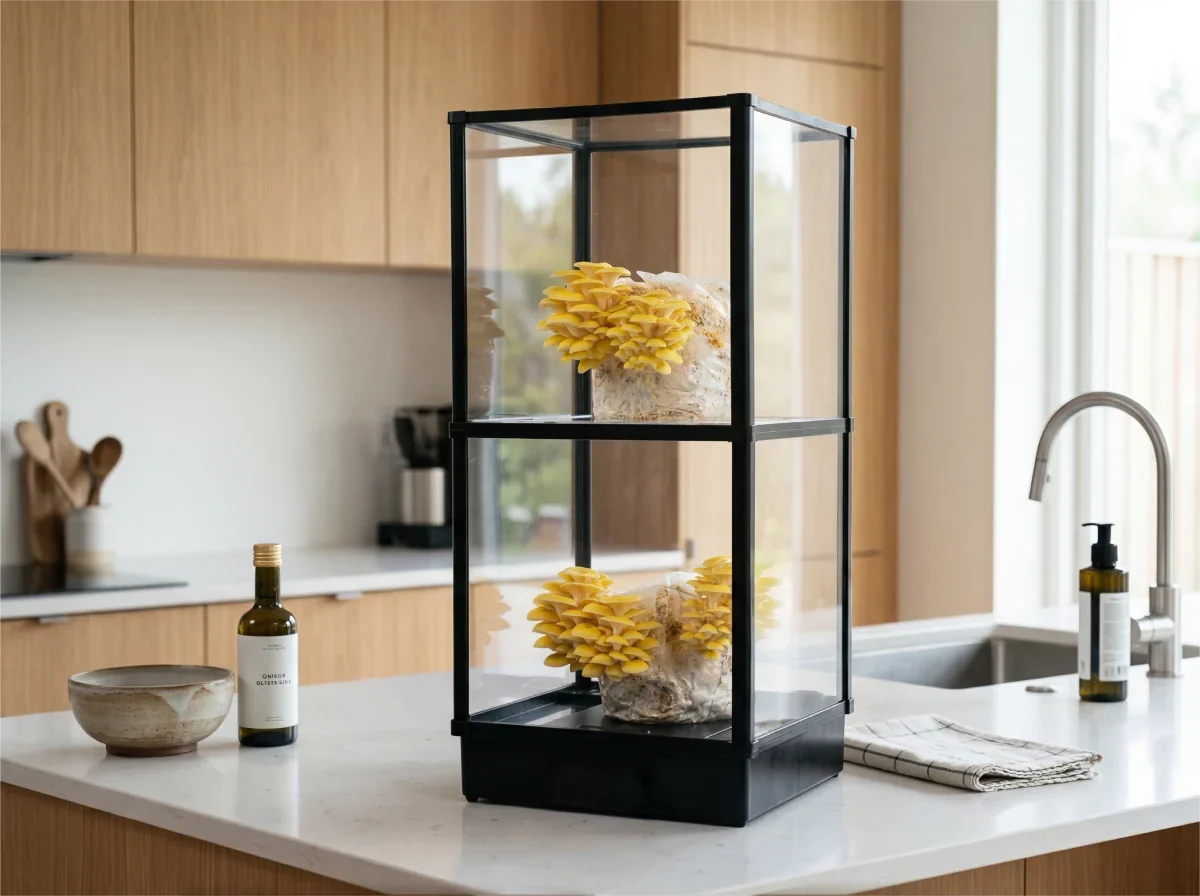
Smart Chamber. Obsidian Black Single
- Dieselbe Hardware wie Bone White
- Mattschwarzes Premium-Finish
- Passt zu jeder Küchenpalette

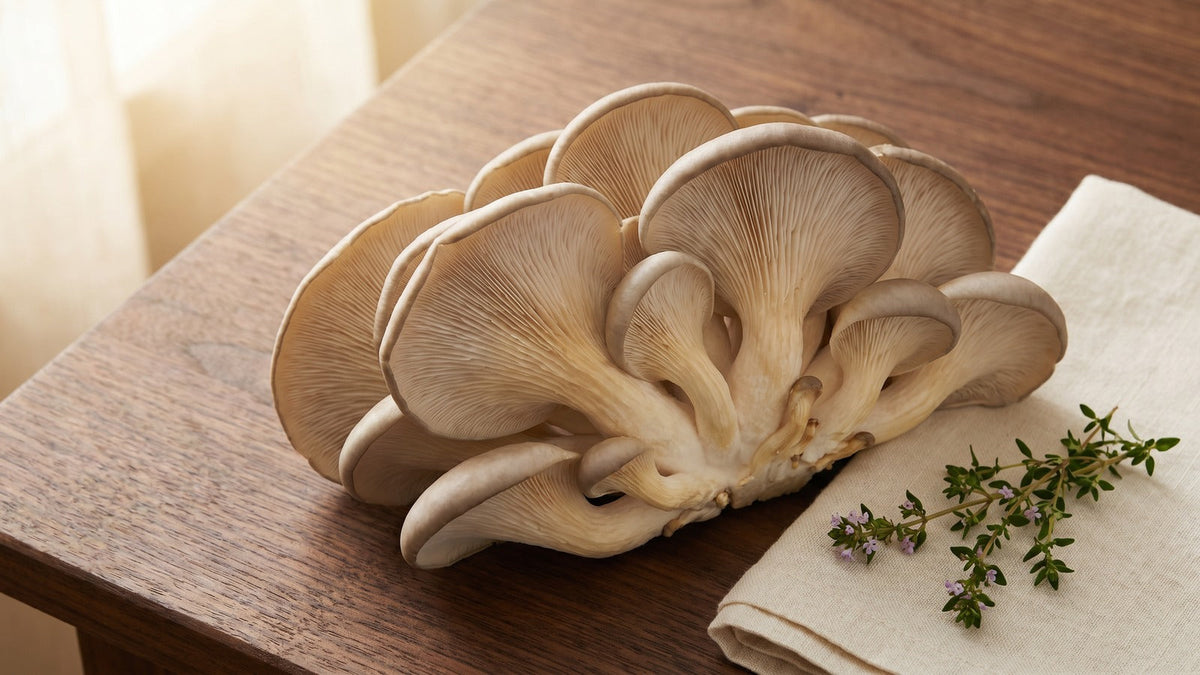
Black Oyster Grow Kit
- Auf Lager
- Versand in 3-5 Tagen
- Ersetzt 1 Kammerzyklus
Eine Pilztinktur ist ein wirksamer Flüssigextrakt, der durch das Einweichen von Pilzen in Lösungsmitteln (Alkohol und Wasser) gewonnen wird. Im Gegensatz zu einfachen Tees oder Pulvern verwenden Tinkturen ein Doppelextraktionsverfahren, das sowohl wasserlösliche als auch alkohollösliche Verbindungen aus dem Pilz erfasst.
Diese Doppelextraktionsmethode stellt sicher, dass Sie die maximalen therapeutischen Vorteile aus Ihren Pilzen herausholen. Der Alkohol extrahiert Triterpene, Sterole und andere fettlösliche Verbindungen, während die Heißwasserextraktion Beta-Glucane, Polysaccharide und wasserlösliche Nährstoffe freisetzt.

Die Doppelextraktionsmethode: Warum sie wichtig ist
Der Prozess der Herstellung dieser Tinktur umfasst zwei Hauptschritte: Alkoholextraktion und Heißwasserextraktion, bekannt als Doppelextraktion. Diese Technik ist entscheidend, da sich verschiedene nützliche Verbindungen in Pilzen in unterschiedlichen Lösungsmitteln lösen.
Professionelle Pilzzüchter und Kräuterkundler bevorzugen diese Methode, weil sie ein vollständigeres und therapeutisch wirksameres Produkt erzeugt. Wir verwenden eine Doppelextraktionstechnik, um alle unsere Tinkturen herzustellen. Zu Beginn unseres Tinkturprozesses trocknen wir die Fruchtkörper der Pilze und weichen sie einen Monat lang in 200-Proof-lokalem Bio-Alkohol ein.
Der Doppelextraktionsprozess maximiert die Bioverfügbarkeit und stellt sicher, dass Sie das volle Spektrum der Pilzverbindungen erhalten, die zu ihren gesundheitlichen Vorteilen beitragen.
Wichtigste Ausrüstung und Zutaten
Was Sie benötigen:
-
Hochprozentiger Alkohol (80-95 % Ethanol oder mindestens 80-Proof-Wodka)
-
Getrocknete Pilze (10-20 % des Frischgewichts)
-
Destilliertes Wasser
-
Gläser mit dicht schließenden Deckeln
-
Feinmaschiges Sieb oder Mulltuch
-
Kaffeefilter oder Küchenrolle
-
Dunkle Glasflaschen zur Aufbewahrung
-
Etiketten für Datum und Identifizierung
-
Küchenwaage für präzise Messungen
Auswahl Ihrer Pilze
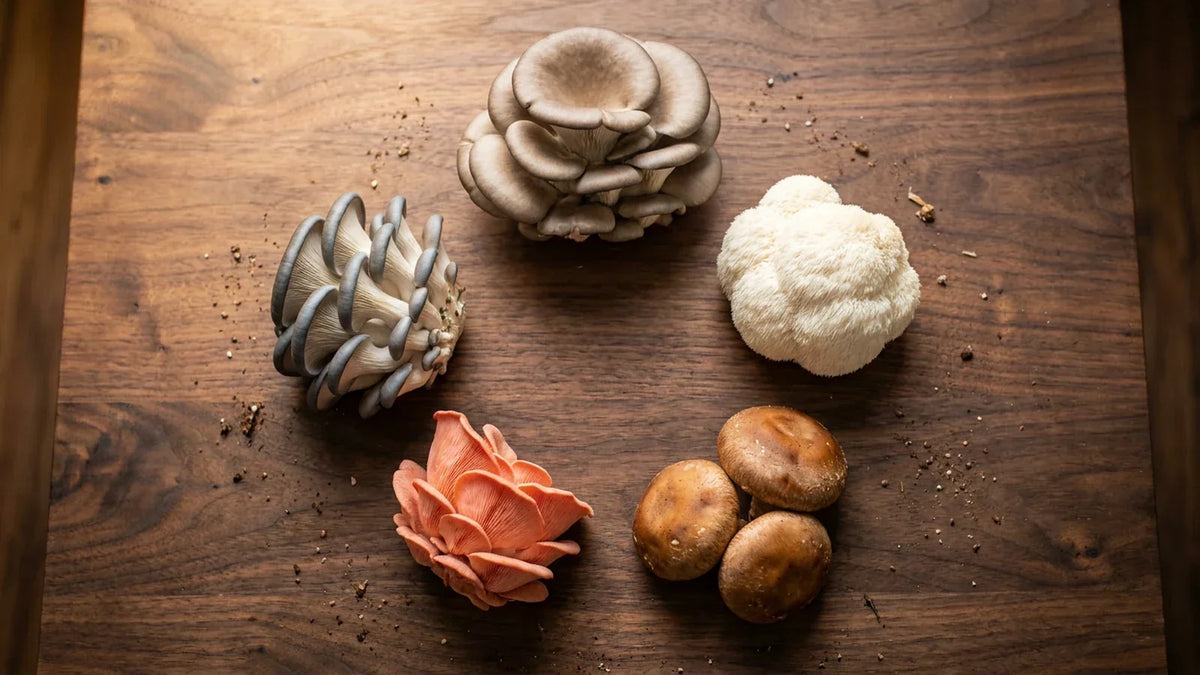
Die Qualität Ihres Ausgangsmaterials bestimmt die Wirksamkeit Ihrer endgültigen Tinktur. Sie können Pilze verwenden, die Sie selbst angebaut haben, mit einem Lykyn Smart Mushroom Grow Kit, das die perfekte kontrollierte Umgebung für den Anbau hochwertiger Heilpilze zu Hause bietet.
Beliebte Pilze für die Herstellung von Tinkturen sind:
-
Reishi (Ganoderma lucidum). Stresslinderung und Immununterstützung
-
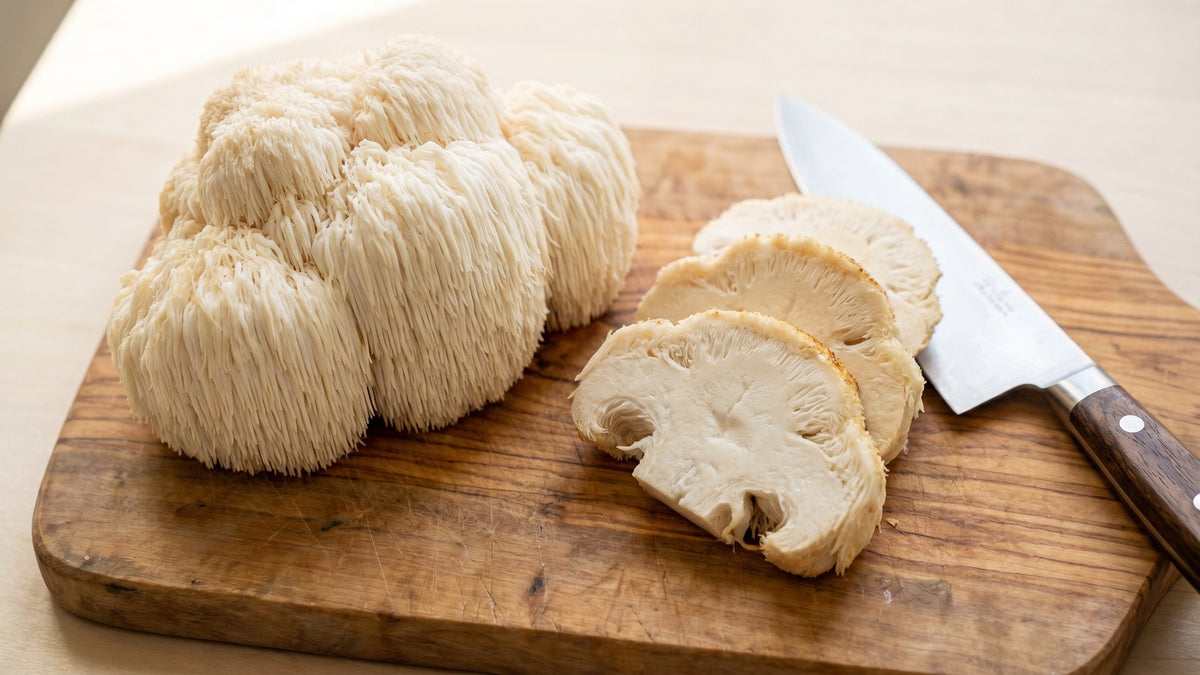
Lion's Mane (Hericium erinaceus). Kognitive Unterstützung
-
Turkey Tail (Trametes versicolor). Unterstützung des Immunsystems
-
Chaga (Inonotus obliquus). Antioxidative Eigenschaften
-
Cordyceps (Cordyceps militaris). Energie und sportliche Leistung
Schritt-für-Schritt-Herstellung der Tinktur
Phase 1: Alkoholextraktion (4-6 Wochen)
-
Bereiten Sie Ihre Pilze vor: Wenn Sie frische Pilze verwenden, trocknen Sie sie vollständig mit einem Dörrautomat oder im Ofen bei niedrigster Temperatur. Gut getrocknete Pilze sollten spröde sein und leicht zerbrechen.
-
Wiegen und mahlen: Verwenden Sie ein Verhältnis von 1:5 (1 Teil Pilz zu 5 Teilen Alkohol nach Gewicht). Mahlen Sie die getrockneten Pilze mit einer Kaffeemühle oder Küchenmaschine zu einem groben Pulver.
-
Mit Alkohol kombinieren: Geben Sie den gemahlenen Pilz in ein sauberes Glasgefäß und bedecken Sie ihn mit hochprozentigem Alkohol. Die Flüssigkeit sollte das Pilzmaterial um mindestens 5 cm bedecken.
-
Verschließen und lagern: Verschließen Sie das Glasgefäß fest und lagern Sie es an einem kühlen, dunklen Ort. Schütteln Sie es 4-6 Wochen lang täglich kräftig.
-
Abseihen: Seien Sie die Flüssigkeit nach dem Extraktionszeitraum durch Mulltuch ab und filtern Sie sie anschließend durch Kaffeefilter für mehr Klarheit. Bewahren Sie die Pilzreste für die nächste Phase auf.
Phase 2: Wasserextraktion (4-6 Stunden)
-
Pilzmark vorbereiten: Nehmen Sie die abgeseihten Pilzreste aus der Alkoholextraktion und geben Sie sie in einen Topf.

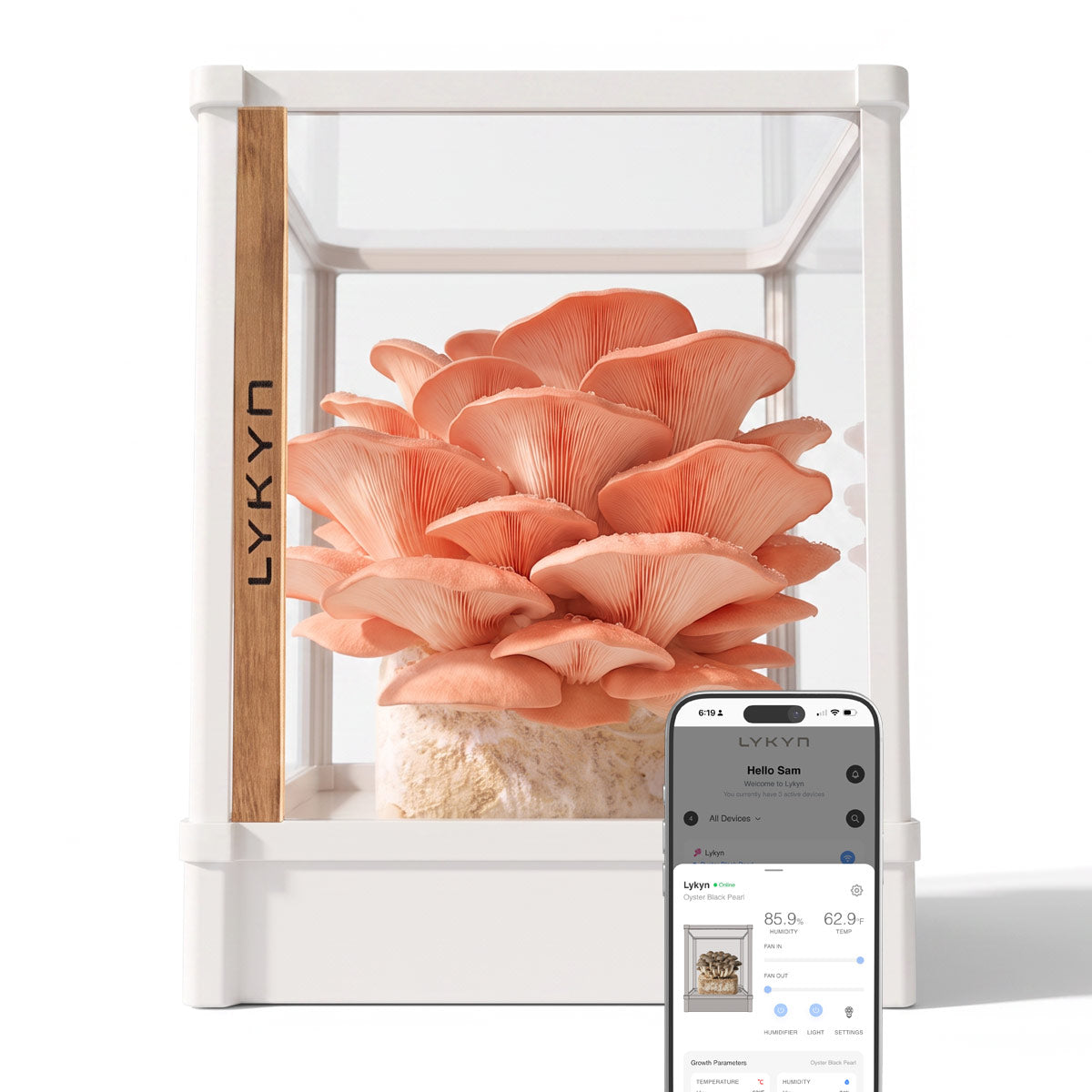
Beflügeln Sie Ihre Pilzreise
Intelligente Pilzzuchtkammer
Intelligente Plug-and-Play-Kammer mit für jede Art abgestimmter Luftfeuchtigkeit, Beleuchtung und Luftzirkulation. Anfänger ernten ihre erste Ernte in Tagen, nicht in Monaten.
In den Warenkorb $299 -
Wasser hinzufügen: Bedecken Sie das Pilzmaterial mit destilliertem Wasser (etwa das 3-4-fache Volumen der Pilzreste).
-
Sanft köcheln: Lassen Sie es sanft köcheln und halten Sie es 4-6 Stunden lang auf diesem Stand, wobei Sie gelegentlich umrühren. Die Flüssigkeit sollte sich um etwa die Hälfte reduzieren.
-
Abseihen und abkühlen: Seien Sie die heiße Flüssigkeit durch Mulltuch ab und lassen Sie sie vollständig abkühlen.
Phase 3: Extrakte kombinieren
-
Verhältnisse messen: Kombinieren Sie die Alkohol- und Wasserextrakte in einem Verhältnis von 1:1 nach Volumen.
-
Endfiltration: Filtern Sie die kombinierte Tinktur durch Kaffeefilter für ein klares, professionelles Aussehen.
-
Abfüllen und etikettieren: Lagern Sie sie in dunklen Glasflaschen mit Pipetten. Beschriften Sie sie mit Pilzart, Extraktionsdatum und Verhältnis.
Dosierungs- und Anwendungshinweise
Standarddosierung
Die meisten Pilztinkturen werden in Dosen von 1-3 Millilitern (etwa 1/4 bis 3/4 Teelöffel) eingenommen, 1-3 Mal täglich. Für tägliche gesundheitliche Vorteile können Sie 1 bis 2 Teelöffel Turkey-Tail-Tinktur einnehmen, obwohl dies je nach Pilzart und individuellen Bedürfnissen variieren kann.
Wie Sie Ihre Tinktur einnehmen
-
Sublingual: Halten Sie sie vor dem Schlucken 30-60 Sekunden lang unter der Zunge, um eine schnellere Aufnahme zu erzielen
-
Mit Flüssigkeit gemischt: Fügen Sie sie Wasser, Saft oder Kräutertee hinzu
-
Direkte Einnahme: Nehmen Sie sie direkt aus der Pipette, wenn Sie den Geschmack nicht stört
Aufbewahrung und Haltbarkeit
Bewahren Sie die endgültige Tinkturmischung in dunklen Glasflaschen auf, um sie vor Licht und Hitze zu schützen. Gut hergestellte Tinkturen können 3-5 Jahre halten, wenn sie an einem kühlen, dunklen Ort gelagert werden.
Vorteile der Herstellung Ihrer eigenen Tinkturen
Qualitätskontrolle
Wenn Sie Ihre eigenen Tinkturen herstellen, wissen Sie genau, was in ihnen enthalten ist. Sie können die Pilzqualität, die Extraktionszeit und den Alkoholgehalt steuern, um ein Produkt zu erstellen, das Ihren spezifischen Bedürfnissen entspricht.
Kosteneffizienz
Kommerzielle Pilztinkturen können teuer sein und oft 20-50 $ pro Flasche kosten. Die Herstellung Ihrer eigenen kann die Kosten um 70-80 % senken und gleichzeitig ein wirksameres Produkt erzeugen.
Anpassung
Sie können individuelle Mischungen aus mehreren Pilzarten erstellen oder den Alkoholgehalt basierend auf Ihren Vorlieben und der beabsichtigten Verwendung anpassen.
Sicherheitsüberlegungen und Best Practices
Pilzidentifizierung
Verwenden Sie niemals Wildpilze, es sei denn, Sie sind zu 100 % sicher über ihre Identifizierung. Halten Sie sich an kultivierte Pilze oder solche, die von seriösen Anbietern gekauft wurden. Der Anbau Ihrer eigenen mit einem Lykyn Smart Grow Chamber beseitigt Identifizierungssorgen und stellt gleichzeitig maximale Frische sicher.
Alkoholsicherheit
Verwenden Sie immer lebensmittelechten Alkohol. Vermeiden Sie Isopropylalkohol oder andere giftige Substanzen. Wenn Sie empfindlich auf Alkohol reagieren, können Sie alkoholfreie Tinkturen auf Glycerinbasis herstellen, obwohl sie möglicherweise weniger wirksam sind.
Verhinderung von Kontamination
Behalten Sie während des gesamten Prozesses sterile Bedingungen bei. Verwenden Sie saubere Ausrüstung und gefiltertes Wasser, um bakterielle Kontaminationen zu verhindern, die Ihre Tinktur verderben könnten.
Fehlerbehebung bei häufigen Problemen
Trübe Tinktur
Trübung deutet normalerweise auf eine unvollständige Filtration hin. Filtern Sie erneut durch Kaffeefilter oder lassen Sie die Tinktur absetzen und gießen Sie die klare Flüssigkeit ab.
Schwache Wirksamkeit
Wenn Ihre Tinktur schwach erscheint, haben Sie möglicherweise zu viel Flüssigkeit oder zu wenig Pilzmaterial verwendet. Halten Sie sich für eine optimale Wirksamkeit an das Verhältnis von 1:5.
Schimmelbildung
Schimmel während der Extraktion deutet auf eine Kontamination hin. Entsorgen Sie die Charge und beginnen Sie mit ordnungsgemäß sterilisiertem Equipment von vorn.
FAQ-Bereich
Wie lange dauert die Herstellung einer Pilztinktur?
Der gesamte Prozess dauert 6-8 Wochen - 4-6 Wochen für die Alkoholextraktion, plus 4-6 Stunden für die Wasserextraktion und die Kombinationsphasen.
Kann ich anstelle von getrockneten Pilzen frische Pilze verwenden?
Obwohl es möglich ist, werden getrocknete Pilze bevorzugt, weil sie die Wirkstoffe konzentrieren und eine Verdünnung Ihrer Tinktur verhindern. Frische Pilze enthalten 80-90 % Wasser.
Was ist der Unterschied zwischen Einzel- und Doppelextraktion?
Bei einer einfachen Extraktion wird nur Alkohol oder Wasser verwendet, wodurch Verbindungen fehlen, die sich im jeweils anderen Lösungsmittel lösen. Die doppelte Extraktion erfasst sowohl wasser- als auch alkohollösliche Verbindungen und sorgt so für maximale Wirksamkeit.
Woran erkenne ich, ob meine Tinktur wirkt?
Die Wirkung variiert je nach Pilzart und individueller Reaktion. Manche Menschen bemerken bereits innerhalb weniger Tage positive Effekte, während andere möglicherweise mehrere Wochen konsequente Einnahme benötigen. Führen Sie ein Tagebuch, um Ihre Erfahrungen festzuhalten.
Kann ich aus Pilzpulver Tinkturen herstellen?
Ja, aber getrocknete ganze Pilze liefern in der Regel bessere Ergebnisse. Wenn Sie Pulver verwenden, können Sie den Mahlschritt überspringen und die gleichen Mischverhältnisse anwenden.
Zusammenfassung
Die Herstellung von Pilztinkturen zu Hause ist ein lohnendes Unterfangen, das Ihnen Zugang zu hochwirksamen, hochwertigen Extrakten aus Heilpilzen verschafft. Die Methode der doppelten Extraktion stellt sicher, dass Sie das gesamte Spektrum der vorteilhaften Verbindungen erfassen. So entsteht ein lagerstarkes Produkt, das sich leicht dosieren und täglich anwenden lässt. Mit der richtigen Technik und hochwertigen Ausgangsmaterialien können Sie Tinkturen in professioneller Qualität herstellen, die mit kommerziellen Produkten mithalten können – und das zu einem Bruchteil der Kosten.
Bereit für Ihre Pilzreise?
Die Herstellung Ihrer eigenen Pilztinkturen beginnt mit hochwertigen Pilzen. Ob Sie Ihre eigenen Pilze anbauen oder mehr über den Pilzanbau erfahren möchten: Entdecken Sie unsere umfassenden Leitfäden über essbare Pilze und Pilzanbausets für Anfänger. Mit den richtigen Werkzeugen und Kenntnissen stellen Sie hochwirksame, therapeutische Tinkturen her, die Ihre Gesundheits- und Wohlbefindensziele unterstützen.
Beginnen Sie noch heute mit dem Anbau Ihrer eigenen Pilze und entdecken Sie die faszinierende Welt der selbstgemachten pflanzlichen Medizin. Ihr Körper wird Ihnen für die reine, hochwirksame Nährstoffversorgung danken, die nur frische, fachgerecht extrahierte Pilztinkturen bieten kann.




Aktie:
Austernpilze ernten: Ihr vollständiger Leitfaden zur richtigen Zeit
Geweih-Reishi-Pilz: Die seltene „Hirschhorn“-Form des Unsterblichkeitspilzes