


Der Leberreischling (Fistulina hepatica) ist ein wilder Speisepilz, der eher wie ein Stück rohe Leber als wie ein Pilz aussieht. Der Fruchtkörper wächst aus der Rinde von Eichen- oder Esskastanienbäumen als dicker, dunkelroter Konsolenpilz, weich im Griff, mit einer feuchten Oberfläche, die beim Anschneiden einen rötlichen Saft absondert. Der lateinische Name hepatica bedeutet „Leber“, und die Ähnlichkeit ist beim ersten Anblick wirklich beunruhigend. Schneidet man ihn auf, findet man marmoriertes rosa Fleisch, das wie Rinderfilet aussieht. Wenn man ihn richtig zubereitet, hat man einen der wenigen Wildpilze mit einem fleischigen, leicht säuerlichen, fast rindfleischähnlichen Geschmack.
Dies ist eine Art für Sammler, keine kultivierte. Leberreischlinge wachsen auf lebenden Laubbäumen als langfristiger Wurzel- und Stammpilz und haben sich der kommerziellen Kultivierung widersetzt. Um sie zu essen, muss man lernen, sie in der Natur zu identifizieren und die Regeln für ihre Zubereitung verstehen. Dieser Leitfaden behandelt beides, plus wo sie in eine moderne Küche passen (und wo nicht).

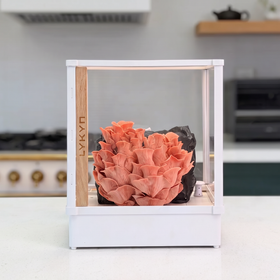
Smart Chamber. Knochenweiß Single
- 2,8L Tank, 90% automatische Luftfeuchtigkeit
- App-gesteuert, Plug-and-Play
- 6 lb Blockdecke, auf Lager

Smart Chamber. Obsidianschwarz Single
- Gleiche Hardware wie Knochenweiß
- Mattschwarze Premium-Oberfläche
- Passt zu jeder Küchenpalette

Schwarzes Austernpilz-Zuchtset
- Auf Lager
- Pin in 3-5 Tagen
- Ersetzt 1 Kammerzyklus
Wie man einen Leberreischling identifiziert
Leberreischlinge haben eine einzigartige, unverkennbare Form. Der Hut ist 10 bis 25 cm breit, abgerundet oder zungenförmig, blutrot bis tief braunrot oben, mit einer klebrigen oder feuchten Oberfläche bei frischen Exemplaren. Das Fleisch ist 2 bis 5 cm dick, weich, saftig und mit dunkleren Adern marmoriert, die wirklich an rohes Fleisch erinnern. Schneidet man ihn, tritt eine rötlich-braune Flüssigkeit aus.
Die Porenfläche (unter dem Hut) ist das diagnostische Merkmal. Im Gegensatz zu Porlingen, die eine durchgehende sporentragende Schicht haben, hat Fistulina hepatica einzelne, freie Poren, die wie ein Wald winziger Röhren aussehen, die nebeneinander gepackt, aber nicht miteinander verbunden sind. Fährt man mit dem Daumen über die Unterseite, spürt man jede Pore als eigenständige Einheit. Die Poren sind jung blass cremefarben und werden bei Berührung oder im Alter rötlich-braun. Es gibt keinen Stiel im herkömmlichen Sinne; der Konsolenpilz ist direkt mit dem Wirtsbaum durch eine kurze, dicke Basis verbunden.
Der Sporenabdruck ist rosa-braun. Kein gewöhnlicher Doppelgänger hat die gleiche Kombination aus roter Farbe, marmoriertem Fleisch, freien Poren und Eichen- oder Kastanienwirt.
Wo und wann man sie findet
Leberreischlinge wachsen an lebenden Eichen (Quercus) und Esskastanien (Castanea) in gemäßigten Klimazonen. Reife Bäume im Alter von 60 bis 200 Jahren sind die bevorzugten Wirte. Der Pilz tritt aus dem Kernholz hervor, das der Pilz langsam zersetzt, oft 1 bis 2,5 Meter hoch am Stamm, gelegentlich auch an der Basis. Wenn man einen produktiven Baum gefunden hat, kann man während der mehrjährigen Kolonisation dieser Art auf diesem Wirt alle ein bis zwei Jahre neue Fruchtungen erwarten.
In Europa dauert die Saison von August bis Oktober. In Nordamerika sucht man von Spätsommer bis Mitte Herbst. Der Pilz mag warmes, feuchtes Wetter und erscheint in der Regel nach einer Regenperiode, die auf heiße Tage folgt.
Ein Hinweis zur Ernteethik: Der Leberreischling ist der Pilz, der „braunes Eichenholz“ produziert, ein farbenprächtiges Holz, das von Möbelherstellern geschätzt wird. Förster mit alten Eichen wünschen oft, dass die Kolonisierung fortgesetzt wird. Nehmen Sie nur das, was Sie essen werden, und ernten Sie niemals eine ganze Fruchtung bei einem Besuch.
Geschmack, Textur und die saure Note
Roher Leberreischling hat einen herben, zitronigen, deutlich säuerlichen Geschmack, der von einer hohen Konzentration organischer Säuren herrührt, hauptsächlich Oxal- und Gerbsäure. Die Textur ist fest und bissfest, mit genügend Kaubarkeit, um an Fleisch zu erinnern. Gekocht wird der Geschmack milder, behält aber eine spürbare säuerliche Note, die nicht zu jedem Gericht passt.
Diese Art ist der einzige Wildpilz, der regelmäßig roh gegessen wird, dünn geschnitten wie Rindercarpaccio mit Olivenöl, Salz und Zitrone. Die Säure funktioniert in diesem Kontext. Gekocht kann die Säure Gerichte trüben, daher beschränken die meisten erfahrenen Sammler den Leberreischling auf eine kleine Rolle in Pilzmischungen, anstatt ihn als Hauptzutat zu verwenden.

Beflügeln Sie Ihre Pilzreise
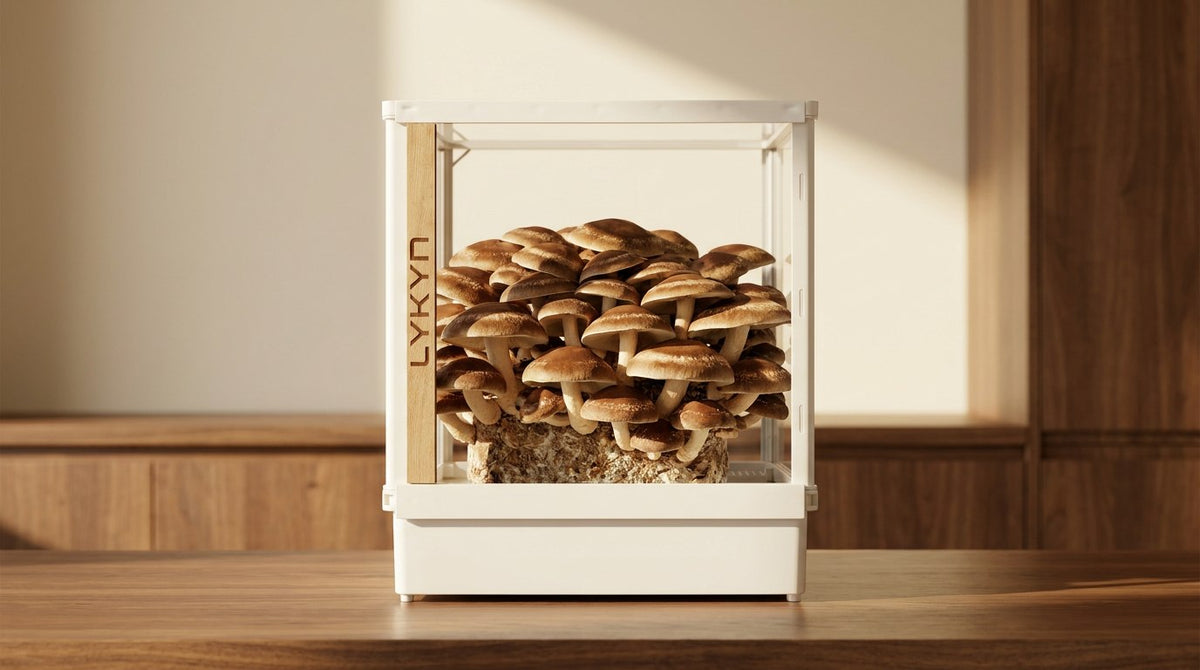
Intelligente Pilzzuchtkammer
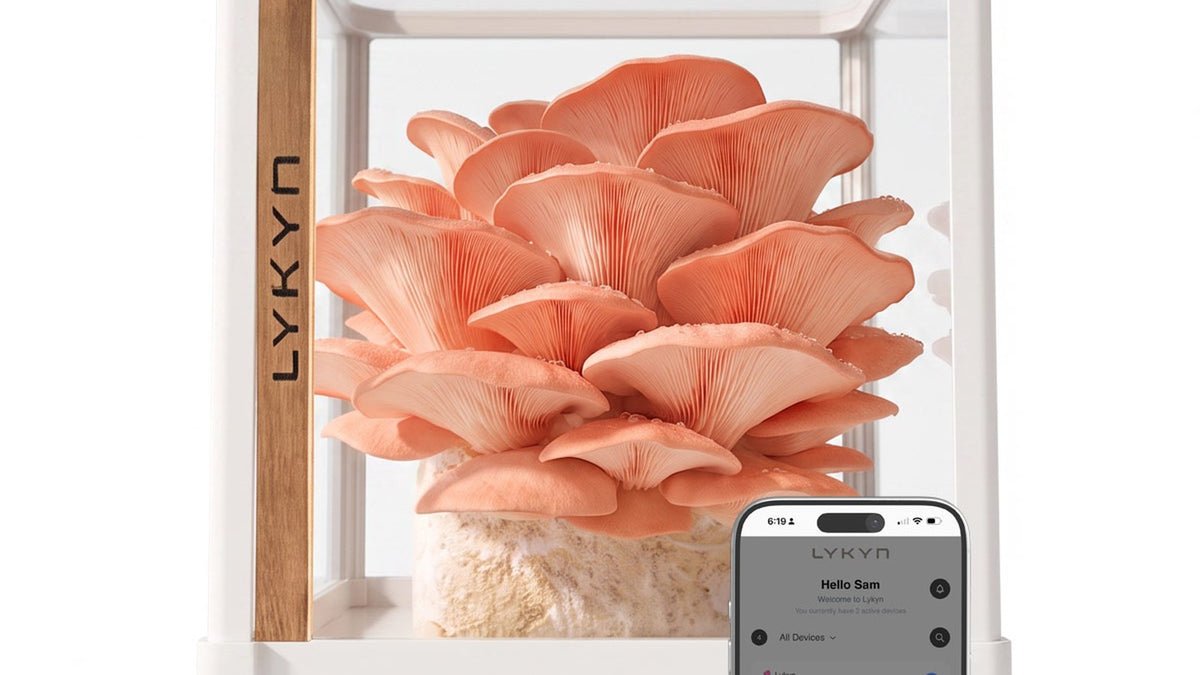
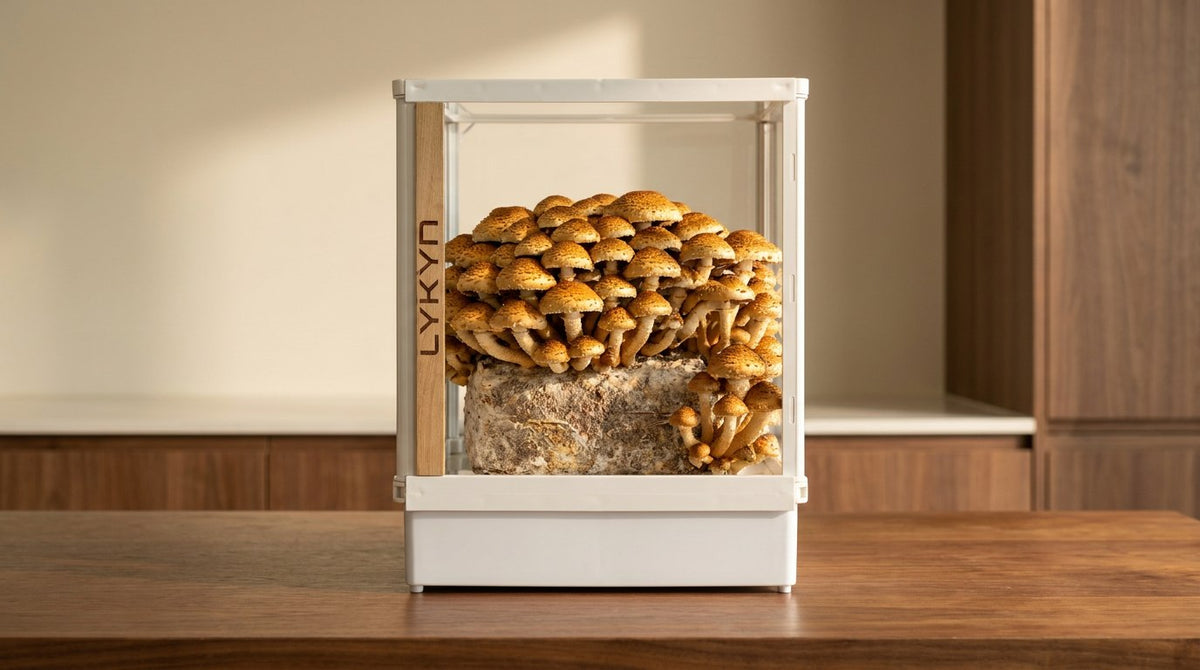
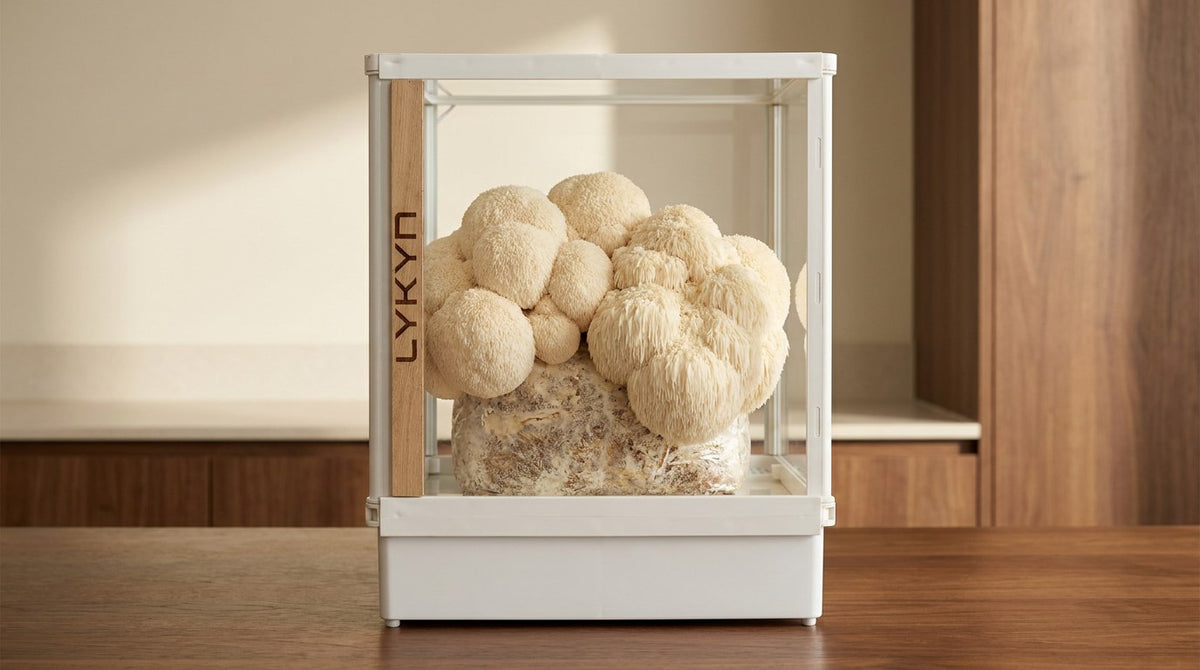
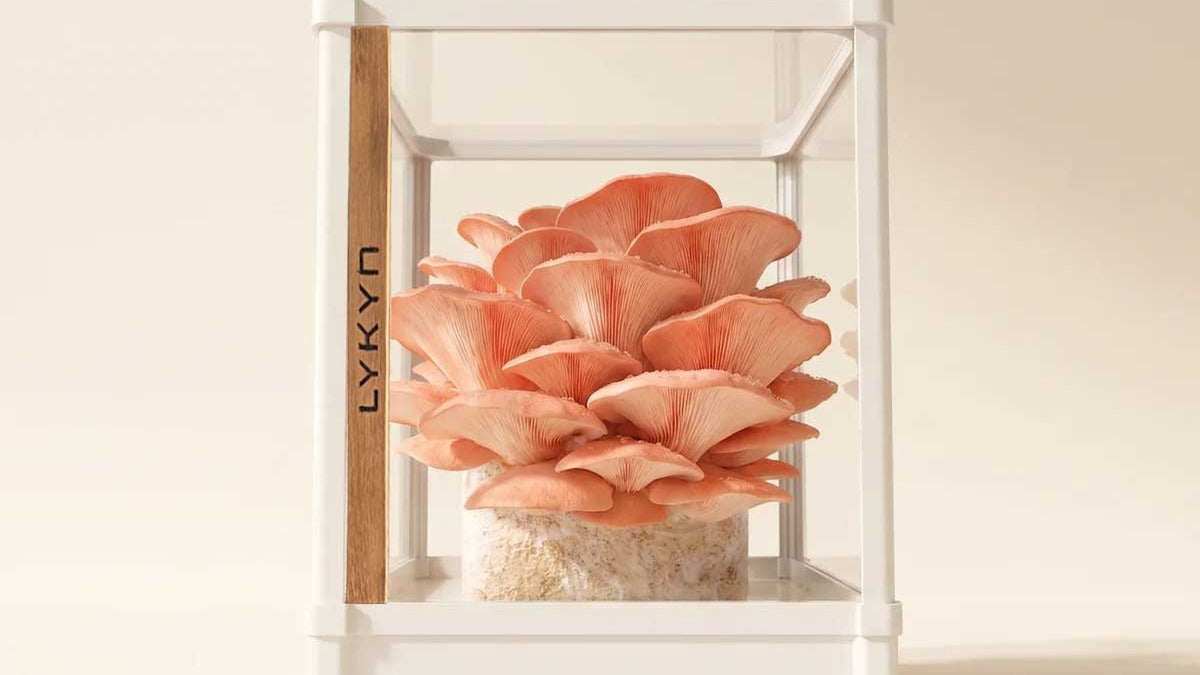
Plug-and-Play Smart-Kammer mit Feuchtigkeit, Licht und Luftstrom, abgestimmt auf jede Art. Anfänger ernten ihre erste Welle in Tagen, nicht Monaten.
In den Warenkorb legen $299Wie man Leberreischling zubereitet
Die drei Zubereitungen, die immer funktionieren. Erstens, rohes Carpaccio: hauchdünn schneiden, mit nativem Olivenöl extra, Flockensalz, Zitronenschale und gehobeltem Hartkäse anrichten. Sofort essen. Zweitens, langsam in einem lange geschmorten Ragout garen: würfeln und in den letzten 30 Minuten zu einer Tomaten-Fleischsauce geben, wo die Säure in der größeren Säurebasis verschwindet. Drittens, paniert und wie ein dünnes Schnitzel in der Pfanne gebraten: in anderthalb Zentimeter dicke Scheiben schneiden, 20 Minuten salzen, um etwas Saft zu entziehen, trocken tupfen, in Mehl wenden, in Ei tauchen, mit Paniermehl panieren und in Butter braten.
Drei Fallstricke sind zu vermeiden. Nicht alleine in Butter anbraten; die Säure überfordert die Butter und der Pilz wird grau und unappetitlich. Nicht mit delikaten Cremesaucen kombinieren; die Säure kann die Sahne spalten. Nicht als Ersatz für Steinpilze oder Pfifferlinge in Rezepten verwenden; das Geschmacksprofil ist zu unterschiedlich.
Leberreischling gründlich kochen, wenn man ihn nicht roh isst. Die Art wird im Allgemeinen gut vertragen, aber der hohe Oxalsäuregehalt bedeutet, dass Personen mit Nierensteinerkrankungen die Aufnahme begrenzen sollten, und Schwangeren wird in der Regel geraten, darauf zu verzichten.
Sammel-Tipps für Anfänger
Drei Regeln helfen Ihnen, auf der richtigen Seite der Art zu bleiben. Erstens, lernen Sie, eine gesunde, reife Eiche oder Edelkastanie zu identifizieren. Leberreischlinge wachsen auf keinem anderen Laubholz, daher bestätigt der Lebensraum die Identifikation. Zweitens, überprüfen Sie die Porenfläche. Freie, individuelle Poren sind das charakteristische Merkmal; eine durchgehende Porenschicht bedeutet, dass Sie einen anderen Porling haben. Drittens, nehmen Sie nur junge, feste Exemplare. Überalterte Leberreischlinge sind matschig, bis zur Ungenießbarkeit sauer und oft von Insekten befallen.
Führen Sie ein scharfes Messer mit und schneiden Sie den Pilz sauber ab, anstatt ihn abzureißen, was den Wirtsbaum beschädigen würde. Entfernen Sie grobes oder faseriges Basismaterial bereits im Feld. Leberreischling saugt Wasser wie ein Schwamm auf, daher nicht waschen; stattdessen Schmutz abbürsten und trimmen.
Kann man Leberreischling zu Hause anbauen?
Nein, nicht in praktischem Sinne. Fistulina hepatica ist ein langsam wachsender Kernholzzerleger, der lebendes Eichen- oder Kastanienholz und einen Zeitrahmen von mehreren Jahrzehnten benötigt. Die Art wird nirgendwo kommerziell angebaut, und es gibt kein Heimzuchtset.
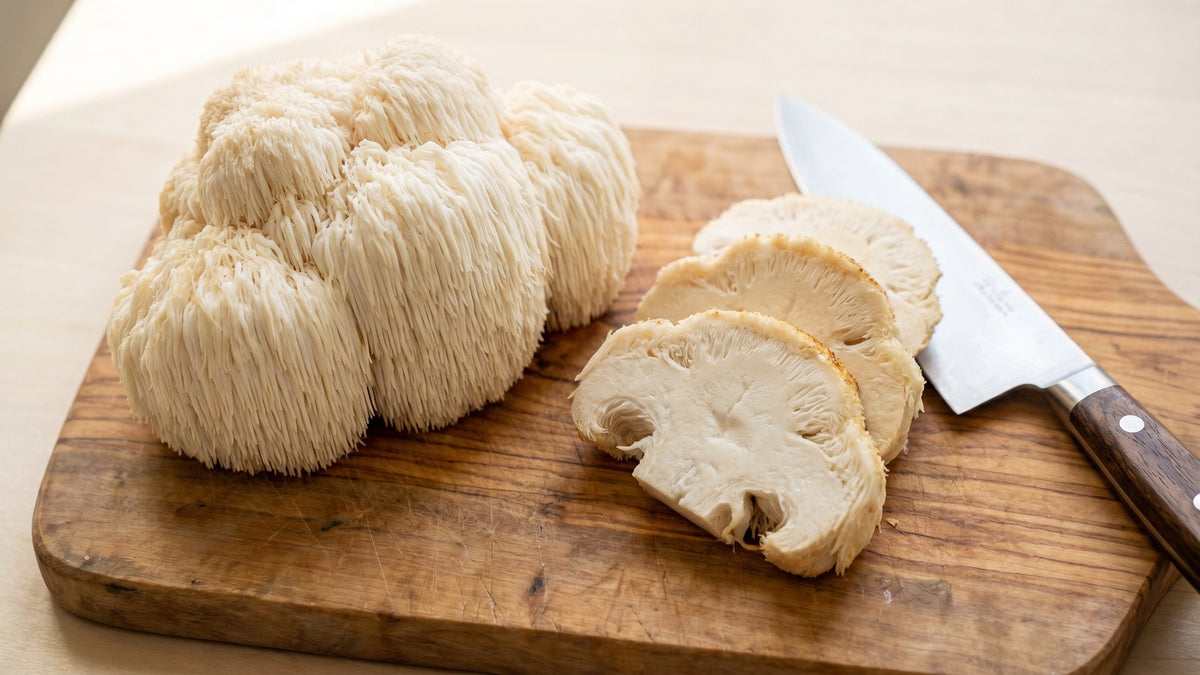
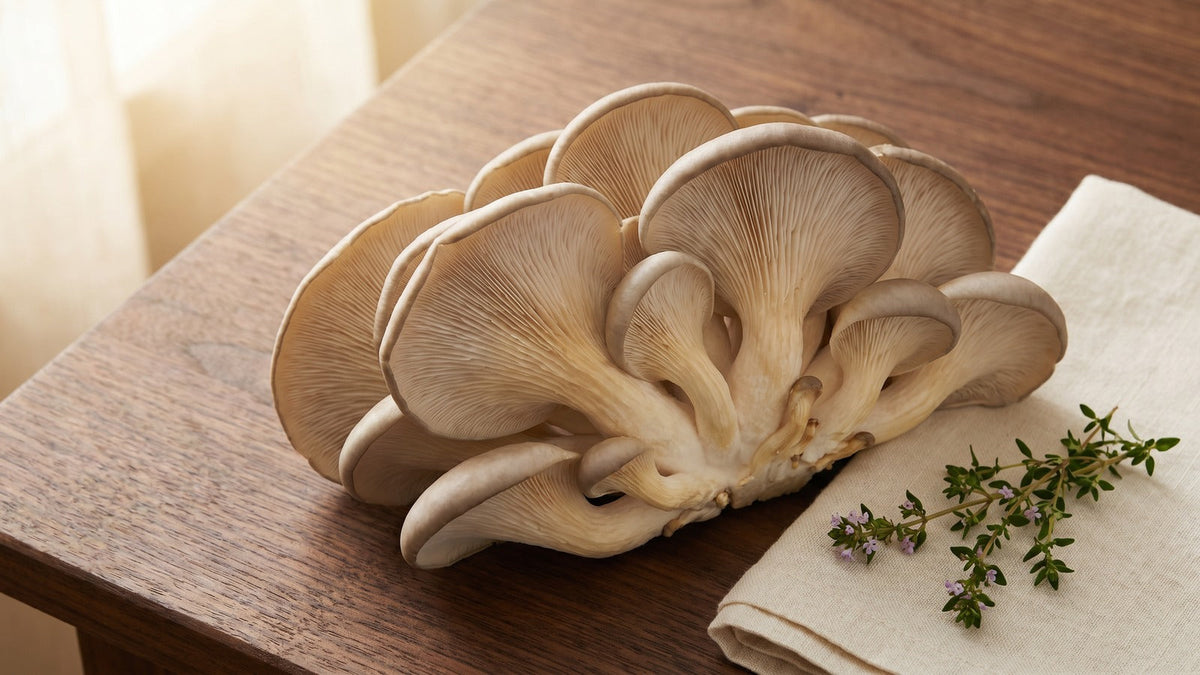
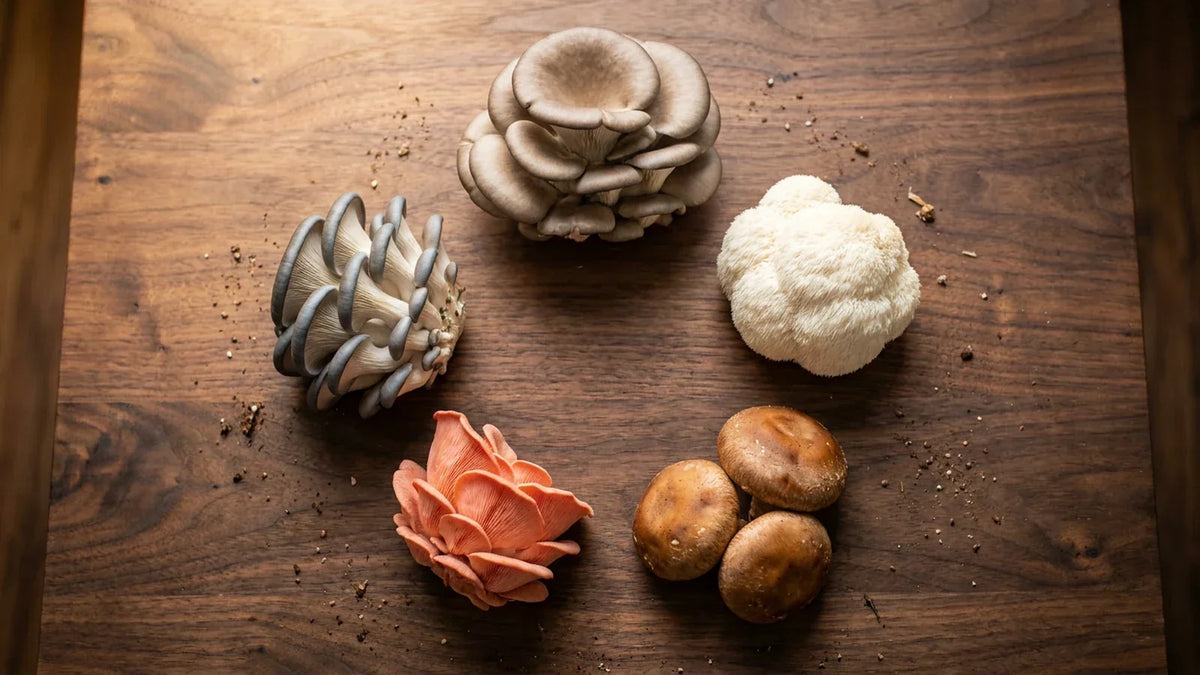
Wenn Sie frische, selbst angebaute Gourmetpilze mit einem vorhersehbaren Erntefenster wünschen, ist der realistische Weg, Arten zu wählen, die auf vorbereitetem Substrat gut gedeihen, wie Austernpilze, Löwenmähne und Kräuterseitlinge. Diese sind als fertige Pilzzucht-Sets mit dokumentierten Erträgen erhältlich. Leberreischling bleibt auf der Wildliste.
Das Fazit zum Leberreischling
Der Leberreischling ist ein Wildpilz für Spezialisten, kein Freund für den alltäglichen Koch. Sein säuerlicher, fleischiger Charakter macht ihn zu einer Kuriosität, die es wert ist, probiert zu werden, wenn man ihn findet, besonders roh als geschnittenes Carpaccio mit gutem Olivenöl und Zitrone. Aber er ersetzt die bewährten Zuchtpilze in Ihrer Alltagsküche nicht sauber und verlangt im Feld ein sorgfältiges Auge und in der Küche eine geschickte Hand. Finden Sie einen an einer gesunden alten Eiche, nehmen Sie ein kleines Stück, schneiden Sie es dünn, und Sie werden verstehen, warum dieser seltsame rote Konsolenpilz seit zwei Jahrhunderten einen Platz auf der herbstlichen Sammelliste hat.

Aktie:
Röhrlinge: Wie man die Pilzgruppe erkennt, sammelt und zubereitet
Röhrlinge: Wie man die Pilzgruppe erkennt, sammelt und zubereitet