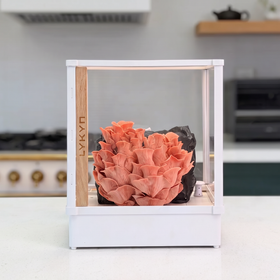



Einführung in Maitake-Pilze
Maitake-Pilze, auch bekannt als "Henne des Waldes" oder im Japanischen als "tanzende Pilze", gehören zu den faszinierendsten Pilzen der Natur. Mit ihrem unverwechselbaren, fransigen Aussehen, das an das gefiederte Geflügel einer Henne erinnert, haben diese Pilze in kulinarischen Kreisen weltweit enorme Popularität erlangt. Heimisch in den Wäldern Japans, Nordamerikas und Europas, wachsen Maitake-Pilze am Fuße von Eichen, Ahornbäumen und Ulmen, manchmal erreichen sie in freier Wildbahn beeindruckende Größen von bis zu 45 Kilogramm, was ihnen wahrhaftig den Titel "König der Pilze" einbringt.
Was Maitake-Pilze besonders macht, ist nicht nur ihr einzigartiges Aussehen und ihr reicher, erdiger Geschmack, sondern auch ihr beeindruckendes Nährwertprofil und ihre medizinischen Eigenschaften. Diese Pilze werden in der traditionellen asiatischen Medizin seit über 1.000 Jahren geschätzt, und moderne Forschung deckt weiterhin die wissenschaftlichen Grundlagen ihrer gesundheitsfördernden Wirkungen auf.
In diesem umfassenden Leitfaden erfahren Sie alles, was Sie über das perfekte Braten von Maitake-Pilzen wissen müssen, sowie deren Nährwerte, Tipps zur Auswahl und kreative Möglichkeiten, sie in Ihre Mahlzeiten zu integrieren. Egal, ob Sie ein Pilz-Enthusiast oder ein neugieriger Hobbykoch sind, der seinen kulinarischen Horizont erweitern möchte, dieser Artikel wird Ihnen helfen, die Zubereitung dieser großartigen Pilze zu meistern.

Das Nährstoffkraftpaket: Gesundheitsvorteile von Maitake-Pilzen
Bevor wir uns den Kochtechniken widmen, wollen wir untersuchen, warum Maitake-Pilze einen Platz in Ihrer regelmäßigen Ernährung verdienen. Diese bemerkenswerten Pilze bieten eine beeindruckende Nährstoffdichte, die die allgemeine Gesundheit auf vielfältige Weise unterstützt.
Reich an essentiellen Nährstoffen
Maitake-Pilze sind wahre Nährstoffkraftpakete und enthalten:
- Vitamine: Insbesondere B-Vitamine und Vitamin D (einige Sorten decken bis zu 200% des täglichen Vitamin-D-Bedarfs)
- Mineralien: Einschließlich Kupfer, Kalium, Zink und Phosphor
- Protein: Enthält 13-21% Protein pro Trockengewicht
- Ballaststoffe: Ausgezeichnete Quelle für präbiotische Ballaststoffe
- Wenig Kalorien: Bietet erhebliche Nährstoffe bei minimalen Kalorien
Unterstützung des Immunsystems
Einer der meist gefeierten Vorteile von Maitake-Pilzen sind ihre immunstärkenden Eigenschaften. Sie enthalten Beta-Glucane, insbesondere D-Fraktion, die nach Forschungsergebnissen das Immunsystem stimulieren können. Diese Verbindungen unterstützen sowohl die zelluläre als auch die humorale Immunität und können dem Körper helfen, sich gegen Krankheitserreger zu verteidigen und die allgemeine Immungesundheit zu erhalten.
Blutzuckerregulierung
Für diejenigen, die sich um die Aufrechterhaltung eines gesunden Blutzuckerspiegels sorgen, sind Maitake-Pilze vielversprechend. Studien deuten darauf hin, dass diese Pilze die Insulinsensitivität unterstützen und einen gesunden Glukosestoffwechsel fördern können, was sie zu einer wertvollen Ergänzung einer ausgewogenen Ernährung für Menschen mit Blutzuckerproblemen macht.
Unterstützung der Herzgesundheit
Die Beta-Glucane in Maitake-Pilzen können auch die Herz-Kreislauf-Gesundheit fördern. Forschungsergebnisse deuten darauf hin, dass sie helfen können, gesunde Cholesterinspiegel aufrechtzuerhalten, indem sie das LDL-Cholesterin (schlechtes Cholesterin) reduzieren, ohne das HDL-Cholesterin (gutes Cholesterin) oder die Triglyceridspiegel zu beeinflussen, was potenziell die allgemeine Herzgesundheit unterstützt.
Antioxidative Eigenschaften
Wie viele Pilze enthält Maitake starke Antioxidantien, darunter Polysaccharide und phenolische Verbindungen. Diese Antioxidantien helfen, freie Radikale im Körper zu neutralisieren, die Zellgesundheit zu unterstützen und potenziell den oxidativen Stress zu verlangsamen, der zur Alterung und verschiedenen Gesundheitsproblemen beiträgt.
Adaptogene Eigenschaften
Maitake-Pilze gelten als Adaptogene, was bedeutet, dass sie dem Körper helfen können, auf Stress zu reagieren, das Gleichgewicht wiederherzustellen und das allgemeine Wohlbefinden zu unterstützen. Diese adaptogene Qualität macht sie in unserer modernen, stressreichen Welt besonders wertvoll.
Auswahl und Zubereitung von Maitake-Pilzen
Wo man Maitake-Pilze findet
Sie können Maitake-Pilze an verschiedenen Orten finden:
- Spezialitätengeschäfte und Reformhäuser
- Asiatische Märkte und internationale Lebensmittelgeschäfte
- Bauernmärkte, besonders in den Herbstmonaten
- Online-Händler, die sich auf Gourmetpilze spezialisiert haben
- Wildsammlung (nur wenn Sie erfahren in der Pilzbestimmung sind)
Wie man frische Maitake-Pilze auswählt
Beim Kauf von Maitake-Pilzen achten Sie auf folgende Merkmale:
- Feste, frisch aussehende Büschel ohne Anzeichen von Schleimigkeit
- Erdiges Aroma ohne ammoniakartigen Geruch
- Relativ trockene Oberfläche (sie sollten nicht feucht oder durchnässt aussehen)
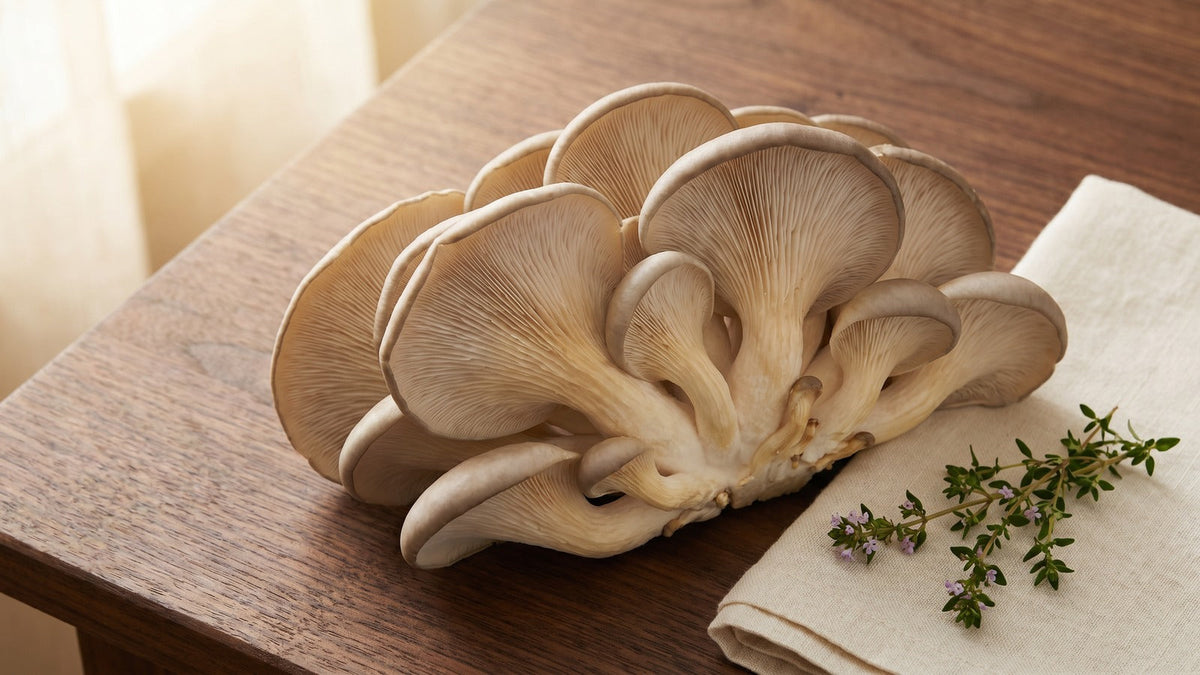
- Graubraune Kappen mit cremefarbenen Unterseiten
- Keine Anzeichen von Schimmel oder Verfärbungen
Reinigen und Zubereiten von Maitake-Pilzen
Die richtige Zubereitung ist entscheidend für den Genuss von Maitake-Pilzen:
- Tauchen Sie Maitake-Pilze niemals in Wasser, da sie Flüssigkeit wie ein Schwamm aufsaugen und matschig werden.
- Bürsten Sie stattdessen vorsichtig jeglichen Schmutz mit einer weichen Bürste oder einem Papiertuch ab.
- Schneiden Sie den zähen Stielansatz leicht ab, aber behalten Sie die Büschel zum Braten intakt.
- Falls nötig, können Sie größere Büschel entlang ihrer natürlichen Trennlinien in kleinere, handlichere Stücke zerteilen.
Lagerung von Maitake-Pilzen
Für optimale Frische:
- Im Kühlschrank in einer Papiertüte (nicht Plastik) aufbewahren
- Innerhalb einer Woche nach dem Kauf verwenden, um den besten Geschmack und die beste Textur zu erhalten
- Warten Sie mit der Reinigung bis kurz vor der Verwendung, um Feuchtigkeitsaufnahme zu verhindern
- Falls Sie einen Überschuss haben, erwägen Sie das Einfrieren nach dem Kochen
Die perfekten gerösteten Maitake-Pilze: Schritt-für-Schritt-Anleitung
Kommen wir nun zum Kern dieses Artikels: Wie man Maitake-Pilze knusprig und goldbraun röstet. Diese Garmethode verstärkt ihre natürlichen Aromen und schafft einen köstlichen Kontrast zwischen knusprigen Rändern und zarten Inneren.
Wichtige Ausrüstung
- Backblech mit Rand oder Gusseisenpfanne
- Backpapier (optional, für leichtere Reinigung)
- Speiseöl (Olivenöl funktioniert wunderbar)
- Gewürze Ihrer Wahl
- Spachtel zum Wenden
Grundrezept für geröstete Maitake-Pilze
Zutaten:
- 450 g frische Maitake-Pilze
- 2-3 Esslöffel hochwertiges Olivenöl
- 1 Teelöffel Meersalz
- ½ Teelöffel frisch gemahlener schwarzer Pfeffer
- 2-3 Knoblauchzehen, gehackt (optional)
- 1 Esslöffel frische Thymianblätter (optional)
- 1 Teelöffel frischer Rosmarin, gehackt (optional)
Anleitung:
- Heizen Sie Ihren Ofen auf 220°C (425°F) vor.
- Bereiten Sie die Maitake-Pilze vor, indem Sie sie vorsichtig reinigen und bei Bedarf in handliche Stücke teilen. Versuchen Sie, die schöne Struktur intakt zu lassen.
- Legen Sie ein Backblech mit Backpapier aus oder fetten Sie eine Gusseisenpfanne leicht ein.
- Legen Sie die Pilze auf die vorbereitete Oberfläche und versuchen Sie, sie nicht zu überladen.
- Mit Olivenöl beträufeln und mit Salz, Pfeffer und eventuell Kräutern bestreuen.
- Vorsichtig vermischen, um alles gleichmäßig zu bedecken, stellen Sie sicher, dass das Öl alle fransigen Ränder erreicht.
- In einer einzigen Schicht anordnen, um eine optimale Bräunung zu erzielen.
- 15 Minuten rösten, dann die Büschel vorsichtig wenden.
- Weitere 10-15 Minuten rösten, bis die Ränder knusprig und goldbraun sind und das Innere zart ist.
- Sofort servieren, um die beste Textur und den besten Geschmack zu erhalten.
Wichtige Tipps für perfekt geröstete Maitake-Pilze
- Überladen Sie die Pfanne nicht: Geben Sie den Pilzen genügend Platz, um Feuchtigkeit abzugeben und richtig knusprig zu werden.
- Hohe Hitze ist entscheidend: Niedrigere Temperaturen erzielen nicht die wünschenswerte knusprige Außenseite.
- Beachten Sie den Kontrast: Die dicken Stiele werden möglicherweise nicht so knusprig wie die zarten Fransen, aber dieser texturale Kontrast ist Teil des Reizes.
- Ölverteilung: Stellen Sie sicher, dass das Öl alle Ecken und Kanten erreicht, um eine gleichmäßige Bräunung zu erzielen.
- Zeitpunkt der Würzung: Während einfaches Salz und Pfeffer vor dem Rösten funktionieren, können zarte frische Kräuter in den letzten Minuten hinzugefügt werden, um ihren Geschmack zu bewahren.

Kreative Variationen für geröstete Maitake-Pilze
Wenn Sie die grundlegende Technik beherrschen, sollten Sie diese köstlichen Variationen in Betracht ziehen, um Ihr Maitake-Pilz-Repertoire zu erweitern.
Asiatisch inspirierte Maitake-Pilze
Zutaten:
- 450 g Maitake-Pilze
- 2 Esslöffel Sesamöl
- 1 Esslöffel Sojasauce oder Tamari
- 1 Teelöffel geriebener Ingwer
- 1 Knoblauchzehe, gehackt
- 1 Teelöffel Ahornsirup oder Honig
- Sesamsamen und Frühlingszwiebeln zum Garnieren
Verwenden Sie die gleiche Röstmethode, aber vermischen Sie die Pilze vor dem Kochen mit dieser asiatisch inspirierten Marinade.
Miso-Butter-gerösteter Maitake
Zutaten:
- 450 g Maitake-Pilze
- 2 Esslöffel Olivenöl
- 3 Esslöffel Miso-Butter (2 Esslöffel weiche Butter mit 1 Esslöffel Misopaste vermischen)
- Salz und Pfeffer nach Geschmack
Die Pilze die ersten 15 Minuten mit Olivenöl rösten, dann für die restliche Garzeit Miso-Butter darauf verteilen und gelegentlich übergießen.
Scharf geröstete Maitake-Pilze
Zutaten:
- 450 g Maitake-Pilze
- 2 Esslöffel Olivenöl
- 1 Teelöffel geräuchertes Paprikapulver
- ½ Teelöffel Cayennepfeffer (nach Geschmack anpassen)
- 1 Teelöffel Knoblauchpulver
- ½ Teelöffel Zwiebelpulver
- Salz nach Geschmack
Alle Gewürze mit Öl vermischen, bevor die Pilze damit überzogen und wie angegeben geröstet werden.
Serviervorschläge: Das Beste aus gerösteten Maitake-Pilzen herausholen
Geröstete Maitake-Pilze sind unglaublich vielseitig und können in zahlreichen Gerichten verwendet werden. Hier sind einige köstliche Möglichkeiten, sie zu genießen:
Als Beilage
Servieren Sie geröstete Maitake-Pilze als Beilage zu:
- Gegrilltem Steak oder Hühnchen
- Geröstetem Lachs oder anderem Fisch
- Risotto oder Polenta
- Geröstetem Gemüse
In Hauptgerichten
Integrieren Sie geröstete Maitake-Pilze in:
- Nudelgerichte mit Knoblauch und Kräutern
- Getreideschalen mit anderem Gemüse
- Pizza als "fleischiger" Belag
- Sandwiches oder Wraps
- Asiatische Nudelsuppen oder Ramen
- Omeletts oder Frittatas
Kreative Verwendungen
Werden Sie kreativ mit Ihren gerösteten Maitake-Pilzen:
- Zu Salaten für eine herzhafte Textur hinzufügen
- Als Fleischersatz in Tacos verwenden
- In herzhafte Saucen mixen
- In vegetarische Füllungen einarbeiten
- Zu Fladenbroten mit Käse hinzufügen
Lagerung und Aufwärmtipps
Falls Sie geröstete Maitake-Pilze übrig haben (was selten vorkommt!), hier erfahren Sie, wie Sie damit umgehen:
Lagerung:
- In einem luftdichten Behälter im Kühlschrank bis zu 3 Tage aufbewahren
- Für längere Lagerung nach dem Kochen einfrieren, bis zu 3 Monate
Aufwärmen:
- Ofen: Bei 175°C (350°F) 5-10 Minuten aufwärmen
- Herdplatte: Kurz in einer heißen Pfanne anbraten, um sie wieder knusprig zu machen
- Vermeiden Sie das Aufwärmen in der Mikrowelle, da sie sonst matschig werden könnten
Häufig gestellte Fragen zu Maitake-Pilzen
F: Sind Maitake-Pilze sicher zum Verzehr? A: Ja, Maitake-Pilze sind im Allgemeinen für die meisten Menschen sicher zum Verzehr. Wie bei jedem Lebensmittel können jedoch einige Personen allergische Reaktionen haben. Wenn Sie noch nie Maitake-Pilze gegessen haben, beginnen Sie mit einer kleinen Menge.
F: Kann ich Maitake-Pilze roh essen? A: Obwohl Maitake-Pilze technisch roh essbar sind, schmecken sie gekocht am besten. Rohe Pilze können schwer verdaulich sein, und das Kochen verbessert sowohl ihren Geschmack als auch die Bioverfügbarkeit ihrer Nährstoffe.
F: Wie vergleichen sich Maitake-Pilze mit anderen Pilzsorten? A: Maitake-Pilze haben eine unverwechselbare Textur, die fleischiger ist als die vieler gängiger Pilze. Ihr Geschmack ist erdig, umami-reich und erinnert etwas an Wildfleisch, wodurch sie robuster sind als Champignons oder Kräuterseitlinge.
F: Gibt es Medikamente, die mit Maitake-Pilzen interagieren? A: Maitake kann aufgrund ihrer Auswirkungen auf den Blutzucker mit blutverdünnenden Medikamenten und Diabetesmedikamenten interagieren. Konsultieren Sie immer einen Arzt, wenn Sie Medikamente einnehmen und eine größere Menge Maitake in Ihre Ernährung aufnehmen möchten.
F: Kann ich Maitake-Pilze selbst sammeln? A: Obwohl Maitake-Pilze in vielen Wäldern wild wachsen, sollte das Sammeln nur von Personen mit umfassenden Kenntnissen der Pilzidentifikation durchgeführt werden. Eine Fehlidentifikation von Wildpilzen kann schwerwiegende gesundheitliche Folgen haben.
Fazit: Die Magie von Maitake umarmen
Geröstete Maitake-Pilze stellen die perfekte Schnittmenge aus kulinarischem Genuss und ernährungsphysiologischem Nutzen dar. Ihre einzigartige Textur, außen knusprig und innen zart, kombiniert mit ihrem reichen, erdigen Geschmack, macht sie zu einer außergewöhnlichen Ergänzung unzähliger Gerichte.
Neben ihrem gastronomischen Reiz bieten Maitake-Pilze eine Fülle von gesundheitlichen Vorteilen, von der Unterstützung des Immunsystems bis zur Herzgesundheit. Indem Sie diese prächtigen Pilze in Ihr Kochrepertoire aufnehmen, verbessern Sie nicht nur Ihre Mahlzeiten, sondern unterstützen möglicherweise auch Ihr allgemeines Wohlbefinden.
Egal, ob Sie ein engagierter Pilzliebhaber oder ein neugieriger Koch sind, der neue Zutaten entdeckt, die Beherrschung der Kunst des Röstens von Maitake-Pilzen eröffnet eine Welt kulinarischer Möglichkeiten. Wenn Sie also das nächste Mal diese fransigen Pilze auf Ihrem lokalen Markt entdecken, nehmen Sie sie mit nach Hause, heizen Sie Ihren Ofen an und entdecken Sie, warum Maitake-Pilze seit Jahrhunderten in verschiedenen Kulturen geschätzt werden.
Denken Sie daran, der Schlüssel zu perfekt gerösteten Maitake-Pilzen liegt in hoher Hitze, ausreichend Platz und einer leichten Würze, die ihren natürlichen Geschmack ergänzt, anstatt ihn zu überdecken. Mit diesen Techniken in der Hand sind Sie auf dem besten Weg, ein Maitake-Meister in Ihrer eigenen Küche zu werden.





Aktie:
Nährwerte von Maitake-Pilzen enthüllt
Nebenwirkungen von Maitake-Pilzen: Erklärt und wissenschaftlich untermauert