


Morel mushrooms, with their distinctive honeycomb-patterned caps and rich, nutty flavor, are among the most prized edible fungi in the world. Traditionally, these delicacies have only been available through foraging during their brief spring growing season, commanding prices of $30-90 per pound fresh and up to $250 per pound dried. For mushroom enthusiasts and culinary connoisseurs alike, the question often arises: "Can you grow morel mushrooms at home?" The answer is yes, but with significant challenges and considerations that make morel cultivation uniquely complex compared to other mushroom varieties.
This comprehensive guide explores the possibilities, methods, challenges, and recent breakthroughs in morel mushroom cultivation, providing you with the knowledge to potentially grow these elusive fungi in your own backyard or even indoors.
The Challenge of Growing Morel Mushrooms
Morels (Morchella species) have long been considered among the most difficult mushrooms to cultivate. Unlike oyster or shiitake mushrooms, which readily fruit on various substrates under controlled conditions, morels have complex life cycles and ecological relationships that have made consistent cultivation elusive for decades.
Some key challenges include:
- Morels often form mycorrhizal relationships with specific tree species in the wild
- Their fruiting is triggered by specific environmental conditions and temperature shifts
- The complete life cycle includes a sclerotial phase that's difficult to induce in cultivation
- Commercial cultivation remained largely unsuccessful until recent breakthroughs
Despite these challenges, dedicated researchers and mycologists have made significant progress in recent years, developing methods that can work for both home growers and commercial operations.

Can You Really Grow Morel Mushrooms at Home?
Yes, you can grow morel mushrooms at home, but there are several important caveats:
- Time investment: Growing morels typically takes 2-5 years from initial inoculation to first harvest
- Success rate: Even with proper methods, success is not guaranteed
- Knowledge requirements: Understanding the morel life cycle and ecological needs is essential
- Patience: Unlike other mushroom varieties that fruit quickly, morels require long-term commitment
Home cultivation is best viewed as an interesting experiment rather than a reliable food source, at least initially. Commercial cultivation has only recently become viable in certain contexts, particularly in China where cultivation techniques have expanded to over 20 provinces since 2012.
Growing Morels Outdoors: The Most Reliable Method
Outdoor cultivation remains the most accessible and reliable method for home growers. Here's a step-by-step guide to establishing an outdoor morel patch:
Selecting the Right Location
The ideal location for growing morels should:
- Receive dappled sunlight, similar to forest understory conditions
- Have well-draining, loamy soil
- Be situated near compatible trees (elm, ash, apple, oak, or poplar)
- Remain undisturbed for several years
- Maintain consistent moisture levels
Preparing the Growing Area
Proper soil preparation is crucial for morel success:
- Clear the area of competing vegetation
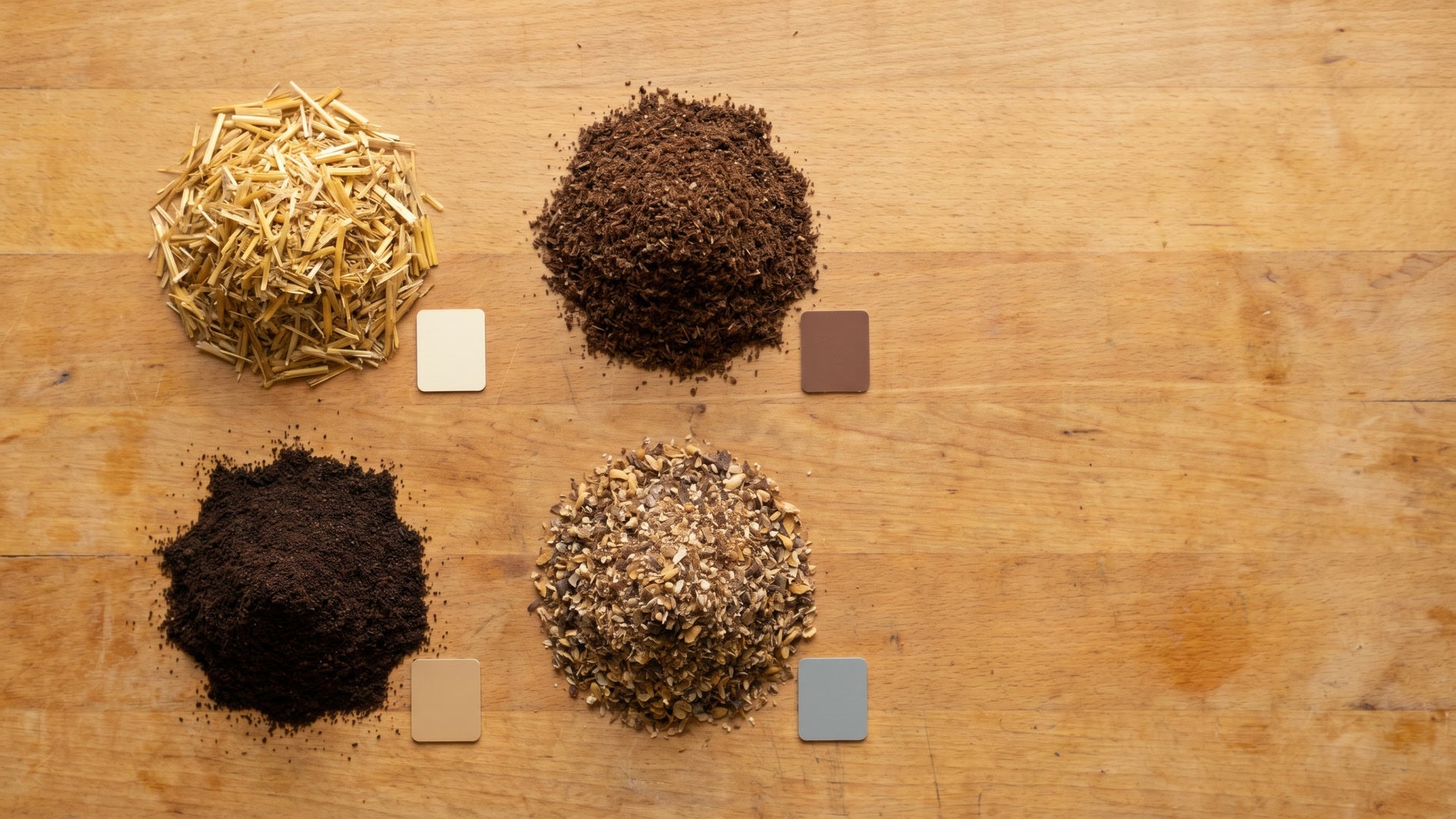
- Mix in components that mimic forest floor conditions:
- Wood chips (preferably from elm, ash, or oak)
- Composted leaves
- Wood ash (morels often appear after forest fires)
- Peat moss
- Sand for drainage
- Adjust soil pH to 6.5-7.5 using lime if necessary
- Ensure the area can be kept consistently moist but not waterlogged
Inoculation Methods
There are several ways to introduce morel mycelium to your growing area:
1. Commercial Spawn Method
This approach uses professionally prepared spawn:
- Purchase morel spawn from a reputable supplier
- Follow the supplier's specific instructions for your spawn type
- Broadcast the spawn over your prepared growing area
- Cover lightly with additional substrate or soil
- Water thoroughly but gently
2. Spore Slurry Method
This DIY approach uses wild or purchased morels to create a spore-rich solution:
- Gather fresh morel mushrooms
- In a food-safe container, mix:
- 1 gallon of non-chlorinated water
- 1 tablespoon of molasses (provides sugar for germinating spores)
- 1/4 teaspoon of salt (inhibits bacterial growth)
- Add crushed or cut morel mushrooms
- Let the mixture sit covered for 24-48 hours at room temperature
- Strain the liquid through cheesecloth to remove mushroom pieces
- Sprinkle the spore-rich liquid over your prepared growing area
3. Tree Inoculation Method
Targeting the root systems of compatible trees:
- Identify appropriate trees (elm, ash, apple, oak)
- Create a spore slurry as described above
- Apply the slurry to the soil around the drip line of the tree
- Add wood chips and ash to the area as well
- Keep the area moist during spring and fall
Maintenance and Care
After inoculation, your morel patch requires:
- Regular watering during dry periods (using rainwater when possible)
- Protection from disturbance
- Patience – it may take 2-5 years for the first morels to appear
- Annual additions of wood chips and leaves to maintain organic matter
- Monitoring for competing fungi and removing them when found
Harvesting Your First Outdoor Morels
When morels finally appear, typically in spring when soil temperatures reach around 50°F (10°C):
- Harvest by cutting at ground level rather than pulling
- Leave some mushrooms to release spores and strengthen the colony
- Be careful not to disturb the underlying mycelium network
- Clean harvested morels carefully to remove dirt and insects
Indoor Morel Cultivation: Recent Breakthroughs
While historically considered nearly impossible, indoor morel cultivation has seen significant advancements in recent years. Notable achievements include:
The Danish Morel Project Success
Twin scientists Jacob and Karsten Kirk have developed one of the most successful indoor cultivation systems through the Danish Morel Project. Their approach has achieved:
- A 90% success rate in producing fruit bodies from 73 out of 80 distinct genetic variants of Black Morel in 2021
- Production of 4.2 kilograms of morels per square meter within a 22-week cultivation period
- Year-round production capabilities through careful climate control
Chinese Commercial Cultivation
Since 2012, Chinese cultivators have developed large-scale commercial methods:
- Expanding to over 20 provinces with yields reaching up to 15,000 kg/ha
- Utilizing specific strains of Morchella importuna and Morchella sextelata
- Implementing a nutrient bag technique that has significantly increased yields
- Focusing on tightly controlled environmental conditions
The Sclerotial Cultivation Method
Based on pioneering work by Ronald D. Ower, Gary Mills, and James Malachowski, this method focuses on:
- Cultivating sclerotia (compact masses of hardened mycelium) in controlled containers
- Transferring mature sclerotia to trays with prepared soil
- Inducing fruiting through specific environmental triggers
- Managing temperature, humidity, and light conditions precisely

Attempting Indoor Cultivation at Home
For the ambitious home grower, here's a simplified approach to indoor morel cultivation:
Required Equipment
- Grow containers (trays or beds)
- Sterile cultivation environment
- Climate control system
- Morel spawn from reputable suppliers
- Substrate materials (similar to outdoor cultivation)
- Monitoring equipment for temperature and humidity
Basic Indoor Growing Process
- Create a sterile growing environment to prevent contamination
- Prepare substrate mixture of soil, wood chips, ash, and organic matter
- Inoculate with morel spawn or liquid culture
- Maintain temperature around 65-70°F (18-21°C) during colonization
- Once colonized, introduce cold shock period (35-40°F or 1-4°C) for 2-4 weeks
- Raise temperature to 55-65°F (13-18°C) and increase humidity to 85-95%
- Provide indirect light in cycles that mimic natural day length
- Monitor for primordia (tiny mushroom initials) formation
- Adjust conditions as needed during fruiting
- Harvest when mushrooms reach optimal size
Challenges of Indoor Cultivation
Home growers should be aware of significant challenges:
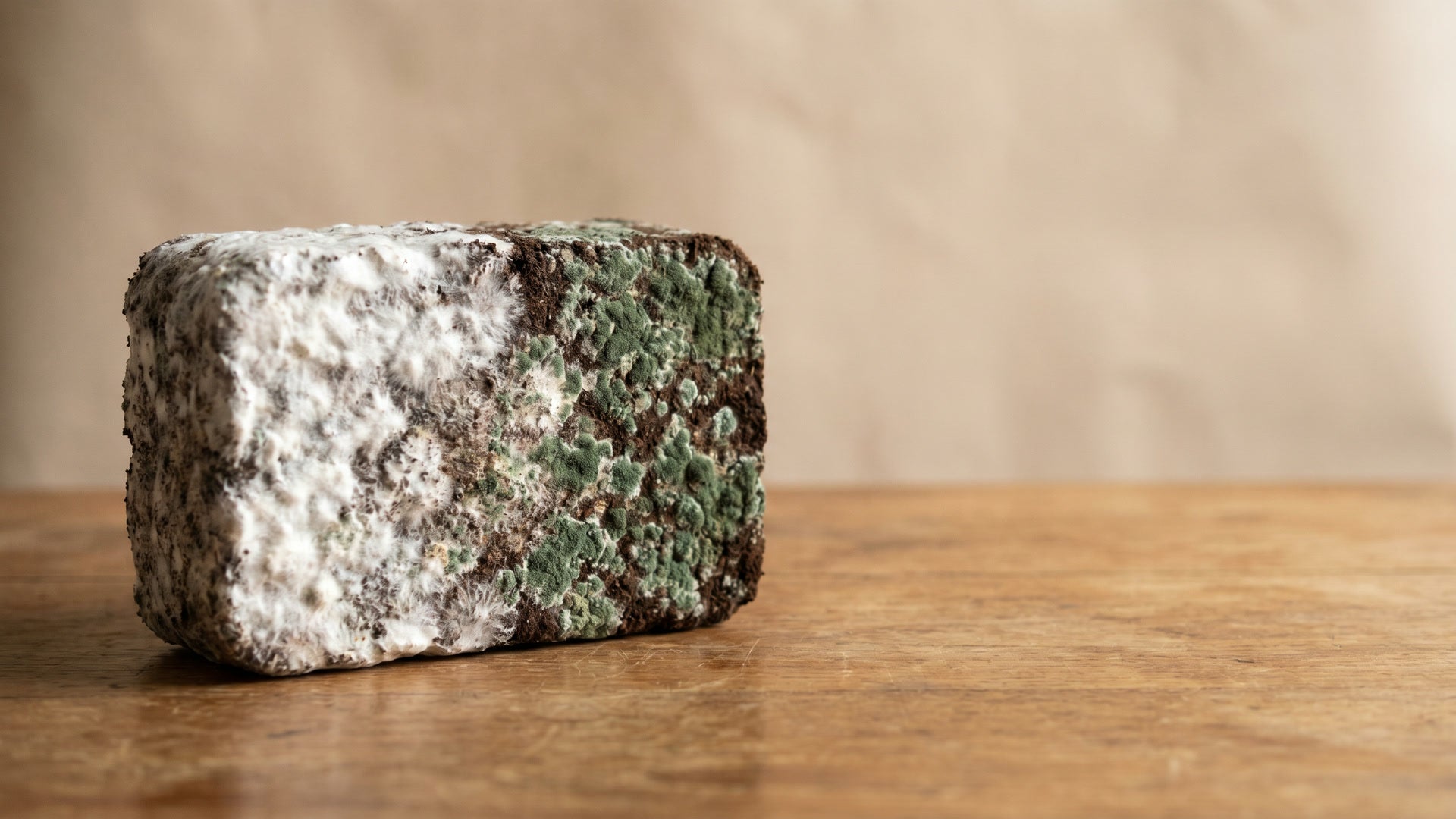
- Contamination risks from competing fungi and bacteria
- Difficulty in precisely controlling environmental conditions
- Initial investment in equipment and materials
- Low success rates, especially for beginners
- Long time frames before potential harvests
Commercial Cultivation Developments
Recent commercial breakthroughs offer insights for home growers:
The Nutrient Bag Technique
Chinese commercial growers have developed a nutrient bag technique that has revolutionized morel cultivation:
- Specialized growing bags filled with nutrient-rich substrate are placed in the growing area
- Mycelium colonizes these bags, accessing readily available nutrients
- When environmental conditions are right, the mycelium fruits from the surrounding soil
- This method significantly increases yields and success rates
Environmental Control Systems
Advanced cultivation operations feature:
- Precise temperature control systems that can create necessary cold periods
- Humidity management through misting and ventilation
- Light spectrum control to mimic natural forest conditions
- Automated monitoring and adjustment systems
Strain Selection
Commercial success increasingly depends on:
- Working with specific morel strains adapted to cultivation
- Selecting strains that fruit more reliably and abundantly
- Understanding the genetic factors that influence cultivation success
Common Questions About Growing Morel Mushrooms
How long does it take to grow morel mushrooms?
Expect at least 2-5 years from initial outdoor inoculation until your first harvest. Indoor cultivation under optimal conditions might produce results in 1-2 years, but success is not guaranteed.
Which morel species are easiest to cultivate?
Morchella importuna, Morchella sextelata, and Morchella rufobrunnea have shown the most promise for cultivation. The landscape morel and yellow morel varieties sold by spawn suppliers are often selected for their cultivation potential.
Do cultivated morels taste the same as wild ones?
Some connoisseurs claim that cultivated morels lack some of the complexity of wild specimens. However, cultivation methods continue to improve, and the convenience of home-grown morels often outweighs subtle flavor differences.
Can I grow morels in any climate?
Morels generally require a cold period to trigger fruiting, making them challenging to grow in regions without winter temperatures. However, indoor cultivation can potentially overcome this limitation through artificial cold periods.
Are morel growing kits worth buying?
Morel growing kits have mixed reviews. Success rates are generally low, and many suppliers cannot guarantee results. Research suppliers thoroughly and approach with realistic expectations.
Is Growing Morels Worth the Effort?
Whether growing morels is worthwhile depends on your perspective:
Potential Benefits
- Satisfaction of cultivating one of the most challenging mushroom species
- Access to fresh morels beyond the brief wild season
- Contribution to the advancement of morel cultivation knowledge
- Potential long-term harvests if successful
- Educational value of the process
Considerations
- High failure rate, especially for beginners
- Long time investment before potential results
- Need for suitable space that remains undisturbed
- Initial financial investment in materials and supplies
- Alternative of foraging wild morels or purchasing dried ones
Conclusion
Can you grow morel mushrooms? Yes, but success requires patience, proper technique, and sometimes a bit of luck. Whether attempting outdoor beds or ambitious indoor cultivation, approaching morel growing as an interesting experiment rather than a guaranteed harvest will help manage expectations.
The field of morel cultivation continues to evolve rapidly, with commercial breakthroughs in China and Denmark showing that consistent cultivation is increasingly possible. For home growers, starting with outdoor methods generally offers the best combination of accessibility and potential success.
If you decide to embark on the morel cultivation journey, document your process, stay connected with the mushroom growing community, and be prepared to adjust your techniques based on results. The satisfaction of harvesting your own homegrown morels, even after years of waiting, can make the effort worthwhile for dedicated mushroom enthusiasts.
Remember that even if your cultivation attempts don't yield an abundance of morels, the knowledge gained and the connection to the fascinating life cycle of these remarkable fungi offer their own rewards. Happy growing!
Share:
How to Clean Morel Mushrooms: Easy Tips for Perfect Results
How to Prepare Morel Mushrooms Perfectly: Easy Steps for Rich Flavor