


Want to harvest fresh, gourmet mushrooms in your own kitchen without complicated equipment or mycology expertise? Mushroom fruiting blocks make home cultivation incredibly simple, delivering restaurant-quality fungi in just days. Whether you're craving nutty Lion's Mane Mushroom Fruiting Block for brain health or vibrant Pink Oyster mushrooms for culinary adventures, block mushroom growing offers the perfect entry point into this rewarding hobby.
Block mushroom cultivation has revolutionized home growing by providing pre-colonized substrate that's ready to fruit immediately. No spore work, no contamination concerns, no months of waiting, just unbox, mist, and watch nature work its magic.

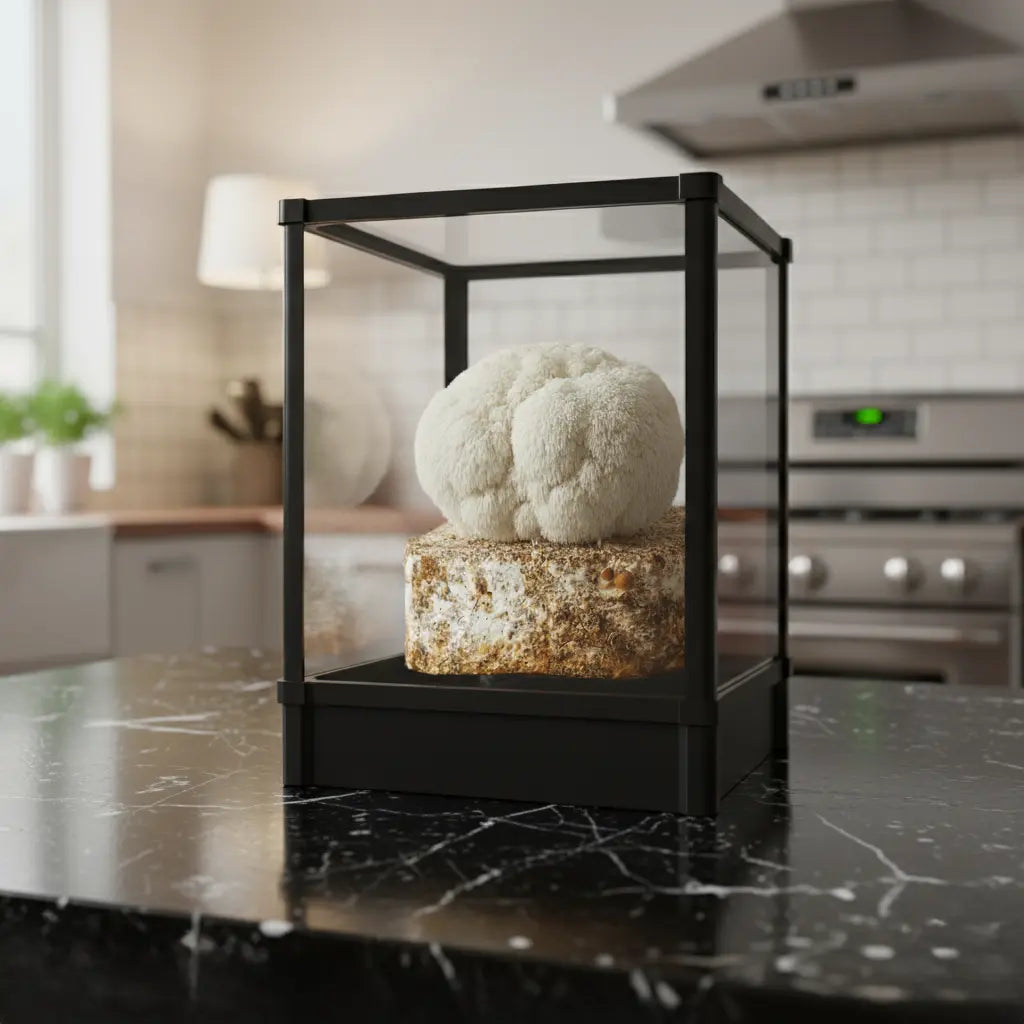
Smart Chamber. Bone White Single
- 2.8L tank, 90% humidity automatic
- App-controlled, plug-and-play
- 6 lb block ceiling, in stock

Smart Chamber. Obsidian Black Single
- Same hardware as Bone White
- Matte black premium finish
- Pairs with any kitchen palette


What Is a Mushroom Block and How Does It Work?
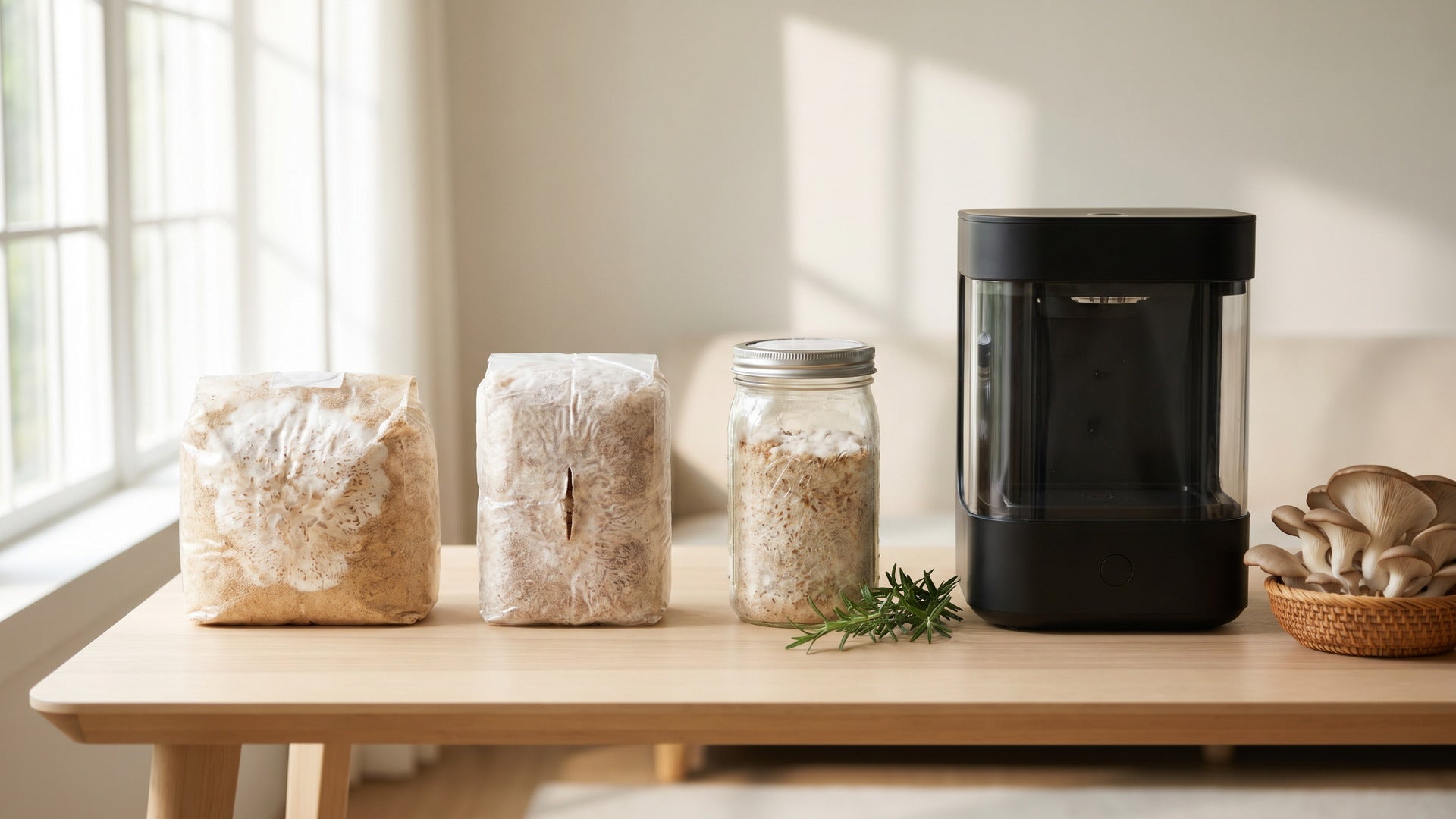
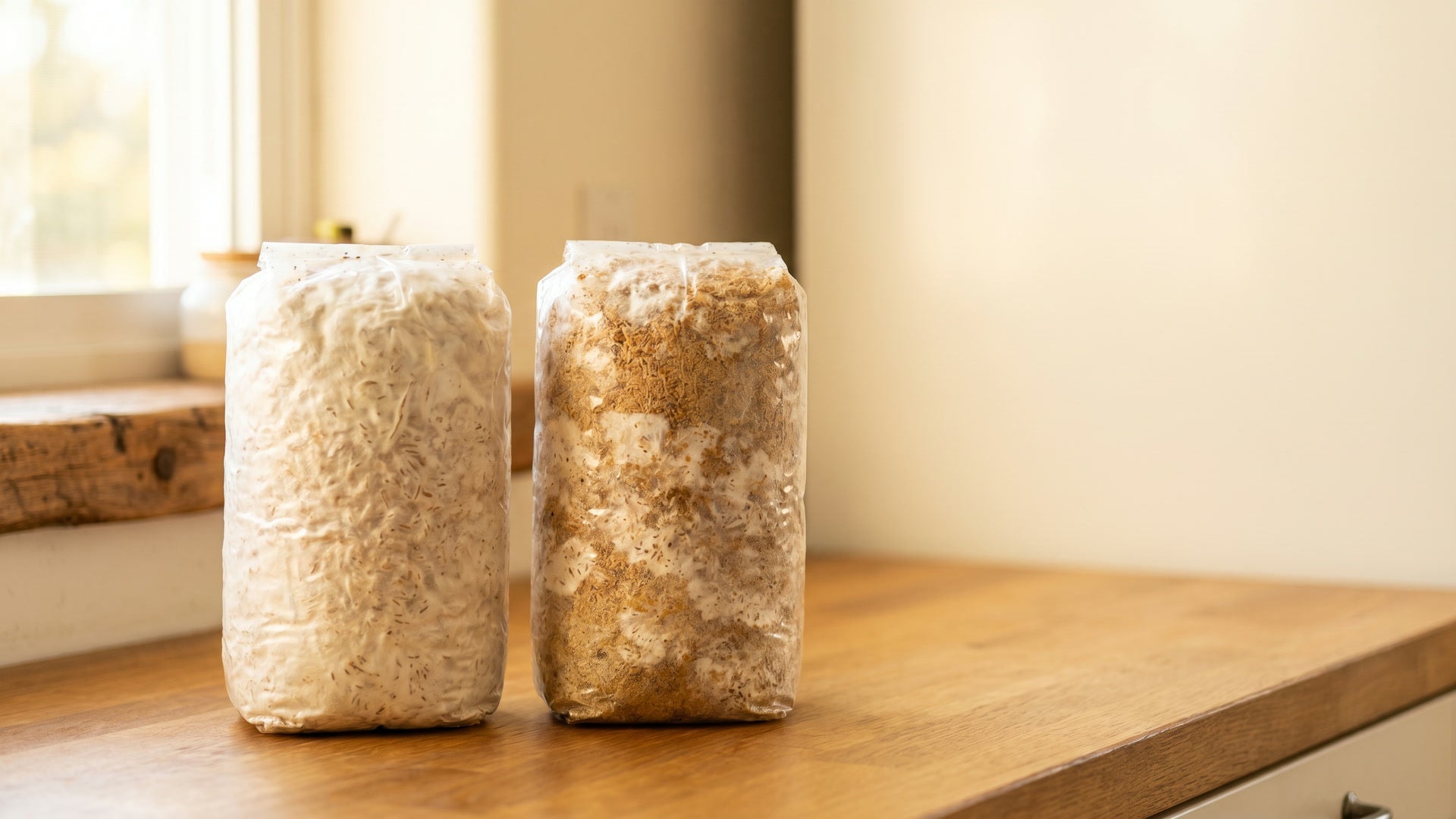
A mushroom block, also called a mushroom fruiting block or grow block, is a compressed substrate packed with fully colonized mushroom mycelium. Think of it as a mushroom "cake" that's already completed the most challenging growing phase and is ready to produce fruiting bodies.
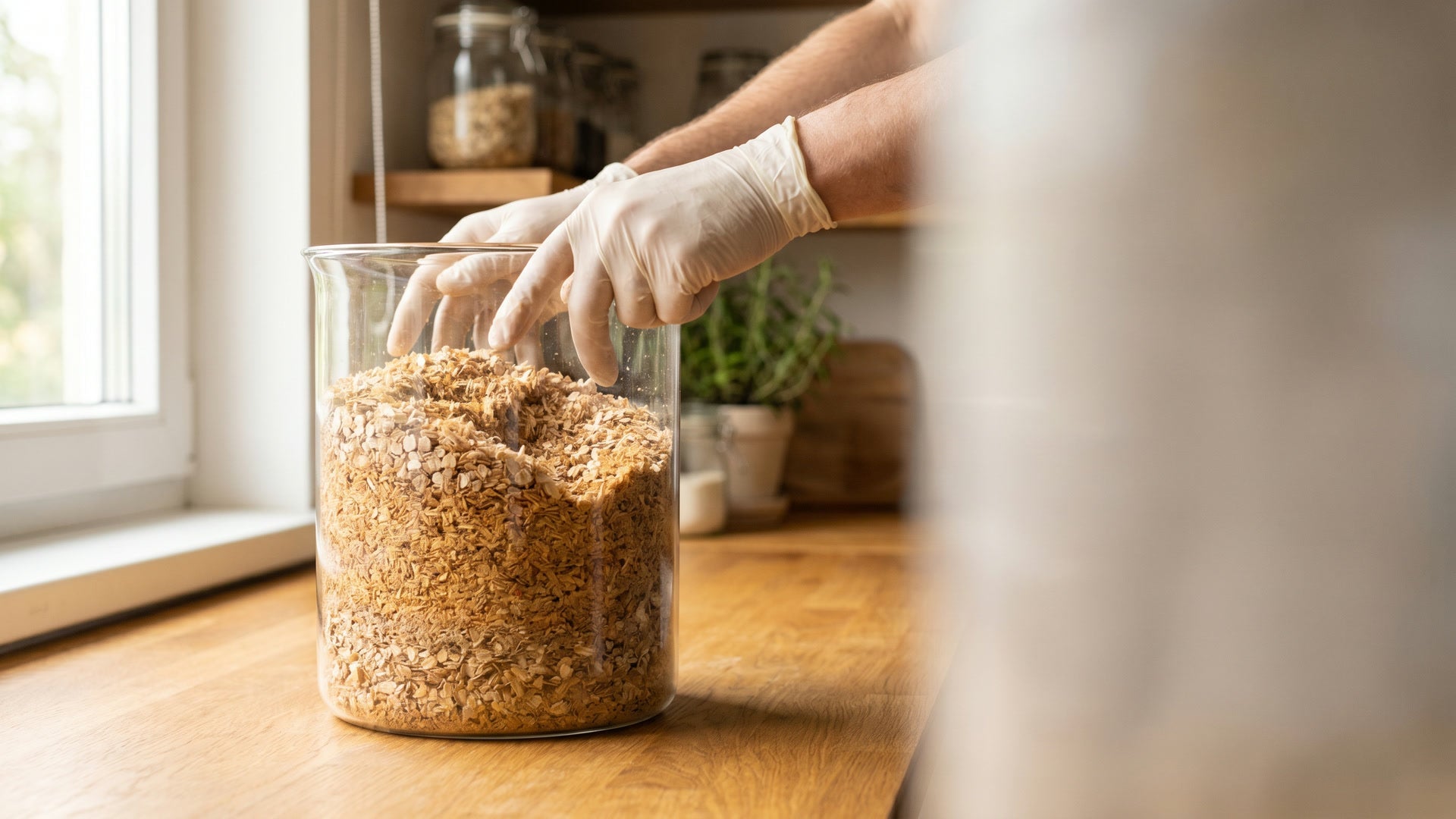
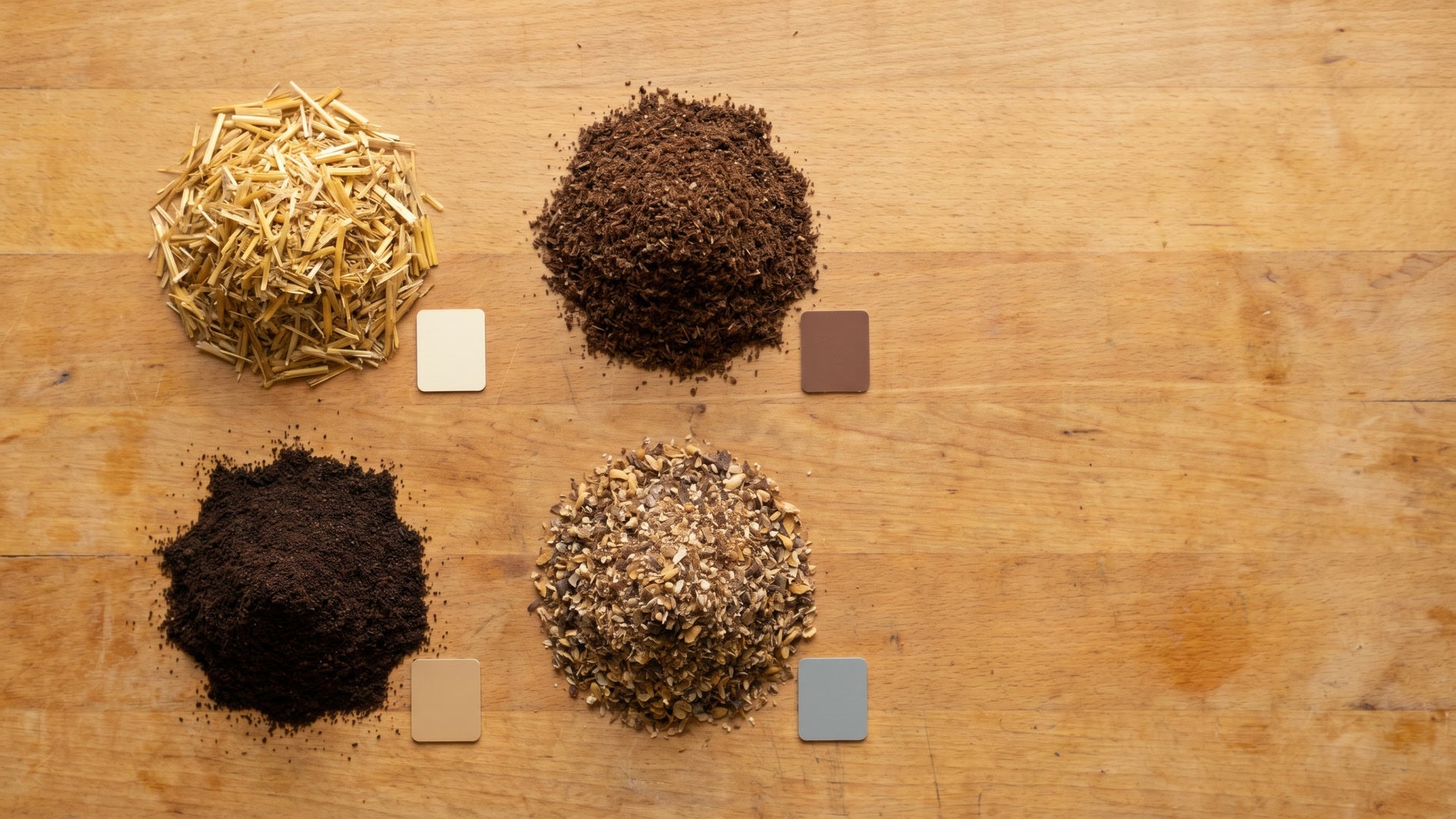
The block typically consists of sterilized hardwood sawdust, grain, and other nutrients that mycelium has completely colonized over several weeks. When you receive your block, it appears as a solid white or slightly colored mass wrapped in plastic. This white coating is healthy mycelium, the vegetative part of the fungus that will soon transform into delicious mushrooms.
Unlike starting from spores or liquid culture, mushroom blocks skip the difficult colonization stage. The mycelium network has already established itself throughout the substrate, meaning you're just days away from your first harvest. As explained in our guide on how long mycelium takes to colonize bags, this colonization process normally takes 2-4 weeks, but with fruiting blocks, that work is already done.
When exposed to fresh air, humidity, and light, the mycelium recognizes fruiting conditions and begins forming mushroom pins. These pins rapidly develop into full-sized mushrooms, ready to harvest in as little as 5-7 days depending on the species.
Types of Mushroom Blocks: Choosing Your Perfect Variety
Different mushroom species require different substrate compositions and growing conditions. Here are the most popular block mushroom varieties for home cultivation:
Oyster Mushroom Blocks
Oyster mushrooms represent the easiest and fastest-growing option for beginners. These versatile fungi come in multiple colors:
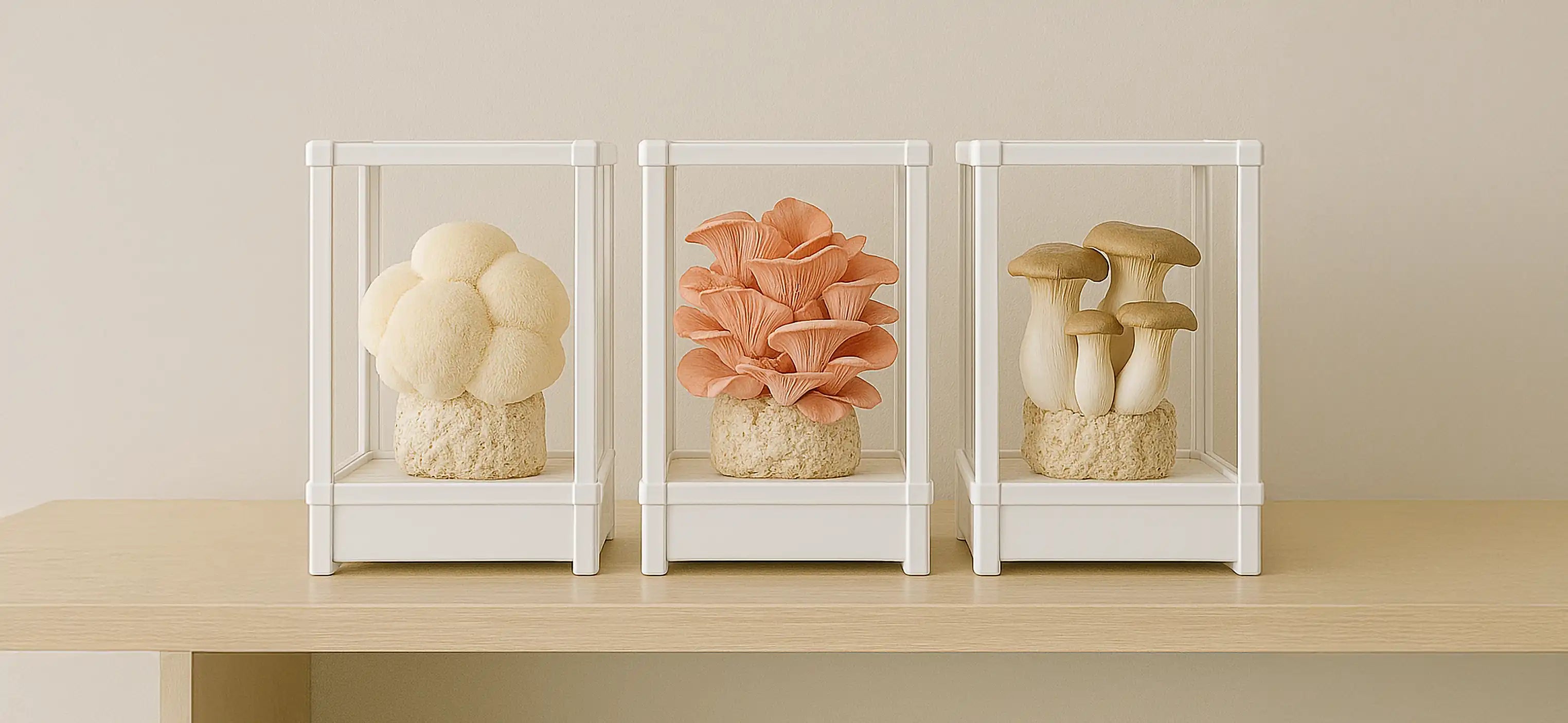
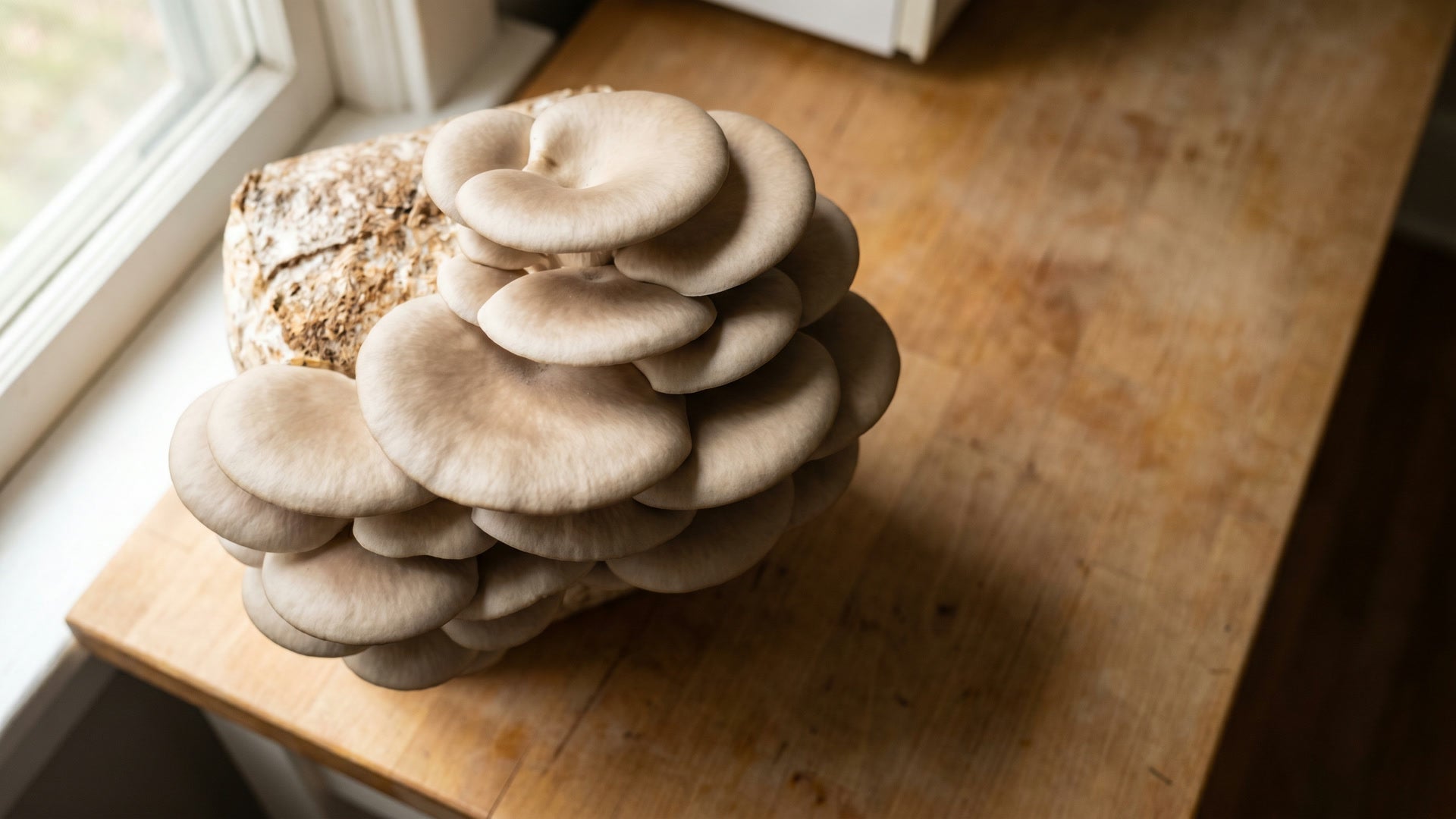
Pink Oyster Blocks produce vibrant coral-colored mushrooms with a delicate seafood flavor. They thrive in warmer temperatures (70-80°F) and fruit rapidly, often producing mushrooms within just 5 days.
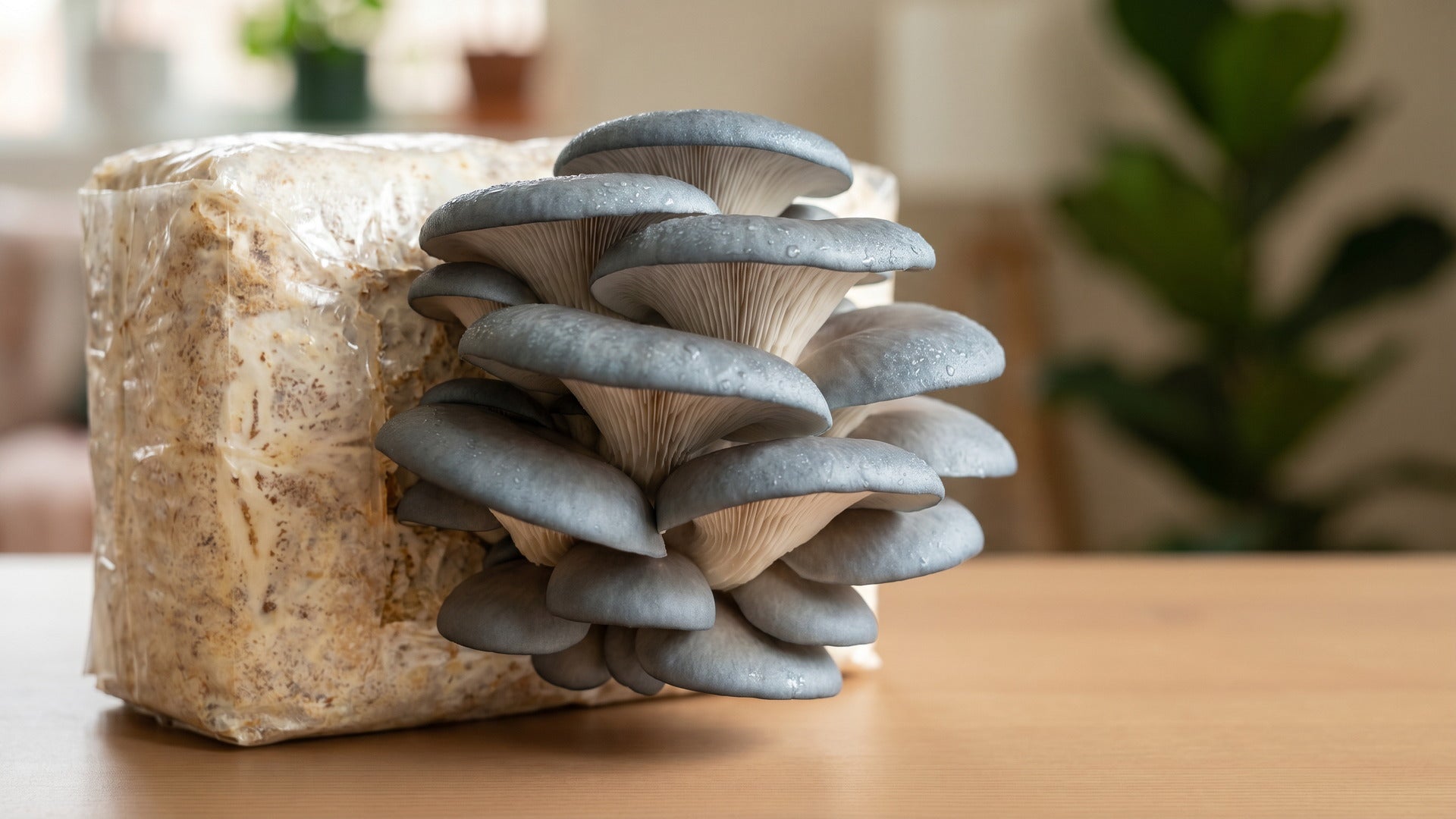
Blue Oyster Blocks offer meaty, substantial mushrooms perfect for stir-fries and soups. They prefer cooler temperatures (55-65°F) and develop beautiful steel-blue caps.
Golden Oyster Blocks create bright yellow clusters with a slightly nutty flavor. These sun-colored beauties need warmth and humidity to produce abundantly.
Oyster mushroom blocks typically yield 1-3 pounds of fresh mushrooms across multiple flushes. Their forgiving nature makes them ideal for learning the basics of block mushroom cultivation.
Lion's Mane Mushroom Blocks
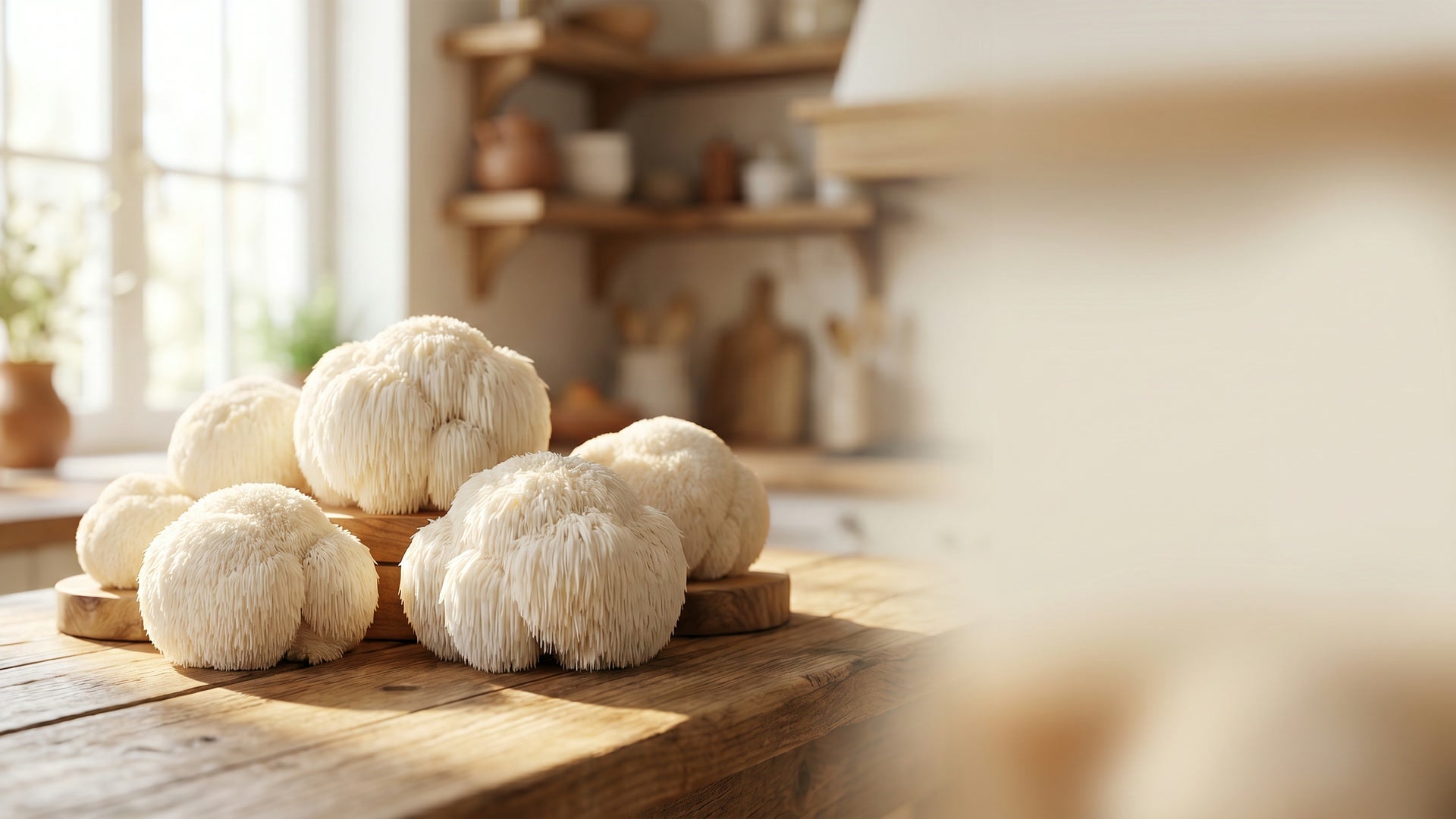
Lion's Mane produces distinctive white, shaggy mushrooms that resemble a lion's mane or pom-pom. These medicinal mushrooms offer cognitive benefits and a seafood-like texture that makes them a chef's favorite.
Lion's Mane blocks require consistent humidity (85-95%) and cooler temperatures (60-70°F). They develop slower than oysters, taking 10-14 days from pinning to harvest. Understanding Lion's Mane mushroom growth stages helps optimize your results.
Shiitake Mushroom Blocks
Shiitake blocks produce the beloved umami-rich mushrooms found in Asian cuisine. These blocks need a "cold shock" treatment, refrigerating the block for 24 hours, to trigger fruiting. Shiitake cultivation requires patience but rewards growers with intense flavor and medicinal properties.

Step-by-Step: How to Use a Mushroom Fruiting Block
Successfully fruiting your block mushroom requires following these proven steps:
Step 1: Unpack and Inspect
Remove your block from the box and examine it carefully. Healthy blocks appear uniformly white or show the species-specific coloring (orange-toned for some varieties). Any green, black, or unusual colors indicate contamination, contact your supplier immediately.
Check that the block feels firm and dense. Soft spots or unusual odors suggest problems. Most blocks arrive in sealed plastic bags with a filtered patch that allowed the mycelium to breathe during colonization.
Step 2: Create Fruiting Conditions
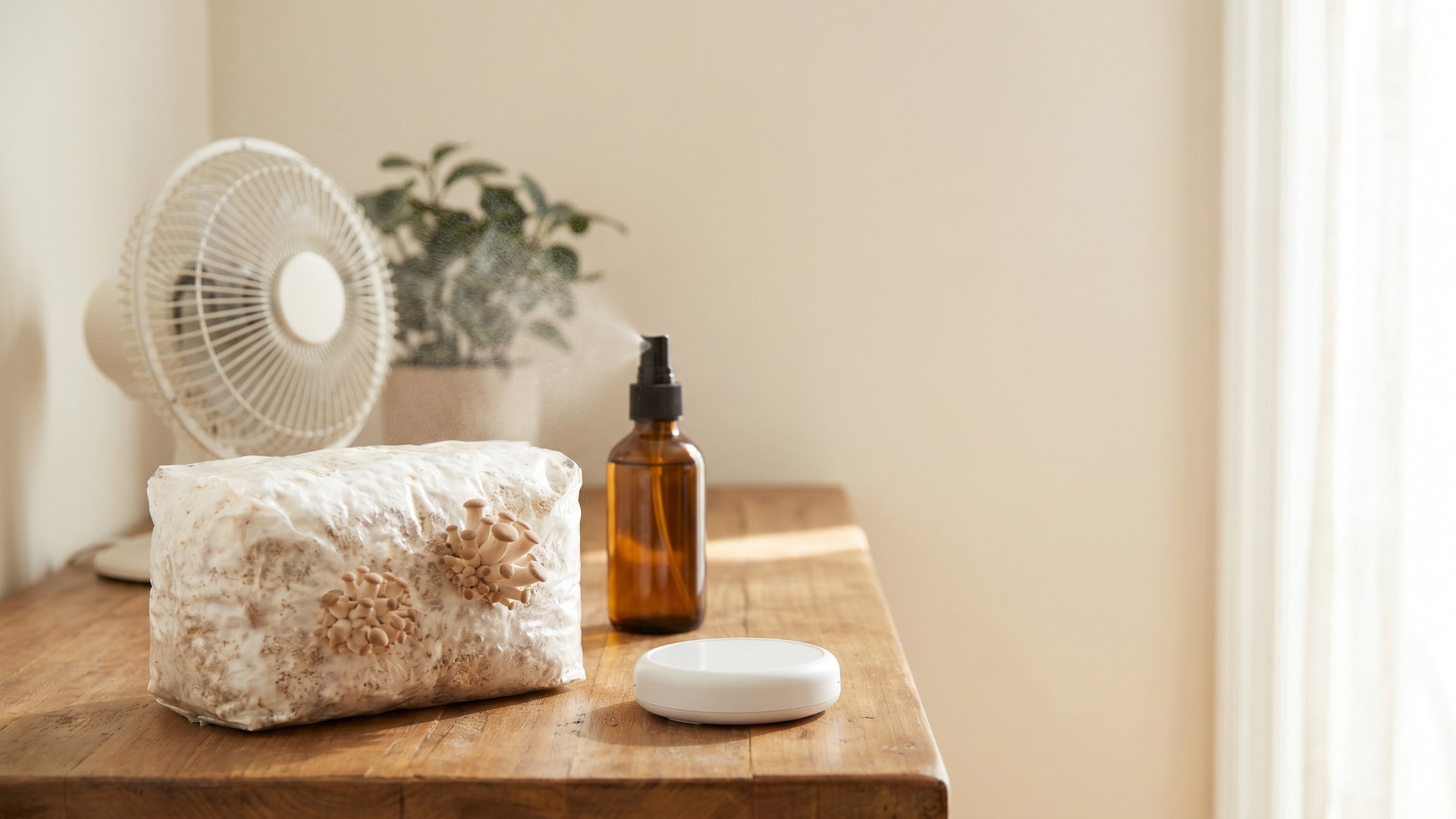
Cut an X-shaped opening in the plastic bag (about 4-6 inches across) on one or more sides of the block. Some growers cut multiple openings to maximize yield. The exposed substrate will produce mushrooms through these cuts.
Place your block in a humidity tent, fruiting chamber, or automated environment like the Smart Mushroom Grow Kit. The chamber should maintain 80-95% humidity and provide fresh air exchange.
Step 3: Maintain Proper Environment
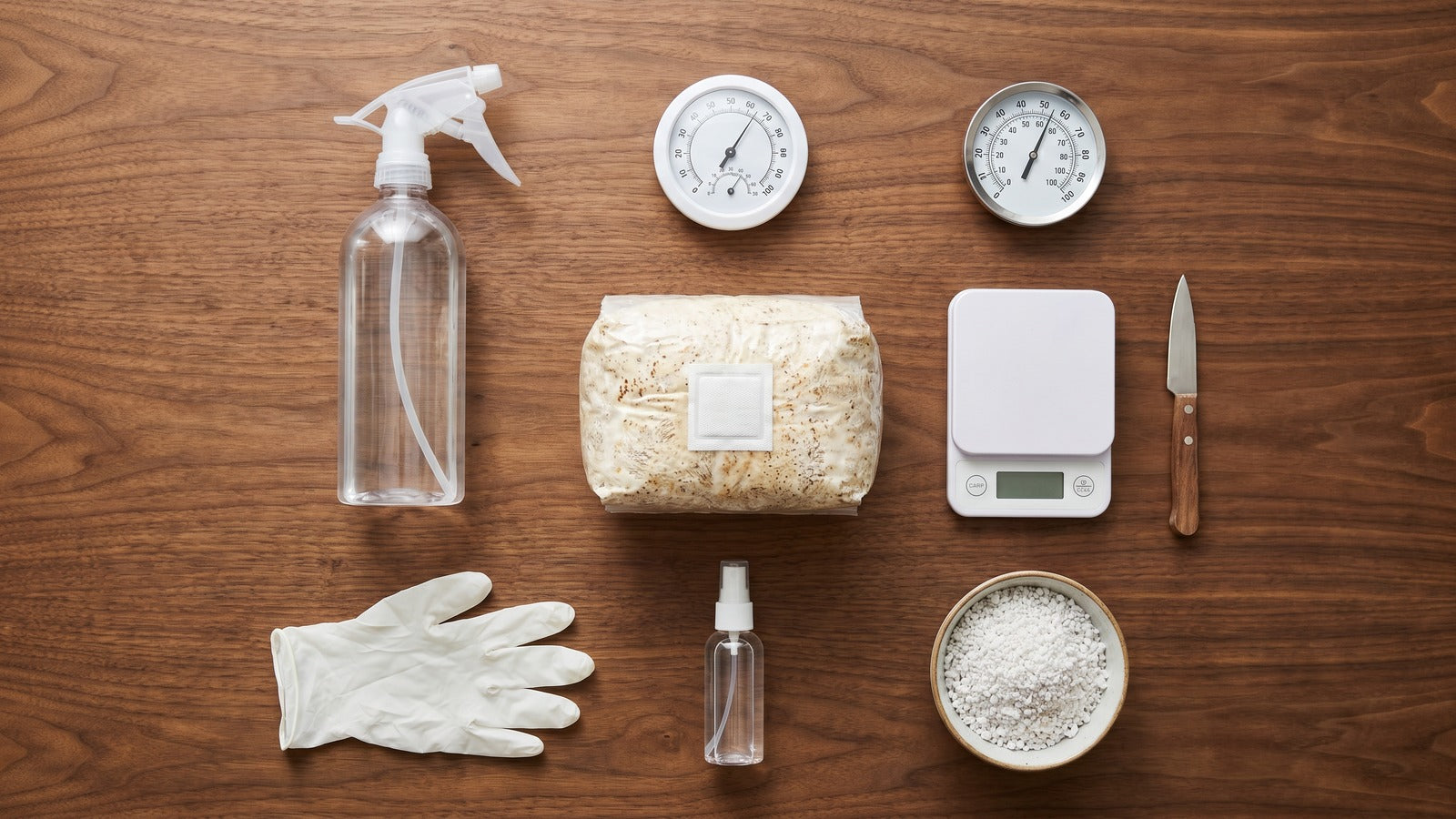
Mist the exposed surface 2-3 times daily with clean water. The surface should appear moist but not waterlogged. Avoid spraying directly on forming mushrooms, mist the walls of your chamber instead.
Provide indirect light for 12 hours daily. A nearby window or standard room lighting works perfectly. Most mushrooms don't need intense light, just a light/dark cycle to trigger proper formation.
Ensure fresh air exchange by fanning the block 2-3 times daily or using a chamber with automated airflow. Stagnant air causes long, spindly stems and small caps.
Step 4: Watch for Pinning
Within 3-7 days, you'll notice tiny mushroom pins forming on the exposed surface. These look like small bumps or buttons and represent baby mushrooms beginning to develop.
Pins indicate your environmental conditions are correct. Continue misting and fanning consistently. Inconsistent care during this phase can abort pins before they develop into full mushrooms.
Step 5: Harvest at Peak Maturity
Mushrooms grow rapidly once pinning occurs. Oyster mushrooms may be ready in just 3-5 days, while Lion's Mane takes 7-10 days to develop fully.
Harvest mushrooms just before or as the caps begin to flatten out. For oysters, this means harvesting when caps are still slightly cupped. For Lion's Mane, harvest when the spines are white and beginning to elongate but before they turn yellowish.
Twist and pull the entire cluster from the block, or cut with a clean knife at the base. Remove all mushroom tissue to prevent rotting, which could contaminate subsequent flushes.
Step 6: Prepare for Second Flush
After harvesting, rest the block for 7-10 days with minimal misting. This "rest period" allows the mycelium to recover and redirect energy toward producing another flush.
Some growers refrigerate blocks for 12-24 hours or submerge them in cold water overnight to shock them into producing again. Resume regular misting and fanning, and you should see new pins within a week.
Most blocks produce 2-4 flushes before nutrients deplete. Each successive flush typically yields fewer mushrooms, but some growers successfully fruit blocks 5-6 times with proper care.
Maximizing Your Mushroom Block Yield
Getting the most from your block mushroom investment requires attention to several key factors:
Humidity Is Everything
Mushrooms are 90% water, so inadequate humidity causes small, deformed fruits. Invest in a hygrometer to monitor conditions. Most species need 85-95% relative humidity during fruiting.
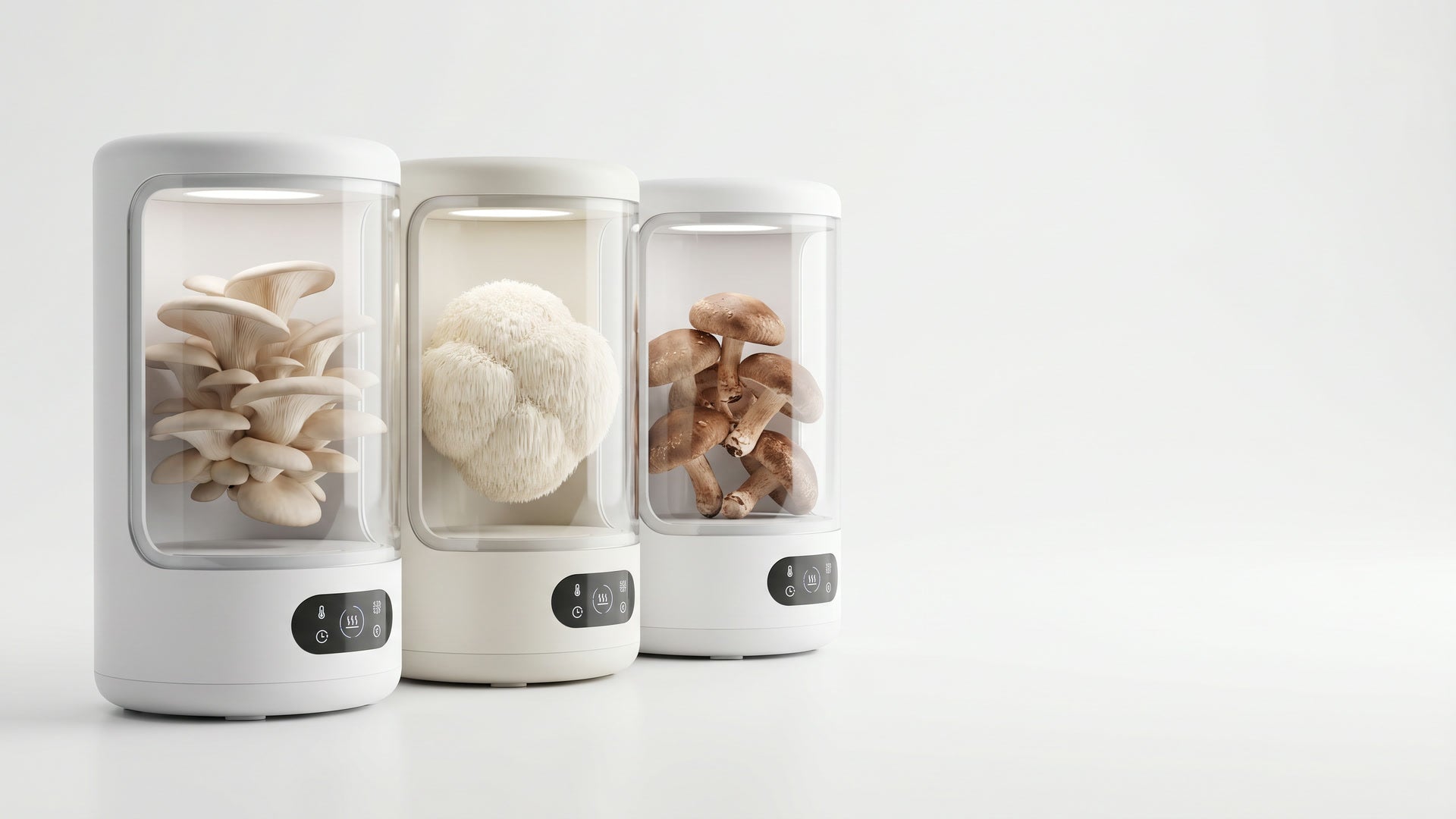
If you're struggling to maintain humidity with manual misting, consider an automated solution. The Lykyn Smart Mushroom Grow Chamber maintains perfect humidity automatically through its integrated humidifier and sensors, eliminating the guesswork and inconsistency of manual methods.
Fresh Air Exchange Prevents Problems
While mushrooms need high humidity, they also require fresh air. In nature, mushrooms grow in open environments with constant air movement. Stagnant, CO2-rich air causes "fuzzy feet" (excessive stem fuzz), elongated stems, and reduced yields.
Fan your growing area 2-3 times daily, or use a chamber with built-in airflow. Opening your tent or chamber for 30 seconds while fanning provides adequate fresh air exchange.
Temperature Matching Matters
Each species has an optimal temperature range. Growing mushrooms outside their preferred range stresses the mycelium and reduces productivity. Check your species requirements and adjust your growing location accordingly.
Oyster varieties tolerate a wide range but have species-specific preferences. Lion's Mane prefers cooler conditions. If you can't control temperature precisely, choose mushroom varieties suited to your natural environment.
Substrate Quality Determines Success
Not all mushroom blocks are created equal. High-quality blocks use premium hardwood sawdust, proper supplementation, and thorough sterilization. They arrive fully colonized without contamination.
Budget blocks may use inferior materials or incomplete colonization, leading to poor yields and contamination problems. Starting with quality blocks from reputable suppliers sets you up for success. Learn more about mushroom grow bag yields to understand expected production.
Fuel Your Mushroom Journey
Smart Mushroom Grow Chamber
Plug-and-play smart chamber with humidity, light, and airflow dialed in for every species. Beginners harvest their first flush in days, not months.
Add to cart $299
Troubleshooting Common Mushroom Block Problems
Even experienced growers encounter challenges. Here's how to solve the most common block mushroom issues:
Block Won't Pin
If your block shows no mushroom development after 10-14 days, check these factors:
Temperature may be too warm or too cold for your species. Verify you're within the optimal range. Some species need a temperature drop to trigger fruiting, try moving the block to a cooler location for 24-48 hours.
Insufficient fresh air exchange often prevents pinning. Increase fanning frequency or improve ventilation. The block may need a "shock" treatment. For shiitake and some other species, submerging the block in cold water for 4-12 hours can trigger fruiting.
Mushrooms Growing Slowly or Staying Small
Slow, stunted growth usually indicates environmental stress. Low humidity is the most common culprit, mushrooms need consistent moisture to expand their cells rapidly. Increase misting frequency and ensure your chamber holds humidity well.
Insufficient fresh air causes elongated, thin stems as the mushrooms stretch toward oxygen. Fan more frequently and consider leaving your chamber open longer during fanning sessions.
Depleted substrate nutrients may also limit growth on later flushes. If you're on the third or fourth flush, smaller mushrooms are normal. The mycelium has consumed most available nutrients.
Contamination Appears on Block
Contamination manifests as unusual colors, green, black, pink, or other non-white areas. While some mushroom species naturally show color changes (pinkish or yellowish tones are normal for Lion's Mane blocks, for example), true contamination spreads rapidly.
If contamination appears in isolated spots covering less than 10% of the block, you may be able to salvage it. Spray the affected area with 3% hydrogen peroxide and increase fresh air exchange. Monitor closely.
Widespread contamination (more than 20% of block surface) typically requires disposal. The competing organisms outcompete mushroom mycelium and can produce harmful spores. Wrap the block in plastic and discard it in your outdoor trash.
Prevent contamination by maintaining clean growing conditions, using filtered water for misting, and ensuring good air circulation. Our guide on preventing mycelium contamination offers detailed strategies.
Mushrooms Develop Fuzzy Stems
Excessive fuzziness at the base of mushroom stems indicates insufficient fresh air exchange. This white, cottony growth is actually mycelium trying to "reach out" for oxygen. While it doesn't harm the mushrooms, it indicates suboptimal conditions.
Increase fanning frequency to 4-5 times daily, or leave your chamber open for longer periods. The mushrooms remain edible and delicious, just trim the fuzzy parts before cooking.
Block Mushroom Growing vs. Alternative Methods
Understanding how block mushroom cultivation compares to other methods helps you choose the best approach:
Mushroom Blocks vs. Spore Syringes
Starting from spores requires significantly more expertise, time, and equipment. You must create sterile agar cultures, transfer to grain spawn, then colonize bulk substrate, a process taking 6-8 weeks before fruiting.
Blocks eliminate this complexity entirely. You receive a fully colonized substrate ready to fruit in days rather than weeks. For beginners, blocks offer immediate gratification without the steep learning curve of working with spores. If you're curious about advanced techniques, our guide on how to grow mushrooms from spores covers the complete process.
Mushroom Blocks vs. Liquid Culture
Liquid culture speeds up the colonization process compared to spores but still requires grain spawn production and substrate preparation. You'll need pressure cookers, sterile technique, and patience for the mycelium to colonize your substrate.
Blocks bypass all this work. They're ideal for growers who want results without investing in extensive equipment or learning advanced cultivation techniques. However, liquid culture allows you to produce unlimited blocks from a single culture, making it more economical for serious cultivators.
Mushroom Blocks vs. Ready-to-Fruit Kits
Some mushroom kits come as small containers with pre-colonized substrate and built-in humidity tents. These offer simplicity similar to blocks but typically yield smaller harvests (8-16 ounces vs. 1-3 pounds for full-sized blocks).
Full-sized blocks provide better value per pound of mushrooms produced. They also allow more control over growing conditions if you use them with a proper fruiting chamber. The trade-off is that small kits require less space and include everything needed in one package.
Reusing and Disposing of Spent Mushroom Blocks
After your block stops producing mushrooms, it still has value. Here are sustainable ways to use spent blocks:
Garden Amendment
Spent mushroom substrate makes excellent garden mulch and soil amendment. Break up the block and mix it into garden beds or compost piles. The remaining mycelium and partially decomposed wood add beneficial microbes and slow-release nutrients to soil.
Many vegetables thrive with mushroom substrate amendment, particularly heavy feeders like tomatoes, peppers, and brassicas. Apply 1-2 inches of broken-up block around plant bases.
Animal Bedding
Chickens, rabbits, and other small animals benefit from spent mushroom substrate as bedding. The material absorbs moisture well and adds beneficial microbes to manure for composting. Ensure the substrate is completely spent and shows no active mycelium growth before using as bedding.
Outdoor Mushroom Patches
Bury spent blocks in shaded, moist areas of your yard. Some growers report spontaneous mushroom flushes from buried blocks during rainy periods, especially with oyster varieties that readily fruit outdoors. While not guaranteed, this extends the productive life of your blocks at no additional cost.
Compost Addition
Adding spent blocks to compost piles accelerates decomposition. The remaining mycelium helps break down other organic matter while adding fungal diversity to your finished compost. Mushroom substrate composts beautifully and disappears within 2-3 months in active piles.
Frequently Asked Questions About Block Mushroom Growing
How long does a mushroom block last before fruiting?
Quality mushroom blocks begin pinning within 3-7 days after exposing them to fruiting conditions (fresh air, humidity, and light). Oyster mushrooms typically pin fastest (3-5 days), while Lion's Mane and shiitake may take 7-10 days for first pins to appear.
If your block doesn't pin within 14 days despite proper environmental conditions, it may need a fruiting trigger like cold shocking or dunking in cold water overnight. Some species are naturally slower to fruit but will produce abundantly once they start.
How many times can you harvest from a mushroom block?
Most mushroom blocks produce 2-4 productive flushes before nutrient depletion. The first flush typically yields the most mushrooms, with subsequent flushes producing 40-60% less each time. Some growers successfully fruit blocks 5-6 times, though later flushes yield smaller mushrooms.
Total yield varies by species and block size. A standard 5-pound fruiting block typically produces 1-3 pounds of fresh mushrooms across all flushes combined. Oyster mushrooms tend to produce higher yields than Lion's Mane or shiitake.
Can you store mushroom blocks before fruiting them?
Yes, mushroom blocks can be stored before initiating fruiting. Keep unopened blocks in their sealed bags in a cool location (55-65°F) with the filter patch exposed to air. Most blocks remain viable for 2-4 weeks in storage, though starting them immediately produces best results.
Avoid storing blocks in hot conditions or direct sunlight, which can damage the mycelium. If you need longer storage, refrigerate blocks at 35-40°F, which can extend viability to 6-8 weeks. Some mushroom species tolerate storage better than others, oysters are most forgiving, while Lion's Mane deteriorates faster.
What's the best environment for growing mushroom blocks?
The ideal environment maintains 80-95% relative humidity, temperatures appropriate for your species (typically 60-75°F), indirect light for 12 hours daily, and fresh air exchange 2-3 times daily. Most growers use a fruiting chamber (a plastic tub with holes drilled for air exchange) or an automated smart mushroom growing system that controls all parameters automatically.
Place your growing setup away from direct sunlight, heating vents, or drafty windows. A bathroom, basement corner, or unused closet often provides stable conditions. Avoid areas with temperature fluctuations or extremely dry air.
Why are my mushroom block mushrooms growing with long stems?
Long, thin stems with small caps indicate insufficient fresh air exchange. Mushrooms stretch toward oxygen when growing in stagnant, CO2-rich environments. Increase fanning frequency to 4-5 times daily, or leave your chamber open longer during fanning sessions.
While elongated mushrooms remain edible and flavorful, they provide less yield per flush since most of the growth went to stem rather than cap development. Proper air exchange produces mushrooms with thick, short stems and well-developed caps.
Summary Box (Featured Snippet Optimization)
What is block mushroom growing? Mushroom fruiting blocks are pre-colonized substrates ready to produce fresh mushrooms in 5-7 days. They eliminate complex cultivation steps by providing fully established mycelium that just needs proper humidity, fresh air, and light to fruit. Most blocks yield 1-3 pounds of mushrooms across 2-4 flushes, making them the easiest method for home cultivation.
Ready to Start Growing Your Own Fresh Mushrooms?
Block mushroom cultivation offers the perfect combination of simplicity, speed, and satisfying results. Whether you choose vibrant Pink Oyster mushrooms for eye-catching dishes or cognitive-boosting Lion's Mane blocks, you're just days away from harvesting restaurant-quality fungi in your own kitchen.
For the ultimate hassle-free experience, pair your mushroom blocks with the Lykyn Smart Mushroom Grow Kit, which automatically maintains perfect humidity, temperature, and airflow without any guesswork. Simply place your block inside, select your mushroom species in the app, and watch as your chamber creates ideal growing conditions automatically.
Stop buying overpriced, days-old mushrooms from the grocery store. Start growing your own fresh, nutritious fungi at home today. Explore our complete selection of mushroom fruiting blocks and growing equipment, and join thousands of home growers discovering the joy of cultivating their own gourmet mushrooms.
Ready to grow? Visit lykyn.com to start your mushroom growing journey today, and check out our comprehensive mushroom growing kits review to find the perfect setup for your needs!
Share:
Do Mushrooms Really Have an Expiration Date? Everything You Need to Know
Your Complete Guide to Identifying, Foraging, and Cooking Chanterelle Mushrooms