


Here's the thing about mushroom risotto, it sounds fancy, but it's actually one of those dishes that's way easier than people think. I've watched friends stress about making risotto like they're attempting some Michelin-star wizardry, when really? It's just rice, broth, and patience.
The secret nobody tells you is that risotto is forgiving. Sure, you need to stir it. Yes, you'll be standing at the stove for 25 minutes. But mess it up? Pretty hard to do if you follow the basic rules. I learned this recipe from an Italian grandmother in Piedmont who made it look effortless, and after making it probably a hundred times since then, I can tell you: you've got this.

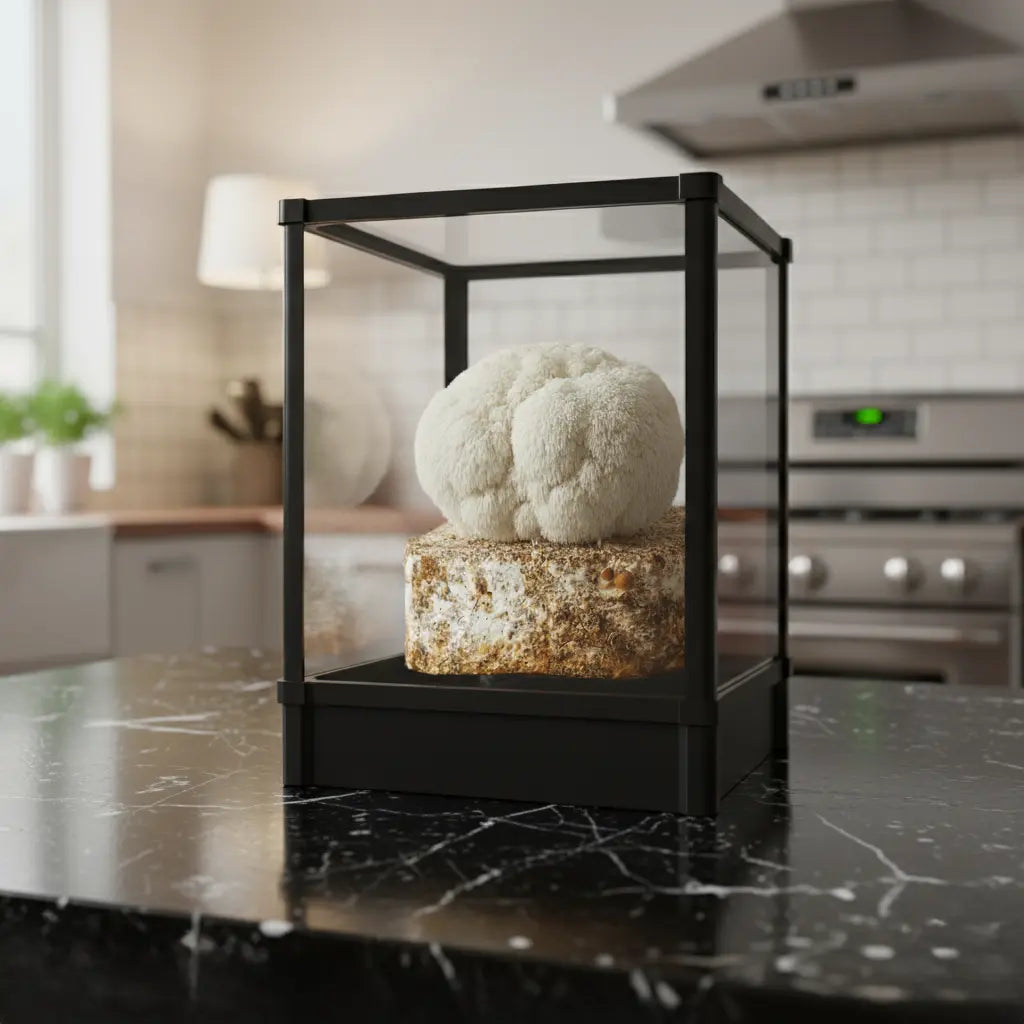
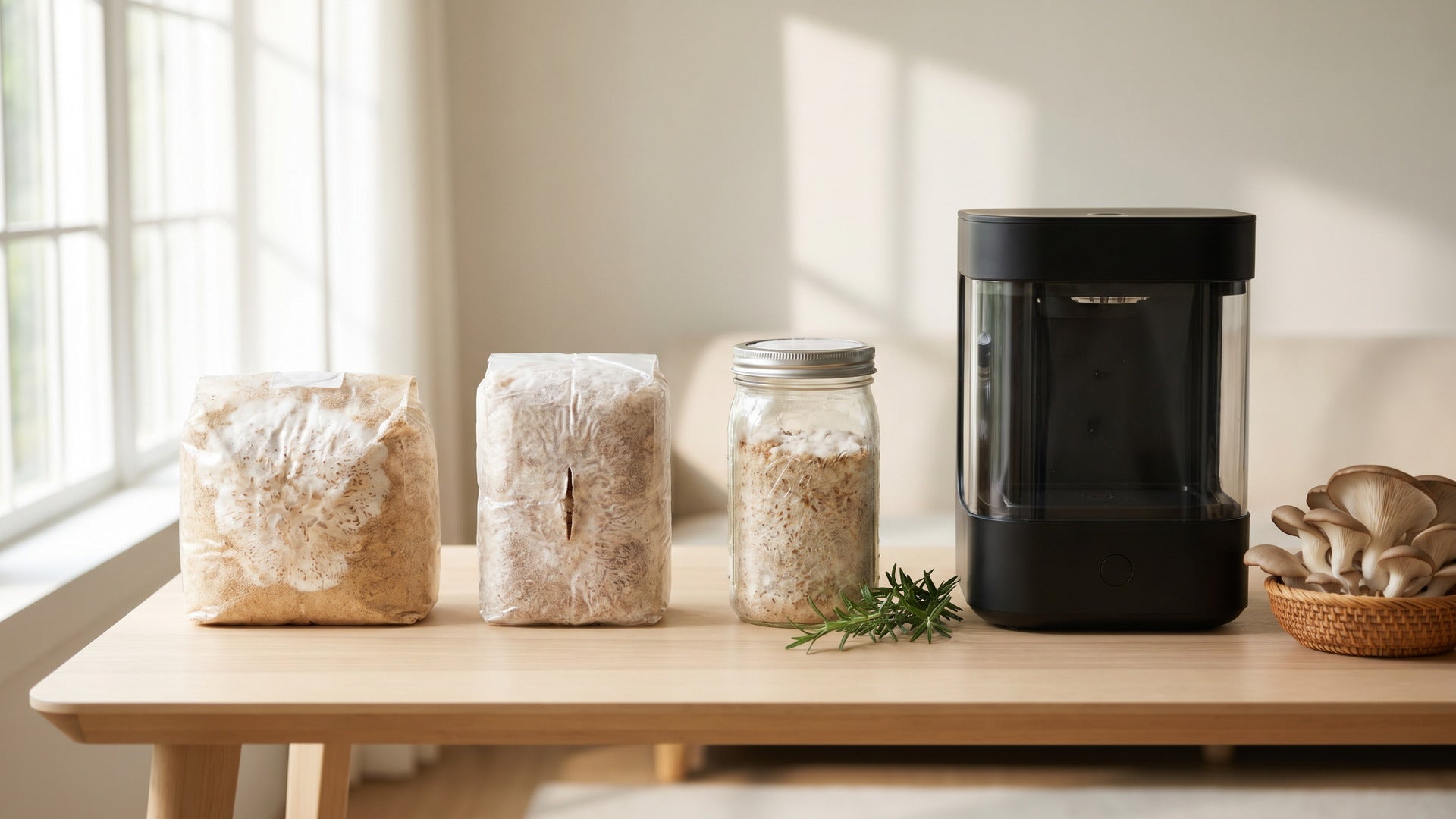
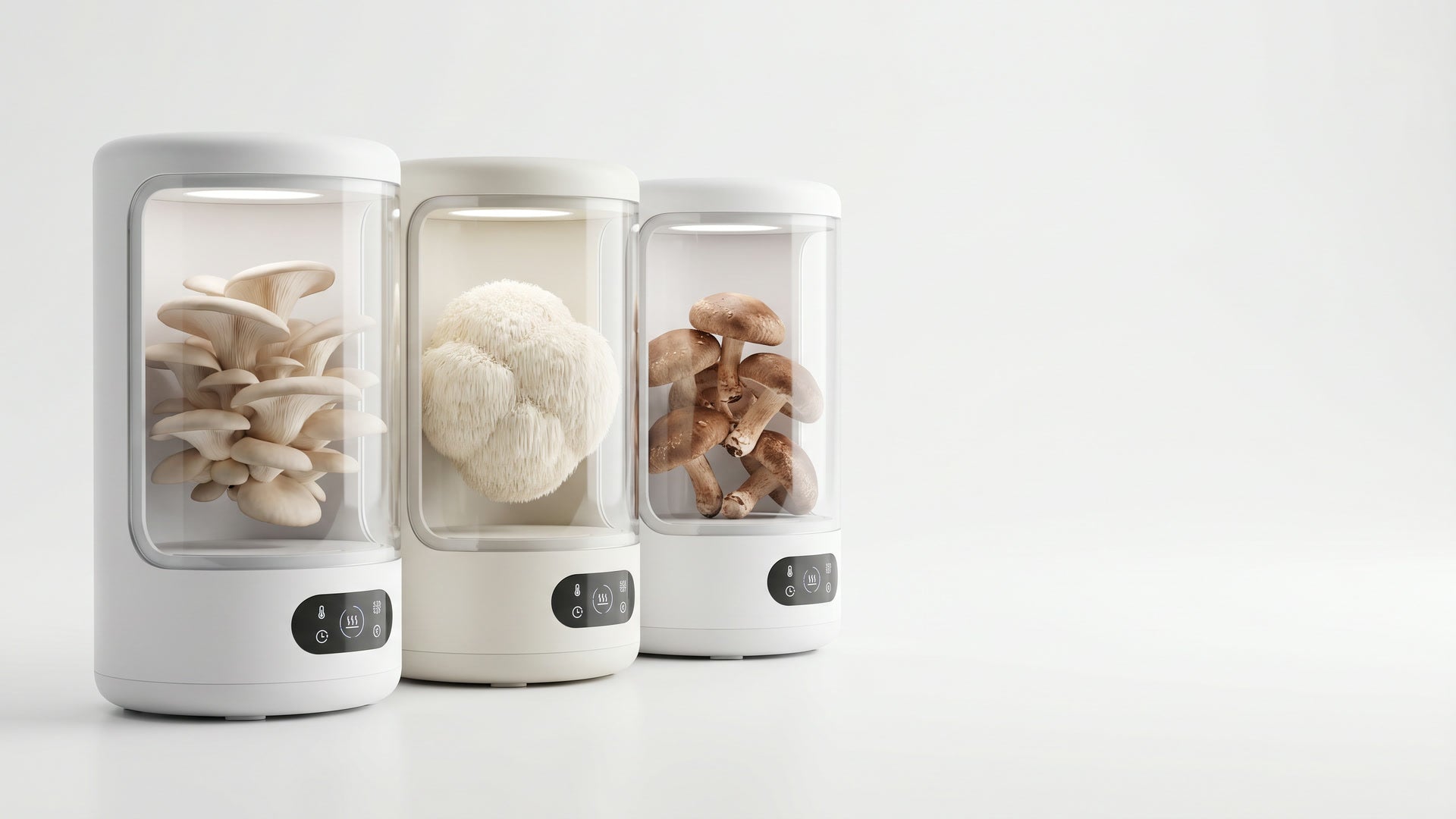
Smart Chamber. Bone White Single
- 2.8L tank, 90% humidity automatic
- App-controlled, plug-and-play
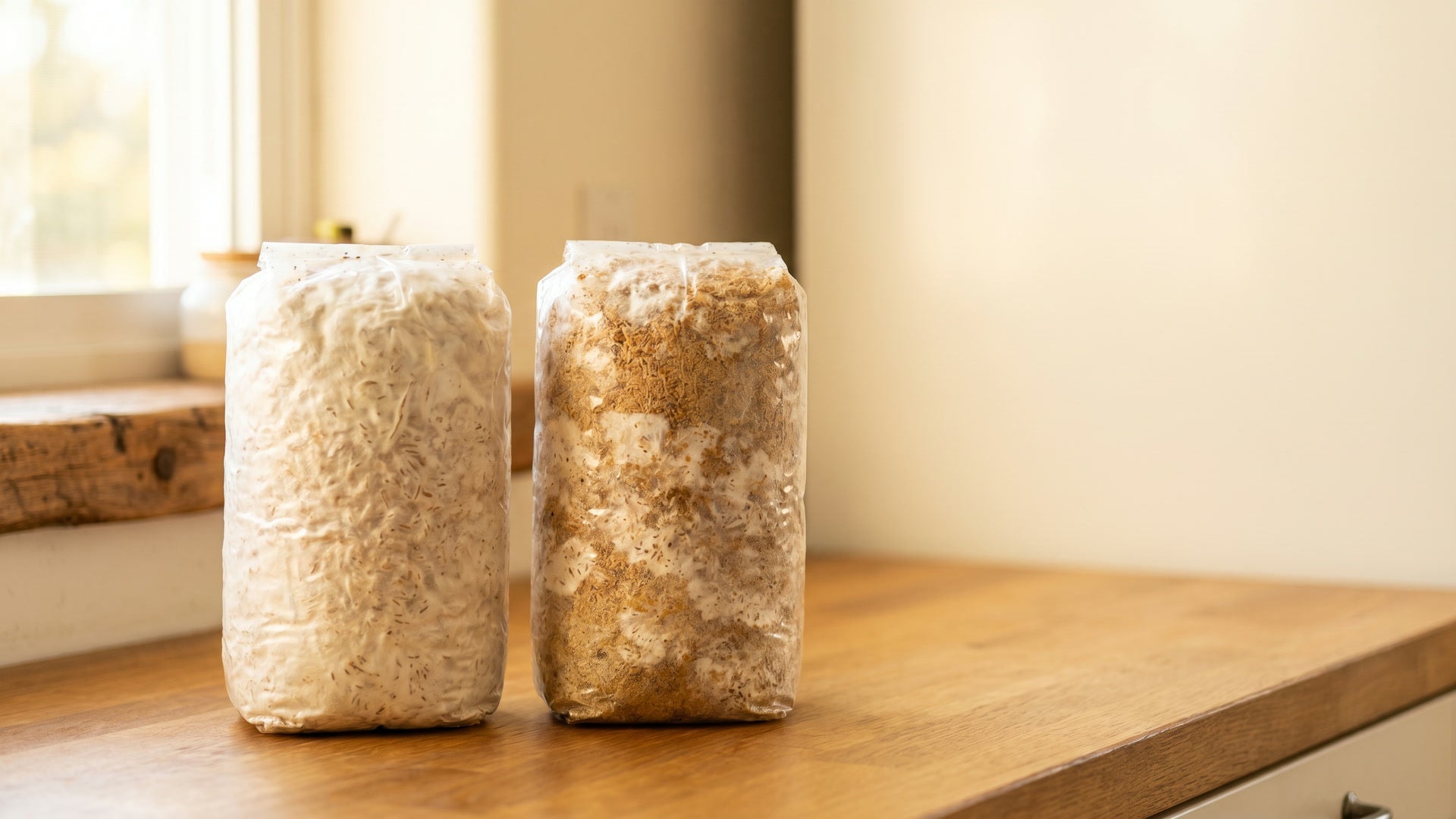
- 6 lb block ceiling, in stock

Smart Chamber. Obsidian Black Single
- Same hardware as Bone White
- Matte black premium finish
- Pairs with any kitchen palette

What makes mushroom risotto special is how the earthy, umami-rich mushrooms play with the creamy rice. It's comfort food that feels elevated. And if you're growing your own mushrooms at home (more on that later), the flavor difference is legitimous. Fresh-picked oyster or shiitake mushrooms bring a depth that grocery store button mushrooms just can't touch.
Let me walk you through exactly how to nail this every single time.
What Makes Risotto Actually Creamy (Without Cream)
The magic of risotto is all about the rice. Arborio, carnaroli, or vialone nano, these short-grain Italian rice varieties are packed with starch. When you add hot liquid gradually and stir constantly, that starch releases into the liquid, creating a naturally creamy, almost sauce-like consistency.
No heavy cream needed. Just rice doing what it does best.
The Science Bit: Arborio rice has high amylopectin content (a type of starch) that dissolves into liquid when agitated. This is why stirring matters, you're literally massaging starch out of each grain. The result is that signature velvety texture where the rice is suspended in its own creamy liquid.
Why Fresh Mushrooms Matter
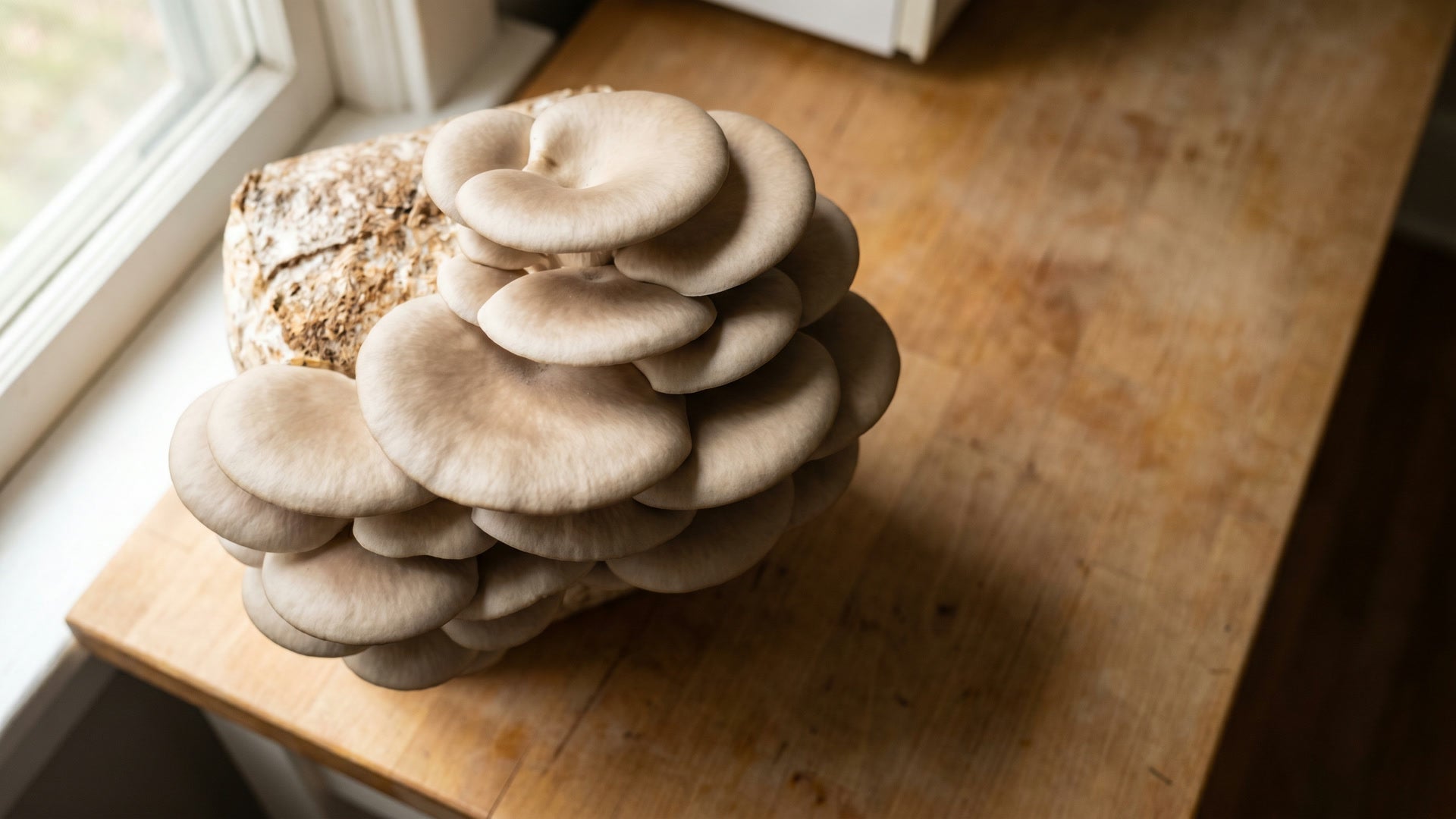
Listen, you can absolutely make this with button mushrooms from the store. But if you want restaurant-quality results, fresh specialty mushrooms are where it's at. I'm talking oyster mushrooms, shiitake, lion's mane, or even pioppino mushrooms if you can find them.
Growing your own gives you next-level freshness. Mushrooms start losing flavor and texture the moment they're harvested. Store-bought mushrooms might sit for 3-7 days before hitting your kitchen. Home-grown? Pick them 30 minutes before cooking. The difference is dramatic, firmer texture, earthier flavor, zero slime factor.
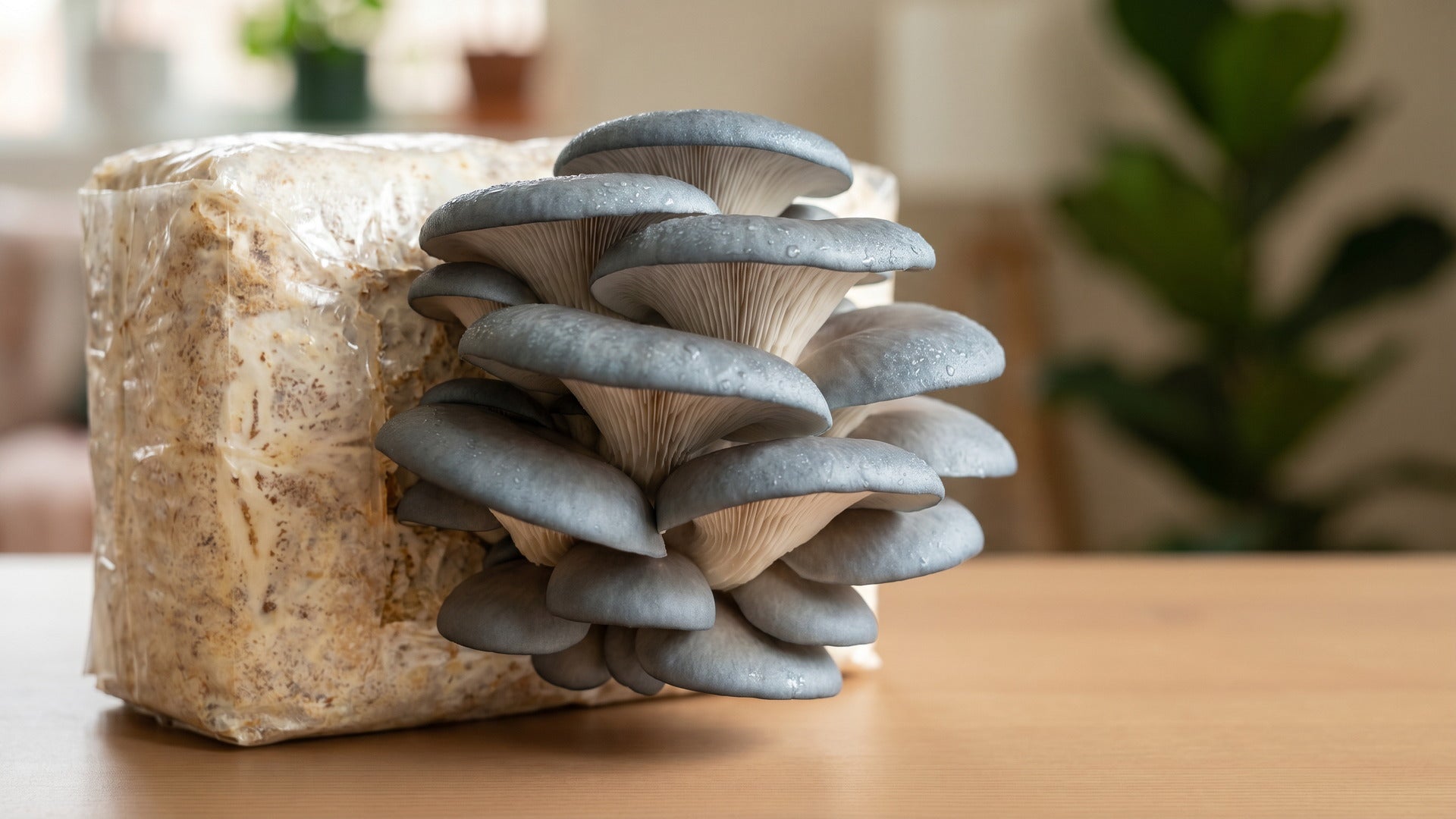
The Smart Mushroom Grow Kit makes this stupid simple. Pick your mushroom variety in the app, let it do its thing, and harvest when ready. I've been growing oyster mushrooms this way for months and honestly can't go back to store-bought.
Mushroom Risotto Ingredients (What You Actually Need)
For the Risotto Base:
- 1½ cups arborio rice (carnaroli works too, but arborio is easier to find)
- 4-5 cups vegetable or chicken broth (homemade is better, but boxed works)
- ½ cup dry white wine (something you'd drink, not "cooking wine")
- 1 medium onion or 2 large shallots, finely diced
- 3 cloves garlic, minced
- 3 tablespoons butter (divided)
- 2 tablespoons olive oil
- ½ cup freshly grated Parmesan cheese (the real stuff, not the green can)
- Salt and black pepper to taste
For the Mushrooms:
- 1 pound mixed mushrooms (oyster, shiitake, cremini, or a mix)
- 2 tablespoons butter
- 2 cloves garlic, minced
- Fresh thyme (3-4 sprigs)
- Salt and pepper
Pro tip: If you're using dried mushrooms like porcini, rehydrate them in warm water for 20 minutes first. Save that soaking liquid, it's liquid gold for flavor. Strain it through a coffee filter to remove grit, then use it as part of your broth.
Step-by-Step: Making Restaurant-Quality Mushroom Risotto
Step 1: Prep Your Mushrooms First
Clean your mushrooms with a damp cloth or mushroom brush, don't soak them, they're like sponges. Slice them about ¼-inch thick. If you're using different varieties, separate them because cooking times vary.
Heat 2 tablespoons butter in a large skillet over medium-high heat. Add mushrooms and don't touch them for 2-3 minutes. Seriously, leave them alone. You want that golden-brown caramelization. Stir, cook another 2 minutes, then add garlic and thyme. Season with salt and pepper. Set aside.

Step 2: Heat Your Broth
Pour broth into a saucepan and keep it at a bare simmer on the back burner. Cold broth will shock the rice and slow everything down. This isn't optional, warm broth is crucial for proper rice cooking.
Step 3: Toast the Rice (The Game-Changer)
In a wide, heavy-bottomed pot or Dutch oven, heat olive oil and 1 tablespoon butter over medium heat. Add onions, cook until translucent (3-4 minutes). Add garlic, cook 30 seconds until fragrant.
Add the arborio rice. Stir constantly for 2-3 minutes until the edges of each grain turn slightly translucent but the centers stay white. You'll hear the rice rattling in the pan, that's the sound of success. This toasting step adds a subtle nutty flavor that makes homemade risotto taste better than restaurant versions.
Step 4: Add Wine (And Don't Skip This)
Pour in the white wine. It'll sizzle and steam. Stir continuously until the wine is almost completely absorbed, about 2 minutes. The alcohol cooks off but leaves behind acidity that balances the richness.
No wine? Use an extra ½ cup broth with 1 tablespoon lemon juice. Not the same, but it works.
Step 5: The Ladle Method (Your 20-Minute Meditation)
Here's where you channel your inner Italian grandmother. Add one ladle of warm broth (about ½ cup) to the rice. Stir frequently, not constantly like a maniac, but every 30 seconds or so. When the liquid is mostly absorbed and the pan looks almost dry, add another ladle.
Repeat this process for 18-22 minutes. The rice should go from crunchy to al dente, tender with a slight firm bite in the center. Taste as you go. Some batches take 20 minutes, others need 25. Your nose knows.
What you're looking for: The rice should move like waves when you stir. If it's stiff, add more liquid. If it's soupy, let it cook a bit longer before the next addition.
Step 6: Finish Like a Pro
When the rice is 1 minute away from perfect, stir in most of your sautéed mushrooms (save a handful for garnish). Add 2 tablespoons butter and the Parmesan cheese. Stir vigorously for 30 seconds. Remove from heat.
The risotto should be loose and flow slowly off the spoon, Italians call this texture "all'onda" (like a wave). If it's too thick, add a splash more broth and stir. Season with salt and pepper, taste, adjust.
Step 7: Serve Immediately
Risotto waits for no one. It continues absorbing liquid as it sits, so serve it right away. Top with reserved mushrooms, extra Parmesan, a drizzle of good olive oil, and fresh parsley or thyme.
Risotto Variations That Actually Work
Truffle Mushroom Risotto
Add 1-2 teaspoons truffle oil at the very end, or shave fresh truffle over the top. Use a mix of porcini mushrooms and shiitake for maximum earthiness.
Fuel Your Mushroom Journey
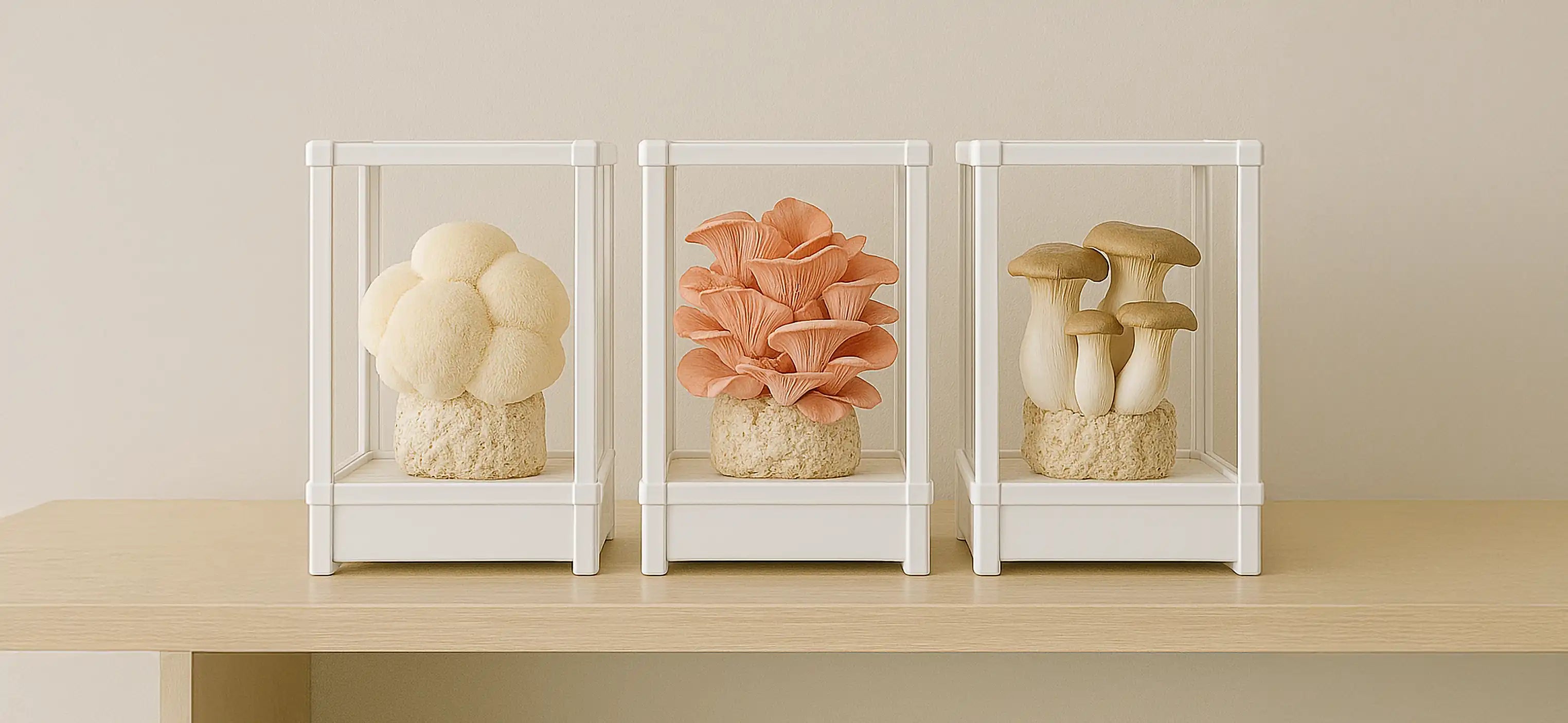
Smart Mushroom Grow Chamber
Plug-and-play smart chamber with humidity, light, and airflow dialed in for every species. Beginners harvest their first flush in days, not months.
Add to cart $299Mushroom and Pea Risotto
Stir in 1 cup frozen peas during the last 5 minutes of cooking. The sweetness balances the umami perfectly.
Spicy Mushroom Risotto
Add red pepper flakes with the garlic. Finish with a squeeze of lemon juice for brightness.
Mushroom Powder Boost
Mix 1-2 tablespoons of mushroom powder into your broth for extra depth. This is especially good if you're using less flavorful store-bought mushrooms. Homemade mushroom powder from dried oyster or shiitake mushrooms adds concentrated umami without changing the texture.
Common Risotto Mistakes (And How to Fix Them)
Mistake #1: Your Broth Is Cold
Fix: Always keep broth simmering. Cold liquid shocks the rice and makes cooking uneven.
Mistake #2: You're Not Stirring Enough
Fix: Stir every 30-60 seconds. You don't need to stand there whisking constantly, but frequent stirring releases the starch that makes risotto creamy.
Mistake #3: The Rice Is Mushy
Fix: You overcooked it. Risotto should be al dente, tender but with a tiny bit of resistance when you bite. Start taste-testing at 18 minutes.
Mistake #4: It's Too Thick or Too Thin
Fix: Adjust the texture right before serving. Too thick? Add a splash of broth. Too thin? Let it cook 2 more minutes uncovered.
Mistake #5: Using Pre-Grated Parmesan
Fix: Just don't. Pre-grated cheese has anti-caking agents that make risotto gritty. Buy a wedge of Parmigiano-Reggiano and grate it yourself. The difference is massive.
Growing Your Own Risotto Mushrooms at Home
Look, I know buying mushrooms is easier. But once you taste risotto made with mushrooms you harvested 20 minutes ago, you'll understand why I'm pushing this.
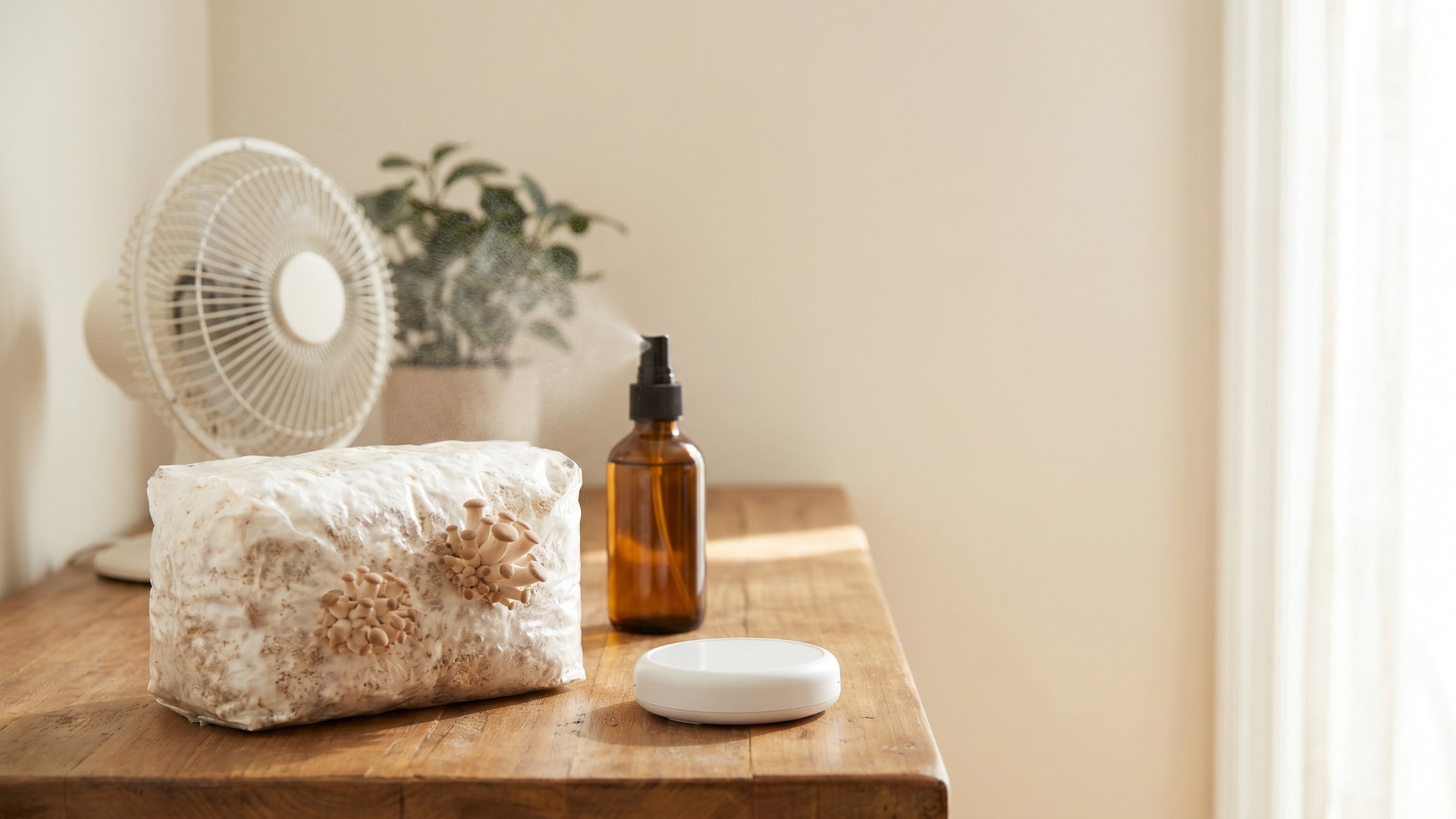
The Lykyn Smart Mushroom Grow Kit automates humidity, airflow, and lighting so you can grow 28+ mushroom species without the guesswork. For risotto, I recommend:
- Oyster mushrooms (fastest growing, mild flavor, great texture)
- Shiitake (deep umami, perfect for autumn risottos)
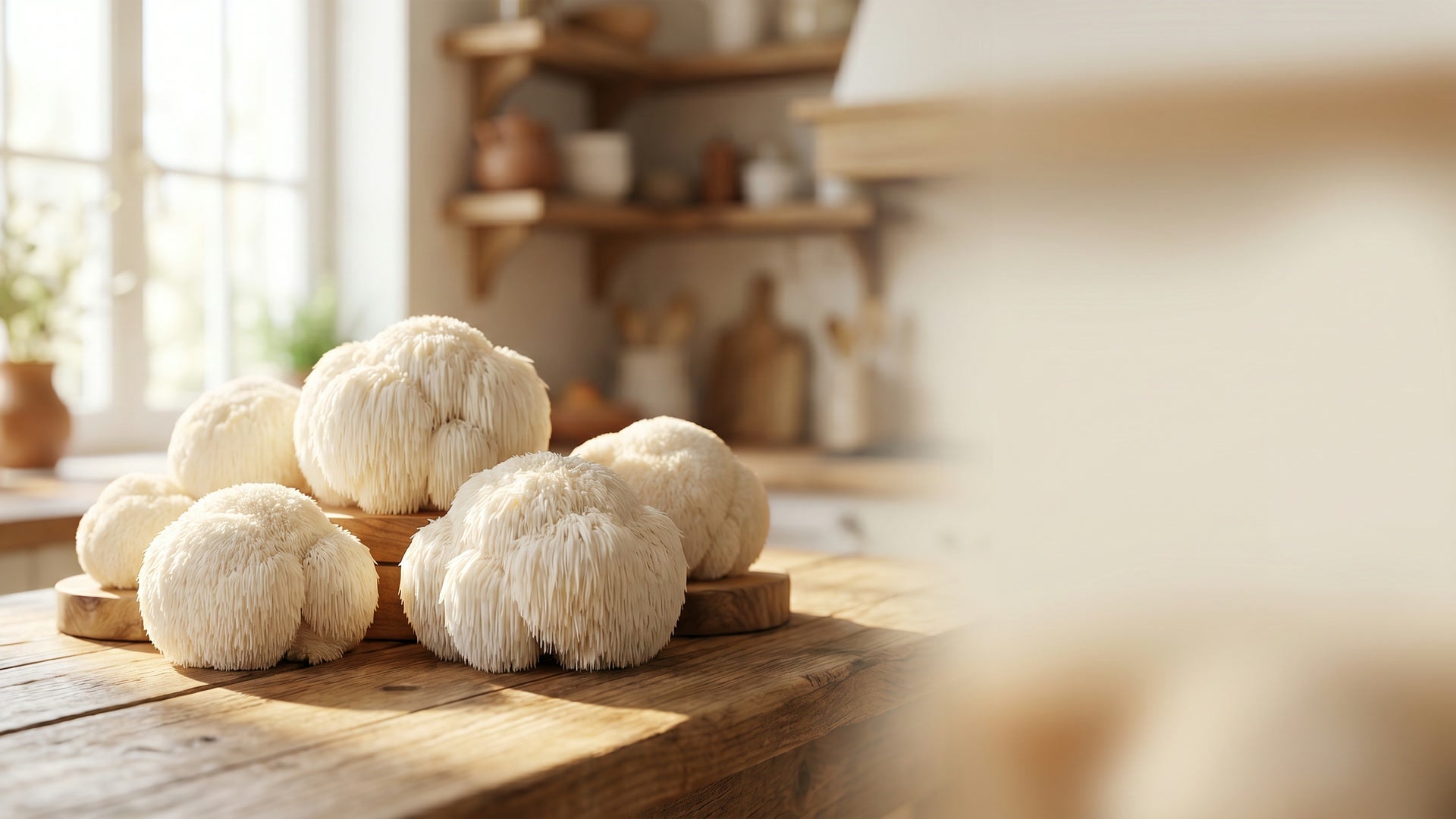
- Lion's mane (seafood-like texture, works surprisingly well)
You literally select the species in the app, add your mushroom block, and tap "grow." It handles everything else. Harvest in 7-14 days depending on the variety.
Fresh mushrooms from your own kitchen mean:
- Maximum flavor (no week-old mushrooms)
- Perfect texture (not slimy or dried out)
- You know exactly what you're eating (no pesticides, no mystery)
Plus, it's genuinely fun watching them grow. My kids lose their minds every time we harvest.
FAQ: Everything You Asked About Mushroom Risotto
Can you make risotto ahead of time?
Not really. Risotto is best served immediately because it keeps absorbing liquid and gets gummy as it cools. If you absolutely must prep ahead, cook it 90% of the way, spread it on a baking sheet to cool quickly, then refrigerate. Reheat with additional broth over low heat, stirring constantly.
What's the best rice for risotto?
Arborio is the most common and easiest to find. Carnaroli is considered superior by Italian chefs because it holds its shape better. Vialone nano is traditional in Venice. All three work great, don't overthink it.
Can I use chicken broth instead of vegetable broth?
Absolutely. Chicken broth adds richness. Just use low-sodium broth so you can control the salt level. Some people even use half chicken, half mushroom broth for extra depth.
Why is my risotto gluey and sticky?
You either stirred too aggressively (breaking the rice grains) or overcooked it. Risotto should be creamy but each grain distinct. Stir gently and taste frequently to avoid mush.
Can you freeze leftover risotto?
You can, but the texture suffers. It becomes more like rice porridge. Better option: make arancini (fried risotto balls) with leftovers. Shape cold risotto into balls, stuff with mozzarella, bread and fry. Way better than reheating.
What mushrooms work best for risotto?
Any edible mushroom works, but varieties with good flavor and texture shine. Oyster, shiitake, porcini, cremini, and chanterelles are all excellent. Mix multiple types for complexity. Avoid bland white buttons unless you're boosting flavor with mushroom powder or dried porcini.
How do you make risotto vegetarian or vegan?
Use vegetable broth and skip the Parmesan for vegan (or use nutritional yeast for cheesy flavor). Replace butter with olive oil or vegan butter. The technique stays exactly the same.
Conclusion: Your New Go-To Comfort Food
Mushroom risotto is one of those recipes that looks impressive but actually comes together with simple technique and good ingredients. The key points:
- Toast your rice for better flavor
- Keep your broth hot for even cooking
- Stir regularly to release starch and create creaminess
- Taste as you go to hit perfect al dente texture
- Use fresh mushrooms whenever possible for maximum flavor
Start with this basic recipe, then experiment. Add peas, swap in different mushrooms, drizzle truffle oil, throw in some crispy pancetta. Risotto is incredibly forgiving once you understand the fundamentals.
And seriously, if you haven't tried making risotto with mushrooms you grew yourself, you're missing out. The Smart Mushroom Grow Kit makes it ridiculously easy, way simpler than you'd think. Fresh oyster mushrooms in your risotto are a completely different experience from store-bought.
Ready to Make This Tonight?
Grab your arborio rice, mushrooms, and Parmesan. Pour yourself a glass of that white wine (you need it for the recipe, obviously). Put on some music and commit to 30 minutes of standing at the stove.
Your reward? Restaurant-quality mushroom risotto that'll make you wonder why you ever ordered it at a restaurant in the first place.
Shop the Smart Mushroom Grow Kit and never run out of fresh mushrooms for your risotto again. Free shipping on orders over $150.
Share:
Your Complete Guide to Identifying, Foraging, and Cooking Chanterelle Mushrooms
Do Mushrooms Expire? Storage, Spoilage, and Shelf Life Explained