


Want to grow your own fresh mushrooms but think it's too complicated? Think again. A quality shroom growing kit makes home cultivation incredibly simple, even if you've never grown anything before. Whether you're dreaming of harvesting gourmet oyster mushrooms for your weekend stir-fry or cultivating lion's mane for brain health benefits, the right growing kit transforms your kitchen counter into a productive mini mushroom farm.
In this comprehensive guide, we'll explore everything you need to know about shroom growing kits, from choosing the perfect system for your experience level to troubleshooting common issues and maximizing your harvest. By the end, you'll have the confidence to start growing your own organic, delicious mushrooms at home.
What Is a Shroom Growing Kit?
A shroom growing kit is a complete system designed to simplify mushroom cultivation at home. Think of it as the "easy button" for growing mushrooms, these kits include everything you need with minimal equipment or technical knowledge required.
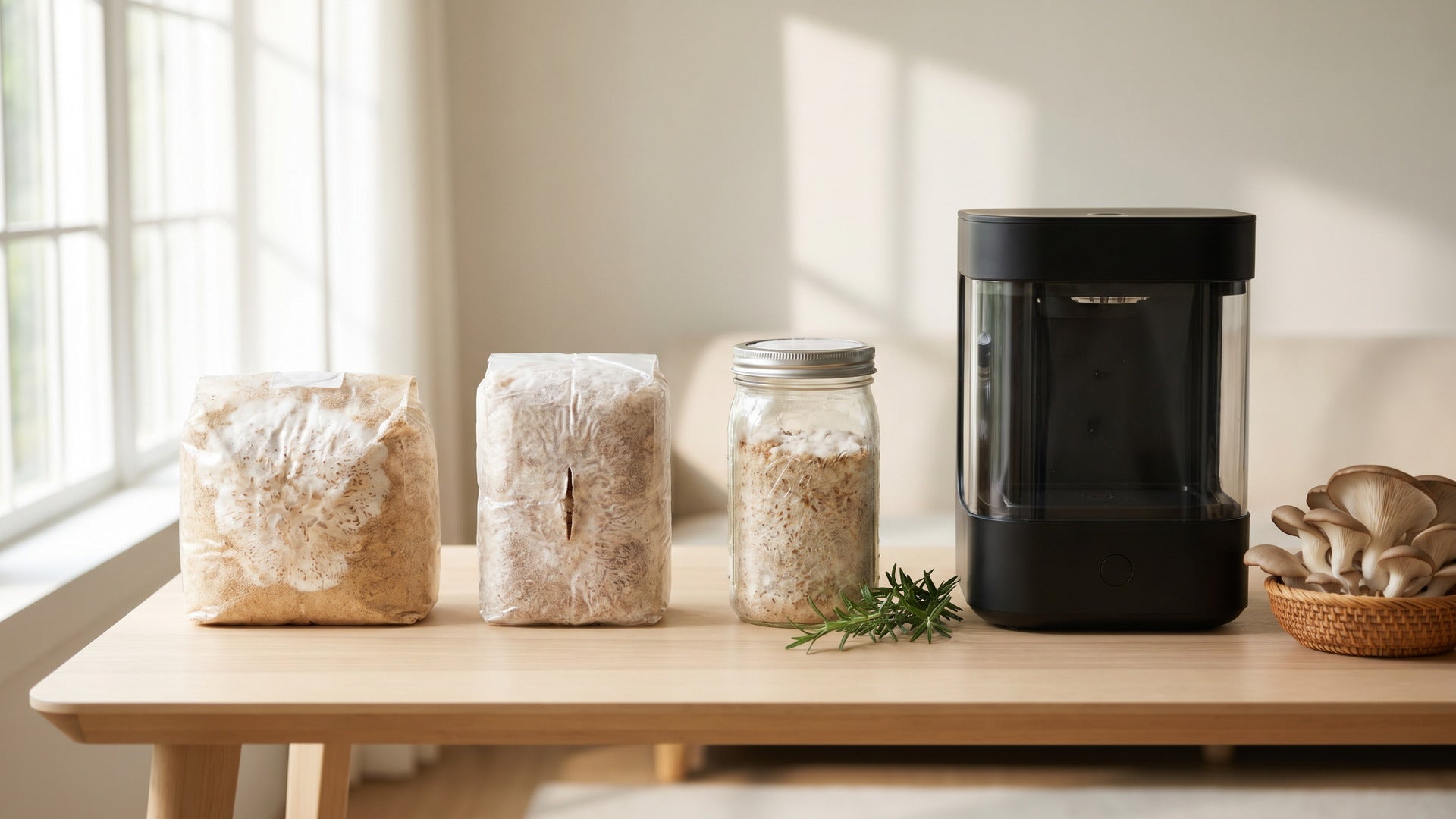
Most quality shroom growing kits contain three essential components:
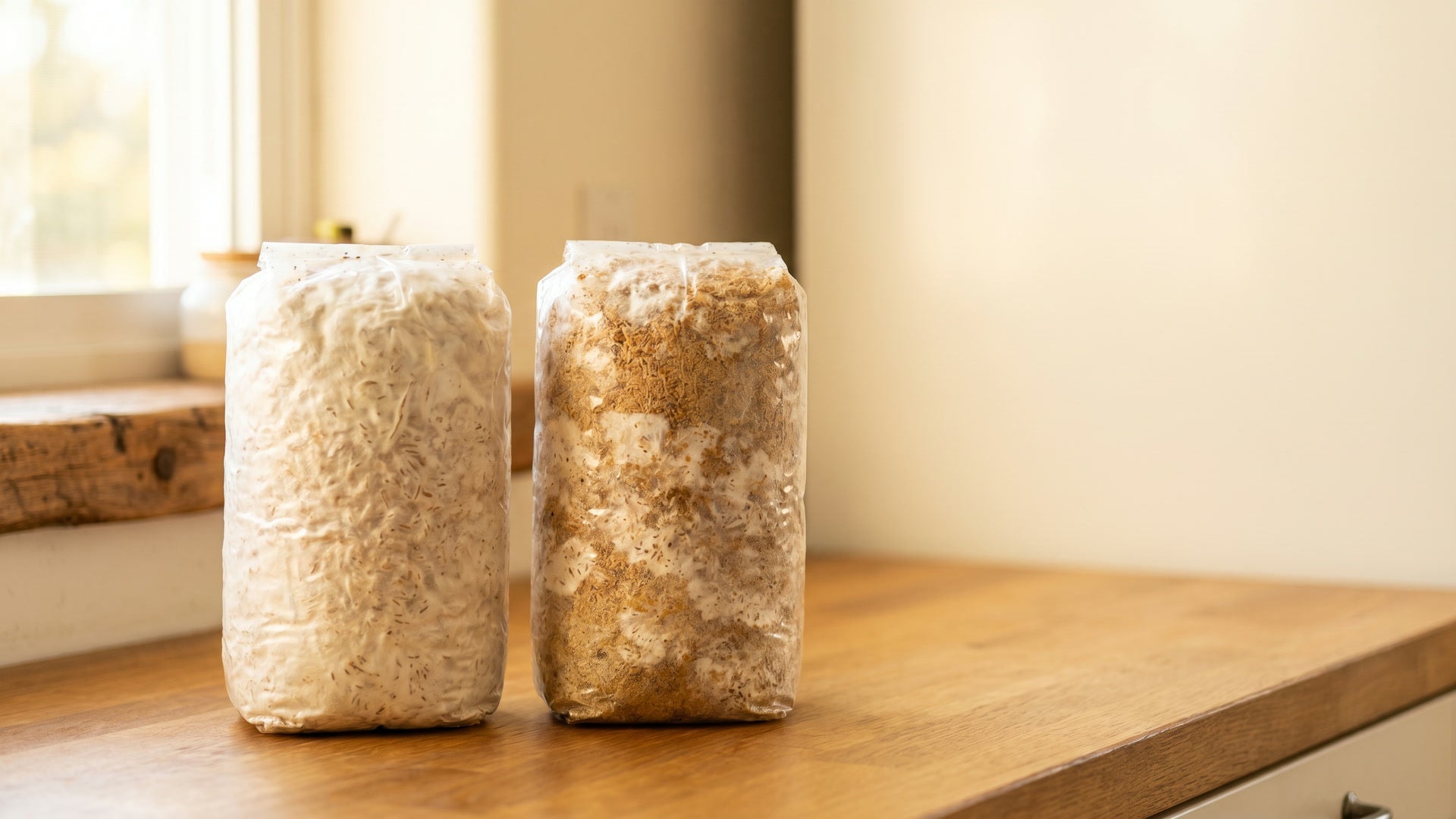
Pre-colonized substrate: This is the growing medium already inoculated with mushroom mycelium (the fungal network). It arrives ready to fruit, eliminating weeks of waiting and the technical challenges of sterilization.
Environmental control system: Whether it's a simple humidity tent or an advanced automated chamber, this component maintains the high humidity levels mushrooms need to thrive.
Growing instructions: Clear, species-specific guidance that walks you through each step from setup to harvest.
The best part? Unlike traditional gardening, mushroom cultivation doesn't require soil, sunlight, or even much space. You can grow fresh mushrooms year-round right on your kitchen counter, regardless of the weather outside.
Types of Shroom Growing Kits: Which One Is Right for You?
Understanding the different types of shroom growing kits helps you choose the perfect option for your needs, experience level, and lifestyle.
Ready-to-Fruit Block Kits
These are the most popular choice for beginners. Ready-to-fruit blocks arrive with visible mycelium throughout the substrate, meaning they're ready to start producing mushrooms within days of setup.
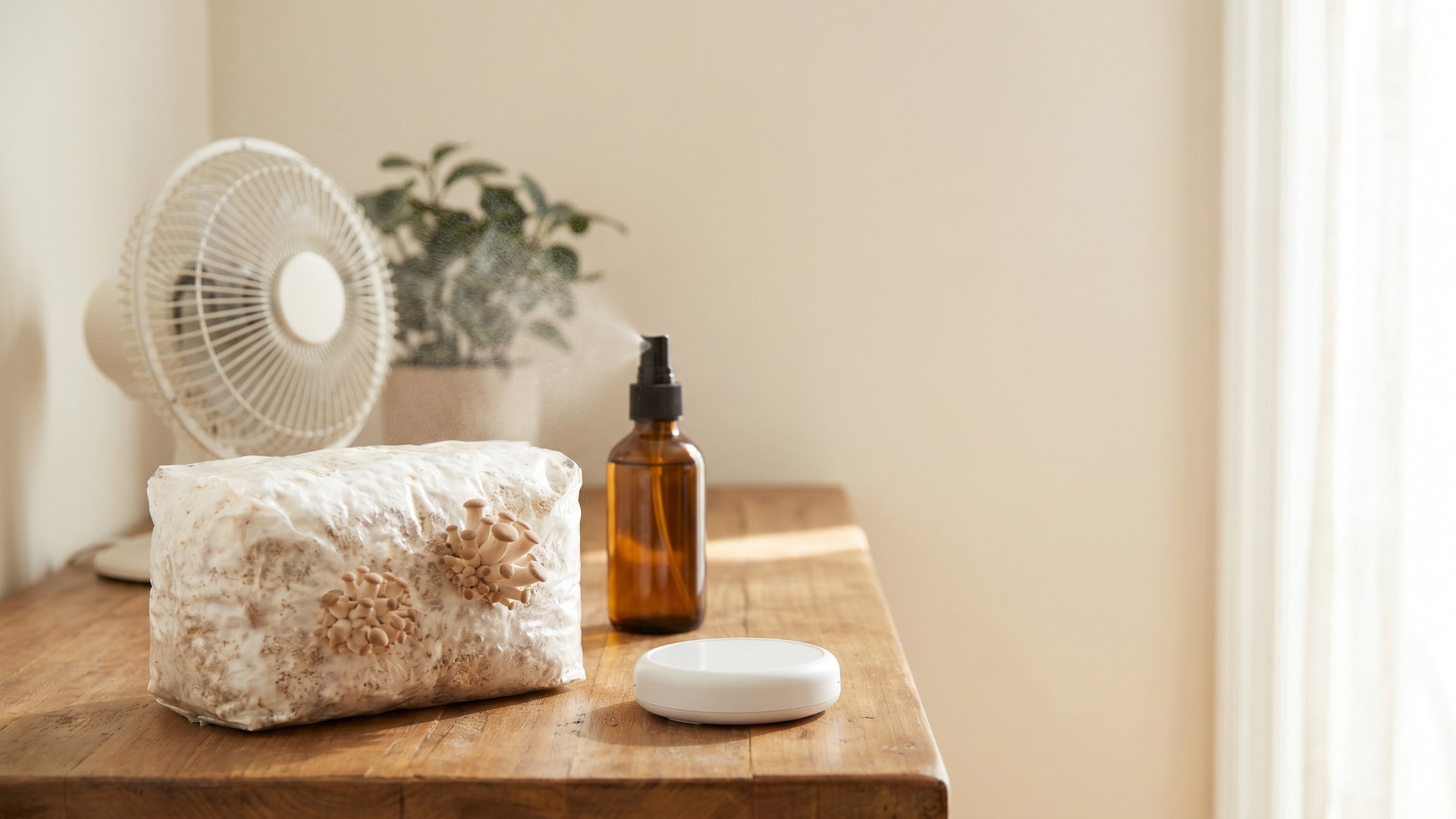
How they work: Simply cut a slit in the bag where indicated, place the block in the included humidity tent (or create one with a clear plastic bag), and mist with water 2-3 times daily. Mushrooms typically begin appearing within 7-14 days.
Best for: Complete beginners, people with limited time, families with children who want to see quick results.
Price range: $25-50 per kit
Pros: Fast results, minimal maintenance, low contamination risk, no special equipment needed.
Cons: Limited to one species per kit, requires daily misting, typically 2-4 harvests before the substrate is depleted.
North Spore and Back to the Roots offer excellent ready-to-fruit block options, as covered in our top 5 mushroom growing kits review.
All-in-One Grow Bags
All-in-one bags contain sterile substrate and a filter patch, allowing you to inject them with your choice of mushroom spores or liquid culture. This gives you more control over genetics and strain selection.
How they work: Inject mushroom spawn through a self-healing injection port, wait 3-6 weeks for full colonization, then initiate fruiting by cutting openings in the bag.
Best for: Intermediate growers who want more variety options and don't mind waiting longer for results.
Price range: $15-30 per bag (spores/culture purchased separately)
Pros: More control over genetics, can grow specialty varieties, generally more affordable per pound of mushrooms.
Cons: Longer wait time before harvest, requires sterile injection technique, higher contamination risk for beginners.
Smart Automated Growing Systems
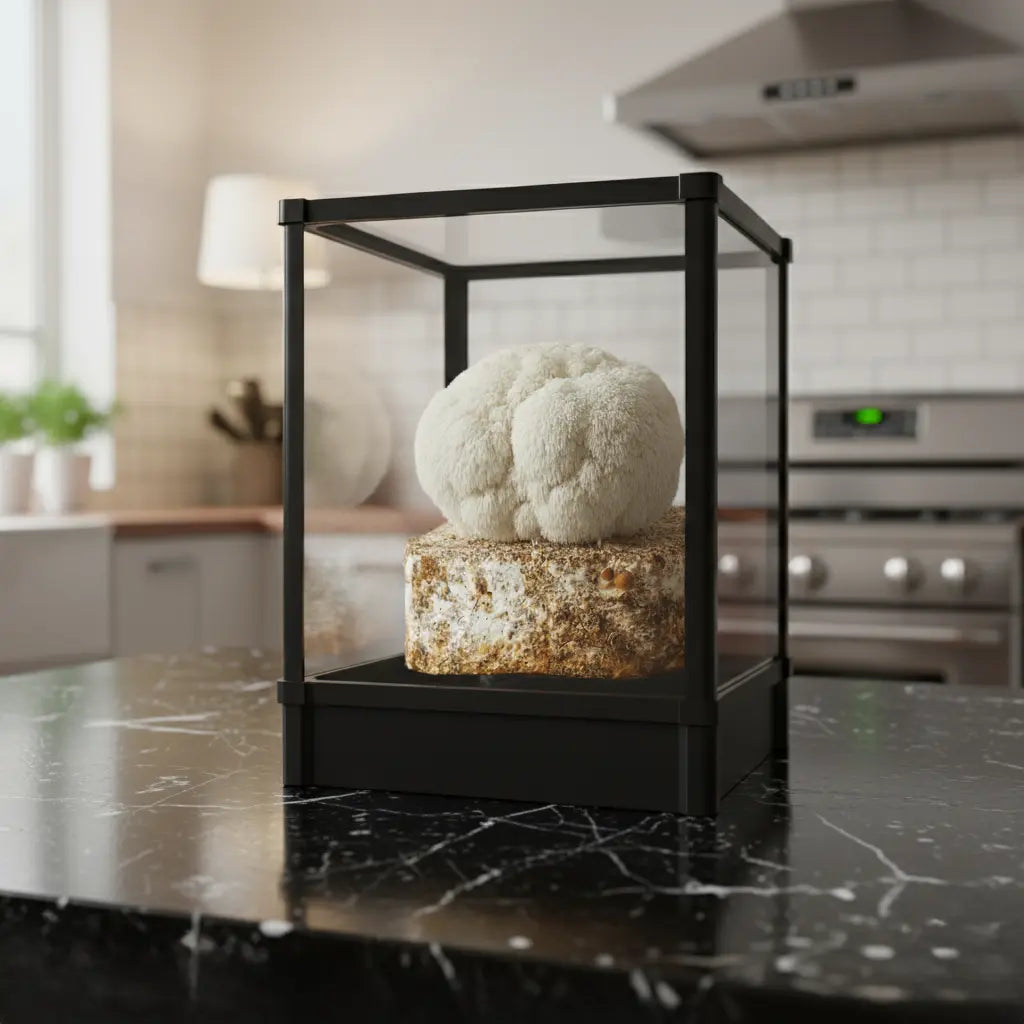
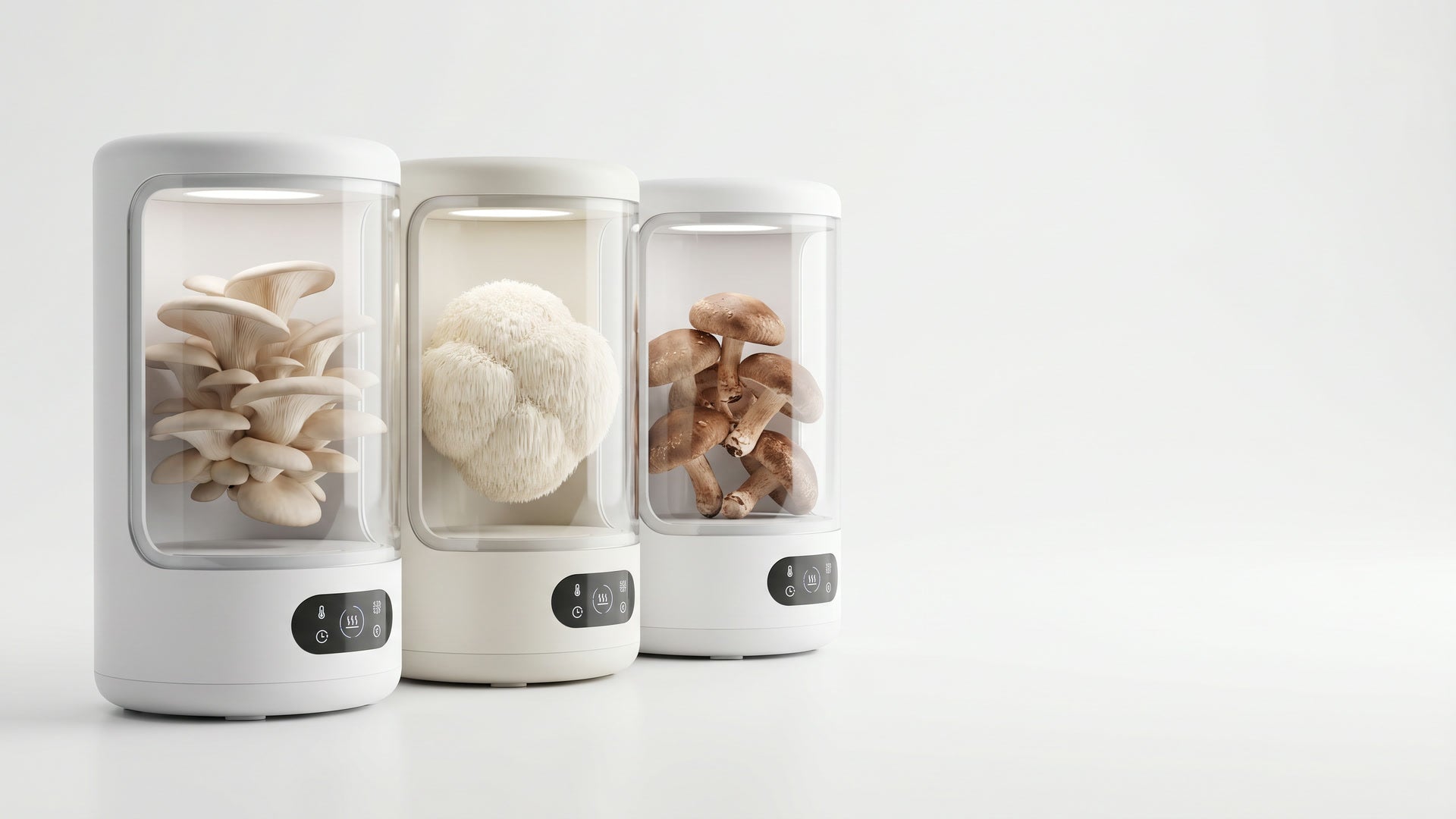
This is where mushroom cultivation meets cutting-edge technology. Smart automated systems like the LYKYN Smart Mushroom Grow Kit eliminate virtually all the manual work involved in growing mushrooms.
How they work: Place your colonized substrate block inside the chamber, select your mushroom species in the smartphone app, and the system automatically maintains perfect humidity levels, fresh air exchange, and lighting cycles. No daily misting required.
Best for: Busy professionals, serious mushroom enthusiasts, anyone who wants consistent professional results without daily maintenance.
Price range: $200-300
Pros: Highest success rates, completely automated environmental control, can grow more demanding species, whisper-quiet operation, built-in filtration prevents contamination, produces multiple harvests with minimal effort.
Cons: Higher upfront investment.
The LYKYN system features species-specific presets for 28+ mushroom varieties, a massive 2.8L humidifier reservoir, variable-speed intake fans with built-in filtration, and lab-grade temperature/humidity sensors, making it the gold standard for home cultivation in 2025. Learn more in our mushroom grow kit for beginners guide.

Best Mushroom Varieties for Growing Kits
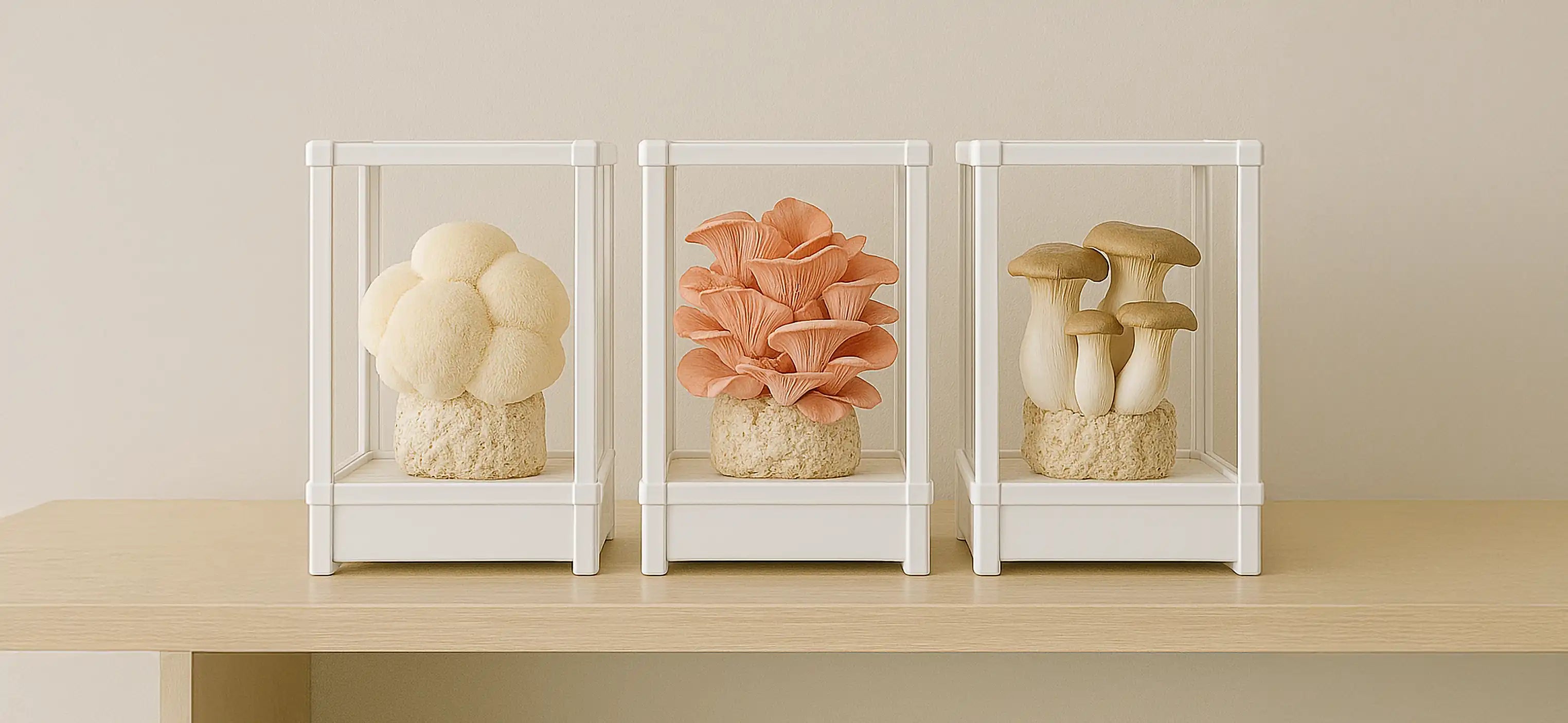
Different mushroom species have varying difficulty levels and growing requirements. Here's what works best in shroom growing kits:
Oyster Mushrooms (Easiest)
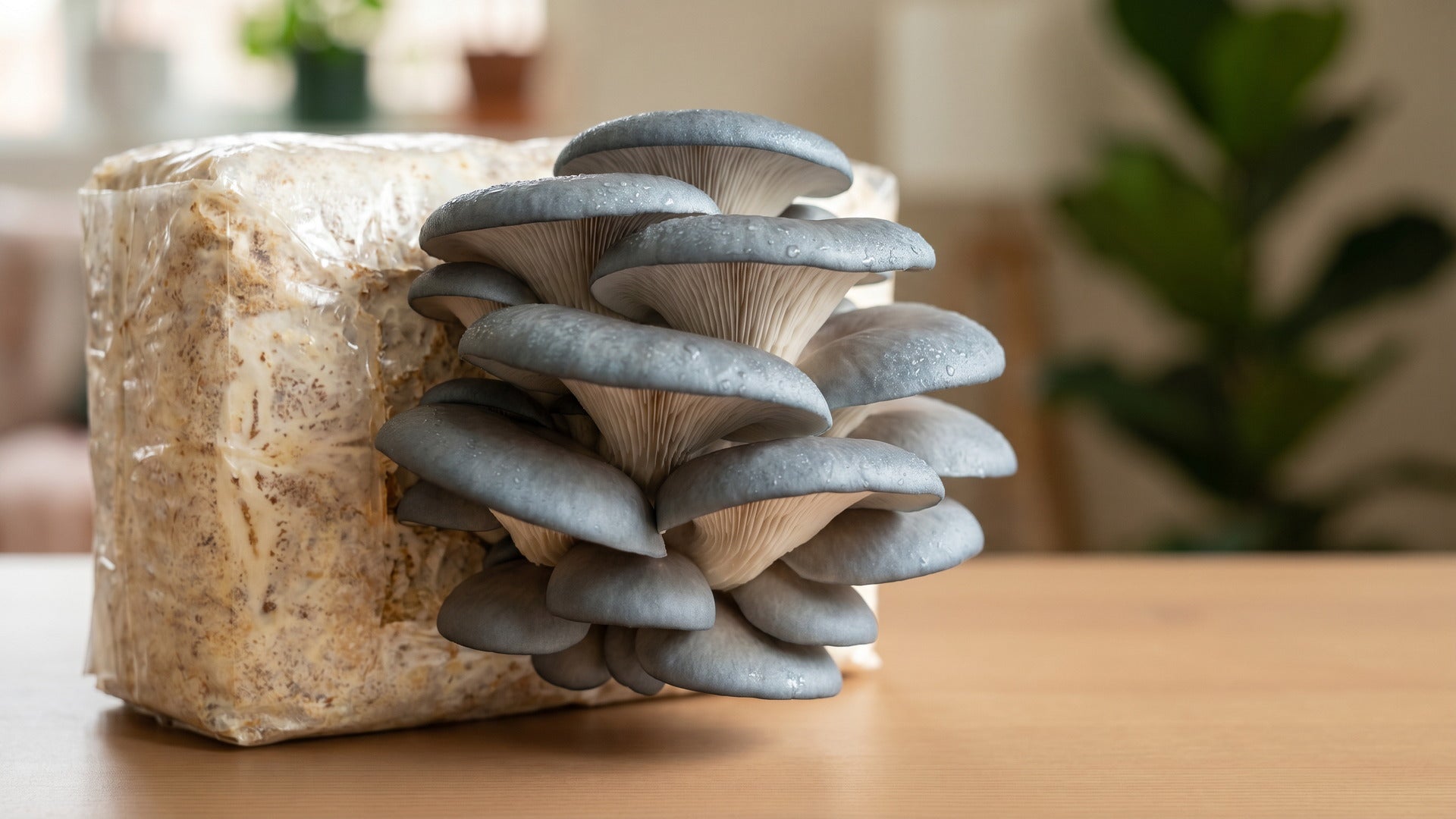
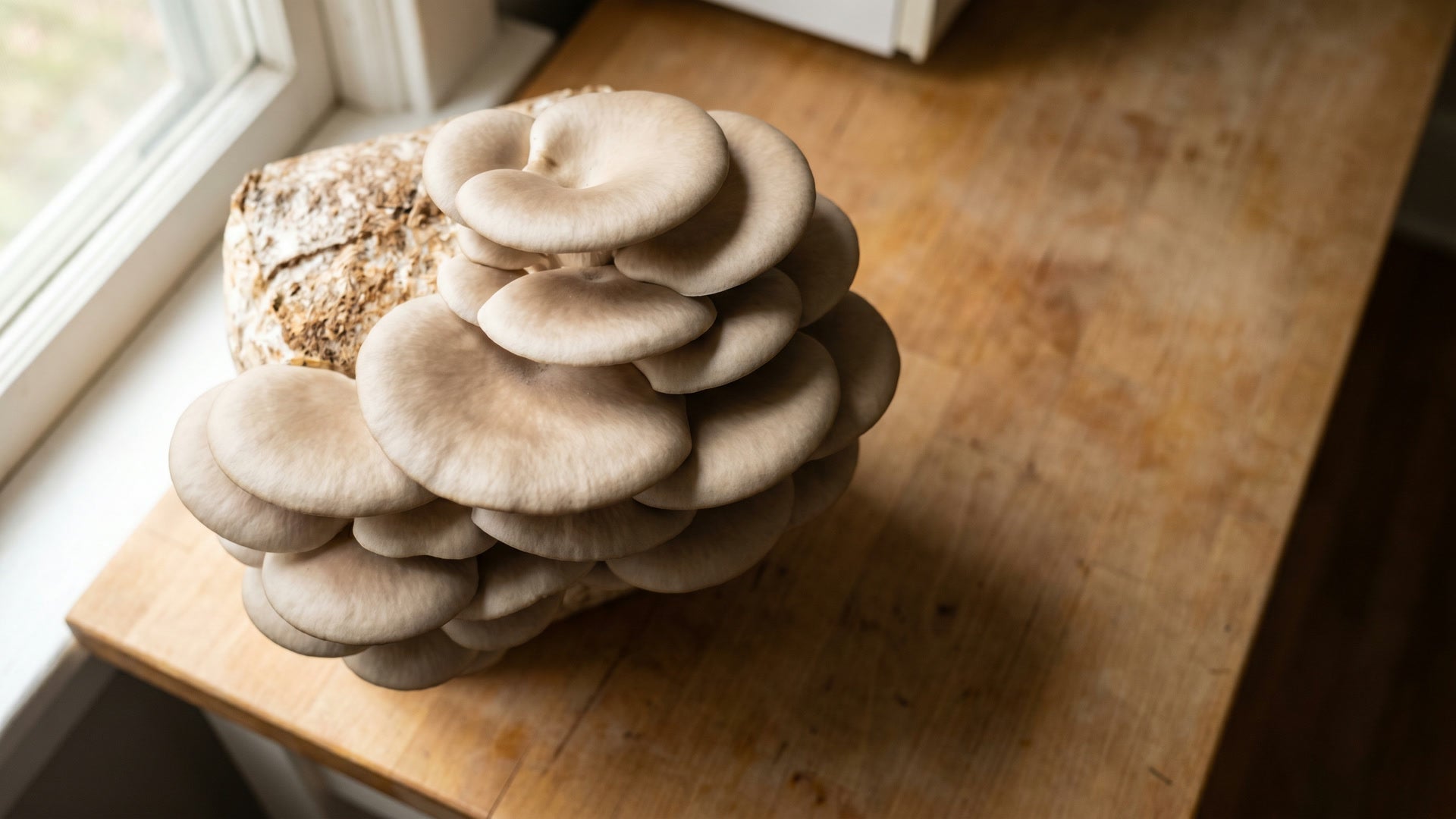
Oyster mushrooms are the most forgiving variety for beginners. They grow fast (5-10 days from setup to harvest), tolerate environmental fluctuations, and produce impressive yields. These mushrooms have a delicate flavor and velvety texture that works beautifully in stir-fries and pasta dishes.
Why they're beginner-friendly: High contamination resistance, wide temperature tolerance (55-75°F), forgiving of inconsistent humidity.
Shiitake Mushrooms (Intermediate)
Shiitake offers exceptional flavor with rich, savory umami notes. They take longer to develop than oyster mushrooms (10-21 days) but the wait is worth it. Shiitake prefers slightly cooler temperatures and benefits from automated climate control.
Learn about shiitake mushroom benefits for health reasons to grow them.
Lion's Mane (Intermediate)
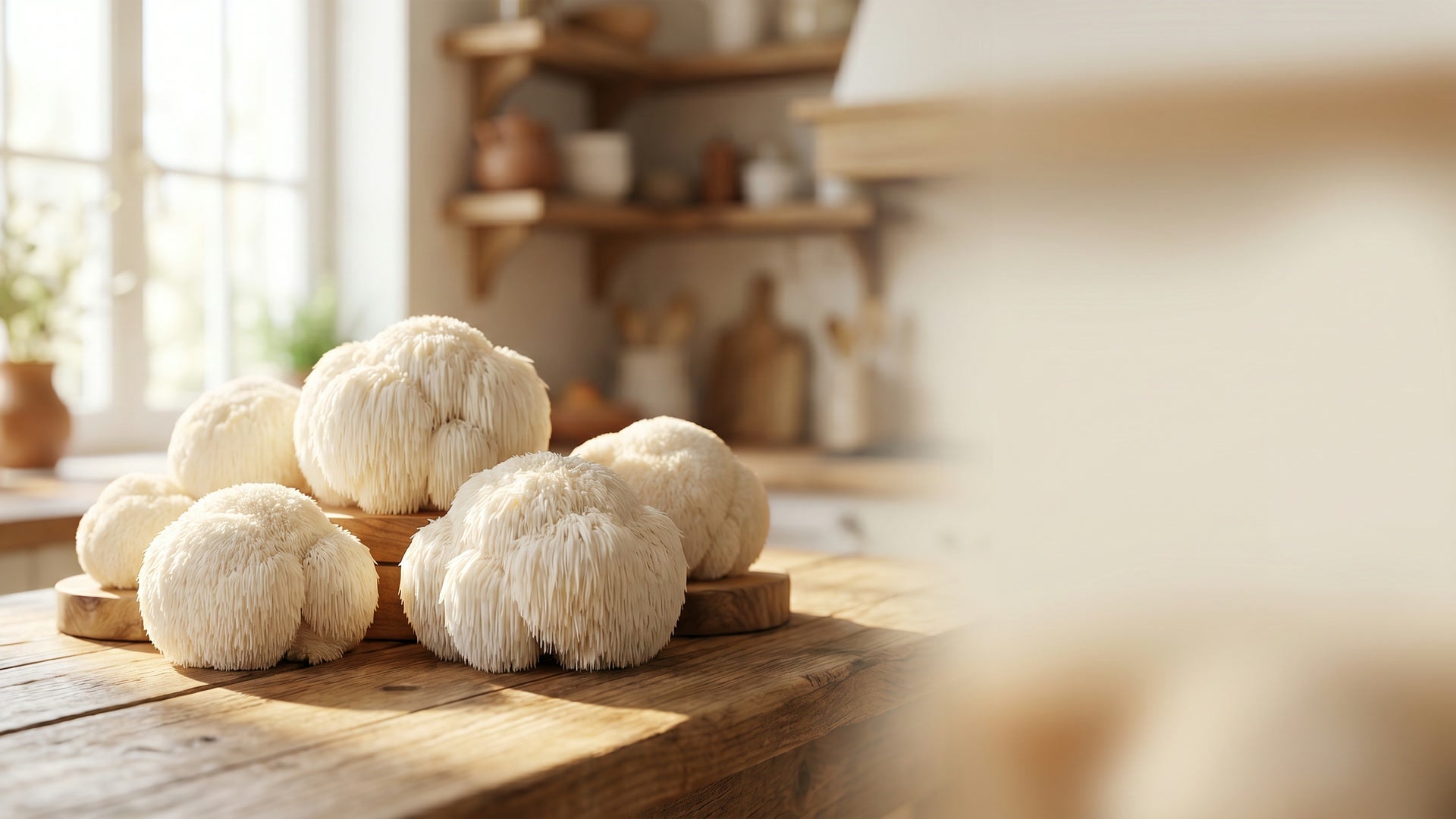
These unique mushrooms look like white pom-poms and taste remarkably like seafood. Lion's mane has gained popularity for potential cognitive health benefits and requires consistent environmental conditions, making them perfect for smart automated systems.
King Trumpet/Oyster (Intermediate)
King trumpet mushrooms (also called king oyster) have a meaty texture that makes them excellent for plant-based cooking. They're slightly more demanding than regular oyster mushrooms but still beginner-friendly. Check out king trumpet mushroom benefits for nutritional information.
Reishi (Advanced)
Reishi is a medicinal mushroom valued for wellness applications rather than culinary use. It requires precise environmental control and longer growing times but produces beautiful, shelf-stable results perfect for making tea or tinctures.
Step-by-Step: Setting Up Your Shroom Growing Kit
Here's how to set up a basic ready-to-fruit block kit for success:
Step 1: Prepare Your Growing Space
Choose a location with indirect light and stable temperatures between 65-75°F. Avoid direct sunlight, drafty windows, and heat sources. Kitchen counters, spare bathrooms, and closet shelves work perfectly.
Step 2: Unpack and Inspect
Remove your kit from packaging and inspect the substrate block for full colonization. You should see white mycelium throughout. If you notice any green, black, or unusual colored spots, this indicates contamination, contact the supplier for a replacement.
Step 3: Initiate Fruiting
Cut an X-shaped opening or remove the designated panel from the bag according to kit instructions. This opening allows mushrooms to emerge and provides the air exchange they need.
Step 4: Create Humidity
Place the block in the included humidity tent or loosely tent a clear plastic bag over it, leaving some openings for air exchange. Alternatively, place it in a location that maintains high humidity naturally (like a bathroom).
Step 5: Maintain Moisture
Mist the exposed substrate surface and surrounding air 2-3 times daily with clean, room-temperature water. Use a fine-mist spray bottle, never a stream of water that can damage delicate developing mushrooms.
Pro tip: Mushrooms are approximately 90% water, so consistent humidity (80-95%) is crucial. If you notice the substrate surface drying out or cracking, increase misting frequency.
Step 6: Watch for Pins
Within 3-10 days, you should see tiny mushroom "pins" (baby mushrooms) forming. This is exciting! Continue misting regularly as they develop.
Step 7: Harvest
Mushrooms typically reach harvest size within 5-7 days after pinning. Harvest when caps are fully formed but before they begin dropping spores (indicated by a dusty appearance). Twist and pull mushrooms at the base or cut cleanly with scissors.
For automated systems like the LYKYN Smart Mushroom Grow Kit, steps 5-6 are handled automatically, you simply monitor progress through the app.

Maximizing Your Harvest: Advanced Tips
Once you've successfully grown your first flush (harvest cycle), use these techniques to maximize total yield:
Multiple Flushes
Most shroom growing kits can produce 2-4 flushes of mushrooms. After your first harvest:
- Remove all remaining mushroom debris from the block
- Soak the entire block in clean water for 12-24 hours (rehydration)
- Drain thoroughly and return to your growing setup
- Continue misting as before
Second and third flushes often produce smaller mushrooms but can still add significantly to your total yield.
Temperature Cycling
Some species respond well to slight temperature fluctuations between day and night. A 5-10 degree difference can stimulate pinning and improve yields.
Proper Ventilation
Mushrooms need fresh air exchange to prevent CO2 buildup, which causes elongated stems and small caps. If using a humidity tent, ensure it has some openings. Smart systems like LYKYN handle this automatically with variable-speed fans.
Light Exposure
While mushrooms don't photosynthesize like plants, they need light signals for proper development. Indirect natural light or 12 hours of artificial light daily works perfectly.
For more detailed techniques, explore our comprehensive mushroom grow kit guide.
Common Problems and Solutions
Even with quality kits, you might encounter these issues:
Problem: No mushrooms forming after 2+ weeks
- Cause: Insufficient humidity, wrong temperature, or poor air exchange
- Solution: Increase misting frequency, check temperature range for your species, ensure some air flow
Problem: Long, thin mushroom stems ("leggy" growth)
- Cause: Insufficient fresh air exchange (too much CO2)
- Solution: Increase ventilation, remove humidity tent for periods daily, or upgrade to an automated system with proper air exchange
Problem: Small mushrooms or early pinning abort
- Cause: Humidity dropping too low or substrate drying out
- Solution: Mist more frequently, create better humidity retention with a tent, consider a small humidifier nearby
Problem: Contamination (green, black, or unusual colored growth)
- Cause: Non-sterile conditions or compromised substrate
- Solution: Discard contaminated blocks immediately, improve sterile technique for next attempt, consider purchasing from suppliers with contamination guarantees
Why Growing Your Own Mushrooms Is Worth It
Beyond the fun of cultivation, shroom growing kits offer compelling practical benefits:
Cost savings: A $40 kit producing 2-3 pounds of gourmet mushrooms saves you $50-100+ compared to retail prices for specialty varieties like lion's mane or shiitake.
Superior freshness: Harvest mushrooms at peak freshness when nutritional content and flavor are highest. Store-bought mushrooms may be days or weeks old.
Sustainability: Growing mushrooms at home eliminates packaging waste, transportation emissions, and pesticide concerns. Spent substrate makes excellent compost for gardens.
Educational value: Watching mushrooms develop is fascinating and educational, especially for children learning about biology and food production.
Health benefits: Fresh homegrown mushrooms retain maximum nutritional value. Read about health benefits of mushrooms to understand what you're gaining.
Satisfaction: There's something uniquely rewarding about harvesting food you grew yourself. It connects you with your food source in meaningful ways.
Discover more advantages in our article about benefits of using a mushroom growing kit.
Frequently Asked Questions
How long do shroom growing kits last?
Most shroom growing kits produce mushrooms for 2-4 months, yielding 2-4 separate flushes (harvests). Each flush becomes progressively smaller as the substrate's nutrients deplete. The exact lifespan depends on the species, substrate quality, and how well you maintain growing conditions. After the substrate stops producing, it makes excellent compost for gardens.
Do I need special equipment to use a shroom growing kit?
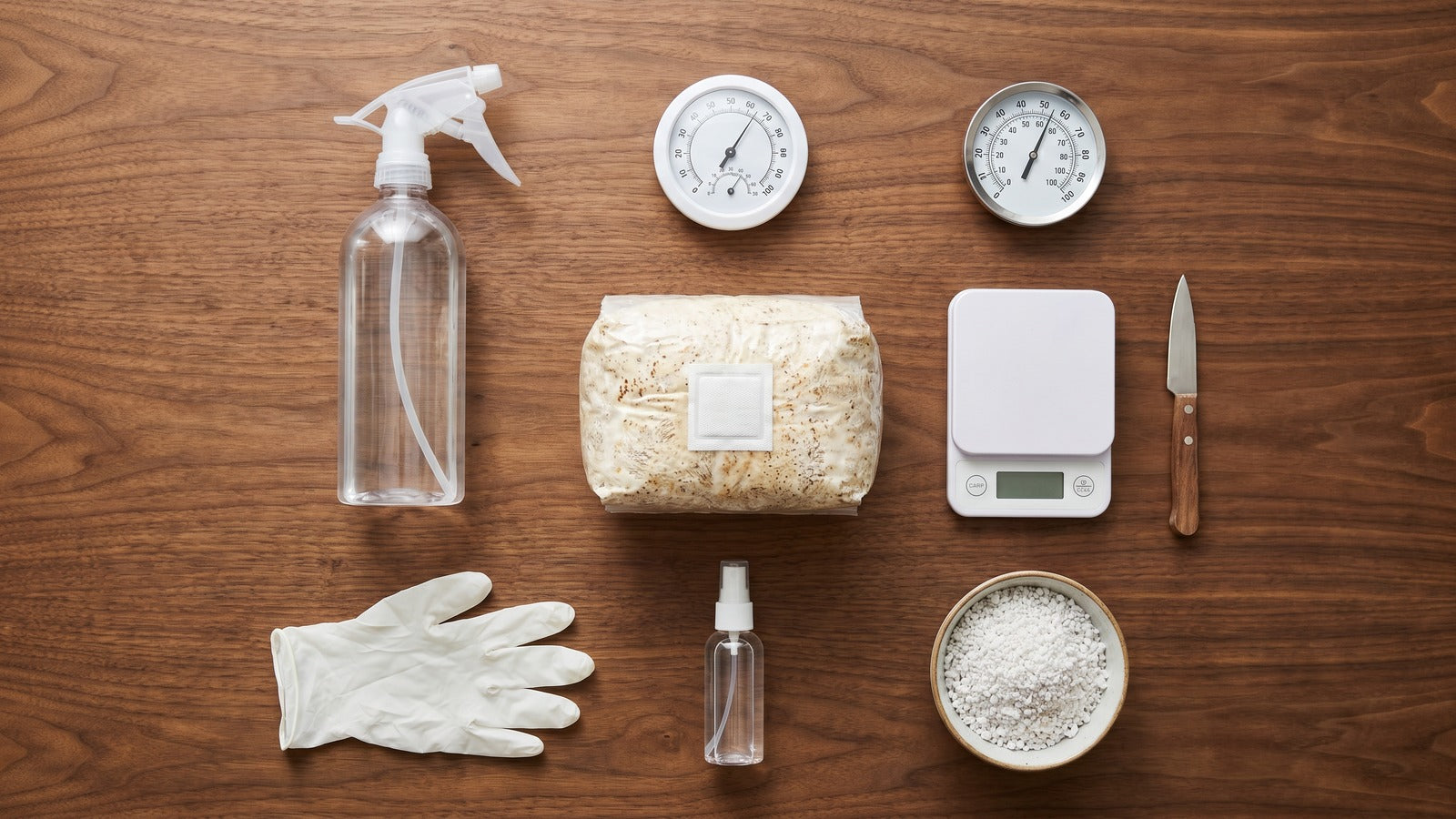
Basic kits only require a spray bottle for misting and a suitable growing location. You don't need any special tools or technical equipment. However, automated systems like the LYKYN Smart Mushroom Grow Kit include everything built-in, humidifier, fans, sensors, and app control, eliminating even the spray bottle requirement.
Can I grow mushrooms year-round with a kit?
Yes! Unlike outdoor gardening, mushroom cultivation works year-round indoors. Mushrooms don't require sunlight and thrive in controlled indoor environments. This makes shroom growing kits perfect for fresh produce during winter months when traditional gardening isn't possible. Some species prefer cooler temperatures while others like it warmer, but most common varieties grow well in typical room temperatures (65-75°F).
What's the success rate for beginners using shroom growing kits?
With quality ready-to-fruit kits and proper care, beginners typically achieve 80-90% success rates. The most common causes of failure are insufficient humidity and contamination from improper handling. Smart automated systems like LYKYN achieve even higher success rates (95%+) because they eliminate the humidity and air exchange challenges that trip up beginners.
Can I reuse my shroom growing kit?
You cannot reuse the spent substrate once it stops producing mushrooms, the nutrients are depleted. However, you can reuse containers and equipment. Some companies offer "refill" programs where you return spent blocks and receive fresh colonized replacements at reduced cost. For reusable chambers like the LYKYN system, you simply clean them between grows and insert new substrate blocks indefinitely. Learn more in our guide on how to choose the best mushroom kit.
Featured Snippet Summary
Shroom growing kits are complete systems for cultivating fresh mushrooms at home with minimal effort. They include pre-colonized substrate, environmental controls (humidity tent or automated chamber), and instructions. Beginner-friendly kits produce first harvests in 7-14 days. Options range from basic $25 block kits requiring daily misting to premium $200-300 automated systems like LYKYN that handle humidity and air exchange automatically via smartphone app control.
Start Growing Your Own Mushrooms Today
Whether you choose a simple ready-to-fruit block kit for $30 or invest in a premium automated system like the LYKYN Smart Mushroom Grow Kit, you're embarking on a rewarding journey that connects you with your food in meaningful ways.
The best shroom growing kit is the one that matches your lifestyle, experience level, and growing goals. Beginners benefit from forgiving oyster mushroom kits with clear instructions, while serious enthusiasts appreciate the consistency and convenience of automated systems.
Ready to harvest your first flush of fresh, organic mushrooms? Explore our complete collection of mushroom growing resources and discover how easy home cultivation can be. Your kitchen counter is about to become much more productive.
For step-by-step guidance tailored to complete beginners, check out our comprehensive guide on how to grow your own mushrooms at home. The journey from kit to harvest is shorter than you think!
Share:
Are Mushrooms Really Good for Your Health? The Complete 2025 Guide
The Ultimate Mushroom Foraging Guide: Everything You Need to Know for Safe and Successful Wild Mushroom Hunting