


How to Identify Jack-O'-Lantern Mushrooms and Why You Should Never Eat Them
Quick Answer: Jack-o'-lantern mushrooms (Omphalotus olearius and Omphalotus olivascens) are toxic orange fungi that glow in the dark and cause severe gastrointestinal poisoning. They're commonly mistaken for edible chanterelles, making accurate identification critical for foragers. While not deadly, ingestion causes violent vomiting, cramps, and diarrhea lasting 24-48 hours.
What Is a Jack-O'-Lantern Mushroom?
Let me be straight with you, this is one mushroom you absolutely need to recognize before you go foraging. I've seen experienced foragers nearly make this mistake, and trust me, the consequences aren't pretty. The jack o lantern mushroom (Omphalotus illudens) is one of the most commonly mistaken toxic species in North America.
The jack-o'-lantern mushroom is a toxic fungus belonging to the Omphalotus genus. In North America, you'll encounter two main species: Omphalotus olearius (eastern) and Omphalotus olivascens (western). These bright orange beauties got their common name from two sources: their pumpkin-like color and their genuinely spooky ability to glow in the dark.
Here's what makes them fascinating yet dangerous: jack-o'-lanterns contain illudin S and illudin M, toxic compounds that cause severe gastrointestinal distress. According to the North American Mycological Association's 2025 poisoning report, jack-o'-lantern misidentification accounts for approximately 8% of all mushroom poisoning cases in the United States.

For deeper understanding of orange and yellow fungi, check out our comprehensive Yellow Mushroom Guide: Types, Identification & Safety, which covers crucial information about the jack-o'-lantern and other look-alikes.
Jack-O'-Lantern Mushroom Identification: Key Features
Physical Characteristics You Can't Miss
Identifying jack-o'-lanterns correctly could save you from a really miserable couple of days. Recognizing a jack o lantern mushroom in the field takes practice, and the features below are the ones to lock in first.
| Feature | Jack-O'-Lantern | Chanterelle (Safe) |
|---|---|---|
| Gills | True, knife-blade thin, non-forking | False ridges, blunt, forking |
| Growth | Clusters on wood | Solitary on ground |
| Flesh | Orange throughout | White/pale inside |
| Size | 3-8 inches cap | 1-5 inches cap |
| Spore Print | Cream to pale yellow | Yellow to pale orange |
True gills are the dead giveaway. Jack-o'-lanterns have paper-thin, blade-like gills that run down the stem (decurrent). Chanterelles have blunt, forked ridges that look almost melted onto the cap surface. This single feature will save you every time.
Where and When Jack-O'-Lanterns Grow
These mushrooms are saprophytic, meaning they feed on decaying wood. You'll find them:
- Growing in dense clusters (not individually)
- At the base of hardwood trees, especially oak
- On buried roots that may not be visible
- Fruiting from late summer through fall (August-November)
Here's something that trips people up: sometimes the wood source is underground. A cluster might appear to be growing from soil when it's actually attached to a buried root. Never assume ground growth means it's a chanterelle.
The Bioluminescence Factor
Yes, they actually glow. The gills of fresh jack-o'-lantern mushrooms produce a faint greenish bioluminescence through a chemical reaction involving luciferase enzymes. Here's how to see it:
- Collect a fresh specimen (wear gloves)
- Take it into a completely dark room
- Let your eyes adjust for 10-15 minutes
- Look at the gill surface
The glow is subtle, don't expect a flashlight. It's more of a faint ethereal shimmer. This phenomenon occurs due to oxidation of luciferin compounds, the same basic chemistry that makes fireflies light up.
Jack-O'-Lantern vs. Chanterelle: The Critical Differences
This is where people get hurt, so let's get really specific. Our Chanterelle Mushrooms: Foraging Guide & Cooking Tips goes deep on identifying true chanterelles, but here's the quick safety comparison.
The Gill Test (Most Reliable Method)
Run your finger across the underside of the cap:
- Jack-o'-lantern: Gills feel like pages of a book. Thin, separate, easily damaged.
- Chanterelle: Ridges feel solid, connected, almost rubbery. They won't crumble.
The Cut Test
Slice the mushroom in half from cap to stem:
- Jack-o'-lantern: Orange flesh throughout, stringy texture
- Chanterelle: White to pale cream interior, solid dense flesh
The Cluster Test
Look at the growth pattern:
- Jack-o'-lantern: Always clusters, often 10+ mushrooms fused at the base
- Chanterelle: Solitary or small scattered groups, never fused

What Happens If You Eat Jack-O'-Lantern Mushrooms?
Let's talk toxicity. I'm not trying to scare you, I want you informed so you make smart decisions out there.
Symptoms and Timeline
Jack-o'-lantern poisoning follows a predictable pattern:
- 30 minutes to 2 hours: Onset of symptoms
- Primary symptoms: Severe nausea, violent vomiting, abdominal cramps, profuse sweating, diarrhea
- Duration: 12-48 hours of acute symptoms
- Recovery: Complete recovery expected within 2-3 days
The toxins (illudins) primarily affect the gastrointestinal system. Unlike deadly mushrooms such as Amanita species, jack-o'-lanterns don't cause liver failure or death in healthy adults. However, dehydration from fluid loss can be dangerous, especially for children, elderly individuals, or those with compromised health.
What To Do If Poisoning Occurs
- Don't panic, jack-o'-lantern poisoning isn't fatal
- Call Poison Control immediately: 1-800-222-1222 (US)
- Stay hydrated with small, frequent sips of water or electrolyte solutions
- Save a sample of the mushroom if possible for identification
- Seek medical attention if symptoms are severe or the person is vulnerable
Safe Foraging Practices for 2026
Look, I get it. Foraging is rewarding, connecting, and honestly pretty addictive once you start. But the forest demands respect. Here's how to stay safe while enjoying wild mushrooms.
The 100% Certainty Rule
Never eat any wild mushroom unless you are 100% certain of identification. Not 95%. Not "pretty sure." One hundred percent. If you have any doubt whatsoever, leave it. If you suspect you have found a jack o lantern mushroom, never eat it, no matter how chanterelle-like the color looks.
Build Skills Progressively
Start with mushrooms that have no dangerous look-alikes:
- Giant puffballs
- Chicken of the woods
- Morels (with proper education)
Once you've got those down solid, consider trying easier identification challenges. Many foragers in the Midwest use our Edible Mushrooms in Wisconsin: Complete Foraging Guide as a regional starting point.
Consider Home Cultivation
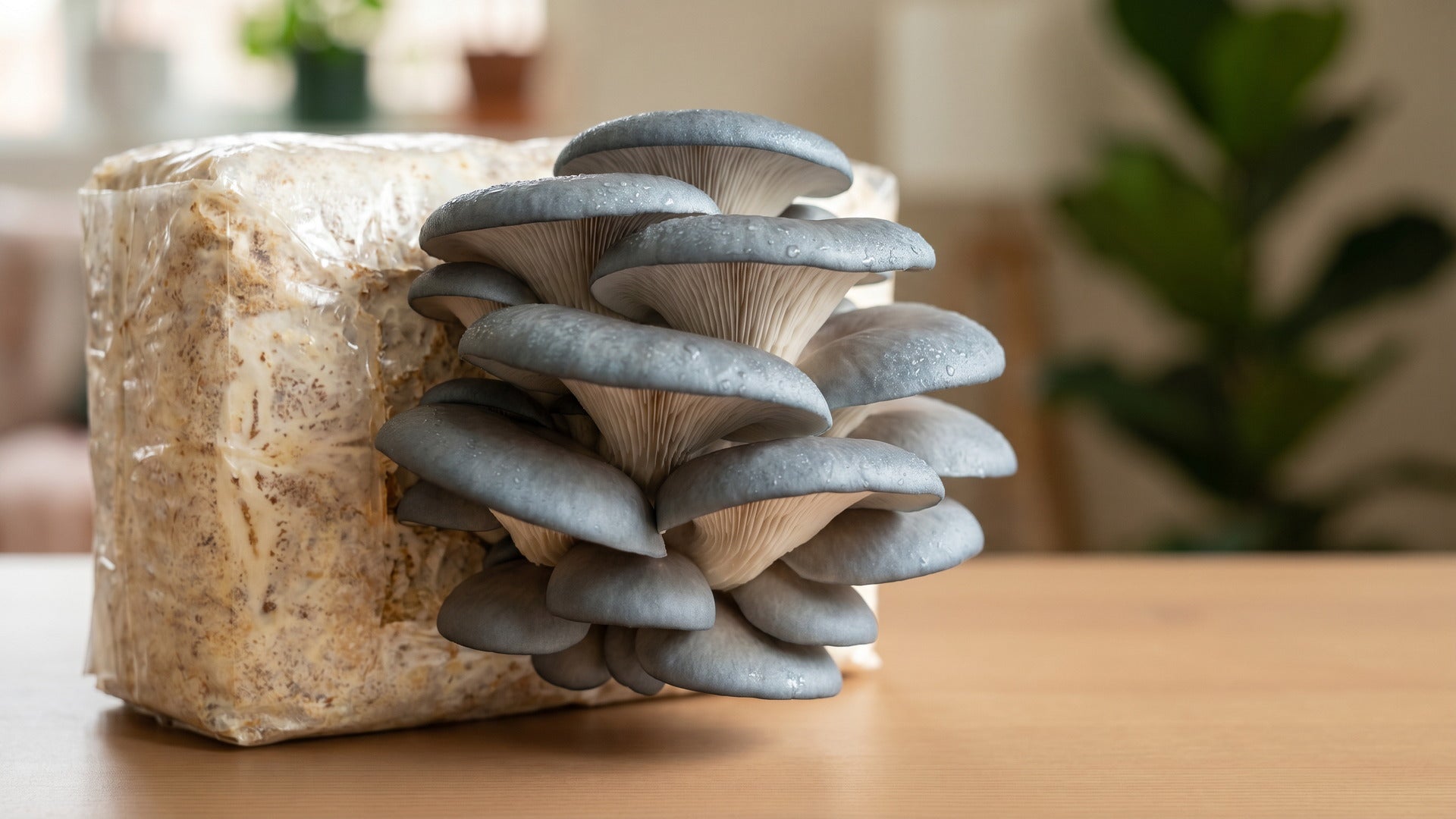
Here's what I tell new foragers: while you're building identification skills, grow your own mushrooms at home. Zero risk, maximum reward.
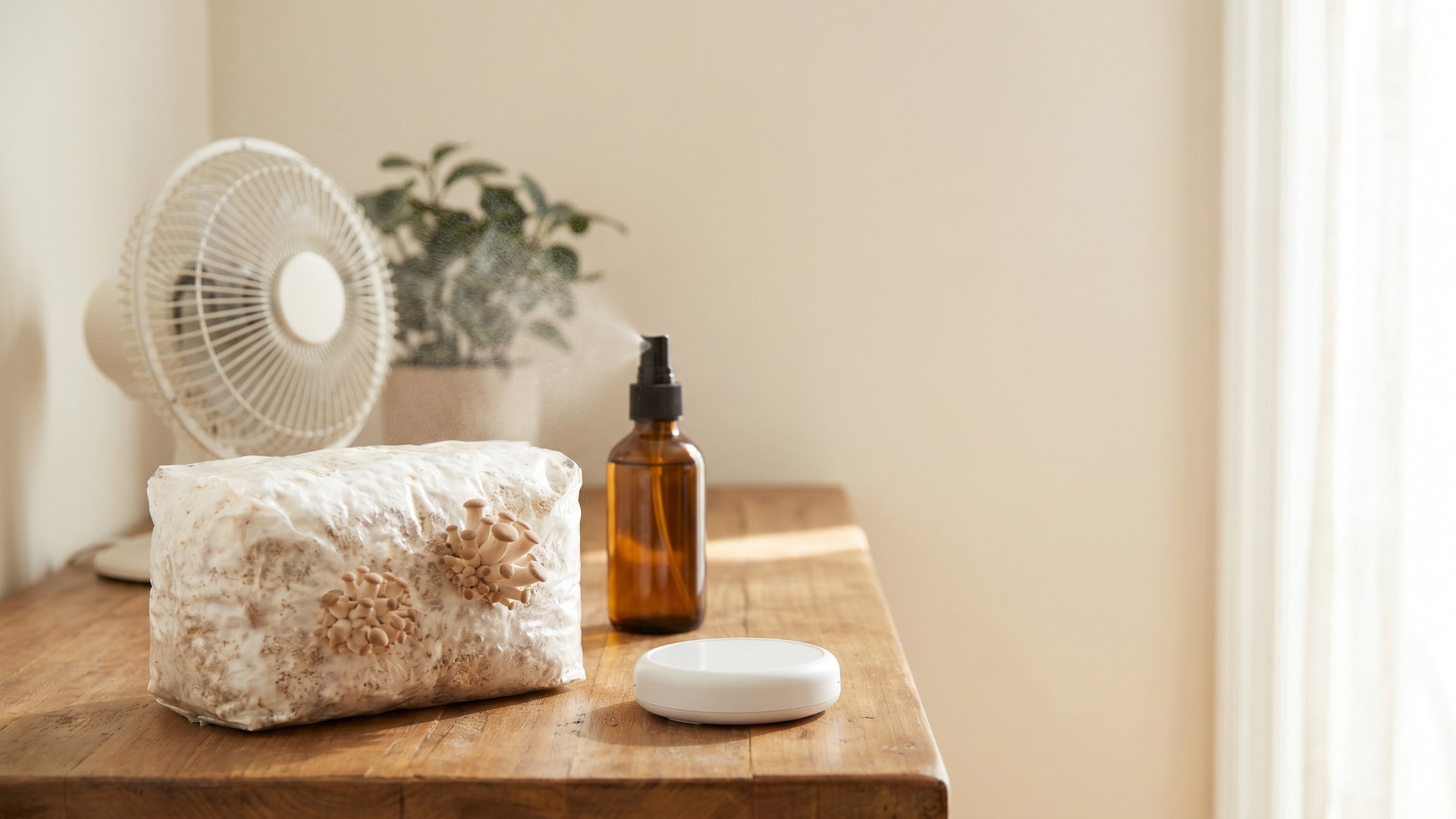
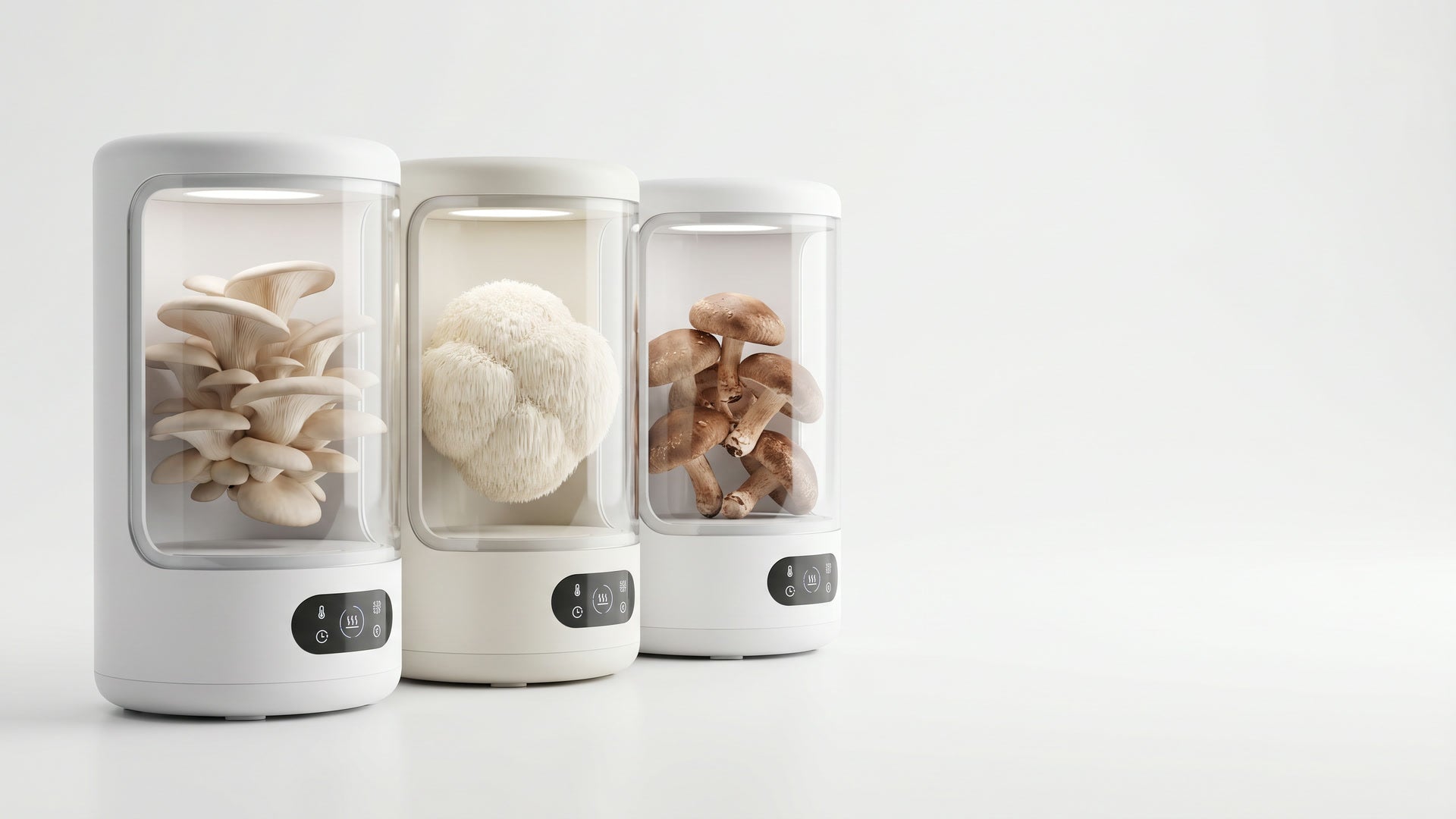
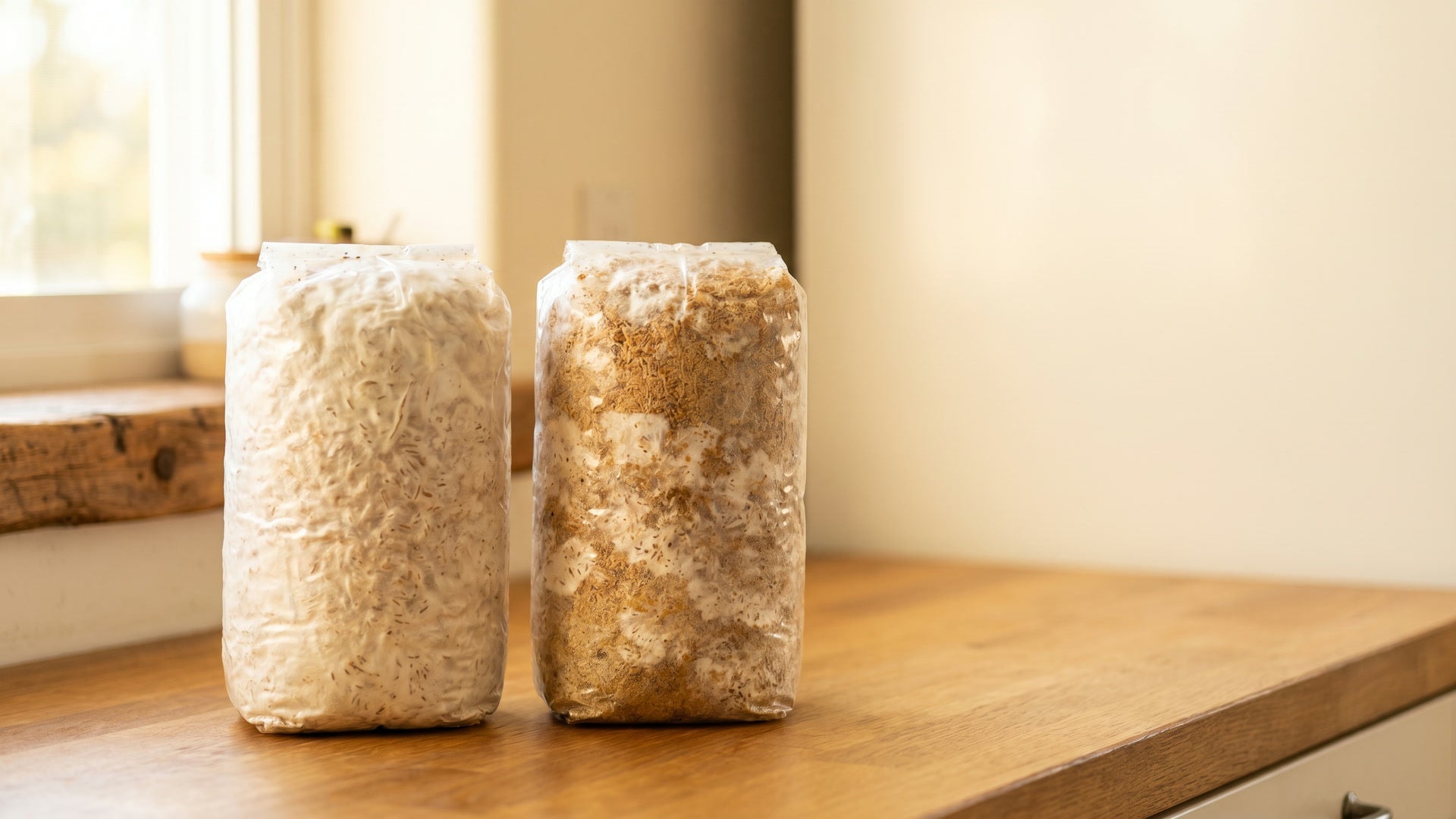
The Smart Mushroom Grow Kit provides controlled conditions for growing gourmet varieties without foraging risks. You get fresh mushrooms while developing your mycological knowledge in a safe environment.
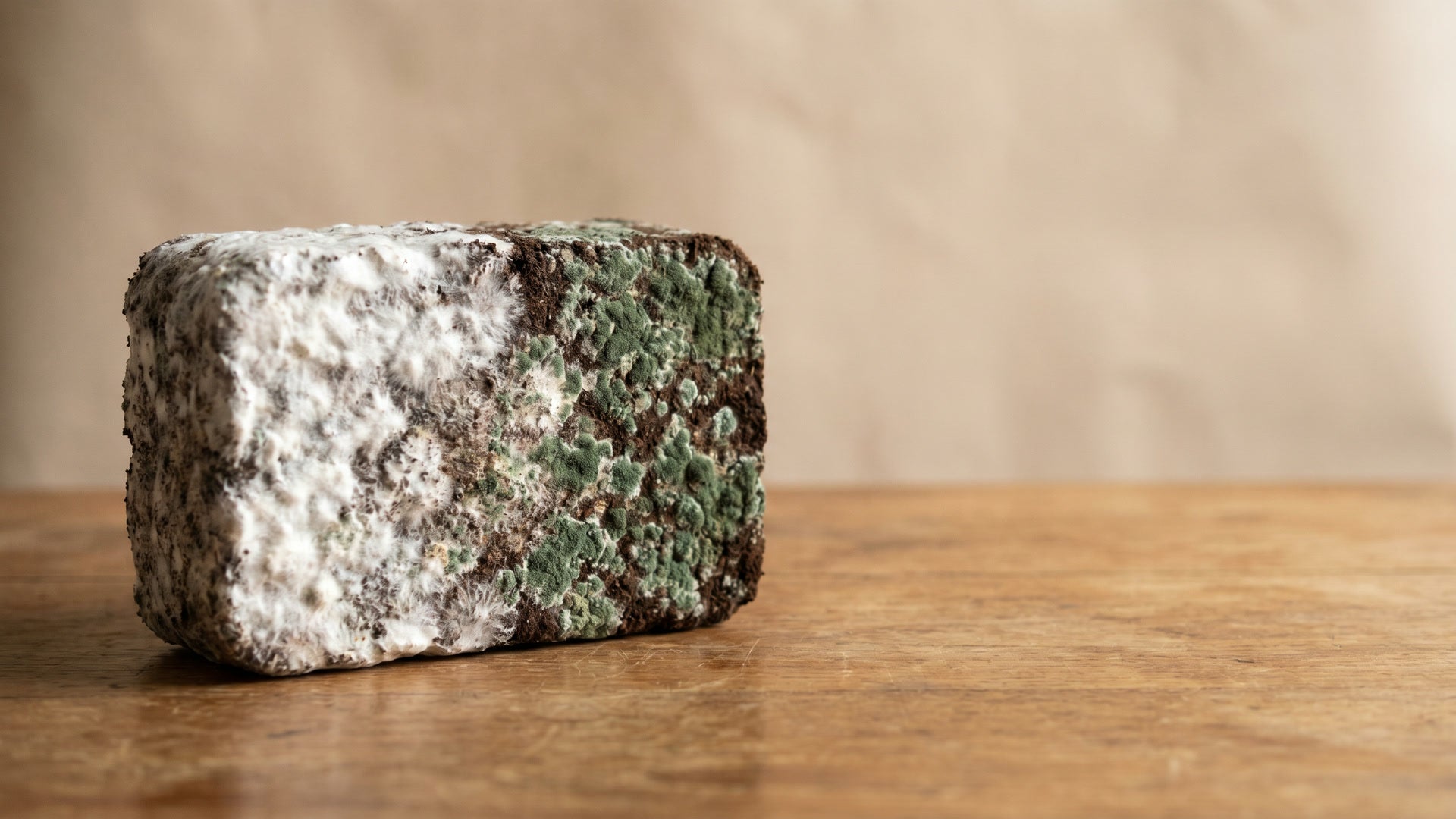
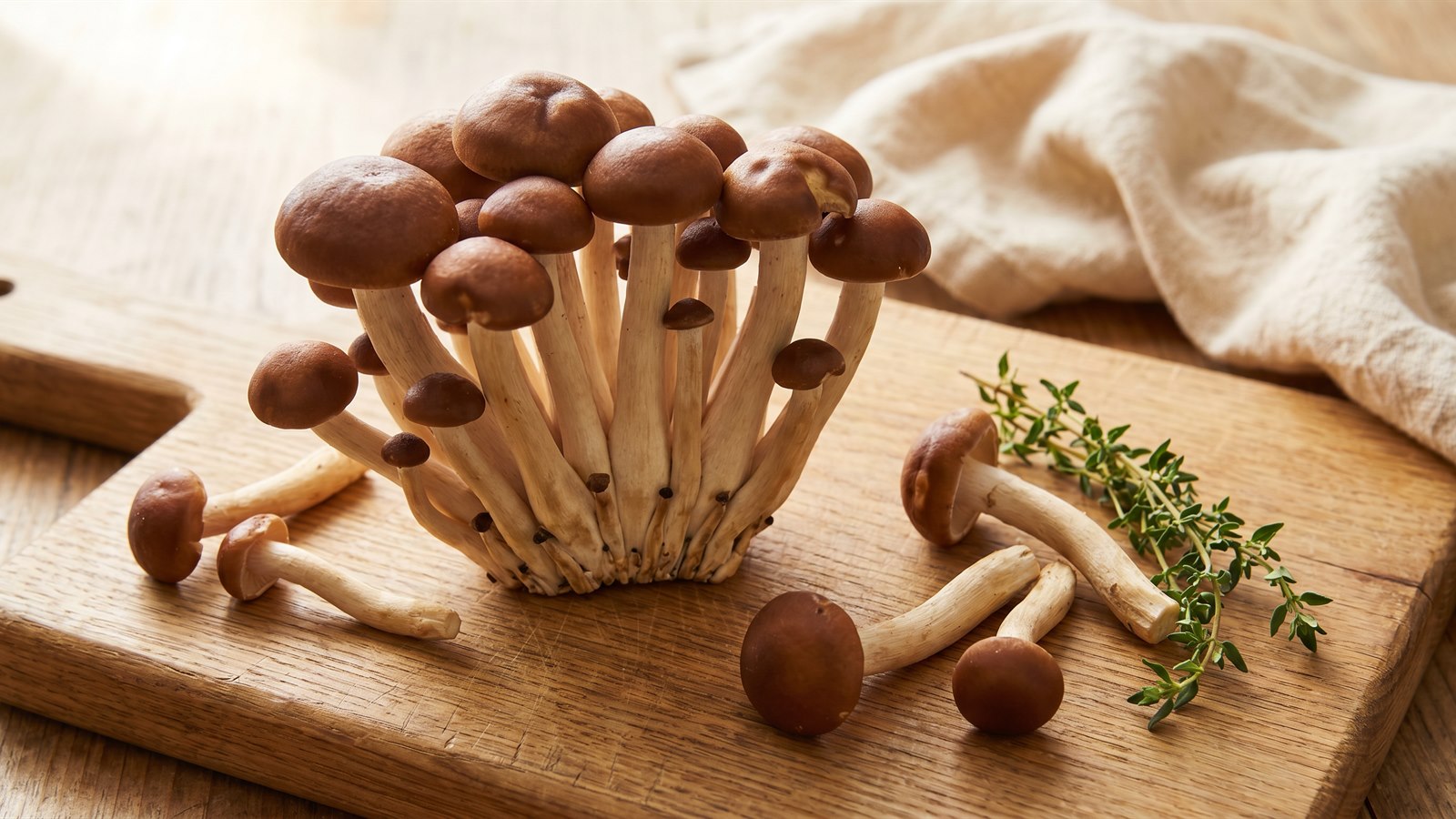
For exotic varieties, the Cinnamon Cap Mushroom Fruiting Block lets you grow chef-prized mushrooms at home. These blocks produce abundant harvests without any identification guesswork.
Frequently Asked Questions About Jack-O'-Lantern Mushrooms
Can you touch jack-o'-lantern mushrooms safely?
Yes, handling jack-o'-lantern mushrooms won't harm you. The toxins require ingestion to cause illness. You can safely pick them up for identification purposes. Just wash your hands afterward and never taste-test any wild mushroom.
Do jack-o'-lantern mushrooms really glow in the dark?
Absolutely, fresh jack-o'-lantern gills produce genuine bioluminescence. The glow comes from a chemical reaction involving luciferase enzymes. You'll need complete darkness and about 10 minutes for your eyes to adjust to see the faint greenish glow.
How can I tell a jack-o'-lantern from a chanterelle?
Check three things: gill structure (jack-o'-lanterns have true thin gills, chanterelles have blunt ridges), growth pattern (jack-o'-lanterns grow in clusters on wood, chanterelles grow singly from soil), and interior color (jack-o'-lanterns are orange inside, chanterelles are white).
Are jack-o'-lantern mushrooms deadly?
No, jack-o'-lantern mushrooms are not considered deadly to healthy adults. They cause severe gastrointestinal distress including violent vomiting and diarrhea lasting 24-48 hours. However, dehydration can be dangerous for vulnerable individuals, so medical attention is recommended.
Where do jack-o'-lantern mushrooms grow most commonly?
Jack-o'-lanterns grow on decaying hardwood, especially oak. You'll find them in deciduous forests throughout North America, typically at the base of trees or stumps. They fruit from August through November and always grow in clusters.
Can dogs get sick from jack-o'-lantern mushrooms?
Yes, dogs can experience poisoning from jack-o'-lantern mushrooms. Symptoms mirror human reactions: vomiting, diarrhea, lethargy, and drooling. Contact your veterinarian immediately if your dog consumes any wild mushroom.
What should I do if I think I ate a jack-o'-lantern mushroom?
Call Poison Control immediately at 1-800-222-1222. Save any remaining mushroom material for identification. Stay hydrated and monitor symptoms. Seek emergency care if you experience severe dehydration, bloody stool, or symptoms lasting beyond 48 hours.
Protecting Yourself While Enjoying Mycology
Here's what it comes down to: jack-o'-lantern mushrooms are beautiful, scientifically fascinating, and absolutely not worth eating. The glow is cool. The toxicity is not.
Key takeaways:
- True gills = toxic. This is your most reliable identification feature.
- Clusters on wood = suspicious. Chanterelles don't grow this way.
- When in doubt, don't. No meal is worth 48 hours of misery.
- Build skills safely. Home cultivation bridges the gap while you learn.
- Respect the forest. Every mushroom deserves proper identification.
If you're serious about mushrooms but want to eliminate identification risks, controlled cultivation is your answer. When working with any cultivation project, a Still Air Box maintains the sterile environment necessary for successful inoculation, giving you gourmet mushrooms without foraging dangers.
Start Your Safe Mushroom Journey Today
Ready to enjoy mushrooms without the worry? Explore the Smart Mushroom Grow Kit and harvest your first flush within weeks, no identification anxiety required.
Whether you're a seasoned forager sharpening your skills or a beginner starting out, knowing your toxic species is non-negotiable. Bookmark this guide, share it with your foraging friends, and stay safe out there.
Ready to Grow Mushrooms at Home?
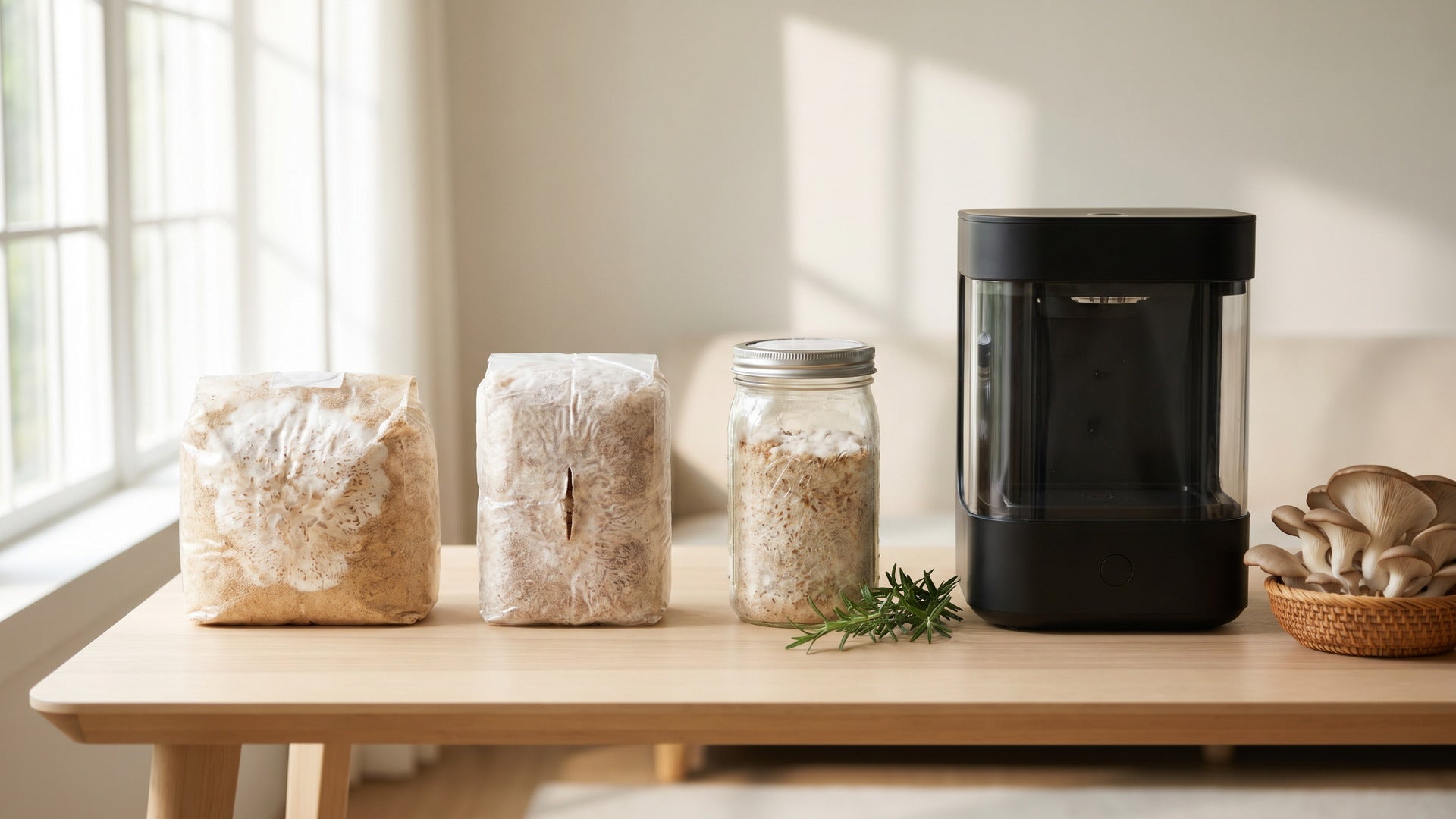
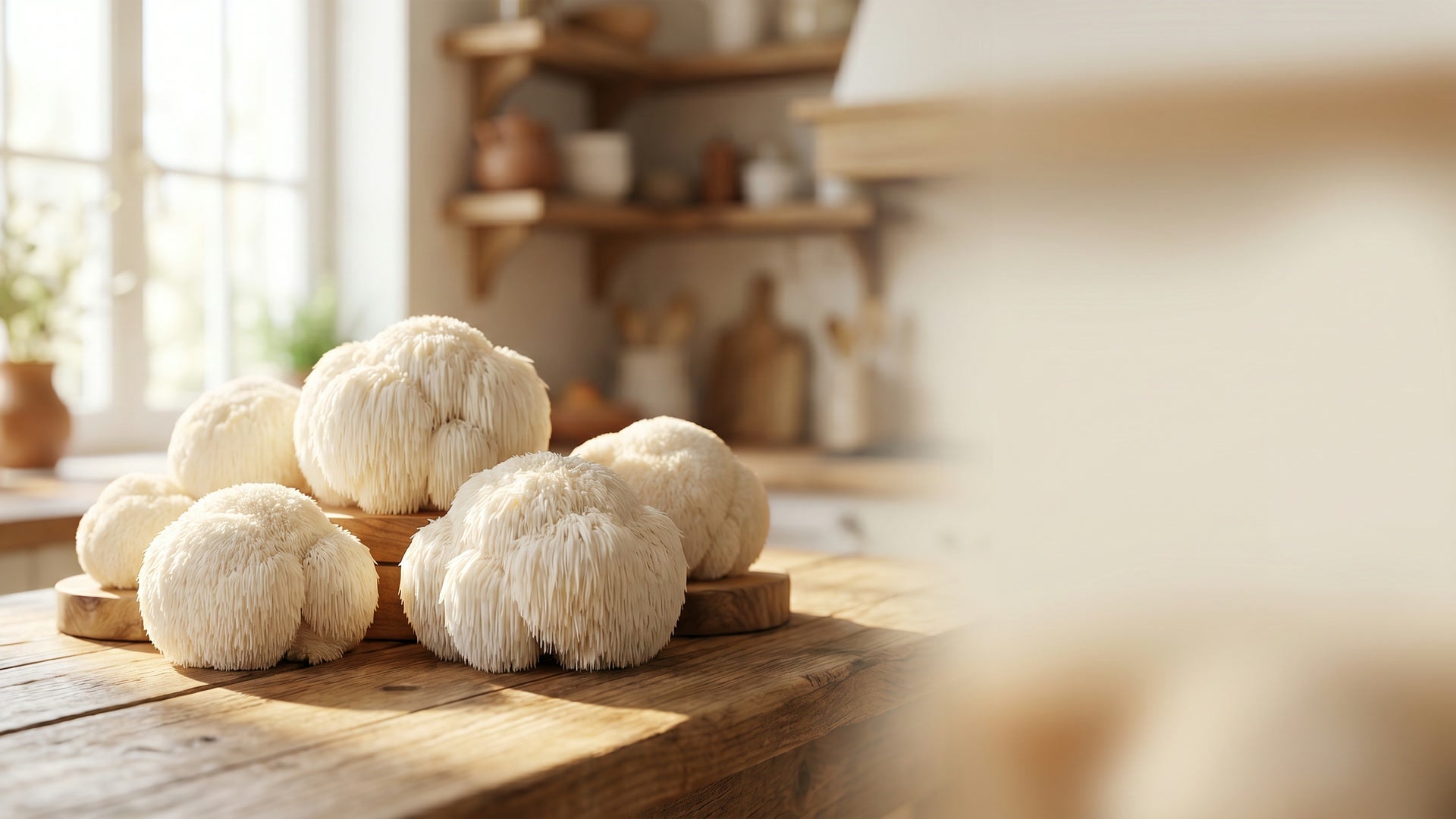
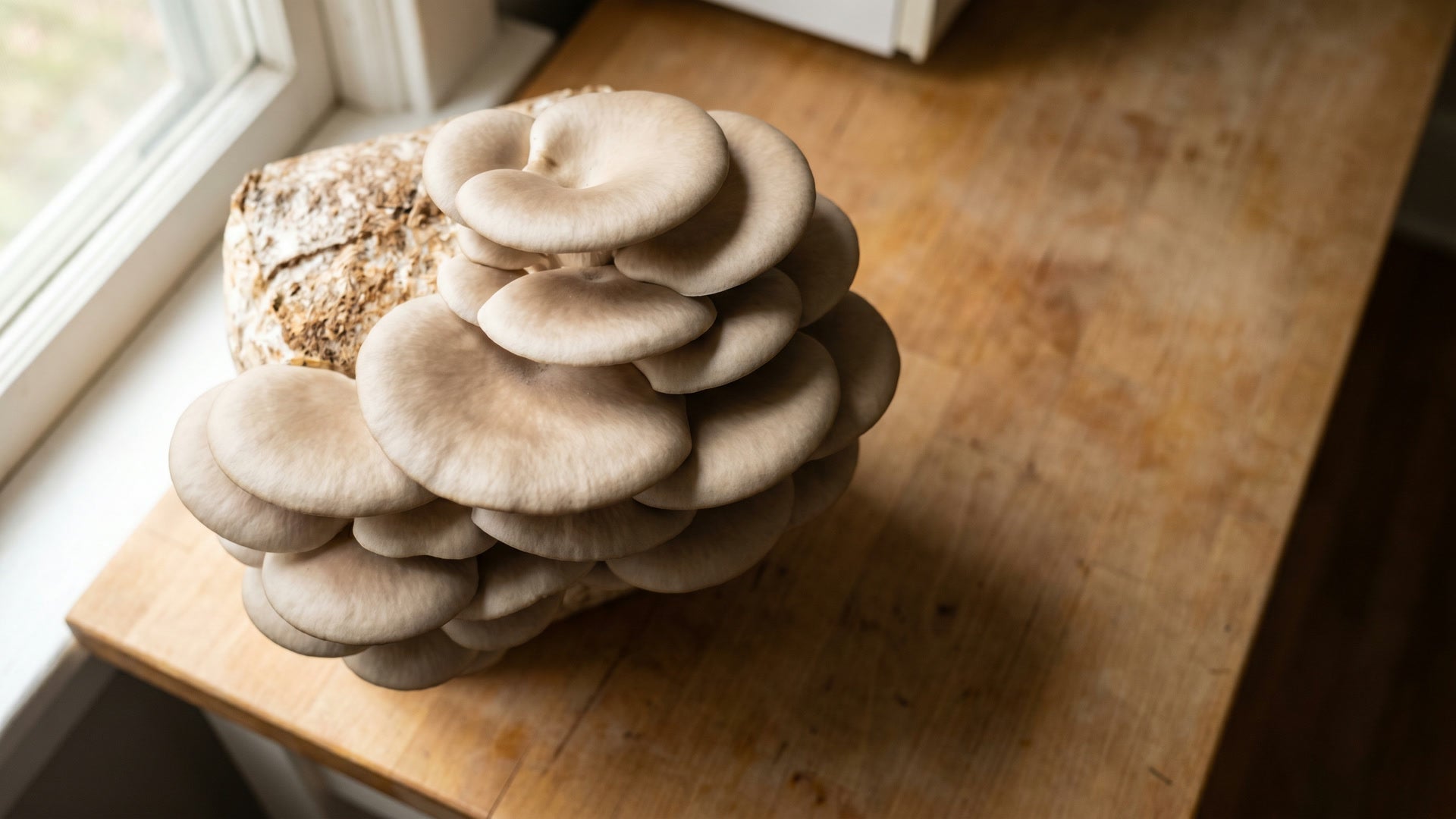
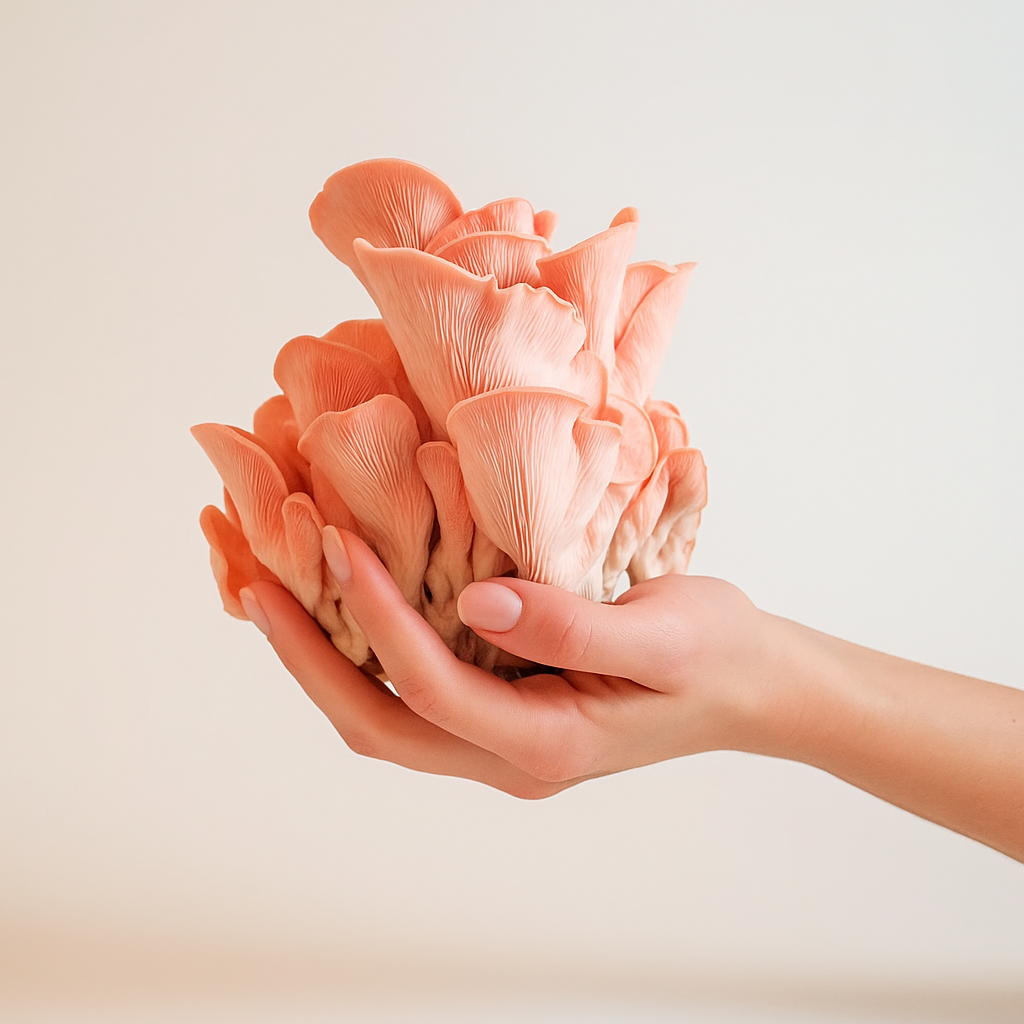
If the jack o lantern mushroom scared you off wild foraging, growing your own at home is the safest way to enjoy gourmet mushrooms with zero ID risk. The Lykyn Smart Mushroom Grow Kit grows lion's mane, oyster, shiitake, and chestnut mushrooms in a sealed countertop chamber with automated humidity, airflow, and lighting. Every harvest is verified, edible, and ready to eat in 10 to 14 days.
Pair the chamber with a pre-inoculated fruiting block for guaranteed-safe gourmet mushrooms, no foraging knowledge required.
Share:
How to Make the Best Hungarian Mushroom Soup at Home
Mushroom Chocolate: The Complete Guide to Making Functional Chocolate at Home (2026)