


Featured Snippet Box
What is a destroying angel mushroom? The destroying angel is a deadly poisonous white mushroom in the Amanita genus. Found across North America and Europe, it causes 90% of mushroom-related deaths worldwide. Containing amatoxins that destroy liver cells, even one cap can be fatal. Never consume any all-white wild mushroom without expert identification.
Look, I've been cultivating and studying mushrooms for over a decade now. And every single foraging season, I hear another story that makes my stomach drop. Someone picked what they thought was a tasty field mushroom or a puffball. Turned out to be a destroying angel.
They didn't make it.
Here's the brutal truth: the destroying angel mushroom is responsible for the majority of fatal mushroom poisonings in North America. And the really cruel part? It looks completely innocent. Beautiful, even. Just a pretty white mushroom that could easily pass for something you'd find at the grocery store.
That's exactly why I'm writing this guide. Whether you're new to foraging or you've been at it for years, understanding this deadly fungus isn't optional, it's survival 101.
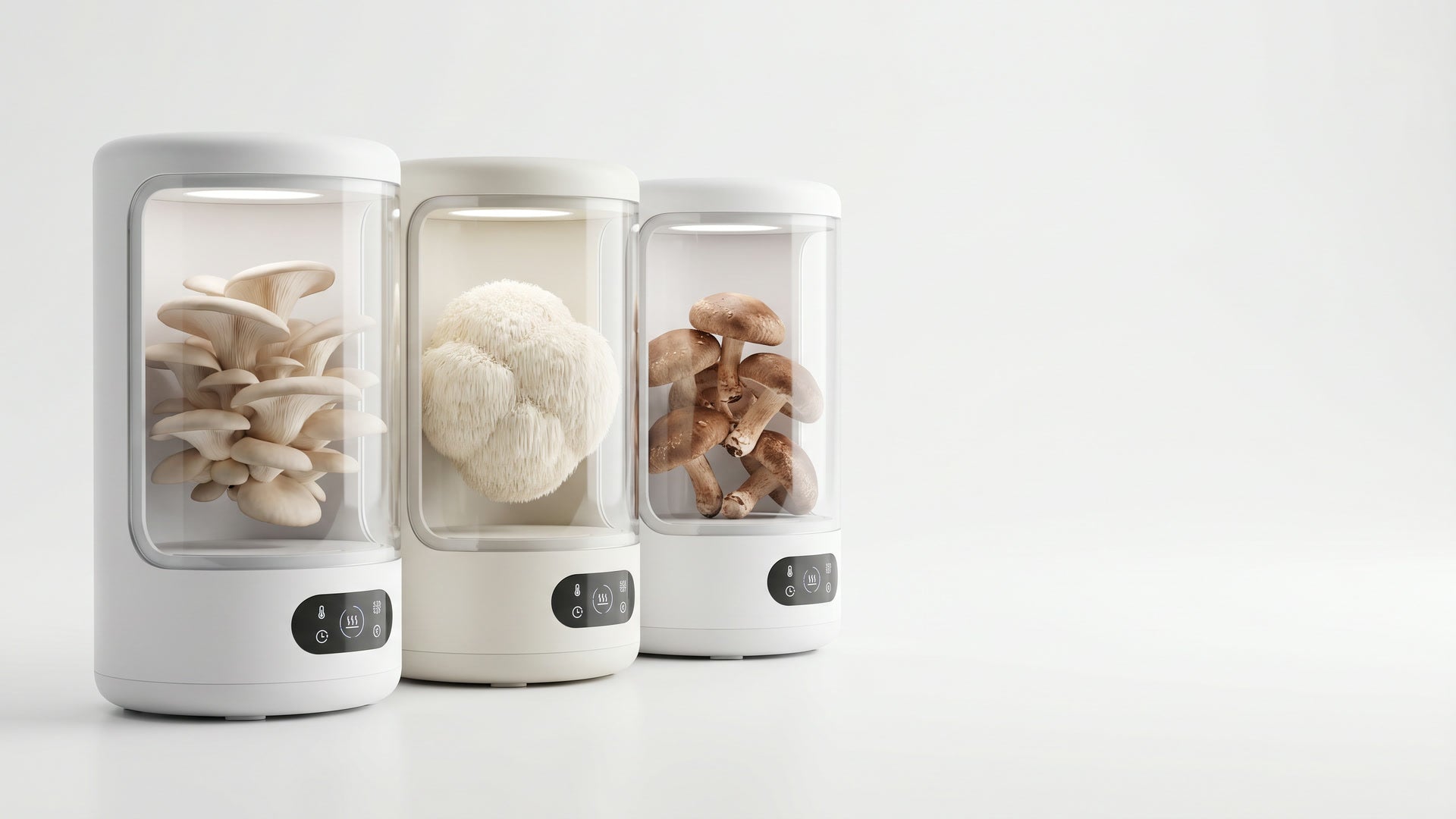
Before we dive deep, I want to be clear: this guide is educational. If you're serious about foraging, start with cultivation to learn mushroom anatomy safely. Our Smart Mushroom Grow Kit lets you observe mushroom development stages without any risk, you'll understand gills, veils, and spore prints hands-on before ever stepping into the woods.
What Exactly Is the Destroying Angel Mushroom?
The destroying angel isn't just one mushroom, it's actually a group of deadly species within the Amanita genus. In North America, you'll primarily encounter:
- Amanita bisporigera (Eastern North American destroying angel)
- Amanita ocreata (Western North American destroying angel)
- Amanita virosa (European destroying angel)
- Amanita verna (Spring destroying angel)
All of them will kill you. No exaggeration.
The Science Behind the Lethality
These mushrooms contain amatoxins, specifically alpha-amanitin. Here's what makes this toxin so terrifying:
| Factor | Details |
|---|---|
| Lethal dose | 0.1 mg/kg body weight (about half a cap for an adult) |
| Heat stability | Cooking does NOT destroy the toxin |
| Symptom delay | 6-24 hours before symptoms appear |
| Mortality rate | 10-30% even with modern medical treatment |
| Mechanism | Destroys liver and kidney cells irreversibly |
The symptom delay is what makes this mushroom a perfect killer. By the time you feel sick, the toxins have already been absorbed. You might even feel better temporarily, the "honeymoon phase", before liver failure sets in.
How to Identify the Destroying Angel: A Complete Visual Guide
I'm going to walk you through exactly what to look for. But first, let me be absolutely clear: when in doubt, throw it out. No mushroom meal is worth your life.
Physical Characteristics Breakdown
Cap (Pileus):
- Pure white to ivory colored
- 5-15 cm (2-6 inches) in diameter
- Smooth, sometimes slightly sticky when wet
- Convex when young, flattening with age
Gills:
- White, free (not attached to stem)
- Closely spaced
- Covered by a partial veil when immature
Stem (Stipe):
- White, 8-20 cm tall
- Has a delicate white ring (annulus) near the top
- Base is enclosed in a cup-like structure (volva), THIS IS CRITICAL
Spore Print:
- White

The Volva: Your Most Important Identification Clue
Here's what separates experienced foragers from statistics: always dig up the entire mushroom.
The volva at the base is often hidden underground or in leaf litter. It's a thin, sac-like membrane that encases the base of the stem. Miss this, and you've missed the single most important identifying feature of deadly Amanitas.
I can't stress this enough. When you're cross-referencing identification tips from our Mushroom Foraging Guide 2025, you'll see the volva mentioned repeatedly. There's a reason for that.
Habitat and Growing Conditions
Destroying angels are mycorrhizal fungi. They form symbiotic relationships with trees, which means you'll find them:
- Near oak, beech, birch, and pine trees
- In deciduous and mixed forests
- Growing from soil (never wood)
- Summer through fall (peak season: July-October)
- Often after rainfall
They don't grow in open fields or grasslands. If you find an all-white mushroom in the forest near trees? Red flag.
Deadly Lookalikes: Mushrooms Commonly Confused with Destroying Angels
This is where people die. These are the mushrooms that get mistaken for destroying angels, or vice versa.
Mushrooms Mistaken FOR Destroying Angels (Safe):
| Mushroom | Key Difference |
|---|---|
| White Puffball | No gills, no stem, solid white interior |
| Meadow Mushroom | Pink-to-brown gills, no volva, grows in grass |
| Horse Mushroom | Yellow staining, no volva, anise smell |
Mushrooms Mistaken AS Destroying Angels (Dangerous Mix-ups):
| Safe Mushroom | Why It's Confused | Critical Check |
|---|---|---|
| Button Mushrooms | Similar shape when young | Check for volva and habitat |
| Puffballs | White and round when young | Slice open, should be solid white |
| Paddy Straw Mushroom | Appears similar in early stages | Volva presence, gill color |
Our comprehensive Mushroom Types Food Guide covers 15 edible species in detail, specifically addressing how to distinguish them from deadly lookalikes like the destroying angel and death cap.

What Happens If You Eat a Destroying Angel? The Poisoning Timeline
I hope you never need this information. But knowing the symptoms could save a life.
Stage 1: The Silent Phase (0-6 hours)
- No symptoms whatsoever
- Toxins are being absorbed
- This is when people assume they're fine
Stage 2: GI Phase (6-24 hours)
- Severe vomiting and diarrhea
- Intense abdominal cramping
- Dehydration
- Many mistake this for food poisoning
Stage 3: The Honeymoon Phase (24-72 hours)
- Symptoms appear to improve
- Patient feels recovery is happening
- This is a lie. Liver damage is occurring silently.
Stage 4: Organ Failure (3-6 days)
- Jaundice (yellowing of skin and eyes)
- Liver and kidney failure
- Coagulopathy (blood won't clot)
- Death occurs in 10-30% of cases even with treatment
Emergency Action Steps
If you suspect destroying angel poisoning:
- Call poison control immediately (US: 1-800-222-1222)
- Go to the ER, do not wait for symptoms
- Bring a sample of the mushroom if possible
- Note the time of consumption
- Do not induce vomiting unless instructed
Modern treatment includes activated charcoal, silibinin (milk thistle extract), and in severe cases, a liver transplant. Time is everything.
Safe Mushroom Practices for 2026 and Beyond
After reading all this, you might be thinking, "Maybe I'll just never forage." I get it. But here's the thing, you don't have to choose between safety and enjoying mushrooms.
The Cultivation-First Approach
Before you ever forage a single mushroom, consider growing your own. It's how I learned, and it's how I recommend everyone start.
When you cultivate mushrooms, you:
- Learn anatomy up close and personal
- Understand growth stages and life cycles
- Practice spore prints and identification
- Build confidence with zero risk
Using a Still Air Box for sterile work teaches you the precision and attention to detail that translates directly to safe foraging. Contamination awareness in cultivation becomes toxin awareness in the field.
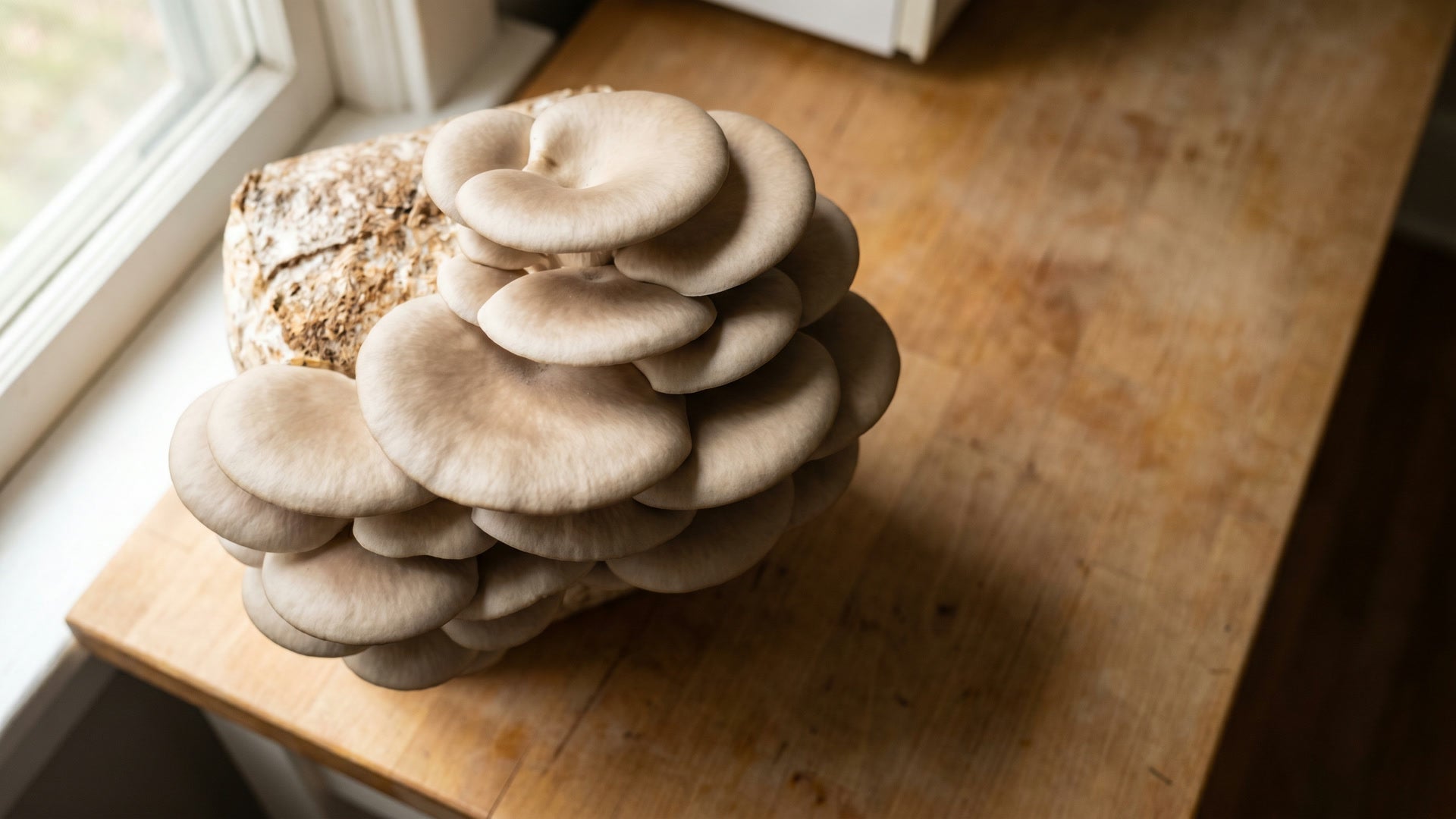
For hands-on practice with a known edible species, our Blue Oyster Mushroom Liquid Culture is perfect. Blue oysters have distinctive features, gray-blue caps, decurrent gills, growth on wood, that are impossible to confuse with any Amanita species.
The Foraging Safety Checklist
If you do forage, follow these rules religiously:
- [ ] Identify every mushroom to species level before eating
- [ ] Get expert confirmation, use local mycology clubs
- [ ] Dig up the entire mushroom to check for volva
- [ ] Never eat all-white mushrooms from forests unless 100% certain
- [ ] Take spore prints of every specimen
- [ ] When in doubt, throw it out
For deeper foraging guidance, our Foraging Mushrooms Beginner's Guide covers identification strategies, regional considerations, and safety protocols in comprehensive detail.
Frequently Asked Questions About Destroying Angel Mushrooms
Can you survive eating a destroying angel mushroom?
Yes, survival is possible with immediate medical intervention. The mortality rate is 10-30% with modern treatment, but outcomes depend heavily on the amount consumed and how quickly treatment begins. Liver transplants have saved patients in severe cases. However, survivors often suffer permanent liver damage.
How do you tell the difference between a destroying angel and an edible mushroom?
Check for the volva (cup-like structure at the base), white gills, and forest habitat near trees. Edible lookalikes like puffballs have no gills when sliced open, and field mushrooms have pink-to-brown gills with no volva. Always dig up the entire mushroom and get expert verification.
Where do destroying angel mushrooms grow in the United States?
Destroying angels grow throughout North America. Amanita bisporigera is found primarily in eastern states, while Amanita ocreata grows in western regions, especially California. They appear near oak, pine, and beech trees from summer through fall, typically after rainfall.
Are destroying angel mushrooms more poisonous than death caps?
Both contain similar amounts of amatoxins and are equally lethal. The death cap (Amanita phalloides) actually causes more deaths globally because it's more common and resembles several edible species. One cap of either mushroom can be fatal to an adult human.
Can dogs be poisoned by destroying angel mushrooms?
Absolutely. Dogs are highly susceptible to amatoxin poisoning and often eat mushrooms while exploring outdoors. If your dog ingests any unidentified mushroom, contact your veterinarian or animal poison control immediately. Symptoms include vomiting, diarrhea, and lethargy within 6-24 hours.
Does cooking destroy the toxins in destroying angel mushrooms?
No. Amatoxins are heat-stable and cannot be destroyed by cooking, boiling, freezing, or drying. There is no preparation method that makes destroying angel mushrooms safe to eat. This is one of the most dangerous misconceptions about wild mushrooms.
What time of year are destroying angel mushrooms most common?
Peak season runs from July through October in North America, though the western species (Amanita ocreata) can appear as early as spring. They typically fruit after periods of rainfall when soil moisture is high. Be especially vigilant during late summer foraging.
Conclusion: Respect the Destroying Angel
Let me leave you with the key points that might save your life or someone you love:
First, the destroying angel is genuinely one of the most dangerous organisms you'll encounter in nature. Its beauty is deceptive, its toxicity is extreme, and its lookalikes are common.
Second, identification must be absolute. The volva, white gills, forest habitat, and white spore print are your critical checkpoints. Never eat any mushroom without 100% confidence.
Third, cultivation before foraging isn't just a suggestion, it's the smart path to becoming a competent mycologist. Learning mushroom anatomy in a controlled environment builds the skills that keep you safe in the wild.
Fourth, time saves lives. If you suspect any Amanita poisoning, act immediately. Don't wait for symptoms.
Finally, the mushroom world is vast and wonderful. Thousands of species are delicious, medicinal, and fascinating. Don't let fear of the destroying angel keep you from this incredible kingdom, just let it keep you careful.
Start Your Safe Mushroom Journey Today
Ready to learn mushrooms the right way? Our Smart Mushroom Grow Kit gives you hands-on experience with mushroom anatomy and life cycles, zero risk, maximum learning. Understanding how fungi grow and develop is the foundation of safe identification.
Questions about mushroom cultivation or identification? Drop a comment below, I personally respond to every question.
Share:
How to Make the Best Cream of Mushroom Pork Chops You've Ever Tasted
Do Mushrooms Show Up on a Drug Test? Here's What Actually Happens