



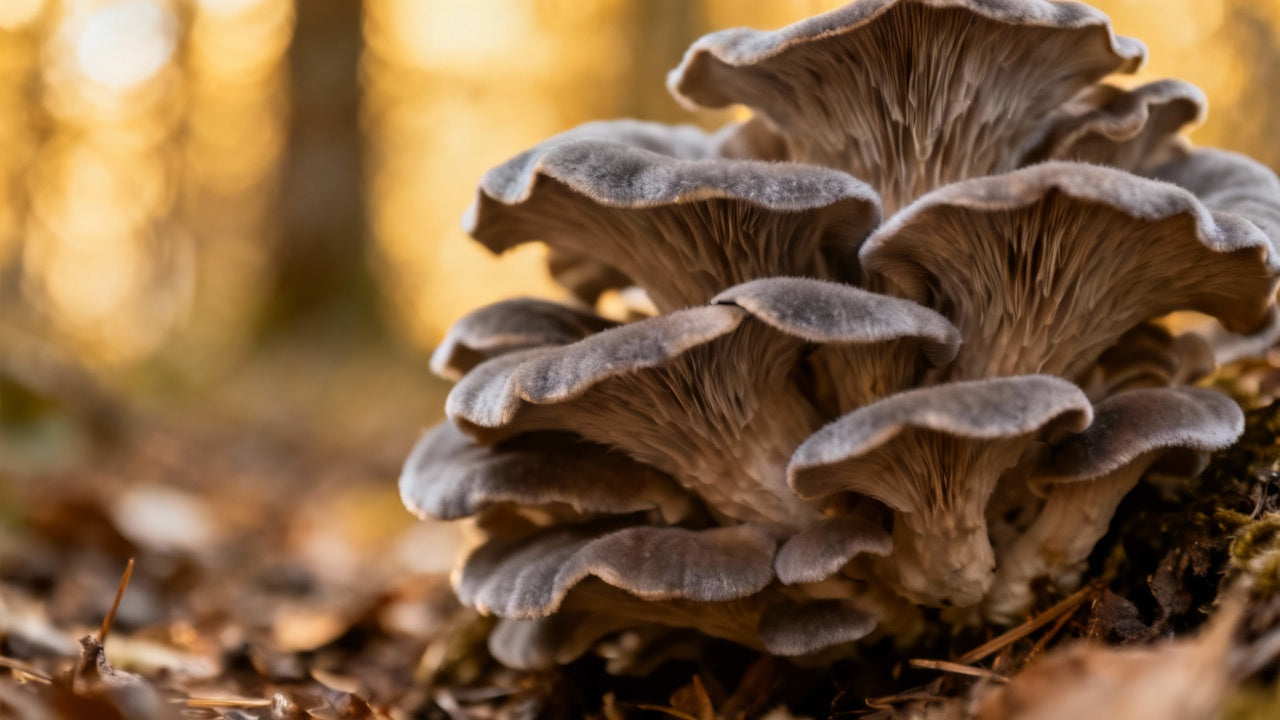
Few mushrooms can match the fascinating combination of culinary excellence and medicinal potential found in Grifola frondosa, commonly known as maitake or hen of the woods. This remarkable fungus, with its distinctive feathery appearance and rich, earthy flavor, has been revered for centuries in traditional Eastern medicine and has recently gained significant attention in Western wellness and culinary circles.
Whether you're a mushroom enthusiast, health-conscious consumer, or culinary adventurer, this comprehensive guide will explore everything you need to know about this extraordinary mushroom—from its unique characteristics and powerful health benefits to cultivation techniques and delicious culinary applications.
What is Grifola Frondosa?
Grifola frondosa is a polypore fungus belonging to the family Grifolaceae. It grows in distinctive clusters of overlapping caps that resemble the feathers of a fluffed hen, giving rise to its common name "hen of the woods." In Japanese, it's called "maitake" (舞茸), which translates to "dancing mushroom"—a name reportedly derived from the excitement people would feel upon discovering this valuable mushroom in the wild.
As noted in our maitake vs oyster mushroom guide, maitake mushrooms are "commonly known as 'hen of the woods,' 'sheep's head,' or 'ram's head' mushrooms" and feature a rich, complex flavor profile with firm, chewy texture that has made them increasingly popular in gourmet cuisine.
Key Characteristics
- Appearance: Large, clustered fruiting bodies with multiple overlapping caps
- Size: Can range from 4-36 inches across, sometimes weighing up to 50 pounds
- Color: Typically grayish-brown to smoky brown, with a lighter underside
- Texture: Firm and chewy with a pleasant bite when cooked
- Flavor: Rich, earthy, and somewhat woodsy with umami notes
- Habitat: Primarily grows at the base of oak trees, but also found near maple and other hardwoods
- Season: Late summer through fall in temperate regions
Natural Habitat and Distribution
Maitake is native to temperate forests in North America, Europe, and Asia. In the wild, it's typically found growing at the base of hardwood trees, particularly oaks. Unlike many mushrooms that grow on dead wood, maitake has a slightly parasitic relationship with living trees, though it primarily feeds on decaying matter around the tree's base.
What makes wild maitake particularly special is its tendency to return to the same location year after year if conditions remain favorable. Foragers who discover a productive maitake spot often keep it secret, as these mushrooms can be quite valuable.
The Nutritional Profile of Maitake
Maitake mushrooms offer an impressive nutritional profile that contributes to their status as a functional food. They're low in calories while providing substantial nutrients, making them an excellent addition to a balanced diet.
Macronutrients
- Protein: Contains all essential amino acids, making up approximately 13-21% of dry weight
- Carbohydrates: Primary component (70-80% of dry weight), including beneficial fiber and complex carbohydrates
- Fat: Very low in fat (less than 1% of dry weight)
Micronutrients
- Vitamins: Rich in B vitamins (particularly B2, B3, and B5), with some vitamin D
- Minerals: Contains potassium, phosphorus, calcium, magnesium, selenium, and zinc
- Fiber: High in both soluble and insoluble dietary fiber
Bioactive Compounds
What truly sets maitake apart are its bioactive compounds:
- Beta-glucans: Complex polysaccharides with immune-modulating properties
- Proteoglycans: Compounds that may support cellular health
- Triterpenes: Natural compounds with potential anti-inflammatory effects
- Phenolic compounds: Provide antioxidant benefits
These nutritional components work synergistically to provide maitake's health-promoting effects.

Health Benefits and Medicinal Properties
The medicinal potential of maitake mushrooms has been explored for centuries in traditional Eastern medicine, and modern scientific research continues to validate and expand upon these traditional uses.
Immune System Support
Maitake contains beta-glucans, particularly the D-fraction and MD-fraction, which have been extensively studied for their immune-modulating properties. These compounds may help:
- Enhance natural killer cell activity
- Support balanced immune responses
- Increase macrophage and T-cell function
- Promote overall immune system resilience
Blood Sugar Regulation
Research suggests maitake may support healthy blood glucose levels through several mechanisms:
- Enhancing insulin sensitivity
- Supporting glucose metabolism
- Providing beneficial dietary fiber that slows carbohydrate absorption
These effects make maitake potentially valuable for those focused on metabolic health.
Cardiovascular Support
Several studies indicate that maitake may support heart health by:
- Helping maintain healthy cholesterol levels
- Supporting normal blood pressure
- Providing antioxidants that protect against oxidative stress
Antioxidant Properties
Maitake contains powerful antioxidants that help neutralize free radicals and reduce oxidative stress. These antioxidants include:
- Phenolic compounds
- Ergothioneine
- Various polysaccharides with antioxidant activity
Other Potential Benefits
While research is ongoing, preliminary studies suggest maitake may also provide:
- Liver support
- Cellular health promotion
- Weight management support
- Stress adaptation (adaptogenic properties)
It's important to note that while research on maitake's health benefits is promising, many studies are preliminary or conducted in laboratory or animal models. Human clinical trials are ongoing to further validate these potential benefits.
Cultivation of Grifola Frondosa
While wild maitake has traditionally been highly prized, advances in cultivation techniques have made this mushroom more accessible. As mentioned in our how to grow maitake mushrooms guide, maitake can be successfully grown at home with the right techniques and patience.
Commercial Cultivation
Commercial maitake cultivation typically follows these steps:
- Spawn preparation: Maitake mycelium is grown on a sterilized grain substrate
- Substrate preparation: Typically hardwood sawdust mixed with supplements like wheat bran
- Inoculation: The spawn is introduced to the prepared substrate
- Incubation: The inoculated substrate is kept in controlled conditions (temperature 55-75°F/12-24°C, humidity 65-75%)
- Fruiting: Once fully colonized, conditions are adjusted (cooler temperatures 55-65°F/12-18°C, higher humidity 85-95%) to trigger fruiting
- Harvesting: Typically occurs 2-3 months after inoculation
Commercial operations may use specialized equipment, including climate-controlled rooms, HEPA filtration, and automated systems to ensure optimal growing conditions.
Home Cultivation
Home cultivation of maitake is possible but more challenging than growing other varieties like oyster mushrooms. However, with patience and attention to detail, it can be rewarding. Methods include:
Using Commercial Grow Kits
The simplest approach for beginners is to use a pre-inoculated maitake grow kit. These kits contain substrate already colonized with maitake mycelium and require minimal setup:
- Open the kit according to instructions
- Maintain proper humidity and temperature
- Wait for fruiting (typically 1-3 months)
- Harvest when caps are fully developed but still firm
DIY Log Cultivation
For those seeking a more traditional approach:
- Select freshly cut hardwood logs (preferably oak)
- Drill holes in a diamond pattern
- Insert maitake spawn plugs
- Seal with food-grade wax
- Place in a shaded, moist environment
- Wait 1-2 years for fruiting
- Harvest when ready
Using a Smart Mushroom Growing System
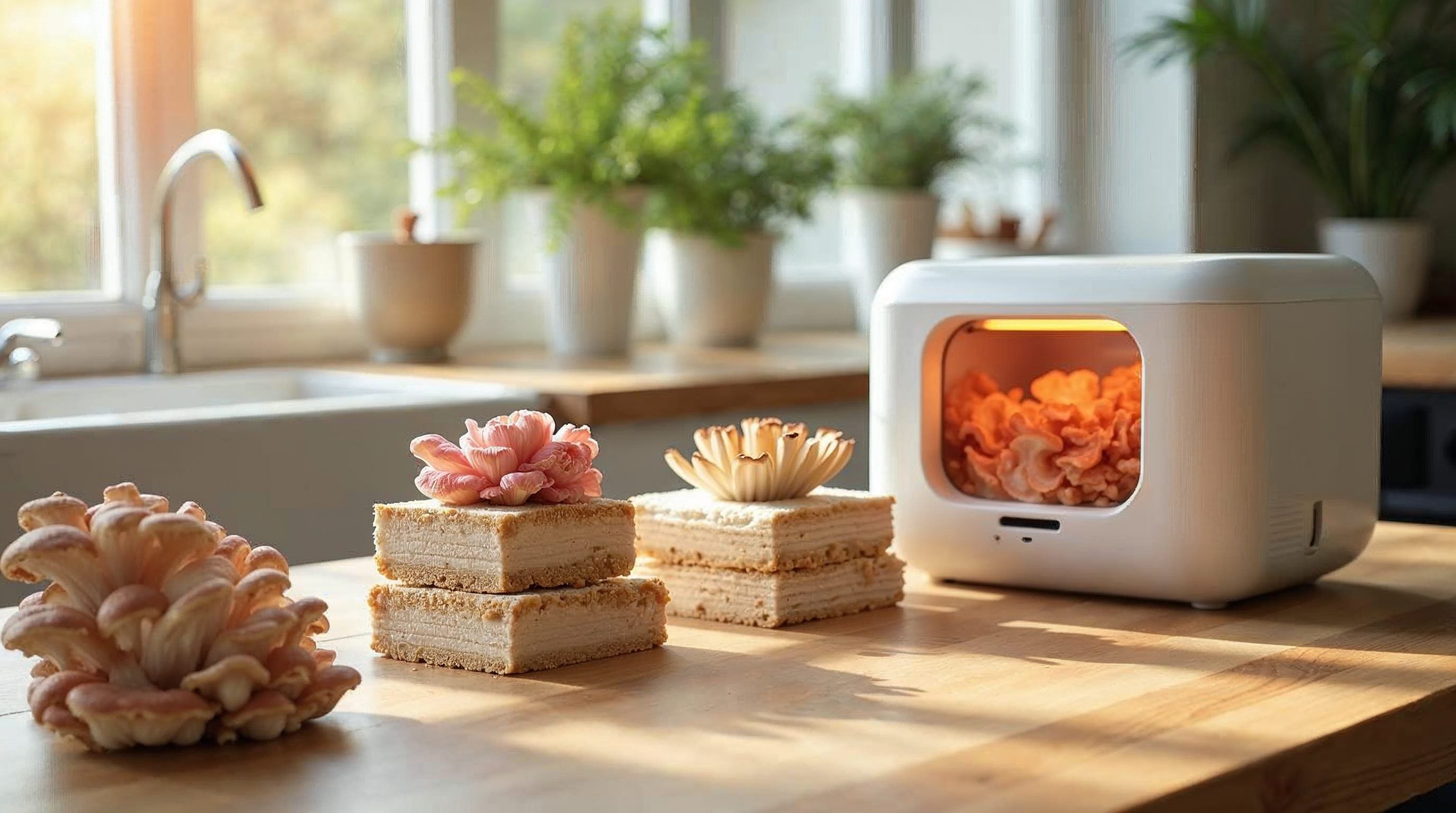
For optimal results with less guesswork, the Lykyn Smart Mushroom Grow Kit provides ideal growing conditions through automated humidity and airflow control. This innovative system helps overcome the challenging aspects of maitake cultivation by maintaining the precise environmental conditions this mushroom requires.

Culinary Uses and Preparation
Maitake's rich, earthy flavor and unique texture make it a prized ingredient in various cuisines. As noted in our fried maitake mushrooms guide, "The unique structure of maitake mushrooms makes them particularly well-suited for frying. Their frilly, feathery clusters provide plenty of surface area for breading or batter to cling to, resulting in an exceptional crispy texture when fried."
Selecting and Storing
Whether foraging, purchasing from markets, or harvesting from your own grow kit, proper selection and storage are crucial:
Selection Tips:
- Look for firm, fresh-looking clusters
- Avoid specimens with slimy or discolored areas
- Select mushrooms with a fresh, earthy smell
- Smaller to medium-sized clusters often have better texture
Storage Recommendations:
- Store in a paper bag in the refrigerator
- Avoid plastic bags, which can trap moisture and accelerate spoilage
- Use within 5-7 days for optimal flavor and texture
- For longer storage, consider drying or freezing
Cleaning and Preparation
Proper cleaning is essential before cooking:
- Gently brush away any dirt or debris with a soft mushroom brush or paper towel
- If necessary, use a damp cloth to remove stubborn dirt
- Avoid soaking in water, as maitake readily absorbs moisture
- Cut or tear into bite-sized pieces as needed
Cooking Methods
Maitake's versatility in the kitchen is one of its most appealing qualities:
Sautéing
The most popular method that highlights maitake's natural flavor:
- Heat olive oil or butter in a pan over medium-high heat
- Add maitake pieces in a single layer
- Cook without disturbing for 3-4 minutes until golden brown
- Flip and cook for another 2-3 minutes
- Season with salt, pepper, and herbs
Roasting
Creates a wonderful caramelized flavor:
- Preheat oven to 400°F (200°C)
- Toss maitake pieces with olive oil, salt, and pepper
- Arrange in a single layer on a baking sheet
- Roast for 15-20 minutes until edges are crispy and golden
Frying
As detailed in our fried maitake mushrooms guide, there are several approaches:
- Tempura-style: Light, crispy Japanese batter
- Breaded: Traditional coating with flour, egg, and breadcrumbs
- Pan-fried: Simple searing in a hot pan with minimal oil
Soups and Broths
Adds depth and umami to liquid-based dishes:
- Add maitake pieces to simmering broth
- Allow to cook for 10-15 minutes
- The mushrooms will infuse the broth with their rich flavor
Flavor Pairings
Maitake pairs beautifully with:
- Herbs: Thyme, rosemary, sage
- Aromatics: Garlic, shallots, ginger
- Proteins: Chicken, beef, tofu
- Cooking fats: Butter, olive oil, sesame oil
- Grains: Rice, barley, farro
- Vegetables: Asparagus, leeks, kale
FAQs About Grifola Frondosa
Is maitake mushroom the same as hen of the woods?
Yes, maitake and hen of the woods are common names for the same mushroom, Grifola frondosa. Other names include sheep's head, ram's head, and dancing mushroom.
How can I identify wild maitake mushrooms safely?
Maitake has a distinctive appearance with overlapping gray-brown caps resembling feathers. It typically grows at the base of oak trees in late summer through fall. However, since some lookalike species exist, it's recommended to consult with an experienced forager or mycologist before consuming any wild-foraged mushrooms.
What makes maitake different from other medicinal mushrooms?
Maitake contains unique beta-glucan compounds, particularly the D-fraction and MD-fraction, that have been extensively studied for their immune-modulating properties. Additionally, maitake has a more pleasant taste and texture than many other medicinal mushrooms, making it easier to incorporate into regular diets.
Can I take maitake supplements daily?
Many people take maitake supplements daily, but it's always advisable to consult with a healthcare professional before starting any new supplement regimen, especially if you have existing health conditions or take medications.
How long does it take to grow maitake mushrooms at home?
Maitake is slower-growing than many other cultivated mushrooms. Using a grow kit, you might see fruiting in 1-3 months. With log cultivation, it typically takes 1-2 years before the first harvest.

Maitake in Modern Wellness and Research
The interest in maitake continues to grow as scientific research reveals more about its potential benefits. Current areas of research include:
Clinical Applications
Ongoing clinical trials are exploring maitake's potential in various health contexts:
- Immune system modulation
- Metabolic health support
- Cellular health promotion
- Stress adaptation
Extraction Technologies
Advances in extraction methods are improving the bioavailability and efficacy of maitake's active compounds:
- Water extraction
- Alcohol extraction
- Dual extraction processes
- Enzymatic treatments
Integration with Conventional Approaches
Research is exploring how maitake can complement other wellness approaches:
- As an adjunct to other dietary practices
- In supporting overall health and vitality
- As part of holistic wellness regimens
Growing Your Own Maitake with Lykyn
For those interested in experiencing the full lifecycle of this remarkable mushroom, the Lykyn Smart Mushroom Grow Kit offers an excellent solution. This innovative system takes the guesswork out of mushroom cultivation by automatically maintaining ideal growing conditions through smart sensors and app control.
While maitake can be more challenging to grow than some other mushroom varieties, the controlled environment of the Lykyn system helps ensure successful cultivation by:
- Maintaining optimal humidity levels (85-95% for fruiting)
- Regulating temperature ranges (55-75°F/12-24°C for mycelium growth, 55-65°F/12-18°C for fruiting)
- Providing proper airflow and CO₂ exchange
- Offering species-specific settings for optimal growth
Even with advanced growing systems, maitake typically takes longer to fruit than other mushroom species, requiring patience. However, the reward of harvesting your own home-grown maitake makes the wait worthwhile.
Conclusion: The Enduring Appeal of Grifola Frondosa
From ancient forests to modern kitchens and wellness practices, Grifola frondosa continues to captivate with its unique appearance, exceptional flavor, and remarkable health-supporting properties. Whether you're drawn to its culinary versatility, interested in its potential health benefits, or fascinated by the process of growing your own, maitake offers something special to everyone who encounters it.
As research continues to uncover the scientific basis for maitake's traditional uses, and as cultivation techniques make this once-rare mushroom more accessible, we can expect to see even greater appreciation for this remarkable fungus in the years to come.
Whether you're enjoying maitake in a gourmet dish, experimenting with home cultivation, or exploring its wellness applications, this extraordinary mushroom represents one of nature's most fascinating convergences of flavor, function, and form—truly earning its reputation as the "king of mushrooms."



Share:
Lingzhi Mushroom: The Complete Guide to the Divine Mushroom of Immortality
How to Dry Shiitake Mushrooms: Complete Guide for Perfect Results 2025