



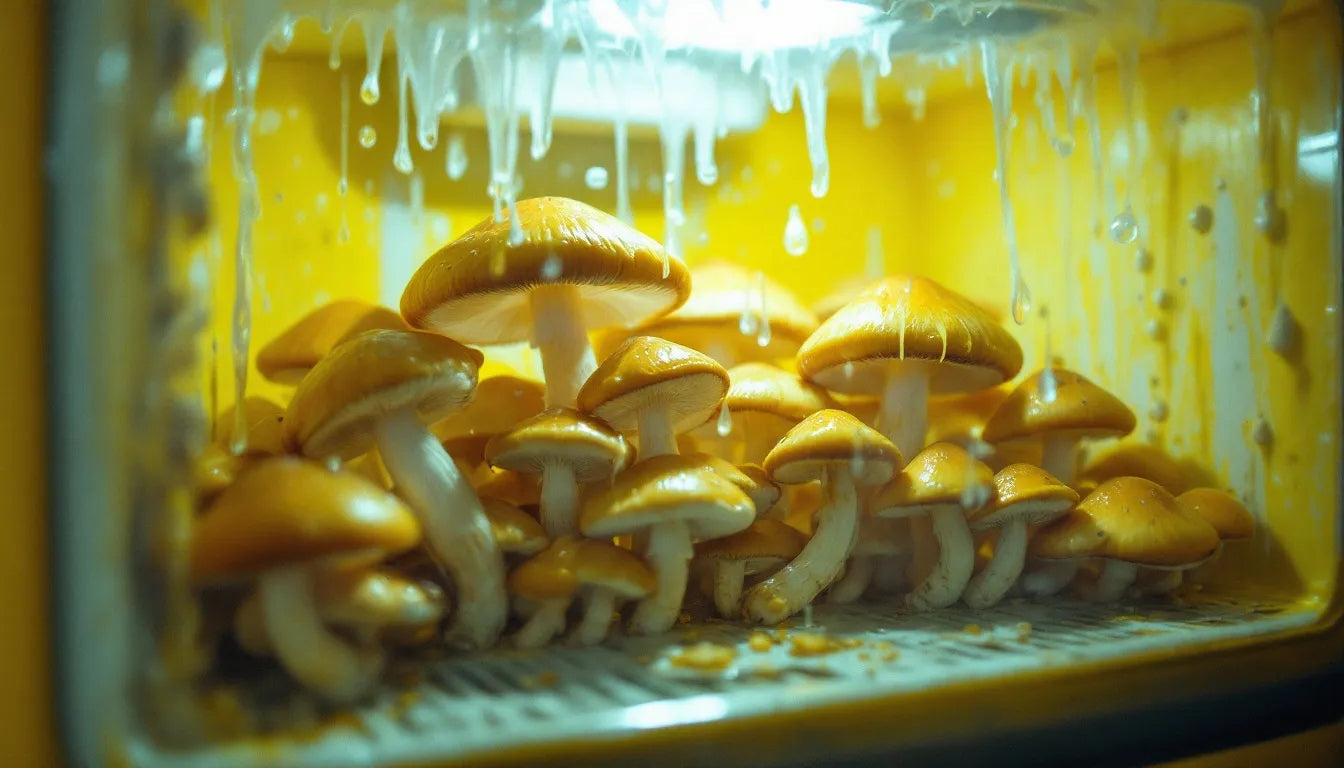
Fresh mushrooms are a culinary treasure, but knowing how to store them properly can make the difference between enjoying perfect texture and flavor versus throwing away slimy, spoiled fungi. Whether you've just harvested from your own Smart Mushroom Grow Kit or picked up some fresh varieties from the store, understanding proper refrigerator storage ensures you get maximum value and nutrition from these remarkable foods.
Most fresh mushrooms last 7-10 days in the refrigerator when stored properly, though this varies significantly by mushroom type and storage method. The key lies in maintaining optimal moisture levels while allowing for proper air circulation.
Understanding Mushroom Shelf Life in Your Refrigerator
Different mushroom varieties have varying lifespans once refrigerated. Button mushrooms and cremini typically last 7-10 days, while more delicate varieties like oyster mushrooms may only stay fresh for 5-7 days. Heartier species like shiitake can maintain quality for up to 10-14 days with proper storage.

The moisture content of mushrooms makes them particularly susceptible to deterioration. They're composed of approximately 80-90% water, which creates an environment where bacteria and mold can quickly develop if storage conditions aren't optimal.
Proper Storage Methods for Maximum Freshness
Paper Bag Method
The paper bag storage method works exceptionally well for most mushroom varieties. Place unwashed mushrooms in a paper bag, fold the top over, and store in the main refrigerator compartment. This method allows moisture to escape while preventing mushrooms from drying out completely.
Breathable Container Storage
Use containers with ventilation holes or partially open lids. Avoid completely sealed plastic containers, as these trap moisture and accelerate spoilage. Glass containers with loose-fitting lids work particularly well.
Original Packaging Considerations
Many store-bought mushrooms come in breathable plastic packaging designed for optimal storage. If the original package is undamaged and allows air circulation, it's often best to keep mushrooms in this packaging until use.
Factors That Affect Mushroom Longevity
Temperature consistency plays a crucial role in mushroom preservation. Store mushrooms in the main refrigerator compartment where temperatures remain stable, avoiding the door area where temperature fluctuations occur frequently.
Humidity levels significantly impact storage success. The refrigerator's crisper drawer can work well if it's not too humid, but monitor moisture levels carefully. Excessive humidity leads to sliminess, while insufficient moisture causes mushrooms to dry out and become tough.
Pre-washing mushrooms before storage reduces their lifespan considerably. Mushrooms are like sponges, absorbing water readily. This extra moisture creates ideal conditions for bacterial growth and mold development.
Signs Your Mushrooms Have Gone Bad
Recognizing spoilage signs helps prevent foodborne illness and ensures optimal eating experiences. Dark spots, slimy texture, and strong odors indicate mushrooms should be discarded immediately.
Visual indicators include discoloration beyond normal browning, wrinkled or shriveled appearance, and visible mold growth. Fresh mushrooms should feel firm and dry to the touch, not soft or mushy.

Smell provides another reliable spoilage indicator. Fresh mushrooms have an earthy, pleasant aroma, while spoiled mushrooms develop sour, ammonia-like, or putrid odors.
Extended Storage Solutions
Freezing Fresh Mushrooms
While freezing changes mushroom texture, it extends storage life to 6-12 months. Blanch mushrooms briefly before freezing, or sauté them first for better post-thaw texture. This works particularly well for lion's mane mushrooms intended for cooking.
Dehydration Techniques
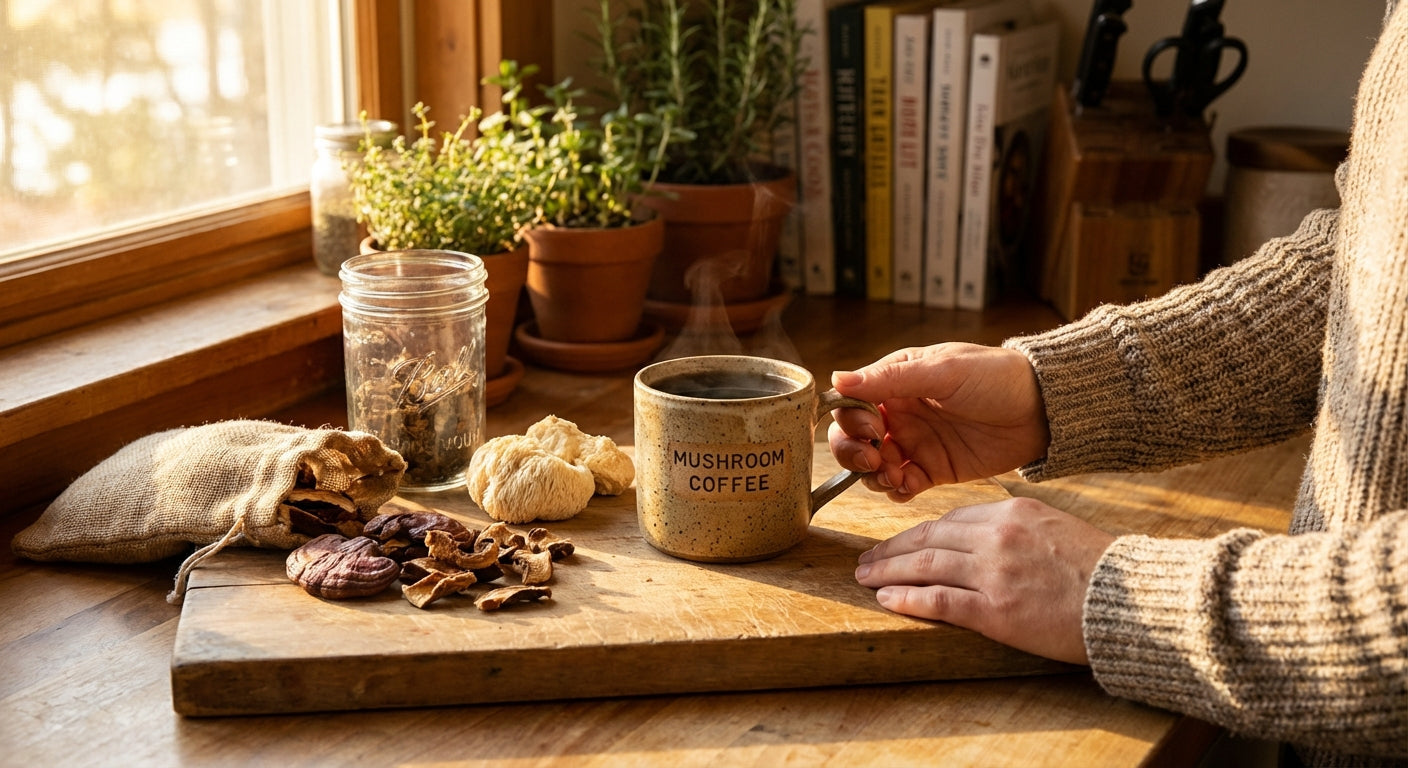
Drying mushrooms creates shelf-stable ingredients lasting months or years. Use a food dehydrator, low-temperature oven, or air-drying methods. Dried mushrooms work excellently in soups, stews, and sauces.
Pickling and Preserving
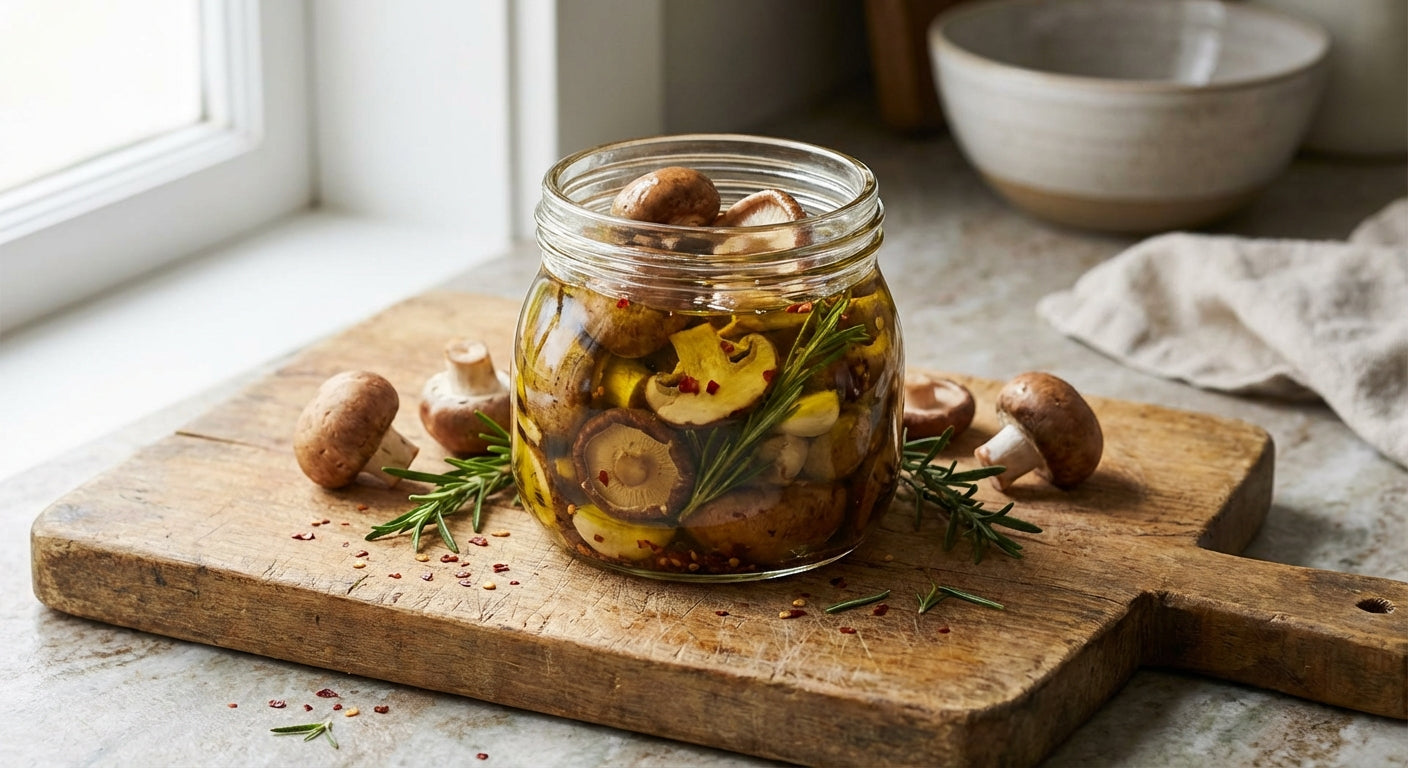
Pickled mushrooms last several weeks refrigerated and add tangy flavor to dishes. This method works particularly well with firmer varieties like trumpet mushrooms.
Maximizing Quality from Home-Grown Mushrooms
Growing your own mushrooms with a Smart Mushroom Grow Kit provides ultimate freshness control. Harvest at peak ripeness and store immediately for maximum longevity. Golden oyster mushrooms harvested fresh from home cultivation often last longer than store-bought varieties due to minimal handling and transportation stress.
Understanding when to harvest oyster mushrooms ensures you're storing mushrooms at their peak quality, which directly impacts storage longevity.
Frequently Asked Questions
How can I tell if mushrooms are still safe to eat after a week in the fridge? Check for firm texture, pleasant earthy smell, and absence of dark spots or sliminess. If mushrooms feel soft, smell off, or show discoloration, discard them immediately.
Should I wash mushrooms before storing them in the refrigerator? No, avoid washing mushrooms before storage. The extra moisture accelerates spoilage. Only wash mushrooms just before cooking or consuming them.
Can I store different mushroom types together in the same container? Yes, but ensure all varieties are fresh and use similar storage requirements. However, some mushrooms like turkey tail have different moisture needs than culinary varieties.
What's the best refrigerator temperature for storing mushrooms? Maintain refrigerator temperature between 32-40°F (0-4°C). Consistent temperature prevents condensation that can lead to premature spoilage.
Is it safe to eat mushrooms that are slightly wrinkled but don't smell bad? Slightly wrinkled mushrooms are often still safe if they're firm, smell fresh, and show no other spoilage signs. Use them quickly in cooked dishes rather than raw applications.
Featured Snippet Summary
Fresh mushrooms typically last 7-10 days in the refrigerator when stored properly in paper bags or breathable containers. Store unwashed mushrooms in the main refrigerator compartment, avoiding sealed plastic containers that trap moisture. Discard mushrooms showing dark spots, slimy texture, or off odors.
Start Growing Your Own Fresh Mushrooms Today
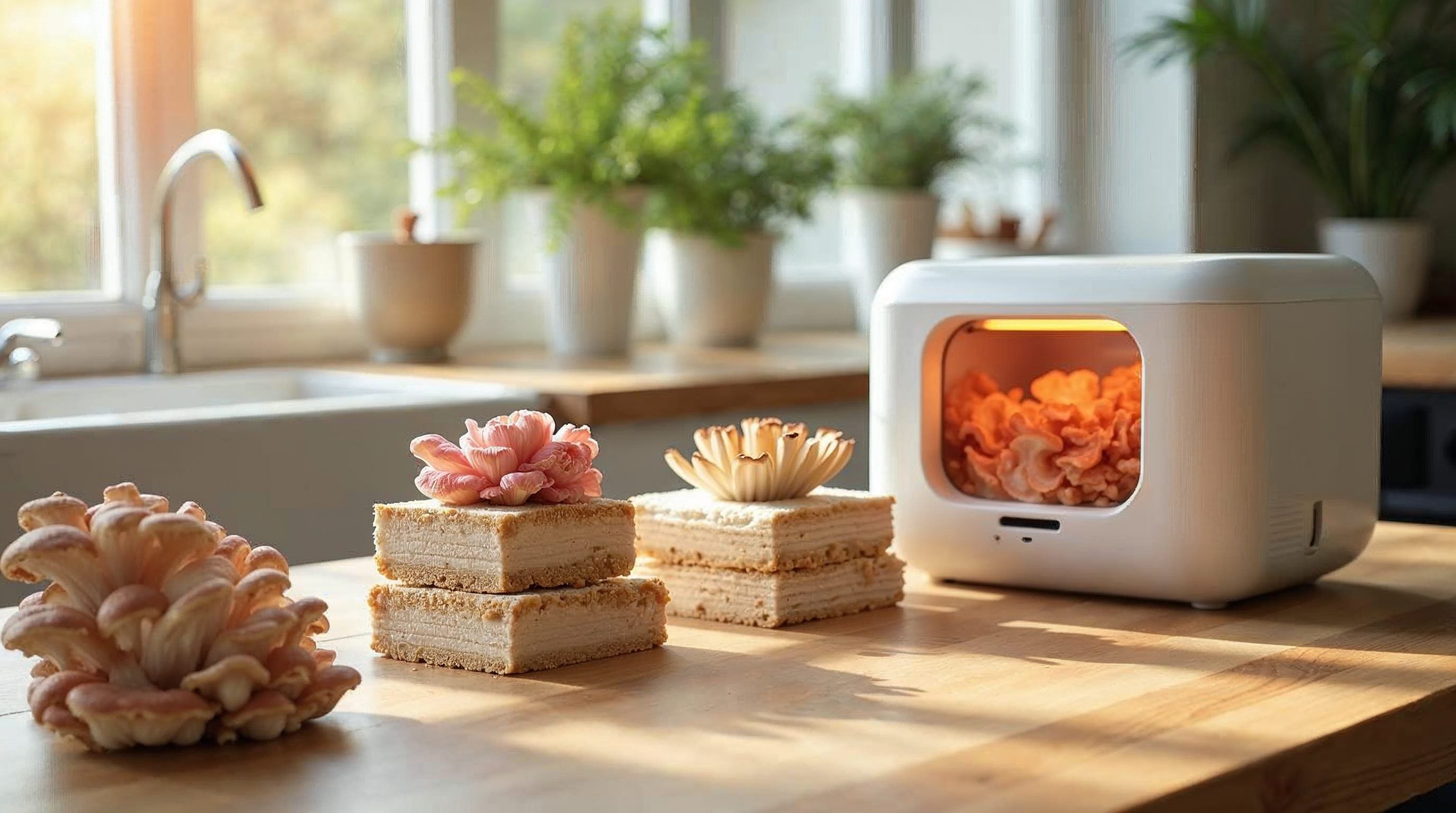
Why worry about storage limits when you can harvest fresh mushrooms whenever you need them? The Lykyn Smart Mushroom Grow Kit makes home cultivation incredibly simple, providing you with the freshest possible mushrooms right from your kitchen counter. With automated humidity control and app-guided growing, you'll never have to guess about mushroom freshness again. Explore our comprehensive mushroom growing guides and discover how easy it is to enjoy farm-fresh edible mushrooms year-round.




Share:
Can Chickens Eat Mushrooms? A Complete Guide to Safe Mushroom Feeding for Poultry
Lion's Mane Supplement: Your Complete Guide to Cognitive Enhancement