



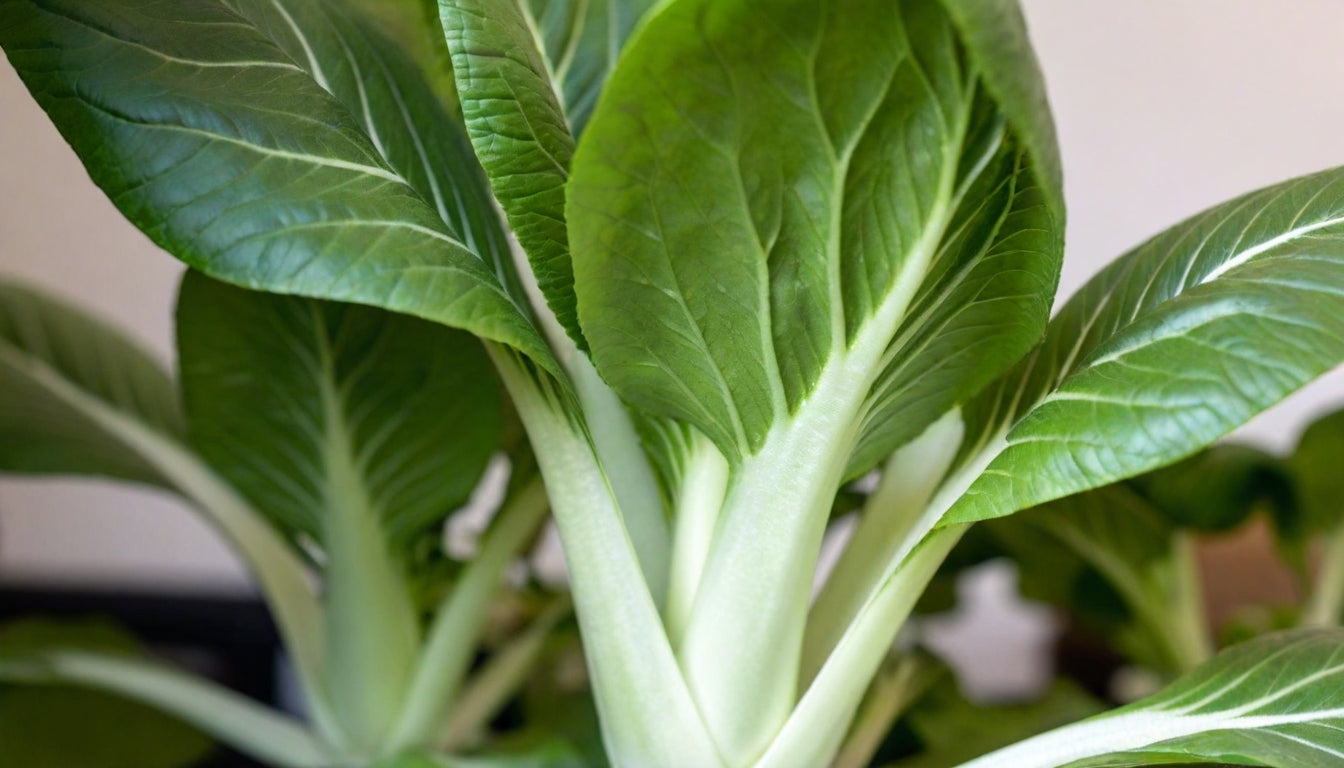
Growing baby bok choy at home is one of the most rewarding gardening experiences you can have. This compact, fast-growing Asian green delivers crisp texture and mild flavor while being incredibly easy to cultivate. Whether you're a beginner gardener or an experienced grower, baby bok choy offers consistent results and continuous harvests throughout multiple growing seasons.

What is Baby Bok Choy and Why Should You Grow It?
Baby bok choy, also known as Shanghai bok choy or mini pak choi, represents the juvenile stage of traditional bok choy. These compact plants typically reach 4-6 inches in height, making them perfect for small gardens, containers, and indoor growing setups. Unlike their full-sized counterparts, baby bok choy can be harvested whole and consumed entirely, from the tender white stems to the delicate green leaves.
The nutritional benefits of homegrown baby bok choy are exceptional. These plants contain high levels of vitamin A, vitamin C, vitamin K, and folate. They also provide essential minerals including calcium, potassium, and iron. When you grow your own baby bok choy, you ensure maximum freshness and eliminate concerns about pesticide residues or transportation-related nutrient loss.
Essential Growing Requirements for Baby Bok Choy
Climate and Temperature Preferences
Baby bok choy thrives in cool weather conditions, preferring temperatures between 50-70°F (10-21°C). These plants perform exceptionally well during spring and fall growing seasons when temperatures remain moderate. Hot summer weather causes baby bok choy to bolt prematurely, producing flowers and seeds rather than maintaining tender, edible leaves and stems.
For optimal growth, maintain nighttime temperatures around 45-55°F (7-13°C) and daytime temperatures below 75°F (24°C). If you live in regions with hot summers, consider growing baby bok choy during winter months in protected environments or using shade cloth to reduce heat stress.
Soil Preparation and Requirements
Well-draining, fertile soil forms the foundation for successful baby bok choy cultivation. These plants prefer slightly acidic to neutral soil with a pH range between 6.0-7.0. Rich, organic matter-enhanced soil promotes robust growth and prevents common issues like root rot or nutrient deficiencies.
Prepare your growing area by incorporating 2-3 inches of compost or well-aged manure into the soil. This organic matter improves drainage, adds essential nutrients, and creates the loose soil structure that baby bok choy roots prefer. If your soil tends to be heavy clay or sandy, amending with compost becomes even more critical for success.
Step-by-Step Planting Guide
Starting from Seeds
Direct seeding produces the best results for baby bok choy cultivation. Plant seeds ¼ inch deep in rows spaced 6-8 inches apart. Within each row, space seeds approximately 2-3 inches apart to allow adequate room for development. Seeds typically germinate within 7-10 days when soil temperatures remain consistently above 45°F (7°C).
For continuous harvests, practice succession planting by sowing new seeds every 2-3 weeks throughout the growing season. This technique ensures a steady supply of fresh baby bok choy rather than having all plants mature simultaneously.
Container Growing Options
Container cultivation works exceptionally well for baby bok choy due to their compact size. Choose containers at least 6-8 inches deep with adequate drainage holes. A standard window box or rectangular planter can accommodate 6-8 baby bok choy plants with proper spacing.
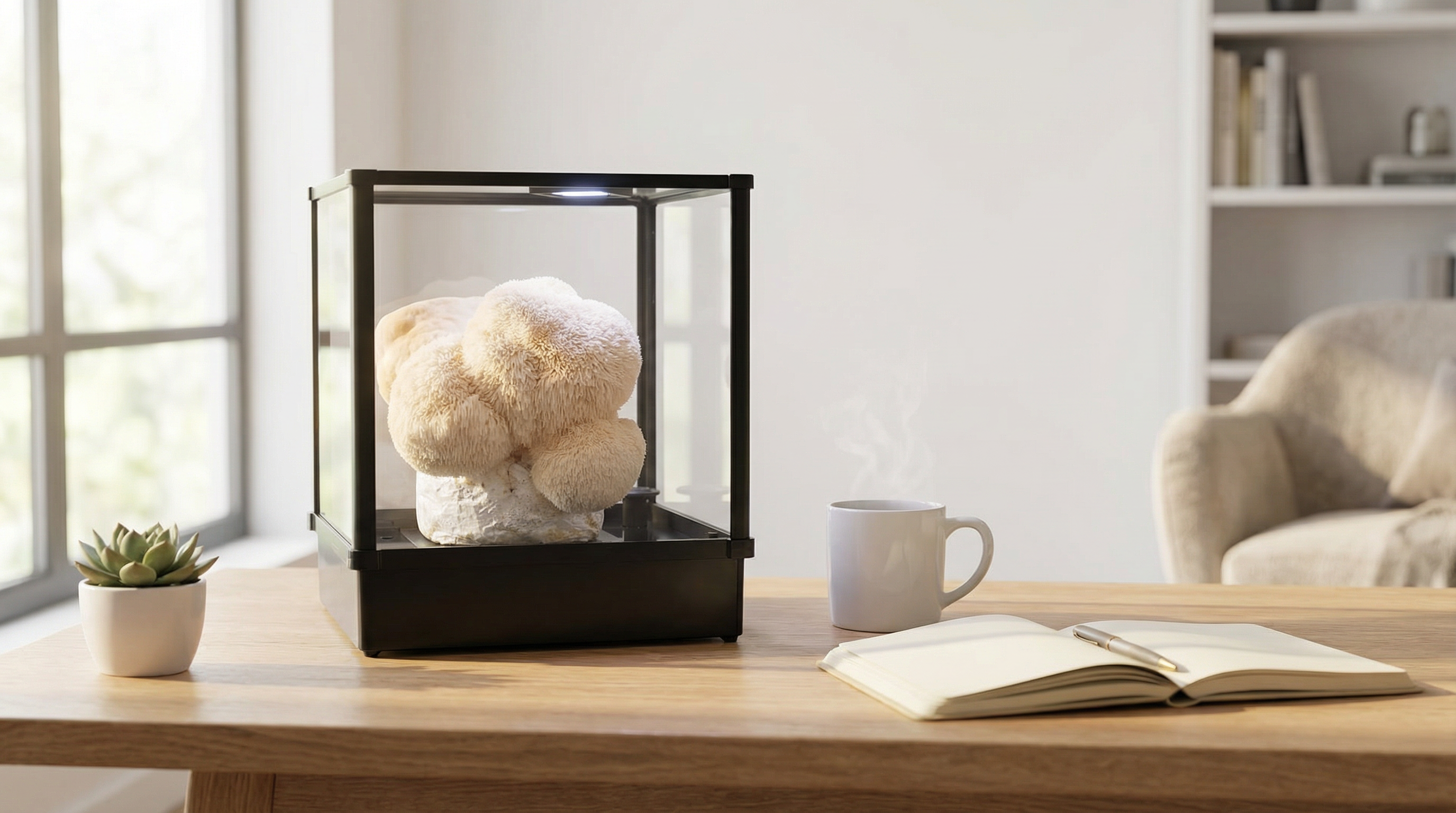
Use high-quality potting mix specifically formulated for vegetables, as garden soil becomes too heavy and poorly draining in containers. The Lykyn Smart Mushroom Grow Kit offers excellent controlled environment growing capabilities that can be adapted for various plants, providing optimal humidity and airflow control that benefits delicate crops like baby bok choy.
Indoor Growing Techniques
Indoor growing extends your baby bok choy season indefinitely while providing complete environmental control. Place containers near south-facing windows that receive 4-6 hours of direct sunlight daily. If natural light proves insufficient, supplement with full-spectrum LED grow lights positioned 6-12 inches above the plants.
Maintain indoor temperatures between 60-68°F (15-20°C) for optimal growth rates. Indoor environments often lack adequate air circulation, so consider using a small fan to promote air movement and prevent fungal diseases.
Daily Care and Maintenance
Watering Requirements and Techniques
Consistent moisture levels are crucial for baby bok choy development. These plants require approximately 1 inch of water per week, delivered through deep, infrequent watering sessions rather than frequent light applications. Deep watering encourages root development and helps plants withstand brief dry periods.
Water early in the morning to reduce evaporation loss and prevent leaf diseases that occur when foliage remains wet overnight. Apply water directly to the soil around plant bases rather than overhead watering, which can promote fungal issues and waste water through evaporation.
Fertilization Schedule
Baby bok choy benefits from regular, light fertilization throughout the growing period. Apply a balanced, water-soluble fertilizer (10-10-10 or 12-12-12) every 2-3 weeks at half the recommended strength. Alternatively, side-dress plants with compost or worm castings every 3-4 weeks for slow-release nutrition.
Avoid over-fertilizing with nitrogen-heavy fertilizers, which promote excessive leaf growth at the expense of stem development and can make plants more susceptible to pest problems.
Common Pests and Disease Management
Identifying Common Pests
Flea beetles represent the most common pest problem for baby bok choy growers. These small, dark beetles create numerous tiny holes in leaves, giving them a characteristic "shot-hole" appearance. While rarely fatal to plants, heavy infestations can significantly reduce harvest quality and plant vigor.
Aphids occasionally cluster on the undersides of baby bok choy leaves, particularly during warm weather periods. These soft-bodied insects suck plant juices and can transmission viral diseases between plants.
Cabbage worms, the larvae of white butterflies, can cause significant damage by eating large holes in leaves. These green caterpillars blend well with plant foliage, making early detection challenging.
Organic Pest Control Methods
Row covers provide excellent protection against flying pests like flea beetles and prevent adult butterflies from laying eggs that develop into cabbage worms. Install lightweight fabric covers immediately after planting and remove them only for harvesting or maintenance.
Companion planting with aromatic herbs like basil, cilantro, or dill can help repel various pests naturally. These plants release compounds that mask the scent of bok choy and make it less attractive to pest insects.
For aphid control, spray plants with a strong stream of water to dislodge insects, or apply insecticidal soap according to manufacturer directions. Beneficial insects like ladybugs and lacewings provide natural aphid control when present in the garden.
Disease Prevention Strategies
Proper spacing and air circulation prevent most fungal diseases that affect baby bok choy. Avoid overcrowding plants and ensure adequate spacing between rows to promote air movement.
Crop rotation helps prevent soil-borne diseases from building up in growing areas. Avoid planting baby bok choy or other brassica family crops in the same location more than once every three years.
Remove and dispose of any diseased plant material immediately to prevent disease spread. Never compost diseased plants, as many pathogens can survive the composting process.
Harvesting Your Baby Bok Choy
Determining Optimal Harvest Timing
Baby bok choy reaches harvest maturity 30-45 days after planting, depending on growing conditions and variety. Harvest when plants reach 4-6 inches in height and display firm, white stems with dark green leaves. The entire plant should feel solid and crisp when gently squeezed.
Harvest before plants begin showing signs of bolting, indicated by elongated stems and the appearance of flower buds in the center. Once bolting begins, leaves become bitter and stems turn tough and fibrous.
Proper Harvesting Techniques
Cut baby bok choy at soil level using a sharp knife or garden shears, preserving the root system to potentially produce a second, smaller harvest. Clean cuts heal quickly and reduce the risk of disease entry points.
For container-grown plants, you can often harvest outer leaves individually while allowing the center to continue growing, extending the harvest period by several weeks.
Harvest during cool morning hours when plants contain maximum moisture content. This timing ensures the crispest texture and longest storage life for your harvested baby bok choy.
Storage and Preservation Methods
Short-Term Storage Techniques
Fresh baby bok choy stores best in the refrigerator crisper drawer, wrapped loosely in plastic bags or stored in ventilated containers. Properly stored baby bok choy remains fresh and crisp for 5-7 days after harvest.
Avoid washing baby bok choy before storage, as excess moisture promotes rot and reduces storage life. Instead, wash just before use to maintain optimal quality.
Long-Term Preservation Options
Blanching and freezing works well for preserving baby bok choy for cooked dishes. Blanch whole plants in boiling water for 2-3 minutes, then immediately transfer to ice water to stop the cooking process. Drain thoroughly and package in freezer-safe containers.
Fermentation provides another excellent preservation method that adds beneficial probiotics to your diet. Baby bok choy can be fermented alone or combined with other vegetables to create delicious, healthy preserved foods.
Troubleshooting Common Growing Problems
Addressing Slow Growth
Slow growth typically indicates inadequate nutrition, insufficient sunlight, or temperature stress. Smart growing systems like the Lykyn Mushroom Grow Kit demonstrate how controlled environments can optimize plant growth by maintaining ideal conditions consistently.
Check soil fertility levels and apply appropriate fertilizers if plants appear pale or stunted. Ensure plants receive adequate sunlight or supplement with grow lights in low-light conditions.
Managing Bolting Issues
Premature bolting results from temperature stress, particularly when plants experience temperatures above 75°F (24°C) for extended periods. Use shade cloth during hot weather to reduce temperature stress and extend the growing season.
Choose bolt-resistant varieties specifically bred for warm weather growing if you must grow baby bok choy during summer months.
Solving Root Problems
Poor drainage causes most root-related issues in baby bok choy. Improve drainage by adding organic matter to heavy soils or creating raised beds in areas with drainage problems.
Advanced growing equipment can help monitor and maintain optimal growing conditions, preventing many common cultivation problems before they occur.
Seasonal Growing Tips
Spring Growing Success
Spring provides ideal conditions for baby bok choy cultivation in most climates. Plant 2-3 weeks before the last expected frost date, as these plants tolerate light frosts without damage.
Take advantage of mild spring temperatures to establish succession plantings every 2-3 weeks for continuous harvests throughout the season.
Fall and Winter Growing
Fall growing often produces the highest quality baby bok choy as cooling temperatures concentrate flavors and improve texture. Plant 6-8 weeks before the first expected frost date to ensure adequate growing time.
In mild winter climates, baby bok choy can be grown throughout winter months with minimal protection. Use row covers or cold frames to extend the growing season in colder regions.
Growing baby bok choy successfully requires attention to basic principles of timing, soil preparation, and consistent care. With proper planning and technique, you can enjoy fresh, homegrown Asian greens throughout multiple growing seasons. The compact size and quick maturity of baby bok choy make it an ideal choice for gardeners of all experience levels, providing delicious results in minimal space and time.


Share:
How Do You Grow Mushrooms: The Complete Guide to Home Mushroom Cultivation
Porcini (Boletus edulis): The Complete Guide to the King of Wild Mushrooms