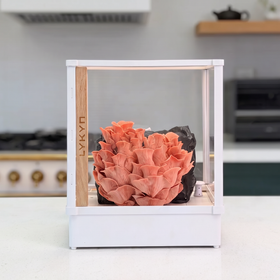



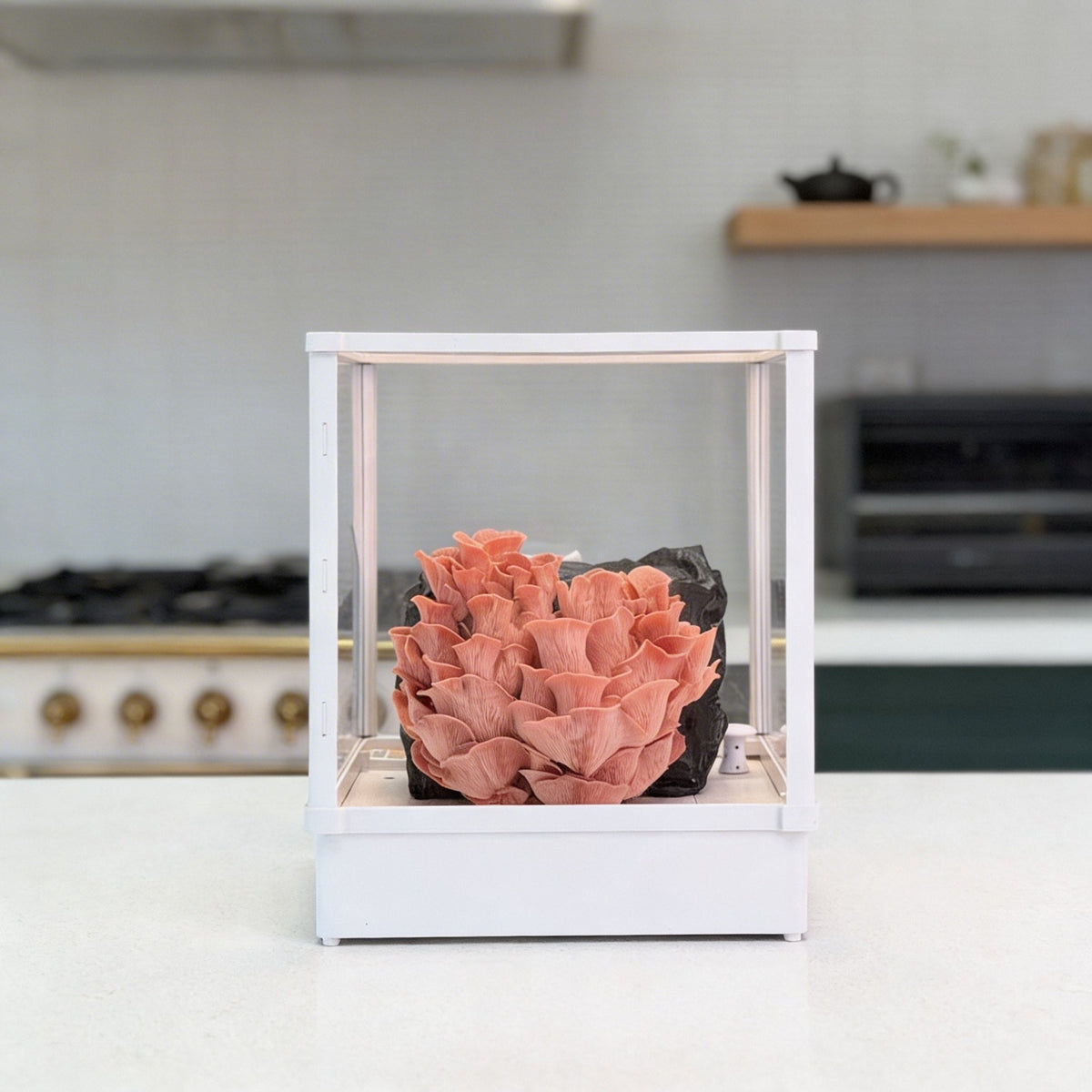
A pink oyster grow kit is the fastest, most forgiving home mushroom grow on the market. Pleurotus djamor produces vibrant flamingo-pink clusters in 5 to 7 days from pinning, yields 1 to 1.5 pounds per block, and tolerates warm rooms that other species struggle with. The catch is short shelf life (2 to 3 days fresh) and a cleanup quirk with pink spore prints. Best beginner species if you want a fast visual win.
If you want the shortest path from box to harvest, the Pink Oyster Grow Kit ships colonized and ready to fruit, so most home growers see pins within a week.

Pink oysters are the "beginner's miracle" of home mushroom growing. They fruit fast, they look absurd in the best way, they taste like bacon when fried crispy, and they forgive the kind of humidity mistakes that would kill a shiitake flush dead. If you have ever thought about growing mushrooms and wanted a confidence-building first cycle, this is the species. This guide walks you through picking a pink oyster grow kit, understanding the 5-to-7-day timeline, and handling the three honest quirks nobody else warns you about.
We build and sell a smart chamber and fresh fruiting blocks. Take our perspective with that context. Lykyn is a small California company making automated grow chambers and fresh mushroom blocks for home kitchens.
What Is a Pink Oyster Grow Kit
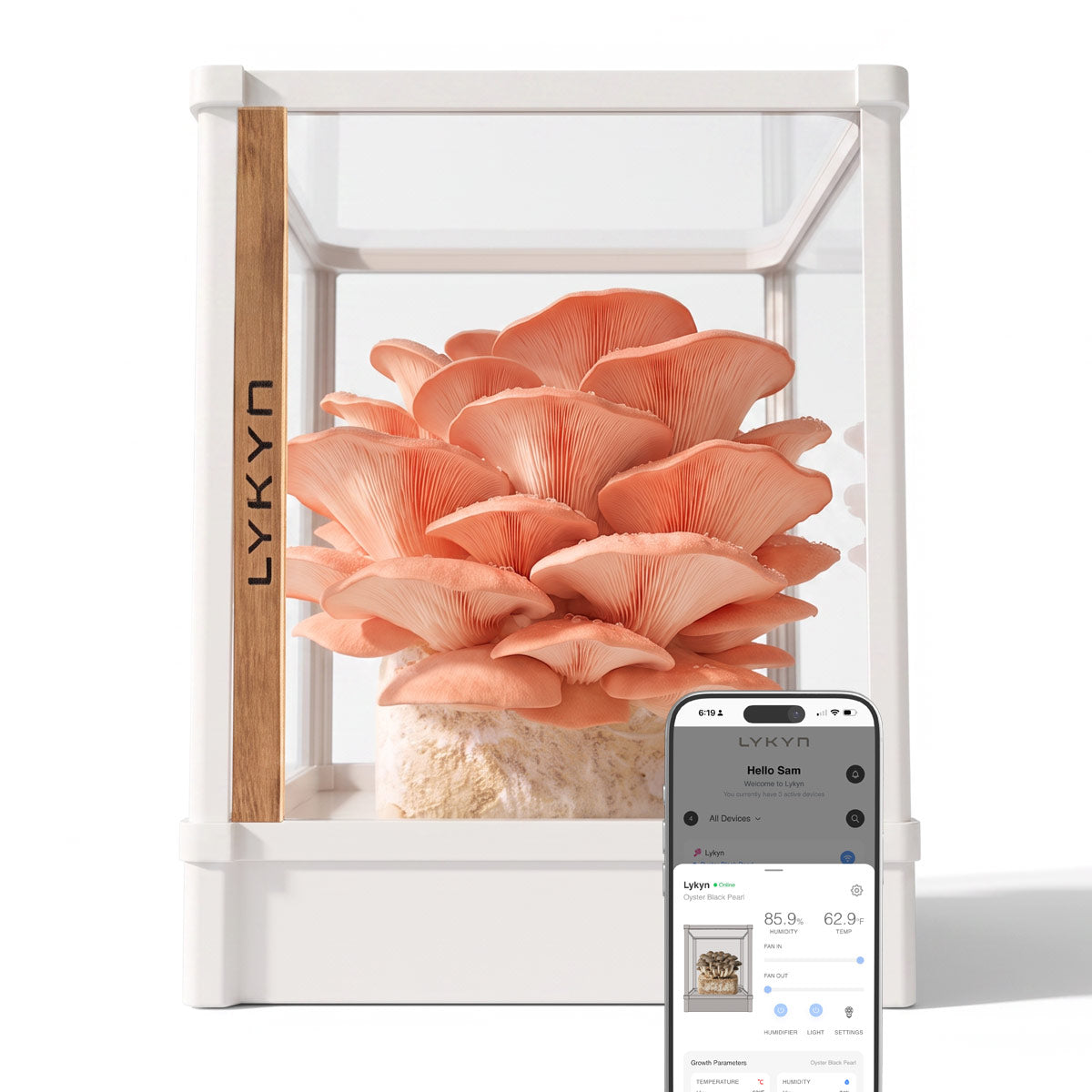
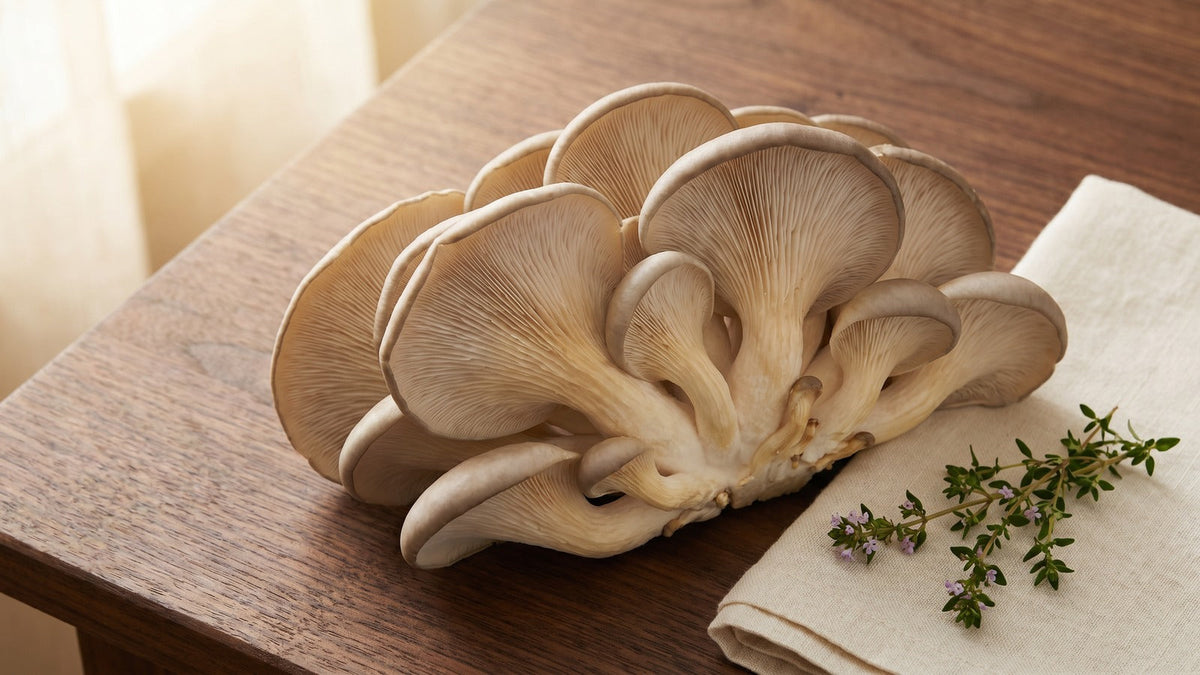
A pink oyster grow kit is a pre-colonized hardwood-and-straw substrate block inoculated with Pleurotus djamor mycelium, the tropical species in the oyster family. The block fruits into vivid flamingo-pink shelf clusters with overlapping caps that can reach dinner-plate size across a single cluster.
Why It's the Best Beginner Species
Three reasons pink oyster wins the beginner category:
- Speed. First pins often appear within 3 days of setup. Full cluster maturity in 5 to 7 days total.
- Heat tolerance. Pink oyster is tropical. It fruits happily between 65 and 85F. The warmest range of any common cultivated species. If your kitchen runs warm in summer, pink oyster is your species.
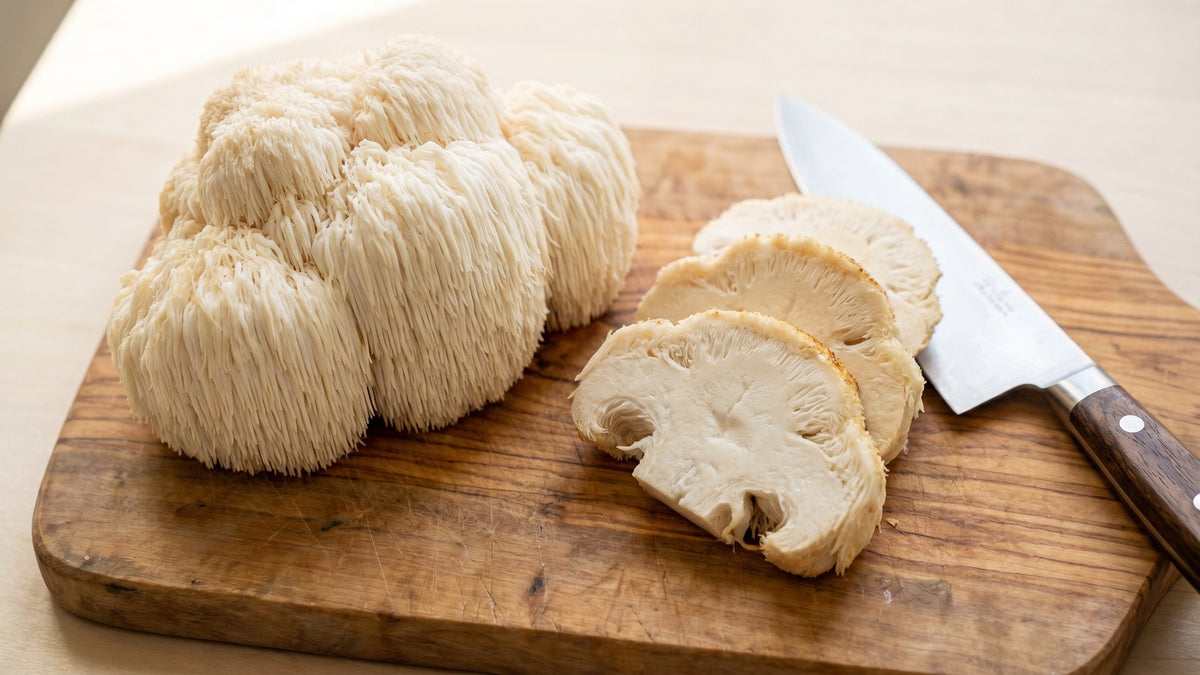
- Forgiveness. Slight humidity dips that would cause lion's mane to brown, or shiitake to abort, barely affect pink oyster. It still produces respectable clusters in manual totes with sloppy misting.
Oyster mushrooms overall are 35% of the global mushroom growing kit market. The largest category by species (Market Report Analytics, 2025).
What's in the Box
Most pink oyster kits include:
- A pre-colonized hardwood/straw block (typically 3 to 6 pounds)
- A breathable humidity bag
- Instructions for creating a "fruiting window" by cutting X slits in the bag
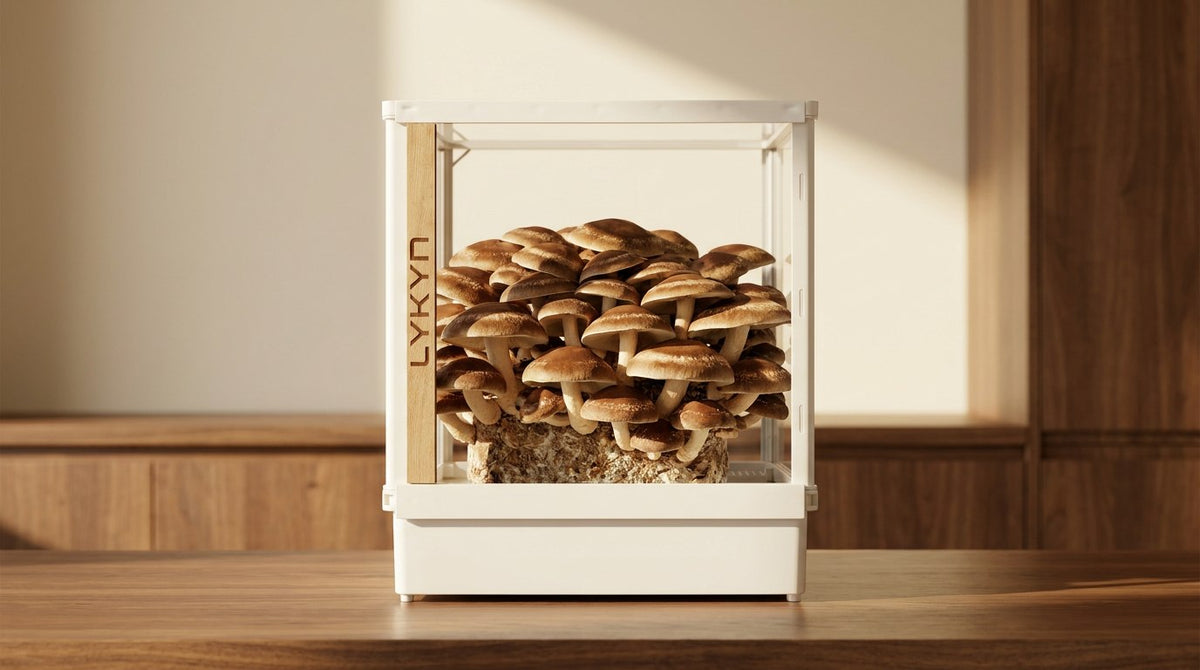
Better kits skip the slit-cutting and the daily misting. A Lykyn smart fruiting chamber supports up to a 6-pound block. The largest in the category. And runs the pink oyster preset on-board. some category alternatives caps at 1.5 pounds. Category alternatives have faced availability issues.
Why Grow Instead of Buy
You will almost never see pink oyster in a grocery store. That is the first reason to grow. When you do find it at a specialty market, it runs $18 to $28 per pound. One cycle of a home block pays back the cost of the block plus some of your chamber.
The second reason is shelf life. Pink oyster keeps only 2 to 3 days fresh in the fridge. Even a good specialty market has a short window before the caps dull and get slimy. The only way to reliably cook with peak pink oyster is to grow it yourself and harvest that morning.
The third reason is the showstopper factor. A mature pink oyster cluster is genuinely one of the most beautiful food objects you will ever grow. We ask customers to send photos and half of every batch we receive is pink oyster.
Customer proof: "I fried them up with some paprika and a tiny dash of maple syrup. I can't wait to try this on some homemade cauliflower pizza dough.". J., Verified Buyer.

How the Lykyn Chamber Runs Pink Oyster
Picking the Preset
Open the Lykyn app, pick "Pink Oyster" from the species list. The preset - 85 to 92% relative humidity, high fan cycle frequency (pink oyster loves fresh air), 12-hour indirect light. Writes to the chamber's on-board memory. That is the only moment the app touches the cloud for the grow.
Autonomous Runtime
Once the preset is saved on-device, the chamber runs autonomously. No daily app open. No cloud heartbeat. If your Wi-Fi drops, your phone dies, or Lykyn's servers go offline, your grow keeps running. The preset lives in the device's own memory. If Lykyn disappeared tomorrow, the unit on your shelf would still finish your grow. Full context in our honest answer on app-dependent hardware.
Beginner-Friendly Comparison
| Method | Time to First Pin | Success Rate | Daily Effort |
|---|---|---|---|
| Plastic tote, daily misting | 5-7 days | ~65% | 10-15 min, 3-4x/day |
| Shotgun DIY chamber | 4-6 days | ~80% | 5 min, 2x/day |
| Automated chamber (Lykyn) | 3-5 days | 95%+ | ~2 min/day (water refill) |
Honest Limits of Pink Oyster Grow Kits
Shelf life after harvest is short. Really short. Pink oyster keeps 2 to 3 days fresh in a paper bag in the fridge. After that, caps go slimy and flavor dulls. Plan to cook the day you harvest, or within 48 hours. Dehydration works well (6 hours at 110F) and preserves the color and flavor.
Pink spore prints stain surfaces. A mature pink oyster cluster drops pink to purple spore powder when fully ripe. The spores are not harmful, but they stain countertops, cutting boards, and clothing. Harvest before the cluster fully matures (when cap edges are still curved downward) to avoid the spore shower. Clean chamber walls with a damp cloth after each flush.
Sensitive to cold. Pink oyster is the opposite of shiitake. If your room drops below 60F, pinning slows to a crawl and caps develop deformed shelves. Below 55F, the species effectively shuts down. If you live somewhere cold and unheated, pick blue oyster or yellow oyster instead.
Yield drops fast after flush 1. Flush 1 can produce 70 to 80% of total block yield. A bigger first-flush dominance than any other common species. Plan big cooking meals around flush 1. Flush 2 is usually small and sometimes only partially pinks.
Step-by-Step: From Block to Harvest
Day 0: Setup
- Unbox the fruiting block. Keep it in the breathable bag with the top rolled down, or transfer to the chamber.
- Place the block in the chamber. Do not cut slits in the sides. Pink oyster fruits from the top surface best in a chamber.
- Pick "Pink Oyster" preset in the app. Fill water reservoir. Walk away.
Days 1 to 3: Pinning
Small pink bumps appear on the block surface. These primordia are bright pink from day 1 - striking against the brown substrate. Do not touch. Do not adjust humidity.
Days 4 to 6: Cluster Formation
Pins develop into overlapping shelf clusters. The pink is most vibrant at this stage. Saturated flamingo to magenta on cap tops, fading to pale salmon at the edges. Humidity needs to stay at 85 to 92%. In a chamber, this is automatic.
Day 7 to 8: Harvest
Harvest when cap edges are still slightly curved downward, before they flatten and release spores. Twist the entire cluster off at the base. Clean chamber walls of any pink spore dust with a damp cloth before starting flush 2.
A 6-pound block yields roughly 1 to 1.5 pounds of fresh pink oyster across 2 flushes.

Fuel Your Mushroom Journey
Black Oyster Grow Kit
Hardwood-sawdust block colonized with vigorous black oyster mycelium. Drops straight into your Lykyn chamber and starts pinning within days.
Add to cart $29.95Harvesting, Cooking, and Storing Pink Oyster
The Bacon Trick
Pink oysters have a mild seafood-like flavor fresh, but dry-searing them aggressively flips them into something remarkable: a bacon-like crispy, savory, slightly salty protein substitute. The technique:
- Tear pink oyster clusters into bite-size shelf pieces.
- Put them in a hot pan with a splash of neutral oil.
- Press down with a spatula. Do not move them for 2 minutes. Sear until deep golden and crispy.
- Flip, add a generous pinch of salt, black pepper, smoked paprika, and a tiny drizzle of maple syrup at the end.
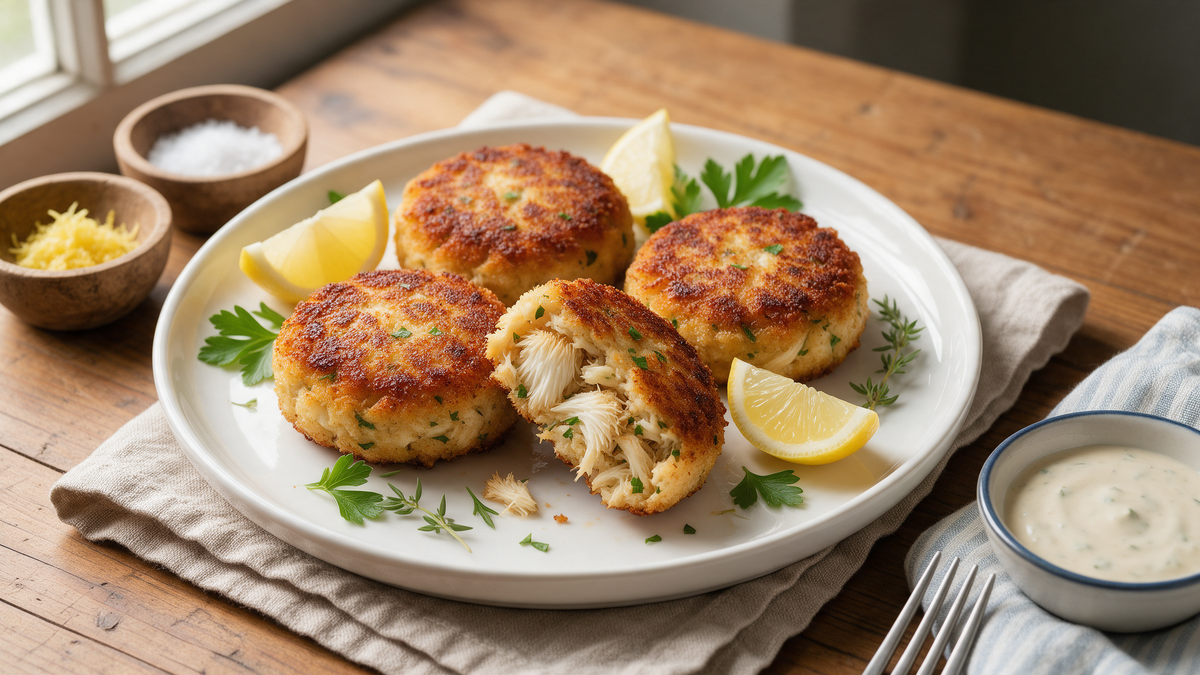
- Serve immediately as a bacon alternative on eggs, salad, sandwiches, or cauliflower pizza.
The bacon texture is real, and vegetarians who do not want processed meat substitutes frequently call this their favorite mushroom dish.
How to Store
Paper bag in the fridge, 2 to 3 days maximum fresh. For longer preservation, tear into pieces and dehydrate at 110F for 6 hours until crisp. Store dried in an airtight jar. Rehydrates beautifully in hot water for soups and risottos. Color fades slightly but flavor stays.

Frequently Asked Questions
How fast does a pink oyster grow kit produce mushrooms? A pink oyster grow kit produces first pins within 3 days and harvest-ready clusters within 5 to 7 days. This is the fastest timeline of any common cultivated mushroom species. Yield per block is 1 to 1.5 pounds across 2 flushes.
Is a pink oyster grow kit good for beginners? Yes, pink oyster is the most beginner-friendly mushroom species available. It tolerates warm rooms, forgives humidity mistakes, fruits fast, and has success rates above 95% in an automated chamber. First-time growers frequently pick pink oyster specifically for the confidence-building win.
What does pink oyster mushroom taste like? Fresh pink oyster has a mild seafood-like or shellfish-like flavor, softer than blue oyster. When dry-seared until crispy, it develops a bacon-like umami intensity that works well in savory dishes. The texture is tender with a pleasant chew.
How long does pink oyster mushroom last after harvest? Fresh pink oyster keeps only 2 to 3 days in a paper bag in the fridge. The shortest shelf life of any common cultivated mushroom. Plan to cook within 48 hours of harvest. Dehydration at 110F for 6 hours preserves both color and flavor for long-term storage.
Do I need an app to grow pink oyster in the Lykyn chamber? The app is needed once, to write the Pink Oyster preset to the chamber's on-board memory. After that, the chamber runs the cycle autonomously. No daily app interaction, no cloud heartbeat. If your Wi-Fi drops mid-grow, the mushrooms keep growing.
Why is my pink oyster dropping pink dust? Pink oyster clusters drop pink to purple spore powder when fully mature. The spores are not harmful to humans, but they stain surfaces. To avoid the spore shower, harvest earlier. When cap edges are still curved downward rather than flat. Clean chamber walls with a damp cloth after each flush.
Bottom Line
Pink oyster grow kits are the species we recommend to anyone who has never grown mushrooms before. They are fast, forgiving, heat-tolerant, and ridiculously beautiful. The 2-to-3-day shelf life means you need to be ready to cook the day you harvest, but that is also the reason growing at home makes sense in the first place.
Start with a single Pink Oyster block in the main Lykyn chamber. If you want to rotate species, browse the full mushroom fruiting blocks collection. See how different kit formats stack up in our guide to the best mushroom growing kits of 2026. Real customer first-grows are on our reviews page.
We are a small team. We answer our own email. If your block does not pin, we replace it. That is the deal.
Fuel Your Mushroom Journey

Smart Chamber. Bone White Single
- 2.8L tank, 90% humidity automatic
- App-controlled, plug-and-play
- 6 lb block ceiling, in stock

Smart Chamber. Obsidian Black Single
- Same hardware as Bone White
- Matte black premium finish
- Pairs with any kitchen palette



Share:
Shiitake Grow Kit Guide: From Block to Harvest in 14 Days
King Trumpet Grow Kit: King Oyster From Counter to Stir-Fry