


Fresh morel mushrooms sell for $40 to $80 per pound in US specialty markets, with peak spring prices reaching $100+ per pound. Dried morels run $150 to $300 per pound. Foragers earn the highest margins, while restaurant buyers and East Coast retail customers pay the most. Prices spike in early March, dip during the mid-April Midwest peak, and rise again in late season. Understanding morel mushroom cost matters whether you are buying fresh, dried, or wholesale, because each form sits in a very different price band.
This guide covers current US market rates by form, the spring price curve, wholesale vs retail, regional variation, why morels stay expensive, and affordable alternatives if $80 per pound is outside your weekly grocery budget. We update pricing every spring based on USDA Agricultural Marketing Service reports and direct trade data from foragers in the Midwest, Pacific Northwest, and Appalachia. Background on the spring window is in our morel mushroom season guide.
Morel Mushroom Price Snapshot (2026 US)
This table summarizes typical 2026 morel pricing across the three main forms. Use it as a quick reference. Detailed breakdowns by region and time of year follow below.
| Form | Low | Average | High |
|---|---|---|---|
| Fresh, retail | $40/lb | $60/lb | $100+/lb |
| Dried, retail | $150/lb | $200/lb | $300+/lb |
| Wholesale, foraged fresh | $25/lb | $35/lb | $50/lb |
Prices reflect 2026 US averages across specialty grocers, farmers' markets, and direct-from-forager sales. Source data: USDA Agricultural Marketing Service price reports and Lykyn-tracked regional trades.
Current Market Rates by Form (2026)
How much do morel mushrooms cost in 2026? The answer depends on whether you're buying fresh, dried, or wholesale. Each form sits in a different price band for specific reasons.
Fresh Morel Prices
Fresh morels carry the highest psychological price tag because the season is short and the product is perishable. The fresh morel mushroom cost most US shoppers see falls between $40 and $80 per pound, with restaurant menu pricing built around a cost-of-goods of about $1.50 to $3 per cooked portion.
- Specialty grocery and online retail: $40 to $80 per pound. Whole Foods, Eataly, and online specialty sellers cluster in this band.
- Farmers' markets in producing states: $30 to $50 per pound. Michigan, Wisconsin, and Oregon markets in mid-season often beat retail by 25 to 40 percent.
- Peak-of-season early spikes: $80 to $120+ per pound. The first morels of the year, usually black morels in the South in late March, push pricing above the seasonal mean.
- Restaurant wholesale: $25 to $50 per pound. Chefs buy direct from foragers or through specialty distributors like Marx Foods or Earthy Delights.
Dried Morel Prices
Dried morels solve the seasonality problem and let you cook with the flavor year-round. The dried morel mushroom cost feels brutal at first glance, but the math evens out once you realize the dehydration ratio.
- Retail dried: $150 to $300 per pound, typically packaged in 1, 2, or 4 ounce bags at $15 to $25 per ounce.
- Why the high number: It takes roughly 7 to 8 pounds of fresh morels to produce 1 pound of dried. You're paying for concentrated flavor, not a heavier mushroom.
- Effective fresh-equivalent cost: $20 to $40 per fresh-pound equivalent, which is actually a better deal than off-season fresh imports.
- Premium grading: Whole intact morels with deep amber color and tight honeycomb command 20 to 30 percent more than broken pieces.
Wholesale Foraged Prices
Wholesale prices reflect what foragers receive from buyers, not what you pay at the store. This is the most volatile segment of the market.
- Buyer-to-forager rates: $25 to $50 per pound for clean, A-grade morels. The buyer then sells to restaurants or retailers at a 40 to 100 percent markup.
- Burn morel premiums: Following a wildfire, productive burn sites in Oregon, Idaho, and Montana can flood the wholesale market and push rates briefly down to $15 to $20 per pound at the buyer level.
- Grade-out percentage: 10 to 20 percent of harvested morels grade below wholesale standard and end up dried, dehydrated, or sold at farmer-direct discount.
Seasonal Price Patterns: The Spring Curve
Morel pricing follows a predictable spring curve. If you understand the shape of the curve, you can buy at the dip and avoid the early-season premium.
- Late March to early April (early spike): First black morels appear in the southern US. Supply is thin, demand from East Coast restaurants is high, prices peak at $80 to $120 per pound retail.
- Mid-April to mid-May (the dip): The main Midwest flush hits. Michigan, Indiana, and Ohio fill the market with yellow morels. Retail drops to $40 to $60 per pound, farmers' markets to $30 to $50.
- Late May to June (rising again): Midwest season winds down. Supply moves to higher elevations in Colorado, Idaho, and the Pacific Northwest. Prices climb back to $50 to $80 per pound retail.
- Off-season (July to February): Only dried, frozen, or imported fresh available. Fresh imports from Turkey or China occasionally appear at $100+ per pound, but quality varies.
Practical buying tip: if you want fresh morels at the best price, plan around the mid-April peak in producing states. Sign up for emails from the farmers' market in your nearest morel-producing region and watch for the week local foragers start showing up with full crates.
Wholesale vs Retail: Where the Markup Lives
Understanding the markup chain explains why prices feel high. The morel that starts at $30 per pound from a Michigan forager often ends up on a New York restaurant menu reflecting a $90 to $120 per pound cost-of-goods.
- Forager harvest cost: $0 cash cost, but 4 to 8 hours of labor per pound at experienced harvest rates. Equivalent labor value: $15 to $25 per pound.
- Forager-to-buyer wholesale: $25 to $50 per pound.
- Buyer-to-distributor: $40 to $70 per pound (40 to 80 percent markup for sorting, cold-chain handling, and overnight shipping).
- Distributor-to-restaurant: $50 to $90 per pound.
- Retail end price: $60 to $100+ per pound, reflecting another 30 to 50 percent margin for the specialty grocer.
The wholesale side of the chain is where price compresses fastest. Restaurants that build relationships with regional foragers can cut 30 to 40 percent off their morel cost compared to specialty distributors. Home cooks who live in producing states can do the same thing at farmers' markets.
Dried vs Fresh: Which Is the Better Deal?
The sticker-price comparison makes dried morels look outrageous: $200 per pound dried versus $60 per pound fresh. The actual cost-per-cooked-portion math tells a different story.
Because dried morels lose roughly 87 percent of their weight during dehydration, 1 ounce of dried rehydrates to approximately 7 ounces of fresh-equivalent mushroom. At $200 per pound dried, that's $1.79 per fresh-ounce equivalent, or about $28.50 per fresh-pound equivalent.
- Fresh at $60/lb: $3.75 per ounce of cooked-ready mushroom.
- Dried at $200/lb: $1.79 per fresh-equivalent ounce after rehydration.
- Verdict: Dried morels are about 50 percent cheaper per cooked portion, plus they keep for 2+ years sealed.
Trade-off: dried morels lose some of the meaty, springy texture of fresh. They're excellent in cream sauces, broths, risottos, and any dish where texture matters less than flavor. For a sauteed-morels-on-toast moment in May, you still want fresh.
Regional Price Variation Across the US
Where you live shifts morel pricing by 30 to 60 percent. The basic rule: closer to producing forests means cheaper, coastal metro markets mean expensive.
Midwest (Cheapest)
Michigan, Wisconsin, Indiana, Iowa, and Ohio sit at the heart of US morel country. Fresh retail typically runs $30 to $50 per pound at farmers' markets during the April to early-May peak. Direct-from-forager prices can dip to $25 per pound when supply spikes. Many small-town grocers in producing counties carry morels for under $40 per pound during peak weeks.
Pacific Northwest (Mid-Range)
Oregon, Washington, and northern Idaho see active commercial harvest, particularly burn morels after wildfire seasons. Retail typically $40 to $65 per pound, with burn-year supply gluts pulling prices toward the lower end. Portland and Seattle farmers' markets are good targets during May and June.
Northeast (Expensive)
New York, New England, and the Mid-Atlantic have scattered native populations but rely heavily on imported supply from Midwest foragers. Expect $60 to $100 per pound at specialty grocers, with Manhattan and Boston pricing trending toward the higher end.
West Coast Metros (Most Expensive)
San Francisco, Los Angeles, and San Diego pay coastal-import premiums. Specialty retailers price morels at $70 to $100+ per pound. The exception: high-elevation Sierra Nevada burn morel years occasionally flood the California market with cheaper local supply.
South (Variable)
Virginia, Kentucky, Tennessee, and Arkansas have early-season morel populations. Fresh retail typically $45 to $70 per pound. The season runs roughly 3 to 4 weeks earlier than the Midwest, so southern shoppers often get the early-March supply at a regional discount.
How Foragers Decide What to Charge
If you've wondered why one Michigan farmers' market vendor sells morels at $35 per pound while another a stall over charges $55 for what looks like the same mushroom, the answer is structured around five forager-side factors.
- Grade and presentation: Whole-intact A-grade morels with clean stems and tight honeycomb capture a 20 to 40 percent premium over broken or muddy specimens.
- Species mix: Yellow morels (Morchella esculenta) and black morels (Morchella elata group) typically price similarly. Half-free morels (Morchella punctipes) sometimes trade at a small discount because the open cap is less visually striking on a plate.
- Forager labor margin: Most independent foragers target an effective hourly rate of $30 to $80 depending on yield. A day with 8 pounds harvested and 6 hours invested makes $30/lb a fair-margin sale, while a 12-pound day might let the forager move them at $25.
- Geography vs delivery: Foragers who deliver direct to restaurants charge 20 to 35 percent above farmers' market rates to compensate for transit and relationship management.
- End-of-day flexibility: By 1 PM at most farmers' markets, vendors with remaining inventory drop prices 15 to 25 percent to clear stock that won't keep until the next market day.
Why Morels Are So Expensive: The Five Pricing Forces
Five forces compound to keep morel prices in the $40+ per pound range and prevent the kind of supply expansion that has cut button-mushroom and oyster-mushroom prices to under $4 per pound.
1. Commercial Cultivation Is Still Limited
Morels have a complex life cycle involving sclerotia, primordia, and specific soil microbiome conditions that have resisted decades of cultivation research. Some operations in China and Yunnan Province have achieved partial commercial success since 2015, but the global supply remains overwhelmingly wild-harvested. Compare this to button mushrooms, where Agaricus bisporus has been cultivated reliably since the 1700s.
2. Short, Weather-Dependent Season
Wild morels fruit for only 4 to 6 weeks each spring in any given region. Cool nights, warm days, recent rain, and soil temperatures in the 50 to 60 degree Fahrenheit range are all required. A dry spring can cut harvests by 50 to 70 percent in producing states, which is exactly why 2026 prices have trended slightly higher than 2025.
3. Labor-Intensive, Skilled Harvesting
Each morel is hand-picked, often after hours of walking remote terrain. Successful foragers need years of experience to read habitat: south-facing slopes, dying elms, recent burn sites, the timing of trillium and may-apple emergence as indicators. This human-knowledge cost cannot be automated.
4. Persistent High Demand
Demand from fine-dining restaurants, food media coverage, and culinary tourism has grown faster than wild-harvest supply. Chef-driven menus during the April to June window absorb most of the prime A-grade supply before it reaches retail.
5. Cold-Chain Logistics
Fresh morels need to move from forest floor to kitchen in under 5 days for top quality. Overnight refrigerated shipping, careful packaging, and temperature-controlled storage all add cost layers between forager and end buyer.
Alternatives to Expensive Morels: Gourmet Mushrooms at Home for $5 to $12 per Pound
Morels remain notoriously hard to cultivate at commercial scale, which is the structural reason their price never drops below $40 per pound. If you love morels for the meaty texture, umami depth, and the cooking experience of a really good wild mushroom, there's a way to get most of that satisfaction for a fraction of the cost: grow gourmet species at home.
The economics work out at roughly one-tenth the cost of fresh morels. Here are the species we recommend for morel lovers, plus the kits that make them practical:
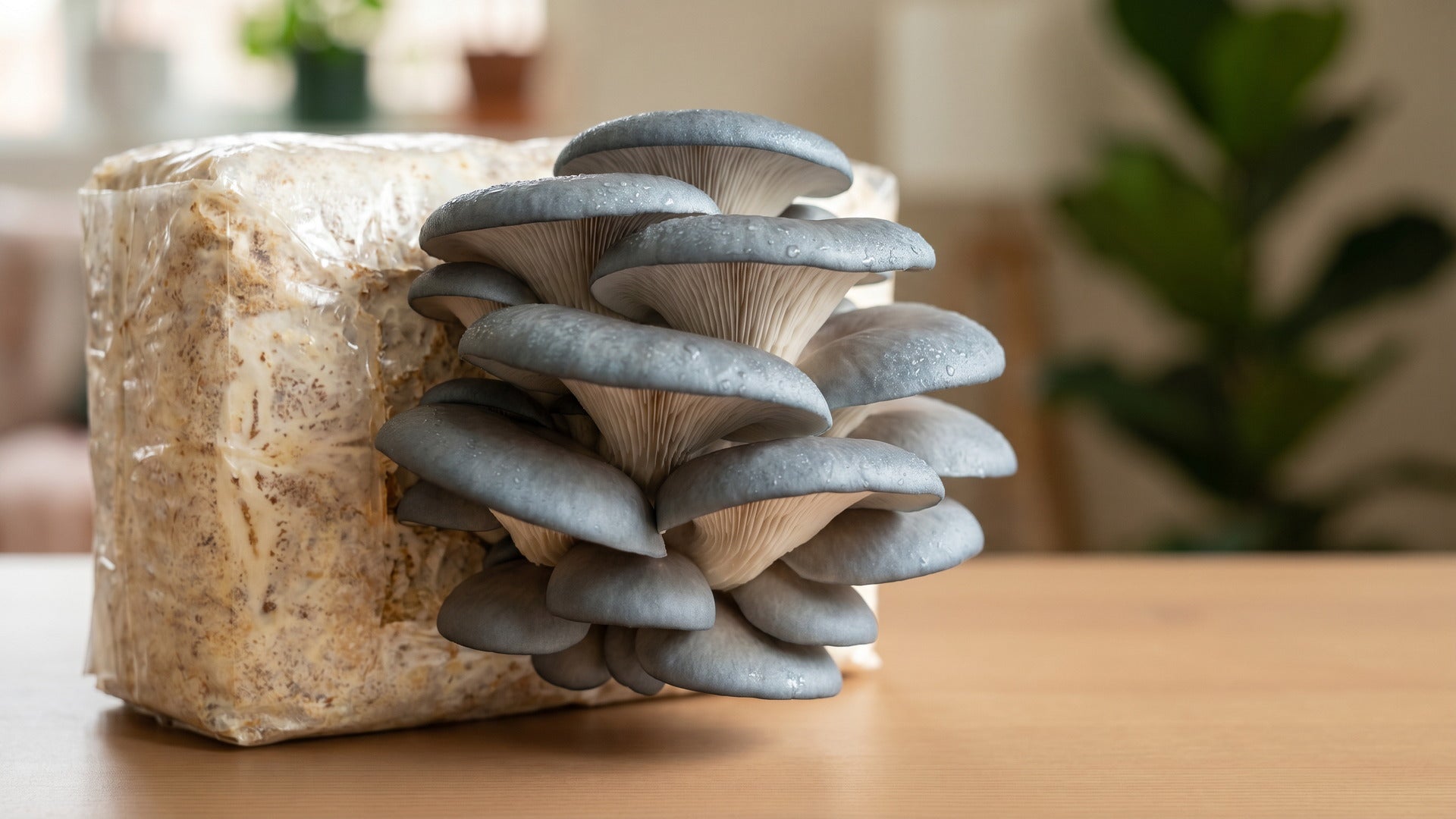
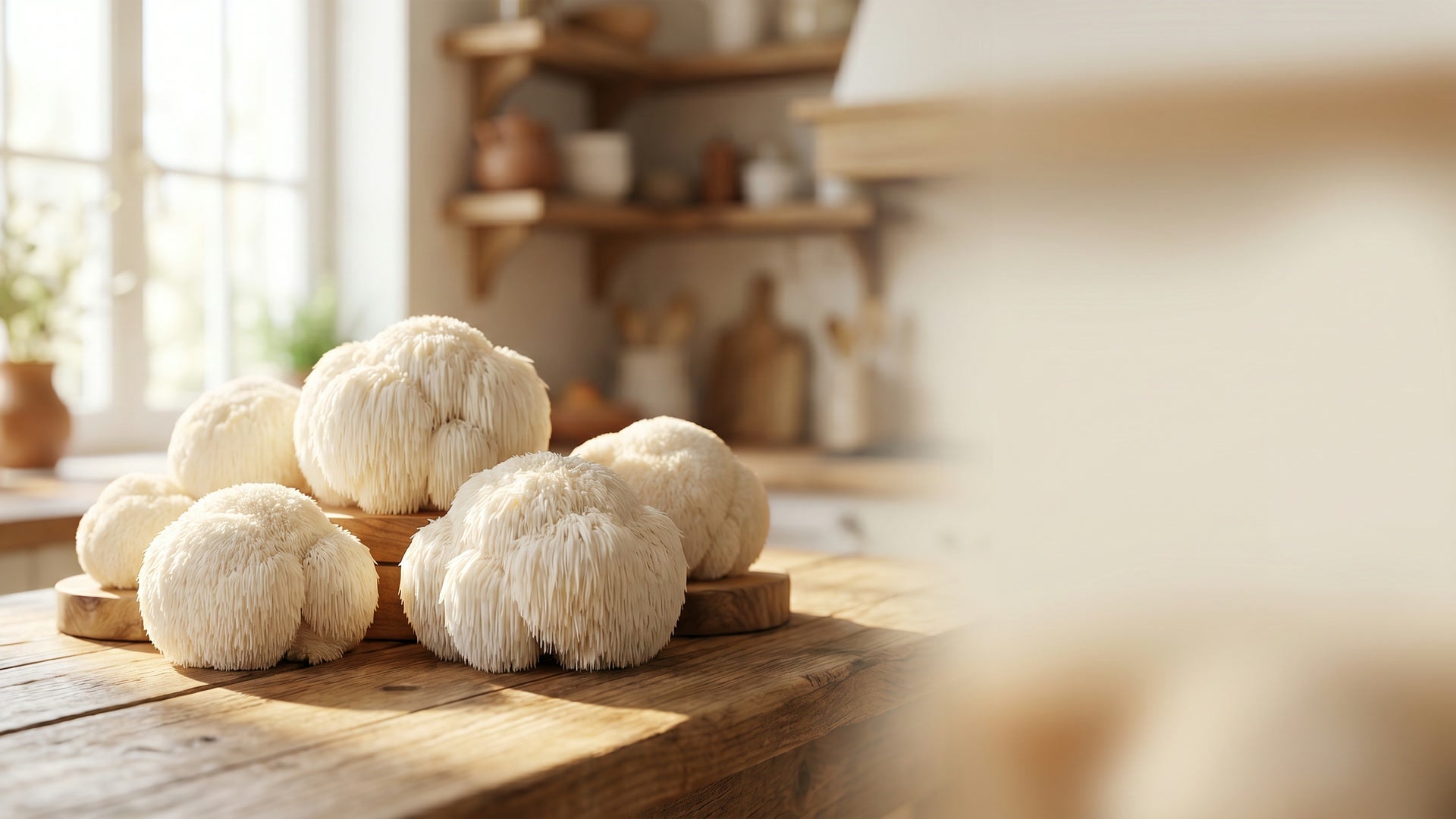
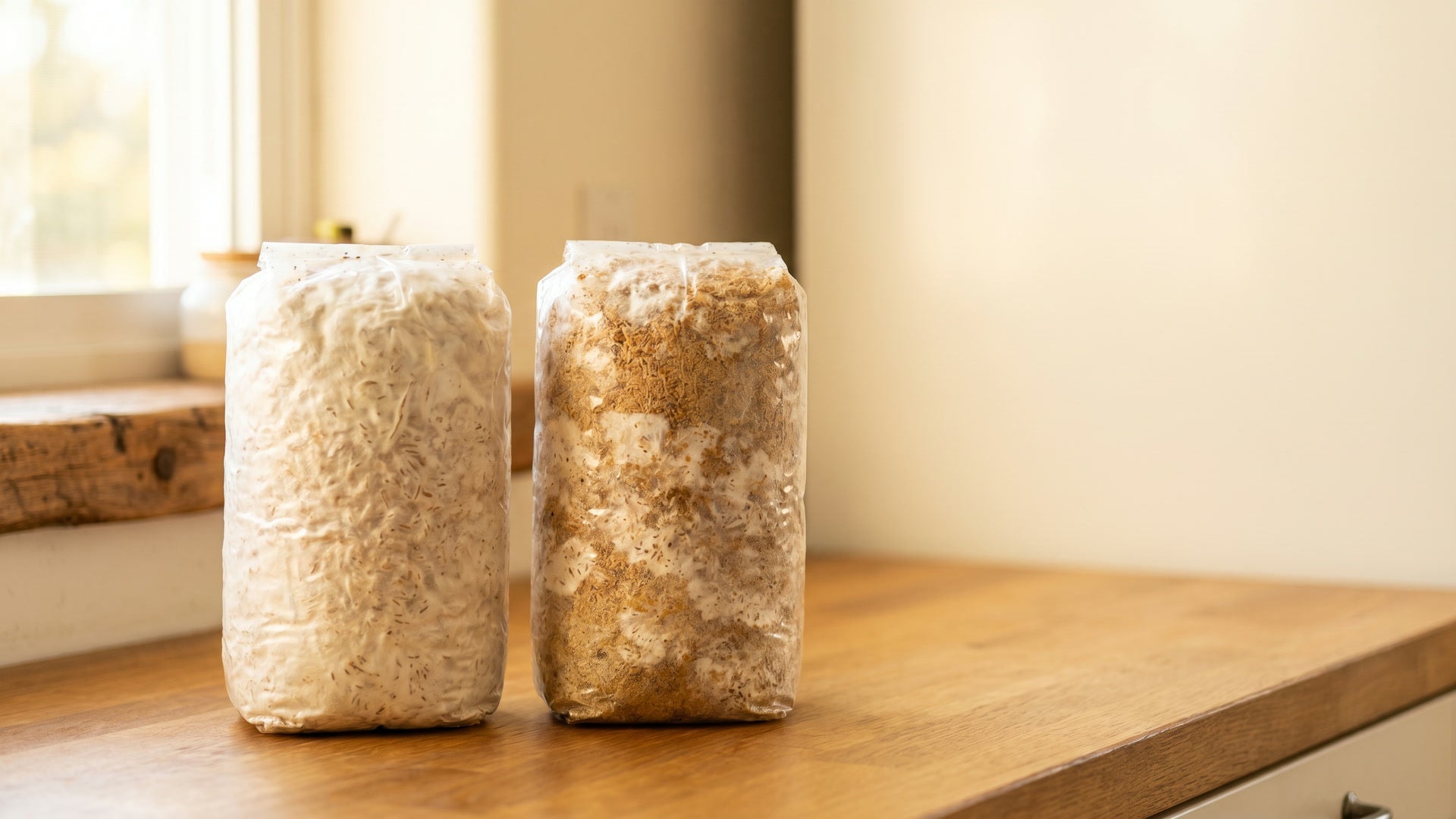
- Lion's Mane Grow Kit: cream-colored, lobster-like texture, sweet umami flavor. Fresh-harvest cost works out to about $4 to $6 per pound, vs $60 per pound for fresh morels. Yield is around 1 to 1.5 pounds per block.
- Shiitake Grow Kit: dense meaty cap, deep savory flavor, excellent in cream sauces where you'd otherwise use dried morels. Cost roughly $5 to $8 per pound.
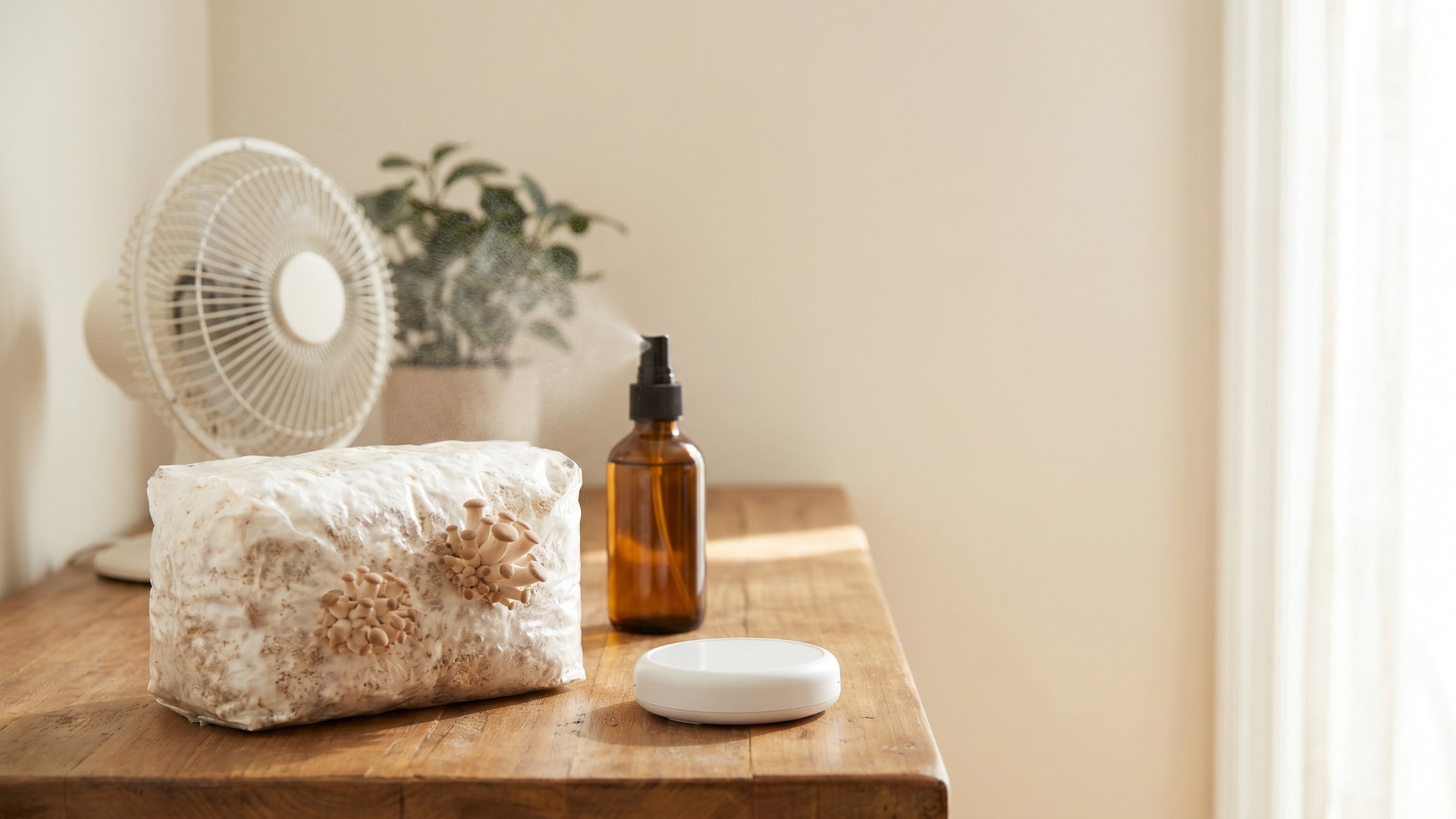
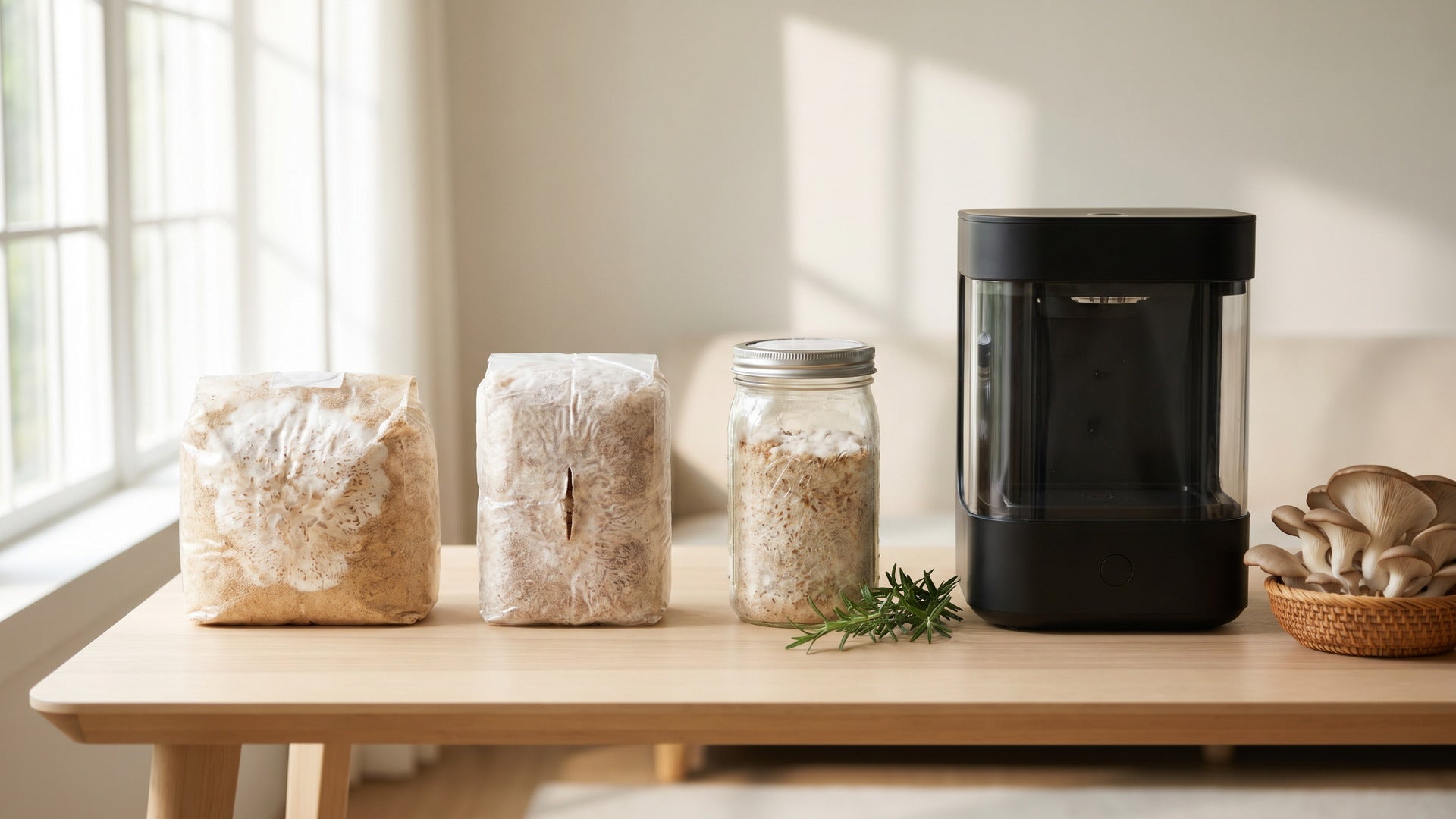
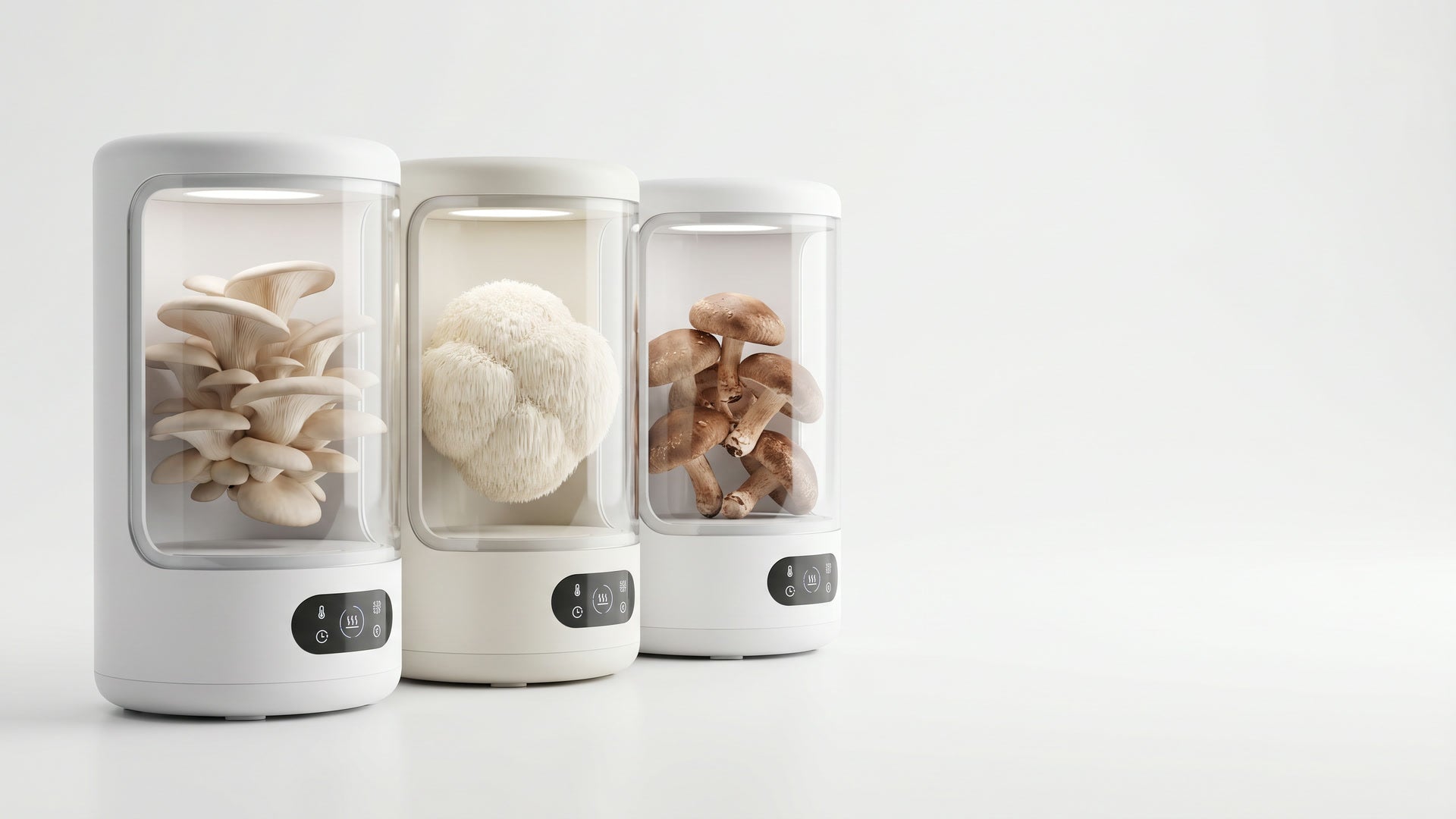
- Smart Mushroom Grow Box: the smart fruiting chamber that runs 28+ species of gourmet mushrooms year-round. Handles humidity, airflow, and lighting automatically. Your per-pound cost across all species lands in the $5 to $12 range once the chamber is paid off.
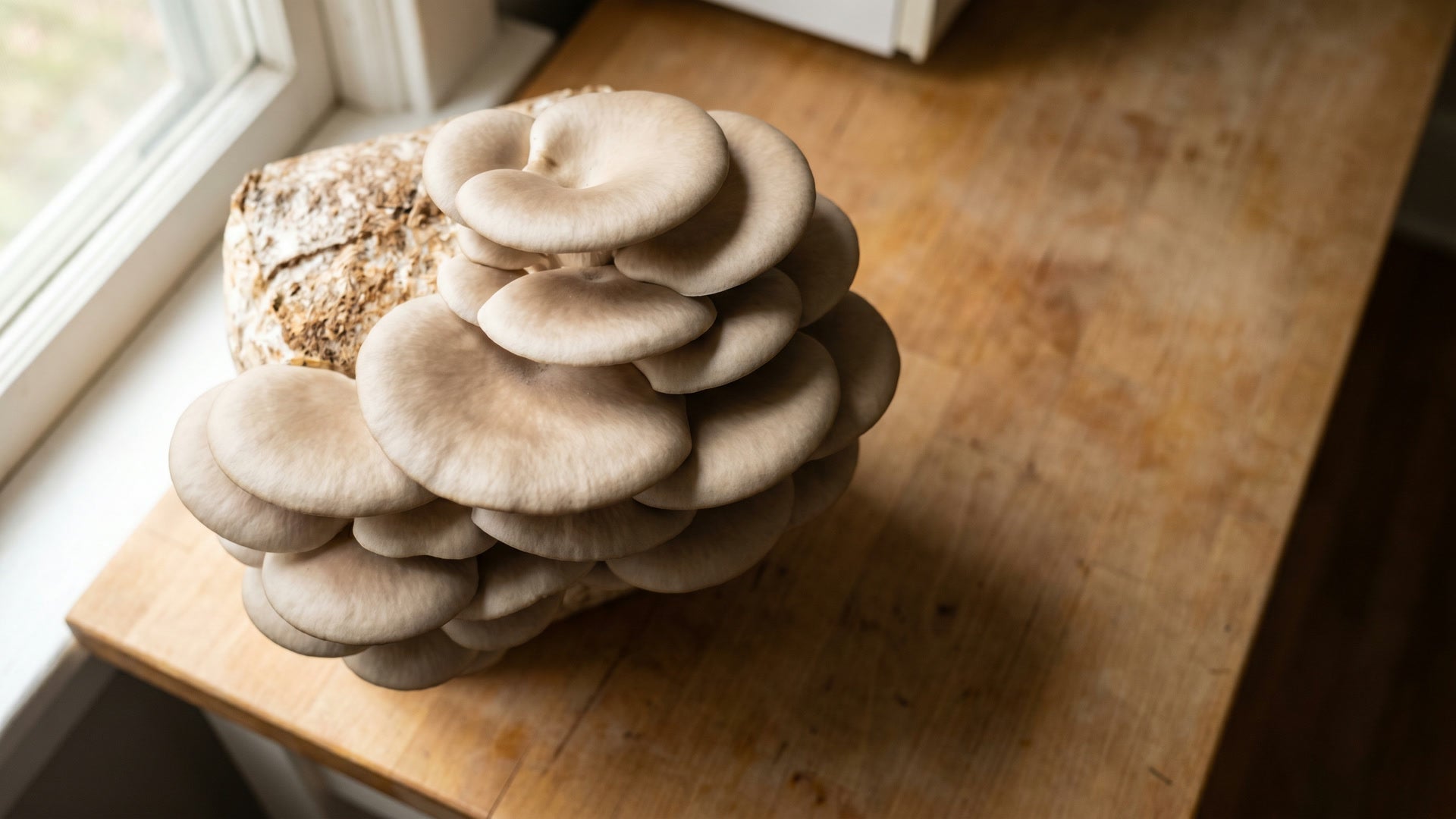
- Indoor Mushroom Growing Kit (full lineup): browse the full gourmet species menu, including king trumpet, pioppino, chestnut, and pink oyster. King trumpet in particular delivers the closest meaty bite to fresh morel.
Practical recipe substitution: in a morel-and-cream pasta sauce, swap 1 pound of fresh morels for 1 pound of fresh king trumpet plus 2 ounces of rehydrated dried morels for the flavor backbone. The cost drops from about $60 to about $33 and most dinner guests can't tell the difference.
This isn't to say skip morels entirely. The annual spring splurge on fresh-foraged morels is a real treat and worth doing once a year. But for week-to-week gourmet mushroom cooking, home growing changes the math completely. Once you map the morel mushroom cost against what an in-home chamber actually delivers, the choice for most weeknight cooking becomes obvious.
Frequently Asked Questions About Morel Mushroom Pricing
Why are morels so expensive?
Morels stay expensive because they cannot be cultivated reliably at commercial scale, fruit for only 4 to 6 weeks each spring, require hand-harvesting by skilled foragers, and face persistent demand from restaurants. These five factors compound to keep fresh prices in the $40 to $80 per pound range.
When are morel prices lowest?
Morel prices typically hit their lowest point during the mid-April to mid-May Midwest peak, when supply from Michigan, Indiana, and Wisconsin fills the market. Farmers' markets in producing states often drop to $30 to $50 per pound during these weeks. End-of-market-day discounts on Saturdays can cut another 15 to 25 percent.
Where can I buy morel mushrooms?
Fresh morels are sold at specialty grocers (Whole Foods, Eataly), farmers' markets in producing states, online specialty retailers (Marx Foods, Earthy Delights), and directly from foragers via local mycological society networks. Dried morels are widely available online year-round at $150 to $300 per pound.
Can I grow morels at home for cheap?
Morels are notoriously difficult to cultivate at home. A few hobbyist kits exist but yields are unpredictable and per-pound costs rarely beat retail. A more practical approach is growing other gourmet mushrooms like lion's mane, king trumpet, or shiitake at home for $5 to $12 per pound using the Lykyn Smart Mushroom Grow Box, then saving morels for an annual spring splurge.
How much do dried morels cost?
Dried morels retail for $150 to $300 per pound, or about $15 to $25 per ounce in 1, 2, and 4 ounce packaging. Because it takes 7 to 8 pounds of fresh to make 1 pound of dried, the effective fresh-equivalent cost works out to roughly $20 to $40 per fresh-pound, which is actually competitive with off-season fresh imports.
Do morel prices vary by region?
Yes, regional variation is 30 to 60 percent. Midwest farmers' markets in producing states see $30 to $50 per pound for fresh. Pacific Northwest retail runs $40 to $65 per pound. Northeast and West Coast metros typically charge $60 to $100+ per pound for the same product because supply has to be shipped in.
Why do restaurants pay more for morels?
Restaurants pay more partly because they're buying from distributors with multiple markup layers (forager to buyer to distributor to chef), and partly because they need consistent A-grade product with reliable cold-chain delivery. Restaurant wholesale typically runs $50 to $90 per pound, vs $25 to $50 per pound at the forager-to-buyer level. The premium pays for sorting, grading, packaging, and overnight shipping.
Sources and Further Reading
Pricing data and seasonal patterns in this guide are based on a combination of direct trade observations and the following public sources:
- USDA Agricultural Marketing Service: Fruits and Vegetables Market News tracks weekly specialty produce pricing including mushroom categories.
- Michigan State University Extension: Morel Mushrooms publishes regional habitat data and seasonal forecasts that influence Midwest supply.
- USDA Forest Service Northern Research Station studies on forest fungi ecology and burn-site morel yields.
- University of Minnesota Extension: Mushrooms guides on foraging best practices and species identification, which affect grade-based pricing.
Related reading
Ready to grow?
Skip the $80-per-pound morel hunt. Start with a smart fruiting chamber that runs 28+ gourmet species at $5 to $12 per pound.
Start with the Lykyn Grow Box →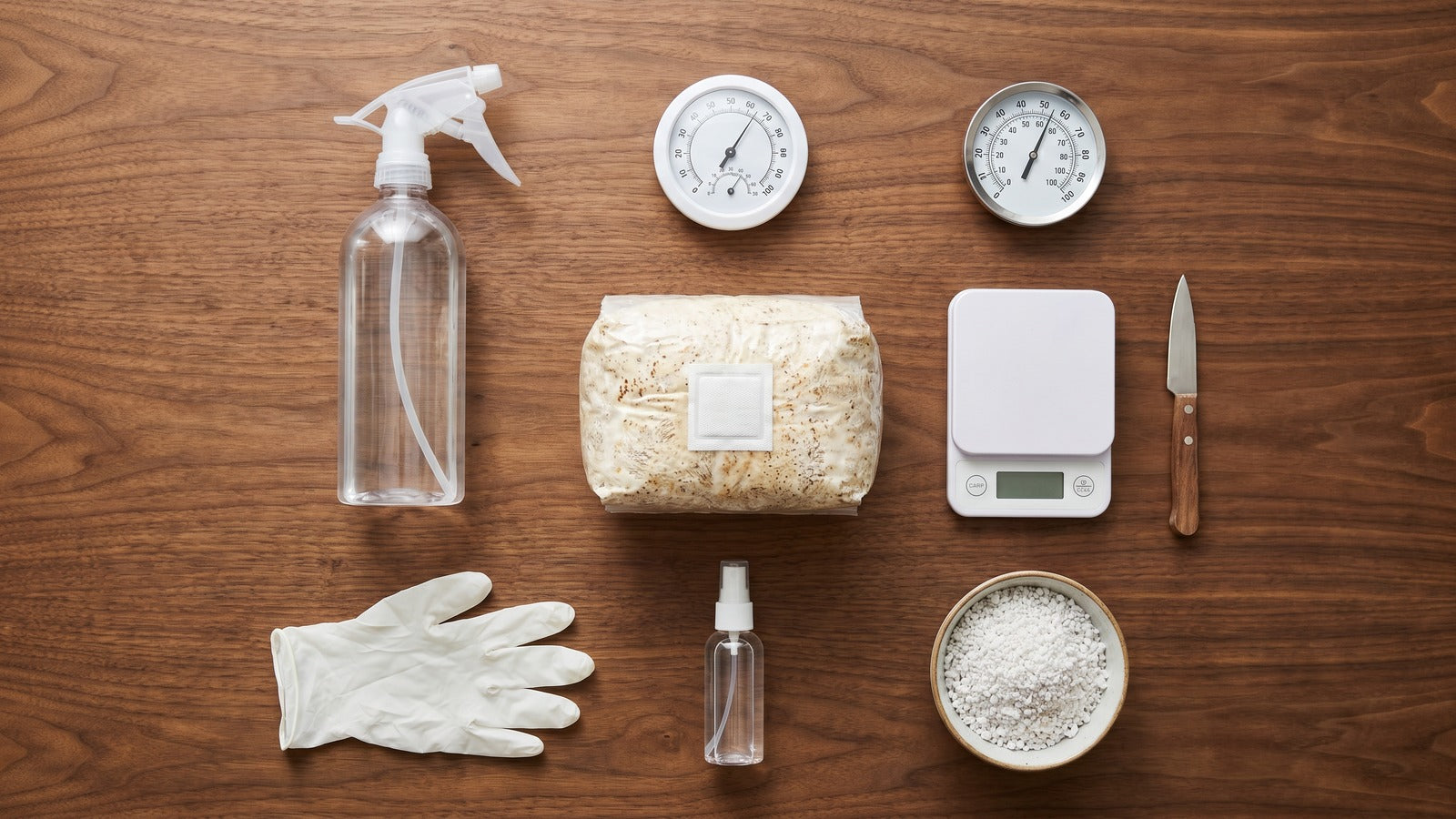
Share:
How to Find Morel Mushrooms Like a Pro
Morel Mushroom Season: The Hunt for Nature’s Gourmet Treasure Begins