



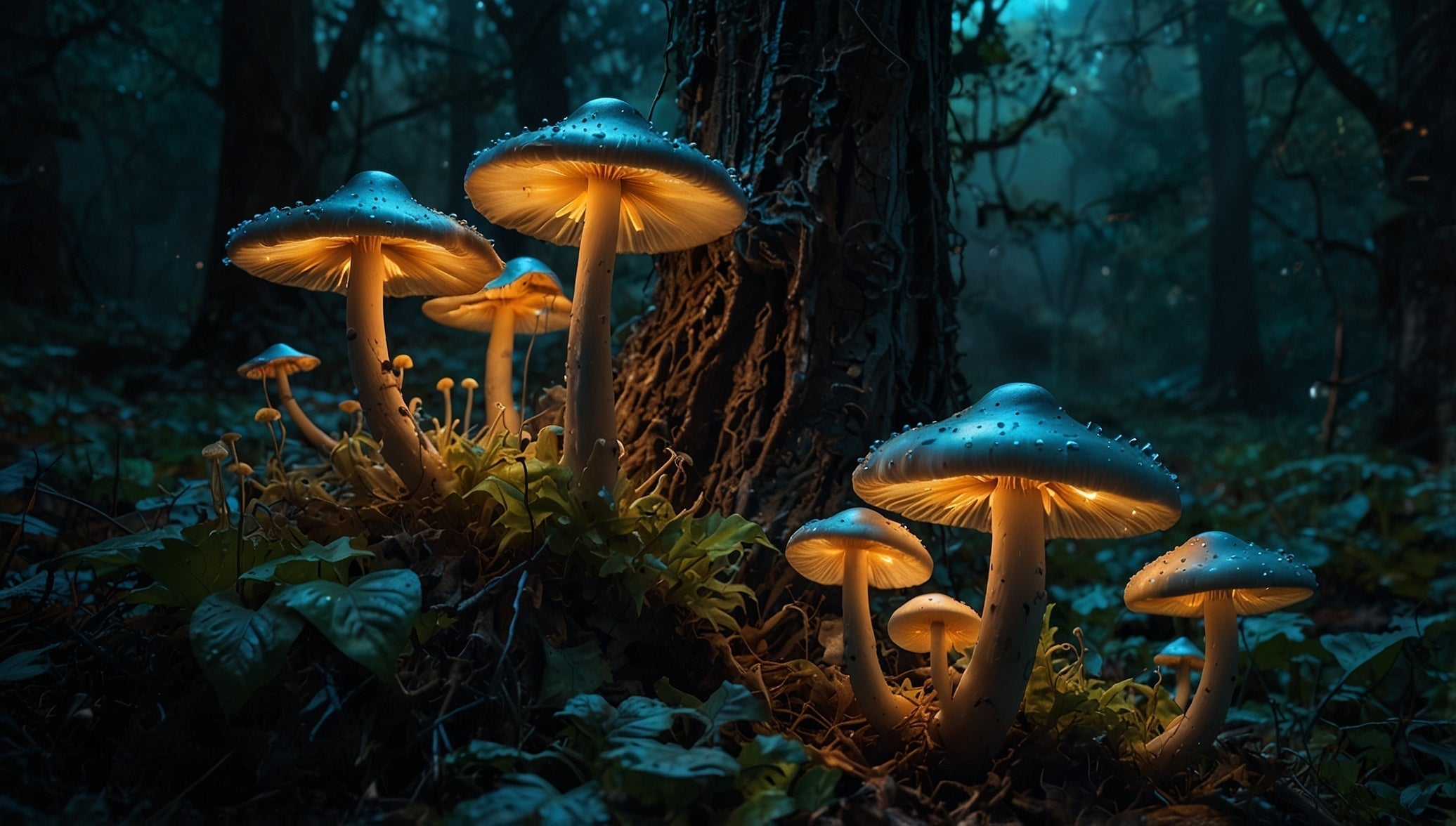
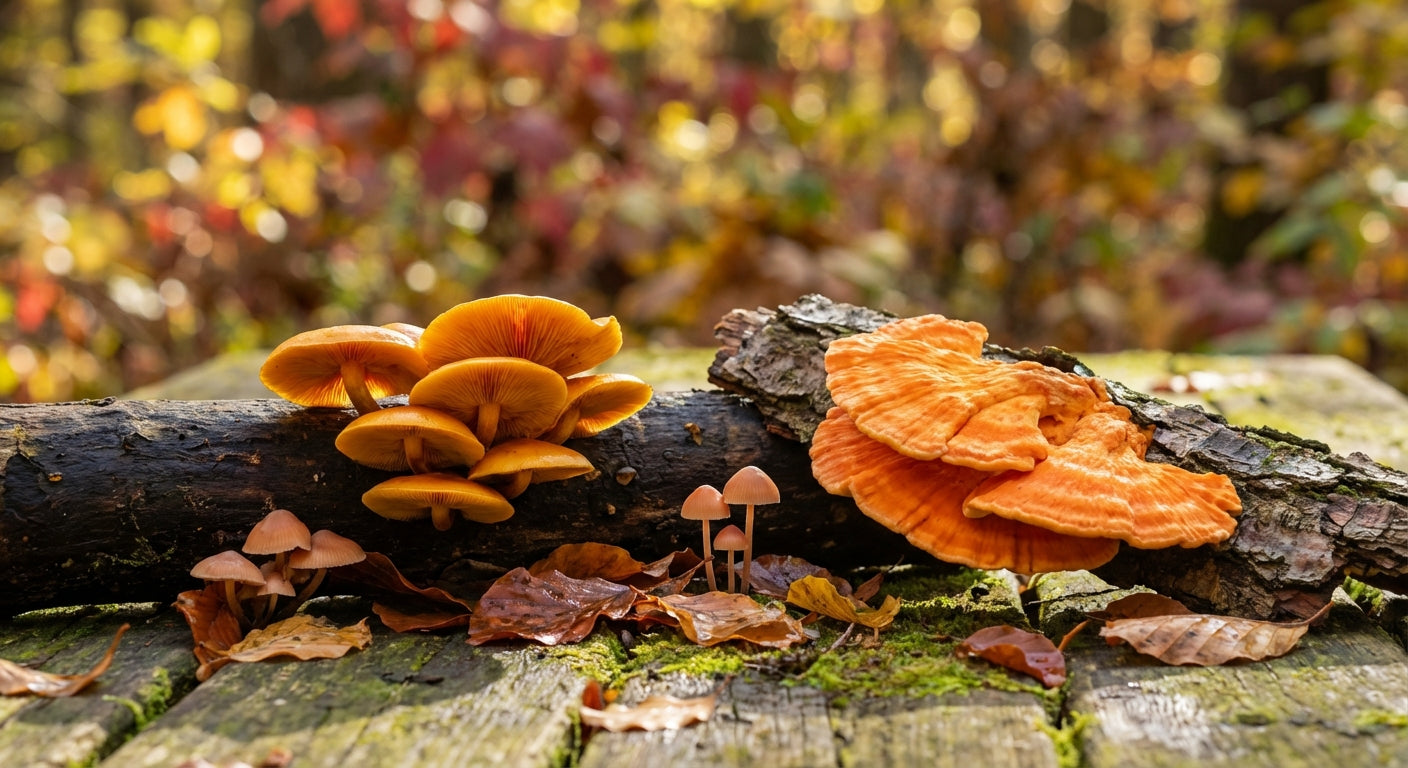
Yes, many mushrooms do grow on trees! Tree-growing mushrooms, also known as wood-decomposing fungi, are fascinating organisms that play a crucial role in forest ecosystems. Unlike ground-growing mushrooms that thrive in soil, these remarkable fungi have adapted to live directly on tree bark, dead wood, and living tree tissue.

Whether you're a curious nature enthusiast or interested in cultivating your own tree mushrooms, understanding how these fungi interact with trees opens up exciting possibilities for sustainable mushroom growing.
What Types of Mushrooms Grow on Trees?
Tree-growing mushrooms come in many varieties, each with unique characteristics and growing requirements. The most common types you'll encounter include oyster mushrooms, shiitake, lion's mane, and turkey tail mushrooms.
Oyster Mushrooms (Pleurotus species)
Oyster mushrooms are perhaps the most recognizable tree-growing fungi. These fan-shaped mushrooms typically grow in overlapping clusters on hardwood trees like oak, maple, and beech. They're excellent for beginners because they're hardy, fast-growing, and have few toxic look-alikes.
Shiitake Mushrooms (Lentinula edodes)
Shiitake mushrooms naturally grow on oak, chestnut, and other hardwood trees in their native Asian forests. These prized culinary mushrooms prefer dead or dying hardwood logs and can fruit for several years from the same log.
Lion's Mane Mushrooms (Hericium erinaceus)
Lion's mane mushrooms appear as white, cascading icicle-like formations on hardwood trees. They're known for their unique appearance and potential cognitive benefits. These mushrooms grow as parasites on living trees or saprophytes on dead wood.

How Do Mushrooms Actually Grow on Trees?
Understanding the science behind mushroom growth on trees helps explain why these fungi are so successful in forest environments. Mushrooms are the fruiting bodies of larger fungal networks called mycelium that live inside the wood.
The Mycelial Network
The mycelium acts like a root system, spreading throughout the wood and breaking down cellulose and lignin. This process can take months or even years before the familiar mushroom fruiting bodies appear on the surface.
Environmental Triggers
Tree mushrooms typically fruit in response to specific environmental conditions including temperature changes, moisture levels, and seasonal cycles. Most species prefer consistent humidity levels between 80-95% and temperatures ranging from 55-75°F.
Nutrient Cycling
These fungi play a vital ecological role by decomposing dead wood and returning nutrients to the forest ecosystem. They essentially recycle the forest, breaking down complex organic compounds into simpler forms that other organisms can use.
Can You Grow Tree Mushrooms at Home?
Absolutely! Growing tree mushrooms at home is not only possible but increasingly popular among urban gardeners and mushroom enthusiasts. The key is understanding the specific requirements of each species and creating the right growing environment.
Log Cultivation Method
The most traditional approach involves inoculating freshly cut hardwood logs with mushroom spawn. This method mimics natural growing conditions and can provide harvests for 3-5 years. Popular choices include oak, maple, and birch logs that are 4-6 inches in diameter.
Indoor Growing Options
For those without access to outdoor space, mushroom grow kits offer an excellent alternative. These kits provide pre-colonized growing medium that eliminates the lengthy colonization period required for log cultivation.
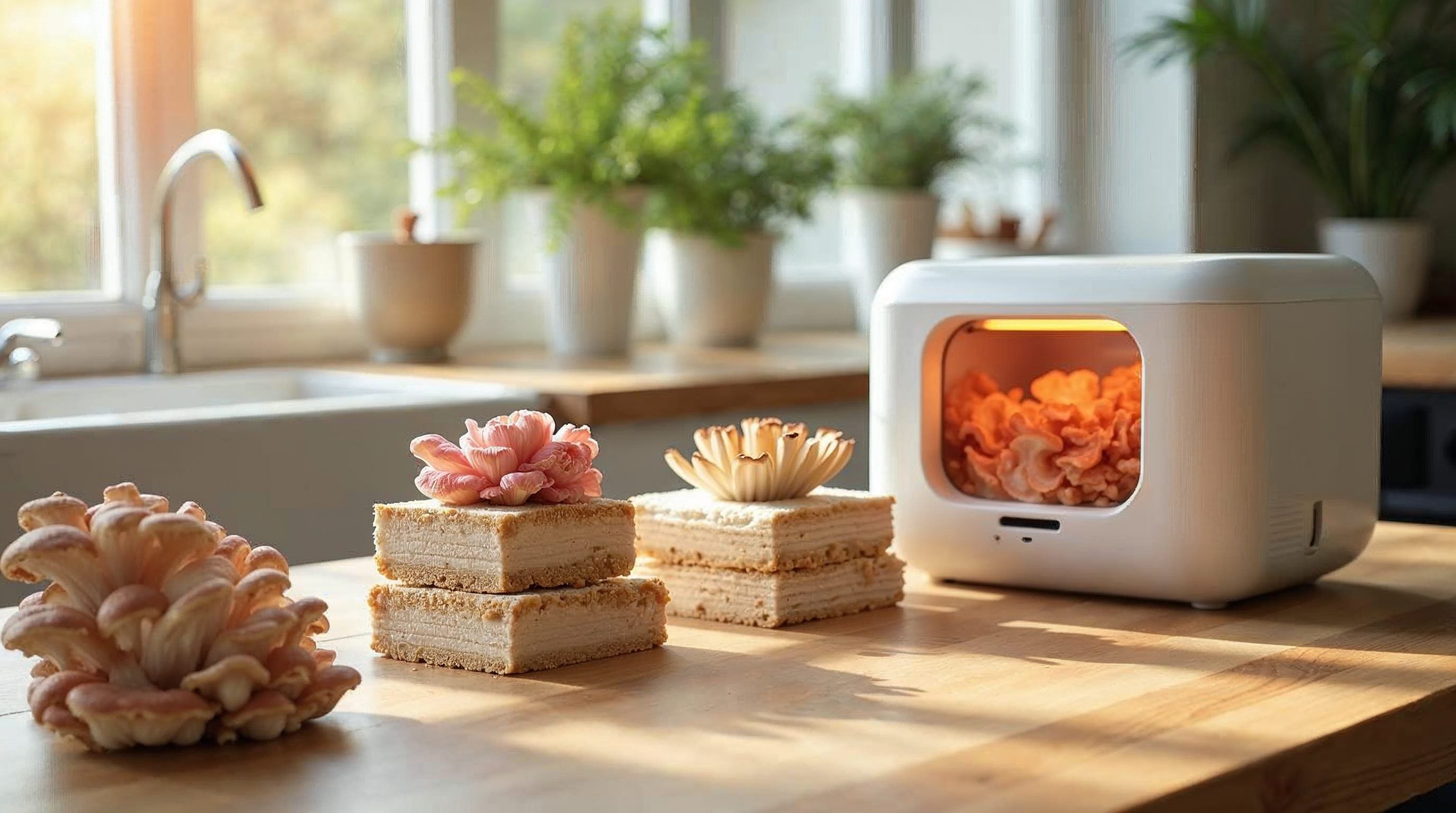
Modern smart mushroom grow kits take home cultivation to the next level by automatically controlling temperature and humidity levels, making it easier than ever to grow tree mushrooms indoors successfully.

Substrate Alternatives
Beyond logs, tree mushrooms can grow on various wood-based substrates including sawdust, wood chips, and straw. These materials are often more readily available and can be supplemented with nutrients to boost mushroom yields.
Safety Considerations When Foraging Tree Mushrooms
While many tree mushrooms are safe and delicious, proper identification is crucial before consuming any wild fungi. Never eat mushrooms you cannot positively identify, as some species can be toxic.
Identification Tips
Start by learning the key identifying features of common edible species in your area. Look for characteristics like cap shape, gill structure, spore print color, and growing substrate. Consider joining local mycological societies or taking guided foraging tours to learn from experienced mushroom hunters.
Sustainable Foraging Practices
If you do forage for wild tree mushrooms, always harvest responsibly. Take only what you need, leave some mushrooms to release spores, and never harvest from areas where mushrooms might be contaminated by pollution or pesticides.
For those interested in expanding their mushroom knowledge, exploring resources on turkey tail mushroom cultivation can provide valuable insights into growing medicinal tree mushrooms at home.
Frequently Asked Questions
Do all mushrooms that grow on trees require dead wood?
Not all tree mushrooms require dead wood. Some species like honey mushrooms can grow on living trees as parasites, while others like oyster mushrooms prefer dead or dying wood. The specific requirements vary by species.
How long does it take for mushrooms to grow on trees?
The timeline varies significantly by species and growing conditions. Some fast-growing varieties like oyster mushrooms can fruit within 2-3 weeks under optimal conditions, while others like shiitake may take 6-18 months to establish before producing mushrooms.
Can I grow tree mushrooms on any type of wood?
Different mushroom species have specific wood preferences. Hardwoods like oak, maple, and beech are preferred by most edible species, while softwoods like pine are generally avoided due to their resin content and different nutrient composition.
What's the best time of year to start growing tree mushrooms?
Spring and fall are typically the best times to start log cultivation, as the wood has optimal moisture content and temperatures are moderate. Indoor growing can be done year-round with proper environmental controls.
Are tree mushrooms more nutritious than soil-grown varieties?
Tree mushrooms often have unique nutritional profiles compared to soil-grown varieties. Many contain beneficial compounds like beta-glucans and antioxidants, though nutritional content varies by species and growing conditions.
Featured Snippet Summary
Tree mushrooms are fungi that grow directly on living or dead wood rather than in soil. Common varieties include oyster mushrooms, shiitake, and lion's mane, which can be cultivated at home using logs or specialized growing kits. These mushrooms play important ecological roles in forest ecosystems by decomposing wood and cycling nutrients.
Start Your Tree Mushroom Growing Journey Today
Growing mushrooms on trees opens up a fascinating world of sustainable food production and ecological understanding. Whether you're interested in foraging wild varieties or cultivating your own at home, tree mushrooms offer unique flavors and potential health benefits that make them worth exploring.
Ready to begin your mushroom growing adventure? Check out the best mushroom grow kit for beginners to find the perfect starting point for your needs. With the right tools and knowledge, you'll be enjoying fresh, homegrown tree mushrooms in just a few weeks. Start small, learn as you grow, and discover why tree mushroom cultivation is becoming one of the most rewarding forms of urban gardening.





Share:
Can You Grow Mushrooms from Dried Mushrooms? The Complete Truth About Mushroom Propagation
How to Grow Turkey Tail Mushrooms: Your Complete Home Cultivation Guide