



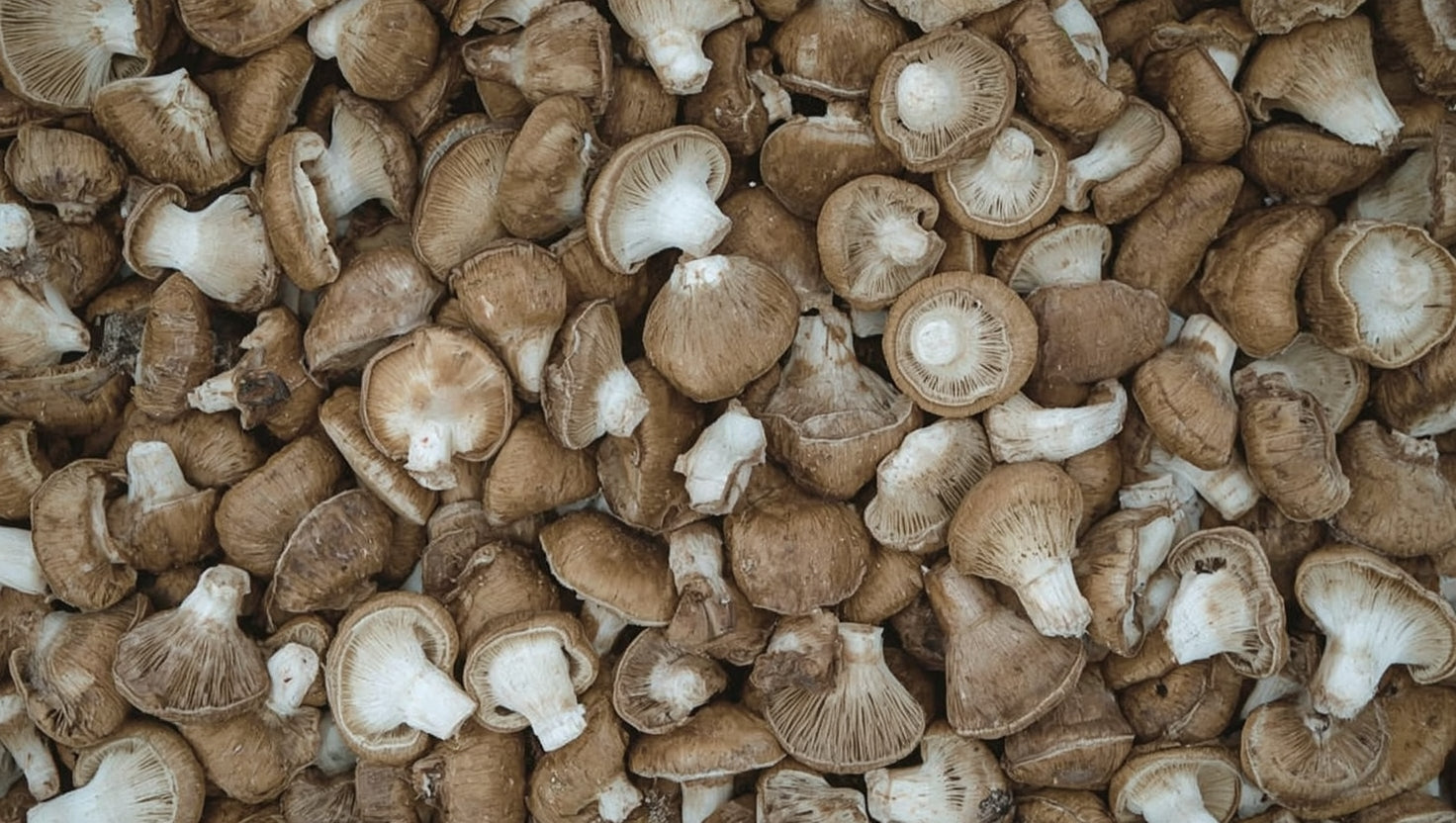
Fresh shiitake mushrooms are a culinary delight, but their relatively short shelf life can be disappointing—especially after a successful homegrown harvest. Fortunately, drying shiitake mushrooms is not only an excellent preservation method but also enhances their umami flavor and concentrates their impressive nutritional profile. This comprehensive guide will walk you through everything you need to know about drying shiitake mushrooms at home, from preparation to storage and usage.
Why Drying Shiitake Mushrooms Is Worth the Effort
Shiitake mushrooms (Lentinula edodes) have been cultivated for over a thousand years, particularly in East Asia, where they're valued for both their culinary applications and medicinal properties. While fresh shiitakes offer a mild, earthy flavor, properly dried specimens develop a remarkably intense umami taste that can elevate countless dishes.
Drying these mushrooms isn't just about preservation—it's a transformation process that creates an entirely different ingredient with unique culinary properties and concentrated health benefits. The drying process increases the mushrooms' vitamin D content and makes their beneficial compounds more bioavailable.
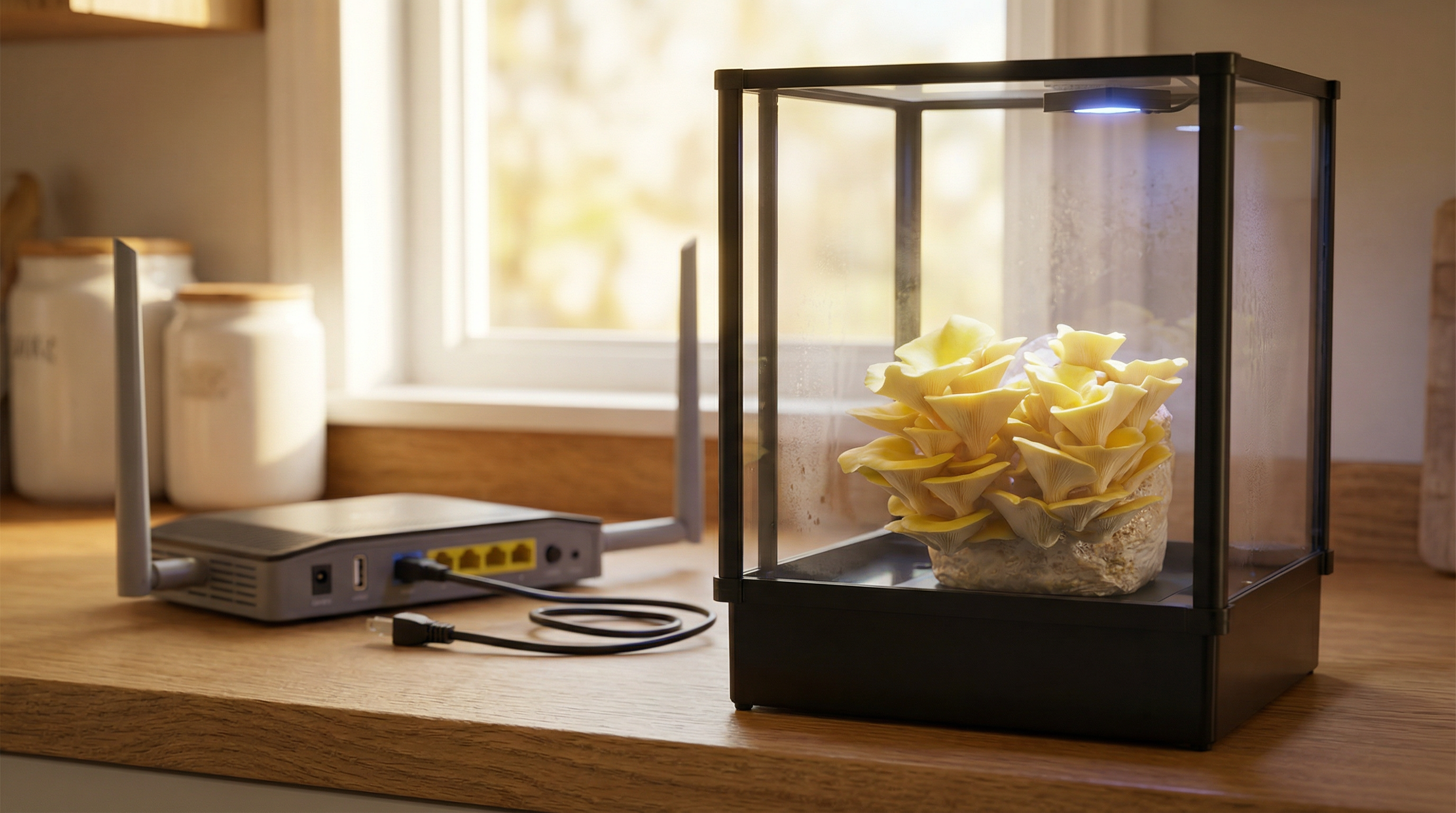
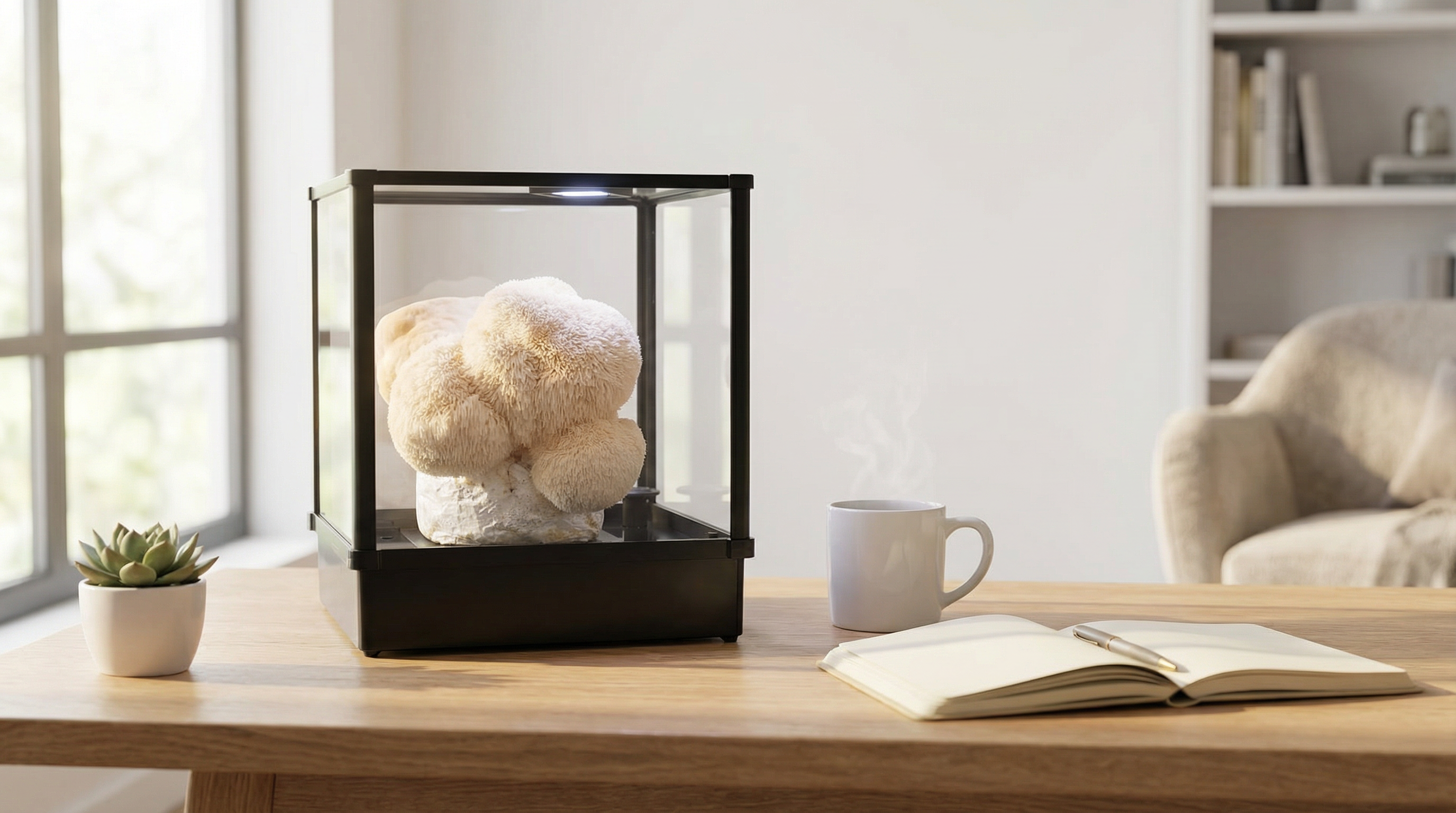
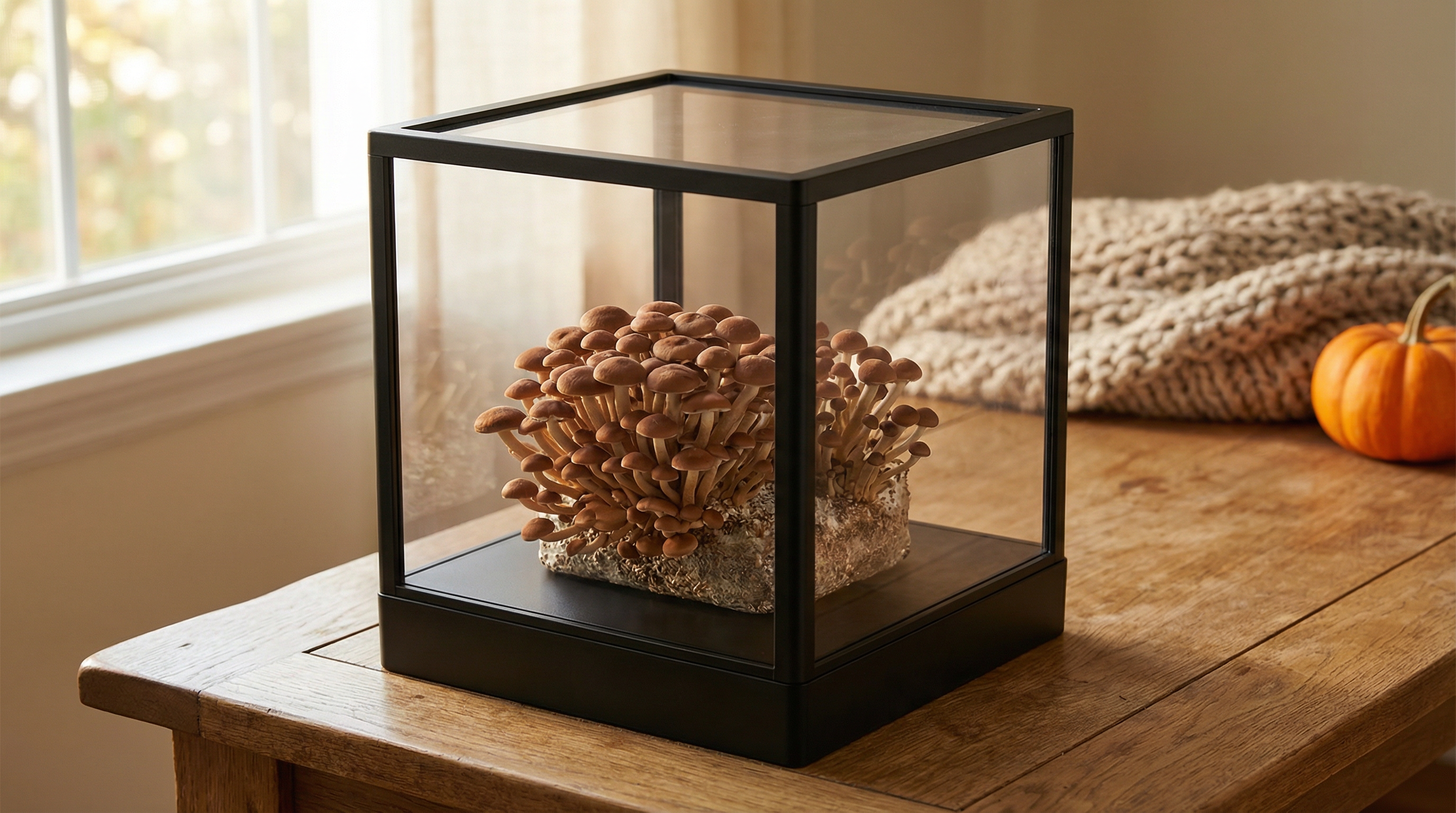
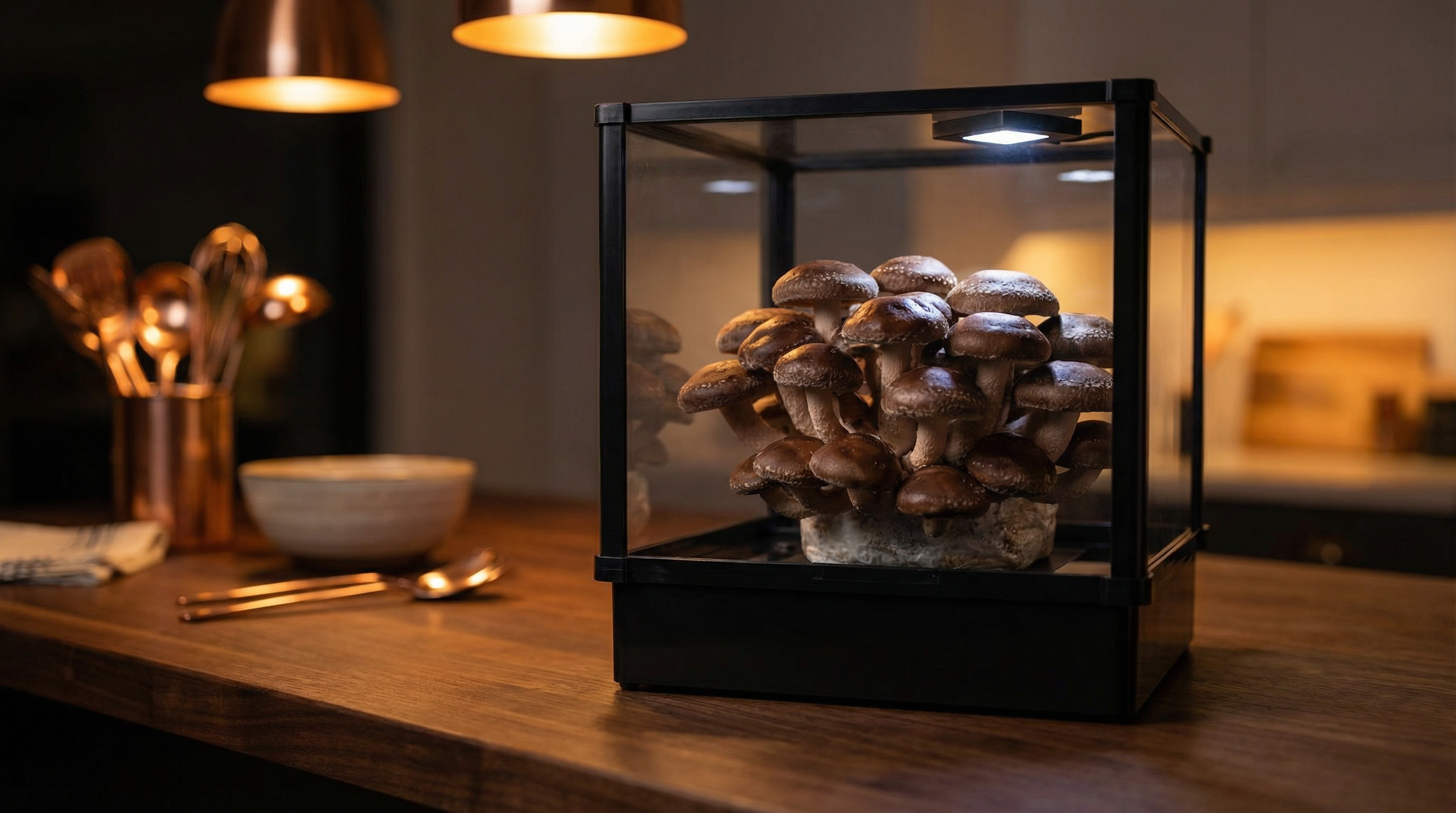
For home growers using systems like the Lykyn Smart Mushroom Grow Kit, knowing how to dry your harvested shiitake mushrooms properly ensures that none of your homegrown bounty goes to waste, allowing you to enjoy the fruits of your cultivation efforts for months.
Preparing Shiitake Mushrooms for Drying
Proper preparation is crucial for achieving high-quality dried shiitake mushrooms with optimal flavor, texture, and shelf-life.
Harvesting Considerations
If you're growing your own shiitake mushrooms, timing your harvest correctly impacts the quality of your dried product. Harvest shiitakes when the caps are fully opened but before the gills begin dropping spores. At this stage, the mushrooms contain their maximum flavor compounds while maintaining structural integrity.
After harvesting from your Lykyn Smart Mushroom Grow Chamber, allow the mushrooms to rest for 24 hours at room temperature. This brief aging period allows flavor compounds to develop and can increase the mushrooms' vitamin D content if exposed to sunlight during this time.
Cleaning and Preparation
Properly cleaning shiitake mushrooms before drying is essential:
- Gently brush away any substrate or debris using a soft mushroom brush or clean, dry cloth.
- Do not wash shiitakes with water before drying—this introduces unnecessary moisture and prolongs the drying process.
- Remove the stems if they appear tough or woody. These can be saved for making stock or ground into powder after drying.
- For larger specimens, slice the caps into uniform pieces (approximately ¼ inch thick) to ensure even drying. Smaller mushrooms can be dried whole.

Methods for Drying Shiitake Mushrooms
There are several effective methods for drying shiitake mushrooms, each with distinct advantages. Choose based on your equipment, climate, and desired results.
Air-Drying Method
Air-drying is the traditional approach used for centuries and requires no special equipment:
- String the mushrooms through their stems using a sterilized needle and food-safe thread, leaving space between each mushroom.
- Hang the string in a well-ventilated, warm area away from direct sunlight.
- Allow 1-2 weeks for complete drying, depending on humidity and temperature.
This method works best in low-humidity environments and produces intensely flavored mushrooms, but requires patience and careful monitoring to prevent mold development.
Food Dehydrator Method
Using a food dehydrator offers precise control and consistent results:
- Arrange prepared mushrooms in a single layer on dehydrator trays, ensuring they don't overlap.
- Set the temperature to 110-120°F (43-49°C).
- Run the dehydrator for 6-12 hours, checking periodically.
- Mushrooms are properly dried when they snap cleanly rather than bend.
The food dehydrator method is the most reliable for consistent quality and works well in any climate.
Oven-Drying Method
If you don't have a dehydrator, a conventional oven can work effectively:
- Preheat your oven to its lowest setting, ideally below 140°F (60°C).
- Arrange mushrooms on parchment-lined baking sheets.
- Prop the oven door slightly open to allow moisture to escape.
- Dry for 3-6 hours, rotating trays occasionally for even drying.
This method requires more attention but can produce excellent results with proper temperature control.
Sun-Drying Technique
In dry, sunny climates, sun-drying can enhance the vitamin D content:
- Place mushrooms on a raised screen or mesh rack.
- Cover with a breathable cloth to keep out insects.
- Place in direct sunlight for 2-3 days, bringing indoors at night to prevent moisture absorption.
- Check regularly for complete drying.
While this method enhances nutritional value, it's weather-dependent and requires consistent sunshine.

Post-Drying Processes: Conditioning and Storage
After your shiitake mushrooms are fully dried, proper conditioning and storage are essential to maintain quality and prevent spoilage.
Conditioning Process
Conditioning is a critical step that ensures uniform dryness throughout your batch:
- Place dried mushrooms in a glass jar, filling it halfway.
- Seal and leave at room temperature for 5-7 days, shaking daily.
- Check for any signs of condensation inside the jar, which indicates incomplete drying.
- If condensation appears, return mushrooms to the dehydrator for additional drying.
This process equalizes moisture content and helps identify any incompletely dried pieces that could cause spoilage.
Proper Storage Methods
Correctly stored dried shiitake mushrooms can maintain quality for up to two years:
- Store in airtight containers like glass jars with tight-fitting lids or vacuum-sealed bags.
- Add a food-grade desiccant packet to absorb any residual moisture.
- Label containers with the drying date for reference.
- Store in a cool, dark place like a pantry or cabinet away from heat sources.
For long-term storage, consider vacuum sealing in small portions to maintain freshness after opening. Properly dried shiitakes should remain brittle and snap cleanly when broken.
Signs of Quality in Dried Shiitake Mushrooms
High-quality dried shiitakes should have:
- A rich, dark brown color with a slight sheen
- Intense, savory aroma with notes of umami and earth
- Brittle texture that snaps cleanly rather than bends
- No visible mold or unusual discoloration
- Uniform dryness throughout
If stored shiitake mushrooms develop any musty smell or show signs of moisture or mold, discard them immediately.
Rehydrating and Using Dried Shiitake Mushrooms
One of the beauties of dried shiitake mushrooms is their versatility in the kitchen and their ability to enhance countless dishes.
Proper Rehydration Technique
The rehydration process is crucial for optimal texture and flavor extraction:
- Place dried mushrooms in a heat-resistant bowl.
- Pour hot (not boiling) water over the mushrooms, using just enough to cover them.
- Cover the bowl and let steep for 20-30 minutes until fully rehydrated and pliable.
- Reserve the soaking liquid—this amber-colored umami-rich broth is valuable for cooking.
- Gently squeeze excess moisture from the mushrooms before using.
For stronger flavor, cold-water rehydration works well but takes significantly longer (4-8 hours, often overnight).
Culinary Applications for Dried Shiitake
Dried shiitake mushrooms are incredibly versatile in the kitchen:
- Add to soups, stews, and broths for rich umami flavor
- Incorporate into stir-fries and Asian dishes
- Use in risotto, pasta, and grain dishes
- Create deeply flavored vegetarian gravy or sauce bases
- Grind dried shiitakes into powder to use as a flavor enhancer
The reserved soaking liquid makes an excellent base for soups, sauces, and marinades, adding depth and complexity to dishes.
For those who've grown shiitake mushrooms using the Lykyn Smart Mushroom Grow Kit, drying your harvest provides a way to enjoy your cultivation success year-round. Learn more about growing shiitake in our detailed guide on shiitake mushroom cultivation.

Health Benefits of Dried Shiitake Mushrooms
Beyond their culinary applications, dried shiitake mushrooms offer impressive health benefits, many of which are enhanced by the drying process.
Nutritional Profile
Dried shiitake mushrooms are nutritional powerhouses, containing:
- Beta-glucans, which support immune function
- Eritadenine, which may help manage cholesterol levels
- Vitamin D (increased through sun-drying)
- B vitamins, particularly B2, B3, and B5
- Various minerals including copper, selenium, and zinc
- Dietary fiber and protein
The concentration of these nutrients is higher in dried form compared to fresh mushrooms due to the removal of water content.
Traditional and Modern Medicinal Uses
For centuries, shiitake mushrooms have been used in traditional East Asian medicine, and modern research continues to explore their potential benefits:
- Immune system support and modulation
- Cardiovascular health maintenance
- Potential anti-inflammatory properties
- Possible antiviral effects
While research is ongoing, the long history of shiitake use in traditional medicine systems speaks to their potential health applications.
FAQ About Drying Shiitake Mushrooms
How can you tell when shiitake mushrooms are properly dried?
How long do dried shiitake mushrooms last?
Can I dry shiitake mushrooms grown in my Lykyn chamber?
Do dried shiitake mushrooms have more umami flavor than fresh ones?
Can I reuse the water from rehydrating dried shiitake mushrooms?
From Growing to Drying: Completing the Mushroom Cultivation Cycle
For mushroom enthusiasts using the Lykyn Smart Mushroom Grow Chamber, learning to properly dry your harvested shiitakes completes the cultivation cycle. The automated growing environment provided by the Lykyn system ensures consistent, high-quality harvests, while proper drying techniques allow you to preserve and enhance your homegrown mushrooms.
When dried correctly, shiitake mushrooms from your grow chamber will develop an even more complex flavor profile than their fresh counterparts, providing a versatile ingredient that can be stored for months and used in countless culinary applications.
Summary: Key Points for Perfect Dried Shiitake Mushrooms
Drying shiitake mushrooms is a rewarding process that enhances their flavor, extends their useful life, and concentrates their nutritional benefits. By following the proper techniques for preparation, drying, conditioning, and storage outlined in this guide, you can transform fresh shiitakes into a premium pantry ingredient that rivals commercial dried mushrooms in quality.
Whether you're preserving a bumper harvest from your Lykyn mushroom growing system or looking to enhance your culinary repertoire, mastering the art of drying shiitake mushrooms opens up new dimensions of flavor and nutrition.
Ready to grow your own shiitake mushrooms for drying? The Lykyn Smart Mushroom Grow Chamber makes cultivation simple and reliable. With perfect environmental controls and species-specific presets, you'll be harvesting and drying your own premium shiitake mushrooms in no time.


Share:
Grifola Frondosa: The Complete Guide to Maitake Mushroom Benefits, Cultivation, and Culinary Uses
Tricholoma Matsutake: The Ultimate Guide to Matsutake Mushrooms 2025