



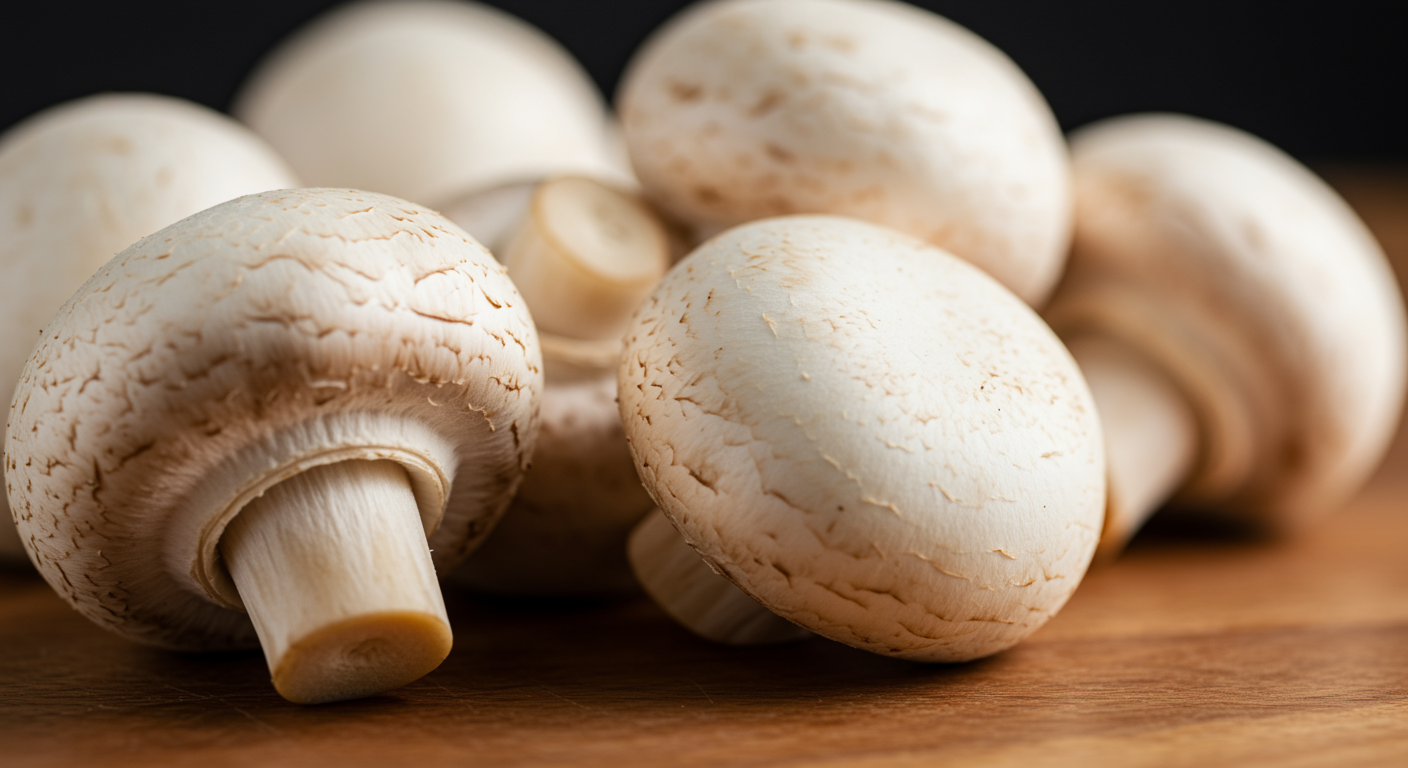
You walk past them every time you visit the grocery store—those pristine white caps sitting quietly in the produce section. White button mushrooms might look ordinary, but these unassuming fungi pack an extraordinary nutritional punch that most people never realize.
As the most consumed mushroom variety in the United States, accounting for about 90% of all mushrooms eaten, white button mushrooms (Agaricus bisporus) offer impressive health benefits backed by scientific research. Whether you're looking to boost your immune system, support weight management, or simply add more nutrients to your diet, these affordable mushrooms deliver results that rival far more expensive superfoods.

The Surprising Nutritional Profile of White Button Mushrooms
White button mushrooms are nutritional powerhouses disguised in plain packaging. A single cup of raw white mushrooms (about 96 grams) contains only 21 calories but delivers significant amounts of essential nutrients your body needs daily.
These fungi provide impressive amounts of B vitamins, particularly riboflavin, niacin, and pantothenic acid, which play crucial roles in energy metabolism and brain function. They're also one of the few natural food sources of vitamin D, especially when exposed to sunlight or UV light during growth—a feature that makes them particularly valuable for people with limited sun exposure.
The mineral content is equally impressive. White button mushrooms contain selenium, a powerful antioxidant that supports thyroid function and protects cells from damage. They also provide copper, potassium, and phosphorus, all essential for various bodily functions from heart health to bone strength.
Perhaps most remarkably, white button mushrooms contain bioactive compounds including ergothioneine, a unique antioxidant that your body cannot produce on its own but can obtain and retain from mushrooms. Research suggests this compound may protect against oxidative stress and inflammation throughout the body.
Top 10 Science-Backed Health Benefits of White Button Mushrooms
1. Powerful Immune System Support
Your immune system constantly works behind the scenes to protect you from illness, and white button mushrooms provide meaningful support for this vital defense network. These mushrooms contain beta-glucans, specialized polysaccharides that research shows can enhance immune cell activity.
Studies have demonstrated that compounds in white button mushrooms can increase the production and activity of natural killer cells and macrophages—your body's first responders against infections and abnormal cells. Regular consumption may help your immune system respond more effectively to threats while maintaining proper balance to avoid overreaction.
2. Natural Cancer-Fighting Properties
One of the most exciting areas of white button mushroom research involves their potential role in cancer prevention. These mushrooms contain several compounds that laboratory studies suggest may help inhibit tumor growth and development.
Research has specifically examined white button mushrooms' effects on breast and prostate cancer cells, with promising results. The mushrooms contain conjugated linoleic acid and other compounds that may help regulate hormone levels and reduce cancer risk. While mushrooms are certainly not a cancer treatment, incorporating them regularly into your diet as part of an overall healthy lifestyle may contribute to cancer prevention strategies.
3. Heart Health and Cholesterol Management
Your cardiovascular system benefits significantly from regular white button mushroom consumption. These fungi contain compounds that may help lower cholesterol levels, reduce inflammation in blood vessels, and support healthy blood pressure.
The fiber content in mushrooms, combined with their beta-glucans, can help reduce LDL (bad) cholesterol absorption in your digestive system. Additionally, the potassium in white button mushrooms helps counterbalance sodium's effects, supporting healthy blood pressure levels—a crucial factor in preventing heart disease and stroke.

4. Weight Management and Metabolic Support
If you're working toward weight management goals, white button mushrooms deserve a prominent place on your plate. With their extremely low calorie density (only 21 calories per cup) and high water content, they add substantial volume and satisfaction to meals without adding extra calories.
The protein and fiber content in mushrooms helps promote feelings of fullness, potentially reducing overall calorie intake throughout the day. Studies have shown that people who substitute mushrooms for higher-calorie protein sources like beef can significantly reduce their calorie and fat intake while maintaining satisfaction with their meals.
5. Blood Sugar Regulation
For anyone concerned about blood sugar management—whether dealing with diabetes, prediabetes, or simply wanting to maintain stable energy levels—white button mushrooms offer valuable support. Their low glycemic index means they won't cause rapid blood sugar spikes.
Research indicates that compounds in white button mushrooms may improve insulin sensitivity and help regulate glucose metabolism. The fiber content slows digestion and sugar absorption, contributing to more stable blood sugar levels throughout the day.
6. Brain Health and Cognitive Function
Your brain requires specific nutrients to function optimally, and white button mushrooms supply several that support cognitive health. The B vitamins they contain, particularly riboflavin, niacin, and pantothenic acid, are essential for nervous system function and neurotransmitter production.
The ergothioneine mentioned earlier has shown particular promise for brain health. This unique antioxidant can cross the blood-brain barrier and accumulate in brain tissue, where research suggests it may protect against oxidative damage associated with aging and neurodegenerative diseases.
7. Strong Bones and Skeletal Support
While dairy products typically get all the credit for bone health, white button mushrooms contribute important nutrients for maintaining strong bones. Their vitamin D content (especially when UV-treated) works synergistically with calcium to support bone density and strength.
Additionally, mushrooms contain copper and phosphorus, both essential minerals for bone health. Copper helps form collagen, a key component of bone structure, while phosphorus combines with calcium to form the mineral matrix that gives bones their hardness.
8. Anti-Inflammatory Properties
Chronic inflammation underlies many modern health problems, from arthritis to heart disease. White button mushrooms contain several compounds with anti-inflammatory properties that may help reduce inflammation throughout your body.
The polysaccharides in these mushrooms can help modulate inflammatory responses, potentially reducing markers of inflammation when consumed regularly. This anti-inflammatory action may contribute to many of the other health benefits mushrooms provide.
9. Gut Health and Digestive Support
Your digestive system benefits from the prebiotic properties of white button mushrooms. While they don't contain traditional fiber in high amounts, the polysaccharides and other compounds in mushrooms can support beneficial gut bacteria.
A healthy gut microbiome influences everything from immune function to mood, making this benefit particularly valuable. The easily digestible nature of cooked white button mushrooms also makes them gentle on sensitive digestive systems.
10. Antioxidant Protection
White button mushrooms contain several antioxidants that protect your cells from damage caused by free radicals. Beyond ergothioneine, they provide selenium, vitamin C (in small amounts), and various polyphenols that work together to neutralize harmful oxidative compounds.
This antioxidant protection may slow cellular aging and reduce the risk of chronic diseases associated with oxidative stress, from cardiovascular disease to certain cancers.

How to Maximize Health Benefits from White Button Mushrooms
Getting the most nutritional value from white button mushrooms requires proper selection, storage, and preparation. Here's how to optimize their health benefits:
Choose mushrooms that are firm with smooth, unblemished caps and tightly closed gills underneath. Fresh mushrooms should smell clean and earthy, never sour or ammonia-like. Store them in a paper bag in your refrigerator rather than plastic, which traps moisture and accelerates spoilage.
Cooking is essential for maximizing both safety and nutritional availability. While raw white button mushrooms are technically edible, cooking breaks down their tough cell walls and makes nutrients more bioavailable. Sautéing, grilling, or roasting at moderate temperatures preserves heat-sensitive vitamins while developing delicious flavors.
To increase vitamin D content, place your mushrooms in sunlight (gill-side up) for 15-30 minutes before cooking. This simple step can dramatically boost their vitamin D levels through a natural photochemical reaction.
For optimal health benefits, aim to include mushrooms in your diet several times per week. A serving size of about one cup of sliced mushrooms provides substantial nutritional benefits without requiring huge portions.
Growing Your Own White Button Mushrooms for Maximum Freshness
While white button mushrooms are readily available at grocery stores, growing your own at home ensures maximum freshness and allows you to harvest them at peak nutritional value. Home cultivation has become increasingly accessible thanks to modern growing systems.
The LYKYN Smart Mushroom Grow Kit makes cultivating your own mushrooms remarkably simple with automated humidity control and airflow management. While white button mushrooms have specific growing requirements that differ from more beginner-friendly varieties like oyster mushrooms, having fresh mushrooms from your own home provides unmatched quality and nutritional value.
If you're interested in exploring mushroom cultivation, consider starting with easier varieties through resources like our guide to the top mushroom growing kits before progressing to white button cultivation. The skills you develop with simpler mushroom varieties will prepare you for more advanced growing techniques.
Incorporating White Button Mushrooms Into Your Daily Diet
Adding white button mushrooms to your regular meal rotation couldn't be easier thanks to their mild flavor and versatile texture. They absorb the flavors of whatever you cook them with while adding substantial texture and nutritional value.
Start your day by adding sliced mushrooms to omelets or scrambled eggs. The savory umami flavor complements eggs perfectly while boosting the meal's protein and nutrient content. For lunch, pile sautéed mushrooms onto whole-grain sandwiches or wraps, or toss them into salads after grilling.
Dinner offers countless possibilities. Substitute chopped mushrooms for up to half the ground meat in tacos, meatballs, or pasta sauce to reduce calories and saturated fat while maintaining satisfying texture. Add them to stir-fries, risottos, or grain bowls for extra nutrients and flavor depth.
For those following specific dietary approaches, white button mushrooms work beautifully in vegetarian and vegan cooking as a meaty substitute. Their umami-rich flavor and substantial texture make them satisfying even without animal products. Check out our collection of Italian oyster mushroom recipes for inspiration that translates well to white button varieties.
Don't overlook simple preparations—sometimes the best approach is the simplest. Slice mushrooms and sauté them in a bit of olive oil with garlic and fresh herbs for a side dish that pairs with virtually any protein. Or roast whole mushrooms at high heat until caramelized and concentrated in flavor.
Common Questions About White Button Mushrooms and Health
Are white button mushrooms safe to eat raw?
While technically edible raw, white button mushrooms are better consumed cooked. Cooking breaks down their tough chitin cell walls, making nutrients more bioavailable and improving digestibility. Raw mushrooms also contain small amounts of agaritine, a compound that breaks down during cooking. For optimal safety and nutrition, always cook your white button mushrooms.
How many white button mushrooms should I eat for health benefits?
Research suggests consuming about one cup of sliced mushrooms (approximately 70-100 grams) several times per week provides measurable health benefits. However, even smaller amounts consumed regularly contribute positively to your overall nutrient intake. There's no single "magic number," but consistency matters more than quantity.
Can white button mushrooms help with vitamin D deficiency?
White button mushrooms can contribute to vitamin D intake, especially when they've been exposed to UV light during growth or after harvest. Some commercially grown mushrooms are specifically UV-treated to boost vitamin D content significantly. Check labels for "vitamin D enhanced" or "UV-treated" designations, or expose your mushrooms to sunlight before cooking to naturally increase their vitamin D levels.
Are white button mushrooms actually the same as portobello and cremini?
Yes! White button mushrooms, cremini (baby bella), and portobello mushrooms are all the same species (Agaricus bisporus) at different stages of maturity. White buttons are harvested youngest, cremini are slightly more mature with a tan cap, and portobellos are fully mature. All three provide similar health benefits, though some nutrient concentrations may vary slightly with maturity.
Do white button mushrooms interact with any medications?
White button mushrooms are generally very safe, but their vitamin K content (though relatively low) may affect blood-thinning medications like warfarin. If you take anticoagulant medications, maintain consistent mushroom consumption rather than dramatically changing your intake. Always discuss significant dietary changes with your healthcare provider, especially if you take medications or have specific health conditions.
Featured Snippet Summary
White button mushrooms offer impressive health benefits including immune system support, heart health protection, weight management assistance, and powerful antioxidant properties. With only 21 calories per cup, they provide B vitamins, selenium, vitamin D, and unique compounds like ergothioneine. Regular consumption several times weekly can support overall health naturally.
Start Enjoying White Button Mushroom Benefits Today
The humble white button mushroom deserves far more recognition than it typically receives. These affordable, accessible fungi deliver scientifically validated health benefits that support nearly every system in your body—from immune function to brain health, heart protection to weight management.
Don't let their ordinary appearance fool you. By incorporating white button mushrooms into your regular diet, you're adding a genuine superfood that's been hiding in plain sight all along. Whether you purchase them fresh from your local market or explore growing your own with a smart mushroom cultivation system, you'll be making a simple yet powerful choice for your long-term health.
Ready to explore more about the fascinating world of mushrooms? Discover how to create your own mushroom powders for concentrated nutrition or learn about other varieties in our comprehensive mushroom guides. Your journey to better health through functional fungi starts with that first delicious bite.












Share:
Yellow Mushroom: Complete Guide to Identification, Growing, and Culinary Uses
Can You Eat White Button Mushrooms Raw? Everything You Need to Know About Safety and Nutrition