



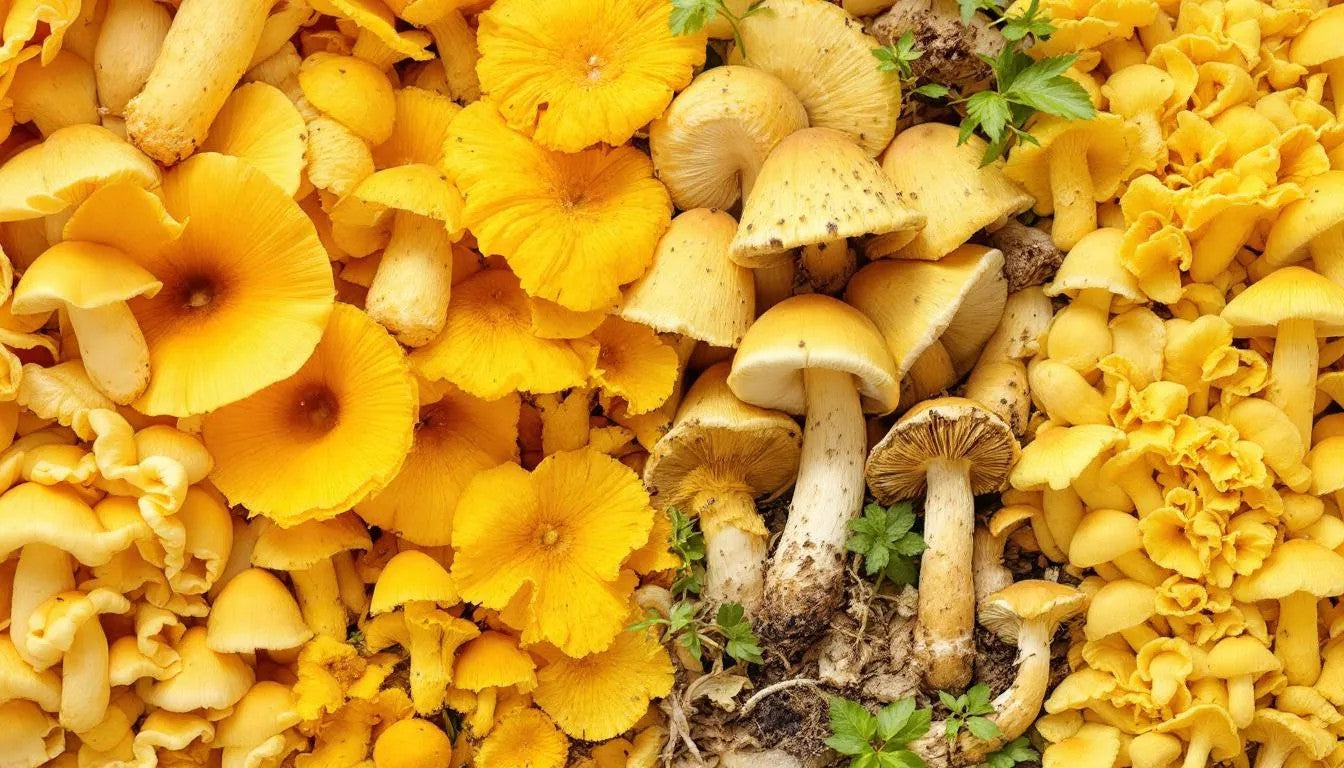
Have you ever spotted a bright yellow mushroom in your garden or forest and wondered what it is? Yellow mushrooms represent some of the most visually striking fungi in nature, ranging from highly prized edible varieties like golden chanterelles to potentially toxic species that should never be consumed. Understanding how to identify, grow, and use these vibrant fungi safely can open up a whole new world of culinary possibilities and mycological appreciation.
Whether you're a curious forager, aspiring mushroom cultivator, or home cook looking to expand your ingredient repertoire, this comprehensive guide will help you navigate the fascinating world of yellow mushrooms with confidence and safety.
Understanding Yellow Mushrooms: What Makes Them Special
Yellow mushrooms aren't a single species but rather a diverse group of fungi that share similar coloration ranging from pale butter-yellow to deep golden-orange. This distinctive color comes from various pigments including carotenoids and other compounds that serve different purposes in the mushroom's biology.
The yellow coloration can indicate several things. In some species, it acts as a warning signal to potential predators, while in others, it simply results from the mushroom's unique biochemistry. What's particularly important for anyone interested in these fungi is understanding that color alone cannot determine whether a mushroom is safe to eat. Many toxic species masquerade in cheerful yellow hues, making proper identification absolutely critical.

Popular Edible Yellow Mushroom Varieties
Golden Chanterelle (Cantharellus cibarius)
Golden chanterelles rank among the most sought-after wild mushrooms worldwide. These beautiful fungi display vibrant golden-yellow coloring with a distinctive funnel or vase shape. Their false gills—actually ridges that run down the stem—distinguish them from true-gilled mushrooms.
Chanterelles emit a subtle apricot-like aroma and offer a mildly peppery flavor with fruity undertones. They typically grow near oak, beech, and conifer trees, forming mycorrhizal relationships with tree roots. These mushrooms appear from late summer through fall, often returning to the same locations year after year.
Golden Oyster Mushrooms (Pleurotus citrinopileatus)
Golden oyster mushrooms represent one of the most visually stunning varieties in the oyster mushroom family, captivating growers and chefs with their vibrant yellow-gold coloration and exceptional taste profile Lykyn. Originally from eastern Russia, northern China, and Japan, these mushrooms have gained popularity worldwide for both culinary and cultivation purposes.
With their vibrant yellow caps and delicate, frilly appearance, golden oysters add a striking visual element to any dish, preferring warmer temperatures around 70-85°F and offering a more complex flavor profile with nutty, citrusy notes Lykyn.
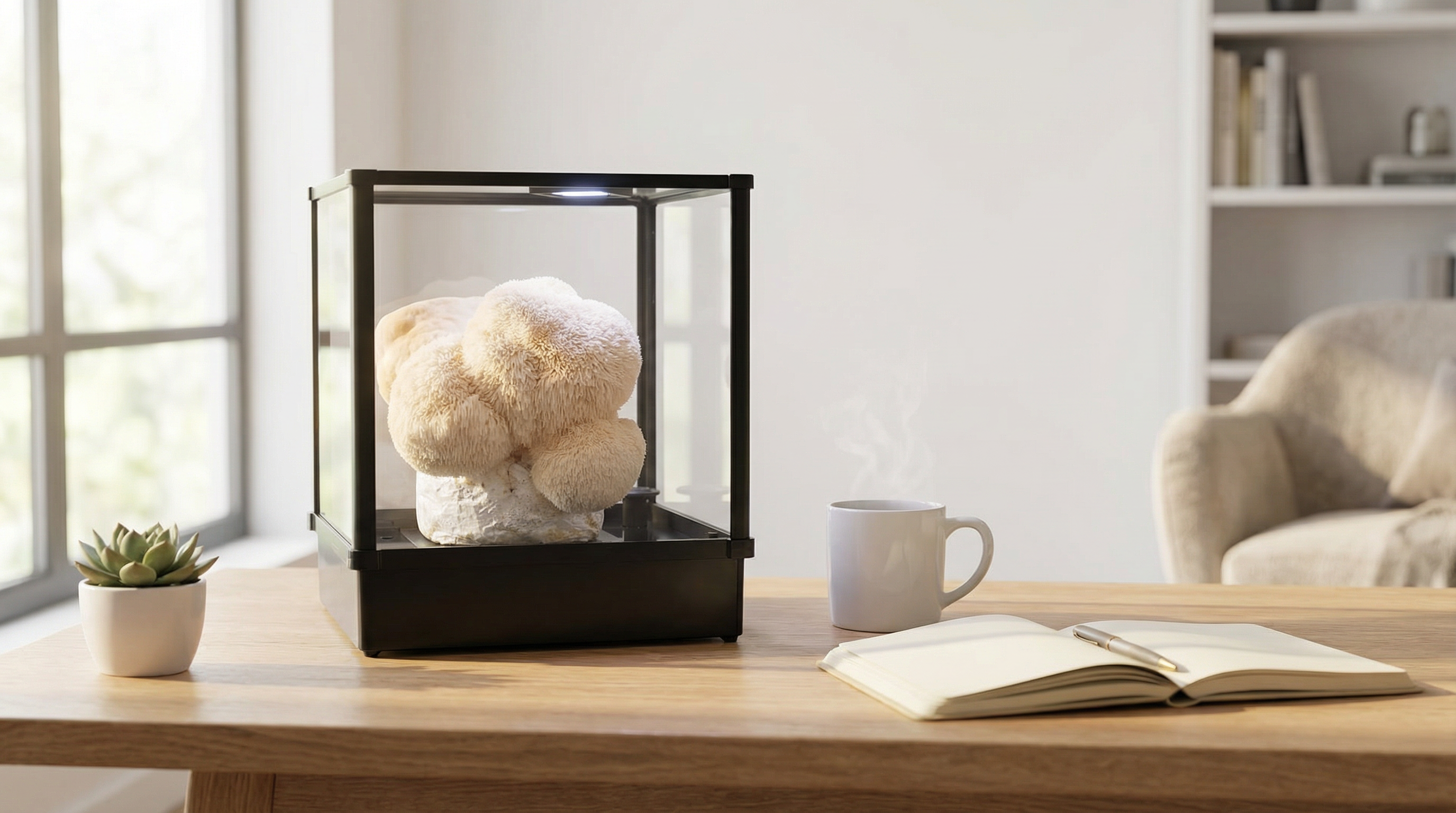
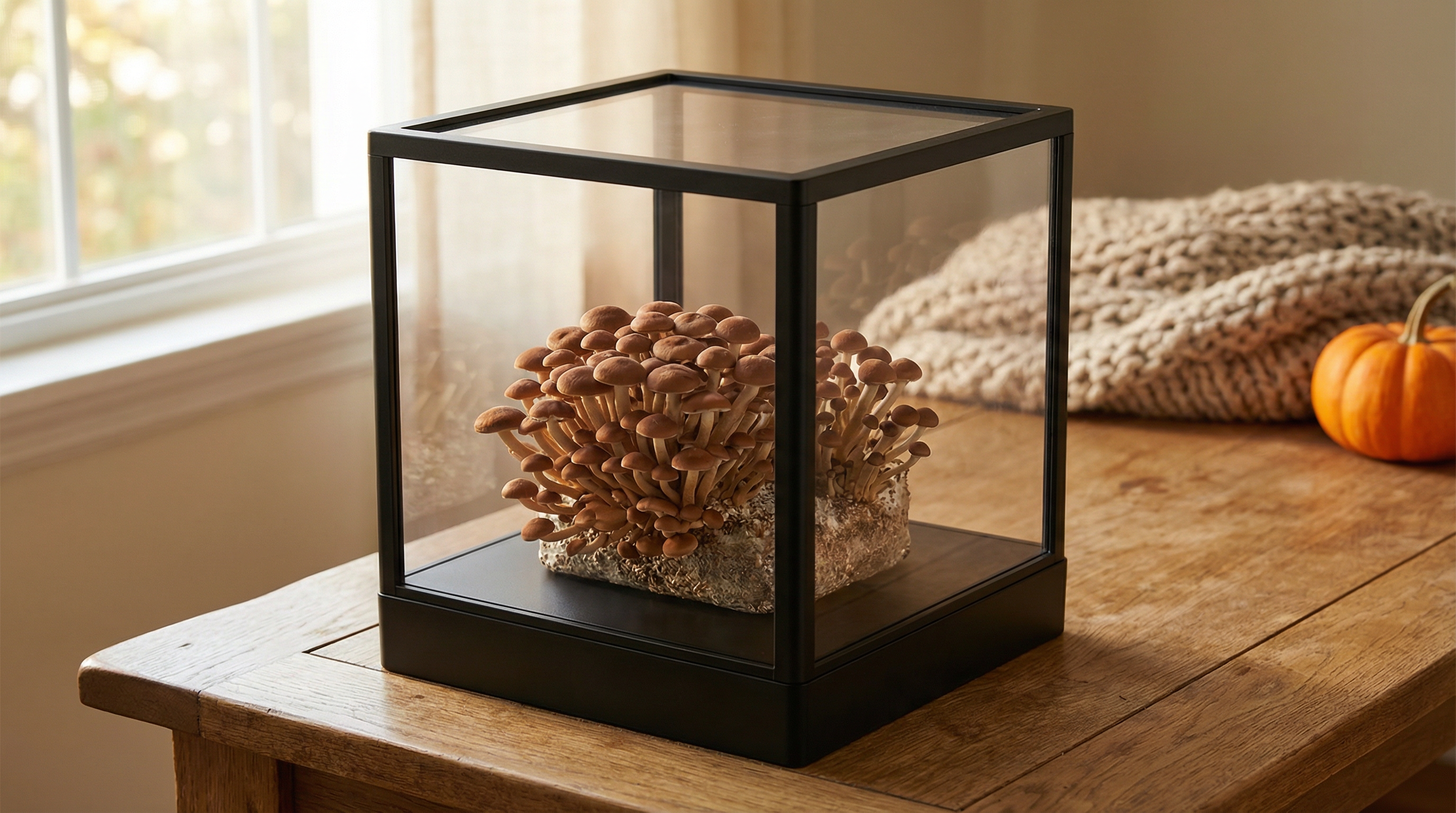
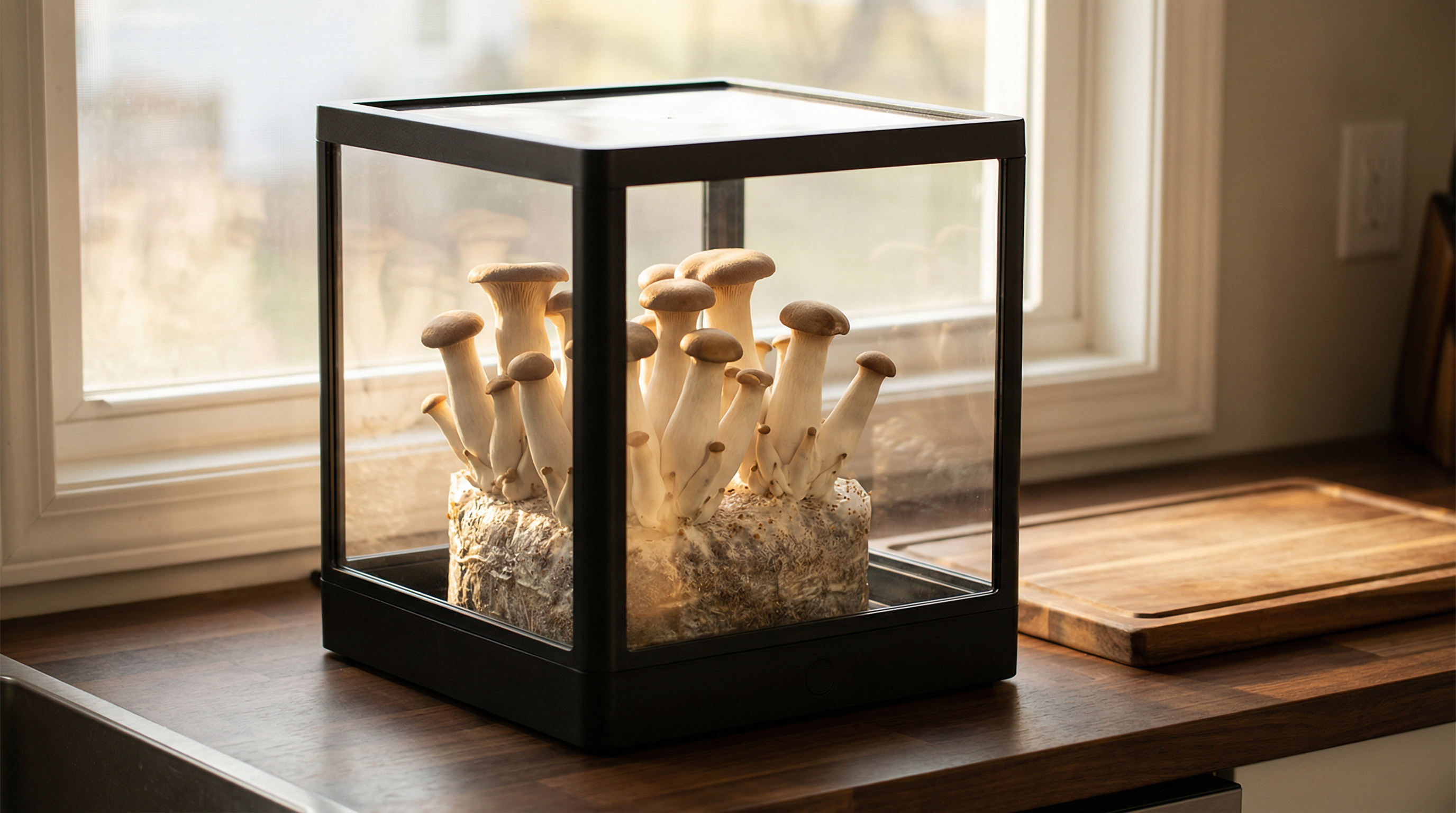
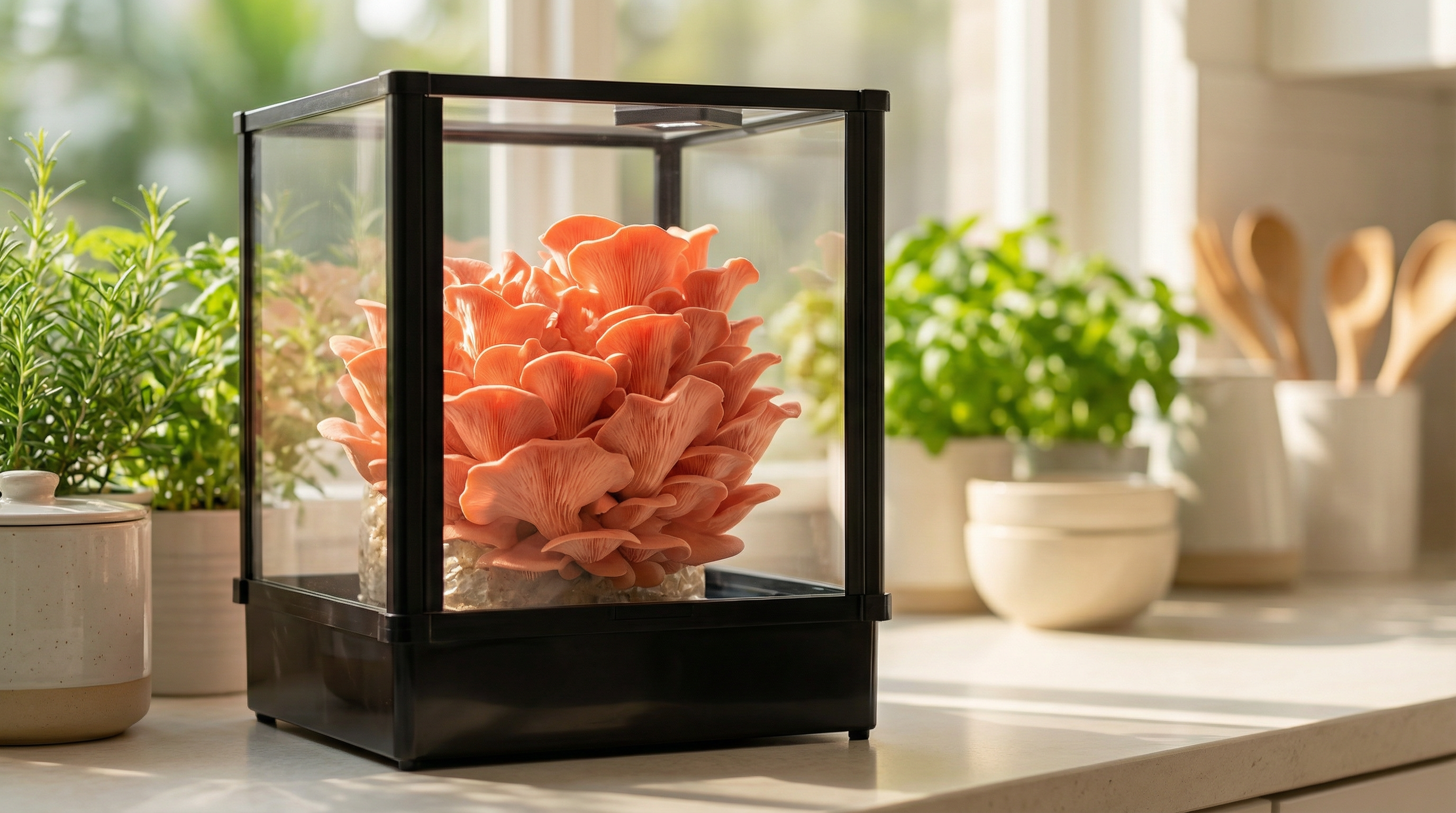
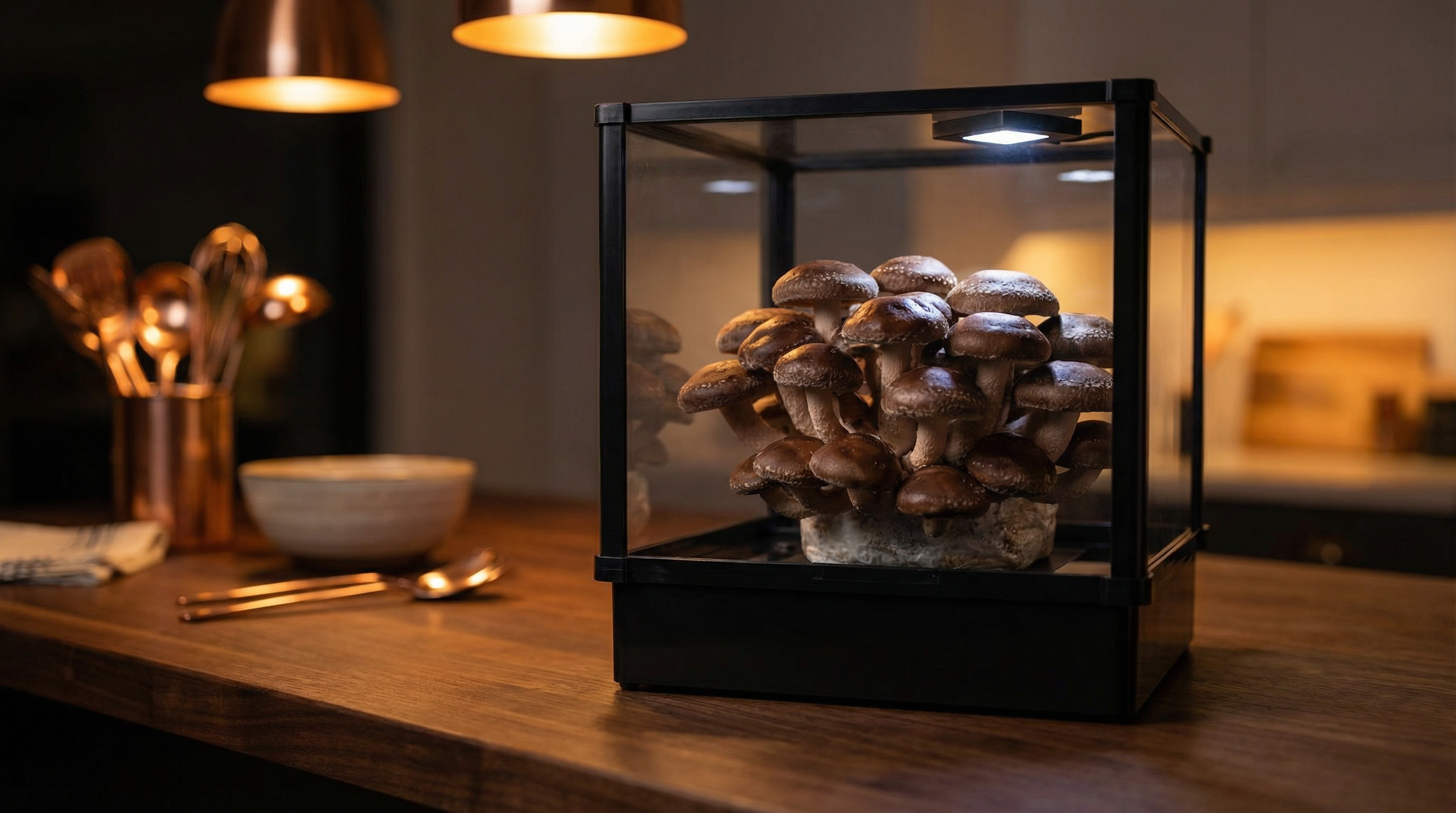
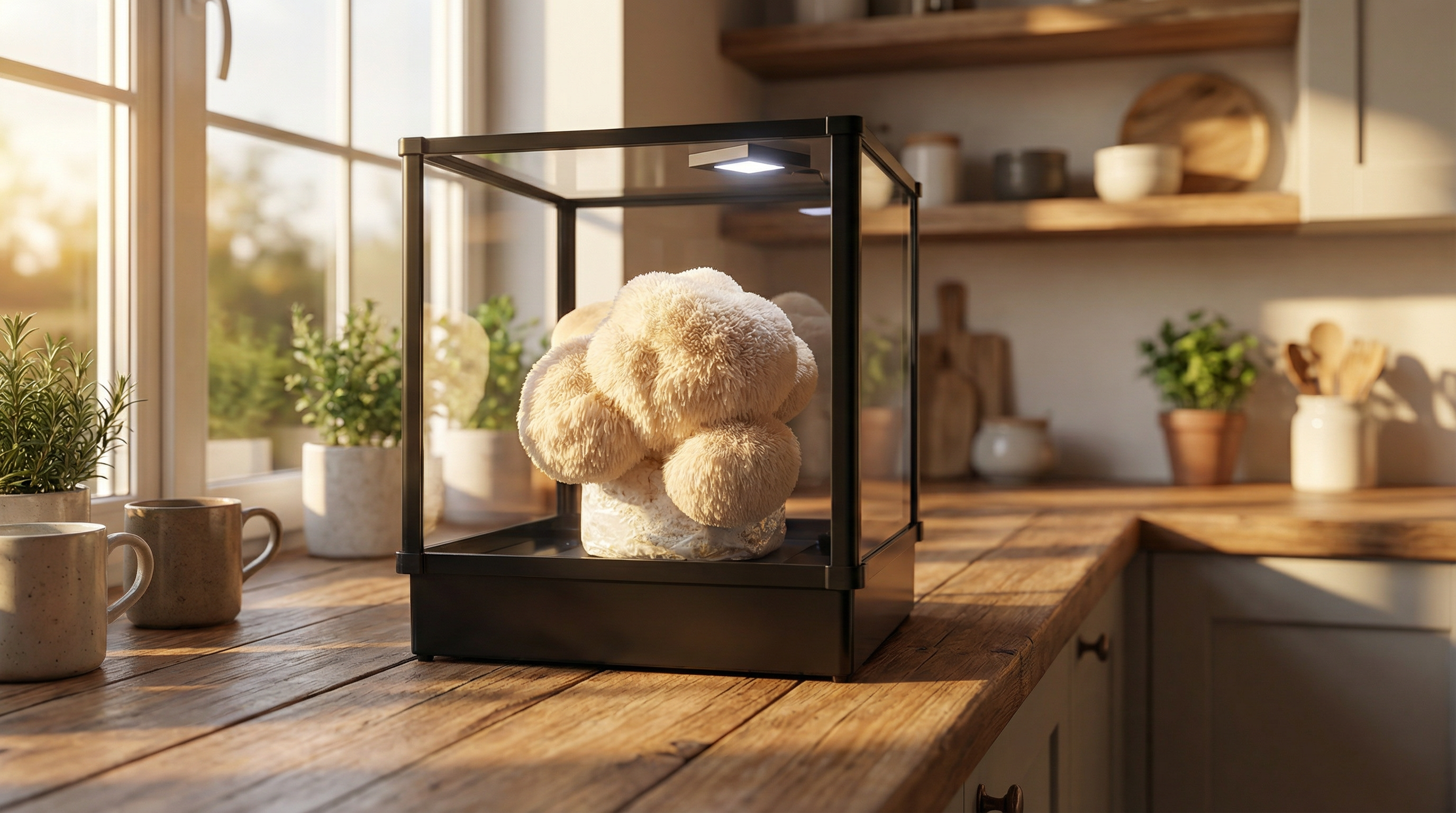
Growing golden oyster mushrooms at home is remarkably achievable, especially with modern cultivation technology. The Lykyn Smart Mushroom Grow Kit simplifies the process by automatically maintaining optimal humidity and temperature conditions, making it perfect for beginners and experienced growers alike.
Chicken of the Woods (Laetiporus sulphureus)
This spectacular shelf fungus grows in brilliant yellow-orange clusters on dead or dying trees. The young, tender edges are edible and offer a texture remarkably similar to chicken breast, hence the name. However, identification is crucial, as this mushroom can cause digestive upset in some individuals, especially when growing on certain tree species like eucalyptus or cedar.

Yellow Mushrooms to Avoid: Important Safety Information
Not all yellow mushrooms are safe to consume. Several toxic species share similar coloring with edible varieties, making expert identification essential before consumption.
Jack-o'-Lantern Mushrooms (Omphalotus species)
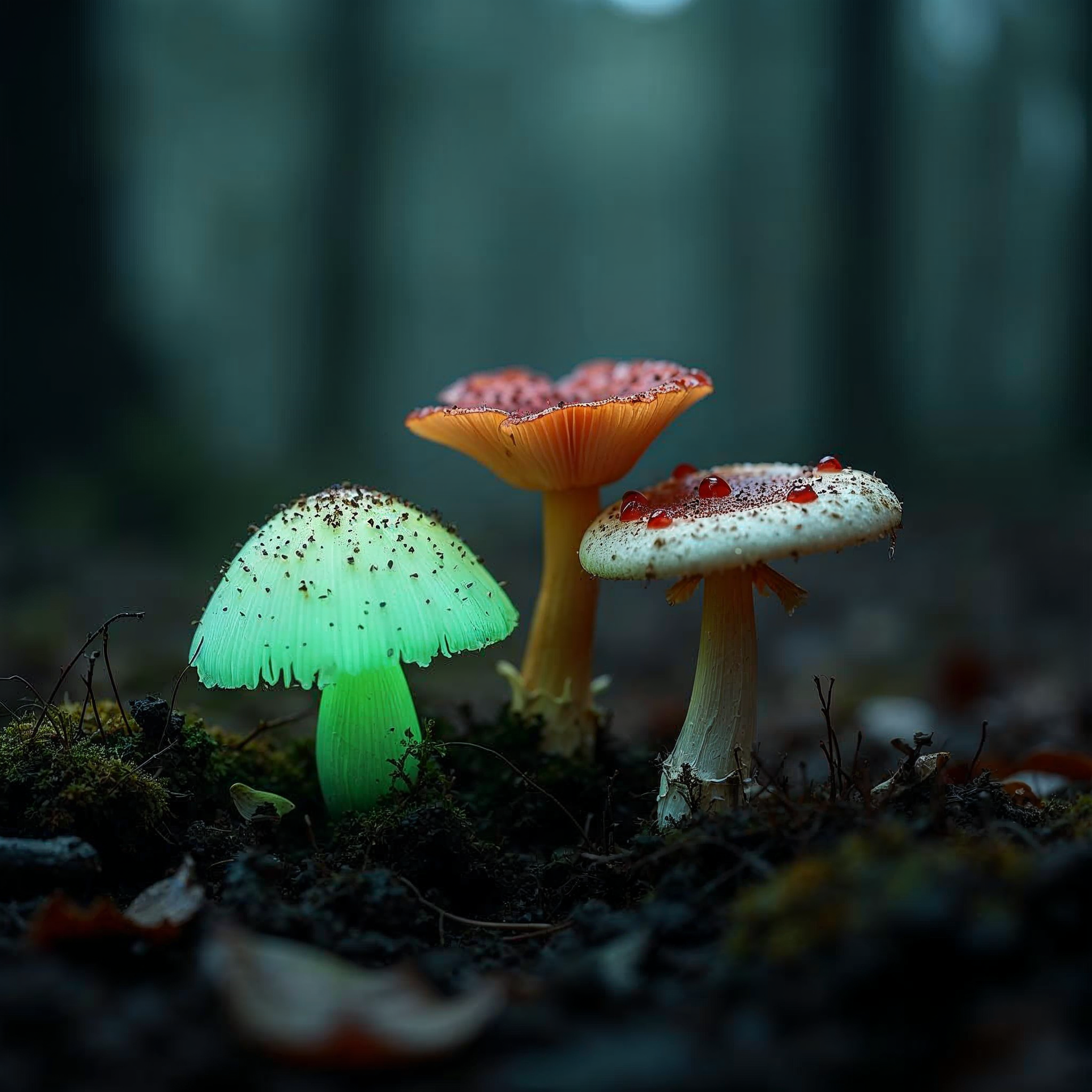
These dangerous look-alikes often get mistaken for chanterelles by inexperienced foragers. Jack-o'-lanterns grow in tight clusters, typically at the base of trees or on decaying wood, and possess true gills rather than the false gills of chanterelles. They contain illudin toxins that cause severe gastrointestinal distress.
One fascinating feature: these mushrooms are bioluminescent, emitting a faint greenish glow in complete darkness. While this characteristic helps identification, never rely on a single feature when determining edibility.
Yellow Parasol Mushroom (Leucocoprinus birnbaumii)
Commonly called the yellow parasol mushroom or flowerpot mushroom, Leucocoprinus birnbaumii is a poisonous mushroom frequently found in houseplant containers and gardens Blogger. This bright yellow mushroom appears suddenly in potted plants, often surprising homeowners.
While not deadly, consuming this species can cause unpleasant gastrointestinal symptoms. The good news? Its presence in your potting soil indicates healthy, nutrient-rich conditions for your plants. Simply remove the mushrooms if you have curious pets or children, but there's no need to replace the soil.
False Morels (Gyromitra species)
Some false morel species display yellowish coloring. These toxic mushrooms contain gyromitrin, which metabolizes into monomethylhydrazine—a rocket fuel component—when ingested. Unlike true morels with their hollow stems and pitted caps, false morels have irregular, brain-like caps and partially filled stems.
How to Identify Yellow Mushrooms Safely
Proper mushroom identification requires examining multiple characteristics, never relying on color alone. Here's a systematic approach:
Key Identification Features
Cap Structure: Examine the cap's shape, texture, and any distinctive patterns. Is it smooth, scaly, or pitted? Does it have concentric rings or zones of color?
Gill Examination: Look underneath the cap. Does the mushroom have true gills (thin, closely-spaced blade-like structures), false gills (thick, widely-spaced ridges), or pores? Do the gills attach to the stem, or are they free?
Stem Characteristics: Note the stem's color, texture, and whether it's hollow or solid. Check for a ring (annulus) or a cup-like structure at the base (volva).
Spore Print: Place the mushroom cap gill-side down on white paper overnight. The color of the spore deposit provides crucial identification information.
Habitat and Season: Document where the mushroom grows—on wood, soil, or other substrates. Note nearby trees and the time of year.
Odor and Texture: Many mushrooms have distinctive smells ranging from pleasant (apricot-scented chanterelles) to unpleasant (sulfurous yellow stainers).
For those interested in learning more about mushroom identification, exploring related varieties can build valuable skills. Our guide on oyster mushroom identification provides excellent foundational knowledge that applies to many mushroom types.
Growing Yellow Mushrooms at Home
Cultivating your own yellow mushrooms eliminates identification concerns while providing fresh, organic produce right from your kitchen. Several yellow varieties adapt well to home cultivation.
Golden Oyster Mushroom Cultivation
Golden oyster mushrooms rank among the easiest and most rewarding yellow varieties to grow at home. These mushrooms colonize substrates quickly and produce generous harvests in as little as two weeks from inoculation to harvest.
Growing Requirements:
- Temperature: 70-85°F (21-29°C)
- Humidity: 85-95%
- Light: Indirect natural or artificial light
- Fresh air exchange: Regular but gentle
The Lykyn Smart Mushroom Grow Kit automates these environmental parameters, maintaining perfect conditions throughout the growing cycle. Simply insert your mushroom block, add water to the humidifier, select golden oyster on the app, and let the system do the work.
For comprehensive cultivation guidance, check out our detailed article on golden oyster mushrooms, which covers everything from substrate preparation to harvesting techniques.
Substrate Options
Yellow oyster mushrooms thrive on various substrates including:
- Pasteurized straw
- Hardwood sawdust
- Coffee grounds
- Cardboard (budget-friendly option)
The substrate provides nutrients for mushroom growth. Using the automated environment control of a smart grow system ensures your mushrooms develop properly regardless of which substrate you choose.

Culinary Uses: Cooking with Yellow Mushrooms
Yellow mushrooms offer diverse culinary applications, from simple sautés to gourmet preparations. Their flavors range from mild and nutty to robust and meaty, depending on the variety.
Preparing Golden Oyster Mushrooms
To cook oyster mushrooms, clean them gently, remove tough stems, and sauté over medium-high heat with oil for 3-5 minutes until golden brown, with their mild flavor pairing perfectly with garlic, herbs, and butter Lykyn.
Golden oysters work beautifully in:
- Stir-fries with Asian-inspired seasonings
- Pasta dishes with cream or butter sauces
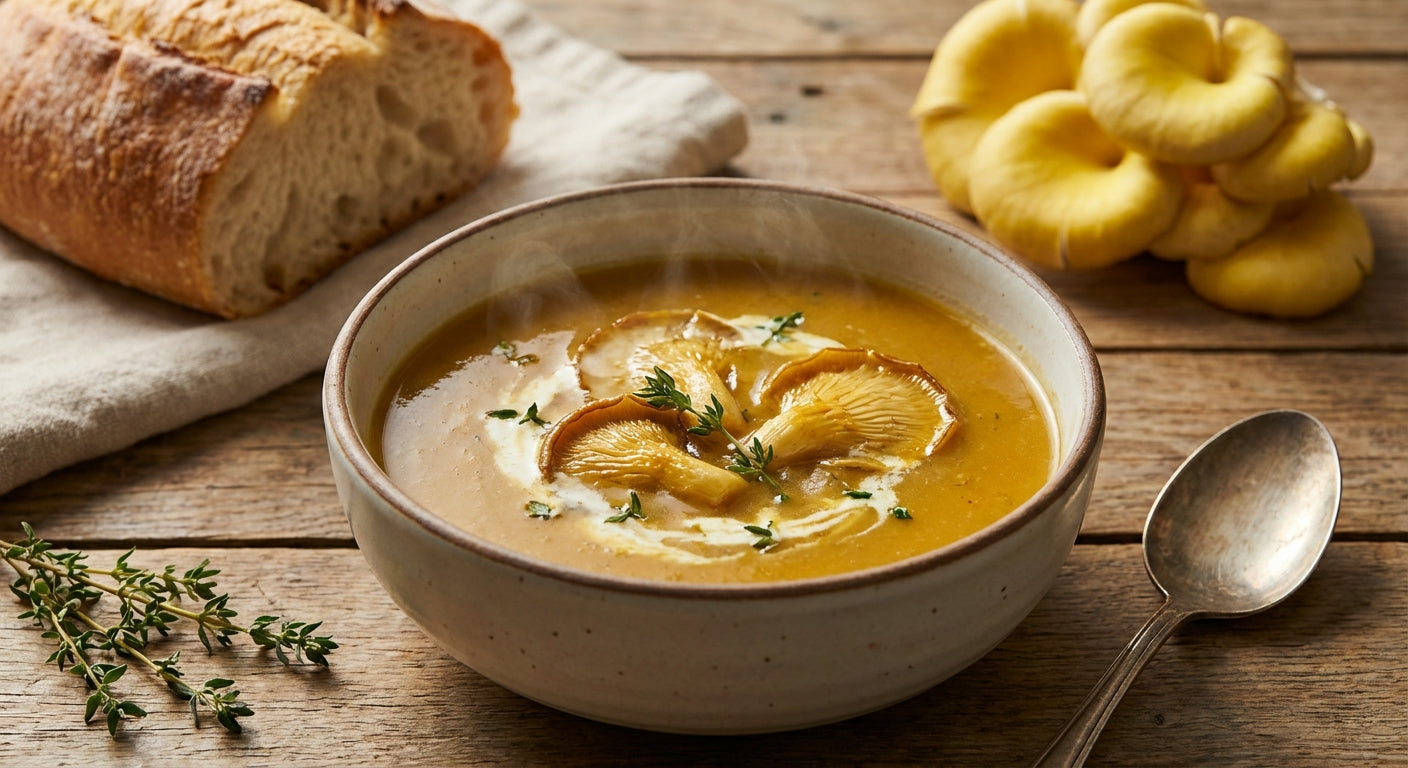
- Soups and stews
- Risottos and grain bowls
- As crispy garnishes when roasted
For inspiration, explore our collection of Italian oyster mushroom recipes that showcase these golden beauties in traditional Mediterranean preparations.
Cooking Chanterelles
Chanterelles require longer, slower cooking than cultivated mushrooms. Their firm texture benefits from:
- Slow sautéing in butter until tender
- Braising in cream or wine sauces
- Addition to long-simmered dishes
- Pairing with eggs, poultry, or game meats
Never eat chanterelles raw, as this can cause digestive upset in some individuals. Proper cooking makes these mushrooms tender and brings out their exceptional flavor.
Storage and Preservation
Fresh yellow mushrooms have varying shelf lives:
- Golden oyster mushrooms: 2-3 days refrigerated
- Chanterelles: 5-7 days refrigerated
- Chicken of the woods: 3-5 days refrigerated
Store mushrooms in paper bags in the refrigerator to absorb excess moisture while allowing airflow. For longer storage, consider:
- Drying: Excellent for chanterelles and chicken of the woods
- Freezing: Best after sautéing briefly
- Pickling: Works well for firm varieties
Nutritional Benefits of Yellow Mushrooms
Beyond their culinary appeal, yellow mushrooms offer impressive nutritional profiles. Oyster mushrooms offer an impressive nutritional profile with low calories and a favorable balance of macronutrients, making them an excellent addition to various dietary patterns including weight management, heart-healthy, and plant-based diets Lykyn.
Key Nutritional Components
Protein and Amino Acids: Yellow mushrooms provide complete proteins with all essential amino acids, making them valuable for vegetarian and vegan diets.
B Vitamins: Rich in B vitamins including riboflavin, niacin, and pantothenic acid, supporting energy metabolism and nervous system function.
Minerals: Good sources of potassium, phosphorus, selenium, and copper.
Beta-Glucans: These polysaccharides support immune function and may help regulate cholesterol levels.
Antioxidants: Yellow mushrooms contain various antioxidant compounds including ergothioneine, which some researchers call the "longevity vitamin."
For those interested in the health benefits of different mushroom varieties, our article on oyster mushroom nutrition provides detailed nutritional breakdowns and health benefit explanations.
Common Yellow Mushroom Growing Challenges and Solutions
Even with automated growing systems, cultivators occasionally encounter challenges. Here's how to address common issues:
Contamination Problems
Symptom: Green, black, or fuzzy mold appears on the substrate. Solution: Ensure proper pasteurization of substrate. Use the HEPA filtration system in quality grow kits to prevent airborne contaminants.
Poor Fruiting
Symptom: Mushrooms don't form or abort early in development. Solution: Verify humidity levels remain above 85%. Check that fresh air exchange is adequate. Confirm temperature stays within the optimal range for your species.
Yellowing or Browning
Symptom: Mushrooms develop discoloration or brown spots. Solution: This often indicates humidity issues or bacterial contamination. Increase misting frequency and ensure your water source is clean.
The automated controls in systems like the Lykyn Smart Mushroom Grow Kit minimize these issues by maintaining stable environmental conditions 24/7.
Foraging Ethics and Safety
For those interested in wild harvesting yellow mushrooms, responsible foraging practices protect both ecosystems and future harvests:
Never Take Everything: Harvest no more than half of what you find, leaving some mushrooms to complete their reproductive cycle.
Respect Private Property: Only forage on public lands where mushroom collection is permitted, or private land with explicit permission.
Use Proper Technique: Cut mushrooms at the base rather than pulling them up to protect the underground mycelium network.
Learn from Experts: Join local mycological societies or take guided foraging walks before venturing out independently.
When in Doubt, Don't: If you cannot identify a mushroom with 100% certainty, leave it alone. The risk of consuming toxic species far outweighs any potential reward.
Comparing Yellow Mushroom Varieties
Understanding the differences between yellow mushroom types helps you choose the right variety for your needs:
Cultivation Ease
Easiest: Golden oyster mushrooms - rapid growth, forgiving conditions Moderate: Yellow oyster varieties, wine cap mushrooms Challenging: Chanterelles - require mycorrhizal relationships, difficult to cultivate
Flavor Profiles
Mild and Nutty: Golden oyster mushrooms Fruity and Peppery: Golden chanterelles Meaty and Rich: Chicken of the woods
Shelf Life
Shortest: Golden oyster (2-3 days fresh) Moderate: Chicken of the woods (3-5 days) Longest: Chanterelles (5-7 days)
For more detailed comparisons between mushroom varieties, read our article comparing maitake vs oyster mushroom characteristics.
Frequently Asked Questions About Yellow Mushrooms
Q: Are all yellow mushrooms safe to eat?
A: No, definitely not. While some yellow mushrooms like golden chanterelles and golden oyster mushrooms are prized edibles, many yellow species are toxic. Jack-o'-lantern mushrooms, yellow parasol mushrooms, and certain false morels can cause serious illness. Never consume any wild mushroom unless it has been positively identified by an expert mycologist.
Q: Why do yellow mushrooms suddenly appear in my houseplants?
A: The most common culprit is Leucocoprinus birnbaumii, the yellow parasol mushroom. These appear in potting soil rich in organic matter. While they're not dangerous to your plants, they are toxic if eaten. Their presence actually indicates healthy soil conditions. Simply remove them if you have pets or small children who might be tempted to taste them.
Q: Can I grow yellow chanterelles at home?
A: Unfortunately, chanterelles form mycorrhizal relationships with specific tree species, making home cultivation extremely difficult without establishing proper symbiotic conditions. Golden oyster mushrooms offer a much more accessible option for home growers, providing beautiful yellow color and delicious flavor without the cultivation challenges. The Lykyn Smart Mushroom Grow Kit makes growing golden oysters simple and successful.
Q: How long do fresh yellow mushrooms last?
A: Storage life varies by species. Golden oyster mushrooms are most perishable at 2-3 days refrigerated, while chanterelles can last 5-7 days when stored properly in paper bags in the refrigerator. For maximum freshness, consume golden oysters within 48 hours of harvesting. Drying or freezing extends storage time considerably for most yellow mushroom varieties.
Q: What's the difference between true gills and false gills?
A: This distinction is crucial for identifying mushrooms safely. True gills are thin, blade-like structures closely spaced under the cap, like pages in a book. False gills (found in chanterelles) are thicker, more widely spaced ridges that often fork and run down the stem. This difference helps distinguish edible chanterelles from poisonous jack-o'-lanterns, which have true gills.
Featured Snippet Summary
Yellow mushrooms include both edible varieties like golden chanterelles and golden oyster mushrooms, and toxic species like jack-o'-lanterns and yellow parasols. Safe identification requires examining cap structure, gill type, stem characteristics, habitat, and spore print color. Golden oyster mushrooms are the easiest yellow variety to cultivate at home using automated growing systems. Never consume wild mushrooms without expert identification, as many poisonous species mimic edible ones.
Start Your Yellow Mushroom Growing Journey Today
The world of yellow mushrooms offers endless opportunities for culinary exploration, nutritional benefits, and the satisfaction of home cultivation. Whether you're drawn to the gourmet appeal of golden oyster mushrooms or the foraging adventure of seeking wild chanterelles, understanding these vibrant fungi opens new dimensions in your relationship with food.
Ready to experience the joy of growing your own golden oyster mushrooms? The Lykyn Smart Mushroom Grow Kit eliminates guesswork with automated humidity control, HEPA filtration, and app-based monitoring. Start harvesting your own restaurant-quality yellow mushrooms in as little as two weeks.
Explore more mushroom growing guides and recipes on our blog, and join the growing community of home cultivators discovering the remarkable world of fungi. Your journey into yellow mushroom cultivation starts here—where modern technology meets ancient mycological wisdom for perfect harvests every time.


Share:
Reishi Mushroom Tincture: Complete DIY Guide from Growing to Extraction 2025
White Button Mushroom Health Benefits: Why This Humble Superfood Deserves Your Attention