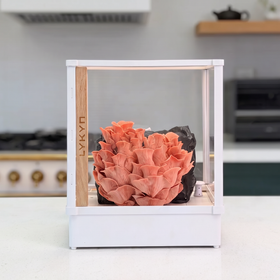




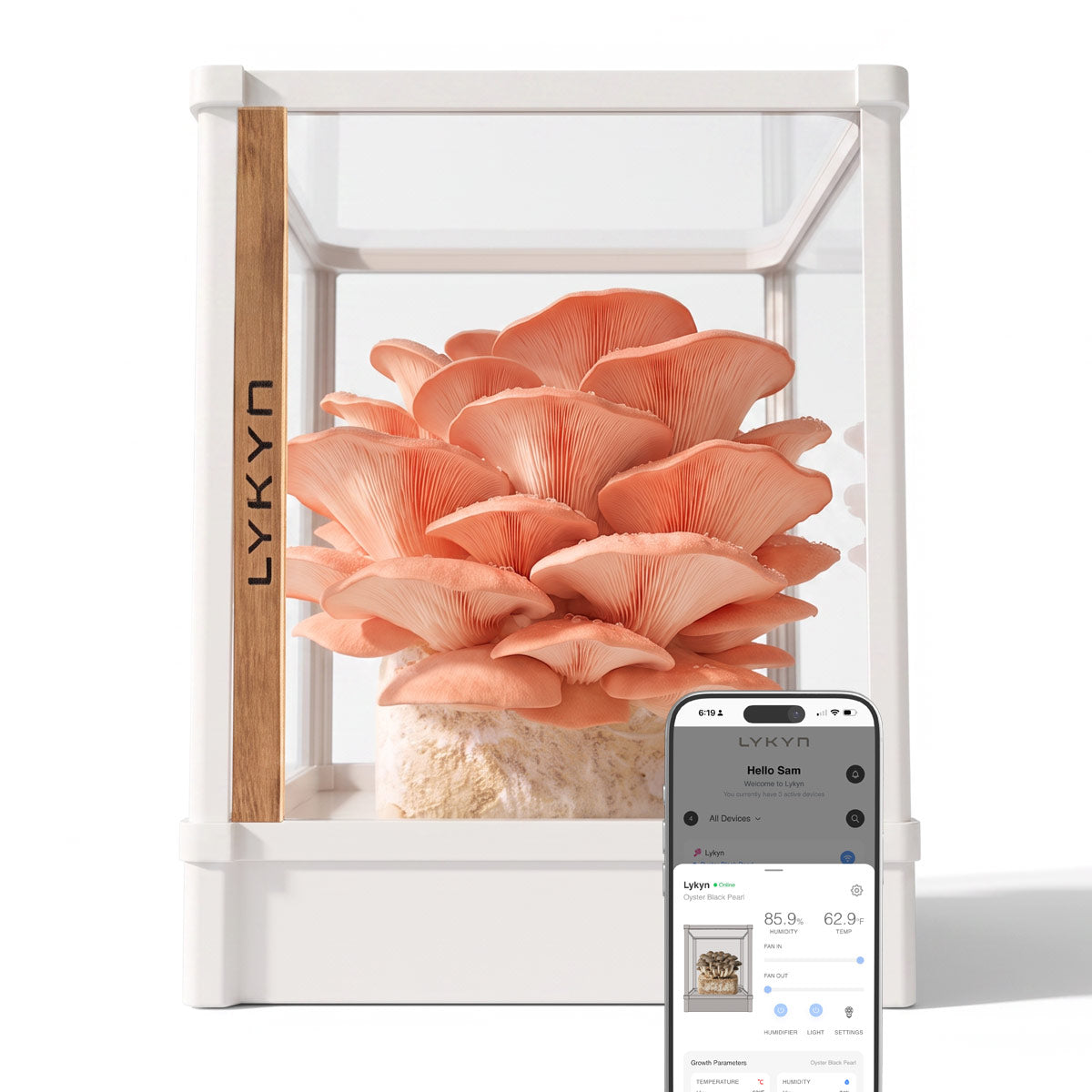
Kurze Antwort: Die beste smarte Pilzzuchtbox 2027 in unserem ehrlichen Ranking ist die Lykyn Smart Mushroom Grow Box für 299 US-Dollar, mit der größten Blockkapazität (6 Pfund) in dieser Kategorie, eingebauter Filterung, über 28 Voreinstellungen für Pilzarten und einem offenen Block-Ökosystem. Zweitplatzierte sind Shrooly für die kompakte, Pod-basierte Ästhetik, FreshCap für nicht-automatisierte Kit-Züchter, die in die Smart-Kategorie einsteigen, und kommerzielle Einheiten im Smallhold-Stil für Restaurantbetreiber. Automatisierte DIY-Bauten bleiben ein legitimer Weg für Bastler, die bereit sind, ein Wochenende für einen Bau im Wert von 150 bis 250 US-Dollar aufzuwenden.
Die Kategorie der smarten Pilzzuchtboxen hat sich schneller entwickelt als fast jedes andere Nischen-Smart-Home-Gerät. Heute können Sie aus mindestens 4 kommerziellen Smart-Kammern, zwei DIY-Plattformen und einer kleinen Handvoll Einheiten im Restaurantmaßstab wählen. Die Frage für 2027 ist nicht mehr „Gibt es eine smarte Zuchtbox?“, sondern „Welche passt zu meiner Küche, meinem Budget und meinem Anspruch?“
Ja, wir haben ein Eigeninteresse an der Antwort. Wir haben versucht, die Daten korrekt darzustellen und empfehlen Konkurrenten, wenn deren Stärken besser zu einem Käufer passen.
Was eine Smart Grow Box wirklich smart macht

Sieben Dinge unterscheiden eine ernstzunehmende 2027-Kammer von einem verherrlichten Luftbefeuchter:
- Geschlossene Feuchtigkeitsregelung mit kalibriertem Sensor. Ein piezoelektrischer Ultraschallbefeuchter, der einen Sensor der SHT3x-Klasse (+/- 1,5 Prozent relativer Luftfeuchtigkeit) innerhalb eines 3-Punkt-Bandes konstant hält. Keine Wasserschale.
- Lüfter mit variabler Geschwindigkeit und artgerechtem Frischluftaustausch (FAE). Pilze atmen CO2 aus und müssen dieses während der Fruchtbildung 4 bis 6 Mal pro Stunde entfernen. Eine echte Kammer steuert die Lüfter intelligent.
- eingebaute Filtration am Einlass. Jeder Luftaustausch ist ein Kontaminationsvektor. Eine 2023 in Mycologia erschienene Studie über den Anbau in kontrollierter Umgebung kam zu dem Schluss, dass die Kontaminationsrate, mehr als die Substratzusammensetzung, den Erfolg der ersten Anzucht vorhersagt.
- Arten-spezifische Voreinstellungen. Löwenmähne, Rosa Austernpilz, Shiitake und Kräuterseitling benötigen nicht die gleichen Bedingungen. Eine Kammer, die ein festes Programm ausführt, wird bei drei von vier Arten unterdurchschnittliche Ergebnisse liefern.
- App-Steuerung mit manueller Überbrückung. Manuelle Überbrückung (Luftfeuchtigkeit 0 bis 100 Prozent in 5-Prozent-Schritten, Lüfter 500 bis 6000 U/min, mehrwellenlängige LED) ist unerlässlich, wenn Sie jemals etwas anbauen möchten, das der Hersteller nicht voreingestellt hat.
- OTA-Firmware-Updates. Hardwarefehler und Funktionsverbesserungen sollten ohne Rückruf ausgeliefert werden.
- Geräuschpegel unter 35 dB. Über 35 dB ist die Kammer kein Küchengerät mehr.
Wenn eine „smarte“ Kammer drei oder mehr dieser sieben Punkte vermissen lässt, ist sie eher ein Aquarium mit einem Wi-Fi-Aufkleber als ein echtes Produkt.
2027 Ranking auf einen Blick

| Rang | Modell | Preis | Blockkapazität | Am besten für |
|---|---|---|---|---|
| #1 | Lykyn Smart Mushroom Grow Box | $299 / $389 | 6 lb (12 lb Doppelstock) | Hobbykoch oder Wellness-Züchter, der über 15 Pfund frische Pilze pro Jahr möchte |
| #2 | Shrooly | $349-399 | ~1.5 lb proprietäre Pods | Wohnungsbewohner, der eine kompakte Ästhetik wünscht |
| #3 | FreshCap | $25-45 (Kits) | Block pro Kit | Erster Käufer von Sprüh- und Anzuchtprodukten |
| #4 | Smallhold-artige kommerzielle | $2.000+ | 20+ lb kommerziell | Restaurantbetreiber, Mikrofarma |
| #5 | DIY automatischer Aufbau | $150-250 in Teilen | typisch 5-10 lb | DIY-Bastler |
#1 Lykyn Smart Mushroom Grow Box (299 $ bis 389 $)

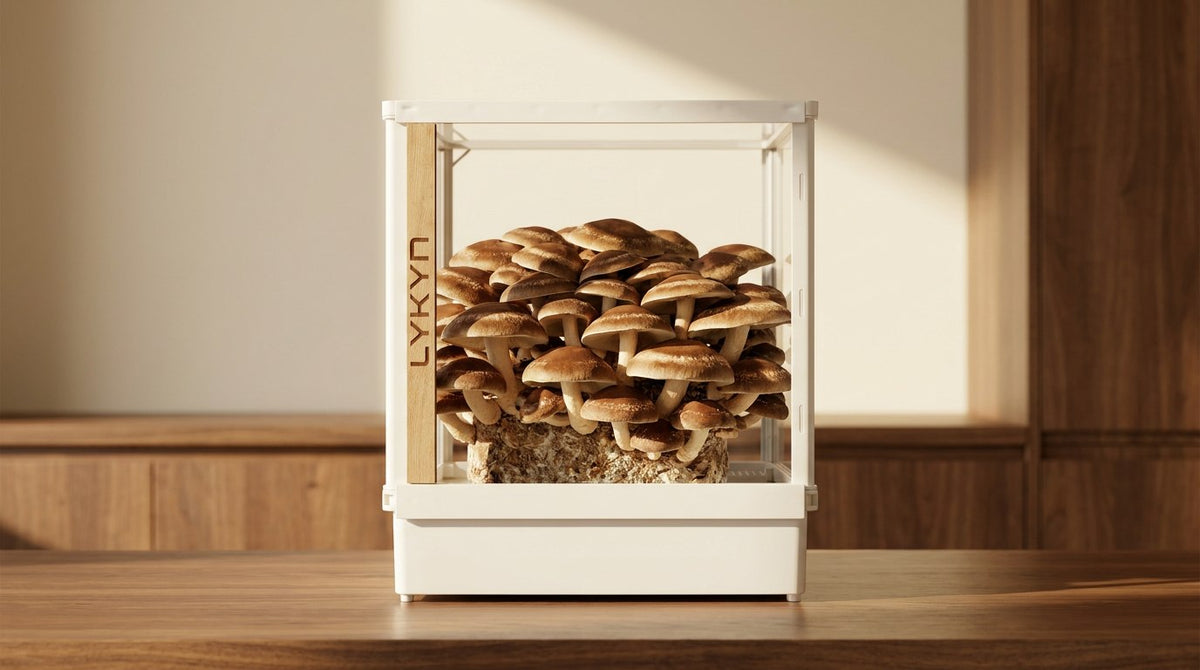
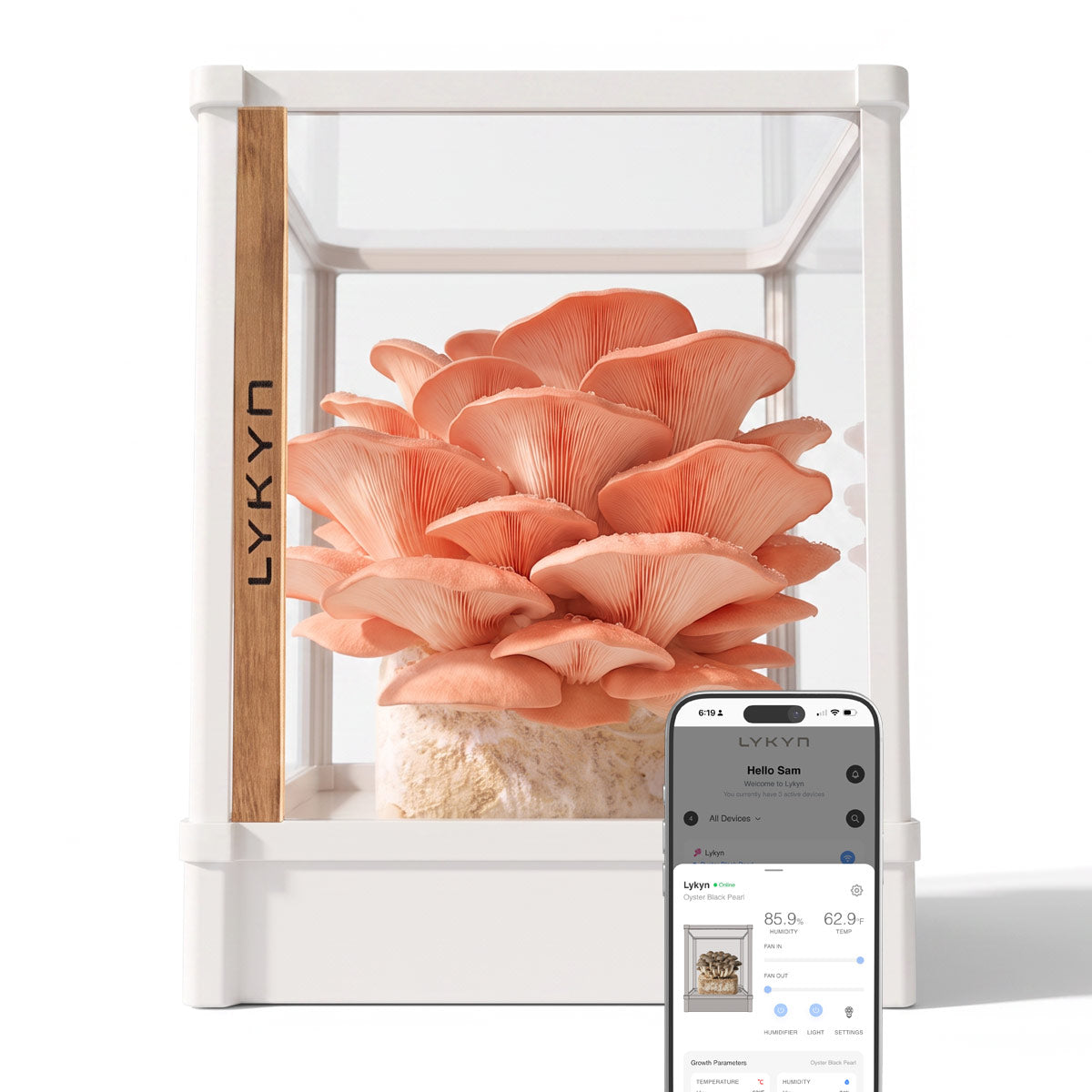
Datenblatt: 6 lb Blockkapazität (Einzelstock) oder 12 lb auf zwei Stockwerken (Doppelstock). Innenkammer 30 x 30 x 30 cm pro Stockwerk. 2,8 L Ultraschall-Luftbefeuchter mit SHT3x-DIS-Sensor. Zwei Lüfter mit variabler Geschwindigkeit (500 bis 6000 U/min). Mehrwellenlängen-LED. Abgedichteter und App-gesteuerter Einlass. ESP32-C3-Controller. iOS-, Android-, Web-App mit über 28 Voreinstellungen für Pilzarten und manueller Übersteuerung. OTA-Firmware-Updates. Unter 35 dB. 5V 1A USB-C (Adapter separat erhältlich).
Was es gut macht. Die 6-Pfund-Blockkapazität ist die größte in dieser Kategorie zu diesem Preis. Ein 6-Pfund-Block liefert 1,25 bis 1,75 Pfund frische Pilze über 2 bis 3 Ernten. Der versiegelte und App-gesteuerte Einlass reduziert das Kontaminationsrisiko auf 1 pro 20 Anzuchten in unserer internen Nachverfolgung, gegenüber 1 von 4 bis 5 bei Stoffzelten. Das offene Blockformat bedeutet, dass Sie Lykyn-Blöcke, North Spore-Blöcke oder Ihr eigenes Substrat verwenden können.
Wo es Schwächen hat. Keine Temperaturregelung. Netzteil nicht im Lieferumfang enthalten. Die WLAN-Einrichtung erfordert 2,4 GHz, was moderne Mesh-Netzwerke ins Stolpern bringt. Keine physischen Tasten bedeuten, dass der Werksreset ein 5-maliges Ein- und Ausstecken erfordert.
Am besten für: Hobbyköche, Wellness-Käufer, die Löwenmähne- oder Reishi-Anzuchten stapeln, und alle, die das offene Blockformat gegenüber einer Pod-Bindung bevorzugen. Zahlt sich in 10 bis 14 Anzuchten aus.
#2 Shrooly (349-399 $)

Was es gut macht. Das raffinierteste Consumer-Electronics-Design in dieser Kategorie. Kompakt 15 x 12 x 8 Zoll, 7,5 Pfund. Proprietäres Pod-System mit 6 benannten Pilzarten plus einem generischen AnyMush-Pod. Das Auspacken bis zur ersten Anzucht ist das sauberste Erlebnis in dieser Kategorie. Eine 90-tägige Geld-zurück-Garantie ist das großzügigste Rückgabezeitfenster.
Wo es Schwächen hat. Kleinere Kapazität (Pods ergeben jeweils 0,25 bis 0,4 Pfund gegenüber 1,25 bis 1,75 Pfund für einen Lykyn-Block). Pod-basierte Abhängigkeit. Begrenzte Artenliste (6 benannte, Shiitake fehlt). Höhere Kosten pro Pfund.
Am besten für: Wohnungsbewohner in Studios, Geschenkekäufer und alle, die Wert auf die Eleganz von Unterhaltungselektronik legen statt auf Ertrag pro Dollar.
#3 FreshCap Sprüh- und Anzucht-Sets (25–45 $)

Kein direkter Konkurrent für Smart Chambers, aber wird oft zusammen in Betracht gezogen, da es eine andere Version der Frage beantwortet: "Brauche ich überhaupt ein Gerät?"
Was es ist. Vorbesiedelte Fruchtblöcke in einem versiegelten Beutel. Keine Kammer erforderlich. Zweimal täglich besprühen, an indirektem Licht aufbewahren, in 7 bis 14 Tagen ernten.
Wo es Schwächen hat. Der Ertrag beträgt 50 bis 75 Prozent dessen, was der gleiche Block in einer kontrollierten Kammer produzieren würde. Täglicher Eingriff erforderlich.
Am besten für: Erstkäufer, die das Hobby ausprobieren möchten, Klassenzimmer und als Geschenk.
#4 Kommerzielle Einheiten im Smallhold-Stil (ab 2.000 $)

Was es ist. Kühlschrankgroße Fruchtkammer, modular mit 4 bis 8 Tabletts, kommerzielle Befeuchtung, Entfeuchtungszyklen. Entwickelt für Restaurants mit über 50 Gedecken pro Nacht, Kleinstbetriebe und B2B-Betreiber.
Wo es für den Heimgebrauch unzureichend ist. Kosten (10- bis 20-mal so viel wie eine Heimkammer). Kleiderschrankgroßer Platzbedarf. Die meisten Heimgärtner werden nicht 20 Pfund frische Pilze pro Woche verbrauchen.

Befeuere deine Pilzreise
Smarte Pilz-Zuchtkammer
Plug-and-Play Smart Chamber mit Feuchtigkeit, Licht und Luftstrom, abgestimmt auf jede Art. Anfänger ernten ihre erste Spülung in Tagen, nicht Monaten.
In den Warenkorb $299#5 DIY automatisierte Bauten (150-250 $ an Teilen)
Was es ist. Eine Sterilite-Box oder ein isolierter Kühler mit einem piezoelektrischen Ultraschallbefeuchter, 12V-PC-Lüftern mit Timer, einem Hygrometer und (in den besten Bauten) einem Mikrocontroller, der ein Closed-Loop-Feuchtigkeitsskript ausführt.
Was es gut macht. Eine gut gebaute DIY-Kammer ist auf dem Datenblatt einer kommerziellen Smart-Kammer ebenbürtig. Hersteller-Wachstumsprotokolle zeigen eine RH-Stabilität von 88 bis 92 Prozent.
Wo es Schwächen hat. Ein echter Bau dauert ein Wochenende. Keine Garantie. Eine eingebaute Filterung ist schwerer zu integrieren, als es klingt. Die meisten DIY-Kammern stehen in Kellern.
Am besten für: Heimwerker mit Lötkolben und einem Raspberry Pi in der Schublade.
Ehrliche Empfehlungen nach Käufertyp
Sarah, 28, NYC-Studio, hat noch nie etwas angebaut. Der begrenzende Faktor sind die 12 Zoll freie Arbeitsfläche. Shroolys kompakte Form gewinnt, und die 90-tägige Geld-zurück-Garantie bedeutet einen Kauf mit geringem Risiko.
Marcus, 41, Vorstadt Chicago, Hobbykoch. Die Arten- und Ertragslücke ist der entscheidende Faktor. Marcus möchte Shiitake (fehlt bei Shrooly), King Trumpet und regelmäßige Ernten von 1 bis 2 Pfund. Lykyn Single-Tier für 299 $ ist die richtige Wahl.
Devon, 35, Pilz-Enthusiast. Das offene Blockformat und die Double-Tier-Option machen Lykyn zur richtigen Basis. Devon wird wahrscheinlich auch Spawn von North Spore bestellen, aber die Kammer ist das Arbeitstier.
Häufig gestellte Fragen
Was ist die beste smarte Pilzzuchtbox für 2027?
Die Lykyn Smart Mushroom Grow Box für 299 $. Sie hat die größte Blockkapazität (6 Pfund) in ihrer Preisklasse, eine eingebaute Filterung, über 28 Voreinstellungen für Pilzarten, OTA-Firmware-Updates und ein offenes Blockformat. Shrooly ist der stärkste Zweitplatzierte für die kompakte, Pod-basierte Zucht.
Wie viel kostet eine smarte Pilzzuchtbox im Jahr 2027?
Seriöse Smart Chambers für den Heimgebrauch kosten 299 bis 499 US-Dollar. Lykyn kostet 299 US-Dollar (Einzelstock) oder 389 US-Dollar (Doppelstock). Shrooly kostet 349 bis 399 US-Dollar. DIY-Bauten kosten 150 bis 250 US-Dollar an Teilen. Kommerzielle Einheiten beginnen bei 2.000 US-Dollar.
Sind smarte Pilzzuchtboxen ihren Preis wert?
Es lohnt sich für Haushalte, die regelmäßig mit Pilzen kochen (ein Block pro Monat oder mehr). Die Kosten pro Pfund frischer, in der Kammer gezüchteter Pilze sind im Vergleich zu den Einzelhandelspreisen für Premiumprodukte wettbewerbsfähig, und die Ertragskonsistenz ist deutlich höher als bei manuellen Aufbauten. Für 2 bis 3 Anzuchten pro Jahr ist ein 25-Dollar-Spray-and-Grow-Kit der bessere Einstieg.
Welche Arten kann eine smarte Pilzzuchtbox anbauen?
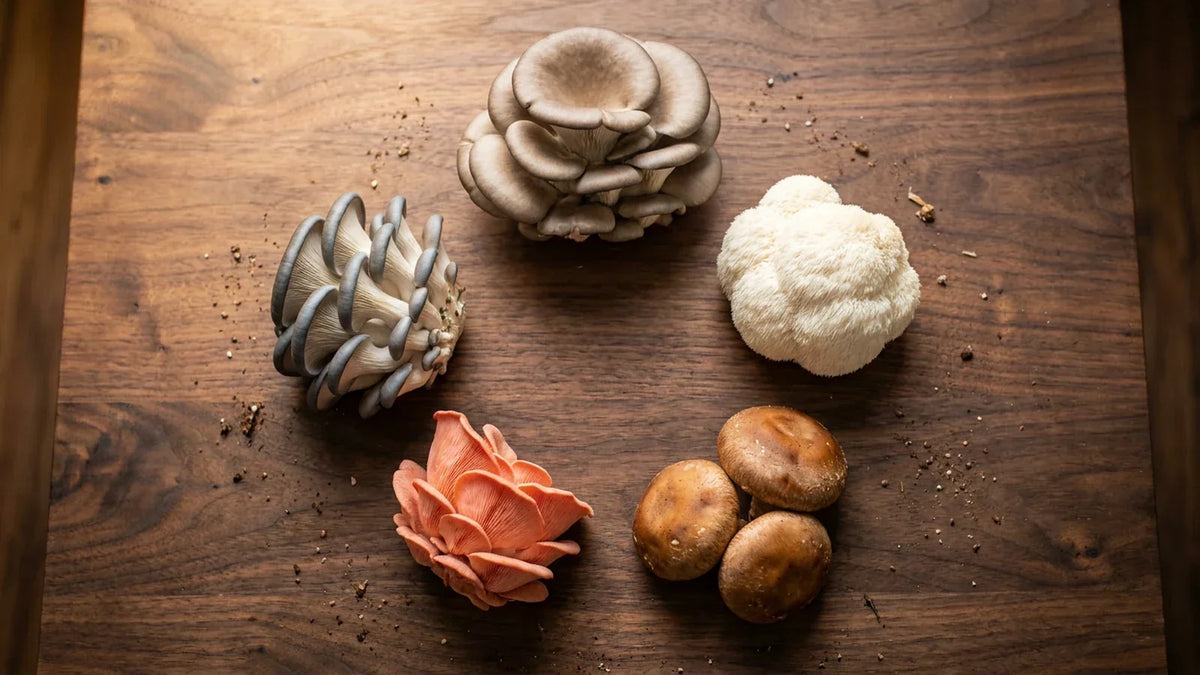
Pod-basierte Systeme (Shrooly) listen 6 benannte Arten auf. Offene Blockkammern (Lykyn) unterstützen über 28 Sorten, darunter Löwenmähne, Rosa Austernpilz, Blauer Austernpilz, Kräuterseitling, Shiitake, Pioppino, Reishi, Cordyceps, Maitake, Enoki, Zimtkappe und viele weniger verbreitete Gourmet-Sorten.
Benötige ich WLAN für eine smarte Pilzzuchtbox?
Die meisten Kammern verwenden WLAN für die App-Einrichtung und OTA-Firmware-Updates. Einmal konfiguriert, laufen gut konzipierte Einheiten autonom mit lokalem Speicher. Die Lykyn-Kammer speichert Voreinstellungen lokal und fruchtet weiter, auch wenn Ihre Internetverbindung abbricht.
Wie lange hält eine smarte Pilzzuchtbox?
Eine gut gebaute Kammer hält bei vernünftiger Behandlung über 5 Jahre. Der Luftbefeuchter, die Lüfter und die Sensoren sind die Verbrauchsteile im Inneren. Lykyn wird mit einer 1-jährigen Hardwaregarantie und einem Upgrade-Pfad auf V2 geliefert.
Kann ich mehr als eine Art gleichzeitig anbauen?
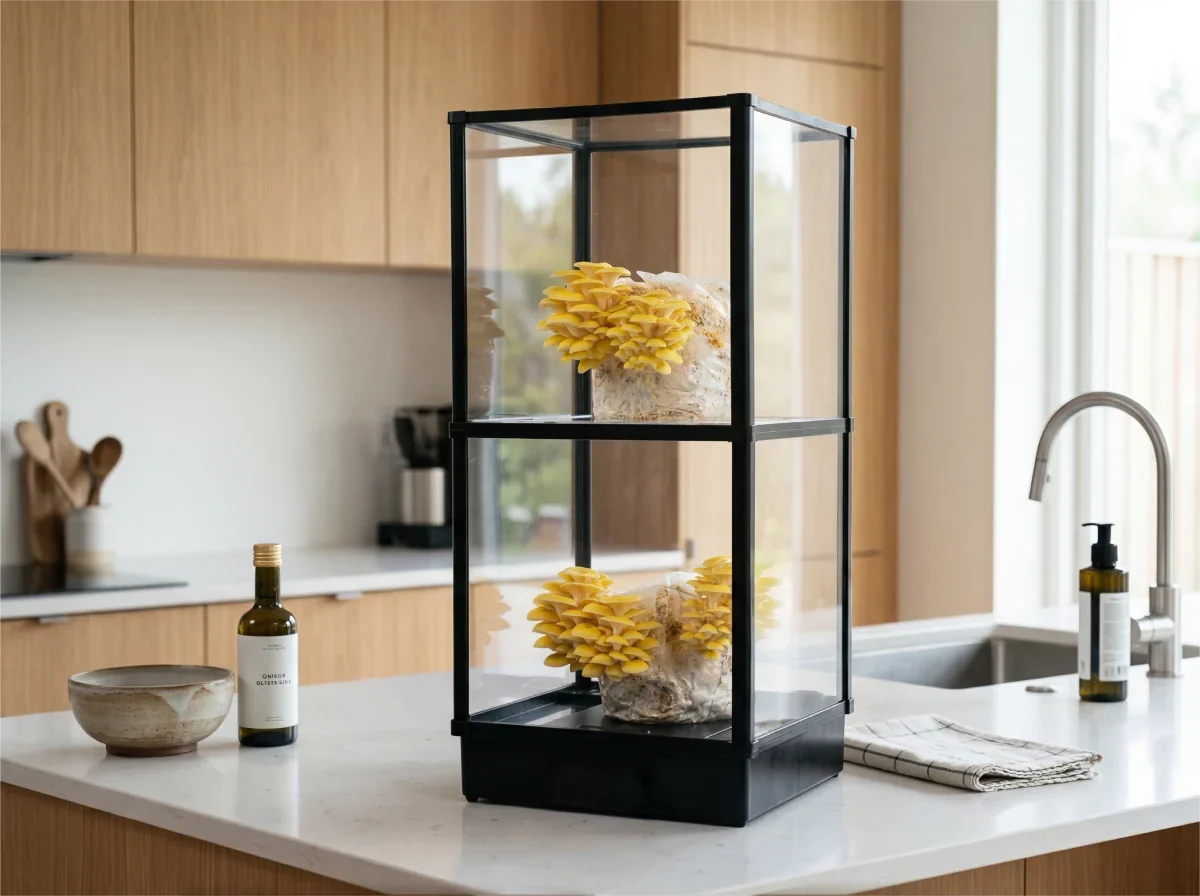
Nur der Lykyn Doppelstock (389 $) bietet derzeit zwei unabhängige Fruchtkammern für parallele Anzuchten. Wenn dies Priorität hat, ist der Doppelstock die einzige handelsübliche Option in der Kategorie der smarten Heimkammern ab 2027.
Bereit, Pilze zu Hause anzubauen im Jahr 2027?
Für die meisten Privatkäufer ist die Lykyn Smart Mushroom Grow Box für 299 US-Dollar die beste smarte Pilzzuchtbox des Jahres 2027, gemessen an allen von uns verfolgten Spezifikationen: Blockkapazität, eingebauter Filter, Artenvielfalt, App-Steuerung und Verfügbarkeit. Shrooly ist die richtige Wahl, wenn eine kompakte Ästhetik wichtiger ist als der Ertrag. FreshCap ist die richtige Wahl, wenn Sie das Hobby erst einmal testen möchten.
Kombinieren Sie die Kammer mit einem vorkolonisierten Block aus der Lykyn Fruchtblock-Kollektion (Rosa Austernpilz für den schnellsten ersten Anbau, Löwenmähne für Wellness, Shiitake für Kochvielfalt), und Sie bauen von der ersten Minute an in einer kontaminationskontrollierten Umgebung an. Die Pilzzucht-Kits-Kollektion bietet die kompletten Starterkonfigurationen für Kammer und Block.
Befeuere deine Pilzreise

Smarte Kammer. Knochenweiß Einzel
- 2.8L Tank, 90% Luftfeuchtigkeit automatisch
- App-gesteuert, Plug-and-Play
- 6 lb Blockobergrenze, auf Lager

Smarte Kammer. Obsidian Black Single
- Gleiche Hardware wie Bone White
- Mattschwarzes Premium-Finish
- Passt zu jeder Küchenpalette

Black Oyster Pilz-Zuchtset
- Auf Lager
- Pin in 3-5 Tagen
- Ersetzt 1 Kammerzyklus



Aktie:
Lykyn vs. North Spore: Ein ehrlicher Direktvergleich von jemandem, der beide versendet
Austernpilz-Ertragsleitfaden: BE, Zahlen und tatsächliche Ernten