


Die Rocky Mountains in Colorado bieten einige der spektakulärsten Gelegenheiten weltweit, um Pilze zu suchen. Von begehrten Steinpilzen, die in großen Höhen wachsen, bis hin zu farbenfrohen Pfifferlingen, die in Nadelwäldern verborgen sind, bietet der Centennial State eine unglaubliche Vielfalt an Pilzen. Ob Sie ein Anfänger sind, der die Identifizierung von Pilzen in Colorado lernt, oder ein erfahrener Sammler, der nach neuen Arten sucht, dieser umfassende Pilzführer für Colorado deckt die häufigsten Pilze in Colorado nach Höhe, Lebensraum und Jahreszeit ab, damit Sie die faszinierende Welt der Wildpilze sicher erkunden können.
Kurze Antwort: Colorado verfügt über mehr als 15 häufige Pilzarten, darunter essbare Sorten wie Steinpilze (Königsröhrlinge), goldene Pfifferlinge und Morcheln, sowie giftige Arten wie den Grünen Knollenblätterpilz und den Fliegenpilz. Die meisten essbaren Pilze wachsen im Sommer und Herbst in gemischten Nadelwäldern auf über 9.000 Fuß.

Die besten essbaren Pilze in Colorado
Steinpilze (Boletus edulis): Der inoffizielle Staats-Pilz von Colorado
Wenn man lokale Sammler fragt, welcher Pilz der Staats-Pilz von Colorado sein sollte, gewinnt der Steinpilz fast jede Umfrage. Diese prächtigen Pilze, auch als Königsröhrlinge bekannt, sind der Kronjuwel der Pilzsuche in Colorado und die Art, die erfahrene Sammler jeden Sommer in den Hochlagen suchen.
Identifikationsmerkmale:
-
Große braune Hüte (6-10 Zoll breit)
-
Dicke, knollige weiße Stiele
-
Schwammartige Poren statt Lamellen an der Unterseite
-
Keine Farbveränderung beim Anschneiden
-
Wächst auf über 9.000 Fuß Höhe
Aufgrund seiner Größe und seines hervorragenden Geschmacks ist dieser essbare Pilz eine der häufigsten gesuchten Arten in Colorado. Steinpilze fruchten zwischen Mitte Juli und September und gedeihen besonders gut während der Monsunzeit mit warmen Nächten.
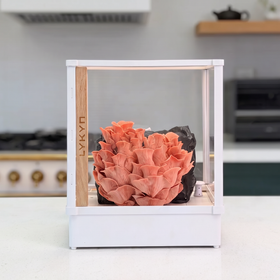
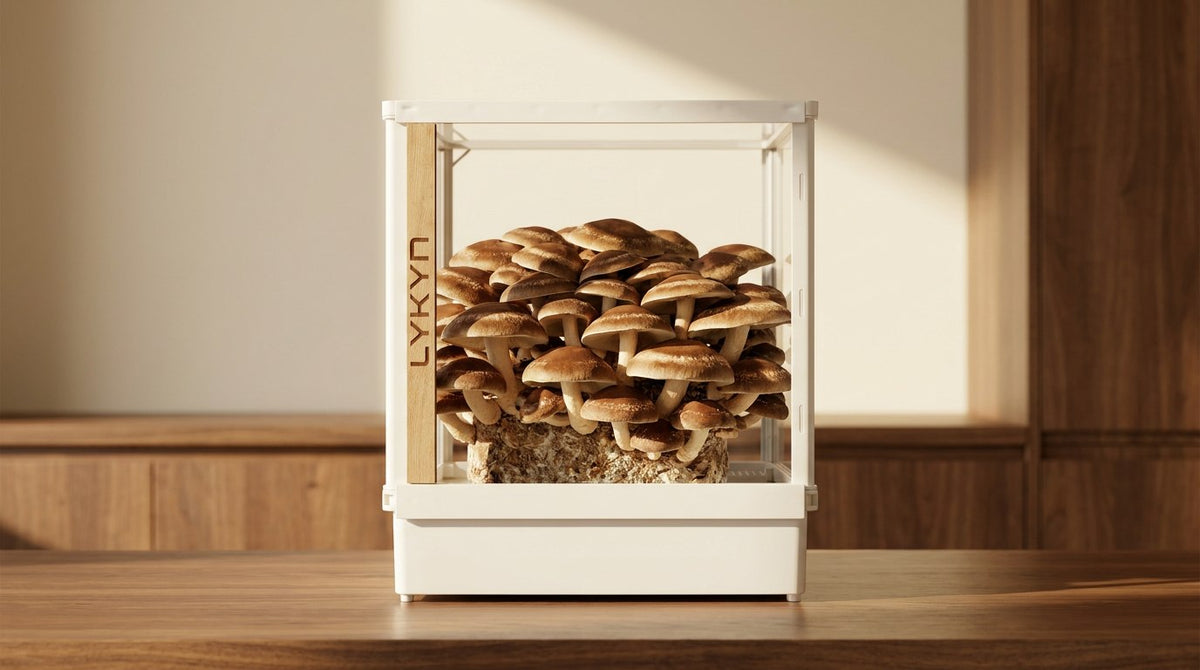
Wo man sie findet: Suchen Sie in der Nähe von Fichten, Tannenwäldern und Bachgebieten in großen Höhen. Die Lykyn Smart Mushroom Grow Chamber kann Ihnen helfen, Ihre eigenen Austernpilze zu Hause anzubauen, während Sie lernen, wilde Sorten zu identifizieren.
Goldene Pfifferlinge (Cantharellus cibarius)
Goldene Pfifferlinge gehören zu den leckersten und meistgesuchten Pilzen in Colorado. Sie verströmen einen fruchtigen Duft, der an Aprikosen erinnert, und sind berühmt und frustrierend schwer zu finden. Diese goldenen Schätze machen die Pilzsuche zu einer aufregenden Schatzsuche.
Hauptmerkmale:
-
Leuchtend goldorange Farbe
-
Gabelige Rippen (keine echten Lamellen)
-
Aprikosenähnlicher Duft
-
Trichterförmige Hüte
-
Feste Stiele
Sammler-Tipps: Pfifferlinge bevorzugen feuchte Nadelwälder und wachsen oft Jahr für Jahr an denselben Orten. Sie eignen sich hervorragend für Suppen, Pastagerichte und als gebratene Beilage.
Morcheln (Morchella esculenta): Colorado-Morcheln und wo man sie findet
Gelbe Morcheln fallen in die Esskategorie „ausgezeichnet“, was bedeutet, dass sie als einige der leckersten Pilze der Welt gelten. Colorado-Morcheln sind eine wahre Frühlingsdelikatesse, und die von Colorado-Sammlern gesuchten Morcheln erscheinen typischerweise von Ende April bis Juni in niedrigeren Höhenlagen in der Nähe von Flüssen, Pappeln und Espenwäldern.
Besondere Merkmale:
-
Wabenartige Hüte mit tiefen Vertiefungen
-
Hohle Stiele und Hüte
-
Frühjahrliches Erscheinen (April-Juni)
-
Wächst auf Höhen unter 8.000 Fuß
-
Bevorzugt Pappeln und Espenwälder
Sicherheitshinweis: Morcheln können mit giftigen falschen Morcheln verwechselt werden. Überprüfen Sie die Identifizierung immer mit erfahrenen Sammlern oder beziehen Sie sich auf detaillierte Leitfäden wie die in unserem Essbaren Pilze-Leitfaden.

Häufige Pilze in Colorado nach Lebensraum und Höhe
Spezialisten großer Höhen (über 9.000 Fuß)
Amanita Muscaria (Fliegenpilz) In großen Höhen über 9.000 Fuß in den Rocky Mountains reichlich vorhanden, sind diese schönen Pilze immer ein aufregender Fund auf dem Wanderweg. Ihre ikonischen roten Hüte mit weißen Punkten machen sie sofort erkennbar.
Warnung: Hochgiftig und halluzinogen. Niemals verzehren.
Hawk's Wing Mushrooms (Sarcodon imbricatus) Aufgrund seines seltsamen Aussehens ist es viel sicherer zu essen, weil es nicht leicht mit etwas Giftigem verwechselt wird. Diese unverwechselbaren Pilze bieten Anfängersammlern eine relativ sichere Identifizierungsherausforderung.
Merkmale:
-
Überlappende braune Schuppen, die an Falkenfedern erinnern
-
Weiße bis cremefarbene Lamellen an der Unterseite
-
Große Größe (bis zu 8 Zoll breit)
-
Hervorragend, wenn jung geerntet
Mittelhöhenwälder (7.000-9.000 Fuß)
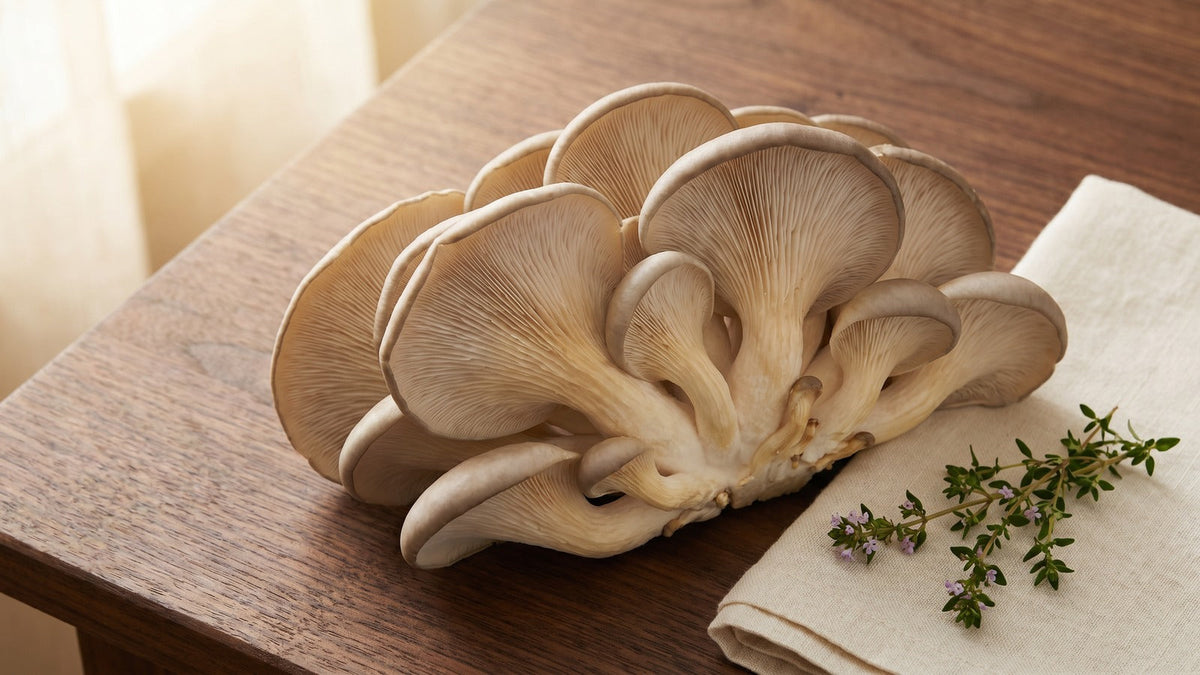
Austernpilze (Pleurotus ostreatus) Diese vielseitigen Pilze wachsen auf abgestorbenen Laubbäumen und sind selbst in den Wintermonaten verfügbar. Erfahren Sie mehr über ihre Identifizierung in unserem umfassenden Austernpilz-Identifizierungsleitfaden.
Pilzidentifizierung Colorado
Westliche Riesen-Stoppelpilze sind eine der lohnendsten essbaren Arten in Colorado. Sie sind bekannt, relativ leicht zu identifizieren und können die Größe eines Volleyballs erreichen. Einige kreative Sammler schneiden sie sogar quer für Pizzateig. Der Pilz, den Colorado-Sammler am häufigsten finden, ist der Riesen-Stoppelpilz (Calvatia gigantea), der von Mitte des Sommers bis zum Herbst in Wiesen, Weiden und entlang von Waldrändern zu finden ist.
Sicherheitscheck: Schneiden Sie Stoppelpilze in der Mitte durch. Das Innere sollte vollständig reinweiß sein, ohne sichtbare Lamellen, Stiele oder Kammern im Inneren. Jegliche inneren Strukturen, Vergilbungen oder braune Flecken bedeuten, dass der Pilz seine Blütezeit überschritten hat oder kein echter Stoppelpilz ist.
Rasenpilze in Colorado
Rasenpilze in Colorado tauchen nach den sommerlichen Monsunregen in fast jedem Garten entlang der Front Range und in Bergdörfern auf. Die meisten sind harmlose Saprotrophe, die sich von totem Gras, Mulch oder vergrabenem Holz ernähren, aber einige wenige sind giftig, daher ist die Identifizierung wichtig, bevor Kinder oder Haustiere neugierig werden. Die häufigsten Rasenpilze in Colorado sind:
-
Marasmius oreades (Feenringpilze): Kleine hellbraune Hüte in konzentrischen Ringen auf Rasenflächen. Essbar, aber leicht mit giftigen Doppelgängern zu verwechseln.
-
Chlorophyllum molybdites (falscher Parasol): Großer weißer Pilz mit Hut, der bei Beschädigung grün wird. Giftig. Die häufigste Ursache für Pilzvergiftungen in Colorado.
-
Agaricus-Arten (Wiesenpilze): Braune, lamellenartige Rasenpilze, ähnlich wie kommerzielle Champignons. Einige essbar, einige giftig. Eine Bestätigung durch einen Experten ist vor dem Verzehr erforderlich.
-
Coprinus comatus (Bartpilz): Hohe weiße Pilze mit zottigen Hüten in gestörtem Rasenboden. Jung essbar, aber ungenießbar, nachdem der Hut schwarz geworden ist.
Wenn Rasenpilze nach dem Regen immer wieder auftauchen, zersetzen sie organische Materie unter der Oberfläche und deuten selten auf ein Problem hin. Das Entfernen der sichtbaren Fruchtkörper hat keinen Einfluss auf das darunterliegende Myzel. Mähen oder Harken ist die praktische Lösung für Haushalte mit neugierigen Haustieren oder Kindern.
Giftige Pilze in Colorado: Die gefährlichen Arten, die Sie meiden sollten
Grüner Knollenblätterpilz (Amanita ocreata)
Der Grüne Knollenblätterpilz ist einer der giftigsten Pilze der Welt. Diese tödlichen weißen Pilze enthalten Amatoxine, die schwere Leber- und Nierenschäden verursachen.
Tödliche Merkmale:
-
Rein weiße Erscheinung
-
Knolliger Stielansatz
-
Weißer Ring um den Stiel
-
Wächst in Waldgebieten und Wiesen
Kritischer Warnhinweis: Die Symptome einer Vergiftung können Stunden brauchen, bis sie auftreten, was es für diejenigen extrem gefährlich macht, die ihn unwissentlich essen könnten.
Falscher Parasol (Chlorophyllum molybdites)
Fälle von Verwechslungen mit diesem Pilz sind äußerst häufig. Er könnte die häufigste Ursache für Pilzvergiftungen in den Vereinigten Staaten sein. Diese Art tötet Sie normalerweise nicht, verursacht aber schwere Magen-Darm-Beschwerden.
Tödliche Galerina (Galerina marginata)
Kleine braune Pilze, die in der Nähe beliebter essbarer Arten wachsen, was sie besonders gefährlich macht. Essen Sie niemals einen kleinen braunen Pilz, es sei denn, er wurde zu Hause angebaut oder von einem echten Experten geerntet.
Best Practices für sichere Pilzsuche in Colorado
Wichtige Sicherheitsrichtlinien
-
Essen Sie niemals unbekannte Pilze. Die Empfehlung lautet, nichts zu essen, was Sie nicht eindeutig identifiziert haben
-
Beginnen Sie mit erfahrenen Guides. Treten Sie der Colorado Mycological Society bei oder nehmen Sie an geführten Exkursionen teil
-
Verwenden Sie mehrere Identifizierungsressourcen. Feldführer, Apps und Expertenberatung
-
Lernen Sie eine Art nach der anderen. Beherrschen Sie die Identifizierung, bevor Sie zu neuen Sorten übergehen
-
Machen Sie Sporenabdrücke. Unverzichtbar für eine genaue Identifizierung
Empfohlene Lernressourcen
Feldführer:
-
Mushrooms and Other Fungi of North America von Roger Phillips
-
Mushrooms Demystified von David Arora
-
National Audubon Society Field Guide to Mushrooms
Bildungsmöglichkeiten:
-
Treffen der Colorado Mycological Society in den Denver Botanic Gardens
-
Telluride Mushroom Festival (August)
-
Eagle Mushroom and Wild Food Festival
-
Online-Kurse von Modern Forager
Ausrüstung für eine erfolgreiche Pilzsuche
Unverzichtbare Ausrüstung:
-
Scharfes Messer für saubere Schnitte
-
Weidenkorb oder Netzbeutel
-
Feldführer und Identifizierungs-Apps
-
Kamera zur Dokumentation
-
GPS-Gerät zur Wiederauffindung produktiver Standorte
Fortgeschrittene Werkzeuge: Erwägen Sie, in ein Pilzanbausatz für Anfänger zu investieren, um Identifizierungsskills mit bekannten Arten zu üben, während Sie wilde Sorten lernen.
Pilzsuche Colorado: Wann und wo man sammelt
Jahreszeitliche Zeitplanung
Frühling (April-Juni):
-
Hochsaison für Morcheln
-
Suchen Sie in niedrigeren Höhenlagen in der Nähe von Flüssen
-
Überprüfen Sie Pappeln und Espenwälder
Sommer (Juli-September):
-
Hochsaison für Steinpilze und Pfifferlinge
-
Pilzsuche in großen Höhen über 9.000 Fuß
-
Gemischte Nadelwälder liefern die besten Ergebnisse
Herbst (September-November):
-
Verlängerte Steinpilz-Saison
-
Austernpilze werden häufiger
-
Bereiten Sie sich auf früheren Schnee in großen Höhenlagen vor
Winter (Dezember-März):
-
Begrenzte Arten verfügbar
-
Austernpilze auf abgestorbenen Bäumen
-
Chaga und medizinische Pilze
Lebensraumansprüche
In Colorado treten Pilze hauptsächlich in gemischten Nadelwäldern (Fichte und Tanne) oberhalb einer bestimmten Höhe auf, in der Regel ab etwa 9.000 Fuß. Die einzigartige Geografie des Bundesstaates schafft perfekte Bedingungen für vielfältige Pilzarten.
Ideale Standorte:
-
Gemischte Fichten- und Tannenwälder
-
Gebiete mit gleichmäßiger Feuchtigkeit
-
Nordhänge speichern Feuchtigkeit länger
-
Bach- und Entwässerungsgebiete
-
Gesunde, lebendige Waldökosysteme
Pilze im Colorado-Stil selbst anbauen
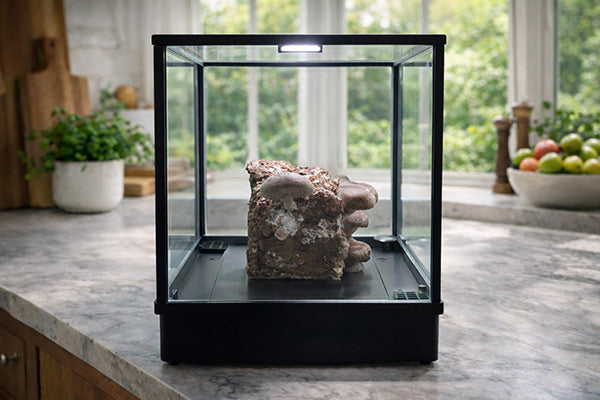
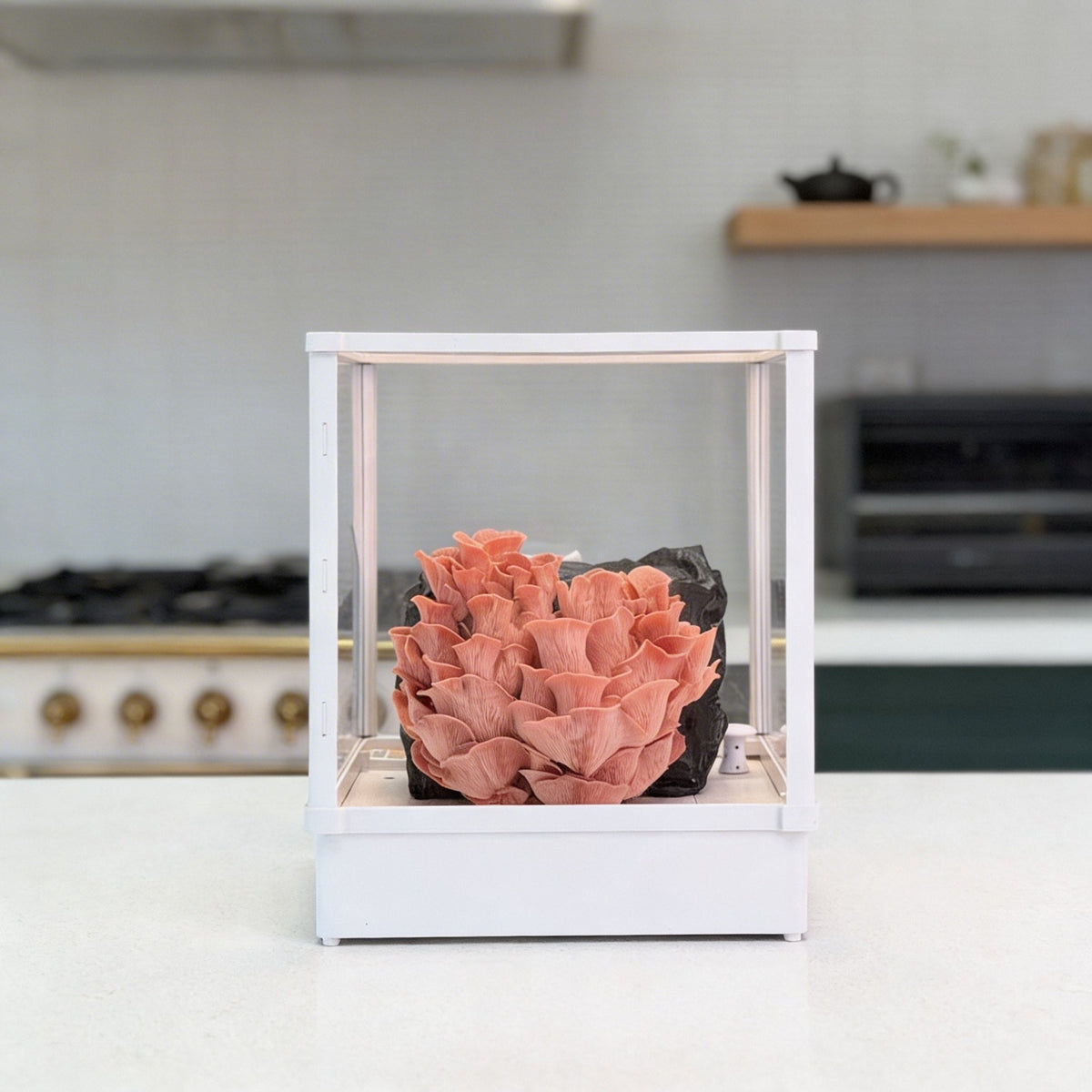
Während das Sammeln wilder Pilze Abenteuer und eine Verbindung zur Natur bietet, ermöglicht der Anbau eigener Pilze den ganzjährigen Zugang zu frischen Pilzen. Die Lykyn Smart Mushroom Grow Box ist ein hervorragender Ausgangspunkt für Anfänger, die sich für den Pilzanbau interessieren.
Vorteile des Anbaus zu Hause:
-
Sichere Identifizierung bekannter Arten
-
Ganzjährig frische Pilzernte
-
Übung bei der Identifizierung von Pilzmerkmalen
-
Ergänzung des wilden Sammelns durch zuverlässige Produktion
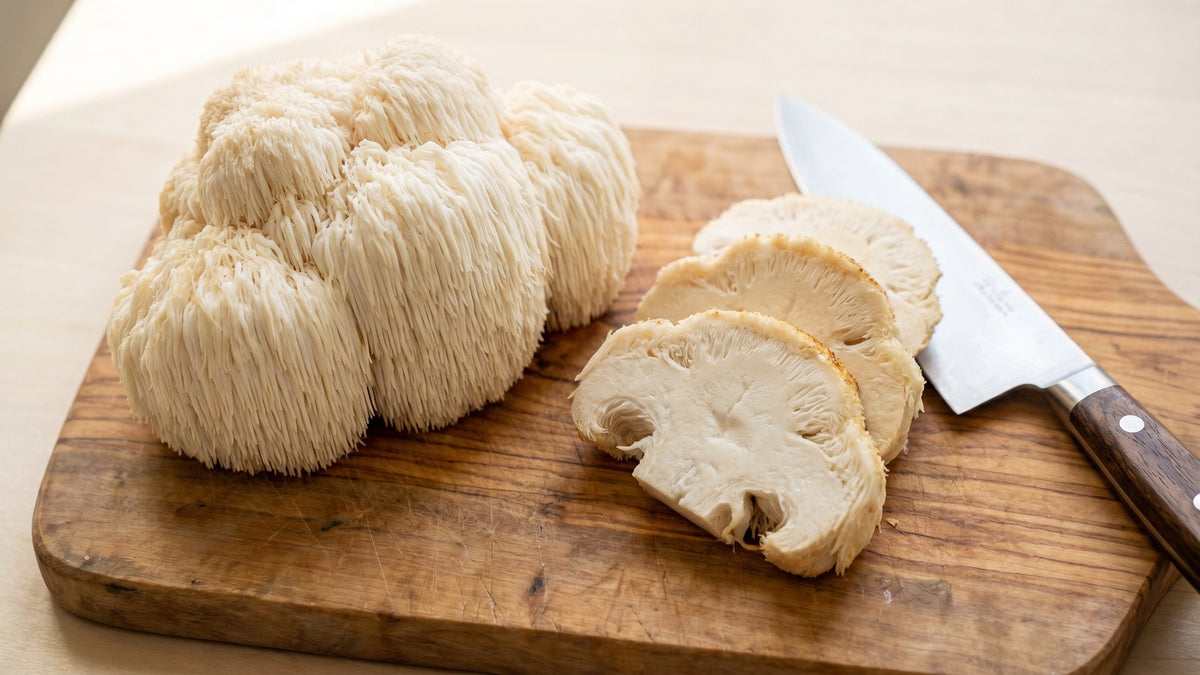
Entdecken Sie verwandte Anbautherausforderungen in unserem Leitfaden für Igelstachelbart-Flüssigkultur für fortgeschrittene Anbautechniken.
Häufig gestellte Fragen
F: Welche essbaren Pilze sind in Colorado am häufigsten anzutreffen? A: Zu den beliebtesten essbaren Arten gehören Steinpilze (Königspilze), goldene Austernseitlinge, Morcheln, Austernseitlinge und verschiedene Stinkpilzarten. Steinpilze und Austernseitlinge gelten als „erstklassige“ Speisen und werden von Köchen weltweit geschätzt.
F: Wann ist die Pilzsaison in Colorado? A: Die Hochsaison für Pilze reicht für die meisten Arten von Juli bis September, wobei Morcheln im Frühjahr (April bis Juni) auftreten und einige Sorten wie Austernseitlinge das ganze Jahr über erhältlich sind. Arten in großen Höhen fruchten hauptsächlich in den Sommermonaten.
F: Brauche ich Genehmigungen, um in Colorado Pilze zu sammeln? A: Die Vorschriften für das Sammeln variieren je nach Landbesitz. In Nationalwäldern ist das Sammeln für den persönlichen Gebrauch in der Regel ohne Genehmigung gestattet, aber prüfen Sie die spezifischen Waldvorschriften. In staatlichen Parks und auf Privatgrundstücken ist eine Erlaubnis erforderlich. Vergewissern Sie sich vor dem Sammeln immer der aktuellen Vorschriften.
F: Wie kann ich essbare Pilze sicher identifizieren? A: Eine sichere Identifizierung erfordert mehrere Überprüfungsmethoden: ausführliche Feldführer, Sporenabdrücke, Rücksprache mit Experten und umfangreiche Übung. Verzehren Sie niemals einen Pilz, ohne ihn zu 100 % sicher identifiziert zu haben. Erwägen Sie, einem lokalen Mykologieverein beizutreten, um praktische Erfahrungen zu sammeln.
F: Was ist die größte Gefahr beim Pilzesammeln in Colorado? A: Der Zerstörerengel und andere Pilze, die Amatoxine enthalten, stellen die größte Gefahr dar und können potenziell tödliche Leber- und Nierenschäden verursachen. Die Verwechslung essbarer Arten mit giftigen Doppelgängern stellt das größte Risiko für Sammler dar.
F: Kann ich in Colorado psychedelische Pilze finden? A: Obwohl Psilocybin-Pilze in Colorado wachsen, bleiben ihr Besitz und ihre Verwendung trotz der Entkriminalisierung in Denver auf Bundesebene illegal. Dieser Leitfaden konzentriert sich auf essbare und medizinische Arten für ein sicheres, legales Sammeln.
Zusammenfassung
Colorado bietet außergewöhnliche Möglichkeiten zum Pilzesammeln, da Arten wie Steinpilze, Austernseitlinge und Morcheln in den hochgelegenen Nadelwäldern des Bundesstaates gedeihen. Eine sichere Identifizierung erfordert angemessene Kenntnisse, Feldführer und fachkundige Anleitung. Stellen Sie Ihre Sicherheit immer an erste Stelle, indem Sie niemals unbekannte Pilze verzehren und von erfahrenen Sammlern über Organisationen wie die Colorado Mycological Society lernen.
Beginnen Sie noch heute Ihre Pilzreise
Bereit, Ihr Pilz-Abenteuer zu beginnen? Ob Sie sich für das wilde Sammeln oder den Anbau zu Hause interessieren, eine gründliche Vorbereitung gewährleistet Erfolg und Sicherheit. Entdecken Sie die Lykyn Smart Mushroom Grow Box und beginnen Sie noch heute Ihre Reise in den Indoor-Anbau. Ihre erste Ernte wartet schon, und die Befriedigung, Ihre eigene Nahrung anzubauen, wird Ihre Erfahrungen mit dem wilden Sammeln perfekt ergänzen.
Verwandeln Sie Ihre Küche in einen produktiven Anbauort, während Sie Ihre Fähigkeiten zur Identifizierung im Freien entwickeln. Die Lykyn Smart Mushroom Grow Box hält automatisch perfekte Anbaubedingungen aufrecht, sodass ein Scheitern beim ersten Versuch praktisch ausgeschlossen ist. In Kombination mit dem Wissen aus diesem Leitfaden entwickeln Sie umfassende Pilzkenntnisse vom Wald bis auf den Tisch.
Weiterführende Literatur
Bereit zum Anbau?
Sparen Sie sich das Rätselraten beim Substrat. Beginnen Sie mit der intelligenten Fruchtkammer, die Feuchtigkeit, Luftzirkulation und Beleuchtung für Sie regelt.
Starten Sie mit der Lykyn Grow Box →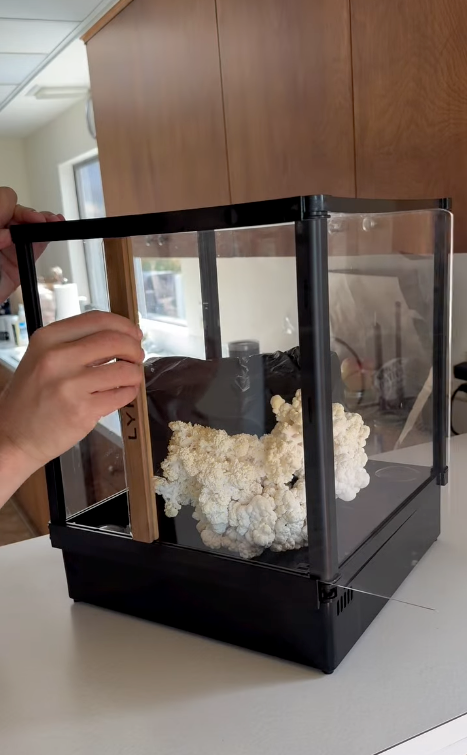





Aktie:
Schwarze Kräuterseitlinge: Ihr vollständiger Leitfaden zur dunklen Königsklasse der Natur
Weißer flaumiger Pilz: Ihr umfassender Sicherheits- und Bestimmungsleitfaden