


Infobox für hervorgehobene Snippets
Was ist ein Kegelhütiger Knollenblätterpilz? Der Kegelhütige Knollenblätterpilz ist ein tödlich giftiger weißer Pilz aus der Gattung Amanita. Er kommt in Nordamerika und Europa vor und ist weltweit für 90 % aller Todesfälle durch Pilze verantwortlich. Seine Amatoxine zerstören Leberzellen, und schon ein einziger Hut kann tödlich sein. Verzehren Sie niemals einen vollständig weißen Wildpilz, ohne dass er von einer Fachperson bestimmt wurde.
Also, ich züchte und erforsche seit über einem Jahrzehnt Pilze. Und in jeder einzelnen Sammelsaison höre ich wieder eine Geschichte, bei der sich mir der Magen umdreht. Jemand hat etwas gesammelt, das er für einen leckeren Wiesenchampignon oder einen Bovist hielt. Es stellte sich heraus, dass es ein Kegelhütiger Knollenblätterpilz war.
Die Person hat es nicht überlebt.
Die bittere Wahrheit ist: Der Kegelhütige Knollenblätterpilz ist für die meisten tödlichen Pilzvergiftungen in Nordamerika verantwortlich. Und das wirklich Grausame daran? Er sieht völlig harmlos aus. Sogar wunderschön. Einfach ein hübscher weißer Pilz, den man leicht für etwas halten könnte, das man im Supermarkt findet.
Genau deshalb schreibe ich diesen Ratgeber. Ob Sie neu beim Pilzesammeln sind oder schon seit Jahren sammeln: Diesen tödlichen Pilz zu kennen, ist kein optionales Extra, sondern überlebenswichtig.
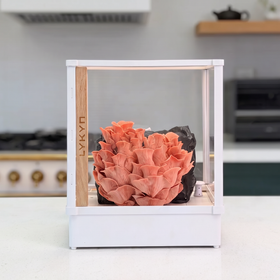
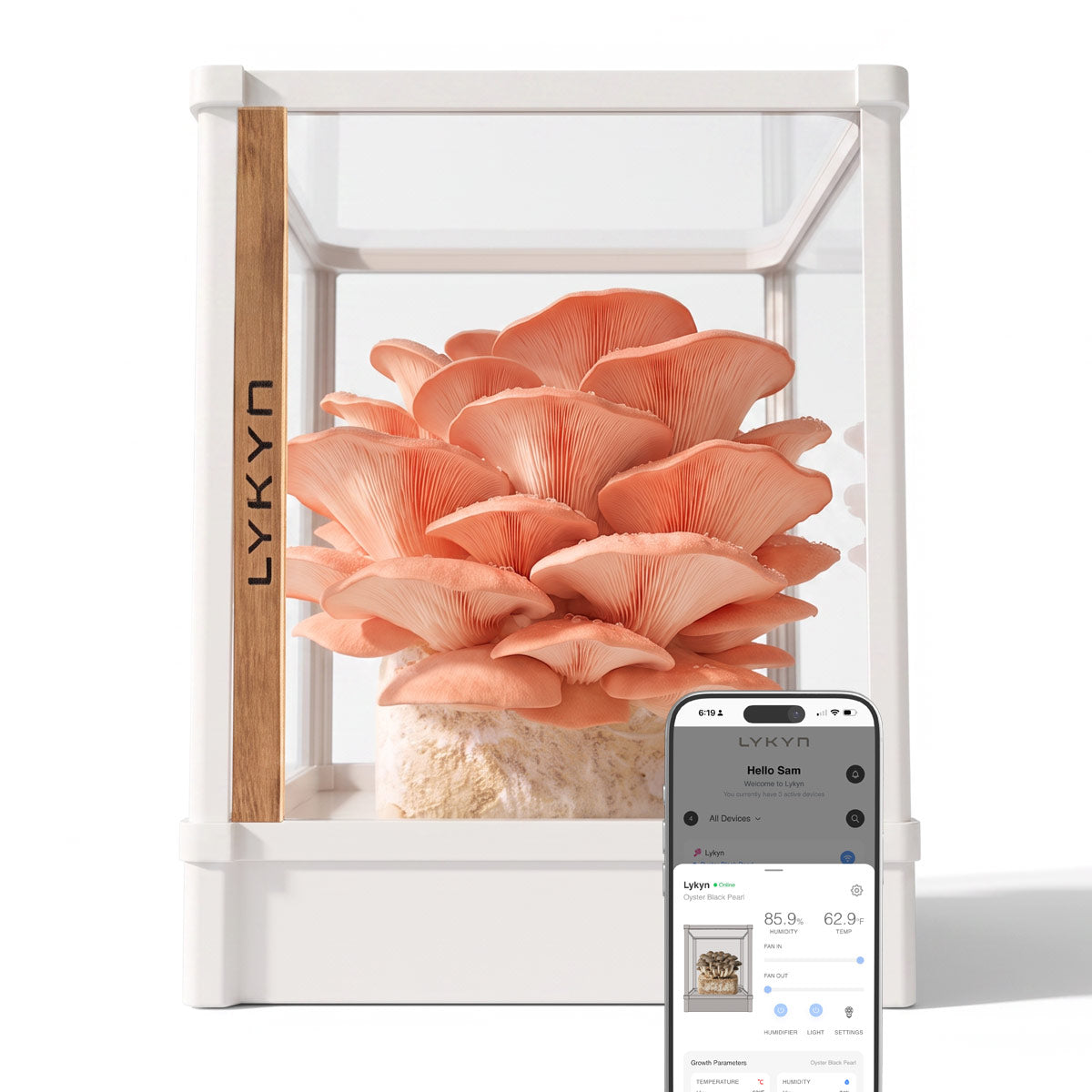
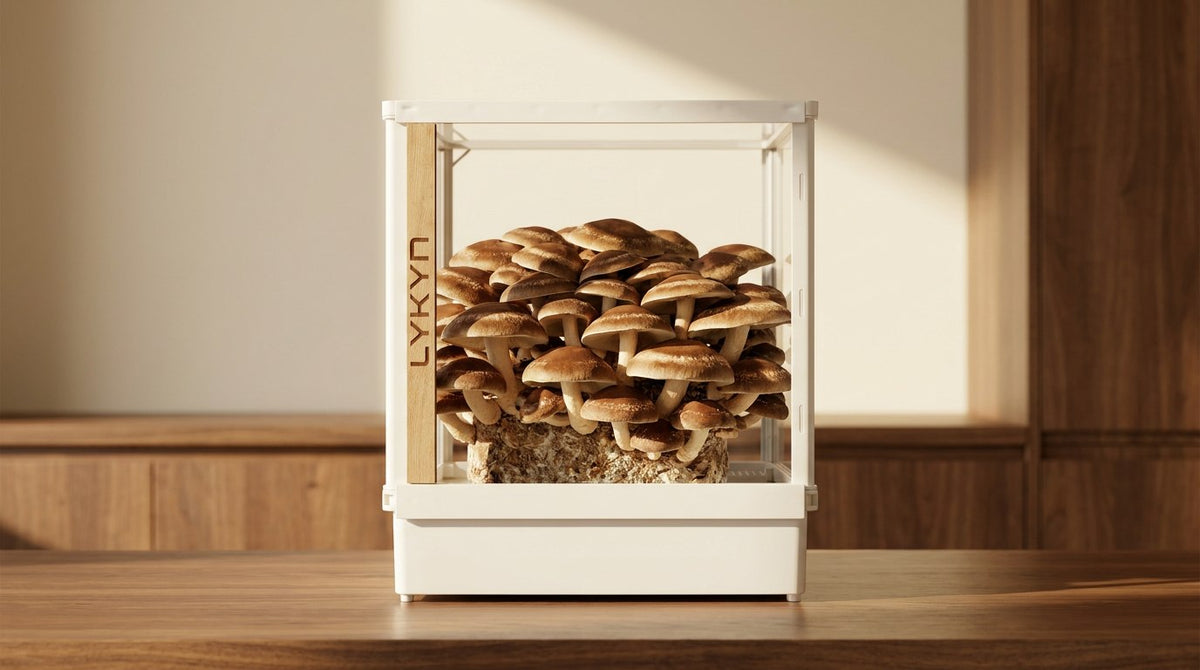
Bevor wir tiefer einsteigen, möchte ich eines klarstellen: Dieser Ratgeber dient der Information. Wenn Sie ernsthaft Pilze sammeln möchten, beginnen Sie mit der Zucht, um die Anatomie von Pilzen sicher kennenzulernen. Mit unserer Smart Mushroom Grow Kit können Sie die Entwicklungsstadien von Pilzen risikofrei beobachten. So lernen Sie Lamellen, Velum und Sporenabdrücke ganz praktisch kennen, bevor Sie sich überhaupt in den Wald begeben.
Was genau ist der Kegelhütige Knollenblätterpilz?

Smart Chamber. Bone White Single
- 2,8-L-Tank, automatische Luftfeuchtigkeit von 90 %
- App-gesteuert, sofort einsatzbereit
- Kapazität für Blöcke bis 6 lb, auf Lager

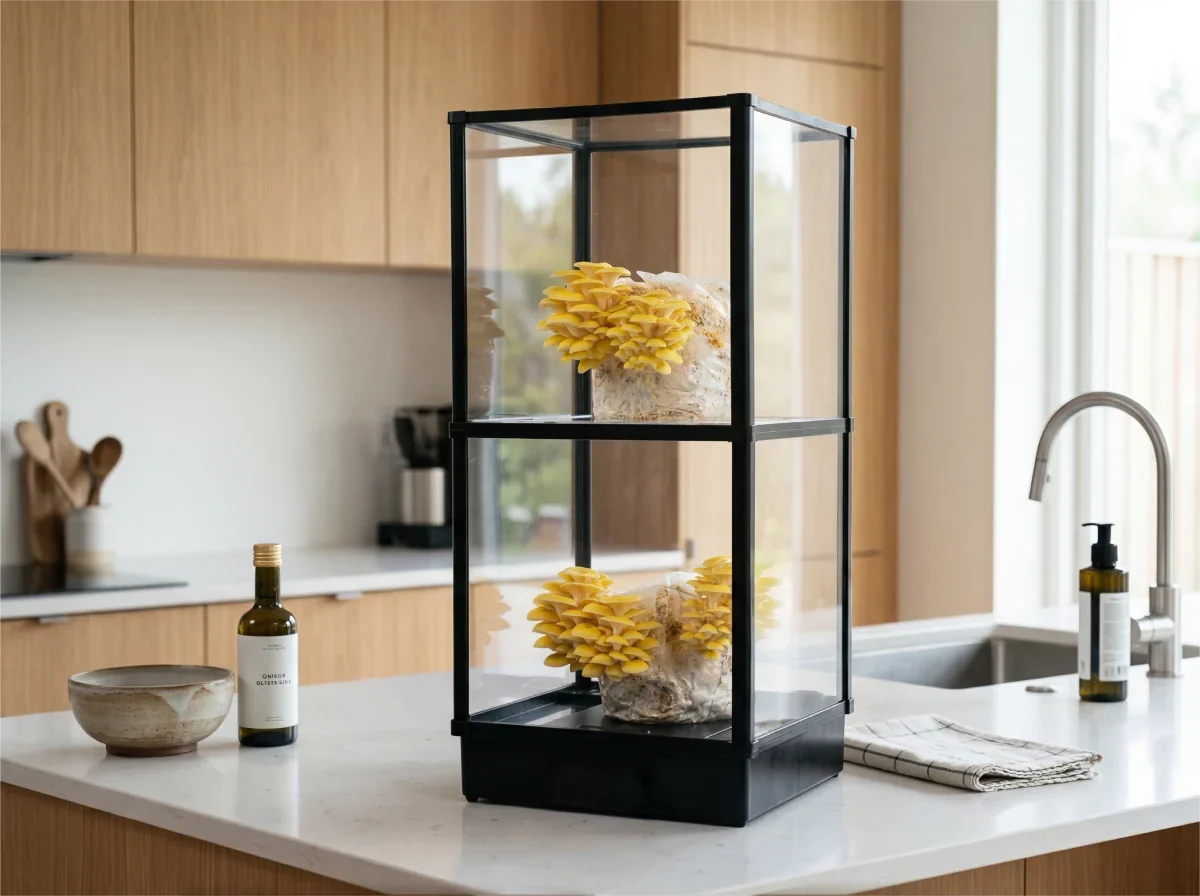
Smart Chamber. Obsidian Black Single
- Gleiche Ausstattung wie Bone White
- Hochwertige matte schwarze Oberfläche
- Passt zu jeder Kücheneinrichtung

Zuchtset für schwarze Austernseitlinge
- Auf Lager
- Fruchtkörperbildung in 3–5 Tagen
- Ersetzt einen Zuchtzyklus in der Kammer
Der Kegelhütige Knollenblätterpilz ist nicht nur eine einzelne Pilzart, sondern eine Gruppe tödlicher Arten innerhalb der Gattung Amanita. In Nordamerika begegnet man vor allem diesen Arten:
- Amanita bisporigera (östlicher Kegelhütiger Knollenblätterpilz Nordamerikas)
- Amanita ocreata (westlicher Kegelhütiger Knollenblätterpilz Nordamerikas)
- Amanita virosa (Kegelhütiger Knollenblätterpilz Europas)
- Amanita verna (Frühlings-Knollenblätterpilz)
Sie alle können tödlich sein. Das ist keine Übertreibung.
Die Wissenschaft hinter der tödlichen Wirkung
Diese Pilze enthalten Amatoxine, insbesondere Alpha-Amanitin. Was dieses Gift so erschreckend macht:
| Faktor | Details |
|---|---|
| Tödliche Dosis | 0,1 mg/kg Körpergewicht (etwa ein halber Hut bei einem Erwachsenen) |
| Hitzebeständigkeit | Durch Kochen wird das Gift NICHT zerstört |
| Verzögerter Symptombeginn | 6–24 Stunden, bis Symptome auftreten |
| Sterblichkeitsrate | 10–30 % selbst bei moderner medizinischer Behandlung |
| Wirkungsweise | Zerstört Leber- und Nierenzellen unwiderruflich |
Der verzögerte Symptombeginn macht diesen Pilz zu einem perfekten Killer. Wenn Sie sich krank fühlen, wurden die Giftstoffe bereits aufgenommen. Möglicherweise fühlen Sie sich vorübergehend sogar besser – die sogenannte „Honeymoon-Phase“ –, bevor das Leberversagen einsetzt.
Den Kegelhütigen Knollenblätterpilz bestimmen: Ein umfassender visueller Leitfaden
Ich erkläre Ihnen genau, worauf Sie achten müssen. Doch zuerst möchte ich eines unmissverständlich klarstellen: Im Zweifel weg damit. Keine Pilzmahlzeit ist Ihr Leben wert.
Die körperlichen Merkmale im Überblick
Hut (Pileus):
- Reinweiß bis elfenbeinfarben
- 5–15 cm Durchmesser
- Glatt, bei Nässe manchmal leicht klebrig
- Jung gewölbt, mit zunehmendem Alter flacher
Lamellen:
- Weiß und frei (nicht mit dem Stiel verwachsen)
- Eng stehend
- Bei jungen Pilzen von einem Teilvelum bedeckt
Stiel:
- Weiß, 8–20 cm hoch
- Nahe der Spitze mit einem zarten weißen Ring (Annulus)
- Die Basis ist von einer becherartigen Hülle (Volva) umgeben – DAS IST ENTSCHEIDEND
Sporenabdruck:
- Weiß

Die Volva: Ihr wichtigstes Bestimmungsmerkmal
Das unterscheidet erfahrene Sammler von einer tragischen Statistik: Graben Sie den ganzen Pilz immer vollständig aus.
Die Volva an der Basis ist oft unter der Erde oder im Laub verborgen. Es ist eine dünne, sackartige Hülle, die die Stielbasis umschließt. Wenn Sie sie übersehen, entgeht Ihnen das wichtigste Erkennungsmerkmal tödlicher Knollenblätterpilze.
Ich kann es gar nicht oft genug betonen. Wenn Sie die Bestimmungshinweise in unserem Pilzsammelratgeber 2025 nachschlagen, werden Sie immer wieder auf die Volva stoßen. Dafür gibt es einen guten Grund.
Lebensraum und Wachstumsbedingungen
Kegelhütige Knollenblätterpilze sind Mykorrhizapilze. Sie leben in Symbiose mit Bäumen, daher findet man sie:
- in der Nähe von Eichen, Buchen, Birken und Kiefern
- in Laub- und Mischwäldern
- auf dem Boden (niemals auf Holz)
- vom Sommer bis in den Herbst (Hauptsaison: Juli bis Oktober)
- häufig nach Regenfällen
Sie wachsen nicht auf offenen Feldern oder Wiesen. Wenn Sie einen vollständig weißen Pilz im Wald in der Nähe von Bäumen finden, ist das ein Warnsignal.
Tödliche Doppelgänger: Pilze, die häufig mit Kegelhütigen Knollenblätterpilzen verwechselt werden
Hier kommen Menschen ums Leben. Diese Pilze werden mit Kegelhütigen Knollenblätterpilzen verwechselt – oder umgekehrt.
Pilze, die FÜR Kegelhütige Knollenblätterpilze gehalten werden (ungiftig):
| Pilz | Wichtigster Unterschied |
|---|---|
| Weißer Bovist | Keine Lamellen, kein Stiel, innen durchgehend weiß |
| Wiesenchampignon | Rosa bis braune Lamellen, keine Volva, wächst auf Wiesen |
| Riesen-Champignon | Verfärbt sich gelb, keine Volva, Anisgeruch |
Pilze, die FÜR Kegelhütige Knollenblätterpilze gehalten werden (gefährliche Verwechslungen):
| Essbarer Pilz | Grund für die Verwechslung | Wichtige Prüfung |
|---|---|---|
| Champignons | Ähnliche Form im jungen Stadium | Volva und Lebensraum prüfen |
| Boviste | Im jungen Stadium weiß und rund | Aufschneiden: Das Innere sollte durchgehend weiß sein |
| Reisstrohpilz | Sieht in frühen Entwicklungsstadien ähnlich aus | Auf Volva und Lamellenfarbe achten |
Unser umfassender Ratgeber zu Speisepilzarten stellt 15 essbare Arten ausführlich vor und erklärt insbesondere, wie man sie von tödlichen Doppelgängern wie dem Kegelhütigen Knollenblätterpilz und dem Grünen Knollenblätterpilz unterscheidet.

Was passiert, wenn man einen Kegelhütigen Knollenblätterpilz isst? Der zeitliche Verlauf der Vergiftung
Ich hoffe, Sie werden diese Informationen nie brauchen. Doch die Symptome zu kennen, könnte ein Leben retten.

Bringen Sie Ihre Pilzleidenschaft auf Touren
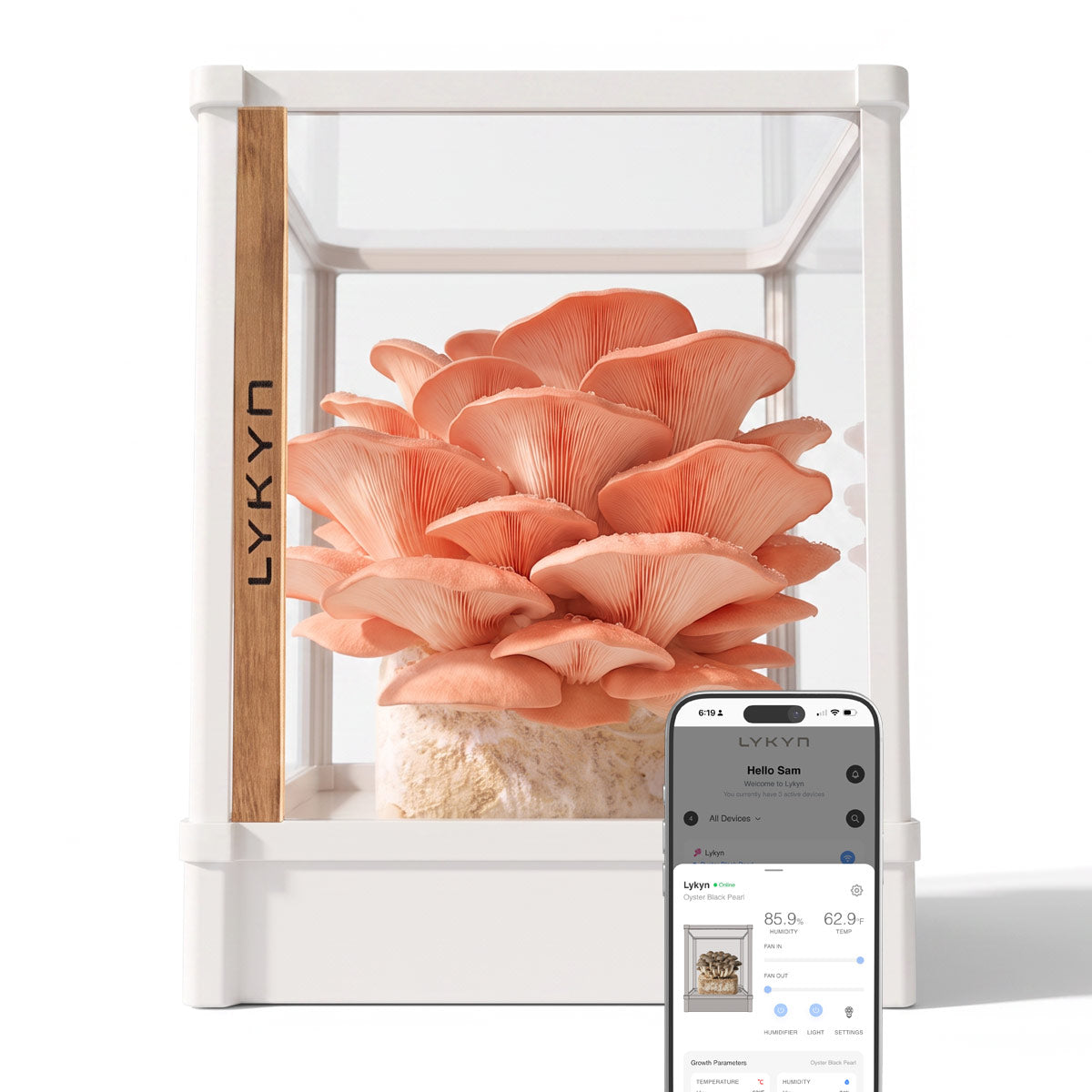
Intelligente Pilzzuchtkammer
Sofort einsatzbereite intelligente Zuchtkammer mit optimal eingestellter Luftfeuchtigkeit, Beleuchtung und Luftzirkulation für jede Art. Anfänger ernten ihre erste Welle innerhalb von Tagen statt Monaten.
In den Warenkorb – 299 $Phase 1: Die stille Phase (0–6 Stunden)
- Überhaupt keine Symptome
- Die Giftstoffe werden aufgenommen
- In dieser Phase glauben Betroffene, dass alles in Ordnung ist
Phase 2: Magen-Darm-Phase (6–24 Stunden)
- Starkes Erbrechen und Durchfall
- Heftige Bauchkrämpfe
- Dehydrierung
- Viele halten dies für eine Lebensmittelvergiftung
Phase 3: Die Honeymoon-Phase (24–72 Stunden)
- Die Symptome scheinen sich zu bessern
- Betroffene glauben, dass sie sich erholen
- Das ist trügerisch. Die Leber wird im Verborgenen geschädigt.
Phase 4: Organversagen (3–6 Tage)
- Gelbsucht (Gelbfärbung der Haut und Augen)
- Leber- und Nierenversagen
- Gerinnungsstörung (das Blut gerinnt nicht)
- Trotz Behandlung enden 10–30 % der Fälle tödlich
Was im Notfall zu tun ist
Wenn Sie eine Vergiftung durch einen Kegelhütigen Knollenblätterpilz vermuten:
- Rufen Sie sofort die Giftnotrufzentrale an (USA: 1-800-222-1222)
- Gehen Sie in die Notaufnahme und warten Sie nicht auf Symptome
- Nehmen Sie nach Möglichkeit eine Pilzprobe mit
- Notieren Sie den Zeitpunkt des Verzehrs
- Lösen Sie kein Erbrechen aus, es sei denn, Sie werden dazu angewiesen
Zur modernen Behandlung gehören Aktivkohle, Silibinin (Mariendistelextrakt) und in schweren Fällen eine Lebertransplantation. Jede Minute zählt.
Sicher Pilze sammeln – 2026 und darüber hinaus
Nach all dem denken Sie vielleicht: „Vielleicht gehe ich einfach nie Pilze sammeln.“ Das verstehe ich. Aber Sie müssen sich nicht zwischen Sicherheit und dem Genuss von Pilzen entscheiden.
Erst züchten, dann sammeln
Bevor Sie auch nur einen einzigen Pilz sammeln, sollten Sie überlegen, selbst welche zu züchten. So habe ich es gelernt, und so empfehle ich allen, anzufangen.
Wenn Sie Pilze züchten, können Sie:
- ihre Anatomie aus nächster Nähe kennenlernen
- Wachstumsstadien und Lebenszyklen verstehen
- Sporenabdrücke und Bestimmung üben
- ohne jedes Risiko Sicherheit gewinnen
Die Arbeit mit einer Still-Air-Box für sterile Arbeitsabläufe vermittelt Ihnen die Genauigkeit und Sorgfalt, die sich direkt auf das sichere Pilzesammeln übertragen lassen. Wer bei der Zucht auf Kontaminationen achtet, lernt draußen, auf Giftstoffe zu achten.
Für praktische Übungen mit einer bekannten essbaren Art eignet sich unsere Flüssigkultur des Blauen Austernseitlings hervorragend. Blaue Austernseitlinge haben unverwechselbare Merkmale – graublaue Hüte, herablaufende Lamellen und Wachstum auf Holz –, sodass sie unmöglich mit einer Amanita-Art verwechselt werden können.
Checkliste für sicheres Pilzesammeln
Wenn Sie Pilze sammeln, halten Sie sich unbedingt an diese Regeln:
- [ ] Bestimmen Sie jeden Pilz vor dem Verzehr bis zur Art
- [ ] Lassen Sie die Bestimmung von einer Fachperson bestätigen; wenden Sie sich an örtliche mykologische Vereine
- [ ] Graben Sie den ganzen Pilz vollständig aus, um die Volva zu prüfen
- [ ] Essen Sie niemals vollständig weiße Waldpilze, wenn Sie nicht hundertprozentig sicher sind
- [ ] Fertigen Sie von jedem Exemplar einen Sporenabdruck an
- [ ] Im Zweifel weg damit
Weitere Informationen zum Pilzesammeln finden Sie in unserem Einsteigerleitfaden zum Pilzesammeln. Er behandelt Bestimmungsstrategien, regionale Besonderheiten und Sicherheitsmaßnahmen ausführlich.
Häufig gestellte Fragen zu Kegelhütigen Knollenblätterpilzen
Kann man den Verzehr eines Kegelhütigen Knollenblätterpilzes überleben?
Ja, mit sofortiger medizinischer Hilfe ist ein Überleben möglich. Bei moderner Behandlung liegt die Sterblichkeitsrate bei 10–30 %, doch der Ausgang hängt stark von der verzehrten Menge und davon ab, wie schnell die Behandlung beginnt. In schweren Fällen haben Lebertransplantationen Betroffenen das Leben gerettet. Überlebende leiden jedoch häufig an bleibenden Leberschäden.
Wie unterscheidet man einen Kegelhütigen Knollenblätterpilz von einem essbaren Pilz?
Achten Sie auf die Volva (eine becherartige Hülle an der Basis), weiße Lamellen und einen Standort im Wald in der Nähe von Bäumen. Essbare Doppelgänger wie Boviste haben im aufgeschnittenen Zustand keine Lamellen; Wiesenchampignons haben rosa bis braune Lamellen und keine Volva. Graben Sie den ganzen Pilz immer vollständig aus und lassen Sie die Bestimmung von einer Fachperson überprüfen.
Wo wachsen Kegelhütige Knollenblätterpilze in den Vereinigten Staaten?
Kegelhütige Knollenblätterpilze wachsen in ganz Nordamerika. Amanita bisporigera kommt hauptsächlich in den östlichen Bundesstaaten vor, während Amanita ocreata im Westen, besonders in Kalifornien, wächst. Von Sommer bis Herbst findet man sie in der Nähe von Eichen, Kiefern und Buchen, meist nach Regenfällen.
Sind Kegelhütige Knollenblätterpilze giftiger als Grüne Knollenblätterpilze?
Beide enthalten ähnliche Mengen an Amatoxinen und sind gleichermaßen tödlich. Der Grüne Knollenblätterpilz (Amanita phalloides) verursacht weltweit sogar mehr Todesfälle, weil er häufiger vorkommt und mehreren Speisepilzen ähnelt. Ein einziger Hut eines der beiden Pilze kann für einen erwachsenen Menschen tödlich sein.
Können Hunde durch Knollenblätterpilze vergiftet werden?
Auf jeden Fall. Hunde reagieren sehr empfindlich auf Amatoxine und fressen beim Erkunden im Freien häufig Pilze. Wenn Ihr Hund einen nicht identifizierten Pilz frisst, wenden Sie sich sofort an Ihren Tierarzt oder eine Giftnotrufzentrale für Tiere. Zu den Symptomen zählen Erbrechen, Durchfall und Lethargie innerhalb von 6–24 Stunden.
Werden die Giftstoffe in Knollenblätterpilzen durch Kochen zerstört?
Nein. Amatoxine sind hitzestabil und können weder durch Kochen, Einfrieren noch Trocknen zerstört werden. Es gibt keine Zubereitungsmethode, durch die Knollenblätterpilze sicher essbar werden. Das ist einer der gefährlichsten Irrtümer über Wildpilze.
Zu welcher Jahreszeit kommen Knollenblätterpilze am häufigsten vor?
Die Hauptsaison dauert in Nordamerika von Juli bis Oktober, wobei die westliche Art (Amanita ocreata) bereits im Frühjahr auftreten kann. Typischerweise bilden sie nach Regenfällen Fruchtkörper, wenn die Bodenfeuchtigkeit hoch ist. Seien Sie bei der Pilzsuche im Spätsommer besonders vorsichtig.
Fazit: Begegnen Sie dem Knollenblätterpilz mit Respekt
Zum Schluss möchte ich Ihnen die wichtigsten Punkte mitgeben, die Ihr Leben oder das eines geliebten Menschen retten könnten:
Erstens: Der Knollenblätterpilz gehört tatsächlich zu den gefährlichsten Lebewesen, denen Sie in der Natur begegnen können. Seine Schönheit täuscht, seine Giftigkeit ist extrem und seine Doppelgänger sind weit verbreitet.
Zweitens: Die Bestimmung muss zweifelsfrei sein. Die Scheide, die weißen Lamellen, der Waldlebensraum und das weiße Sporenpulver sind entscheidende Merkmale. Essen Sie niemals einen Pilz, wenn Sie sich nicht zu 100 % sicher sind.
Drittens: Pilzzucht vor dem Sammeln ist nicht nur ein Vorschlag, sondern der kluge Weg, um sich fundierte Kenntnisse in der Mykologie anzueignen. Wer die Anatomie von Pilzen in einer kontrollierten Umgebung kennenlernt, entwickelt Fähigkeiten, die in freier Natur Sicherheit geben.
Viertens: Schnelles Handeln rettet Leben. Bei Verdacht auf eine Vergiftung durch einen Amanita-Pilz müssen Sie sofort handeln. Warten Sie nicht auf Symptome.
Und schließlich: Die Welt der Pilze ist groß und faszinierend. Tausende Arten sind köstlich, heilkräftig und interessant. Lassen Sie sich nicht von der Angst vor dem Knollenblätterpilz davon abhalten, dieses unglaubliche Reich zu entdecken – seien Sie dadurch einfach besonders vorsichtig.
Beginnen Sie noch heute Ihre sichere Pilzreise
Möchten Sie Pilze richtig kennenlernen? Unser intelligentes Pilzzuchtset ermöglicht Ihnen praktische Erfahrungen mit der Anatomie und den Lebenszyklen von Pilzen – ohne Risiko und mit maximalem Lerneffekt. Zu verstehen, wie Pilze wachsen und sich entwickeln, ist die Grundlage für eine sichere Bestimmung.
Fragen zur Pilzzucht oder Pilzbestimmung? Hinterlassen Sie unten einen Kommentar – ich beantworte persönlich jede Frage.




Aktie:
Ihr Kompletter Leitfaden zu Pilzsorten: Was Sie 2026 anbauen, kochen und entdecken können
Werden Pilze bei einem Drogentest angezeigt? Das ist, was wirklich passiert