


Featured-Snippet-Box:
Kleine Pilze, sogenannte „Pins“ oder „Primordien“, sind das erste sichtbare Stadium der Fruchtkörperbildung. Diese winzigen Gebilde erscheinen 3–14 Tage, nachdem die Bedingungen für die Fruchtkörperbildung geschaffen wurden. Gesunde Pins sind fest, weiß und wachsen in Gruppen. Sie weisen auf eine erfolgreiche Besiedlung des Substrats und geeignete Umgebungsbedingungen für die vollständige Entwicklung der Pilze hin.
Wenn du schon einmal in dein Grow-Kit geschaut und kleine weiße Hubbel entdeckt hast, die aus dem Substrat hervorlugen, herzlichen Glückwunsch – du erlebst gerade etwas wirklich Magisches. Diese kleinen Pilze nennt man Pins. Im Grunde sind es Babypilze, die ihre ersten Schritte in die Welt machen.
Ich weiß noch, wie ich zum ersten Mal Pins wachsen sah. Ich hatte meinen Pilzblock tagelang gewissenhaft besprüht und war überzeugt, etwas falsch zu machen. Dann waren sie eines Morgens plötzlich da: Dutzende kleine Pilzköpfchen, kaum größer als Stecknadelköpfe. Es fühlte sich an, als würde man Samen beim Keimen zusehen – nur schneller und irgendwie noch befriedigender.
Und das ist der Punkt: Diese kleinen Pilze befinden sich in der kritischsten Phase deines gesamten Anbaus. Was in den nächsten 24–72 Stunden passiert, entscheidet darüber, ob du wunderschöne, ausgewachsene Pilze erntest oder am Ende abgestorbene Pins und Enttäuschung hast.
Sehen wir uns alles an, was du über diese winzigen Pilze wissen musst – von der Frage, was sie eigentlich sind, bis hin dazu, wie du sicherstellst, dass sie zu etwas heranwachsen, das du tatsächlich zubereiten kannst.
Die Entwicklung kleiner Pilze verstehen: Die Wissenschaft hinter der Pinbildung

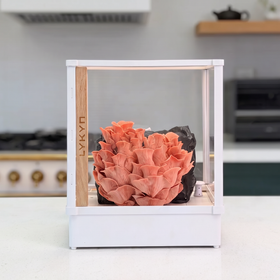
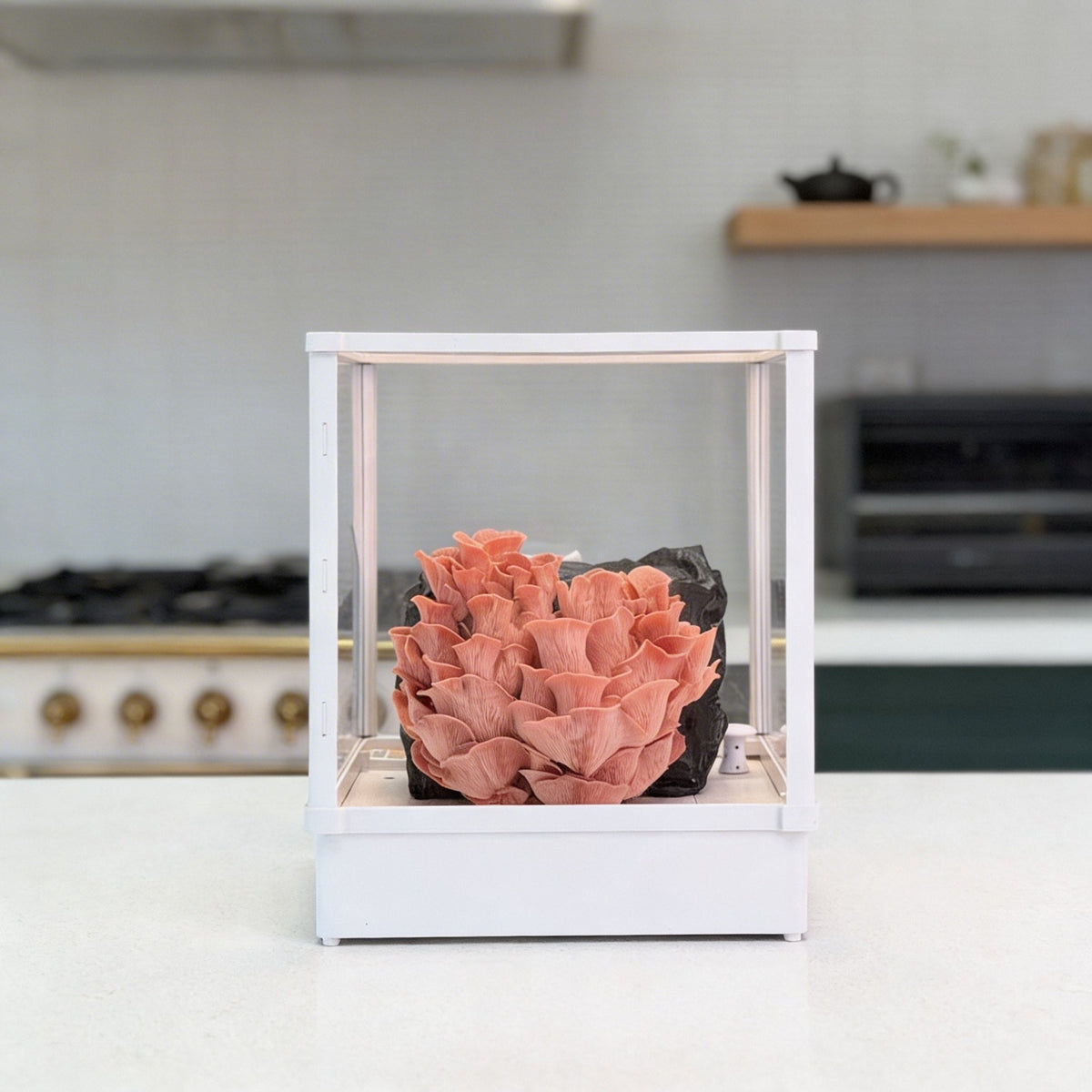
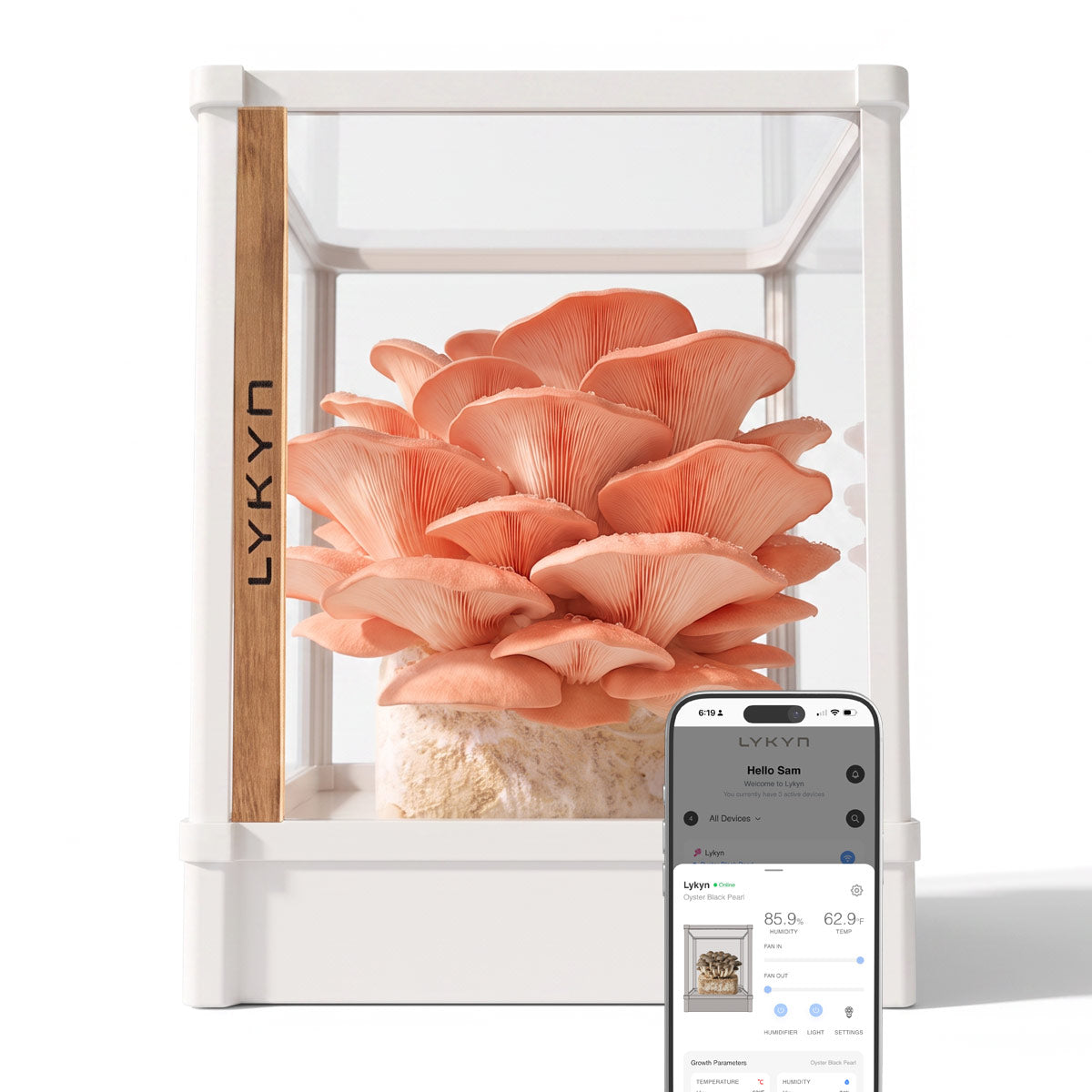
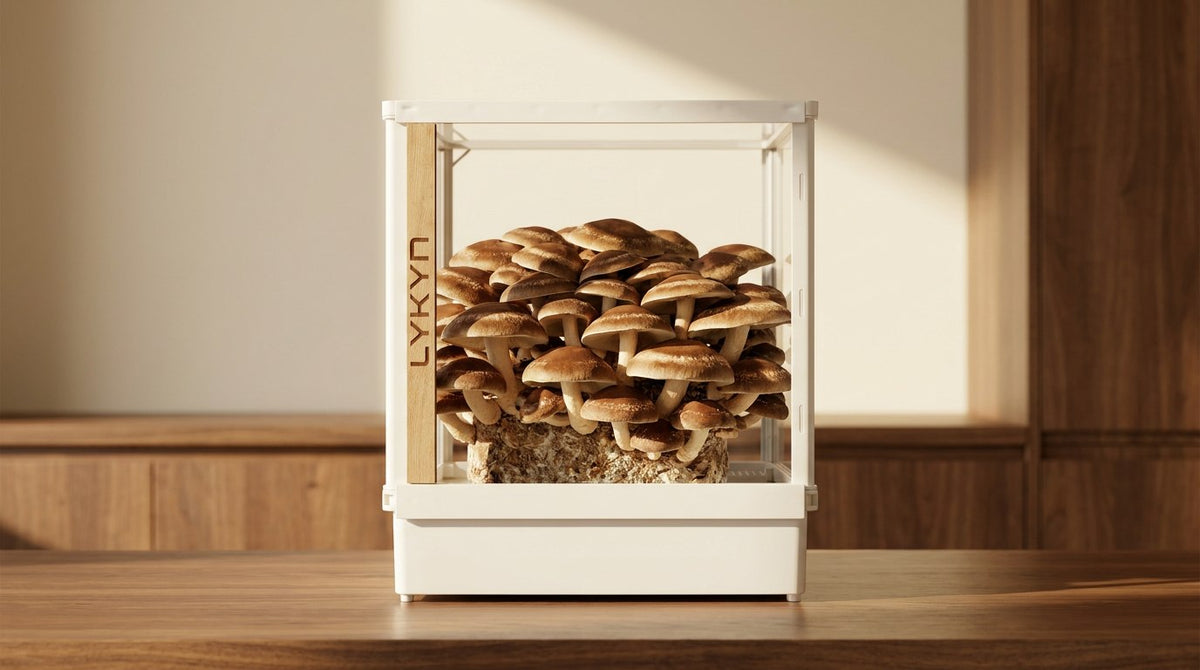
Smart Chamber. Bone White Single
- 2,8-l-Tank, automatische Luftfeuchtigkeit von 90 %
- App-Steuerung, Plug-and-Play
- Für Pilzblöcke bis 6 lb, auf Lager

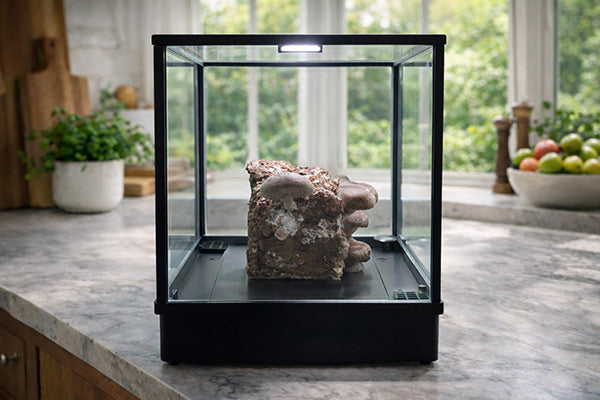
Smart Chamber. Obsidian Black Single
- Gleiche Ausstattung wie Bone White
- Hochwertige, matte schwarze Oberfläche
- Passt zu jeder Kücheneinrichtung

Anzuchtset für schwarze Austernpilze
- Auf Lager
- Pins in 3–5 Tagen
- Reicht für einen Zyklus in der Grow-Kammer
Was genau ist ein Pilz-Pin?
Ein Pilz-Pin (auch Primordium, Mehrzahl: Primordien) ist die erste Anlage des Fruchtkörpers eines Pilzes. Stell ihn dir als Pilzembryo vor.
Wenn das Myzel – das weiße, fadenartige Netzwerk, das dein Substrat besiedelt – die richtigen Umweltreize erhält, wechselt es vom Wachstums- in den Fortpflanzungsmodus. Das Ergebnis? Kleine Pilze sprießen.
Wichtige Merkmale gesunder Pins:
- Größe: anfangs 1–5 mm Durchmesser
- Farbe: meist weiß oder hell (je nach Art unterschiedlich)
- Beschaffenheit: fest, nicht matschig
- Wuchsform: in Gruppen, sogenannten „Pin-Sets“
Eine ausführlichere Erklärung des Prozesses findest du im Artikel über den vollständigen Lebenszyklus eines Pilzes – von der Spore bis zur Ernte. Dort wird genau erklärt, wie die kleinen Pins mit dem gesamten Lebenszyklus des Pilzes zusammenhängen.
Wann erscheinen die kleinen Pilze?
Je nach Pilzart bilden sich Pins unterschiedlich schnell. Das kannst du erwarten:
| Pilzart | Tage bis zu den ersten Pins | Zeit von der Pinbildung bis zur Ernte |
|---|---|---|
| Austernpilze | 3–7 Tage | 5–7 Tage |
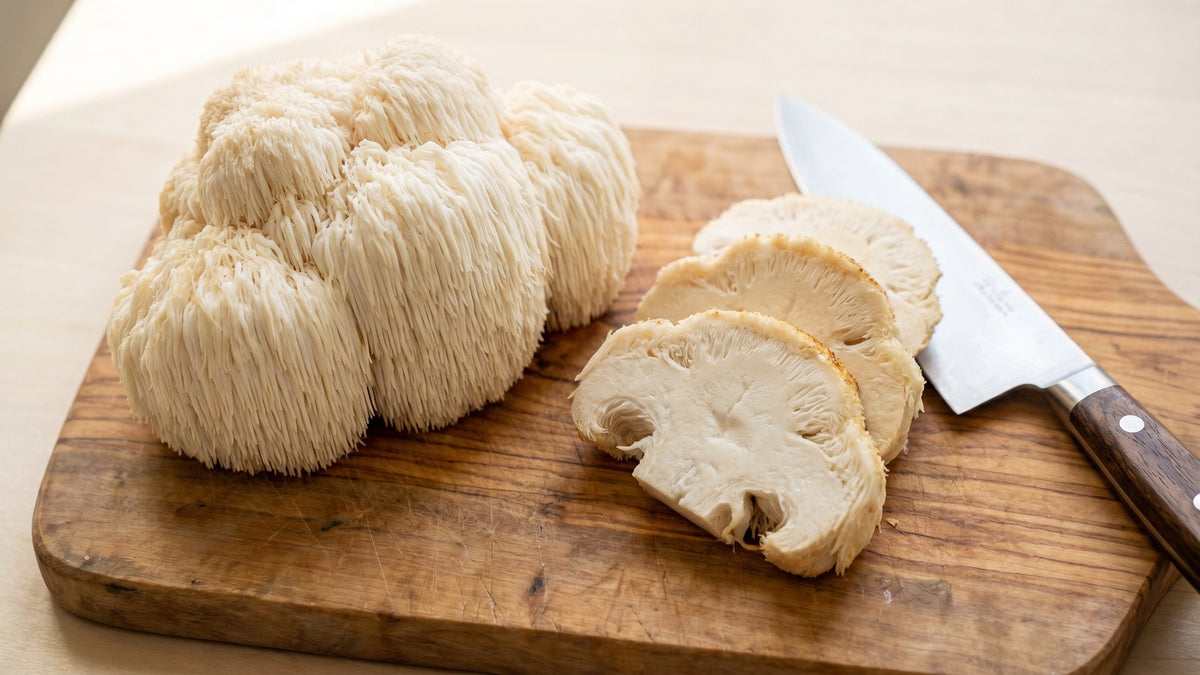
| Igelstachelbart | 7–14 Tage | 7–10 Tage |
| Shiitake | 7–21 Tage | 5–10 Tage |
| Kräuterseitling | 10–14 Tage | 10–14 Tage |
Laut mykologischen Forschungsergebnissen aus dem Jahr 2025 erhöhen Temperaturschwankungen von 10–15 °F zwischen Tag und Nacht die Pinbildungsrate bei den meisten Speisepilzen deutlich. Das ahmt die Bedingungen im Wald nach, wo Pilze nach kühlen Herbstnächten Fruchtkörper bilden.

So förderst du das Wachstum kleiner Pilze: Schritt für Schritt
Schritt 1: Sorge für die richtigen Umgebungsbedingungen
Kleine Pilze sind anspruchsvoll, was ihre Umgebung angeht. Diese Bedingungen fördern eine gesunde Pinbildung:
Luftfeuchtigkeit: Eine relative Luftfeuchtigkeit von 80–95 % ist unverzichtbar. Sinkt sie längere Zeit unter 70 %, sterben die Pins ab (sie trocknen aus und gehen ein).
Frischluftaustausch (FAE): Pilze atmen. Sie benötigen Sauerstoff und geben CO₂ ab. Bei unzureichender Luftzirkulation werden die Pins lang und schwach. Sorge für 4–8 Luftwechsel pro Stunde.
Temperatur: Die meisten Speisepilze bilden Pins am besten bei 55–65 °F. Einige Arten, etwa rosa Austernpilze, bevorzugen wärmere Bedingungen um 70–75 °F.
Licht: Pins brauchen Licht, um zu wissen, in welche Richtung sie wachsen sollen. Zwölf Stunden indirektes Licht pro Tag sind ideal. Ein Fenster oder eine einfache LED-Leuchte reicht völlig aus.
Wenn dir die Kontrolle all dieser Faktoren zu aufwendig erscheint, übernimmt das Smart Mushroom Grow Kit die Regulierung der Luftfeuchtigkeit und Luftzirkulation. So musst du ehrlich gesagt nicht mehr rätseln, wie du zuverlässig kleine Pilze zum Wachsen bringst.
Schritt 2: Perfektioniere deine Sprühtechnik
Hier machen die meisten Anfänger bei ihren kleinen Pilzen einen Fehler: Sie besprühen sie zu häufig.
Auf den Oberflächen sollen sich winzige Wassertröpfchen bilden, aber es darf sich kein Wasser ansammeln. Stehendes Wasser begünstigt Verunreinigungen. Verunreinigungen lassen Pins absterben.
Bewährte Vorgehensweisen:
- Verwende eine Sprühflasche mit feinem Sprühnebel
- Besprühe die Wände deiner Grow-Kammer, nicht direkt die Pins
- Sprühe 2–4-mal täglich, in trockenen Klimazonen häufiger
- Hör mit dem Sprühen auf, wenn sich Wasser ansammelt
Schritt 3: Achte auf Anzeichen für abgestorbene Pins
„Aborts“ nennt man kleine Pilze, die aufgehört haben zu wachsen. Sie verfärben sich gelblich-braun, schrumpeln und bekommen manchmal dunkle Hüte.
Häufige Ursachen für abgestorbene Pins:
- Plötzlicher Rückgang der Luftfeuchtigkeit
- Verunreinigungen in der Nähe
- Genetische Schwäche (normal – nicht alle Pins überleben)
- CO₂-Anreicherung
- Temperaturschock
Eine Studie der Mycological Society of America aus dem Jahr 2026 ergab, dass gleichbleibende Bedingungen wichtiger sind als perfekte Werte. Beständigkeit ist wichtiger als Perfektion.

Kleine Pilzarten: Die richtige Sorte für Anfänger wählen
Die besten Arten für Einsteiger
Nicht alle kleinen Pilze sind gleich. Einige Arten verzeihen Fehler, andere stellen deine Geduld auf die Probe.

Starte deine Pilzzucht
Smart Grow-Kammer für Pilze
Plug-and-Play-Grow-Kammer mit optimal eingestellter Luftfeuchtigkeit, Beleuchtung und Luftzirkulation für jede Pilzart. Anfänger ernten ihre erste Welle innerhalb weniger Tage statt erst nach Monaten.
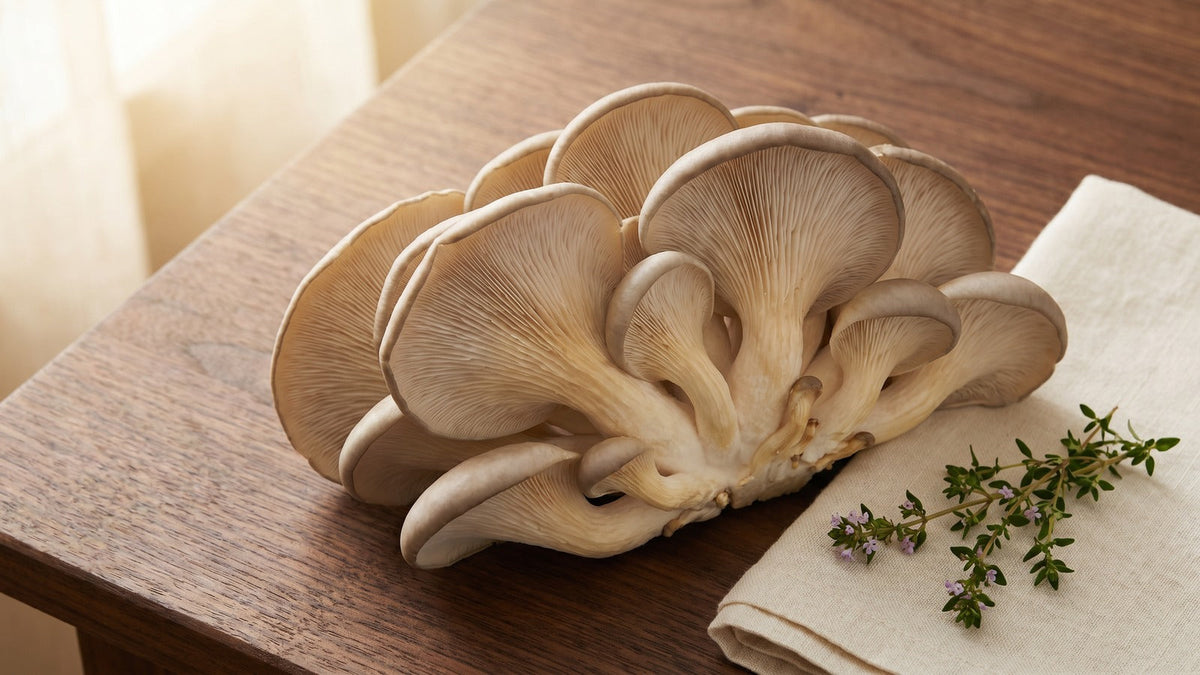
In den Warenkorb – $299Austernpilze sind der Goldstandard für Anfänger. Sie bilden bereitwillig Pins, vertragen nicht ganz optimale Bedingungen und wachsen schnell. Die Flüssigkultur für blaue Austernpilze bringt dichte Gruppen wunderschöner blaugrauer Pilze hervor – auch bei deinem ersten Zuchtversuch.
Für etwas mehr Farbe kannst du die Flüssigkultur für rosa Austernpilze ausprobieren. Daraus wachsen beeindruckende rosafarbene kleine Pilze, die sich zu tropisch anmutenden Gruppen entwickeln. Sie sind genauso anfängerfreundlich wie ihre blauen Verwandten.
Was sind „kleine braune Pilze“ (LBMs)?
Eine wichtige Warnung: In der Mykologie bezeichnet „little brown mushroom“ oder LBM kleine, unscheinbare braune Pilze, die bekanntermaßen nur schwer zu bestimmen sind.
Viele LBMs sind giftig. Manche sind tödlich.
Wenn du Pilze sammelst und draußen kleinen braunen Pilzen begegnest, iss sie nicht, es sei denn, du bist dir zu 100 % sicher, um welche Art es sich handelt. Unser Ratgeber zu den exotischsten und seltensten Pilzen der Welt erklärt, wie du potenziell gefährliche Arten erkennst.
Hinweis: Die Zucht bekannter Speisepilzarten zu Hause mit Produkten seriöser Anbieter ist sicher. Für das Sammeln von Wildpilzen sind fundierte Fachkenntnisse zur Bestimmung erforderlich.

Probleme mit kleinen Pilzen beheben: Häufige Schwierigkeiten und Lösungen
Warum wachsen meine kleinen Pilze nicht?
| Problem | Wahrscheinliche Ursache | Lösung |
|---|---|---|
| Es bilden sich keine Pins | Unzureichender Frischluftaustausch | Belüftung verbessern |
| Pins bilden sich und sterben dann ab | Luftfeuchtigkeit zu niedrig | Luftbefeuchter aufstellen, häufiger sprühen |
| Lange, dünne Pins | Zu viel CO₂ | Mehr Frischluft zuführen |
| Flaumige oder verunreinigte Pins | Bakterien- oder Schimmelbefall | Absondern, Luftzirkulation verbessern |
| Ungleichmäßige Pinbildung | Unregelmäßige Beleuchtung | Lichtquelle neu ausrichten |
Der Anbauratgeber für Pilzblöcke enthält weitere Tipps zur Fehlerbehebung bei Substratblöcken. Darin steht auch, dass kleine Pilz-Pins bei geeigneten Bedingungen meist innerhalb von 3–7 Tagen erscheinen.
Wann solltest du deine kleinen Pilze ernten?
Hier ein Tipp, der vielleicht überrascht: Kleiner ist nicht immer besser – aber größer auch nicht.
Ernte die meisten Pilze kurz bevor sich ihre Hüte abflachen oder sobald das passiert. Bei Austernpilzen ist das in der Regel der Moment, in dem sich der Hutrand leicht nach oben zu rollen beginnt. Wartest du zu lange, werden Sporen freigesetzt (eine ziemliche Sauerei) und die Konsistenz wird fester.
Häufig gestellte Fragen zu kleinen Pilzen
Wie nennt man einen kleinen Pilz?
Ein Pilz in seiner frühesten Wachstumsphase wird „Pin“ oder „Primordium“ genannt. Diese Begriffe bezeichnen den winzigen Fruchtkörper, der aus dem besiedelten Substrat hervortritt, bevor er sich zu einem ausgewachsenen Pilz entwickelt. Bei ihrem ersten Erscheinen sind Pins normalerweise 1–5 mm groß.
Wie lange brauchen kleine Pilz-Pins, um zu ausgewachsenen Pilzen heranzuwachsen?
Die meisten Speisepilze brauchen von den ersten Pins bis zur Erntereife 5–14 Tage. Austernpilze sind mit 5–7 Tagen am schnellsten. Shiitake und Igelstachelbart benötigen 7–14 Tage. Die Umgebungsbedingungen wirken sich erheblich auf die Wachstumsgeschwindigkeit aus.
Warum sterben meine kleinen Pilze ab, bevor sie reif sind?
Pins sterben häufig aufgrund eines plötzlichen Rückgangs der Luftfeuchtigkeit, einer CO₂-Anreicherung, Verunreinigungen oder Temperaturschwankungen ab. Gleichbleibende Bedingungen sind wichtiger als perfekte Werte. Prüfe zuerst die Luftfeuchtigkeit – sie ist die häufigste Ursache.
Kann man winzige Pilz-Pins essen?
Ja, Pins von gezüchteten, bekanntermaßen essbaren Pilzarten sind sicher zum Verzehr. Sie sind zart und mild im Geschmack. Viele Züchter warten jedoch lieber, bis die Pilze ausgewachsen sind, um den Ertrag zu maximieren. Kleine Wildpilze solltest du niemals essen, ohne dass sie von einem Experten bestimmt wurden.
Warum wachsen kleine Pilze lang und dünn?
Lange, dünne Pins weisen auf einen unzureichenden Frischluftaustausch hin. Ein hoher CO₂-Gehalt führt dazu, dass sich die Pilze auf der Suche nach Sauerstoff strecken. Verbessere sofort die Belüftung. Dann wachsen neue Pins mit dickeren Stielen normaler heran.
Woran erkenne ich, ob meine kleinen Pilz-Pins gesund sind?
Gesunde Pins sind fest, gleichmäßig gefärbt (bei den meisten Arten weiß oder hell) und wachsen in Gruppen. Warnzeichen sind eine gelbliche Verfärbung, eine weiche oder matschige Beschaffenheit, ungewöhnlicher Flaum oder dunkle Flecken. Unter guten Bedingungen verdoppeln gesunde Pins täglich ihre Größe.
Welche Temperatur ist für das Wachstum kleiner Pilze am besten?
Die meisten Speisepilze bilden Pins am besten bei 55–65 °F (13–18 °C). Rosa Austernpilze bevorzugen wärmere Temperaturen um 70–75 °F (21–24 °C). Ein leichter nächtlicher Temperaturabfall löst oft eine verstärkte Pinbildung aus und ahmt damit die natürlichen Bedingungen im Wald nach.
Fazit: Deine Reise in die Welt der Pilzzucht
Kleine Pilze vom ersten Pin bis zur Ernte zu ziehen, ist eines der lohnendsten Pilzzuchtprojekte für zu Hause. Es geht schnell, ist faszinierend und am Ende hast du etwas zu essen, das du selbst gezüchtet hast.
Das solltest du dir merken:
- Pins sind die entscheidende Phase – was in den ersten 3–7 Tagen nach der Pinbildung passiert, bestimmt die Qualität deiner Ernte
- Luftfeuchtigkeit und Frischluft sind am wichtigsten – halte die Luftfeuchtigkeit über 80 % und sorge zugleich für ausreichende Luftzirkulation
- Beginne mit Austernpilzen – sie verzeihen Fehler, wachsen schnell und bringen beeindruckende Erträge
- Beständigkeit ist wichtiger als Perfektion – gleichbleibende Bedingungen sind besser, als jedes Mal ganz genaue Werte zu erreichen
- Abgestorbene Pins gehören dazu – auch erfahrene Züchter verlieren einige Pins; das ist Teil des Prozesses
Der Unterschied zwischen Schwierigkeiten beim Pilzanbau und tatsächlichem Erfolg liegt meist in der richtigen Ausstattung. Wenn du es leid bist, Luftfeuchtigkeit und Luftzirkulation ständig zu überwachen, macht eine geeignete Ausrüstung, die diese Bedingungen automatisch regelt, einen großen Unterschied.
Bereit, deine kleinen Pilze gedeihen zu sehen?
Schluss mit dem Rätselraten. Fang an zu züchten.
Das intelligente Pilzzuchtset reguliert Feuchtigkeit und Luftzirkulation automatisch, damit du dich ganz darauf konzentrieren kannst, den kleinen Pins beim Heranwachsen zu wunderschönen, erntereifen Pilzen zuzusehen.
Deine erste Ernte ist nur noch wenige Tage entfernt. Hol dir jetzt dein Set →




Aktie:
Was sind die wahren Nebenwirkungen von Pilzkaffee? Ein ehrlicher Ratgeber
Der seltenste Pilz der Welt: 12 außergewöhnliche Pilze, die man kennen sollte